Know Kenya. Updated November 2026. 7 min read.
The oldest footprints in Kenya are about 1.5 million years old and the newest constitution is from 2010. Between them: a thousand years of Indian Ocean trade, a railway pushed across the country to reach a lake, a war of independence fought from the forests, and a nation of more than forty communities that chose to stay one country. This page tells that story era by era, and for each era it names a place you can go and stand in.
The short version: early humans lived around Lake Turkana; farmers and herders migrated in over thousands of years; Swahili towns grew rich on the coast from about 700; the Portuguese arrived in 1498 and the Omanis pushed them out in 1698; Britain took the interior from 1895, built the railway and made Kenya a colony in 1920; resistance ended in the Mau Mau war and independence on December 12, 1963; and modern Kenya has moved from a one-party state to the 2010 constitution and 47 county governments. The timeline below has the dates. The sections that follow have the story.
The cradle of humankind
Kenya's history starts before anyone wrote it down. On the eastern shore of Lake Turkana, at Koobi Fora, fossil hunters have found hominin remains spanning roughly four million to 1.5 million years ago. In 1984 a team working at Nariokotome, on the western shore, uncovered Turkana Boy, a near-complete skeleton about 1.5 million years old and one of the most important human fossils ever found. Footprints of about the same age have been found near Ileret. Closer to Nairobi, Olorgesailie in Kajiado preserves stone hand axes lying where they were made.
Where to stand: Sibiloi National Park, which protects Koobi Fora, is one of the most remote places in the country and needs a flown or expedition-style trip. For almost every traveler, the place to see this era is the Nairobi National Museum, which tells the human-origins story with casts and originals. Olorgesailie is an easy day out from Nairobi on the road to Lake Magadi.
The first peoples and the long migrations
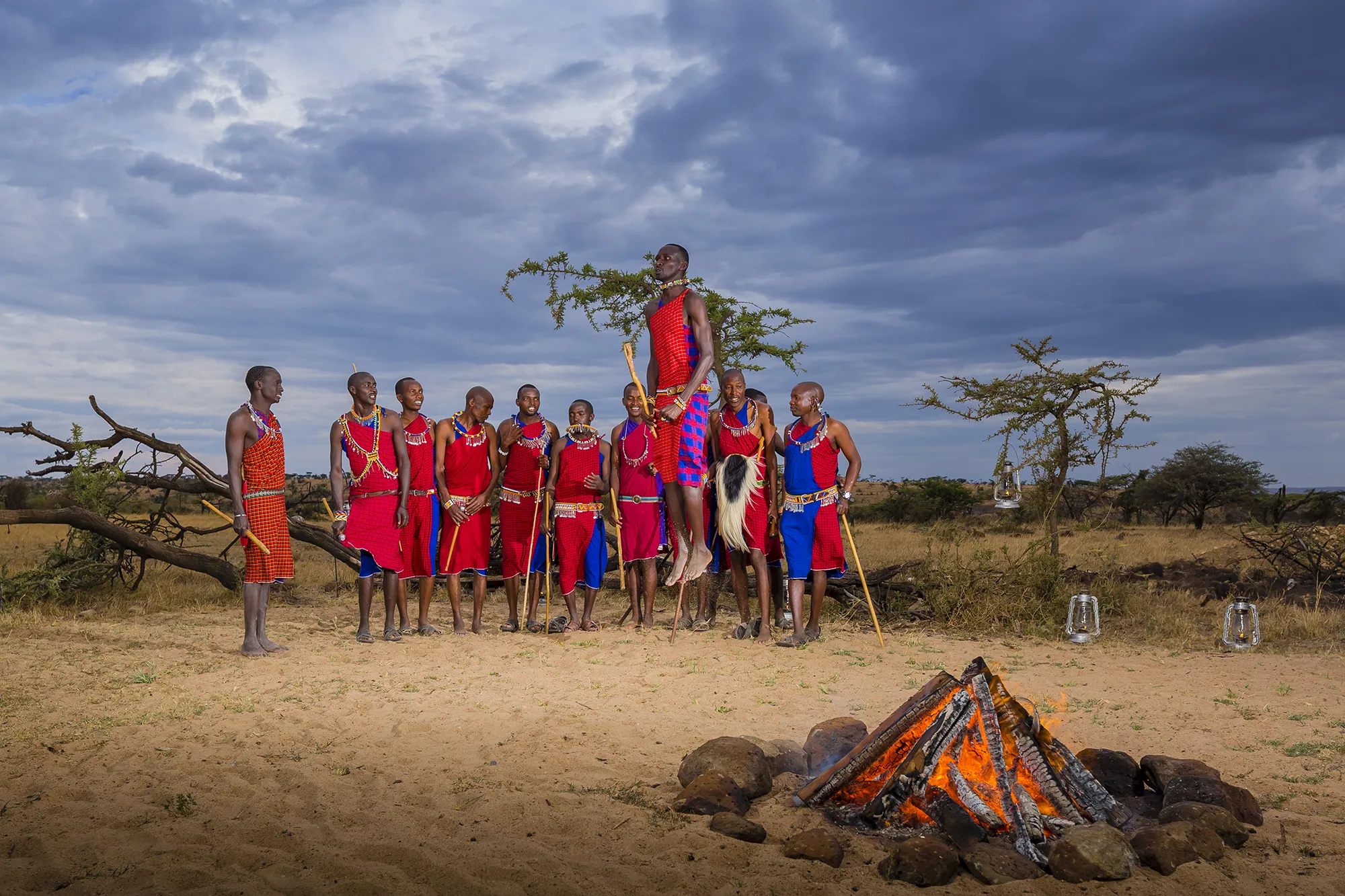
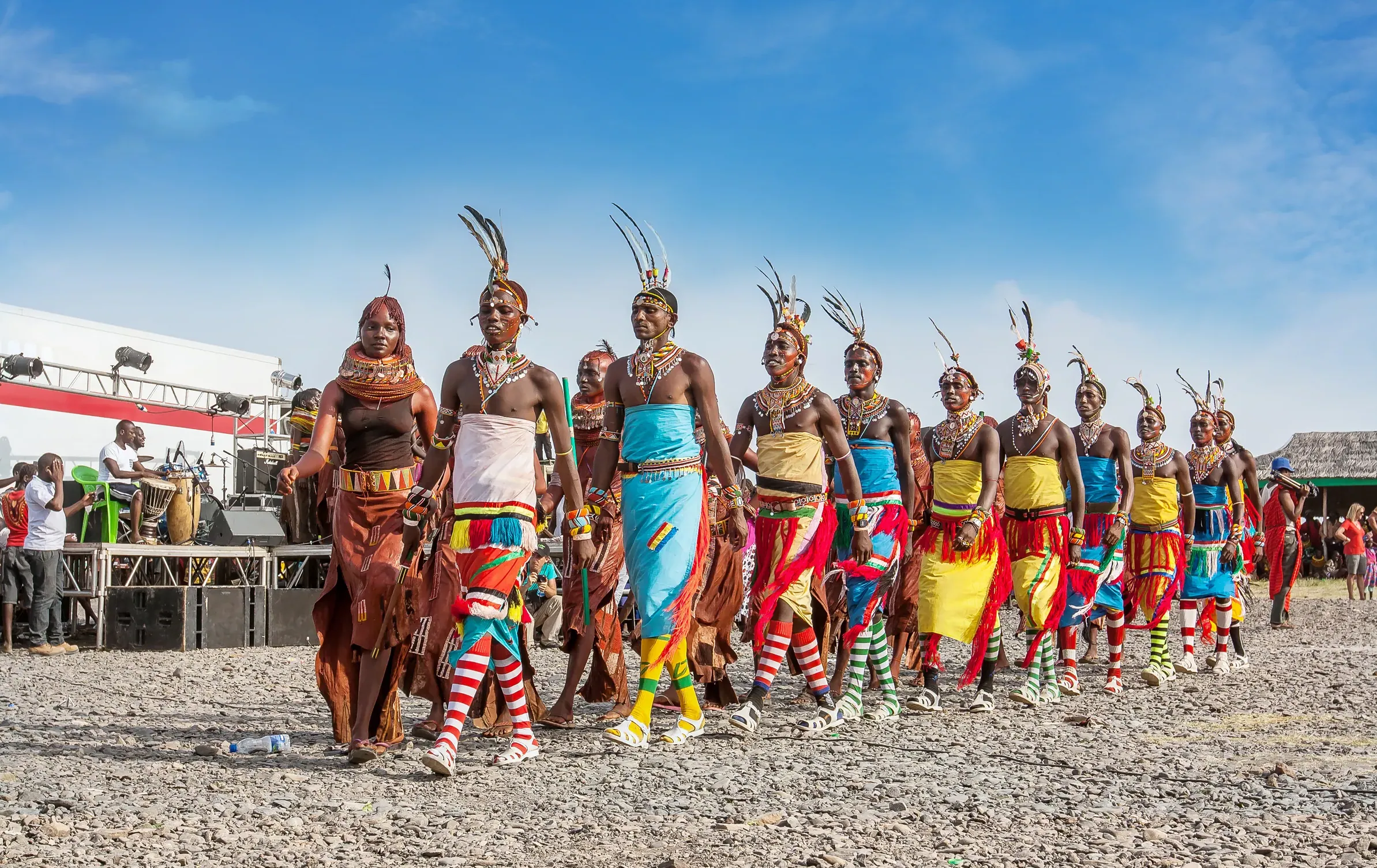
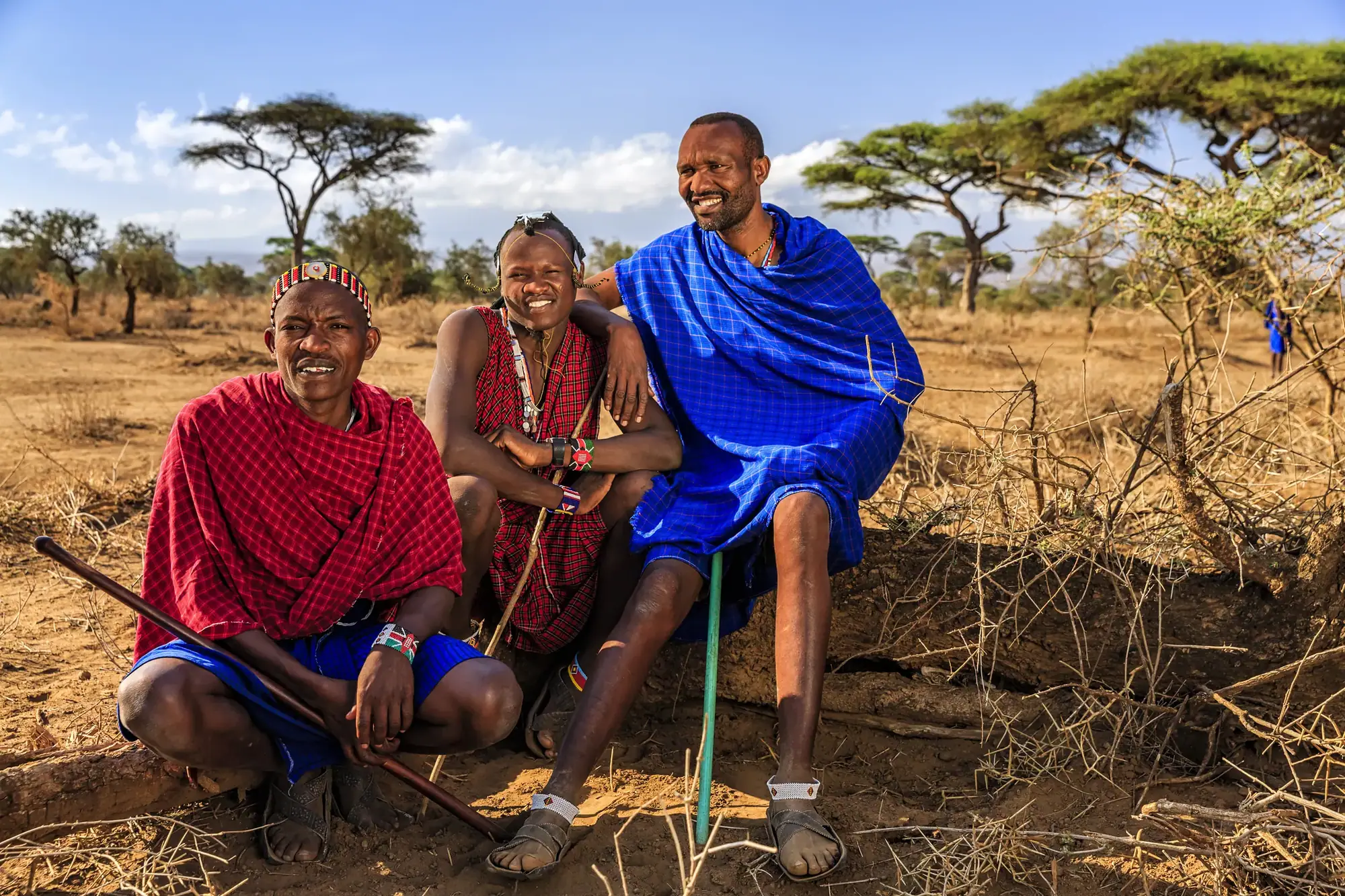
Over the last three thousand years, the peoples who make up Kenya arrived in waves. Cushitic-speaking herders came south first. Bantu-speaking farmers spread into the highlands and along the coast, and Nilotic-speaking pastoralists and fishermen moved into the Rift Valley and around Lake Victoria. Today's Kikuyu, Luhya, Kamba and Mijikenda, the Luo and Kalenjin, the Maasai and Samburu, the Somali and Borana all trace their languages to these three families. Our guide to Kenya's language families explains how they fit together.
Where to stand: Thimlich Ohinga in Migori County, a set of dry-stone enclosures built without mortar, probably from about the 1500s, and a UNESCO World Heritage site. Kakapel rock art in Busia shows painted shelters far older than that. Both fit into a western Kenya trip from Kisumu.
The Swahili coast
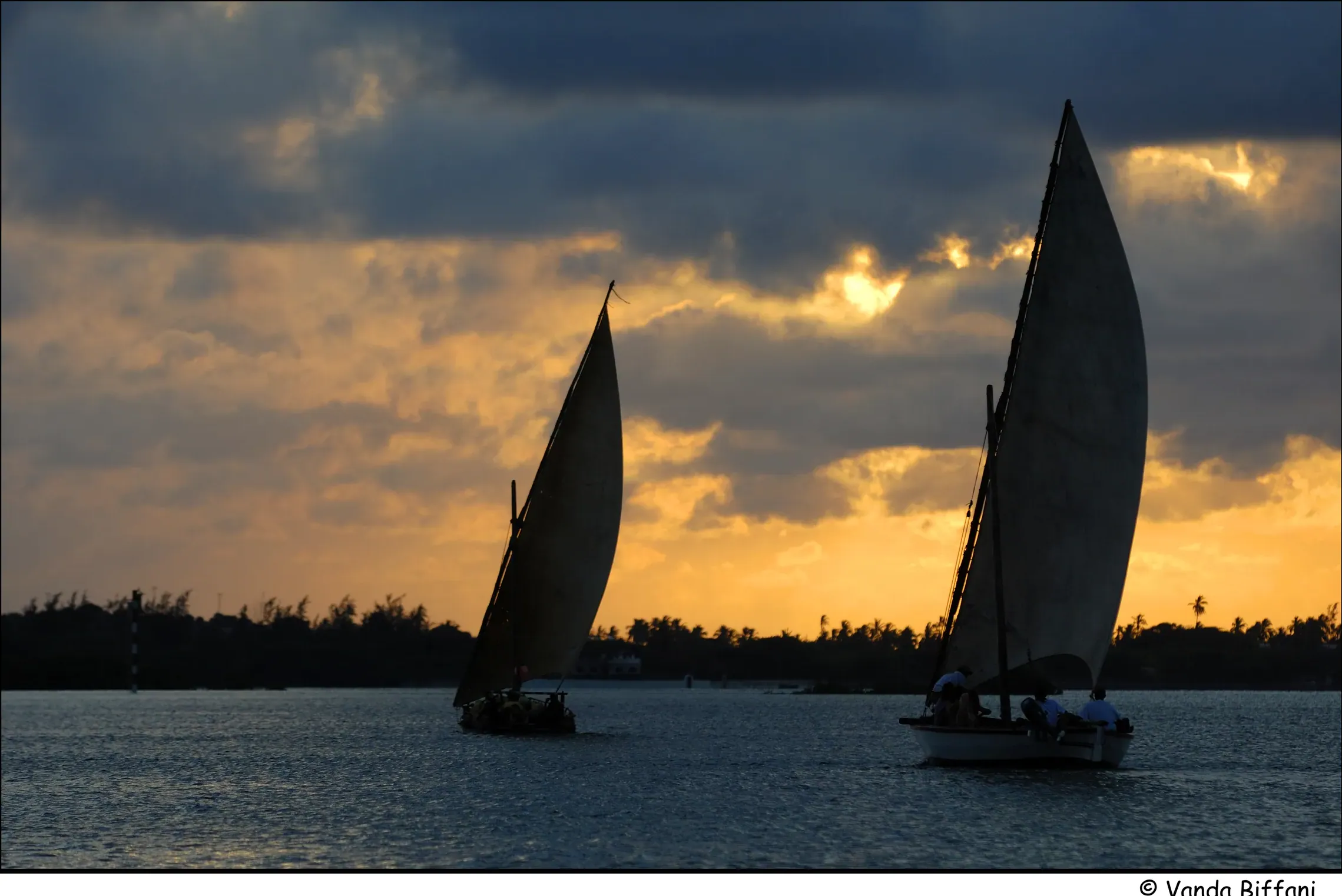
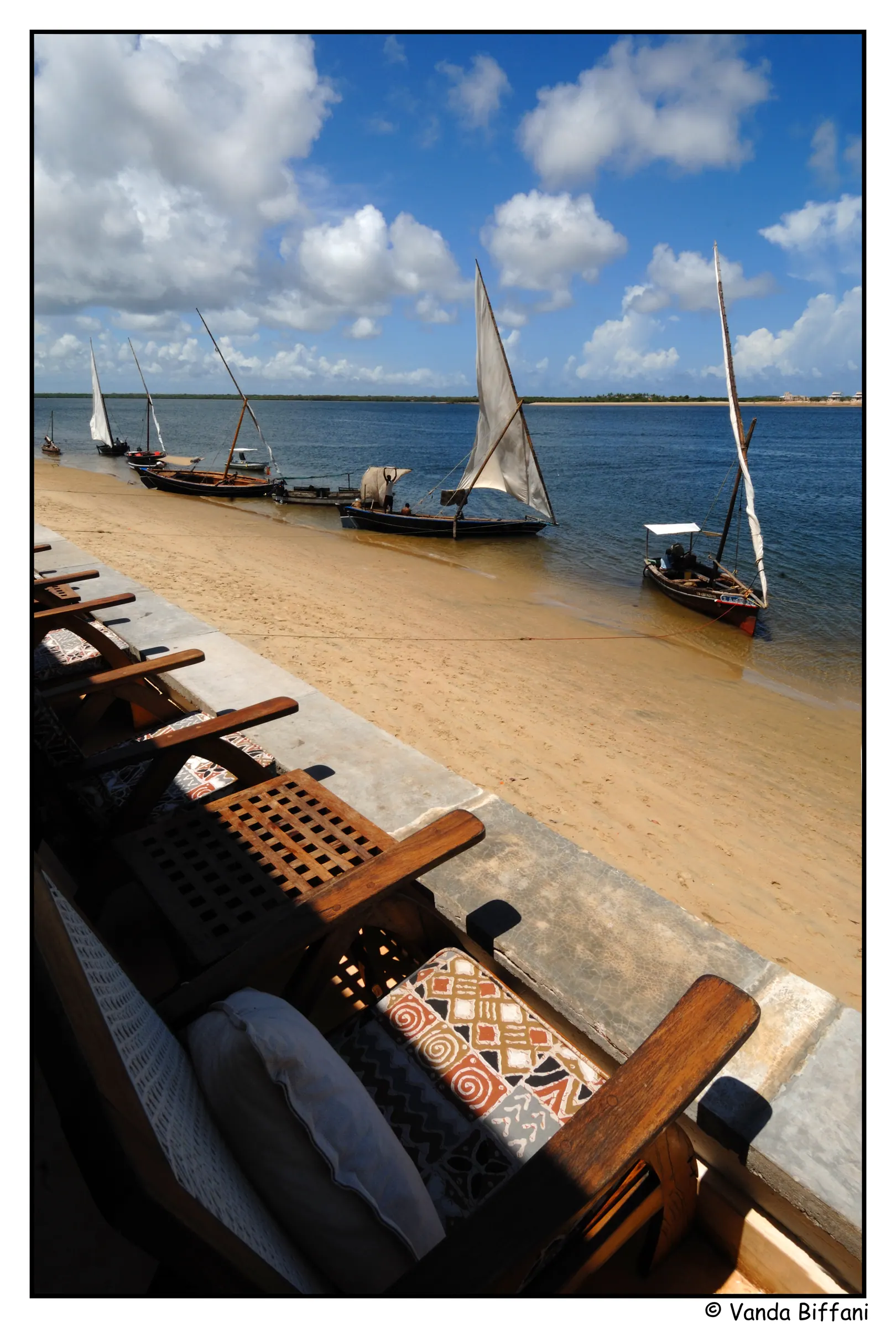
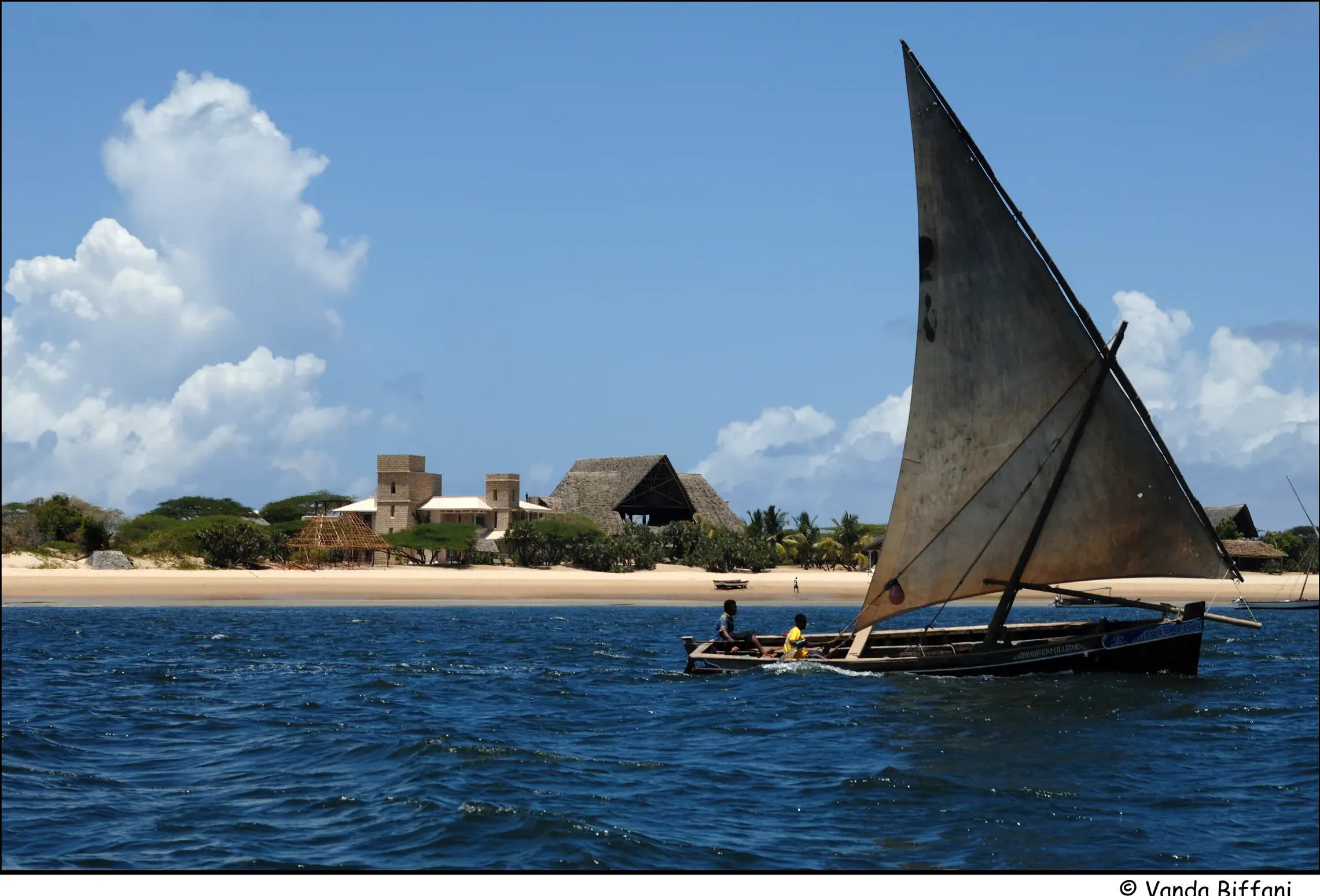
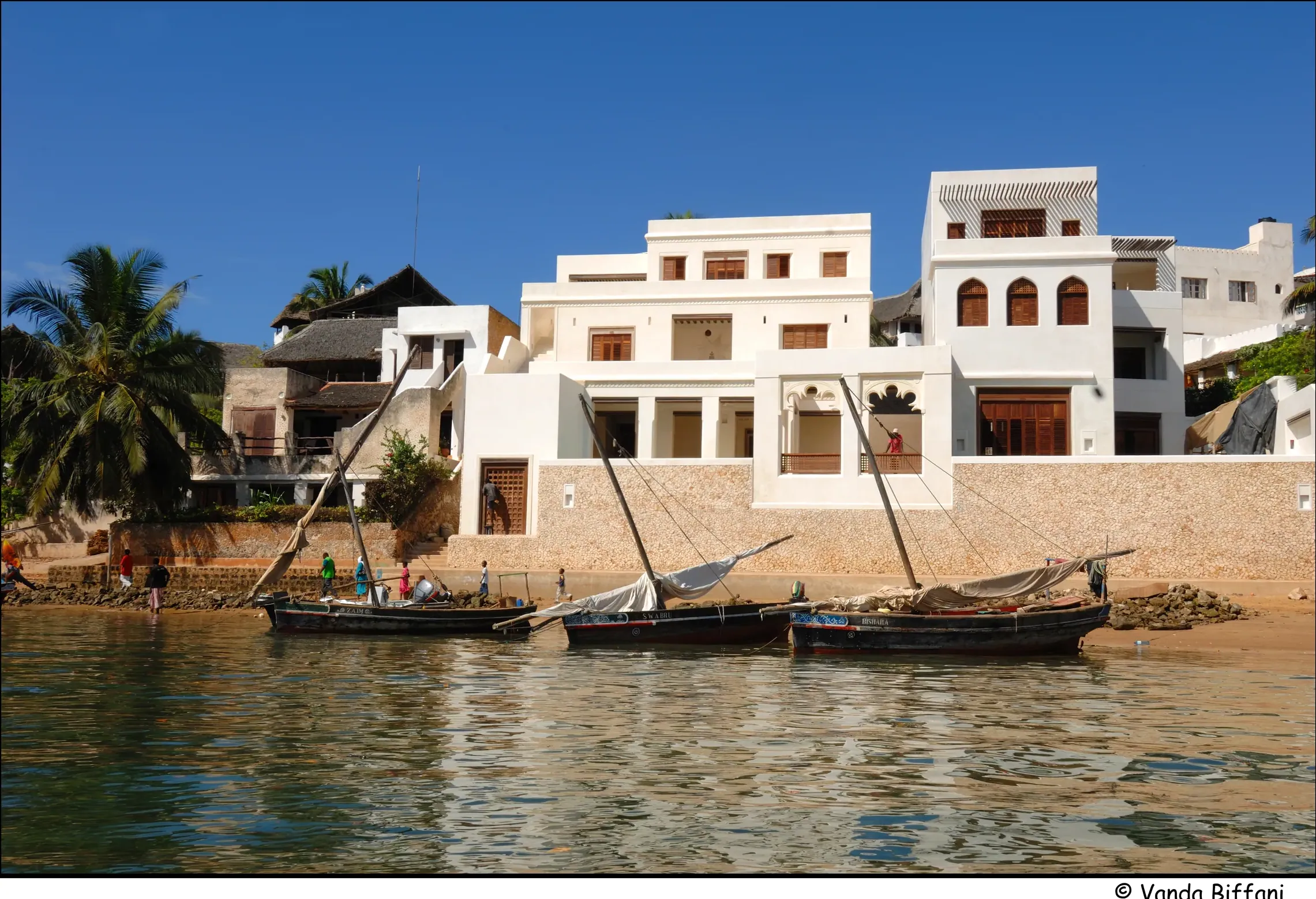
From about 700, towns along the coast became part of an Indian Ocean world that reached Arabia, Persia, India and China. Monsoon winds carried dhows north in one season and south in the next. African traders and their partners from across the ocean built coral-stone mosques and houses, and from those meetings came the Swahili language and culture. Kiswahili is a Bantu language with a large vocabulary borrowed from Arabic, and it is now Kenya's national language.
Where to stand: the ruined town of Gede, in a forest just inland from Watamu; Jumba la Mtwana, on the shore near Mtwapa; the Takwa ruins on Manda Island; and Lamu Old Town, the oldest continuously lived-in Swahili town in East Africa and a UNESCO site since 2001. Gede and Jumba la Mtwana are easy half-days from Watamu and Mombasa, and Lamu is a flight of about 1 hour 45 minutes from Nairobi, with the Takwa ruins a dhow ride across the channel.
Portuguese and Omani rule
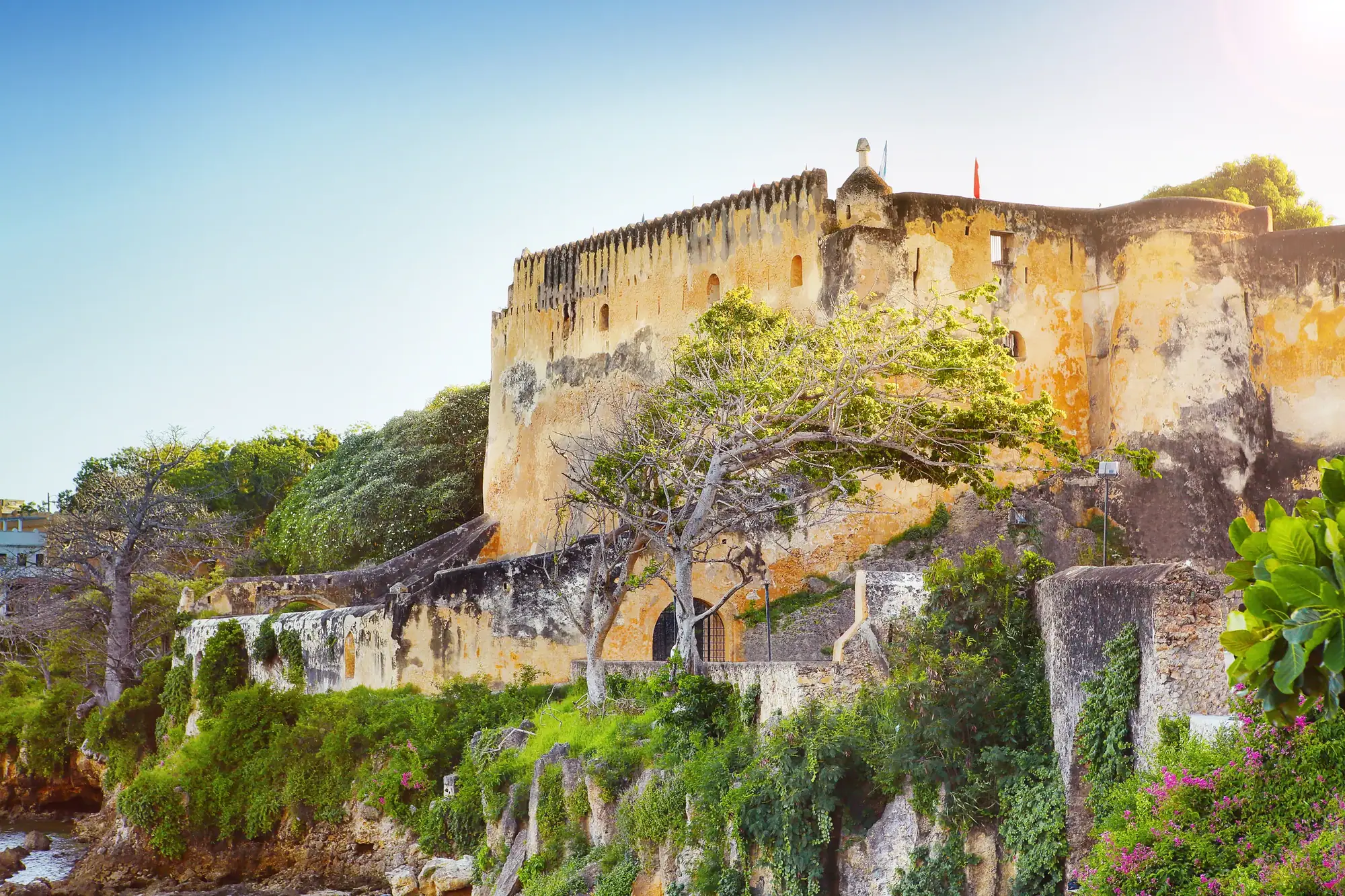
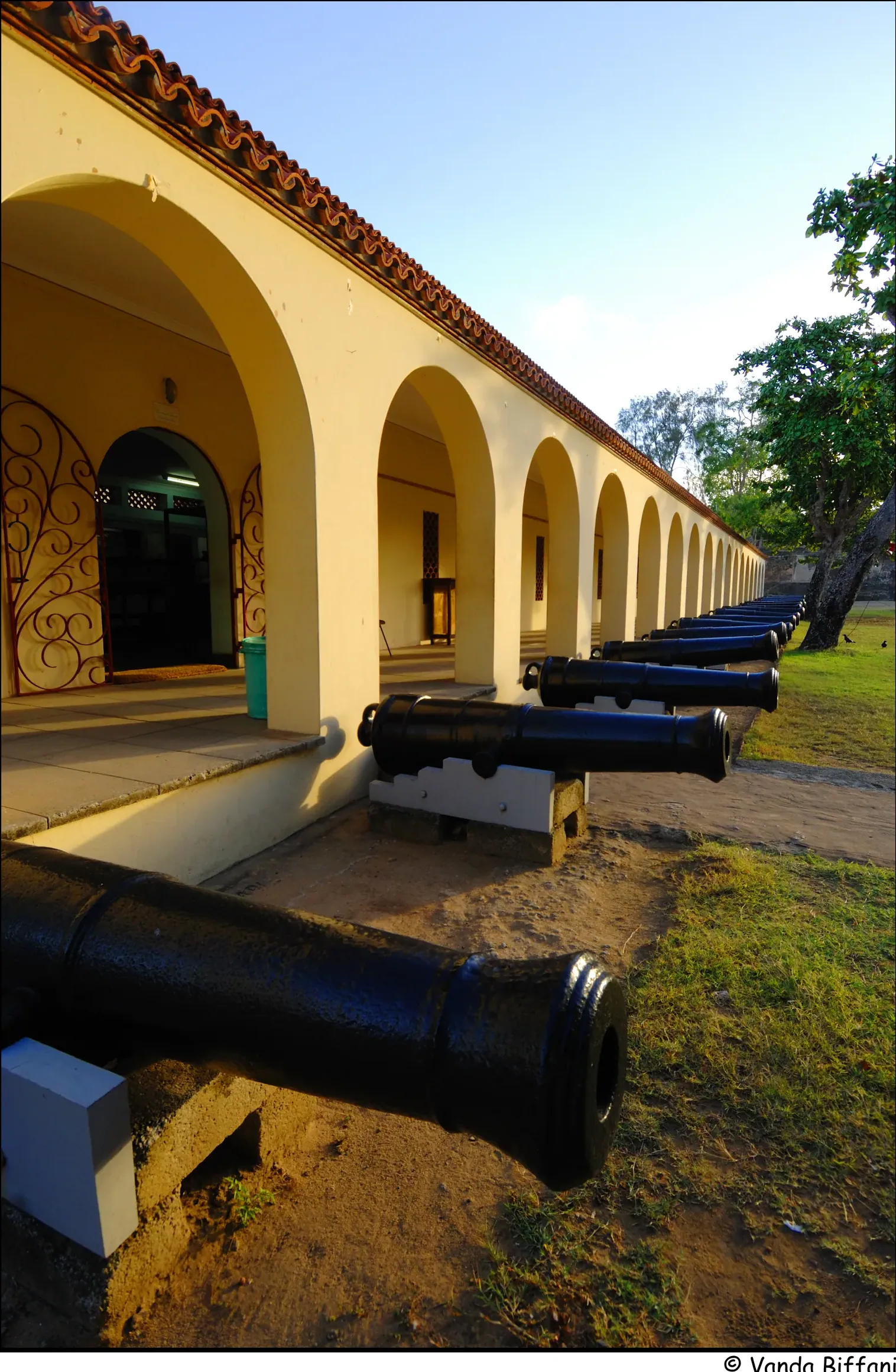
Vasco da Gama reached Malindi in 1498 and found a pilot there for the crossing to India. The Portuguese spent the next century trying to control the coast's trade, and in 1593 they began Fort Jesus at the mouth of Mombasa harbor. Omani Arabs, invited in by coastal rulers, laid siege to the fort in 1696 and took it in 1698. Oman and later Zanzibar ruled the coast for most of the following two centuries, and the Indian Ocean slave trade grew under that rule.
Where to stand: Fort Jesus, a UNESCO World Heritage site since 2011, and the Old Town around it, with its carved doors, mosques and spice shops; the Vasco da Gama pillar on the shore at Malindi. In Mombasa, Frere Town was founded in 1875 for people freed from slave ships, and Rabai, inland, was Kenya's first Christian mission in 1846. Our heritage travel page covers both.
The railway and the colony
Britain declared the East Africa Protectorate in 1895 and began the Uganda Railway at Mombasa in 1896. It reached Lake Victoria in 1901, built largely by laborers brought from India, many of whose descendants stayed. At Tsavo in 1898, two lions killed railway workers and stopped the bridge works for months. In 1899 the line reached a swampy stream the Maasai called Enkare Nairobi, cool water, and a depot there became the capital. In 1920 the protectorate became Kenya Colony, and much of the best highland land was reserved for European settlers. Africans were moved into reserves, taxed and required to carry a pass.
Where to stand: the Nairobi Railway Museum, next to the station; Tsavo, where a game drive crosses the line; and, for contrast, the Madaraka Express, the new railway that has run between Nairobi and Mombasa since 2017.
Resistance, Mau Mau and the Emergency
Resistance began as soon as the British arrived. Koitalel Arap Samoei led the Nandi against the railway for a decade until he was killed at a meeting with a British officer in 1905. Mekatilili wa Menza, a Giriama woman, rallied her people against forced labor and taxes in 1913. Between the wars, Kenyan associations organized over land, labor and the right to be heard, and Jomo Kenyatta spent years in Britain making the case.
By the early 1950s, land hunger in the central highlands had turned into armed revolt. The colonial government declared a State of Emergency in October 1952, arrested Kenyatta and five others, the Kapenguria Six, and fought the Mau Mau movement from the Aberdare and Mount Kenya forests until 1960. It was also a civil conflict, which divided families and communities. Tens of thousands of Kenyans were detained in camps, and estimates of the dead vary widely; for numbers, read the Kenya National Archives and academic historians rather than any one side. In 2013 the British government expressed regret and agreed a settlement with Kenyans who were abused in detention.
Where to stand: the Aberdare forests and Nyeri, where much of the fighting took place; the Kapenguria museum in West Pokot, in the cells that held the six; and the Koitalel Arap Samoei mausoleum in Nandi Hills. A good guide matters more here than anywhere: this is living memory, and families tell it differently.
Independence and the republic
Kenya won self-government on June 1, 1963, now Madaraka Day, and independence at midnight on December 12, 1963, now Jamhuri Day, when the new flag rose at what is now Uhuru Gardens. A year later it became a republic with Jomo Kenyatta as president. He died in 1978 and is buried in a mausoleum in the Parliament grounds. Through this period, students flown to American colleges on the Kenya Airlift came home to build the new state; our heritage travel page tells that story.
Modern Kenya
Daniel arap Moi led Kenya from 1978 to 2002. It became a one-party state in law in 1982, and pressure at home and abroad brought back multi-party politics in 1991. Mwai Kibaki's 2002 victory was the first change of party in power. A disputed election in 2007 led to violence in which more than a thousand people died, and the settlement that followed led to the 2010 constitution, approved by referendum. It moved power and budgets to 47 county governments from 2013. Along the way, Wangari Maathai won the 2004 Nobel Peace Prize for the Green Belt Movement, Kenyan runners came to dominate distance running, and Nairobi became a center for mobile money and tech.
History you can visit
| Site | Era | Where | How to fit it in |
|---|---|---|---|
| Nairobi National Museum | Human origins to today | Nairobi | Half a day, any trip |
| Nairobi Railway Museum | Railway and colony | Nairobi | Two hours, near the station |
| Uhuru Gardens and Kenyatta mausoleum | Independence | Nairobi | A morning city history tour |
| Olorgesailie | Early humans | Kajiado | Day trip from Nairobi |
| Fort Jesus and Old Town | Portuguese and Omani | Mombasa | One full day |
| Gede ruins | Swahili towns | Watamu, Kilifi | Half a day from a Watamu stay |
| Vasco da Gama pillar | Portuguese | Malindi, Kilifi | One hour, with Gede |
| Thimlich Ohinga | Early societies | Migori | Half a day from Kisumu or the Mara's west |
| Kapenguria museum | Resistance | West Pokot | On a north Rift trip |
| Aberdares and Nyeri | Mau Mau | Nyeri | Two nights in the Aberdares |
For students and families
If you are a student with a project, start with the timeline above and pick one era: a county story is often the most original. If you are a teacher or professor, we build history into study tours, pairing Fort Jesus with a Kenyan historian, or the Railway Museum with a ride on the Madaraka Express. If your family is from Kenya, your county page is the place to start: each one covers its people, its history and its places to visit. Tell us your county and we will build a day of your family's history into the trip.