Experience
Safaris, the Indian Ocean coast, honeymoons and family adventures, planned by people who live there.
- Couples & honeymooners
- Families & multi-generational groups
- First-time safari travelers
- Luxury & adventure travelers
Experience
Safaris, the Indian Ocean coast, honeymoons and family adventures, planned by people who live there.
Individuals, couples, families and friends who want a trip built around them, not a bus schedule.
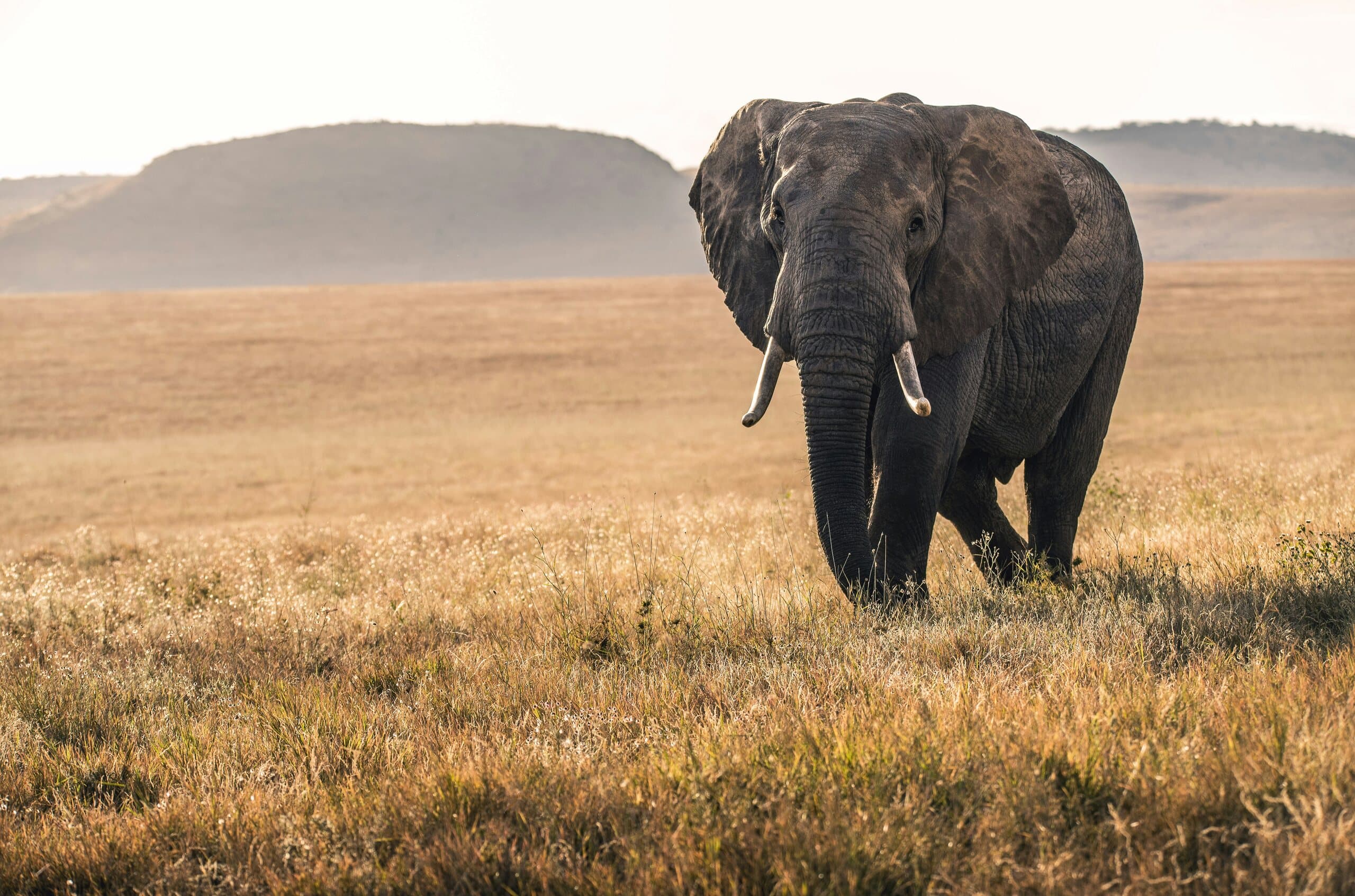
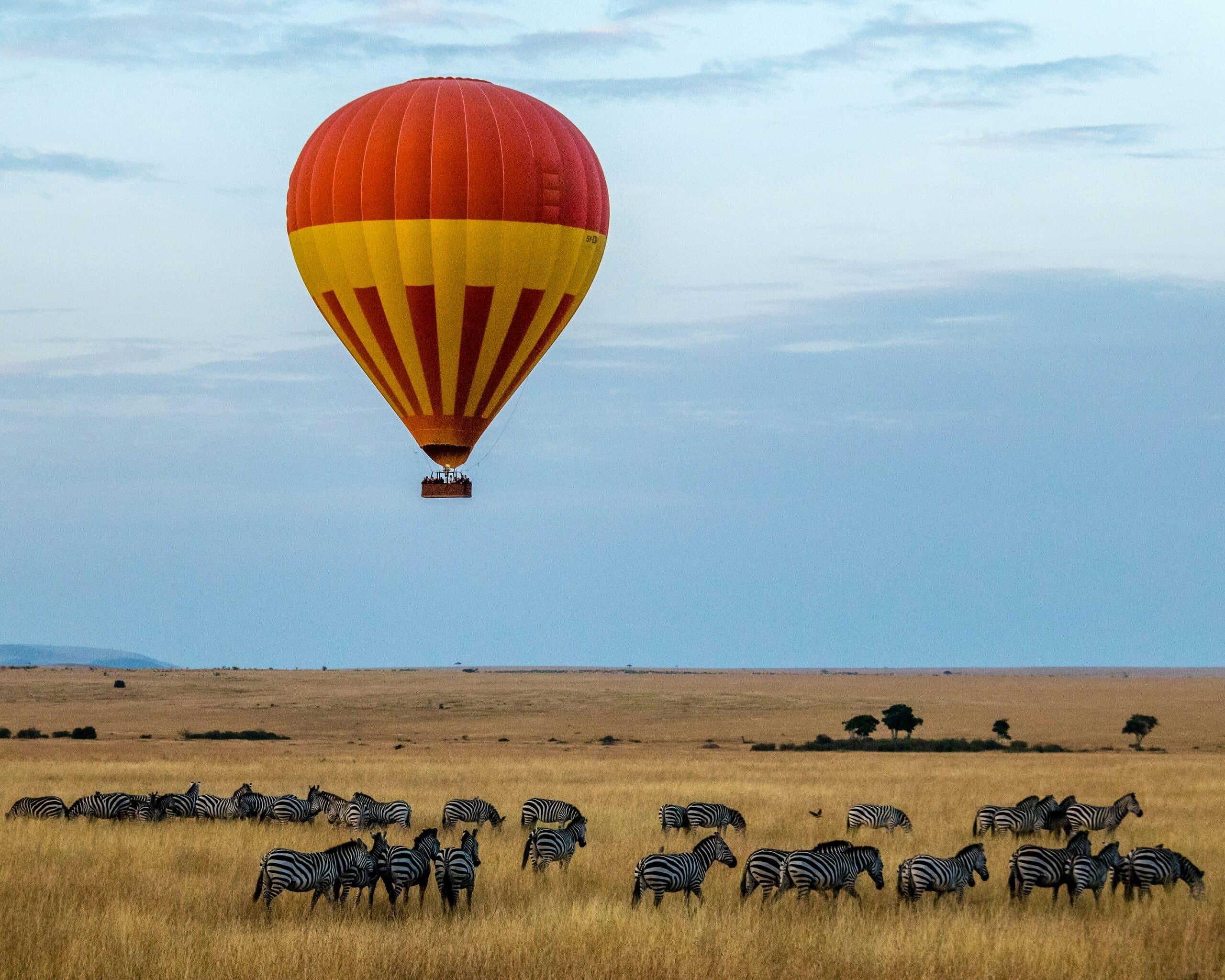
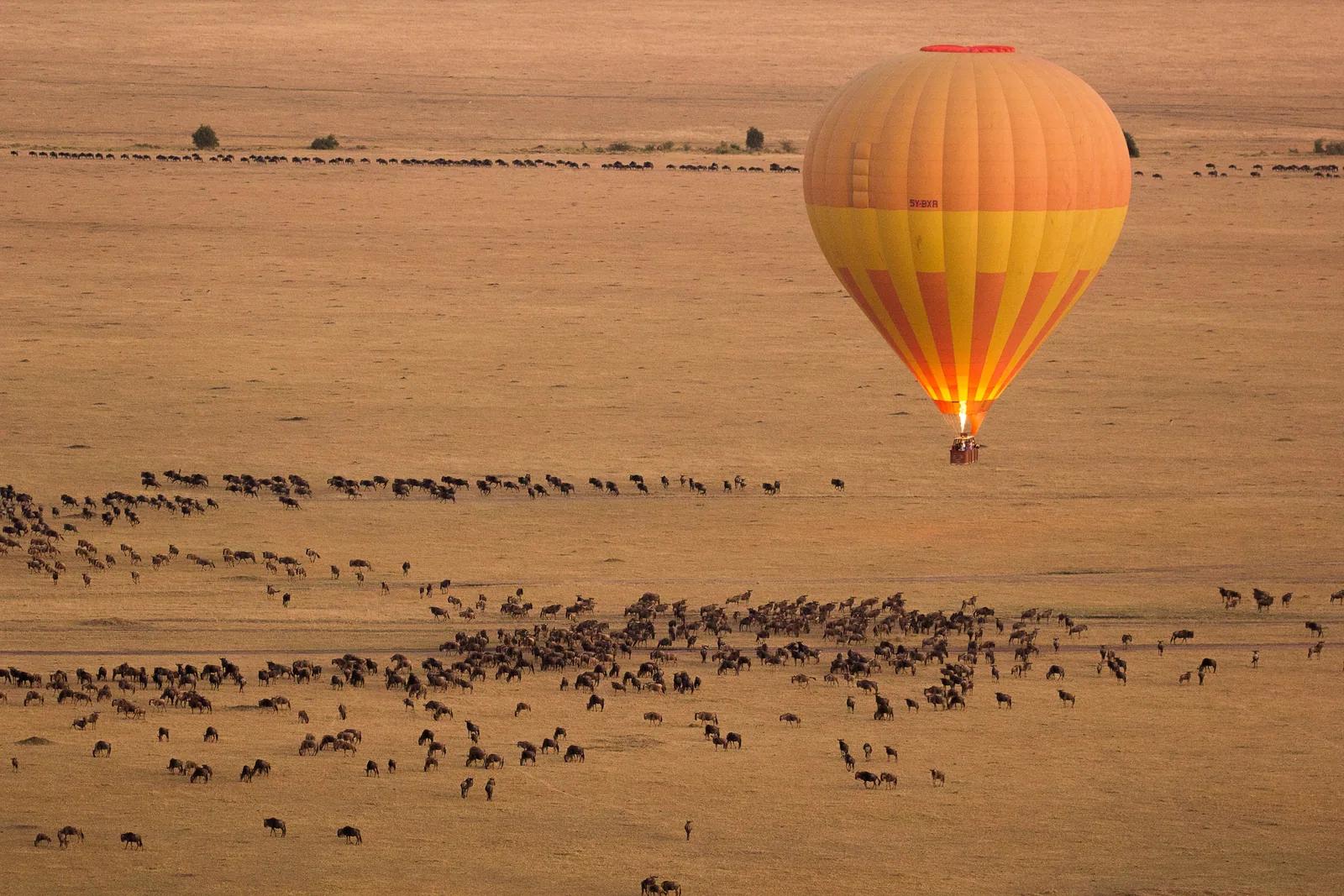
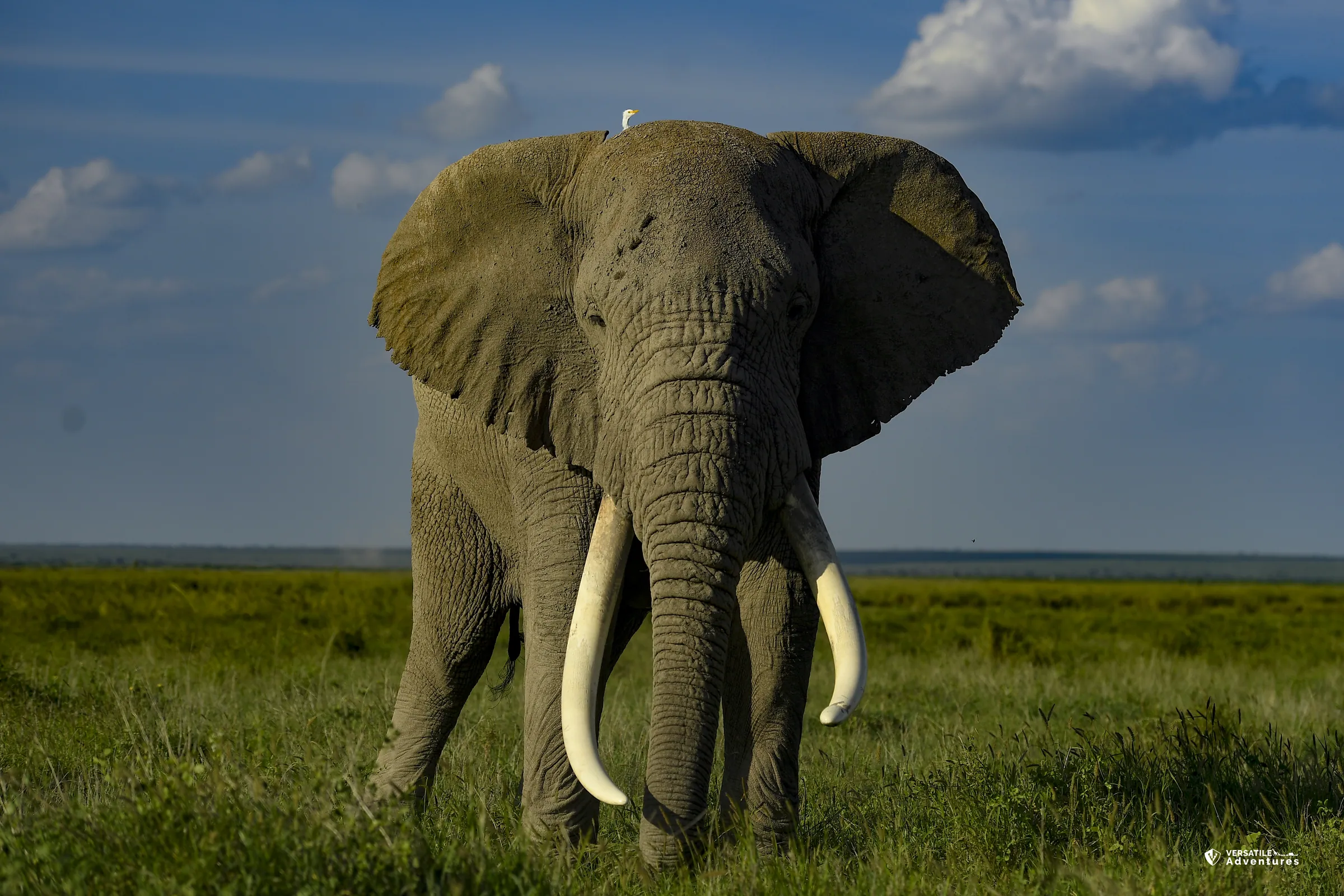
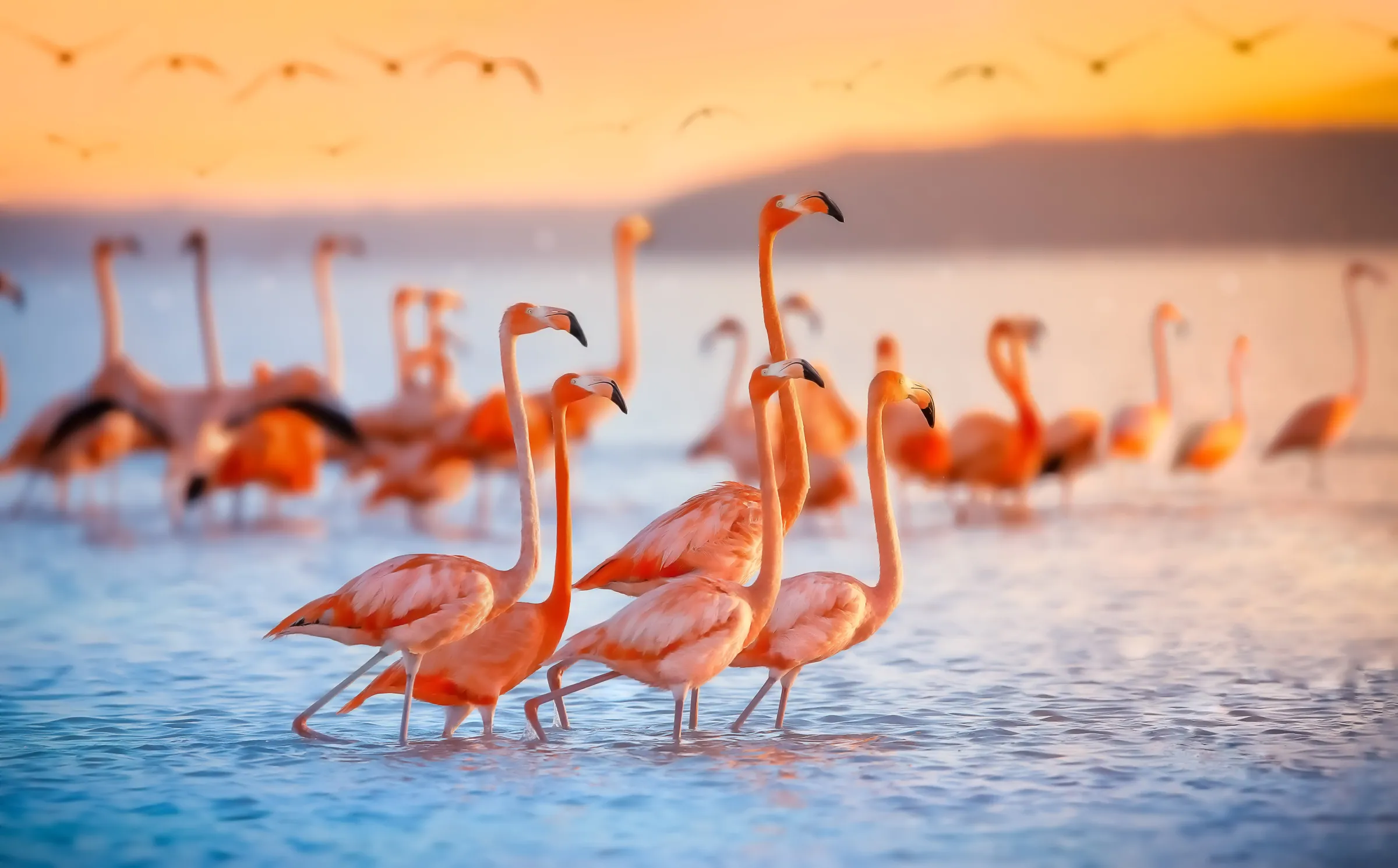
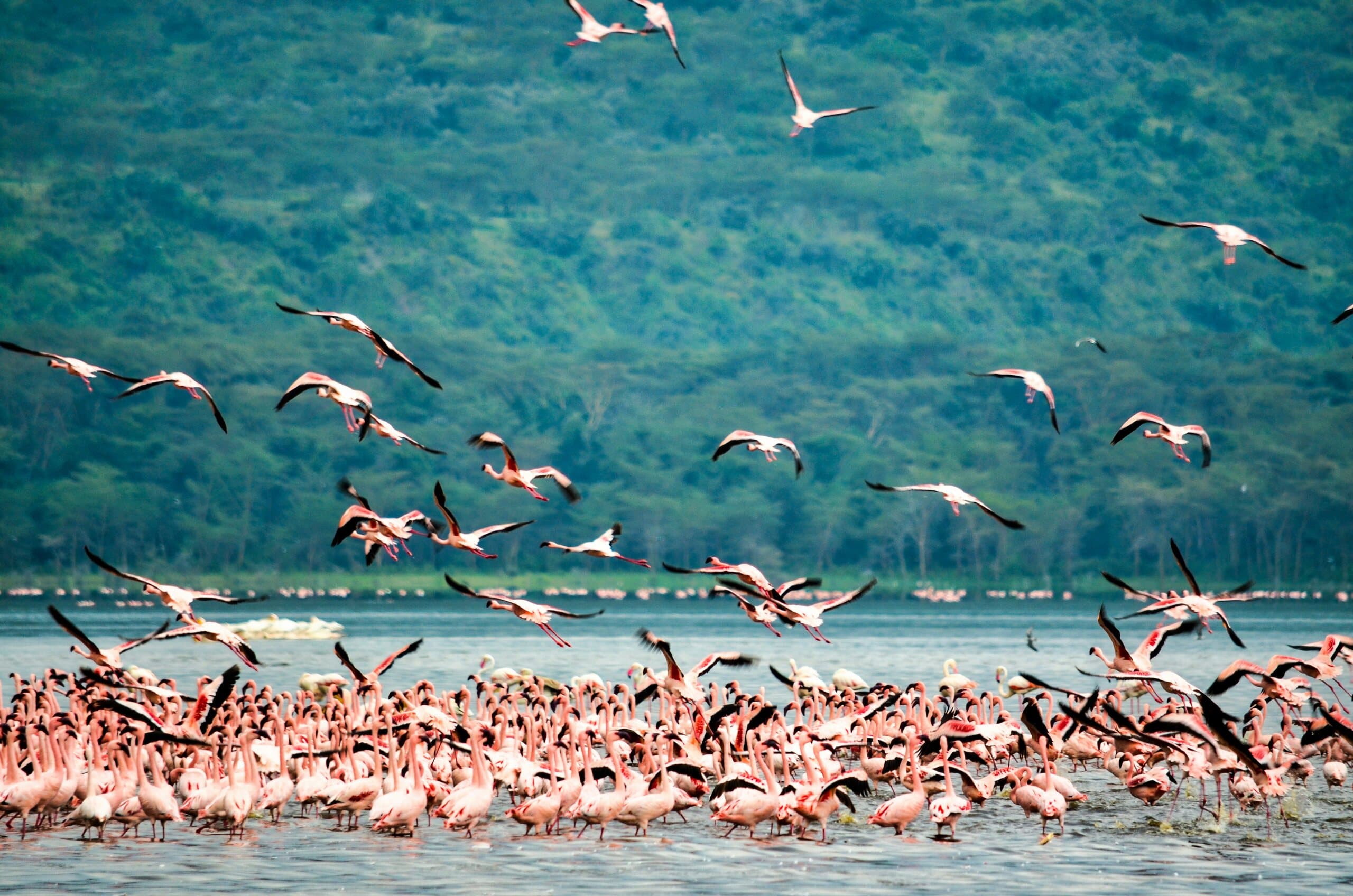
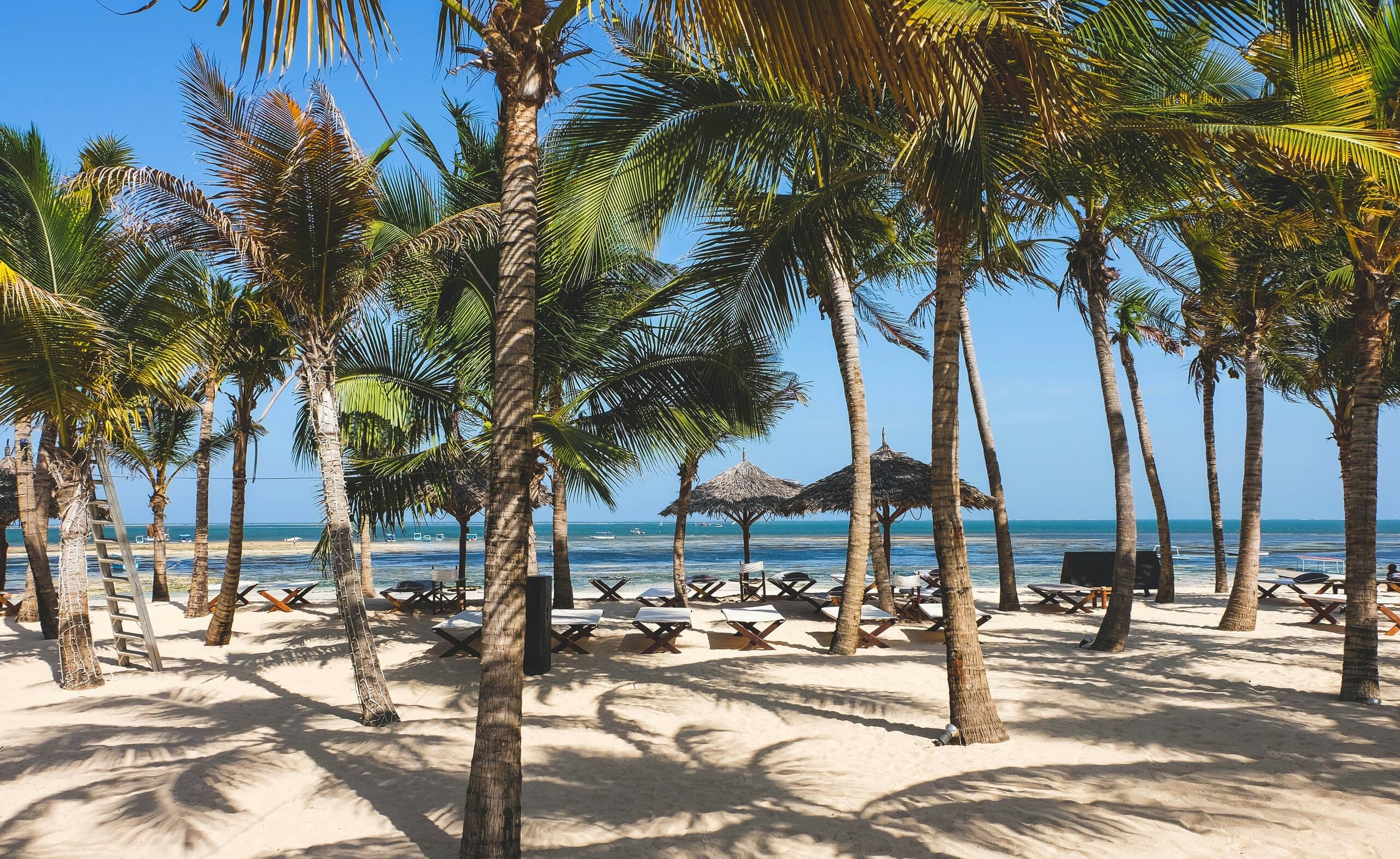
Classic Mara & Big Cats (6 days): Maasai Mara game drives, a sunrise balloon flight and a night under canvas. Amboseli & the Giants (5 days): Elephant herds beneath Kilimanjaro, then the Chyulu Hills. Rift Valley Lakes (4 days): Flamingos at Nakuru, boat safaris at Naivasha, Hell's Gate on foot. Bush & Beach (9 days): Three nights on safari, four on the coast at Diani or Watamu. Every itinerary is a starting point, adjusted to your dates, group and budget.
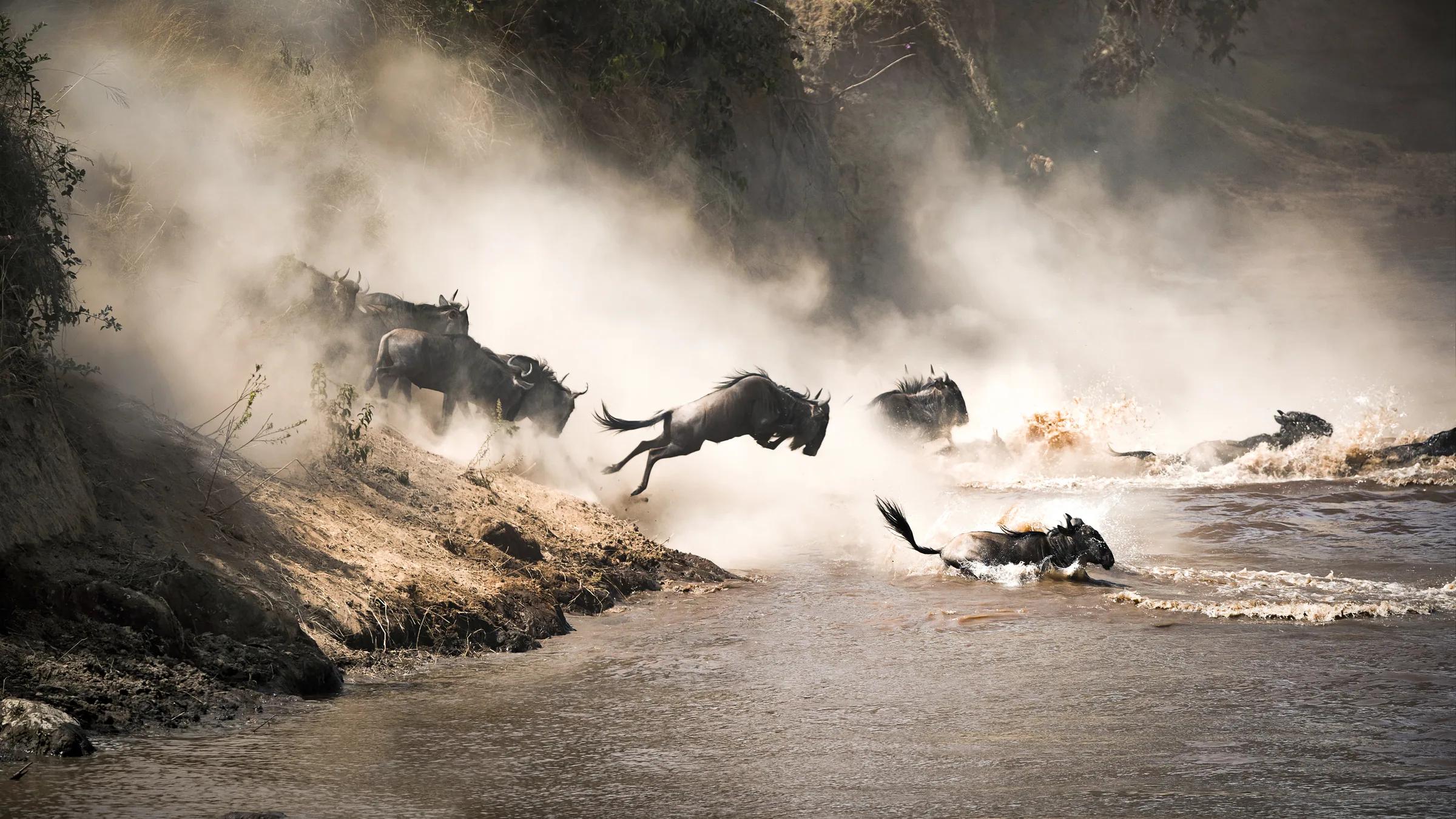
Year-round. July to October for the Great Migration; January to March for clear, dry days; the green season (April to June) for low rates and dramatic skies.
Family reunions, friends' trips and milestone birthdays get a private vehicle, private guide and one invoice.
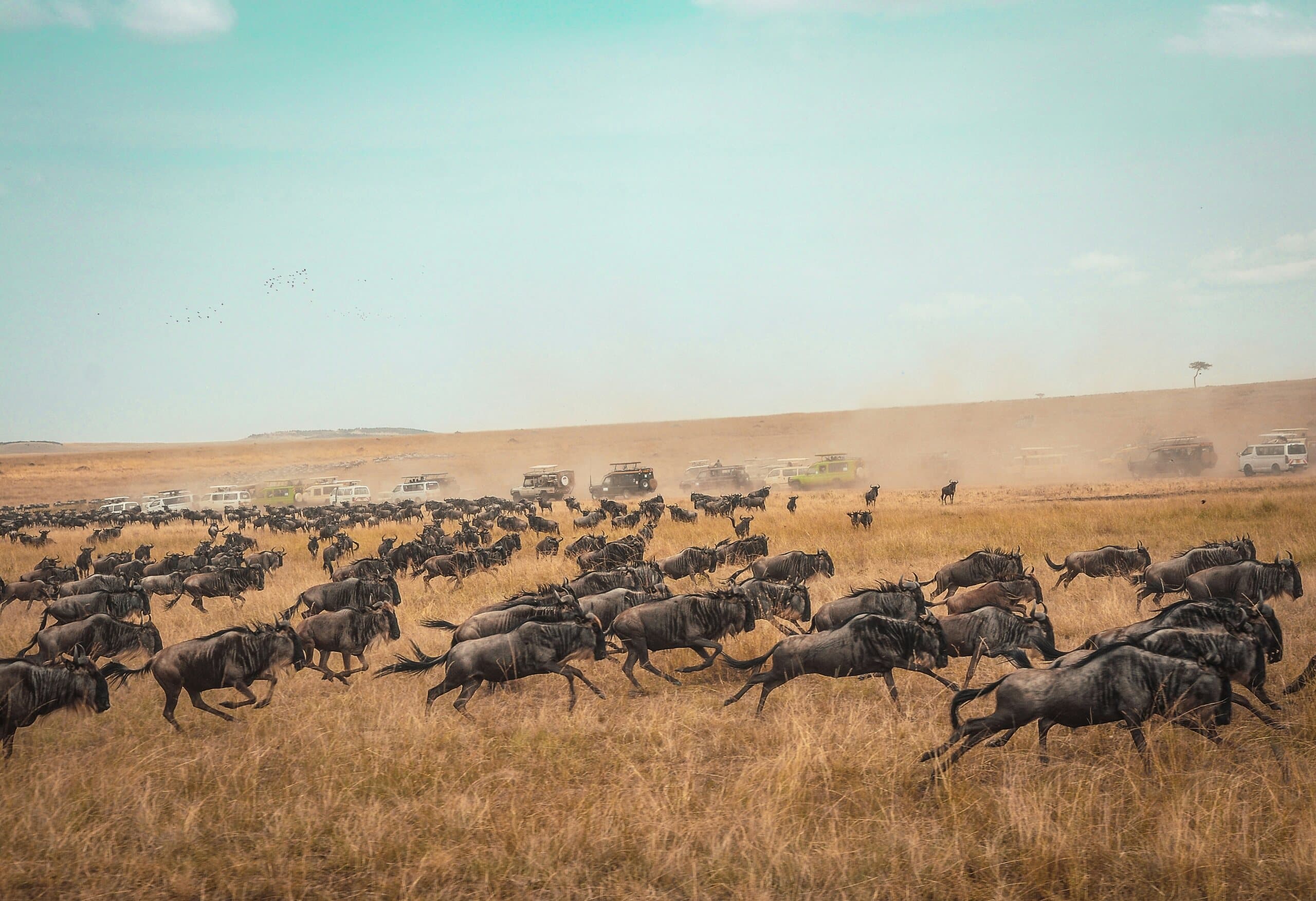
Safari is a Kiswahili word, meaning journey, and Kenya is where the modern safari took shape. Nairobi National Park, the country's first, was set aside in 1946 on the edge of the capital. Today community and private conservancies cover more of Kenya than its national parks and reserves, by recent estimates, so Maasai and Samburu landowners earn from the wildlife on their land. Guides are graded by the Kenya Professional Safari Guides Association, and most grew up in the places they show you. Add a nonstop Kenya Airways flight from New York and an eTA you apply for online, and Kenya is one of the easiest safari countries to reach from the U.S.
Most trips start and end in Nairobi. You land, rest a night, then travel by road in a four-wheel-drive vehicle with a pop-up roof, or by light aircraft from Wilson Airport to bush airstrips in the Mara, Amboseli and Samburu. Light aircraft have strict soft-bag weight limits, often around 15 kilograms. Plan two to three nights in each area and seven to ten days in total. Game drives run at dawn and in the late afternoon, when animals move, with a long lunch and a rest at camp in the heat of the day. On a private trip your guide and vehicle stay with you, so the pace bends to your group.
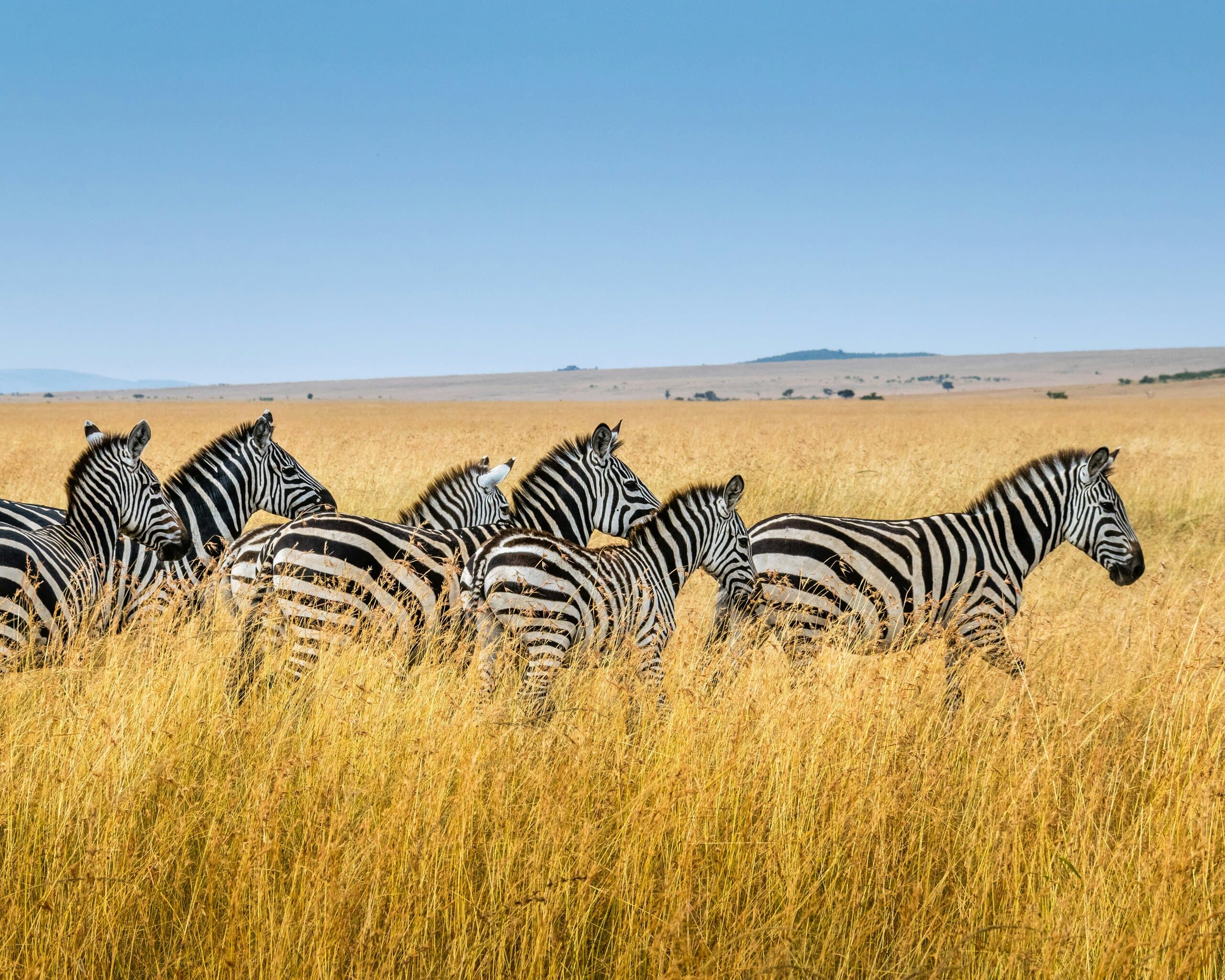
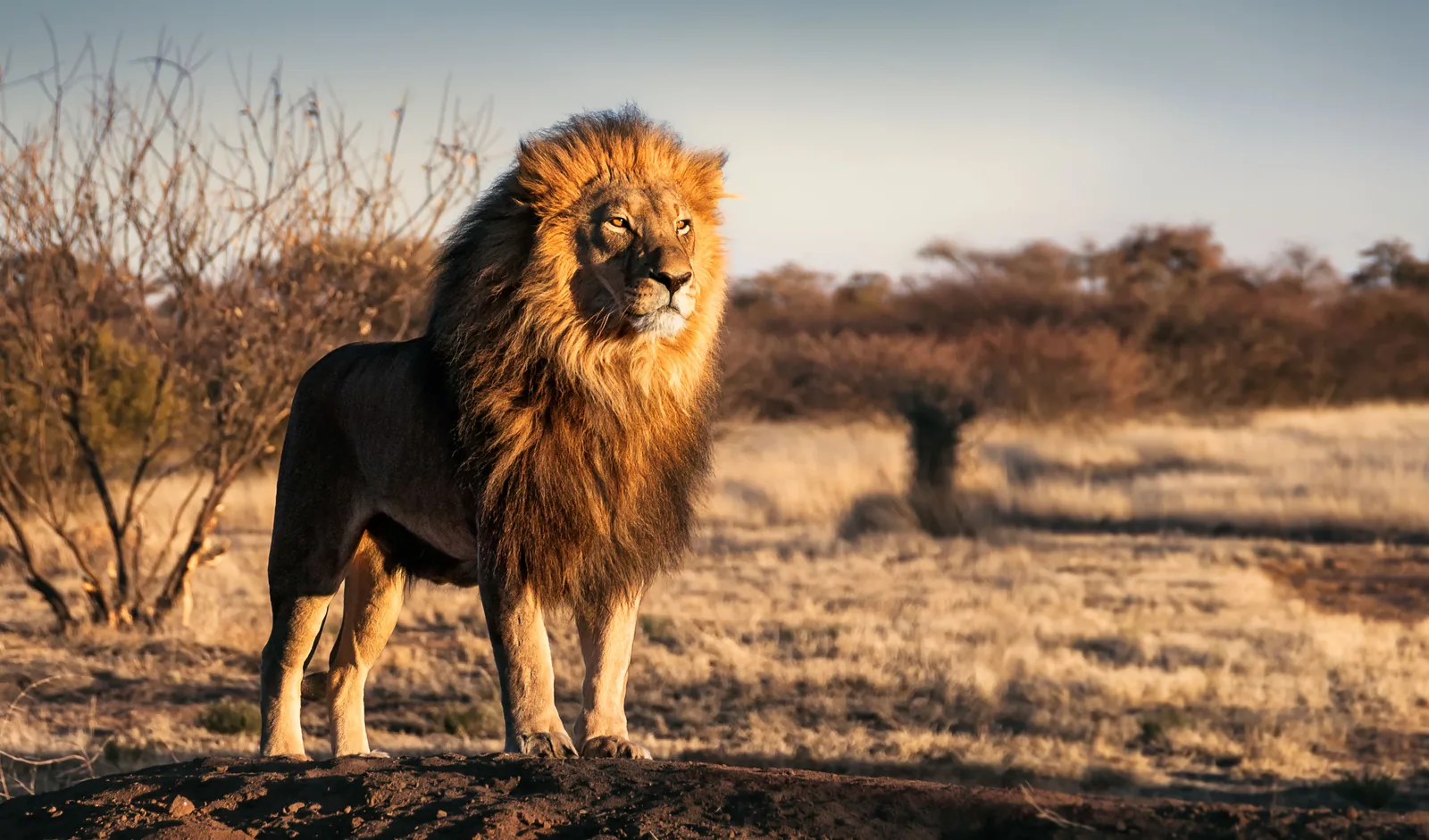
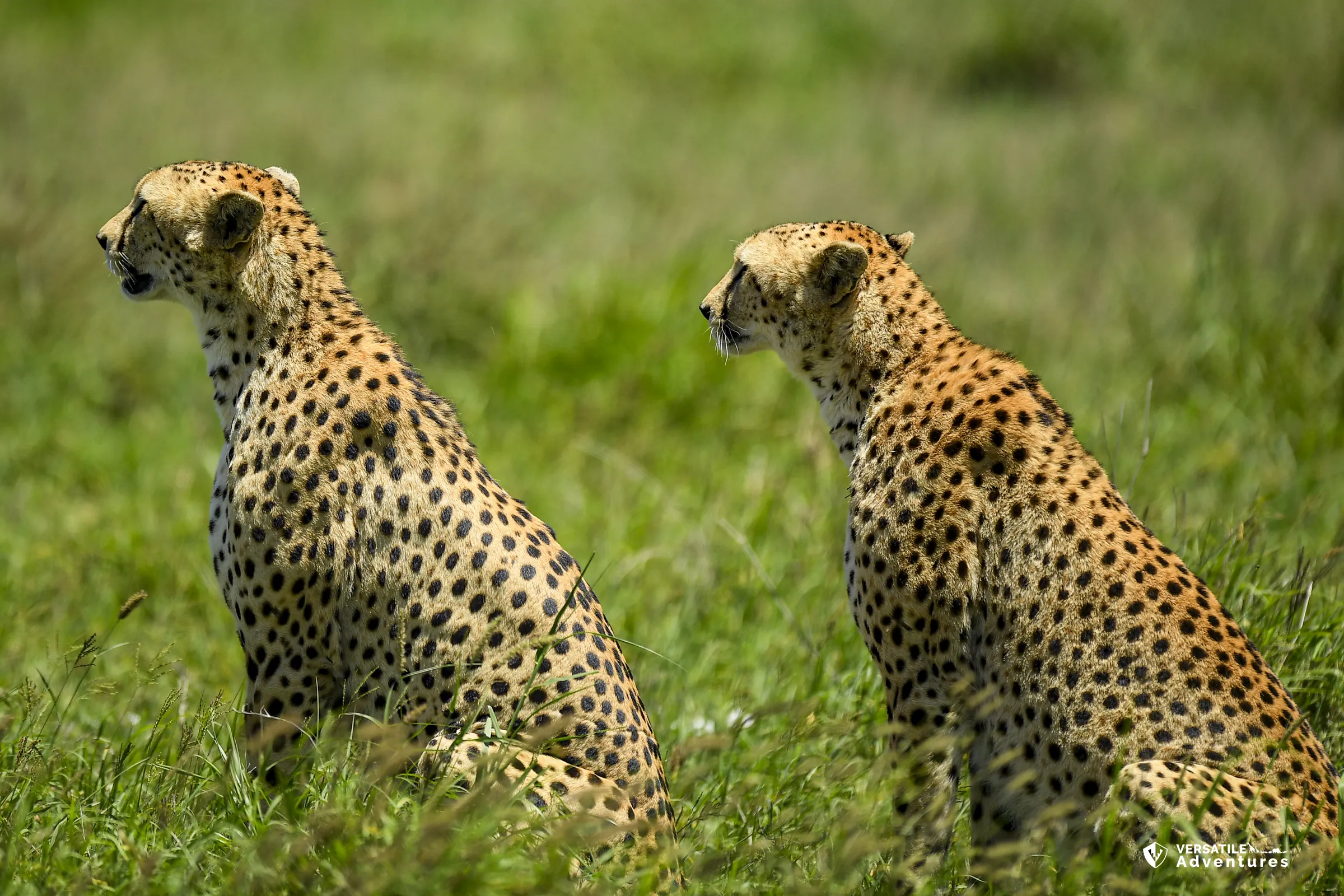
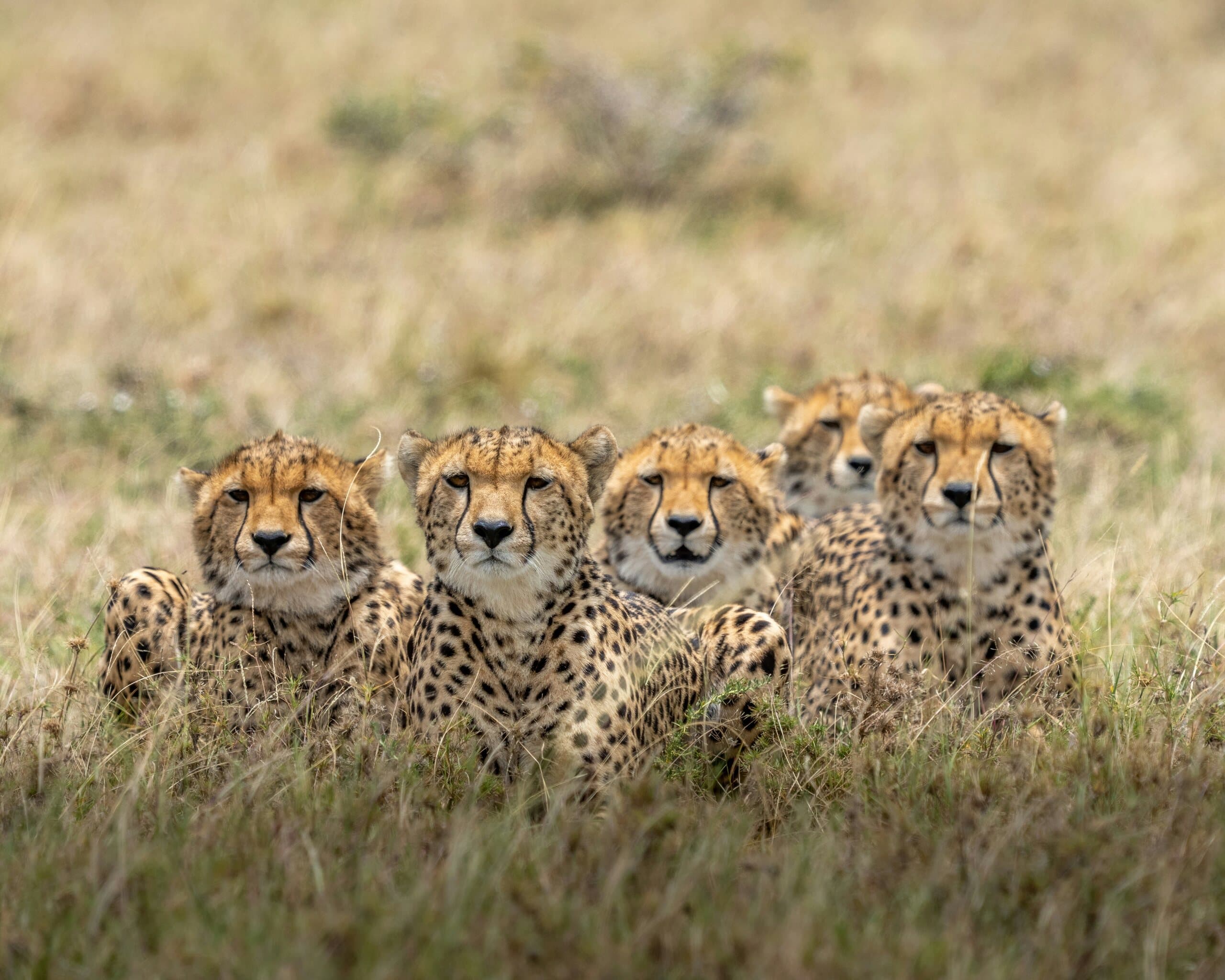
The Maasai Mara is the place for big cats and, in season, the migration. Amboseli gives you elephant herds under Kilimanjaro. Samburu and Laikipia in the north hold the northern species, including Grevy's zebra, reticulated giraffe and gerenuk, and conservancies there such as Ol Pejeta and Lewa protect rhino. Tsavo is vast and quiet, with elephants dusted red by the soil. The Rift Valley lakes add flamingos, hippos and walking at Hell's Gate. Most first trips pair two or three of these with a few nights on the coast at Diani, Watamu or Lamu.
Kenya has two rainy seasons in most years: the long rains, usually April and May, and the short rains, usually in November. Short-rain showers tend to arrive in the afternoon and pass, so November travel works well. The migration herds are usually in the Mara from about July to October, which is also when camps fill first. January and February are typically hot, dry and clear, with short grass that makes cats easy to find. June mornings can be cold on game drives, so pack a warm layer. The coast is at its calmest from about October to March.
First-time safari travelers, because the wildlife is easy to see and the logistics are simple. Families, with private vehicles that stop when a child needs to, and camps that welcome children, though many set minimum ages for walking safaris. Honeymooners, who end in a beach villa. Multi-generational groups and diaspora families bringing friends home for the first time. Photographers, who get open vehicles, conservancy off-road driving and long hours at a sighting. If you can sit in a vehicle for a few hours and walk short distances, you can do a classic Kenya safari.
Kenya Experience is Kenyan-led, with two U.S. companies behind it and Kenyan guides on every trip. Join a dated departure on our Trips page or ask for a private quote through Plan a trip, then pay in full or monthly with no deposit. A specialist replies within two business days.
Lodge level and season drive the price. A mid-range seven-day safari with internal flights typically starts in the low thousands of dollars per person before international airfare; we quote itemised with real lodge names.
July to October for the Great Migration; January to March for dry, clear days; April to June for the green season and the lowest rates.
Kenya requires an Electronic Travel Authorisation (eTA) applied for online before departure. We walk every client through it and link to the official portal.
Our trips are run by Kenya specialists with vetted Kenyan guides and lodges, 24-hour support and emergency evacuation cover, and we follow the U.S. State Department advisories.
Seven to ten days on the ground is typical for a first safari, enough for two or three parks at two or three nights each. Add three to five nights if you want to finish on the coast.
Yes. Short domestic flights link the Mara, Amboseli and Tsavo with Diani, Watamu and Lamu, so a bush-and-beach trip is easy to build in nine to twelve days.
National parks and reserves are run by Kenya Wildlife Service or a county government and are open to all visitors. Conservancies are private or community land leased for wildlife, with fewer vehicles and activities such as night drives and guided walks.
The CDC lists malaria risk across Kenya below 2,500 meters, which includes the main parks and the coast. Ask a travel clinic about antimalarials four to six weeks before you fly.
Panga
Panga means plan. Tell us who is going and what you love. A Kenya specialist replies within two business days.