Wildlife. Updated November 2026. 4 min read.
Safari is a Swahili word, and Kenya is still one of the finest places in Africa to see the Big Five. The best places are Ol Pejeta and Lewa conservancies near Mount Kenya, Meru National Park and the Maasai Mara, where rhinos are the hardest of the five to find. Pair the Mara with a rhino stronghold such as Ol Pejeta or Lake Nakuru over five to eight days and you give yourself a strong chance, though no park can promise every animal.
Kenya also makes the trip simple from the U.S. Kenya Airways flies nonstop from New York to Nairobi, the eTA is done online, and the Mara is about an hour's flight from Nairobi. Many travelers finish a Big Five safari with time on the Indian Ocean coast or with a Maasai or Samburu host family.
What the Big Five are
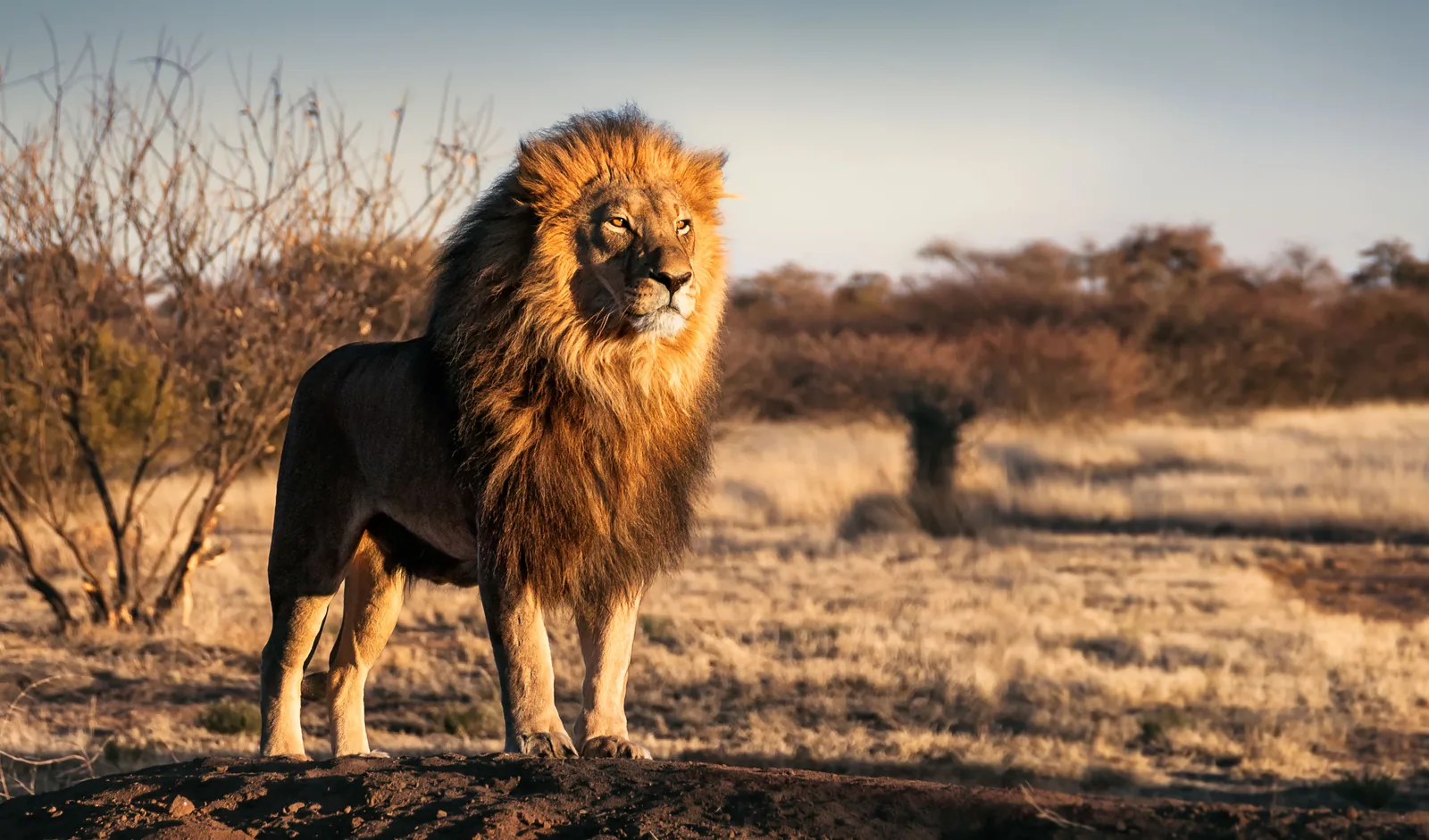
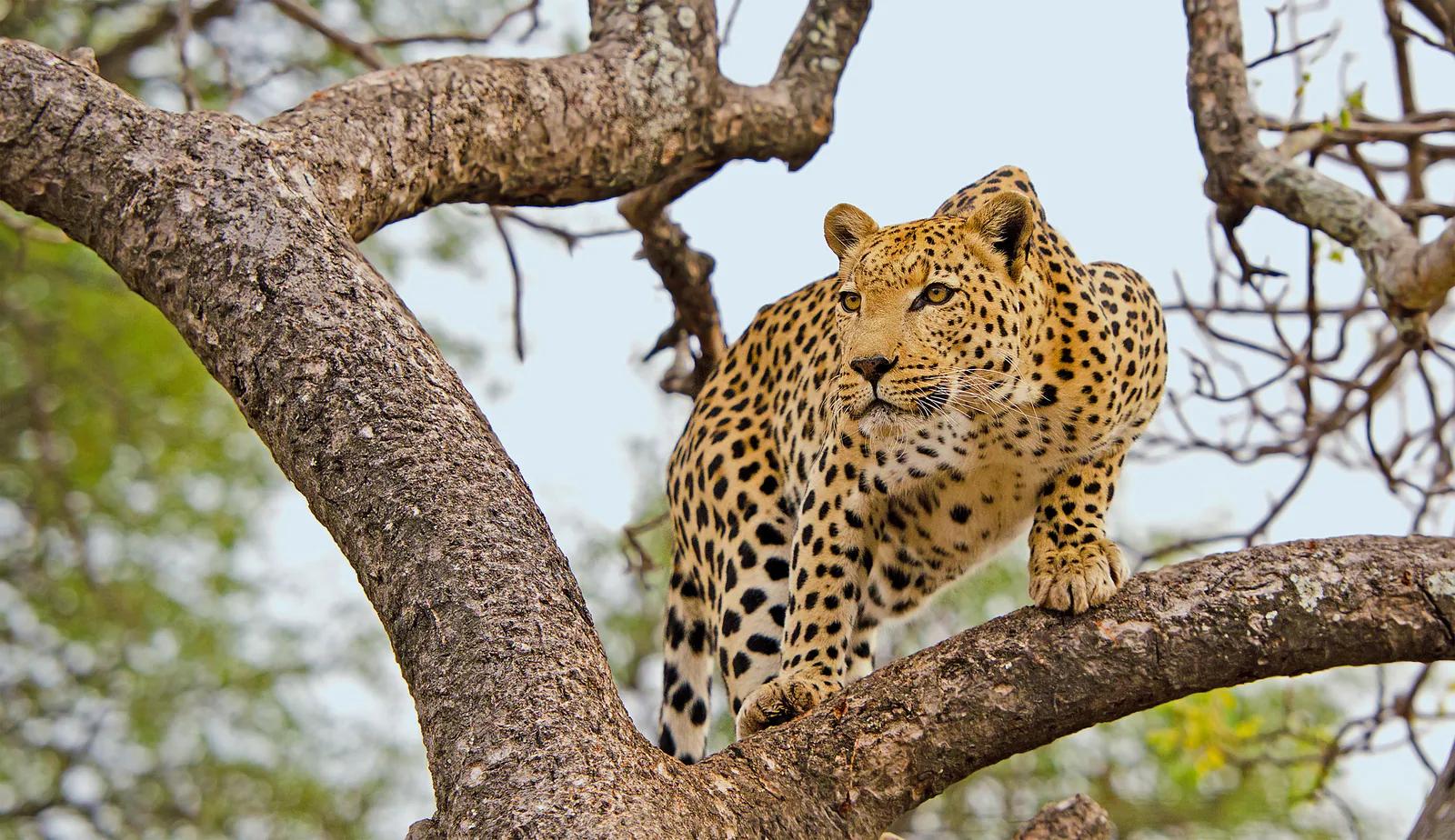
The name comes from the days of hunting on foot, when lion, leopard, elephant, rhino and buffalo were thought the most dangerous animals to track. Kenya banned sport hunting in 1977, and today the phrase belongs to cameras. Three of the five are fairly easy in the right park: elephants, buffalo and lions. The leopard is shy and mostly active at night, and rhinos live mainly in guarded sanctuaries and conservancies. Those two animals shape the route.
Parks and conservancies with all five
- Ol Pejeta Conservancy, Laikipia: black and southern white rhinos, lions, elephants and buffalo, with night drives that improve your leopard odds
- Lewa Wildlife Conservancy, Meru County: black and white rhinos, elephants moving between the plains and Mount Kenya, lions and buffalo; leopards are seen less often
- Meru National Park: a quiet park with a fenced rhino sanctuary, elephants, buffalo and lions along palm-lined rivers
- Maasai Mara National Reserve and its conservancies: Kenya's best lions and leopards and big buffalo herds; black rhinos live here in small numbers and are rarely seen
- Tsavo West National Park: all five, with black rhinos inside the fenced Ngulia Rhino Sanctuary; the bush is thick, so sightings take patience
- Aberdare National Park: all five live in the mountain forest, though many visitors see them at waterholes in the evening
Four of five, and how to fill the gap
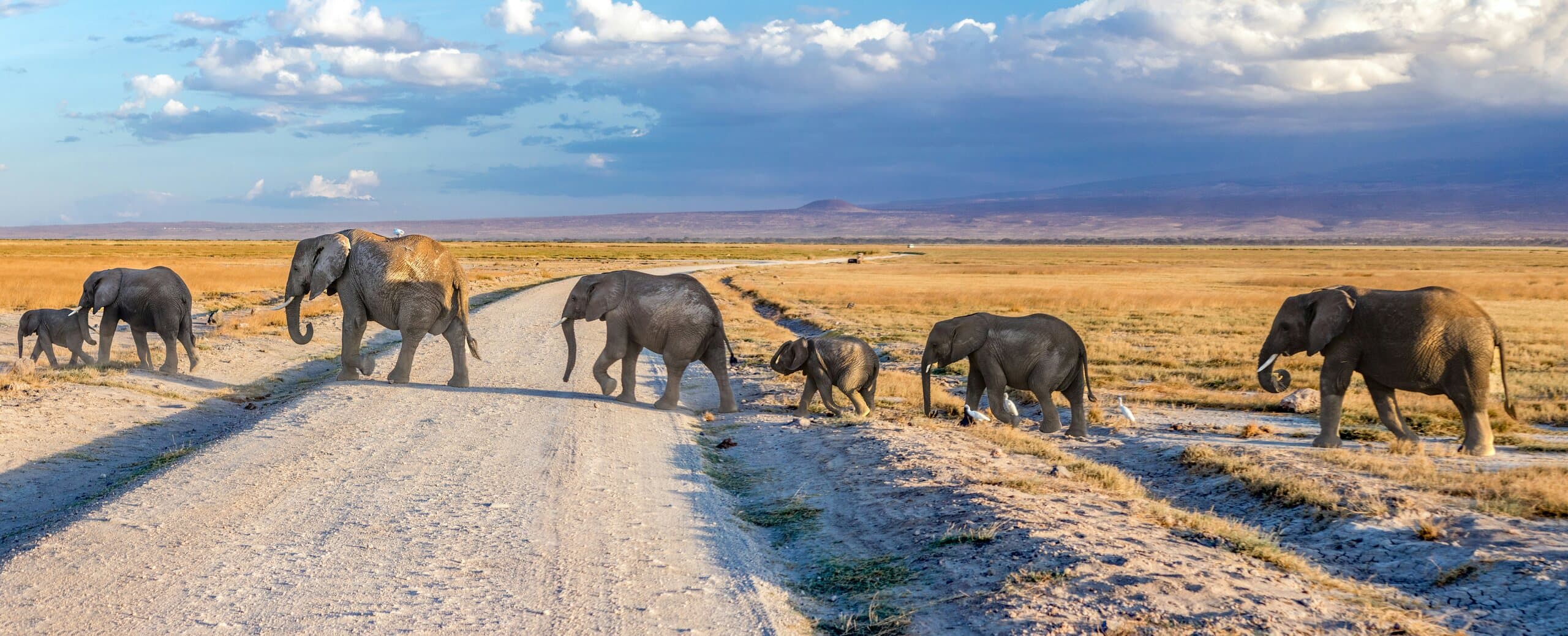
Lake Nakuru National Park has rhinos, lions, leopards and buffalo but no elephants. Nairobi National Park is similar: black rhinos and lions within sight of the city, and no elephants. Amboseli is the place for elephants and has lions and buffalo, but it is not a park for rhinos. So our most common Big Five route is the Mara for cats and buffalo, plus Ol Pejeta or Lake Nakuru for rhinos, with elephants in the Mara or Laikipia.
Best time of year and time of day
The dry seasons, usually June to October and January to March, are easiest. The grass is shorter, animals gather near water and tracks show clearly in the dust. The long rains of April and May and the short rains around November bring green landscapes and fewer vehicles, but leopards and rhinos are harder to spot in tall grass and thick bush.
Plan your drives for first light and the last two hours before dusk, when cats are moving and the light is soft. Midday is often the time for elephants and buffalo at water. Most parks allow game drives only between dawn and dusk; licensed night drives happen in some private conservancies.
How guides find them
Kenyan guides read the land, and many grew up in the communities that share it with these animals. They listen for alarm calls from impala, baboons and birds that give a leopard away, watch for vultures dropping onto a kill, and scan the trees along rivers in the morning. In conservancies, ranger teams monitor rhinos closely, so your guide knows which area to search. Guides also share sightings by radio. None of this is a guarantee, which is why we build in time instead of racing between parks.
Watching them well
- Stay in the vehicle unless you are on a walk led by qualified guides
- Keep your voice low, and never call, whistle or bang the vehicle to get an animal's attention
- Give space: in the Mara Triangle, viewing is limited to 10 minutes when more than five vehicles are waiting, and waiting vehicles stay 100 meters back
- Stay on the road where off-road driving is banned, and never block a hunt or an animal's path
- Leave buffalo and elephants a wide margin; both will charge when crowded
- Turn off location tags before you post rhino photos
Photography tip: a zoom lens that covers roughly 100 to 400 mm handles all five, and a beanbag on the window frame steadies it. Add a wide lens for elephants in their landscape. Shoot buffalo and lions from a low window rather than the roof hatch, so they look as imposing as they are.