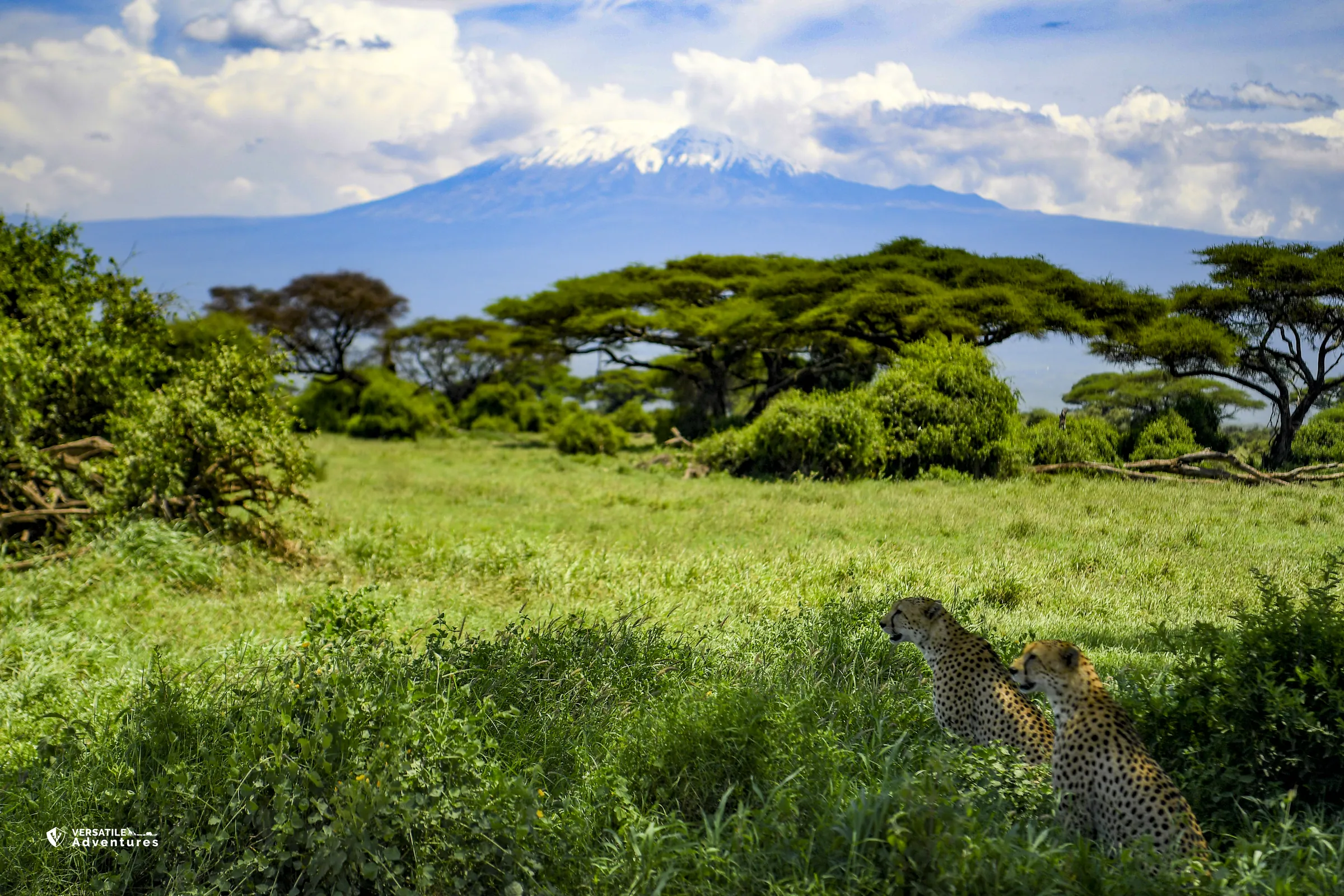
Uhifadhi
Uhifadhi means conservation.
Sustainable travel
Your trip should pay the people who protect wildlife, keep land open and welcome you by name.
Six commitments on every trip
- Small groupsFewer people, lighter footprint, deeper conversations.
- Locally ownedLodges, guides, drivers and meals from businesses owned in the communities we visit.
- Pack mindfullyReusable bottles, bar soap, mineral sunscreen and solar chargers. Less plastic in, less waste left.
- Conservation over convenienceConservancies and community-run reserves, not crowded viewing lines.
- Cultural preparationEvery traveler gets a briefing on language, etiquette and photography before they land.
- Offset what you flyA New York to Nairobi round trip is roughly four tons of carbon per seat. We'll show you vetted reforestation and clean-energy projects to offset it.
Tourism income is conservation income.
Conservancy fees, park tickets and community visits fund rangers, predator-proof bomas and schools. When a lion is worth more alive than dead, the lion lives.
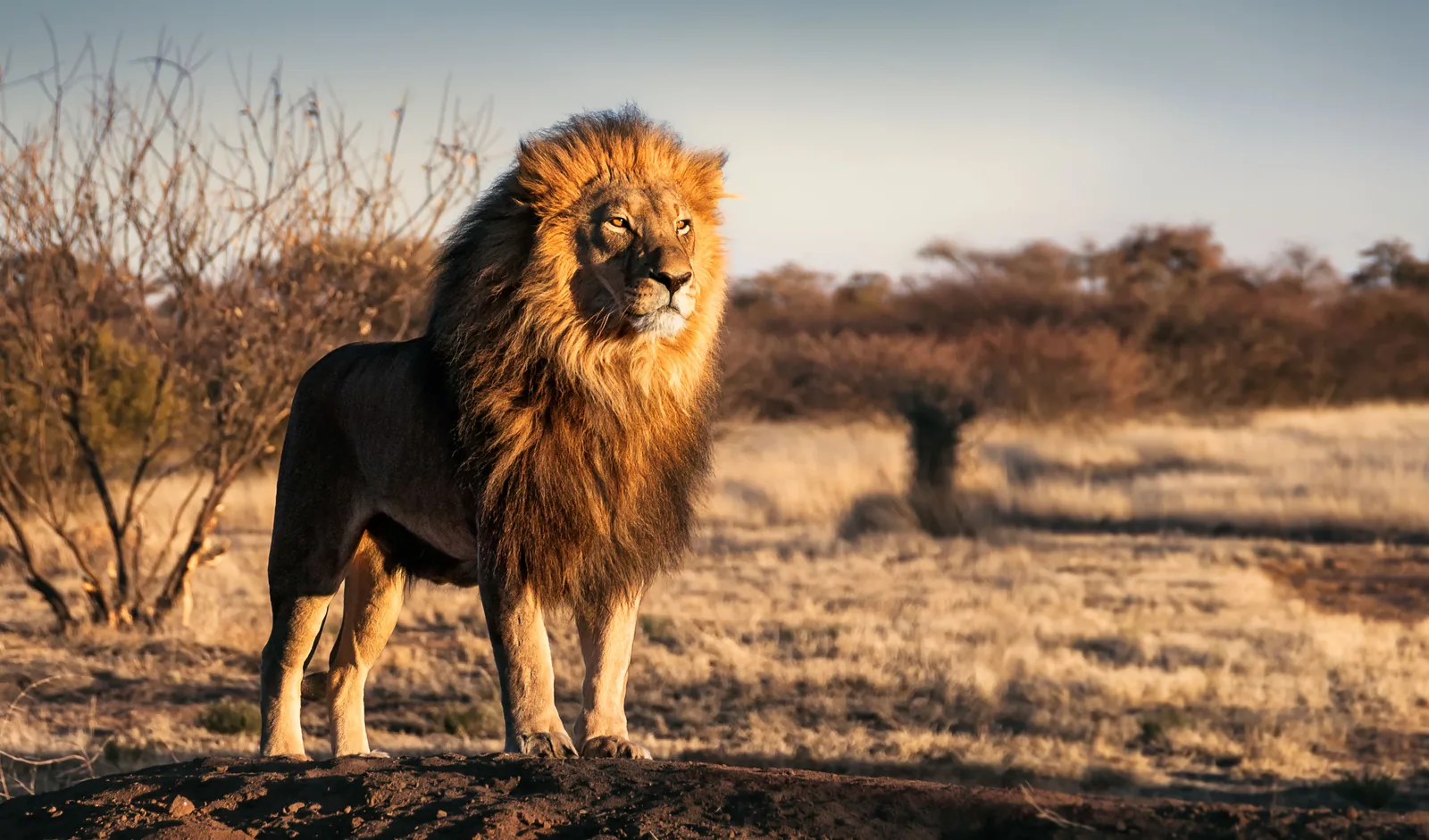
Who your visit protects
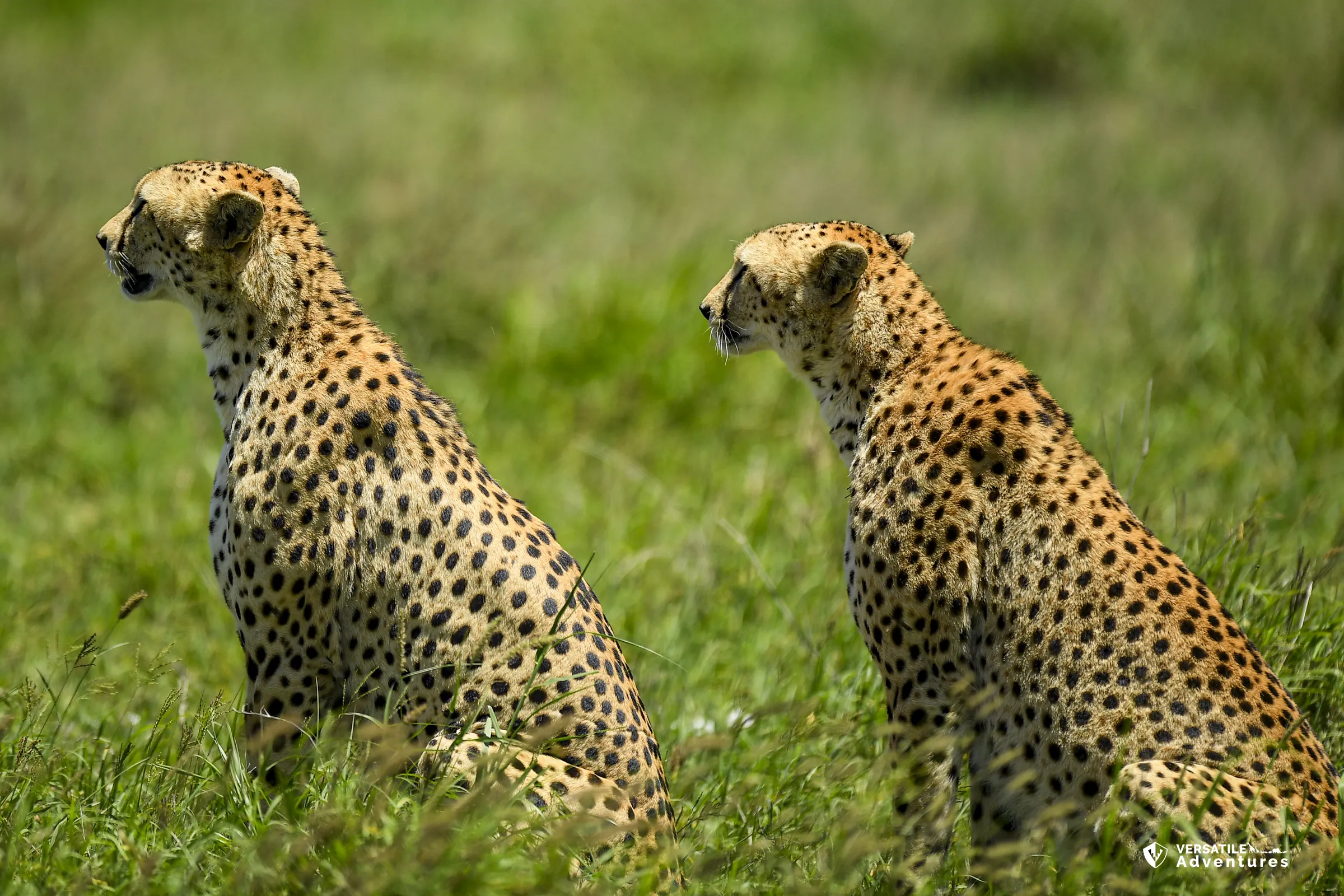 CheetahHabitat loss, poaching and low genetic diversity. Conservancy fees fund rangers and keep rangeland open.
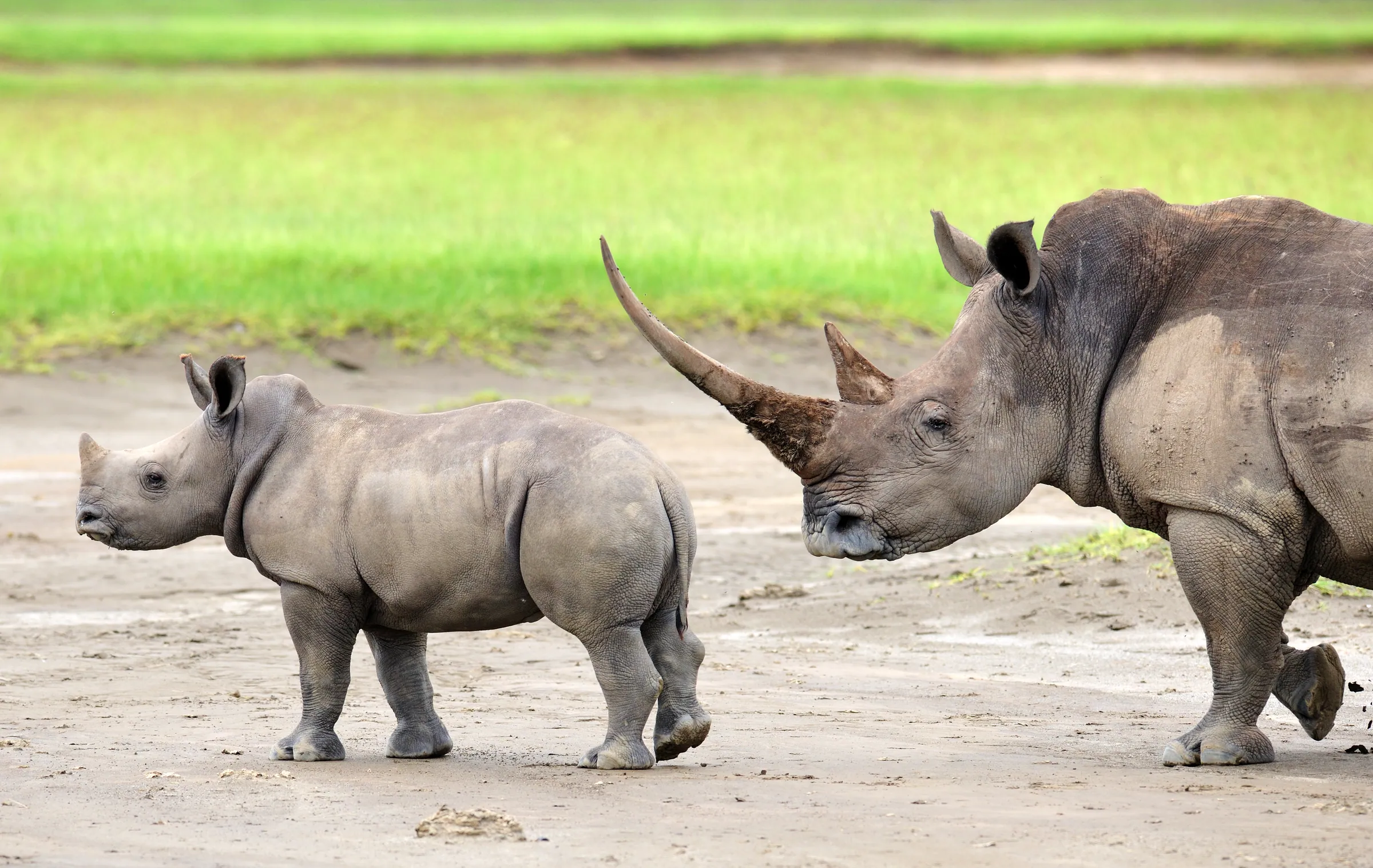 Black rhinoPoaching for horn. Tourism income gives communities a better living than poaching ever could.
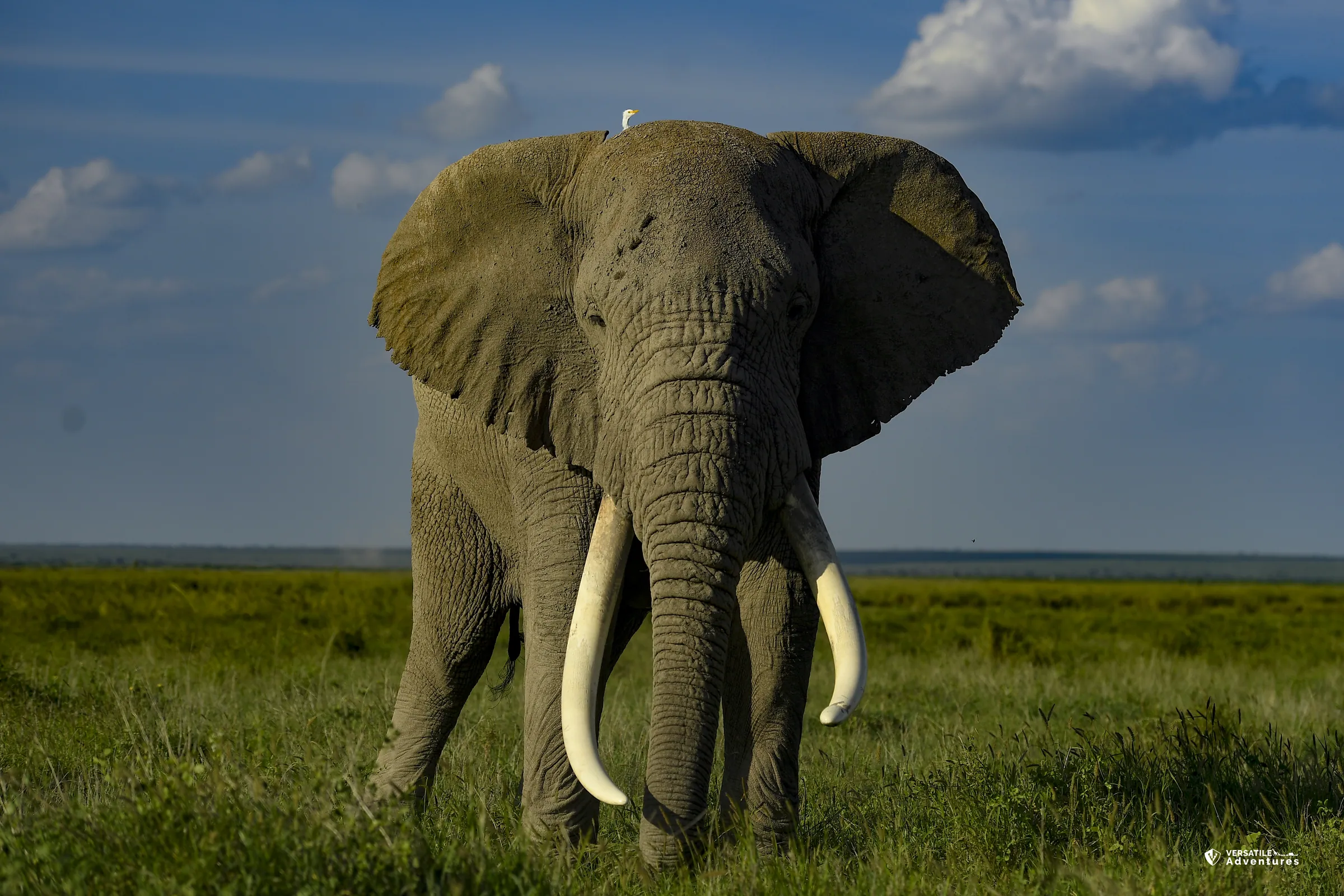 ElephantHuman-wildlife conflict as farms meet migration routes. Community education and habitat corridors funded by visitor fees.
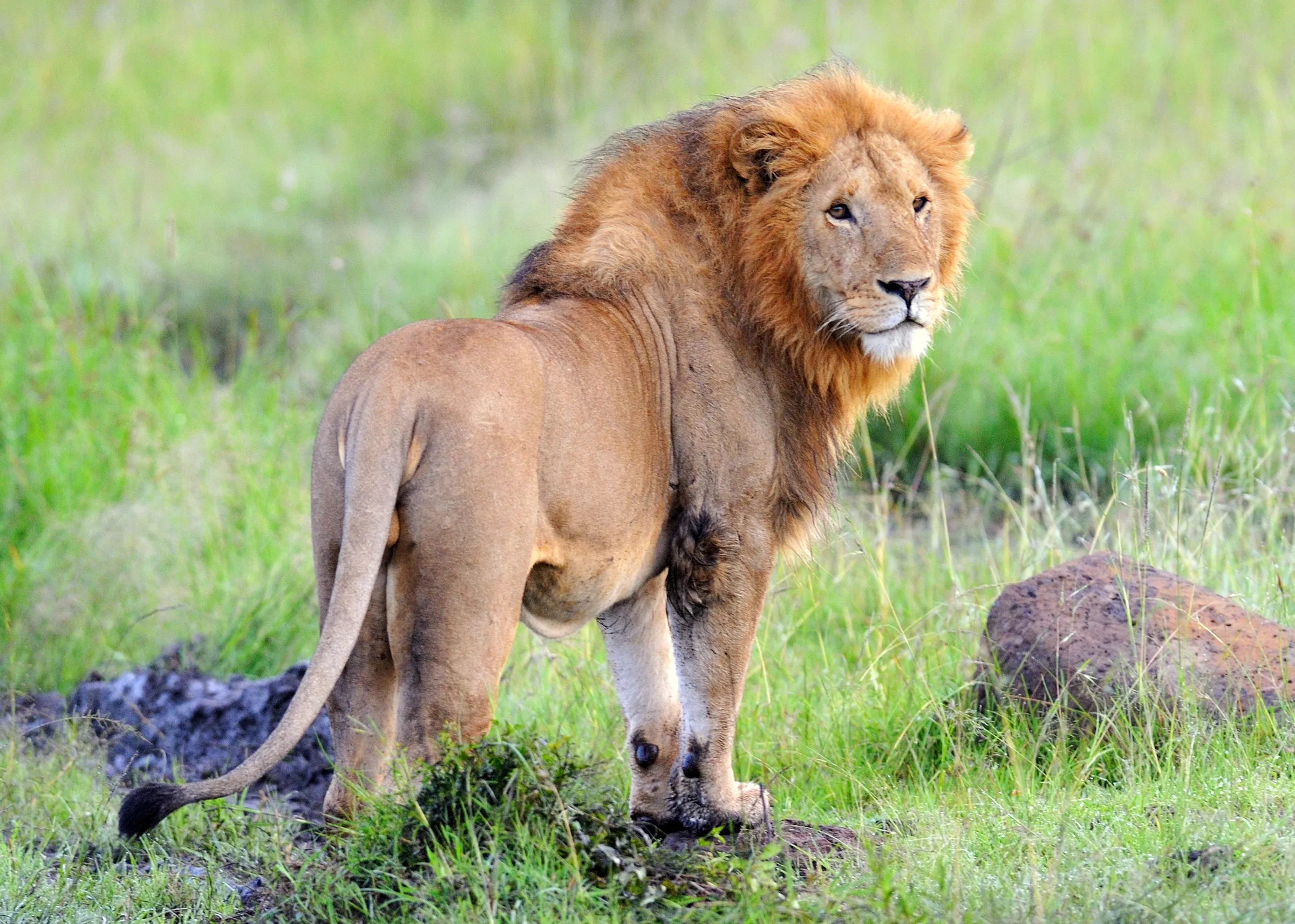 LionRetaliatory killing after livestock losses. Predator-proof bomas and compensation schemes that visitors help pay for.
Less in, less left behind
- Reusable water bottle and filter
- Bar soap and shampoo
- Mineral, reef-safe sunscreen
- Solar charger or power bank
- Neutral colours; no camouflage, no bright white
- A soft bag for light-aircraft flights