| Month | Weather | Wildlife | Crowds and price | Our verdict |
|---|---|---|---|---|
| January | Dry and warm | Calving begins in the Mara and Amboseli | Moderate; lower Mara fees | Excellent: dry, green and better value |
| February | Dry, the warmest month | Calving, predators busy | Quiet to moderate; lower fees | Our favourite value month |
| March | Dry, rains arrive late in the month | Calving, birds | Quiet | Good until the rains start |
| April | Long rains | Lush, birds, young animals | Very quiet; lowest prices, some camps close | For value hunters; skip the coast |
| May | Long rains easing late | Green and quiet | Very quiet; low prices | Green season deals; the coast is wettest |
| June | Dry season begins, cool mornings | Herds gathering in the south | Rising | Underrated: dry and before the peak |
| July | Dry; dawn drives can be 50°F | Migration arrives in the Mara | Busy; peak Mara fees | Migration starts: book early |
| August | Dry and cool | Peak river crossings | Busiest month; peak prices | The migration at its height |
| September | Dry | Crossings continue | Busy; peak prices | Migration with fewer families |
| October | Dry, warming | Herds start leaving the Mara | Moderate | Quieter end of the migration |
| November | Short rains | Migrant birds arrive | Quiet; lowest lodge rates | Lowest prices; many Laikipia camps close |
| December | Rains ease early in the month | Birds, green plains | Busy over the holidays; highest fares | Festive and busy: book flights early |
Majira
Majira means seasons.
Best time to visit Kenya
There is always a reason to go. This is the calendar that proves it.
The short answer
There is no bad month in Kenya, only the wrong month for what you came for. July is for river crossings, February is for good-value lodges and newborn animals, January is for the clearest water on the coast. Pick your reason first and the month picks itself.
The quick version: the dry seasons, late December to March and June to October, are the classic safari months. The Great Migration is in the Maasai Mara from about July to October, peaking in August. The long rains, roughly late March to May, and the short rains in November bring the lowest prices, the fewest vehicles and the greenest parks.
The best month for
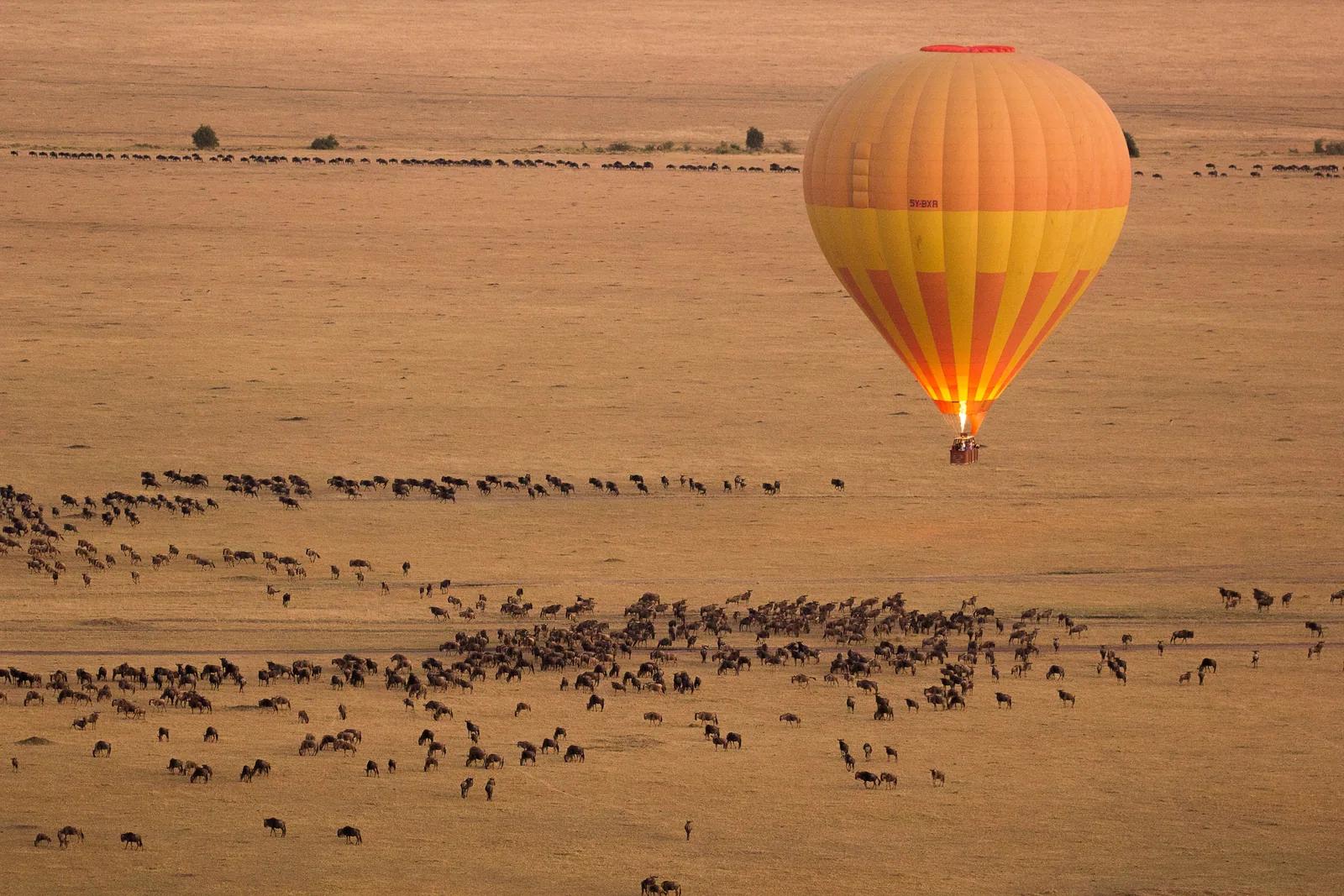
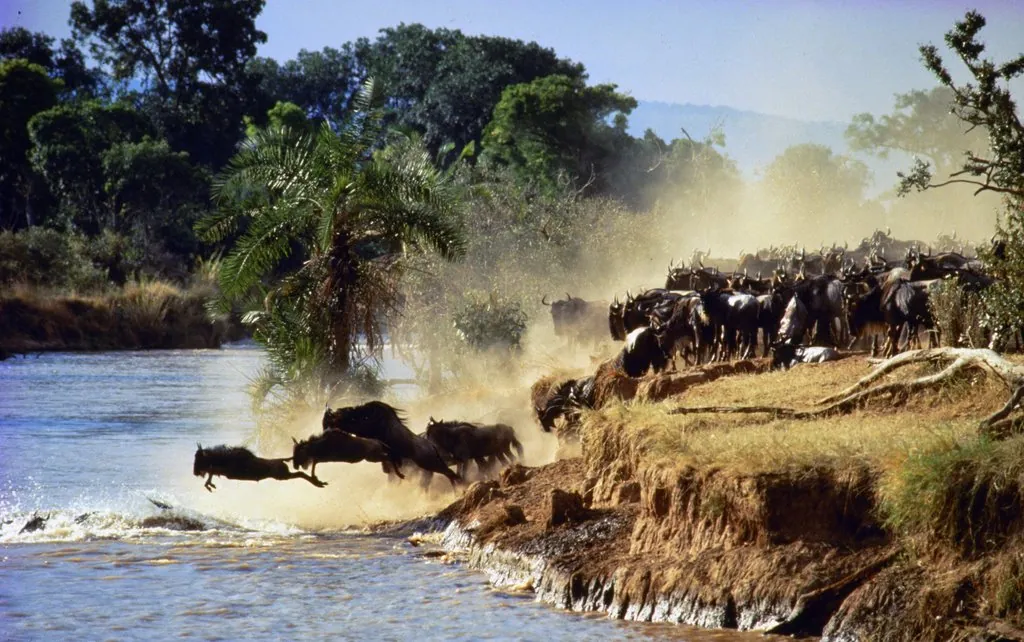 July to OctoberThe migrationFirst herds cross from Tanzania in July, crossings peak in August on the Mara and Talek rivers, and the herds head south in October.
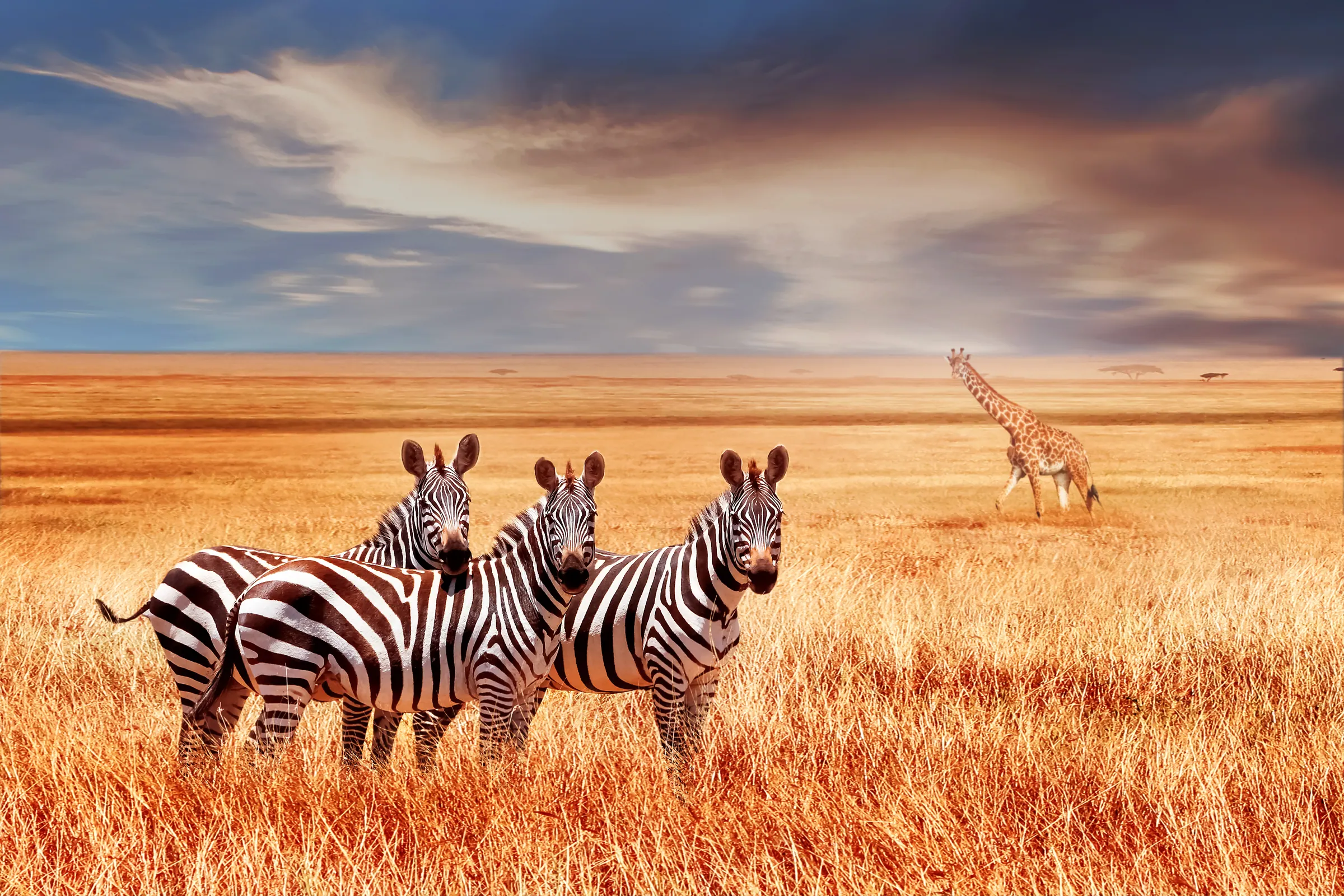 January to March, and NovemberValueMara reserve fees are lower from January to June, and November and early December are the lowest season for lodge rates.
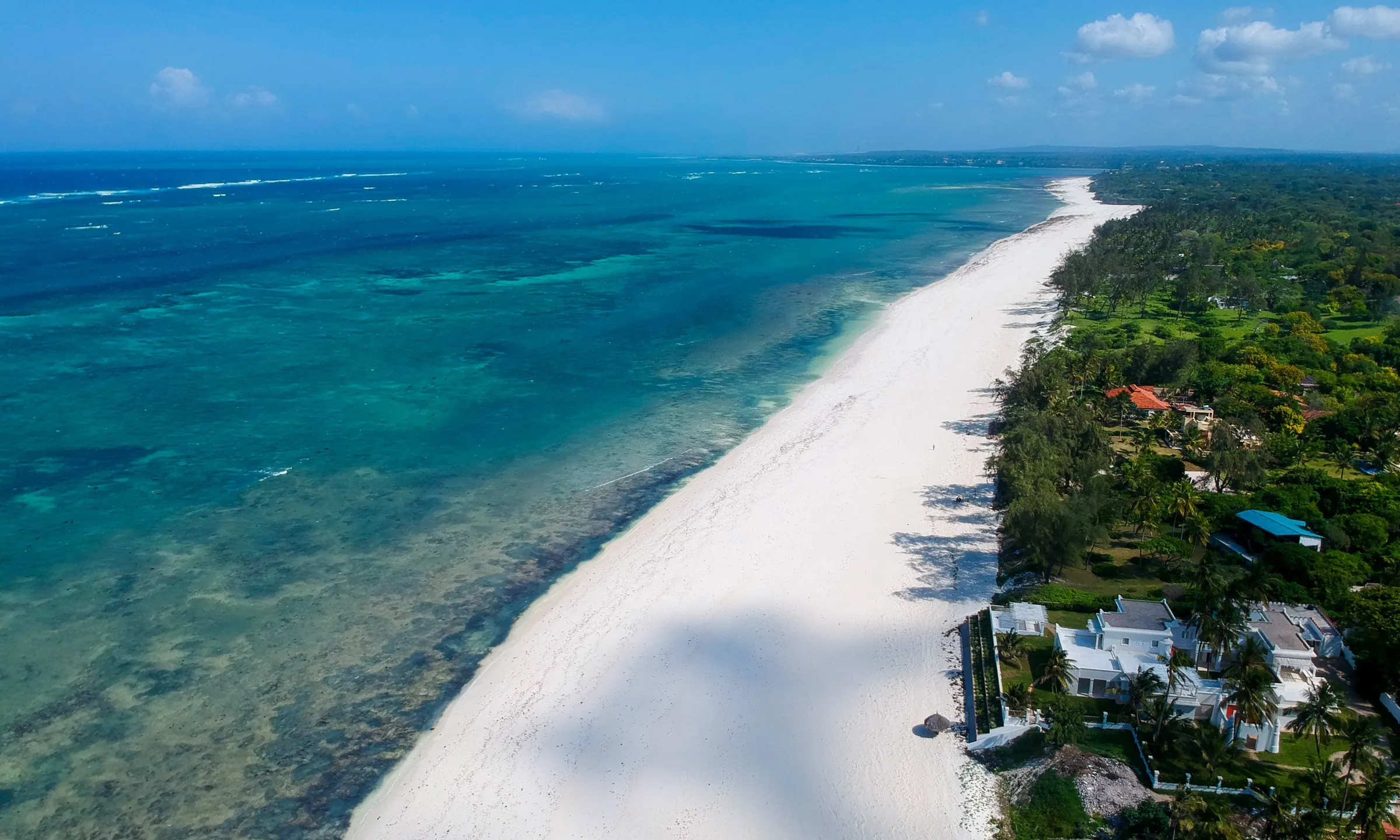 JanuaryThe coastThe clearest water of the year. December to March and July to October are all good; avoid April and May.
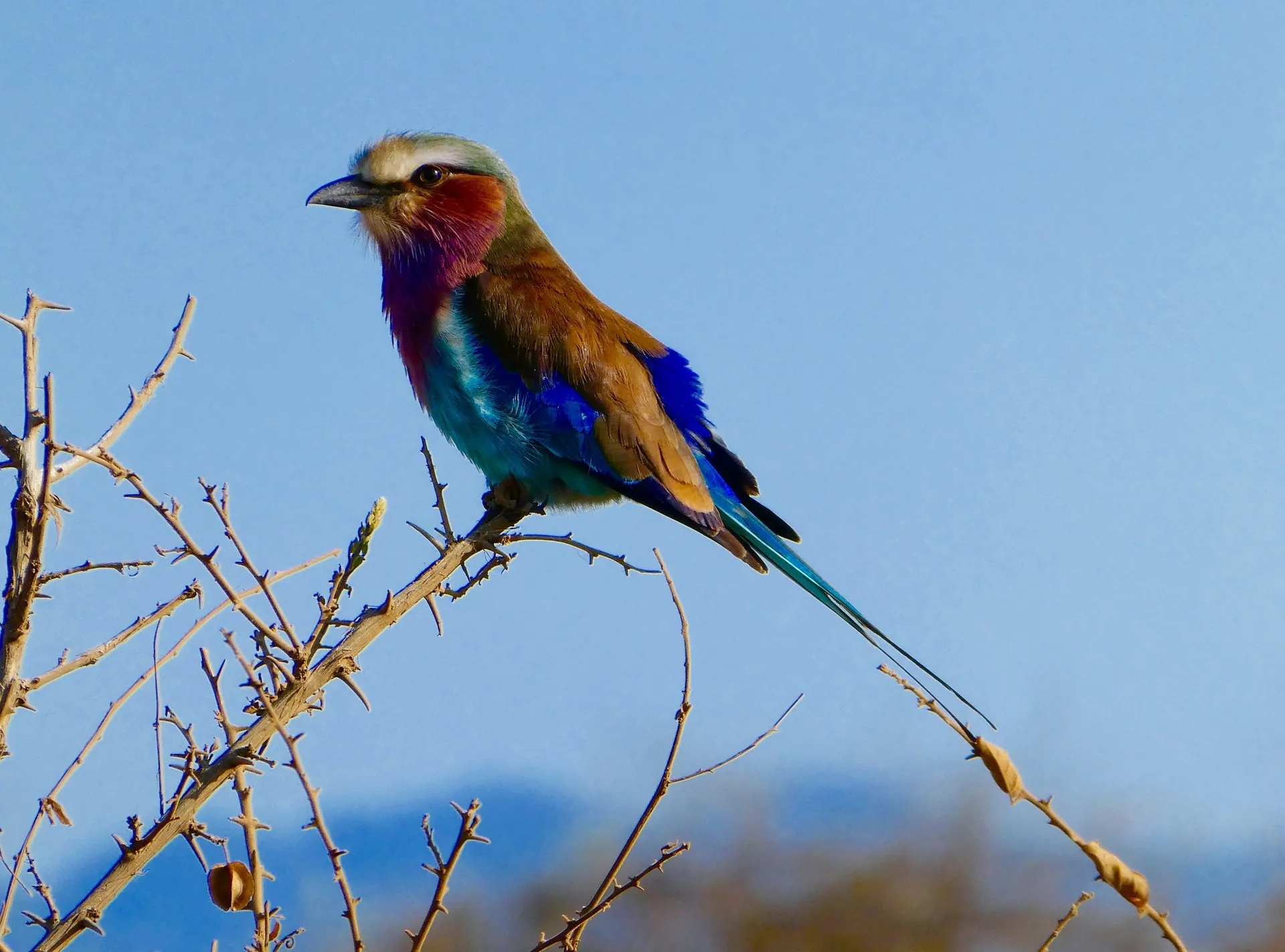 November to AprilBirdsEuropean and Asian migrants arrive and many local species are in breeding colours.
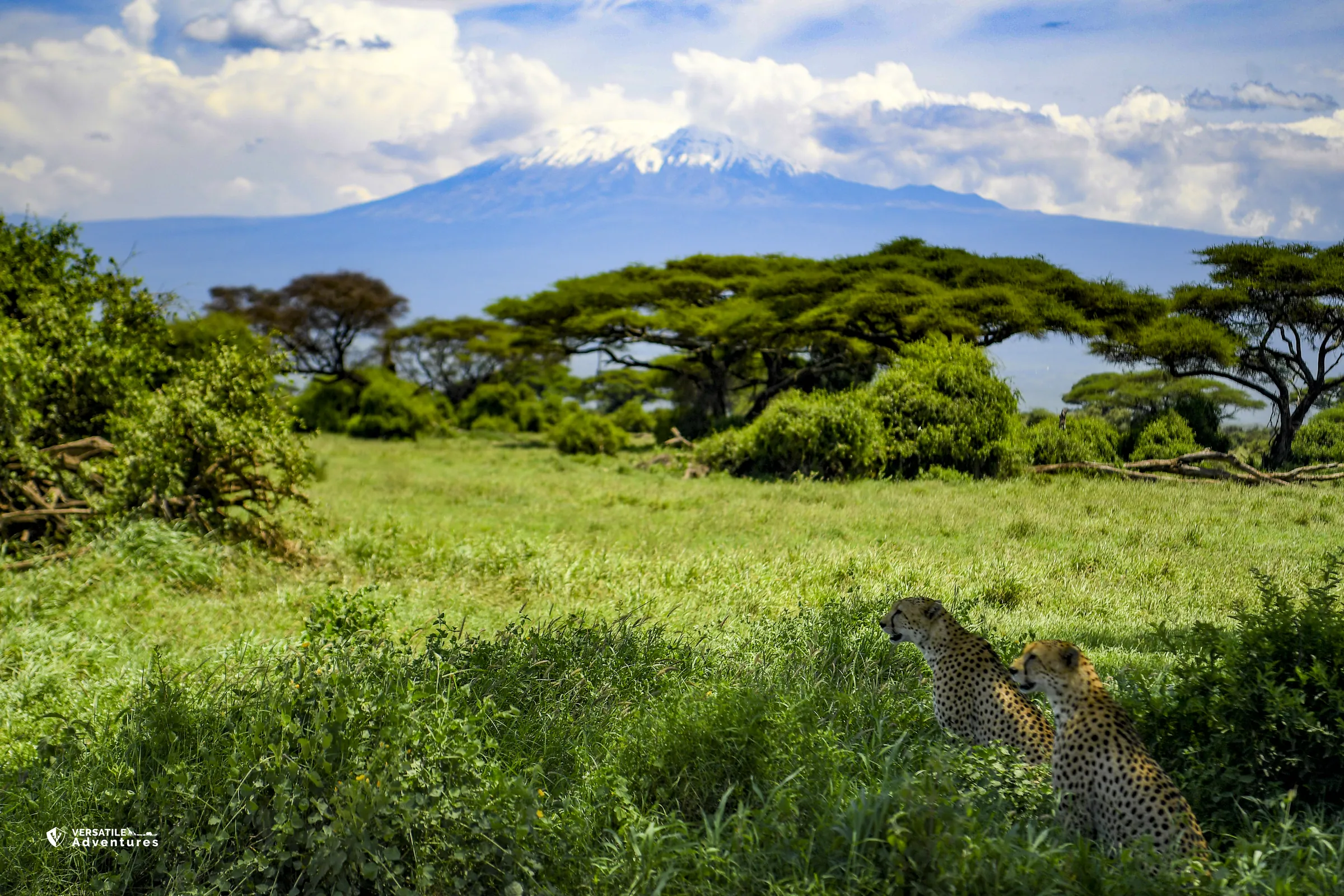
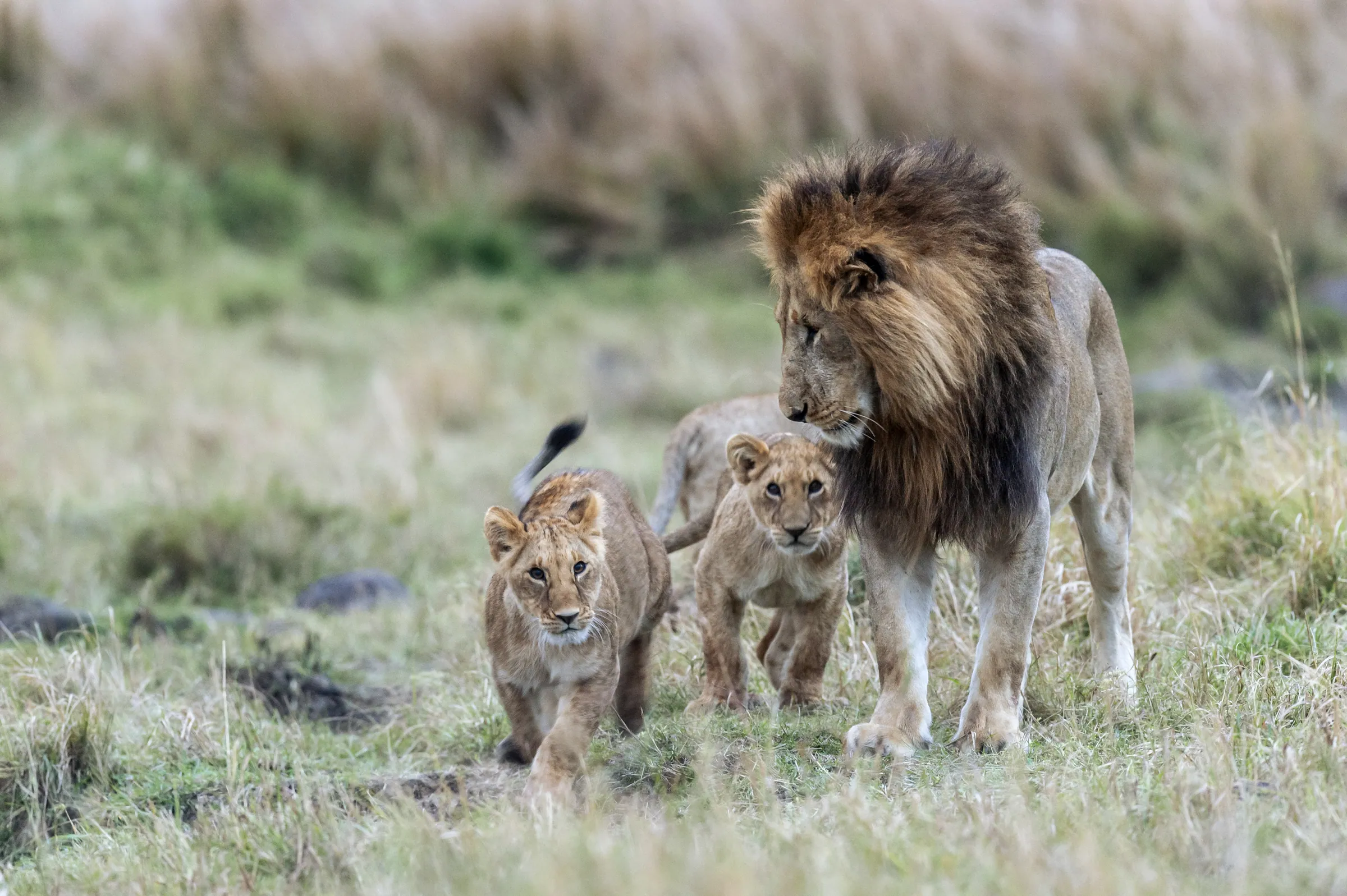 January to MarchNewborn animalsCalving season in the Mara and Amboseli, and the predators know it.
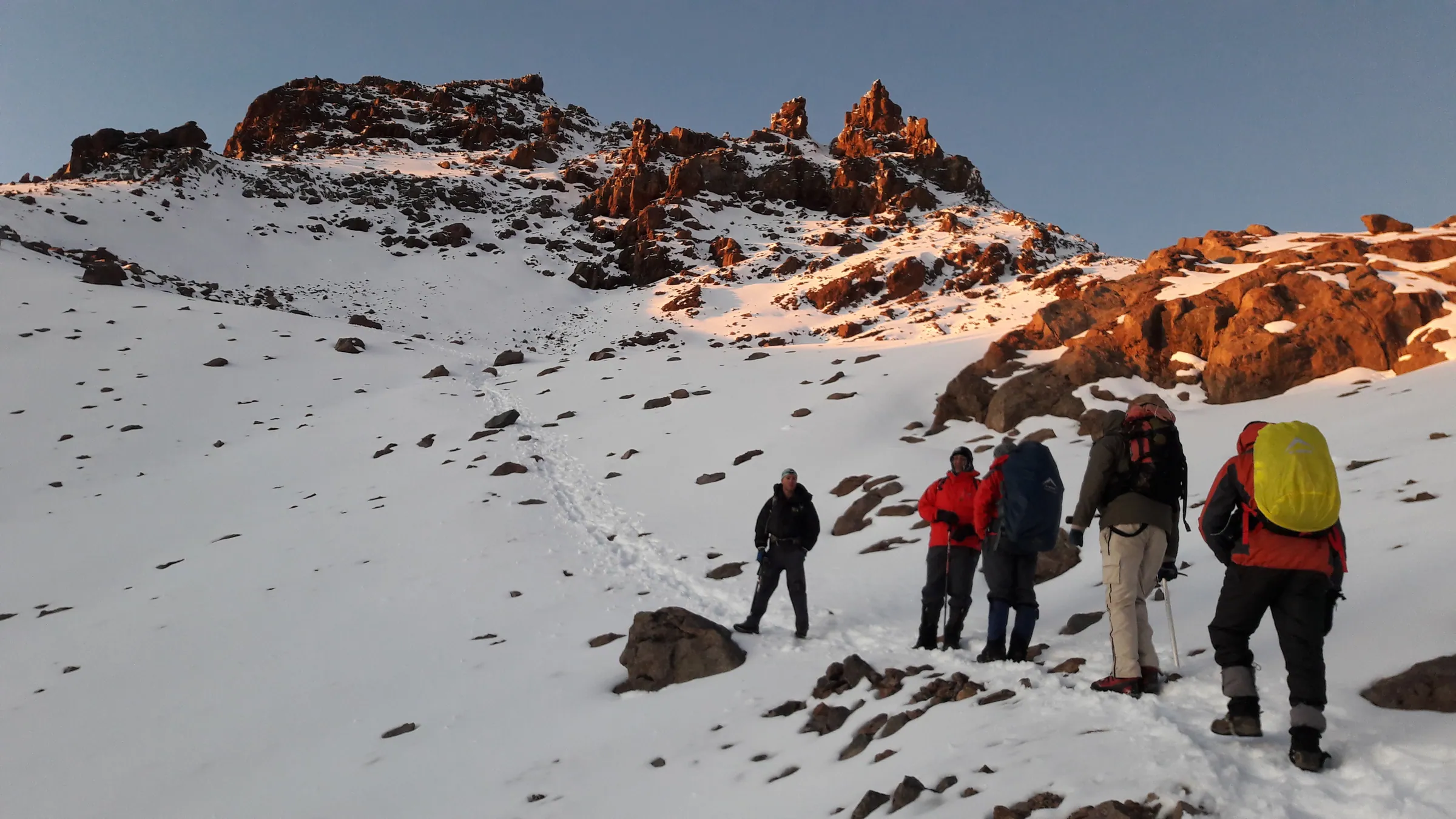 January to February, August to SeptemberHiking Mount KenyaThe two driest trekking windows for Point Lenana.
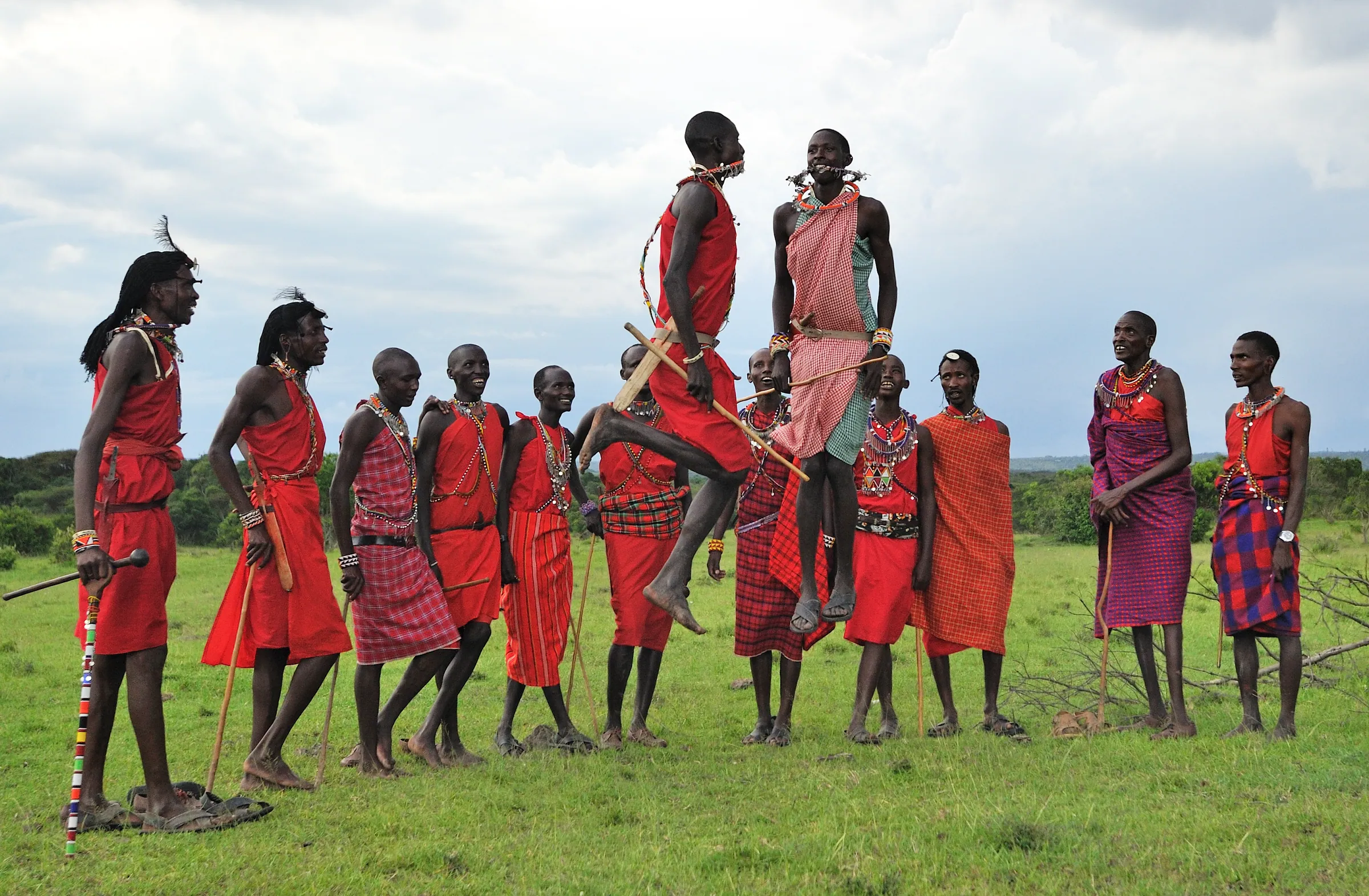 December, Easter, AugustComing homeChristmas and Jamhuri Day on December 12, Easter, and the U.S. school summer: the busiest fares, so book early.
Twelve months at a glance
Temperatures barely move through the year; altitude does. Nairobi is 72 to 81°F all year, the Mara 77 to 82°F, Samburu 88 to 93°F and the coast 82 to 90°F.
By region
| Region | Best months | Think twice | Why |
|---|---|---|---|
| Maasai Mara | July to October; January to March | April and May | The migration, then the calving and value months. A few camps close in the long rains. |
| Amboseli and Tsavo | June to October; January to February | April, May and November | Dry months pull elephants to the swamps; Kilimanjaro is clearest at dawn and dusk. |
| Laikipia and Samburu | June to October; late December to March | April, May and November | Hot and dry in the north (about 88 to 93°F), with the rivers drawing wildlife. Many Laikipia camps close in November. |
| Rift Valley lakes | All year | The long rains, for road conditions | Rhinos and birds year round; flamingo numbers move with water levels. |
| Mount Kenya | January to February; August to September | April, May and November | The driest trekking windows. |
| The coast | December to March; July to October | April and May | Heaviest rain in May. January has the clearest water; kitesurfing wind runs roughly December to March and June to September. |
Sources: Audley Travel: climate in Kenya, Maasai Mara National Reserve: fees, Kenya Meteorological Department.
Four seasons, four Kenyas
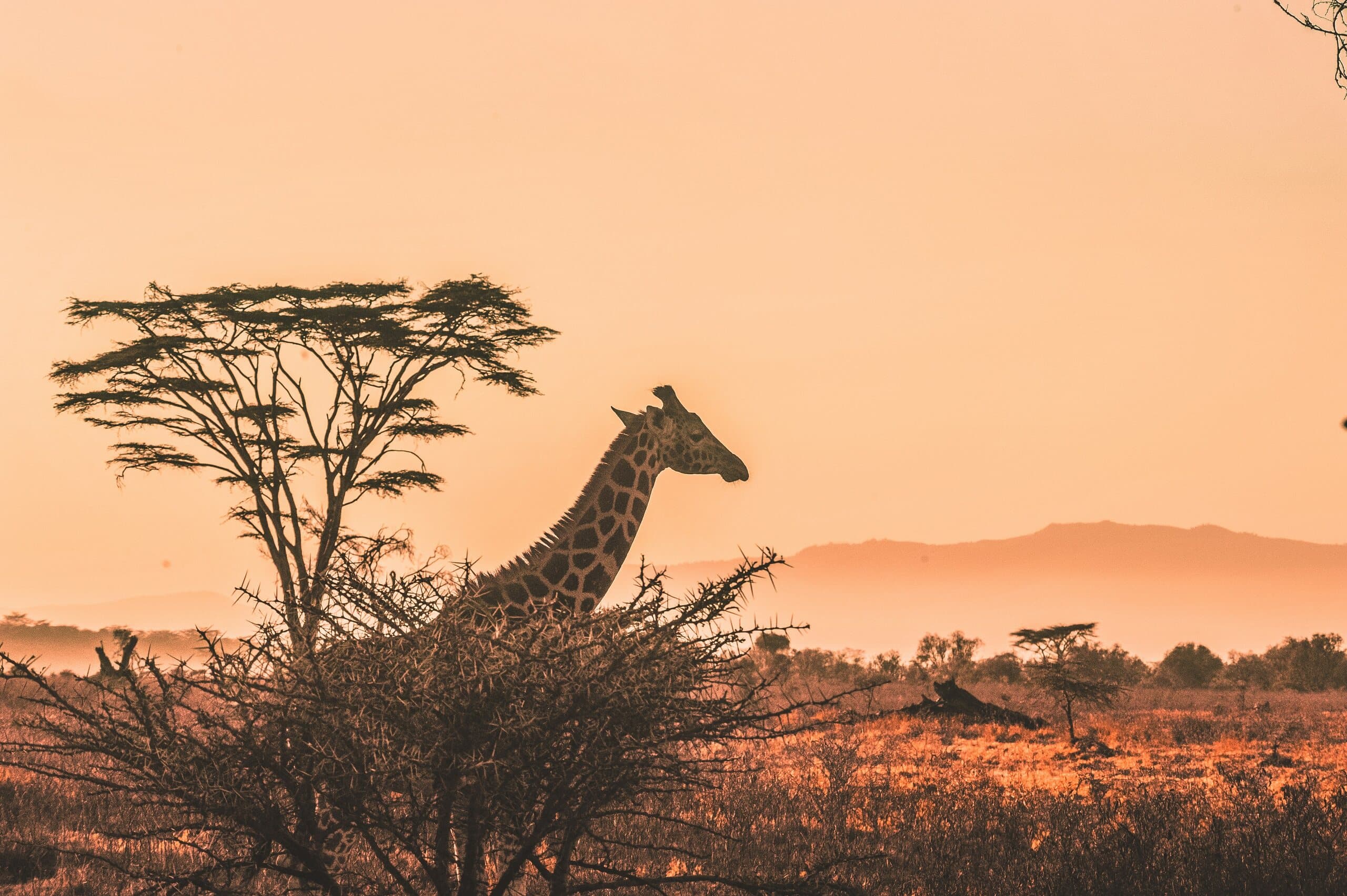
October – December
Holidays and homecoming
Short rains in November, then a hot, bright December. Holiday travel, year-end corporate retreats, diaspora homecoming and next year's bookings.
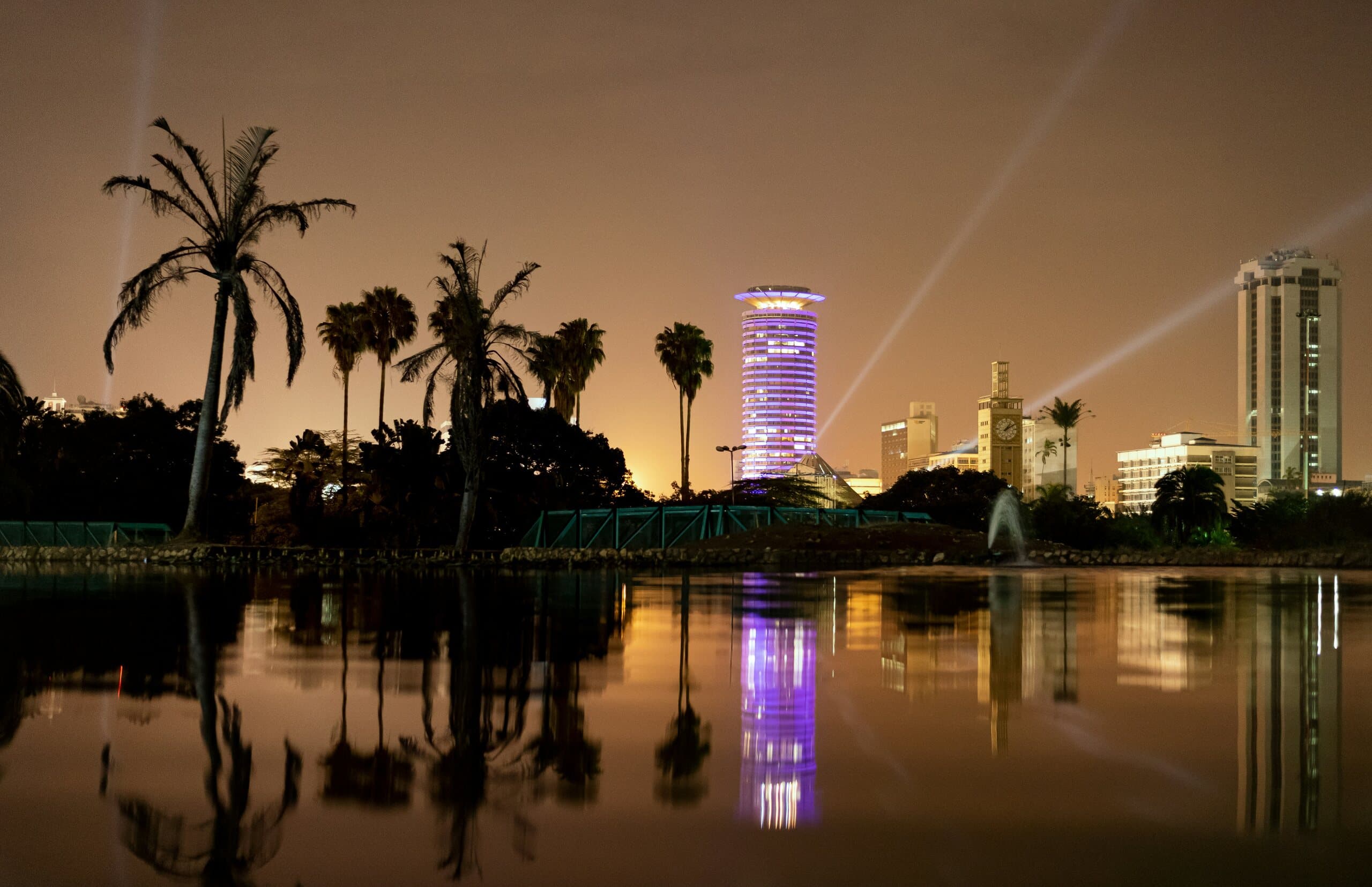
Mvua
Mvua means rain.
We call it the green season
April, May and November bring short afternoon rain, newborn animals, empty parks, big skies and the lowest rates of the year.
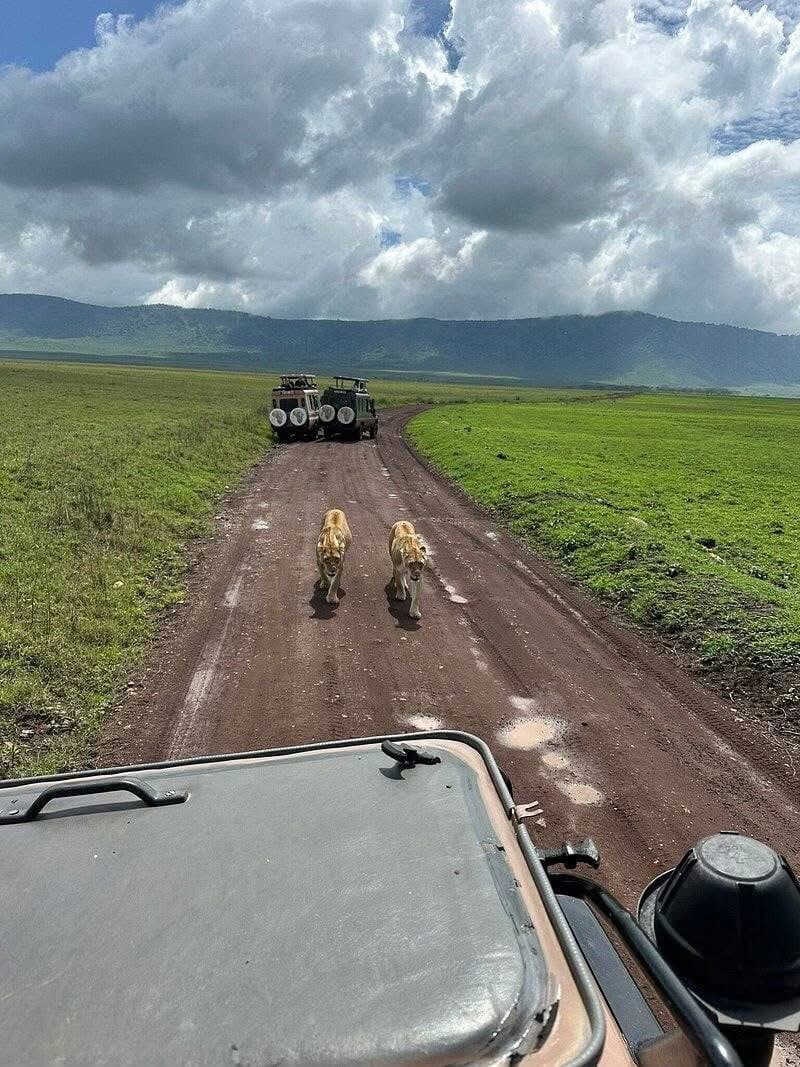
This month's story
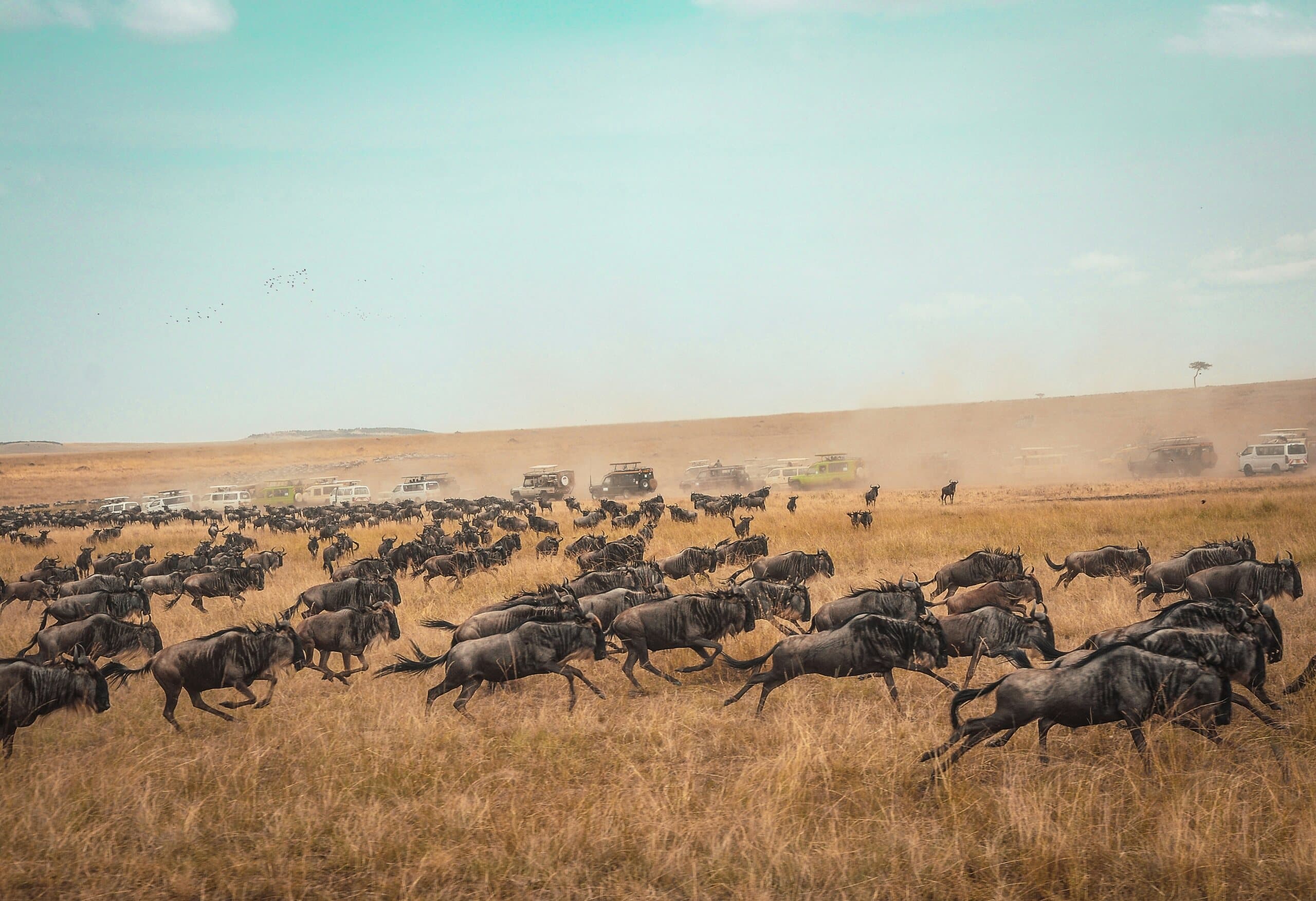 Destinations, October 1, 2026Reading the riverHow a Mara guide knows a crossing is coming, and why the best seat is the one you wait in.
Kenya month by month
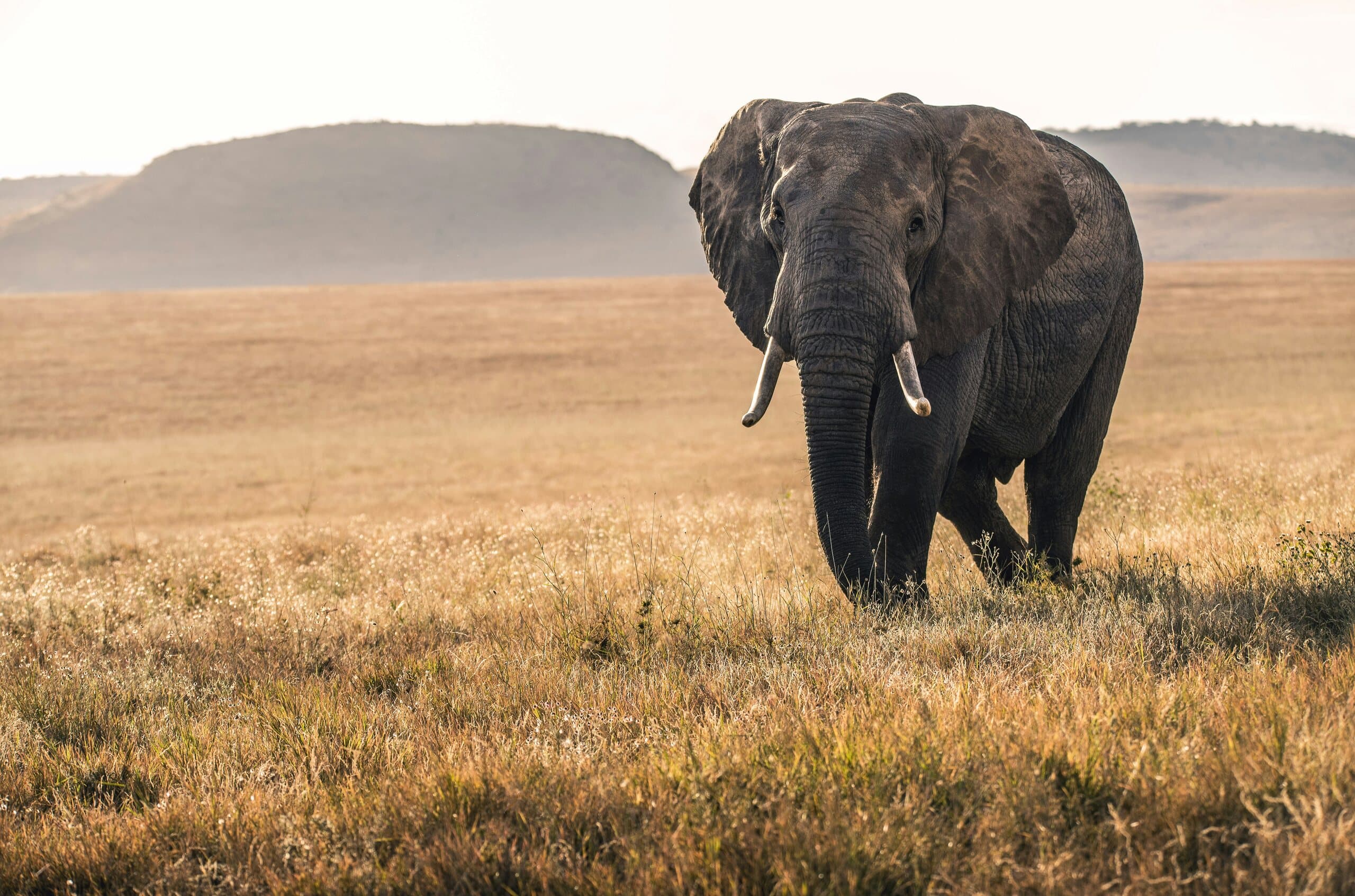 Kenya in January: is it a good time to visit?Dry, warm and clear: one of the easiest months of the year for a first safari.
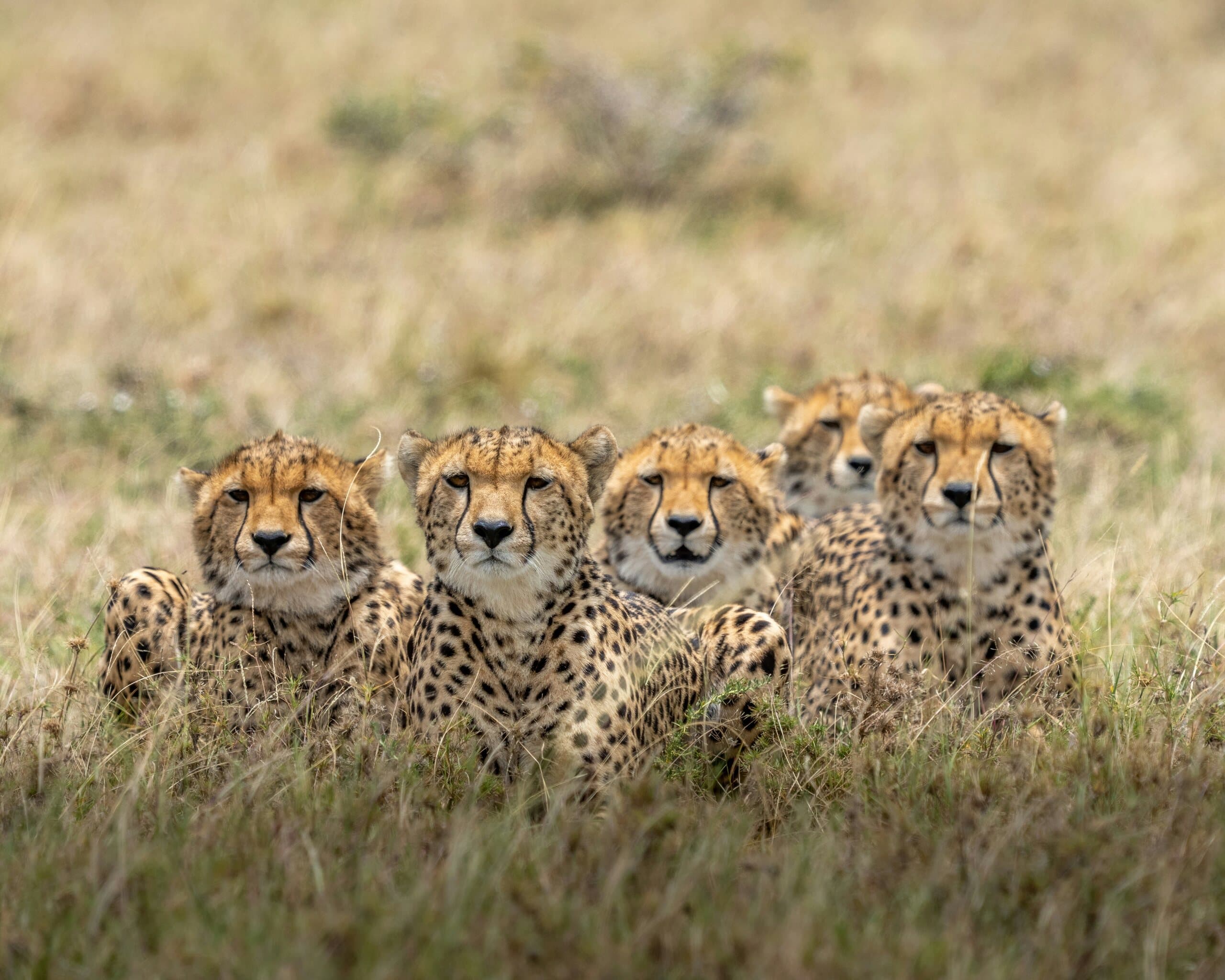 Kenya in February: is it a good time to visit?Hot, dry and clear: short grass on the plains and calm seas on the coast.
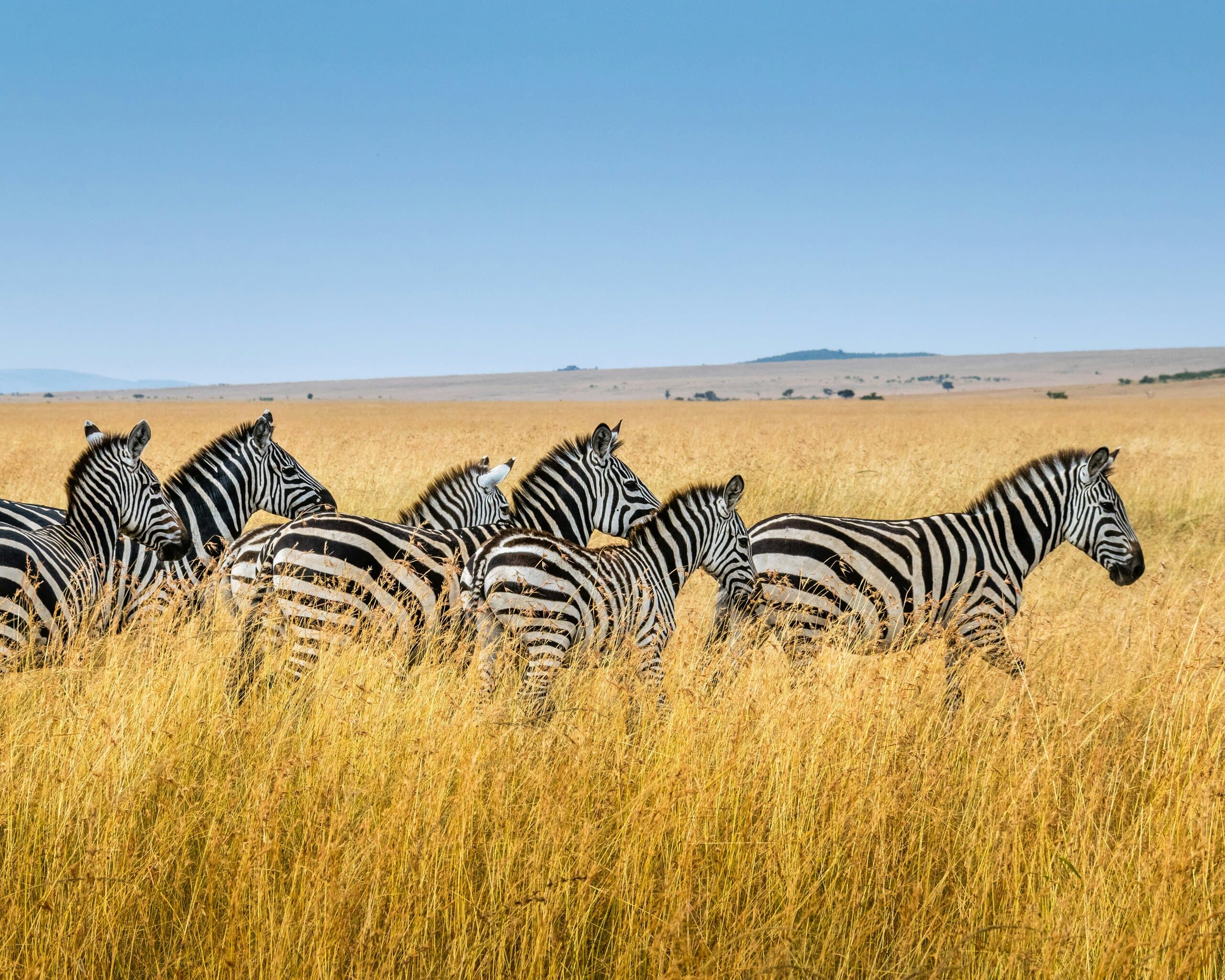 Kenya in March: is it a good time to visit?Dry and hot at first, with the long rains often arriving late in the month.
- Kenya in April: is it a good time to visit?The heart of the long rains: green parks, dramatic skies and the year's best value.
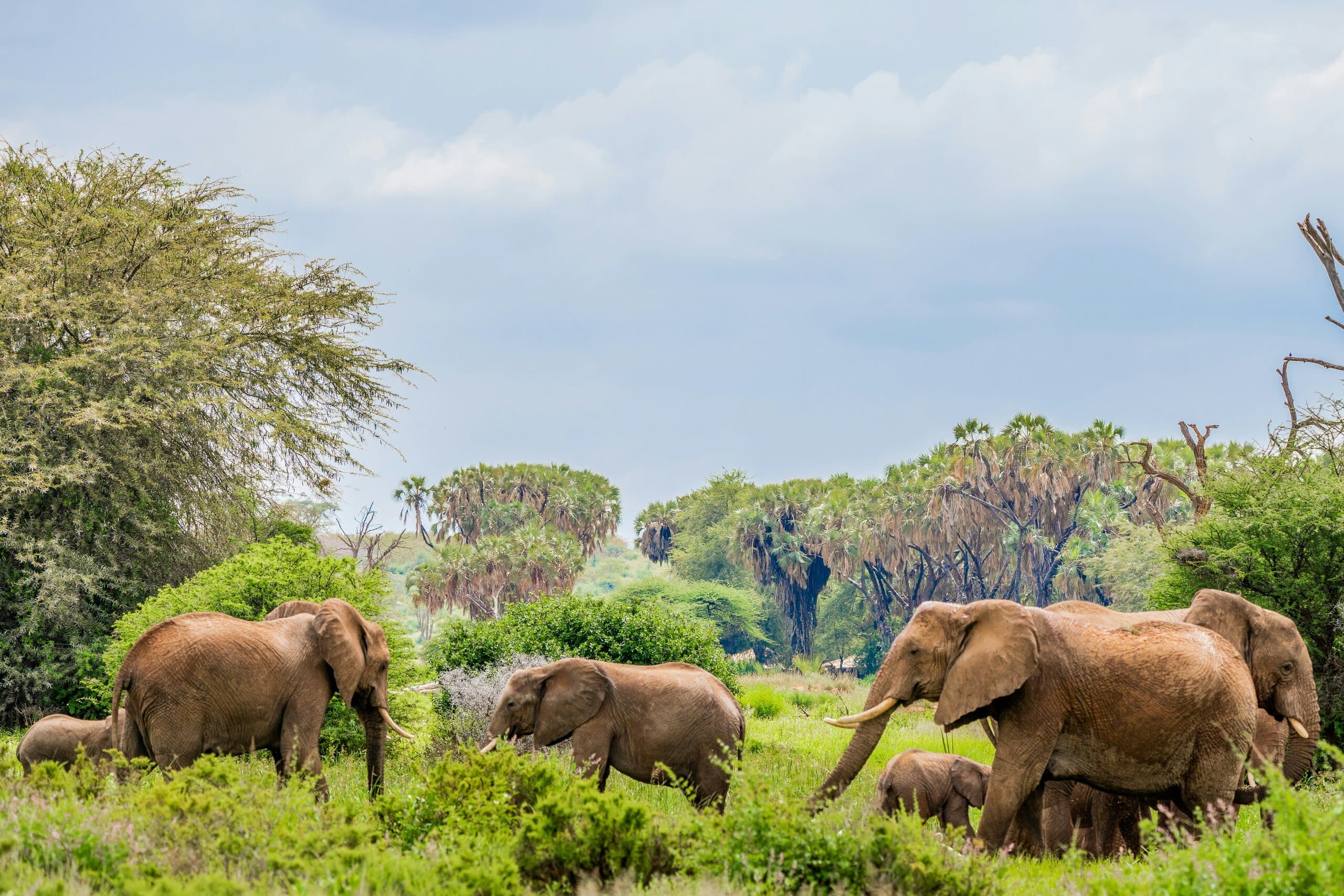 Kenya in May: is it a good time to visit?The long rains fade, the parks are at their greenest and the camps are quiet.
- Kenya in June: is it a good time to visit?The dry season returns: cool mornings, green-gold plains and the calm before the migration.
- Kenya in July: weather, wildlife and where to goCool, dry and the start of peak season, with the herds usually arriving late in the month.
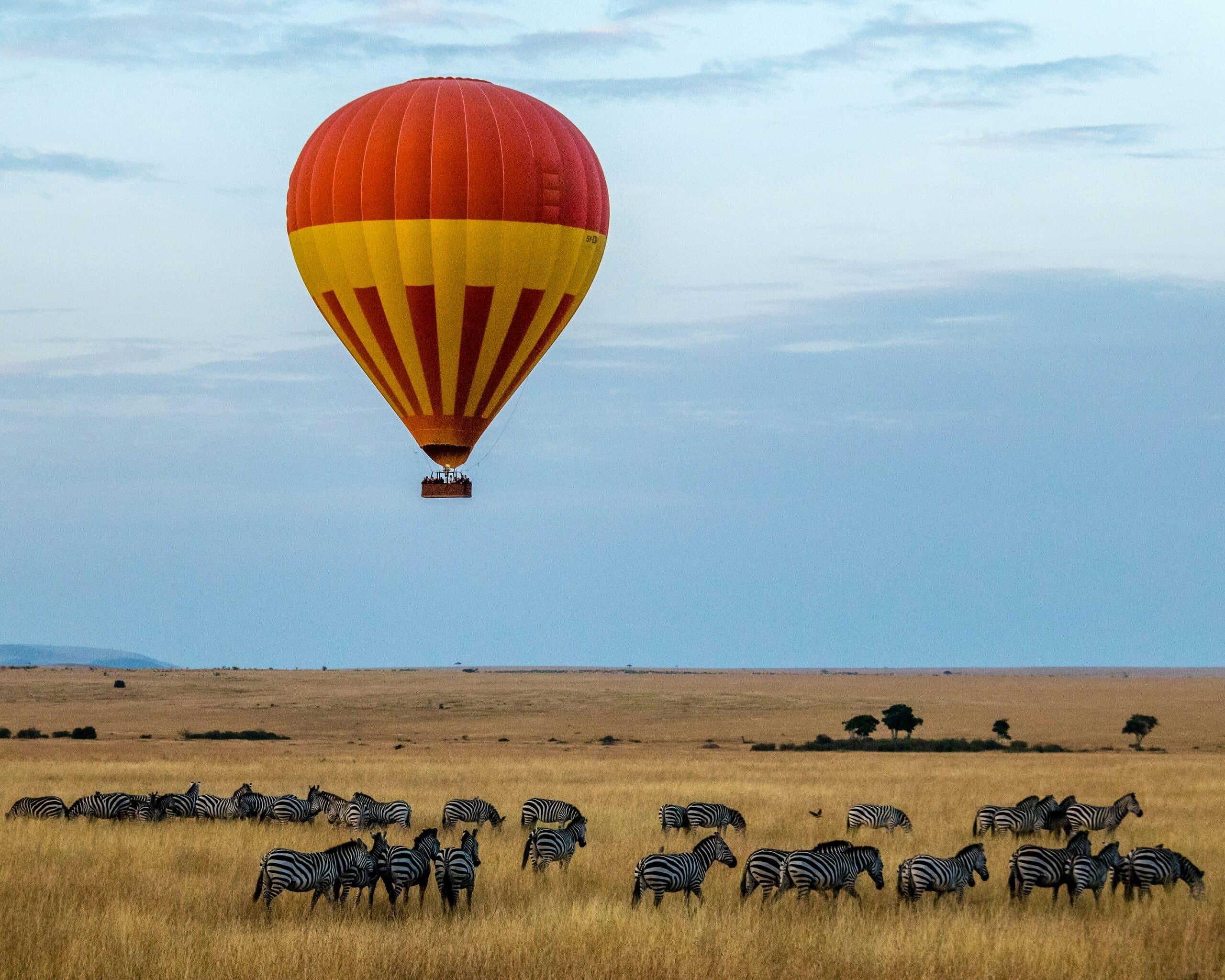 Kenya in August: the migration monthDry skies, the herds in the Mara and the busiest weeks of the safari year.
- Kenya in September: dry, warm and still migration seasonThe herds are usually still in the Mara, the days are warming and the summer rush has passed.
- Kenya in October: the migration's last weeksDry early, stormy late, with the herds heading south and the marathon in town.
- Kenya in November: the green seasonAfternoon storms, green parks, migrant birds and some of the year's best value.
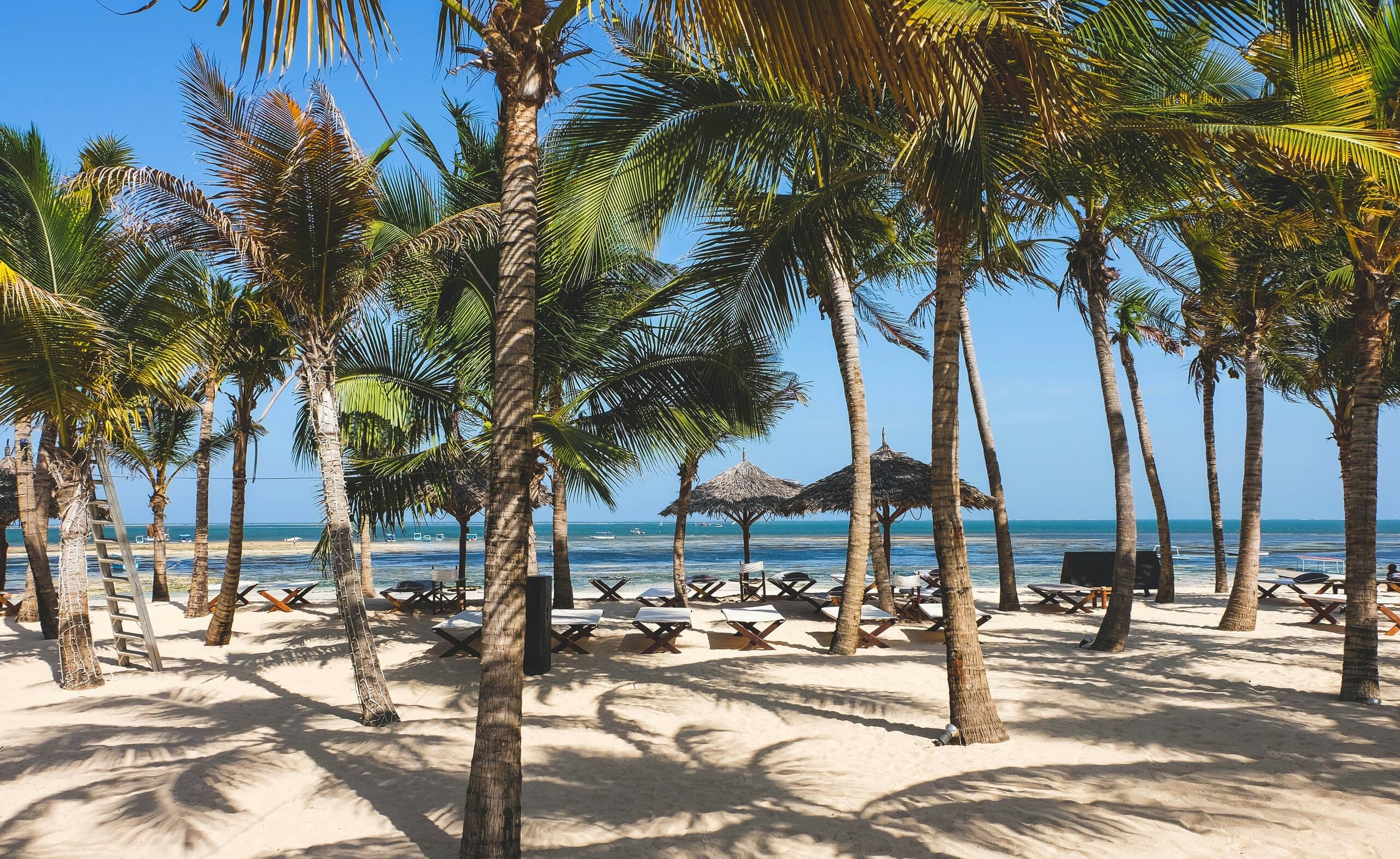 Kenya in December: green parks and a busy coastThe rains ease, the parks are green and the coast is hot for Christmas.
Common questions
What is the best month to visit Kenya?
For the Great Migration, August. For a dry safari at better prices, February. For the coast, January. Kenya works all year: choose the month by what you most want to see, then by budget.
When is the rainy season in Kenya?
Kenya has two. The long rains run roughly from late March to May, with Nairobi getting about 8 inches in April and the coast 11 to 12 inches in May. The short rains come in November and into early December. Rain usually falls in afternoon or evening storms rather than all day.
When is the cheapest time to go on safari in Kenya?
April, May and November have the lowest lodge rates. January to March is the best balance: dry weather, newborn animals and lower Maasai Mara reserve fees than July to December.
Is it cold in Kenya in July?
Days are warm, but early mornings on game drives in the Mara and the highlands can be about 50°F in July and August, and open vehicles feel colder. Bring a fleece, a warm jacket and a hat.
Can I see the migration in Kenya in December?
No. The herds are back in Tanzania's Serengeti from about November to June. In Kenya the river crossings run from about July to October. December is good for birds, green plains and the coast.