Experience
Museums, music, markets, festivals and the communities who keep Kenya's heritage alive.
- Diaspora homecomings
- Culture & arts travelers
- Festival-goers
- Heritage study groups
Experience
Museums, music, markets, festivals and the communities who keep Kenya's heritage alive.
Culture lovers and diaspora families reconnecting with home.
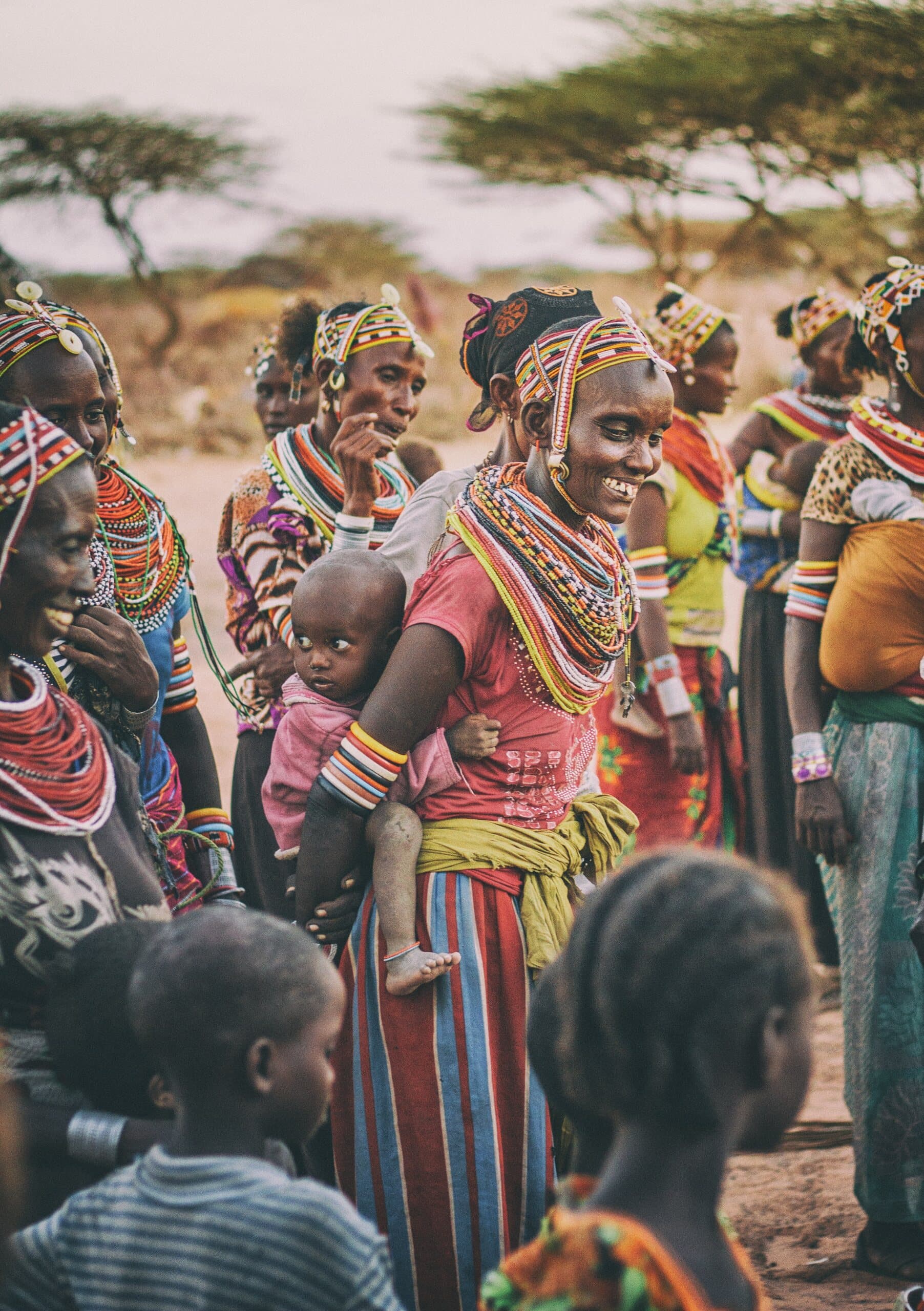
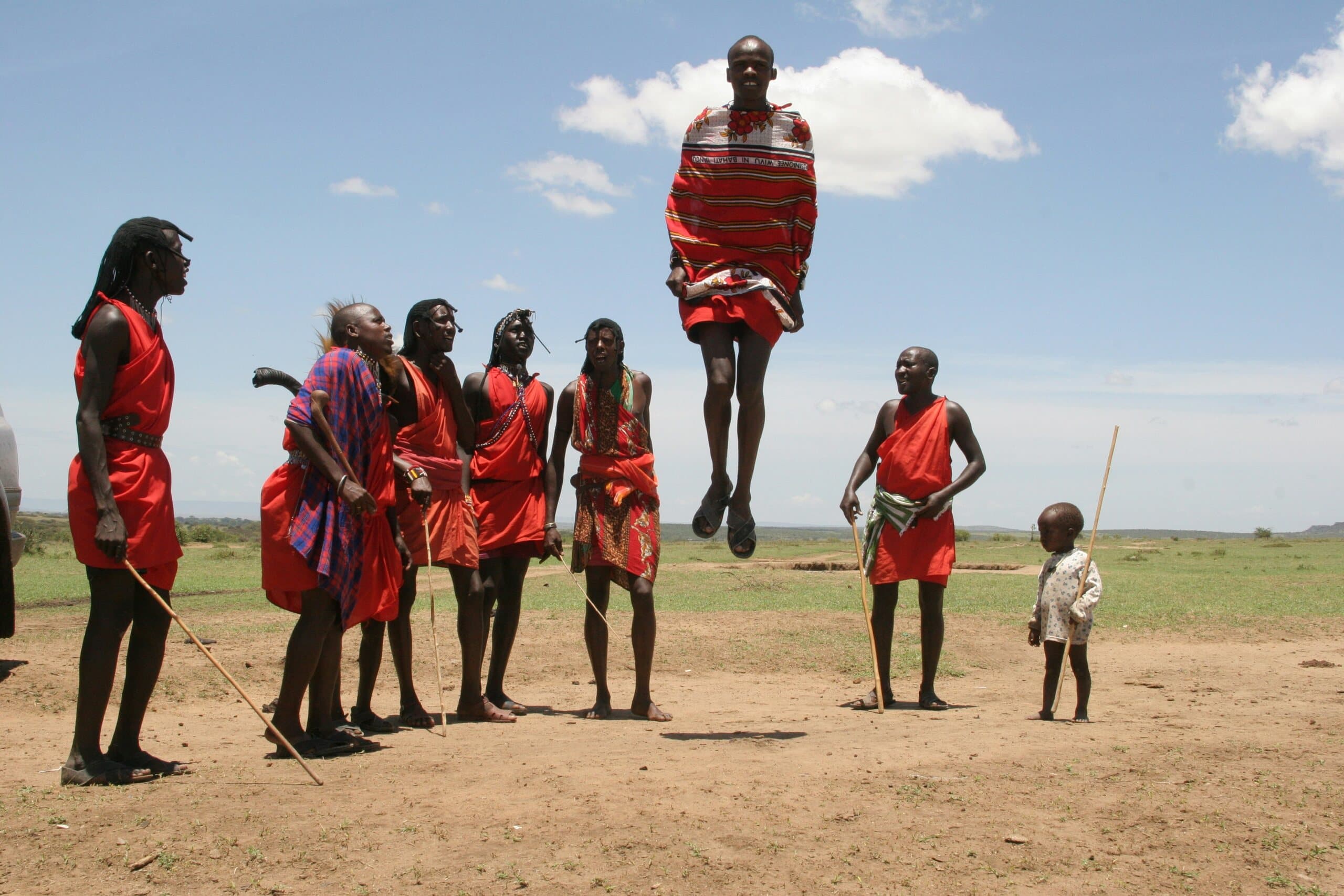
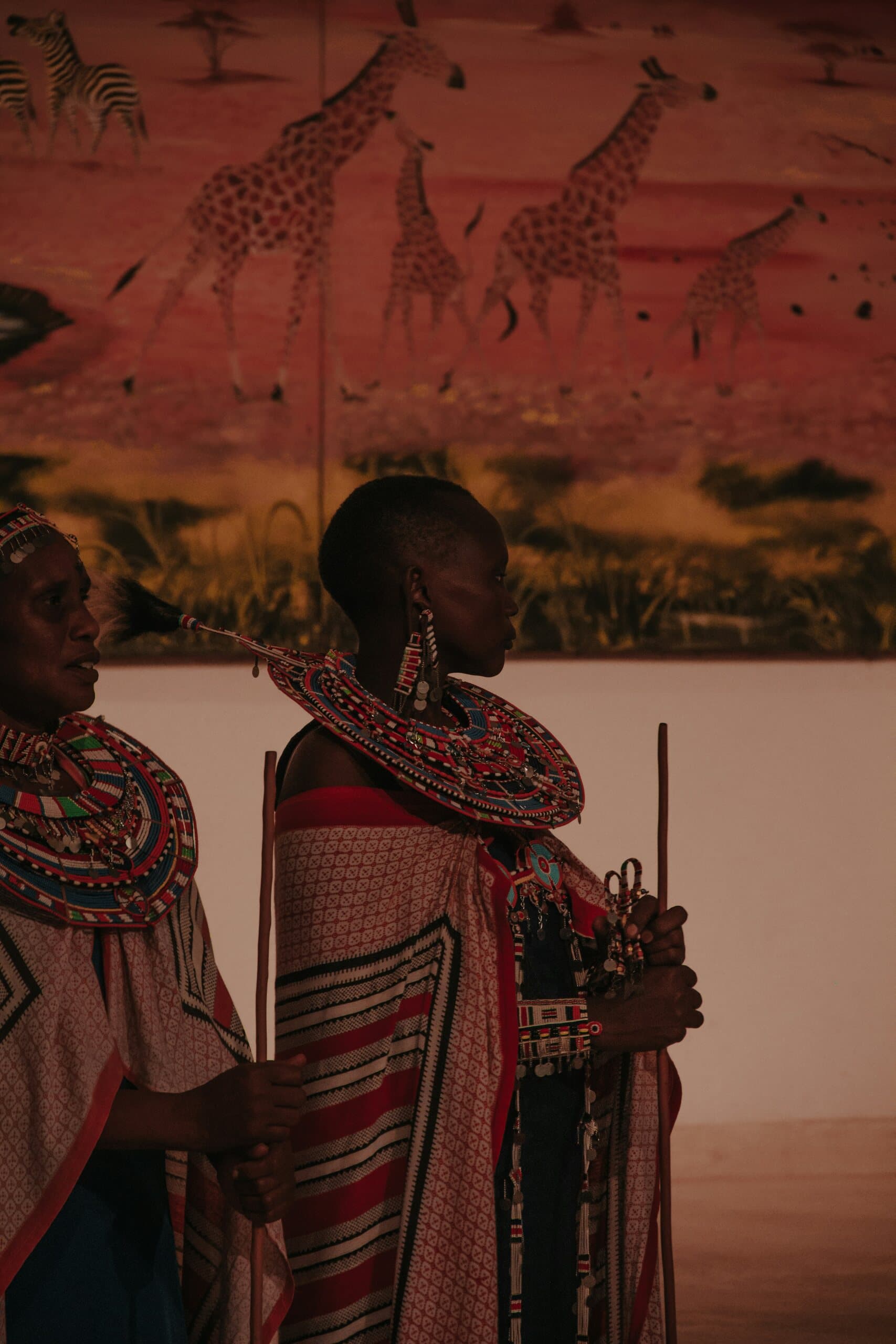
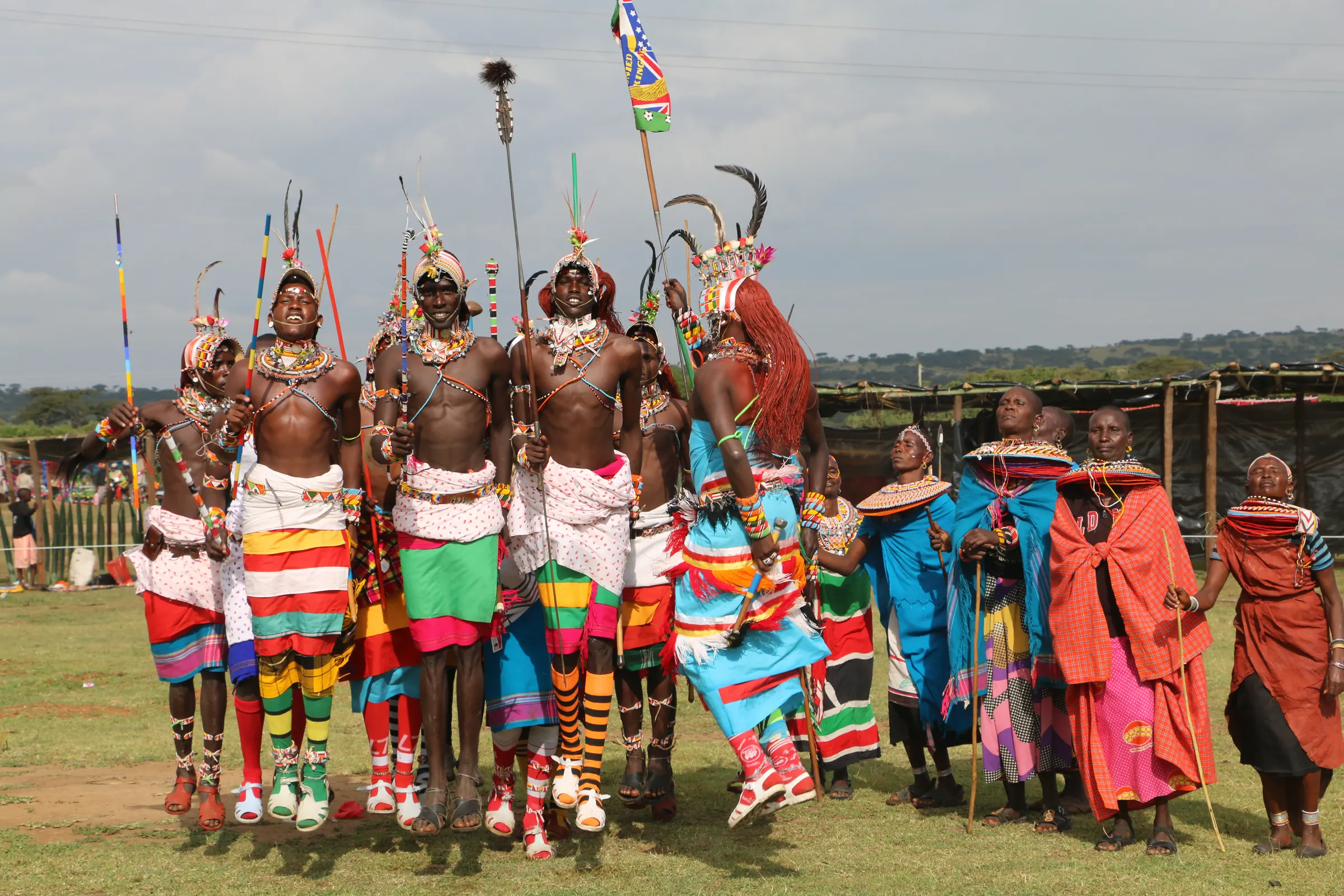
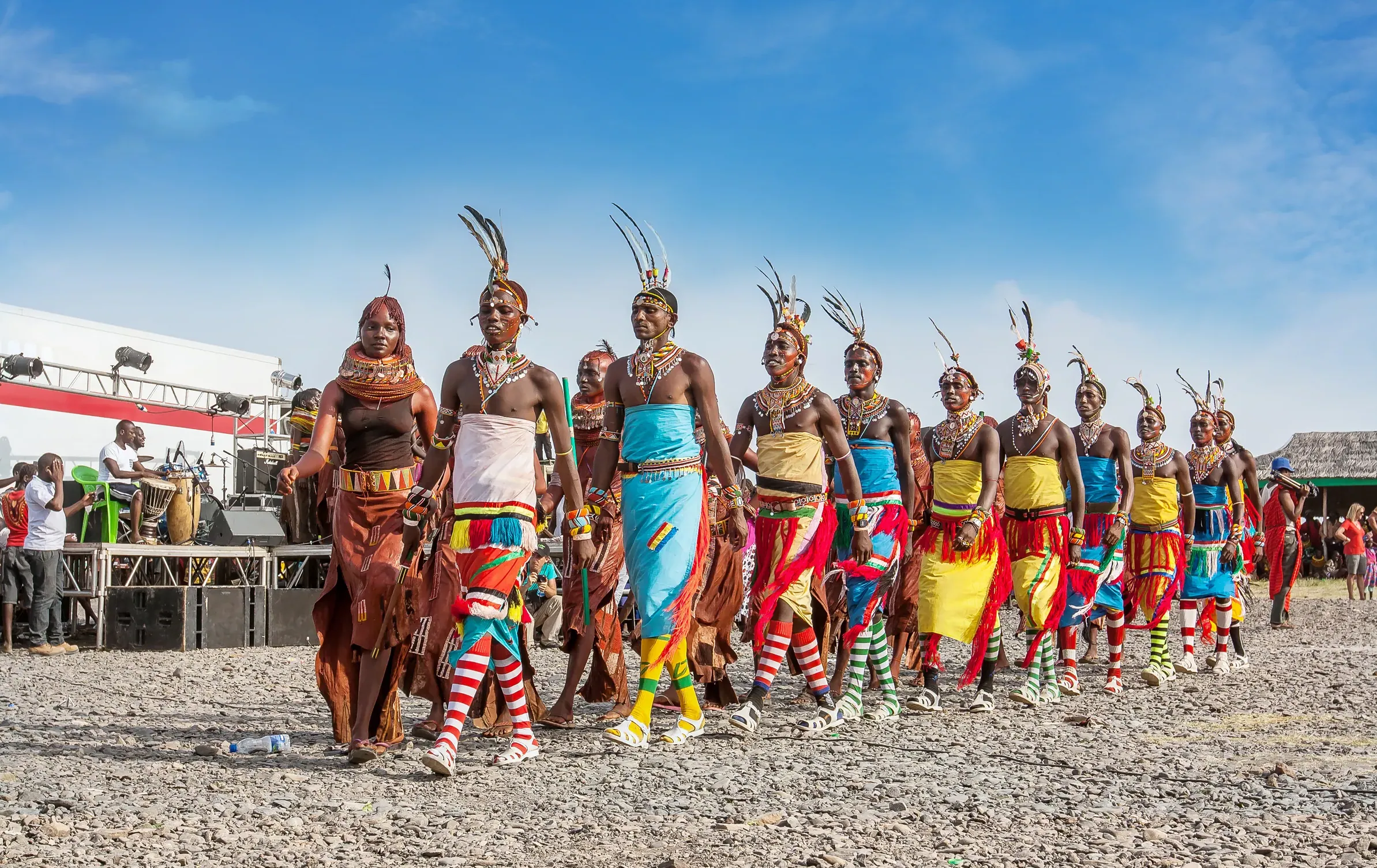
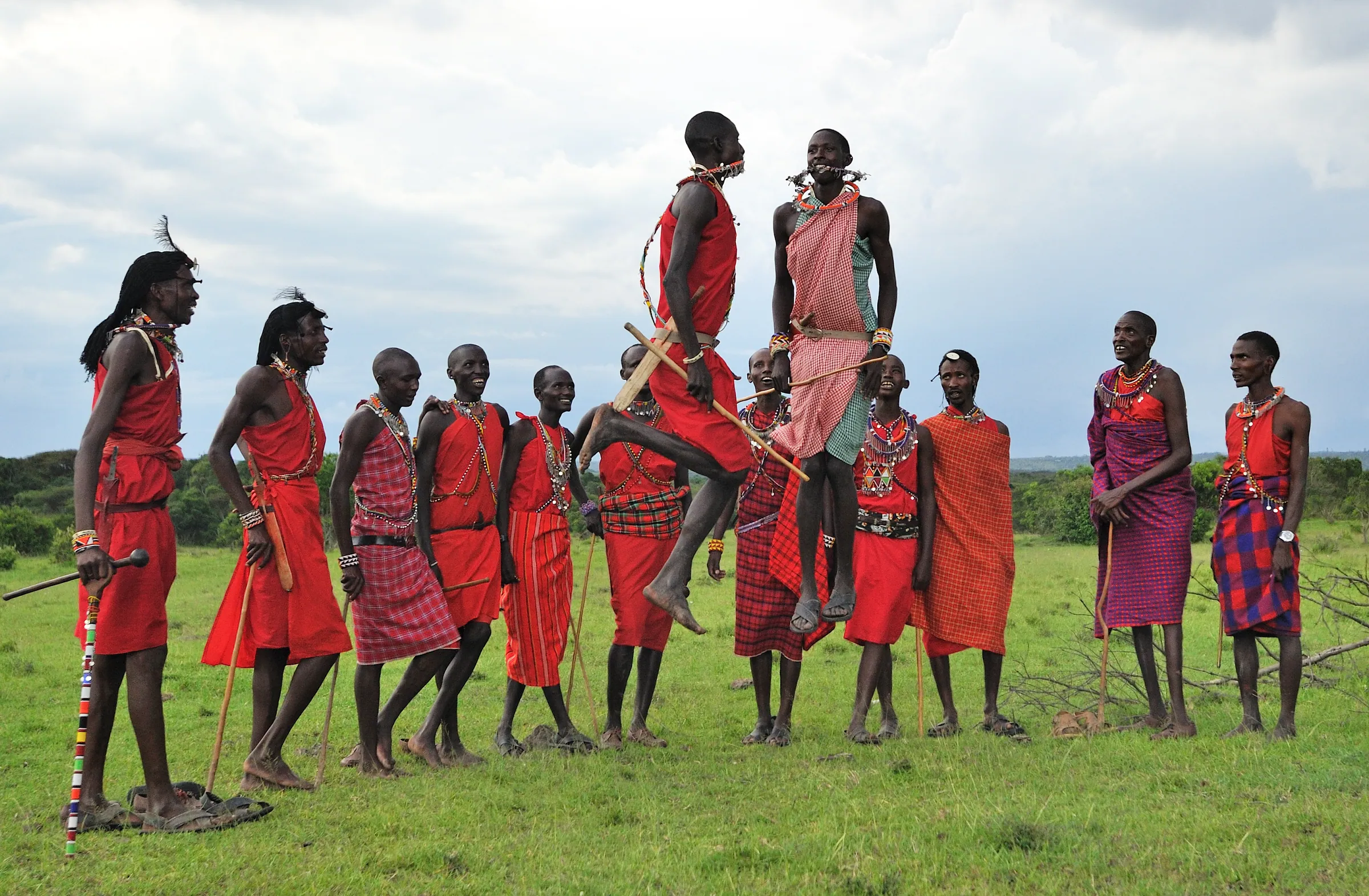
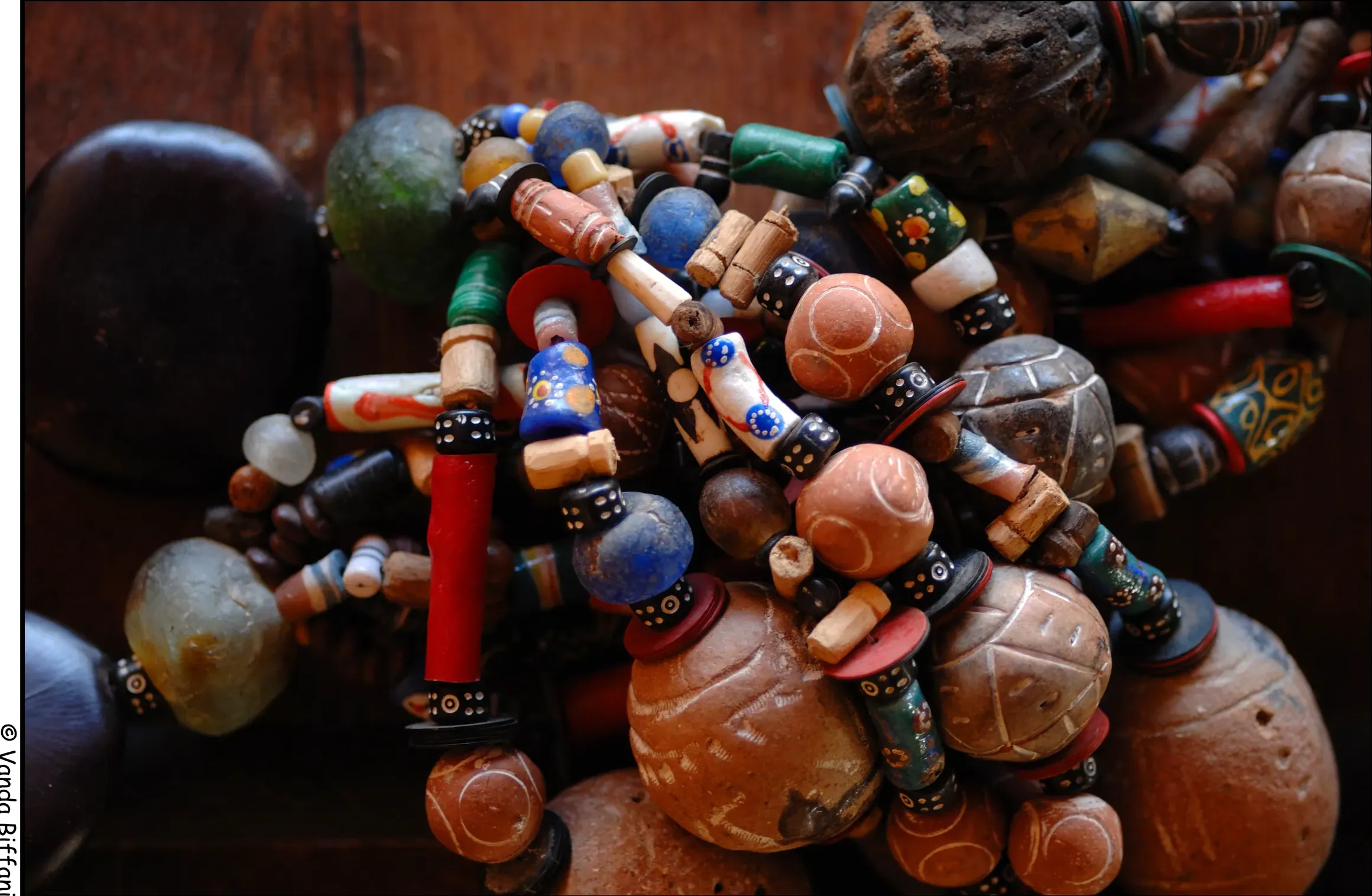
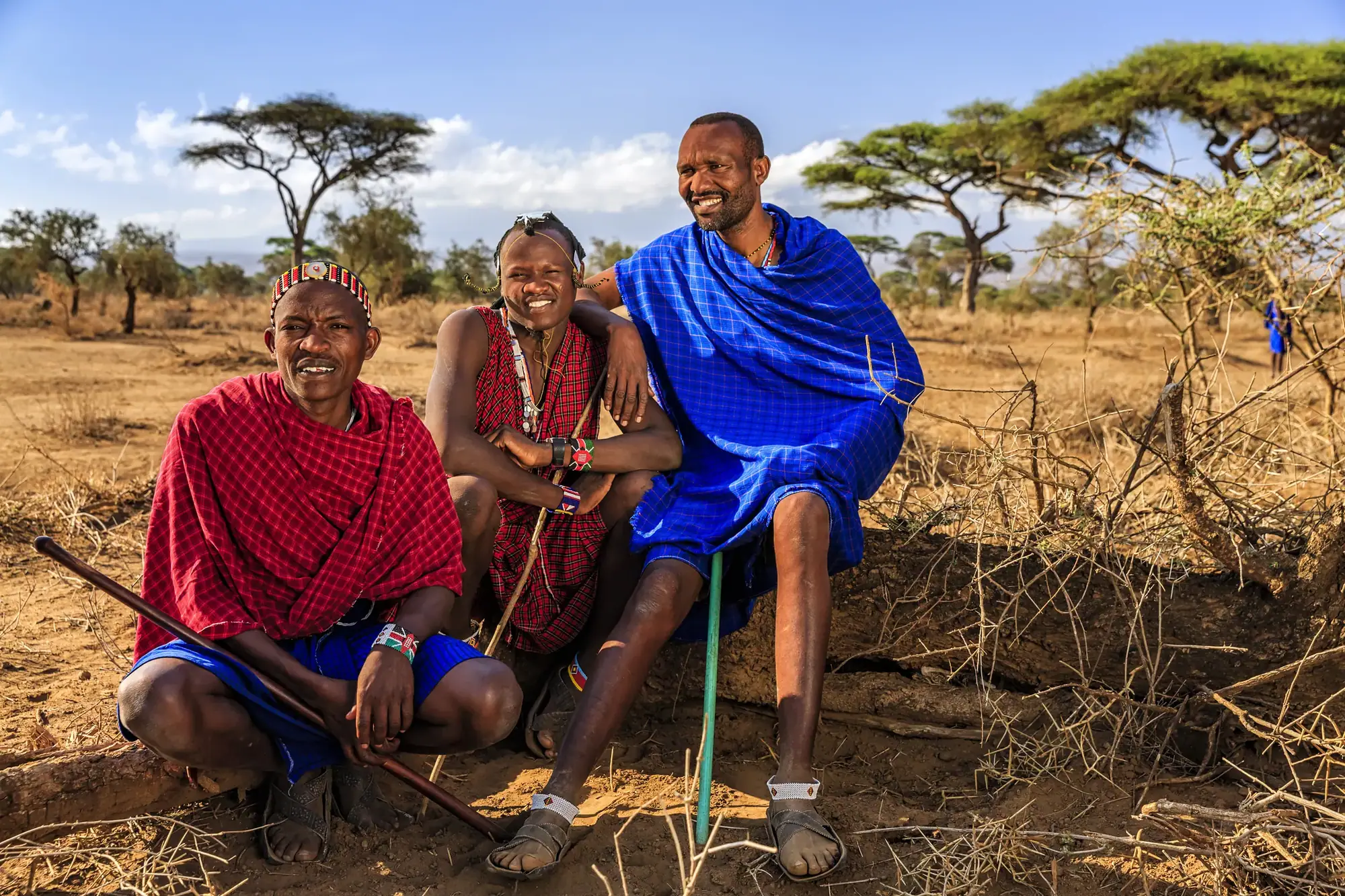
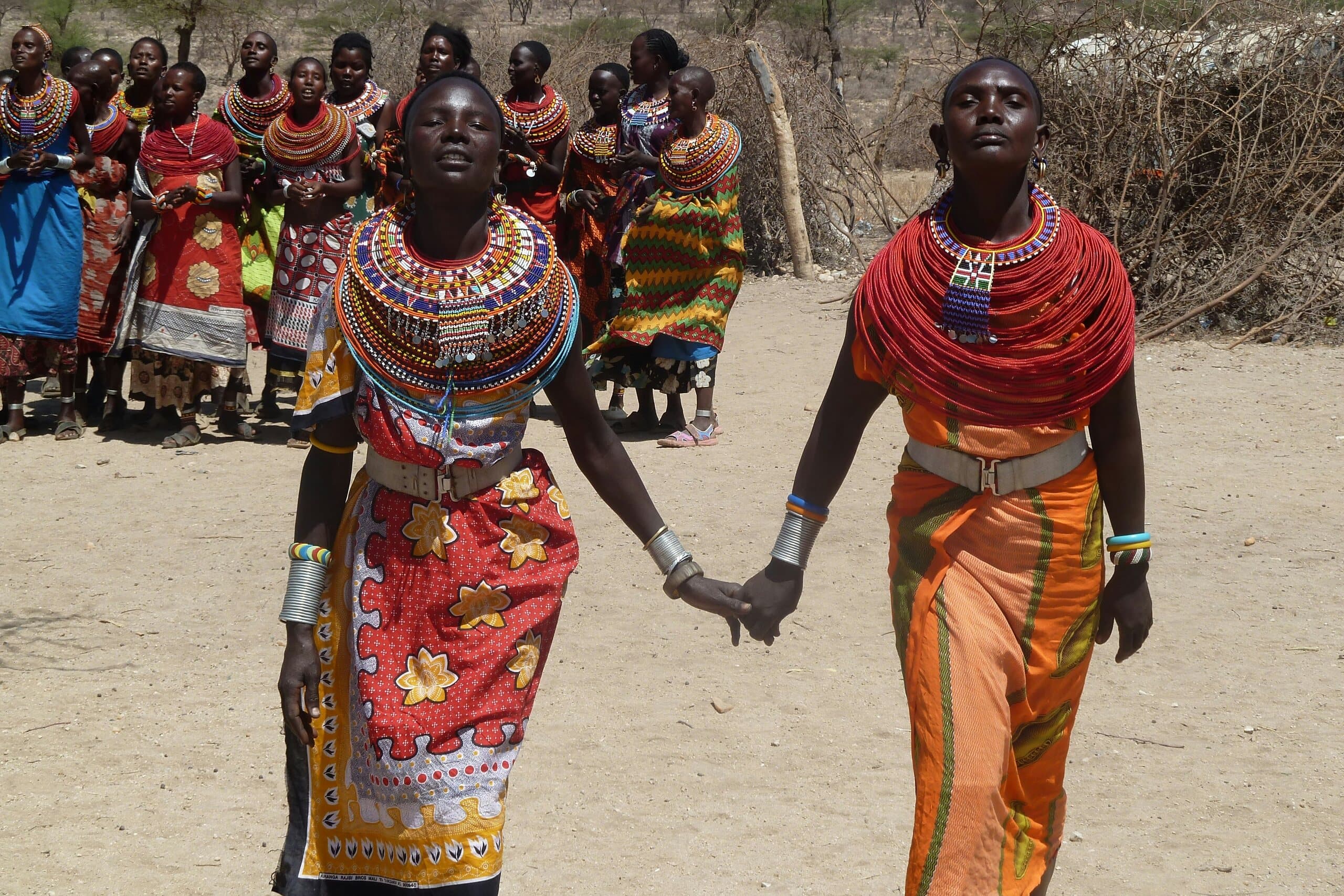
Samburu & the North (7 days): Beadwork, song and the Samburu Special Five in the northern conservancies. Beadwork & Craft (5 days): Workshops with women's cooperatives and visits to artisan markets. Village Days (4 days): Days with Maasai hosts: cattle, food, stories, the jumping dance. Nairobi Arts (3 days): Galleries, studios, Swahili food and live music in the capital. Every itinerary is a starting point, adjusted to your dates, group and budget.
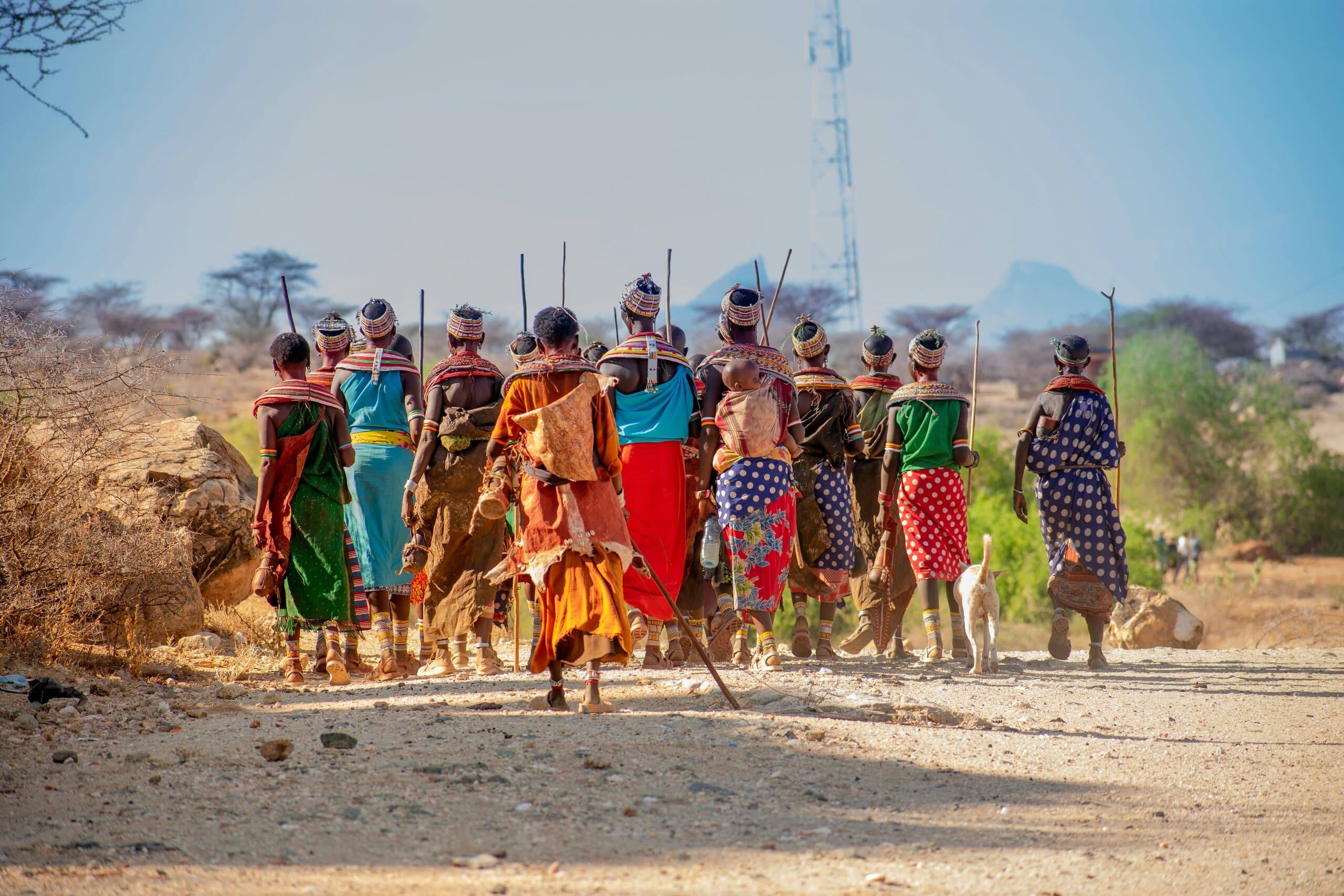
Year-round. Lamu Cultural Festival in November, Nairobi arts calendar from February.
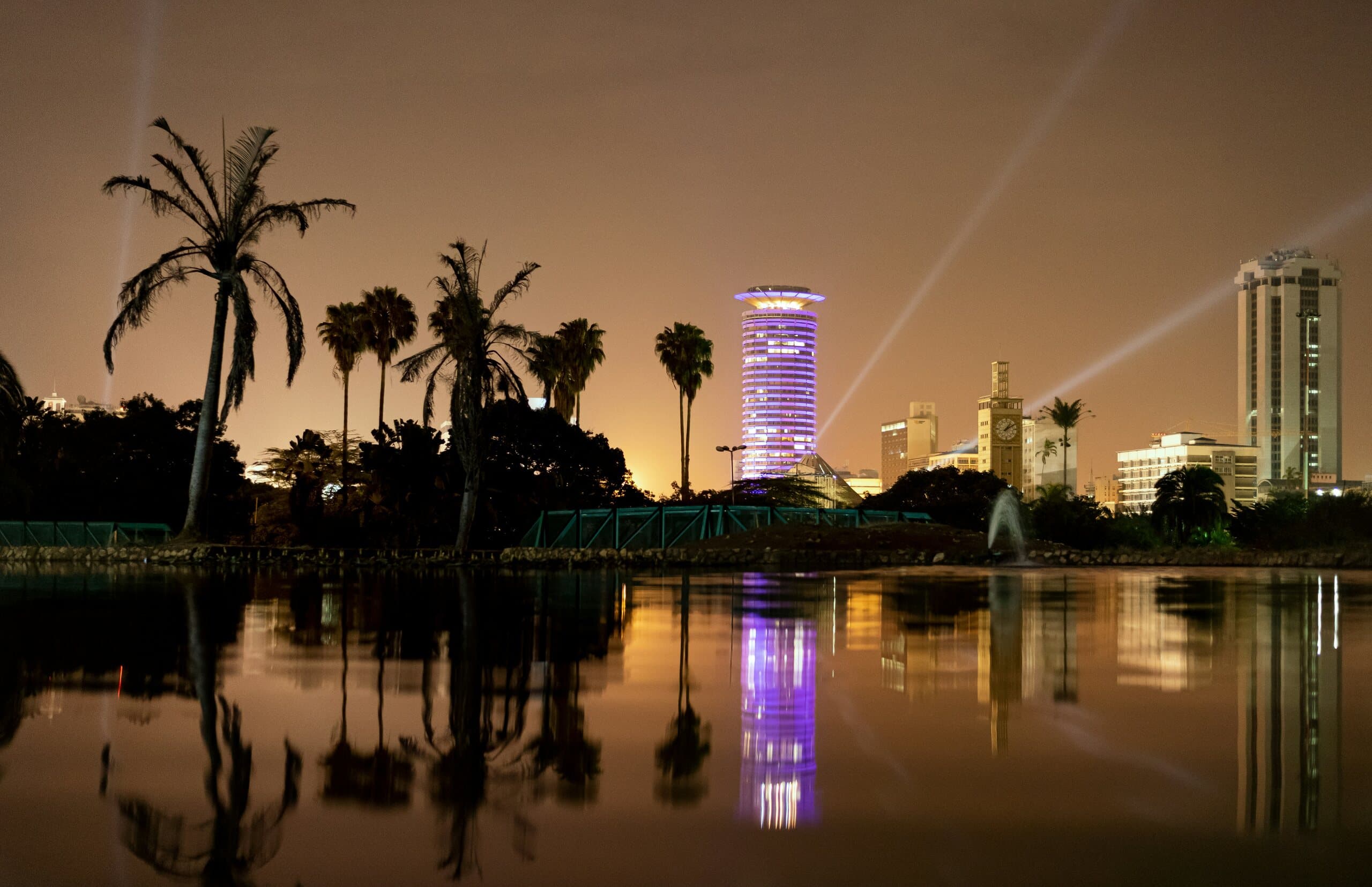
Diaspora family reunions and heritage tours for alumni and community associations.
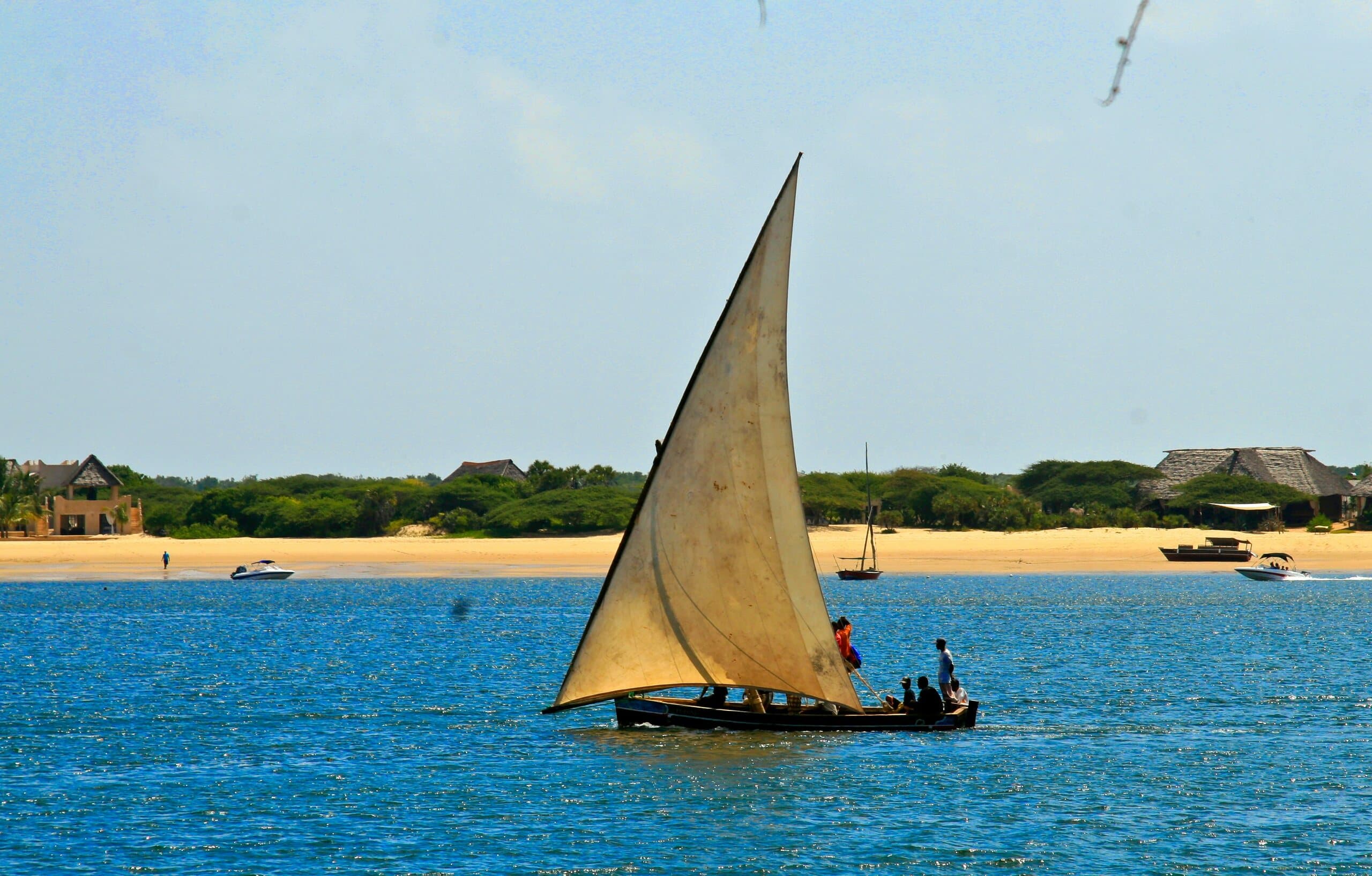
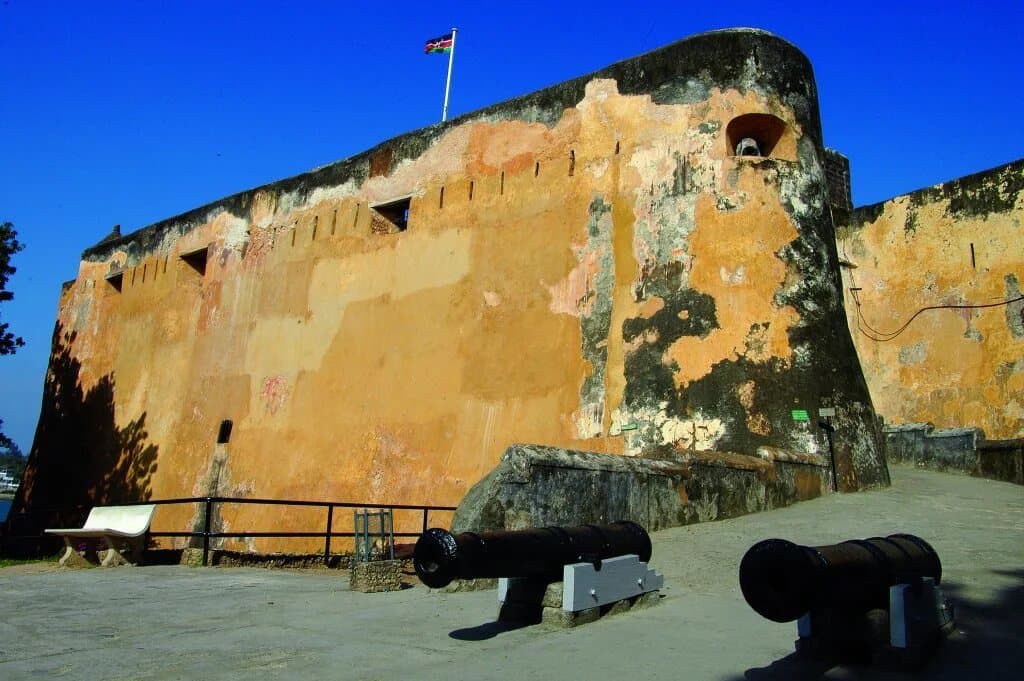
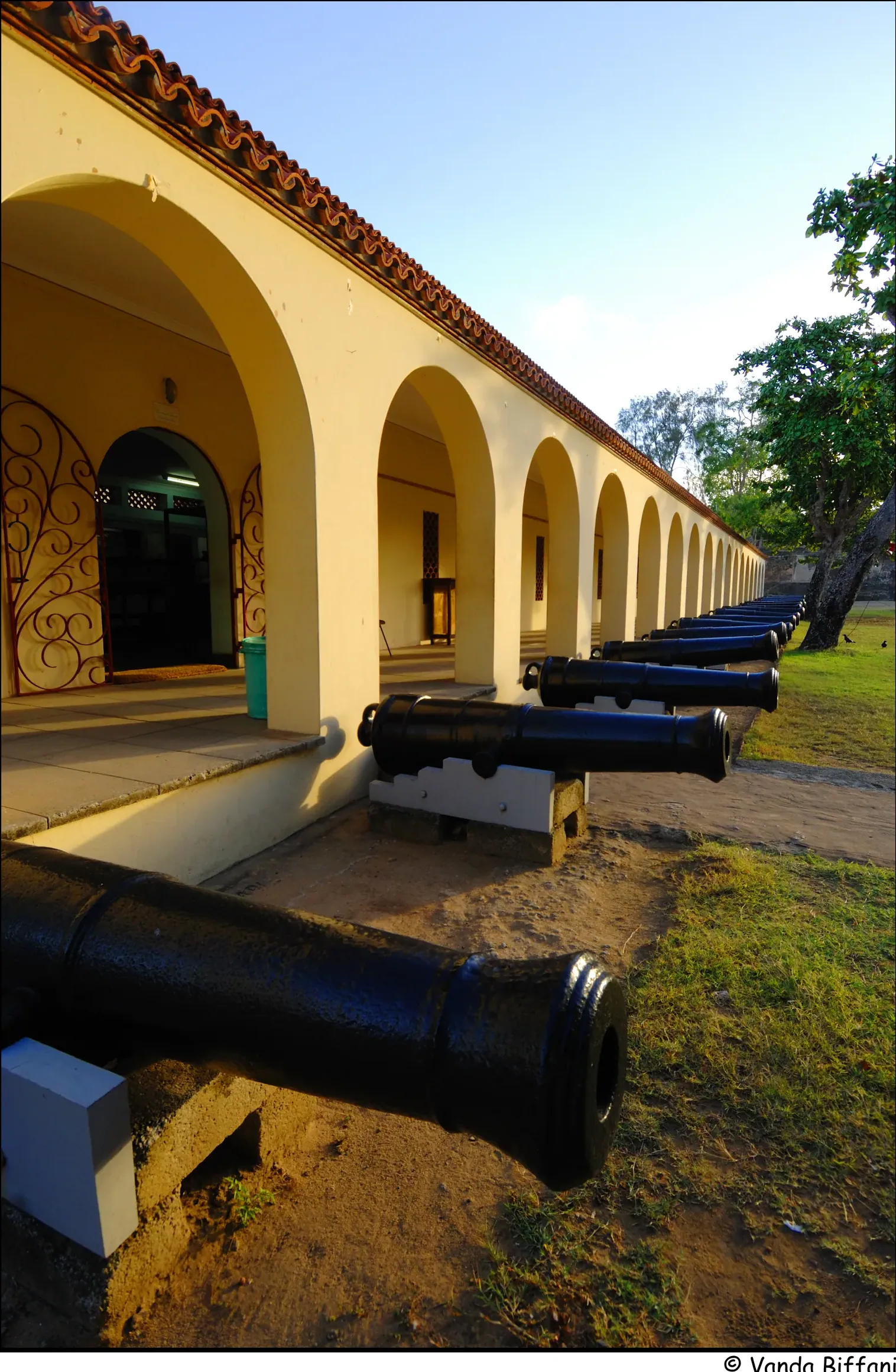
Kenya is home to more than forty communities, each with its own language, food and ceremonies, and you can meet several in one trip. The country has eight UNESCO World Heritage sites, five of them cultural: Lamu Old Town, the Sacred Mijikenda Kaya Forests, Fort Jesus, Thimlich Ohinga and, since 2024, the Swahili town of Gedi. Kiswahili, now spoken across East Africa, grew up on this coast. Pastoralist traditions, a lively Nairobi art and music scene and fossils of our earliest ancestors at Lake Turkana all belong to the same story.
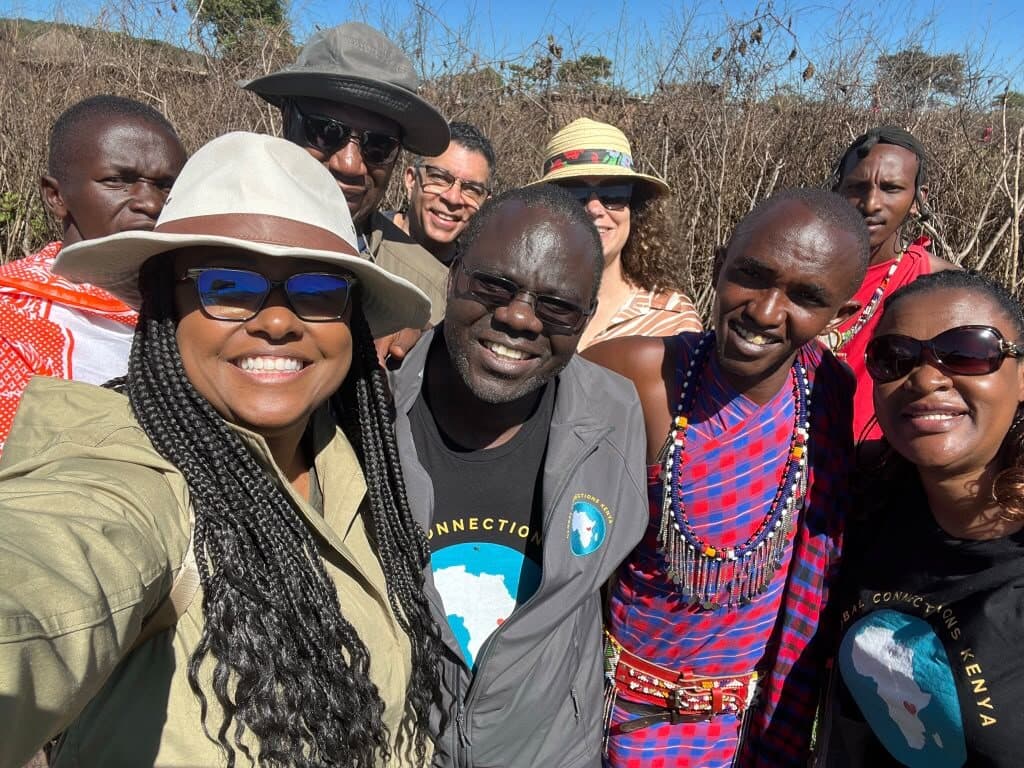
Good cultural travel in Kenya is hosted. We arrange visits through a specific community, conservancy or cooperative, and the guide usually comes from that community. Time matters more than ticking off villages, so a visit might be a long morning with a family, a cooking lesson, a beadwork session or an evening of song. In towns and museums, curators and historians lead. Most cultural trips run eight to twelve days and combine two or three regions, with a safari built in, because wildlife and culture share the same land here.
The coast has the Swahili world of Mombasa, Gedi and Lamu, and the sacred Kaya forests of the Mijikenda. Nairobi has the National Museum, the Karen Blixen Museum and Bomas of Kenya, where dancers perform traditions from across the country. The Mara and Kajiado are Maasai land, and Samburu and the north are home to Samburu, Rendille and Turkana herders. Western Kenya and the shores of Lake Victoria bring Luo and Luhya music, food and Thimlich Ohinga's dry-stone walls in Migori. The highlands bring Kikuyu farming country and independence history.
Some of the best moments follow the calendar. Lamu's Maulidi, a celebration going back more than a century of the Prophet's birthday with processions and music, moves with the Islamic calendar each year. National holidays fill towns with celebrations: Madaraka Day on June 1, Mashujaa Day on October 20 and Jamhuri Day on December 12. December is homecoming season, when Nairobi empties as families travel upcountry, a good time for diaspora trips. Community festivals and Nairobi's arts calendar change from year to year, so we check dates when we plan.
Greet before you ask, use your right hand to give and receive, and ask before you photograph anyone. Dress modestly in Lamu and the coastal towns. Buy crafts from the people who made them. Cultural trips suit heritage study groups, alumni and community associations, families of Kenyan descent bringing children home, and African American travelers exploring the continent's history. They also suit anyone who has done a safari and wants to know the people who live alongside the wildlife.
Kenya Experience is Kenyan-led, with two U.S. companies behind it and Kenyan hosts and guides. Join a dated departure on our Trips page or ask for a private journey through Plan a trip. A specialist replies within two business days, and you can pay in full or monthly with no deposit.
Ours are arranged with a specific community, paid fairly and hosted by people who choose to host. No drive-by photo stops.
Yes. We build family time upcountry around the safari and coast days your guests expect, and our ambassadors have done it themselves.
A November festival on Lamu's waterfront with dhow races, donkey races and music.
Kenya has eight: Lake Turkana National Parks, Mount Kenya, the Kenya Lake System in the Rift Valley, Lamu Old Town, the Sacred Mijikenda Kaya Forests, Fort Jesus, Thimlich Ohinga and the Historic Town and Archaeological Site of Gedi, added in 2024.
A long-running festival marking the Prophet Muhammad's birthday, with processions, music and prayer that draw visitors from across the region. The date follows the Islamic calendar, so it changes each year.
A cultural center in Nairobi's Langata area with traditional homesteads from many Kenyan communities and regular performances of their music and dance. It makes a good first stop before visiting communities upcountry.
Always ask first and accept a no. Some people may ask for a small payment. Avoid photographing police, military sites and government buildings.
Panga
Panga means plan. Tell us who is going and what you love. A Kenya specialist replies within two business days.