
Jamii
Jamii means community.
The peoples of Kenya
Kenya has no single official list of its communities. Here they are one by one: homeland, language, history, culture and how to say hello.
Forty-two is a convention, not a count
The 2019 census counted 47,564,296 people in 45 main groups, and more than 120 categories once sub-groups are included. No community is a majority: the largest, the Kikuyu, is about 17% of the population. The familiar figure of 42 tribes goes back to the 1969 census, the only one that counted exactly 42.
Almost every indigenous community speaks a language from one of three families: Bantu, Nilotic or Cushitic. That is a classification of speech, not of ancestry. People have intermarried, absorbed one another and switched languages for centuries, and several of today's largest communities are twentieth-century federations of older, smaller peoples.
Practices described on these pages as traditional are historical baselines. Today most Kenyans are Christian or Muslim, live in or near towns, and speak Swahili and English as well as their mother tongue. How the three language families arrived.
Bantu-speaking peoples
Farmers and traders of the central highlands, the Lake Victoria basin and the coast.
Central Bantu: the Mount Kenya peoples
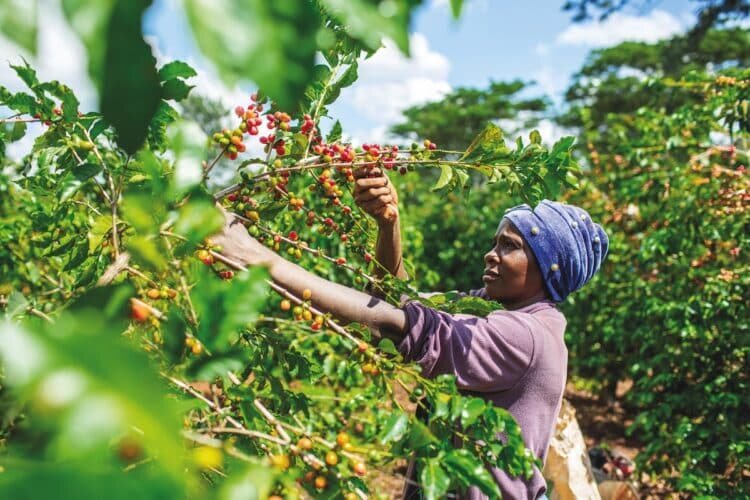 KikuyuAgĩkũyũKenya's largest community, farming the ridges and slopes of the Mount Kenya highlands.8,148,668 in 2019
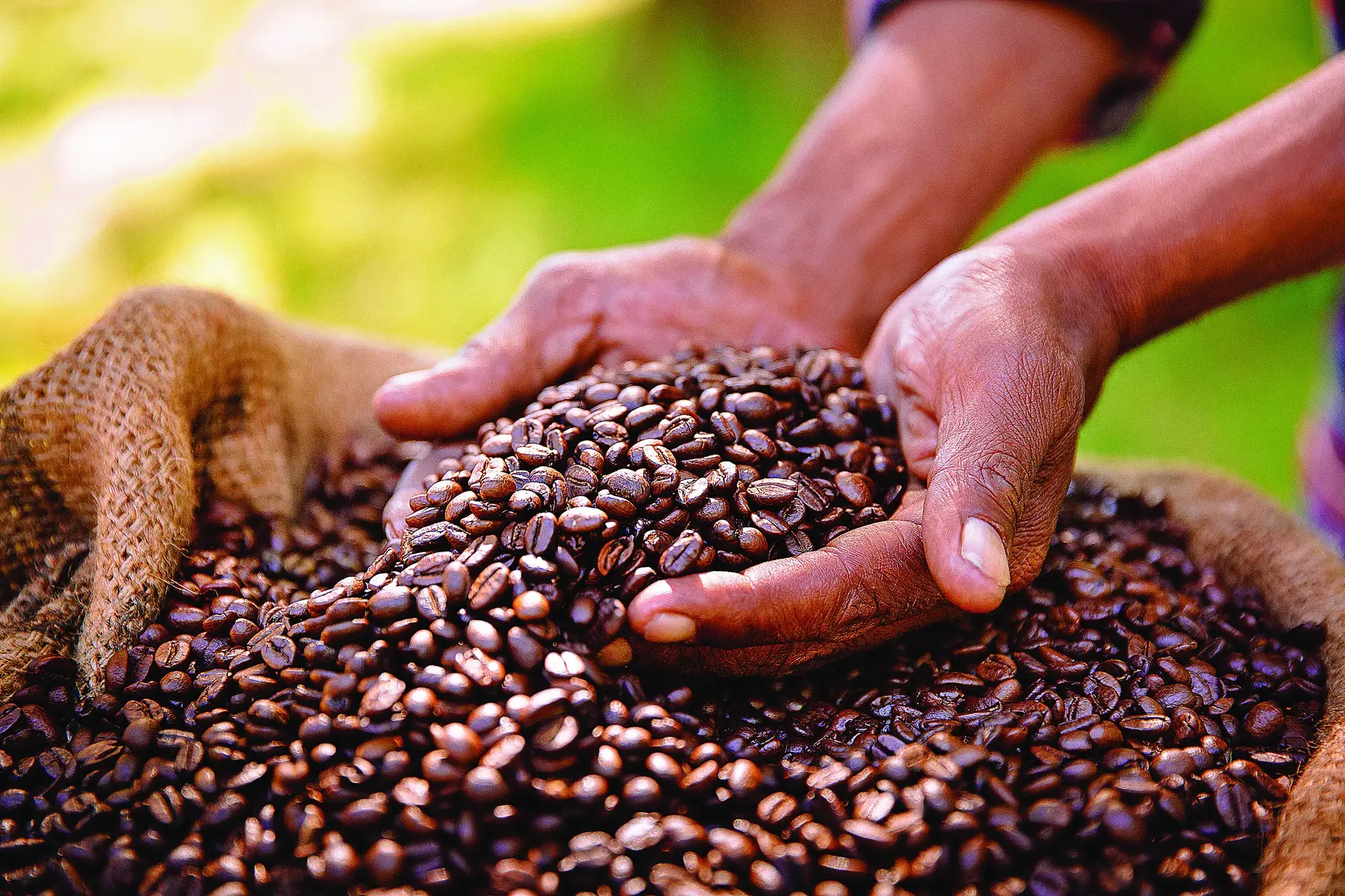 EmbuAembuA Mount Kenya people of the southern slopes, with a founder's grove near Runyenjes still kept sacred.404,801 in 2019
 MbeereAmbeereFarmers and beekeepers of the dry Embu lowlands that run down toward the Tana River.195,250 in 2019
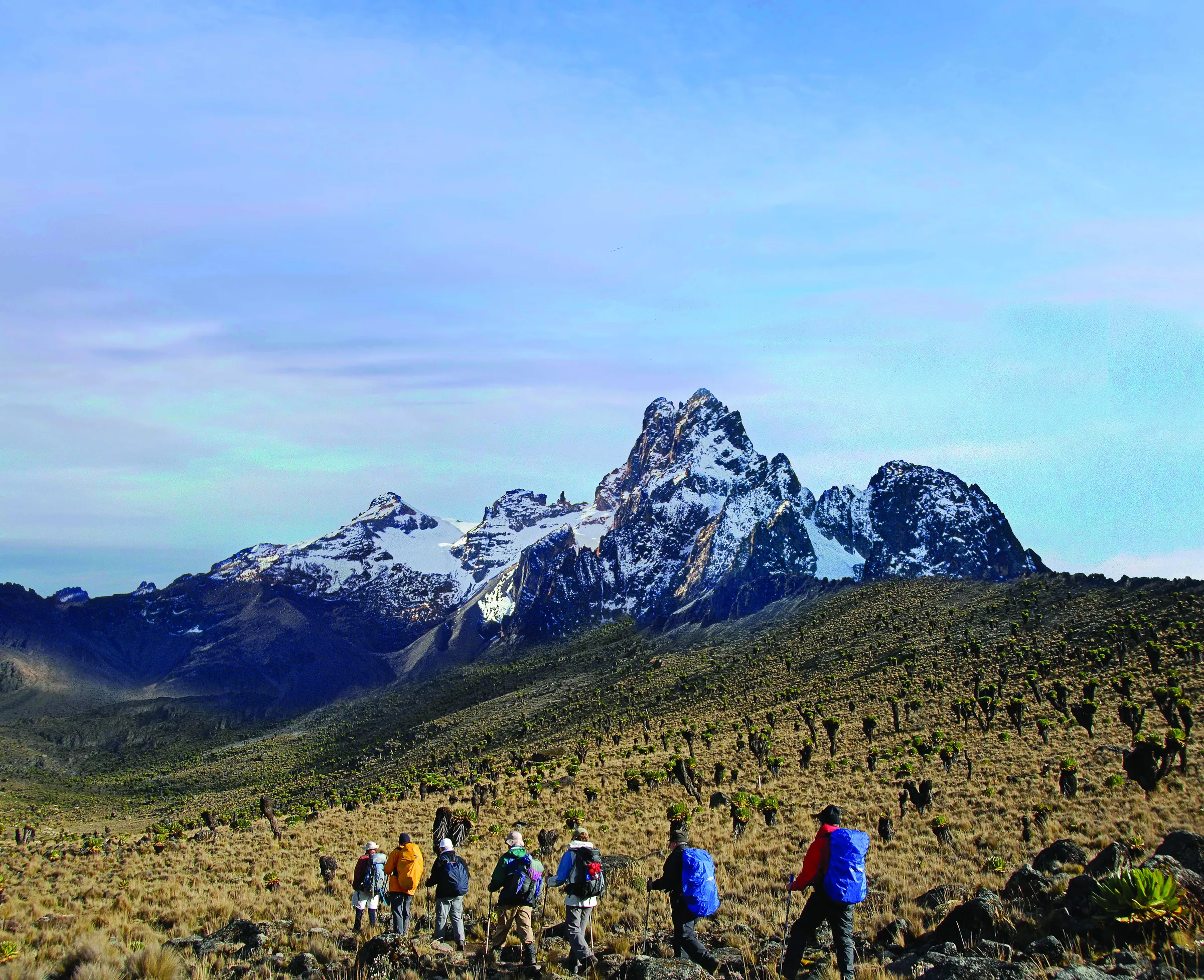 MeruAmĩĩrũNine sections on Mount Kenya's northeastern slopes, guided for centuries by the Njuri Ncheke elders.1,975,869 in 2019
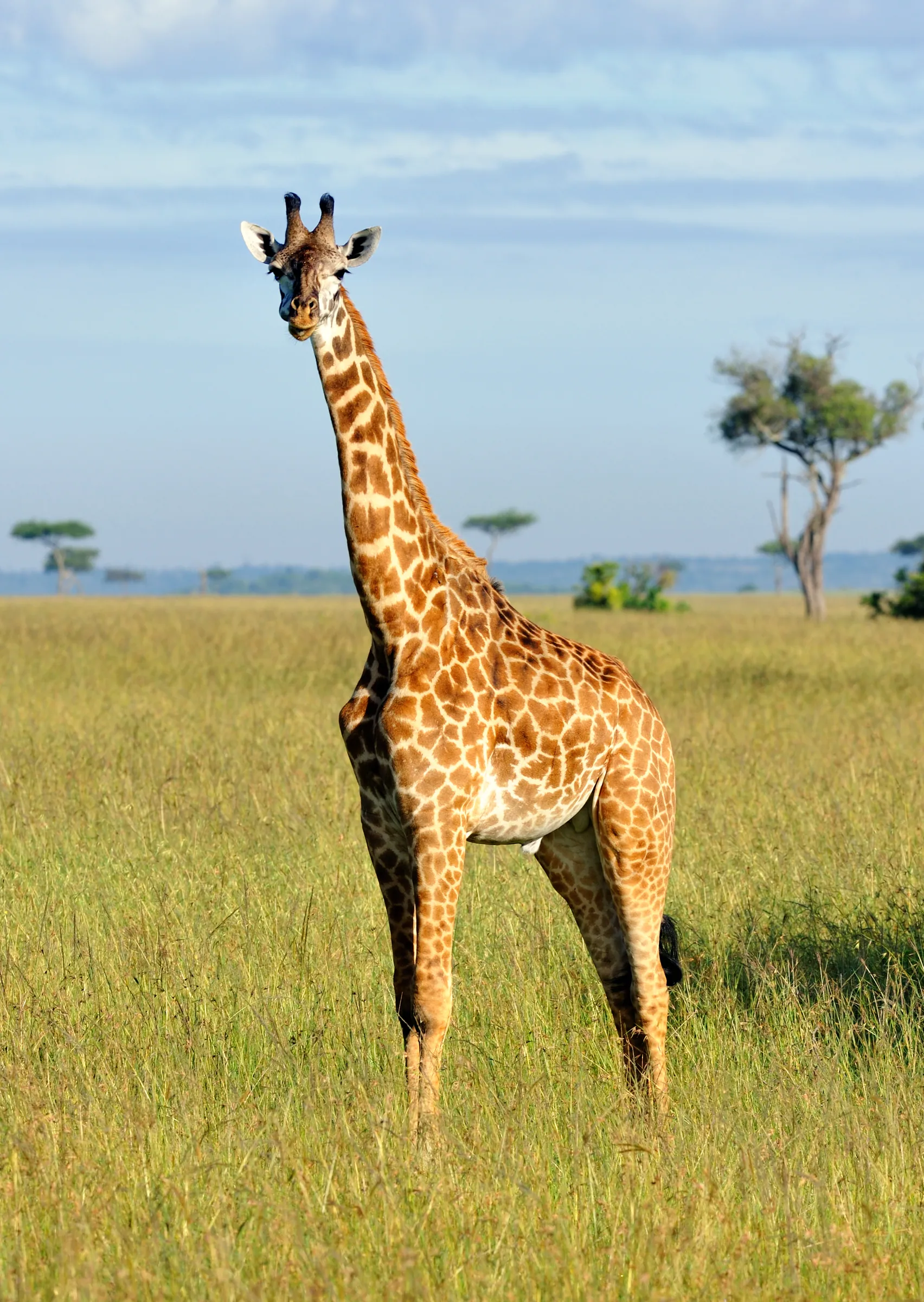 TharakaAtharakaMillet farmers, beekeepers and herbalists of the semi-arid lowlands east of Mount Kenya.220,015 in 2019
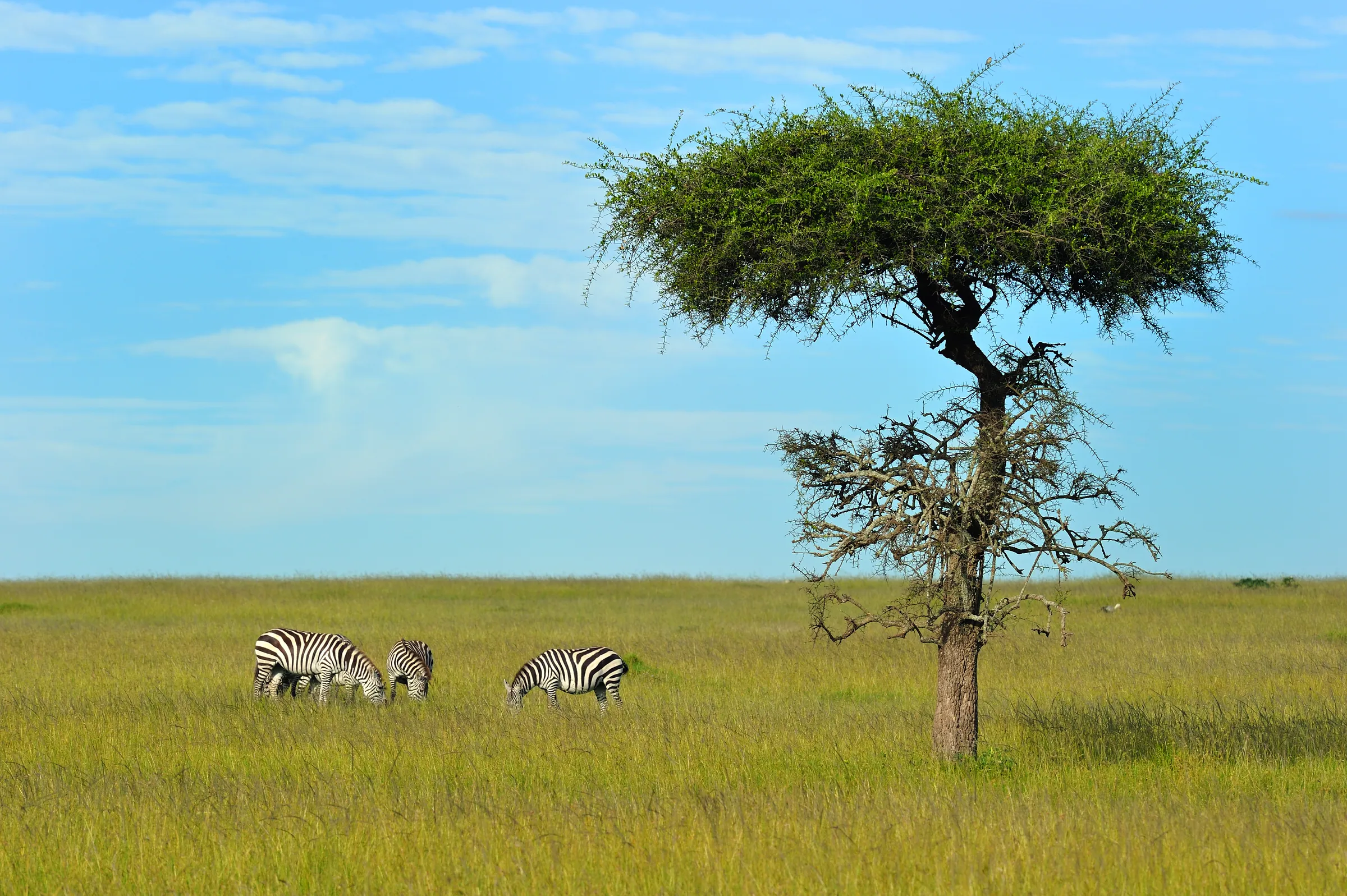 KambaAkambaThe great caravan traders of pre-colonial Kenya, known today for wood carving and kyondo baskets.4,663,910 in 2019
Western Bantu: the Lake Victoria basin
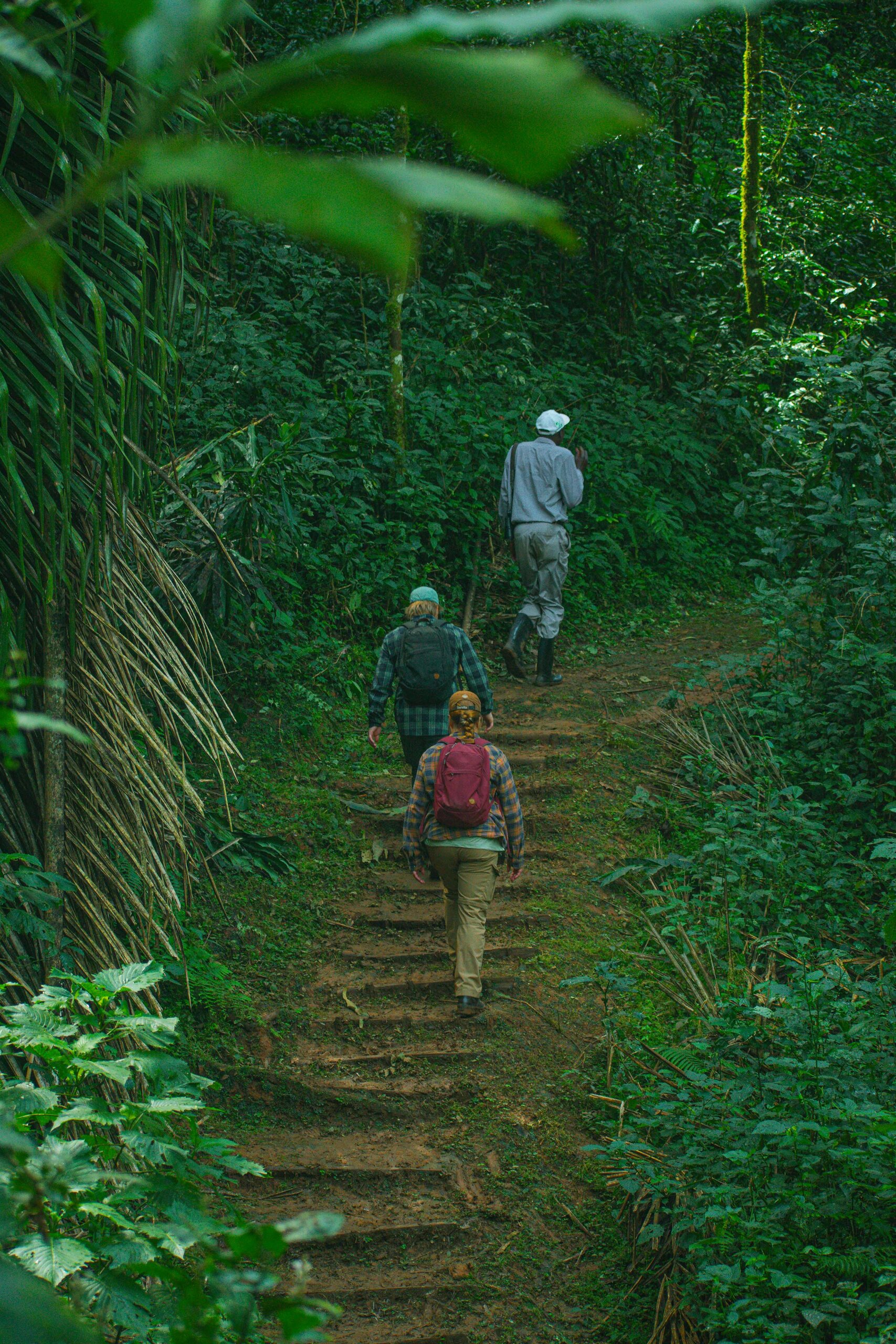 LuhyaAbaluyiaSome 17 to 18 related peoples of western Kenya, joined in a shared Luhya identity since the 1930s.6,823,842 in 2019
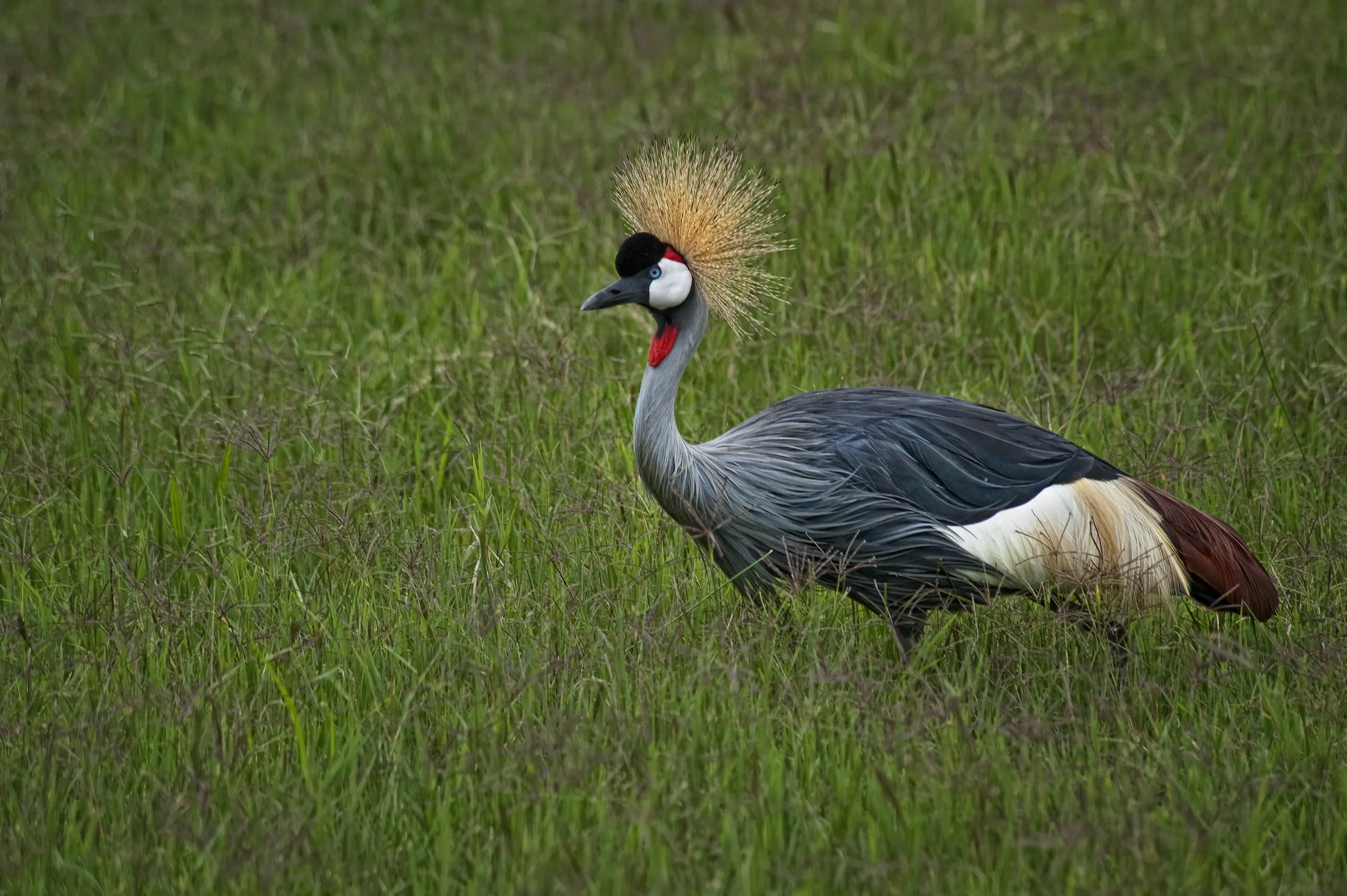 GusiiAbagusiiFarmers of the cool, crowded Kisii highlands, known for Tabaka soapstone and the obokano lyre.2,703,235 in 2019
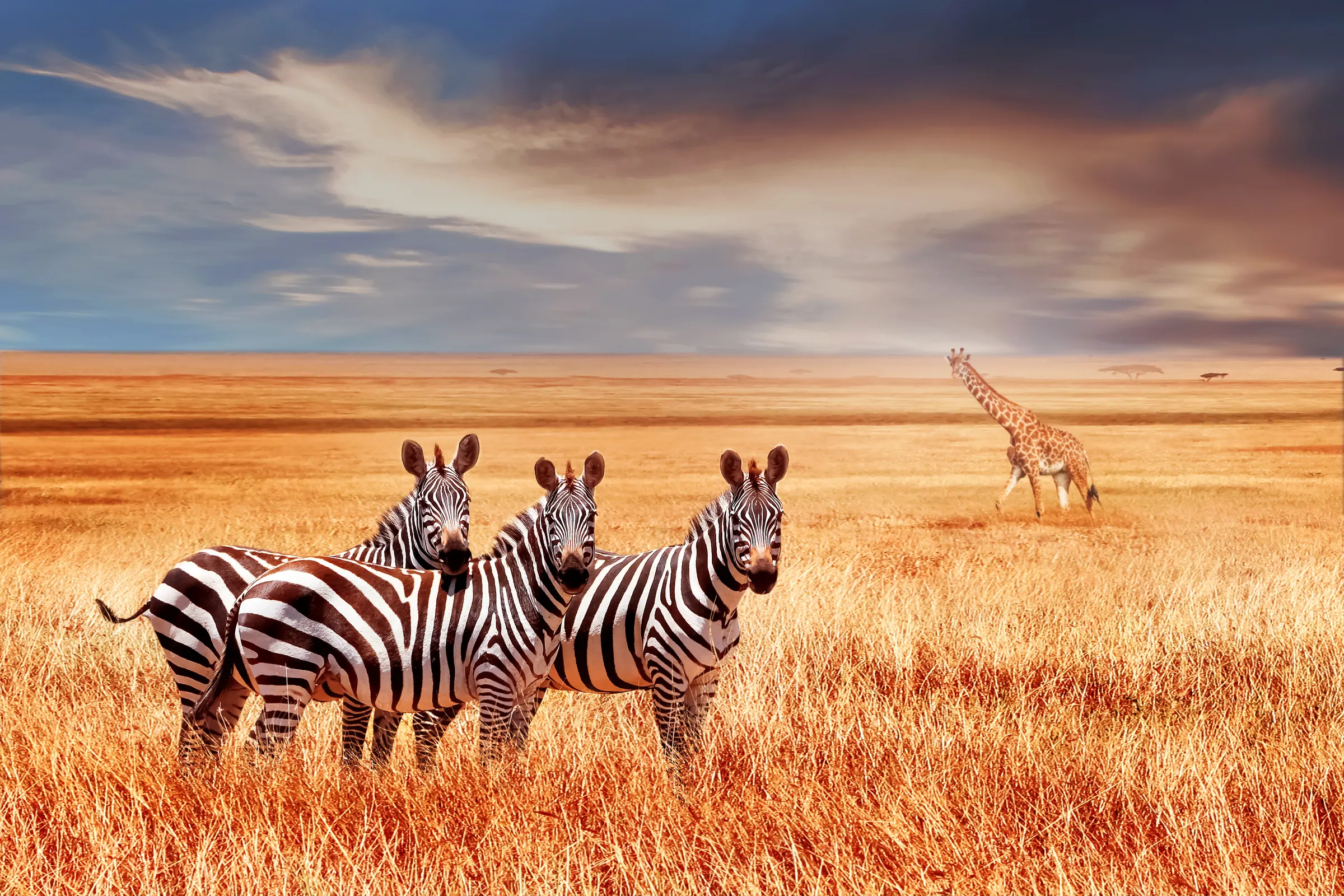 KuriaAbakuriaFarmers and cattle keepers of Migori County and Tanzania's Mara Region, organized in clan territories.313,854 in 2019
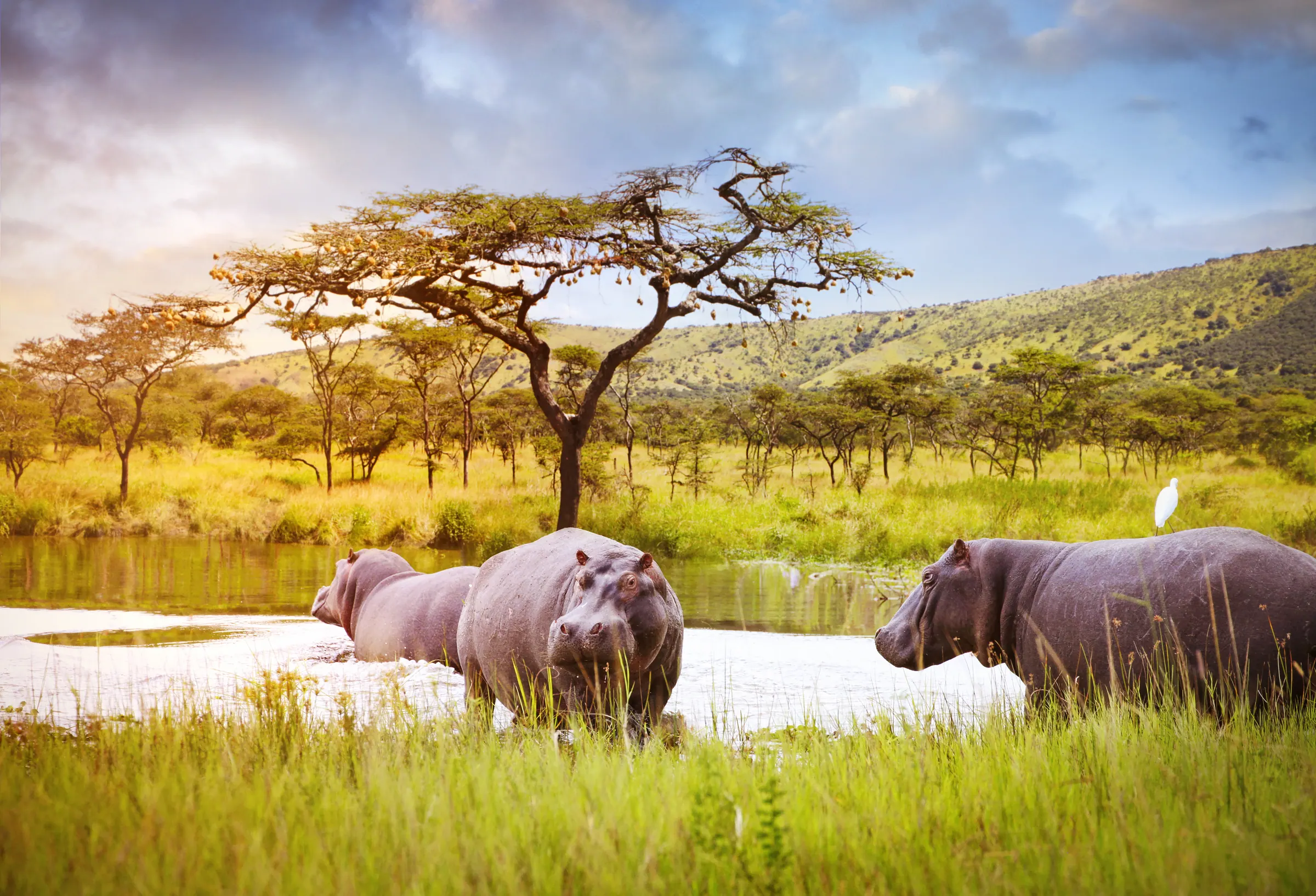 SubaAbasubaIsland and lakeshore people of Lake Victoria, working to keep the Olusuba language alive.157,787 in 2019
Coastal Bantu: the Indian Ocean shore
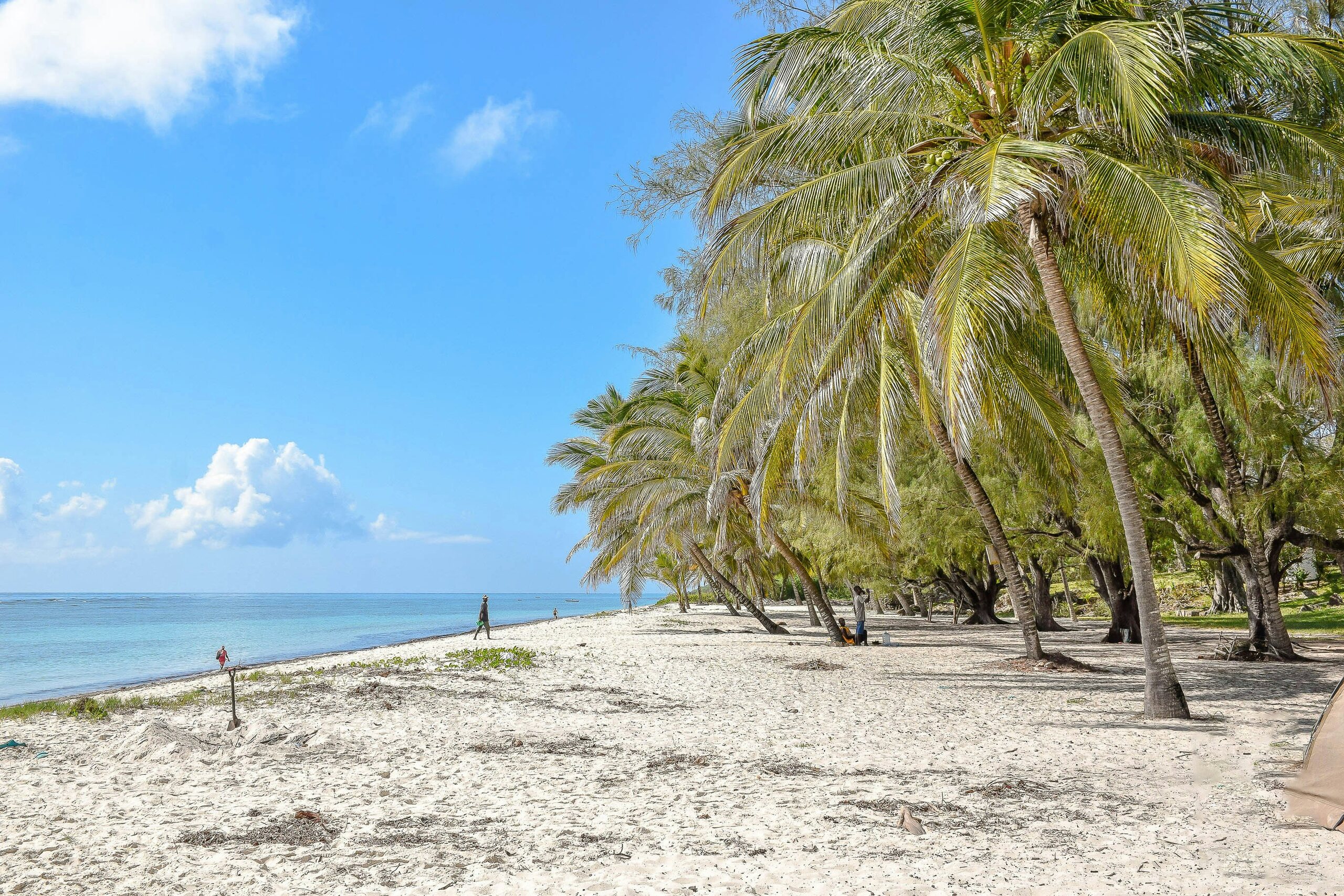 MijikendaThe nine peoples of the coastal hinterland, keepers of the sacred kaya forests.2,488,691 in 2019
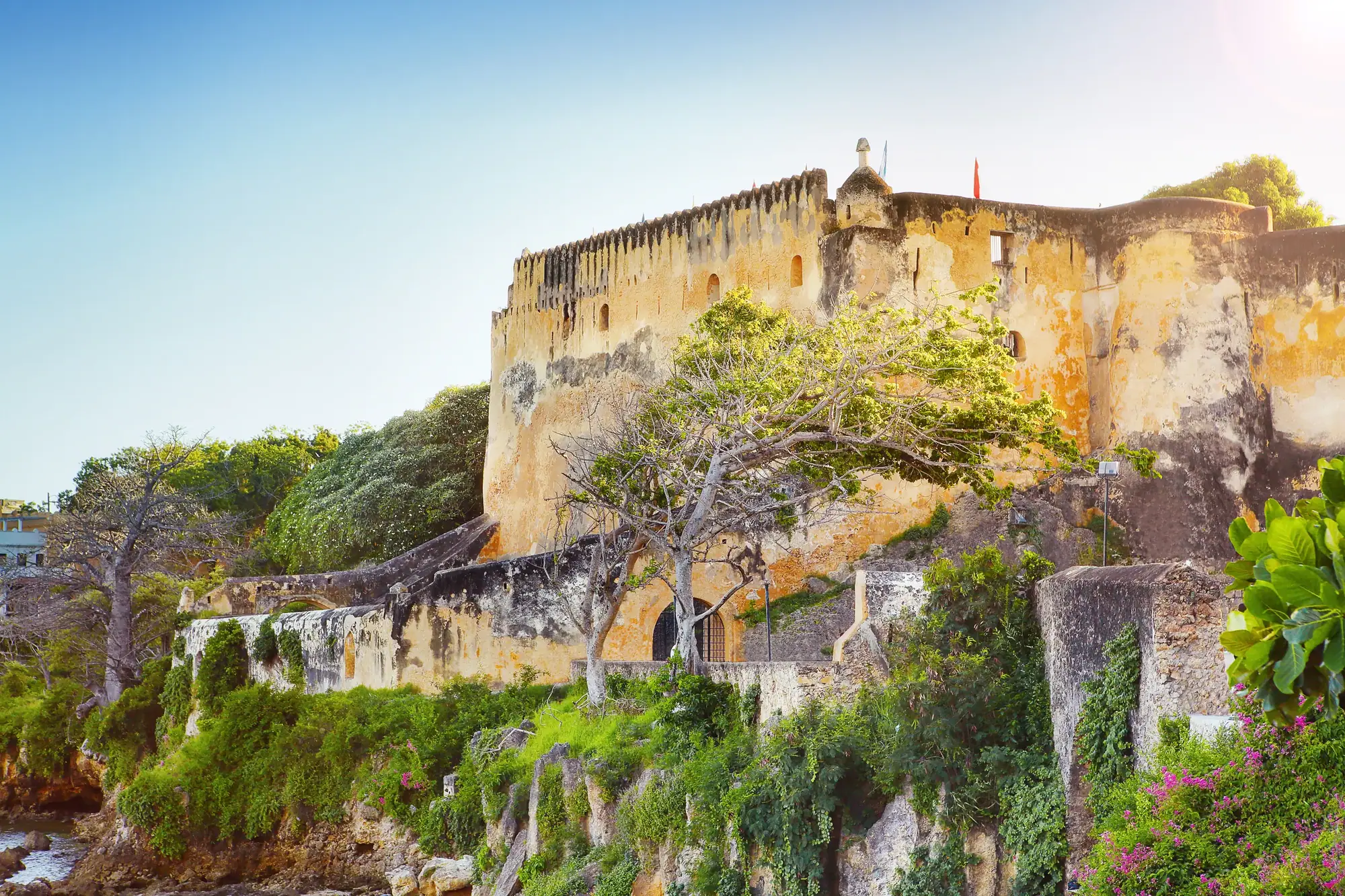 SwahiliWaswahiliThe Muslim town people of the coast, whose language became East Africa's lingua franca.56,074 in 2019
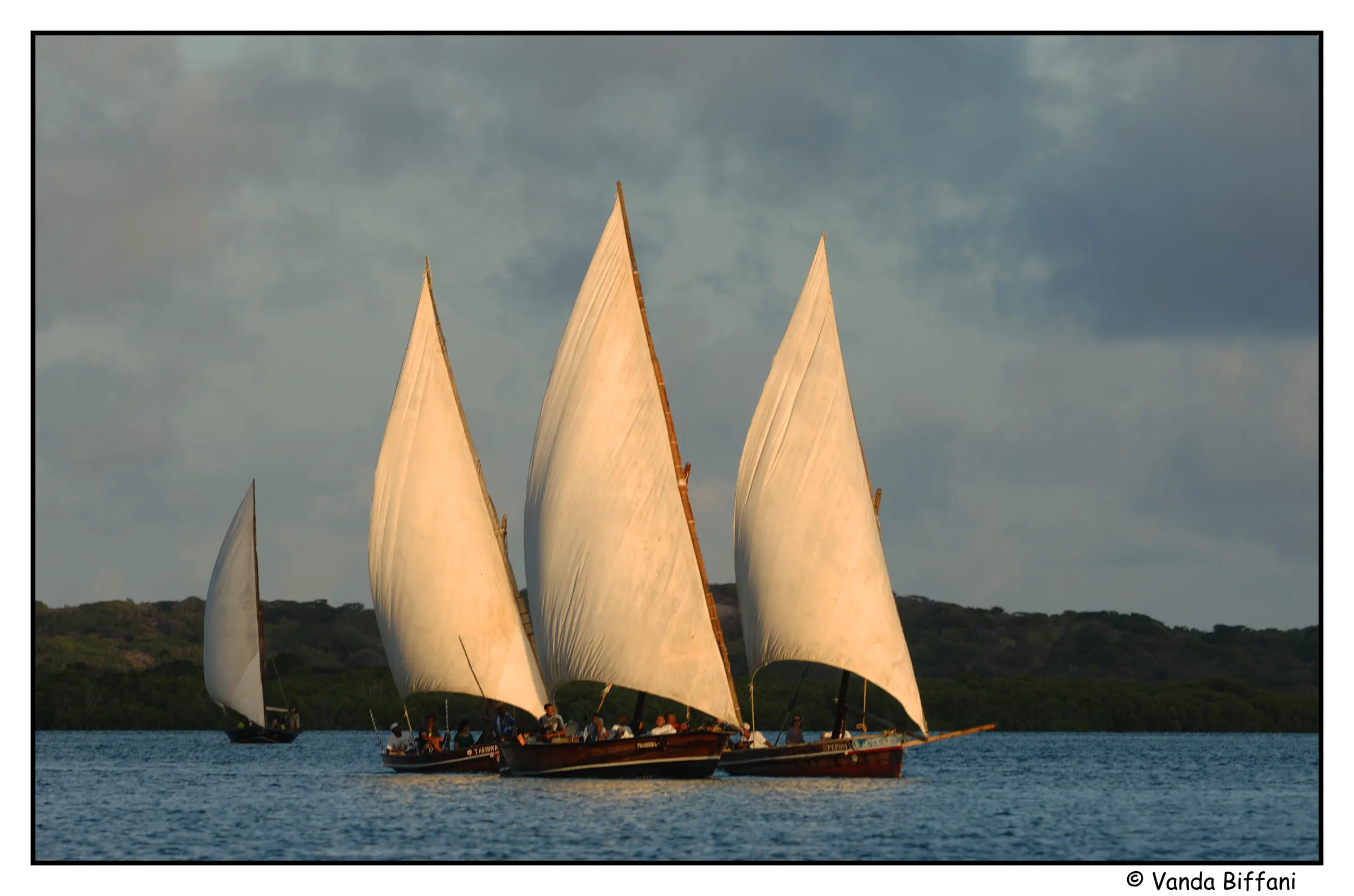 BajuniMuslim fishers, sailors and boat-builders of the Lamu archipelago and the far northern shore.91,422 in 2019
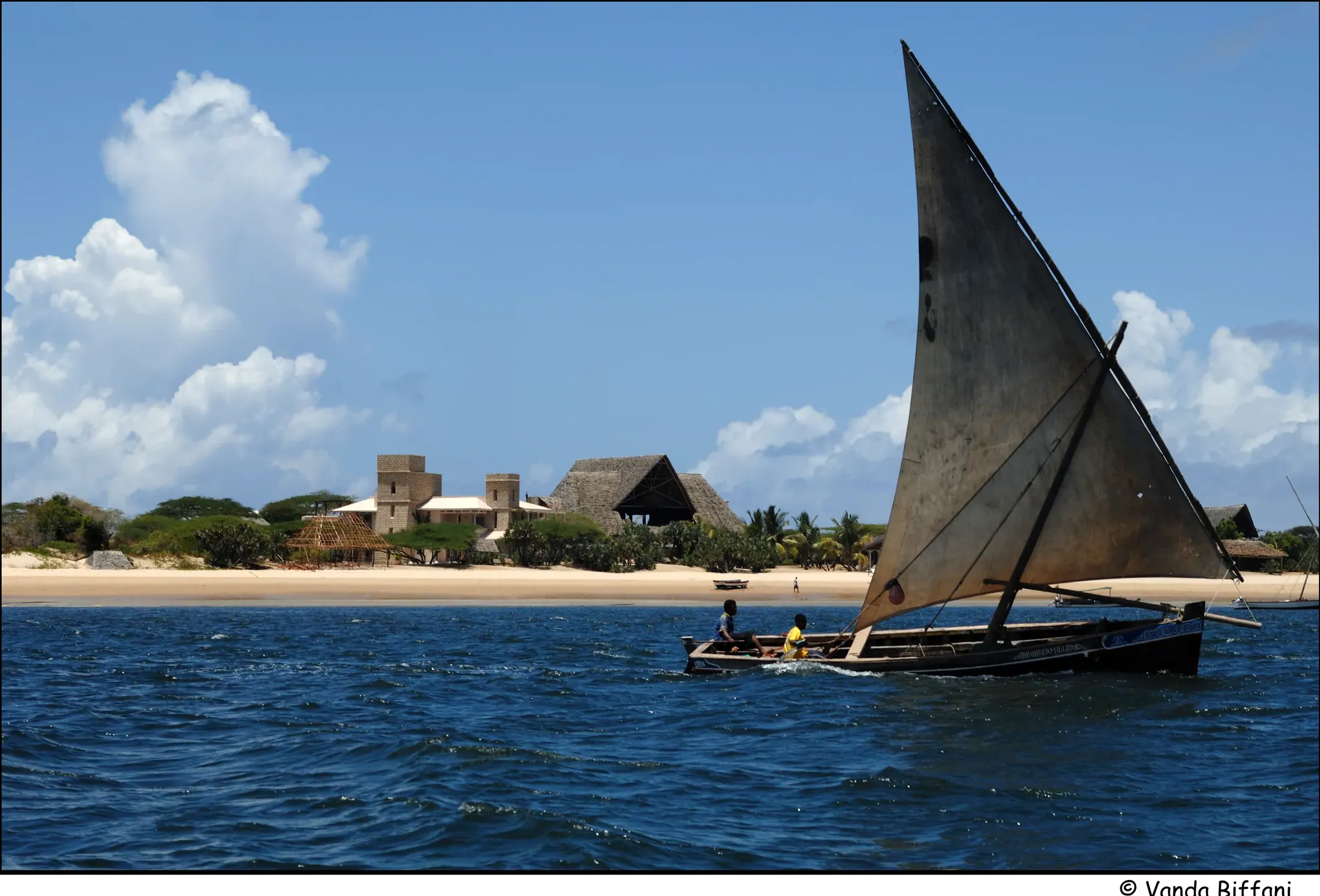 PokomoRice and fish farmers of the Tana River banks and delta.112,075 in 2019
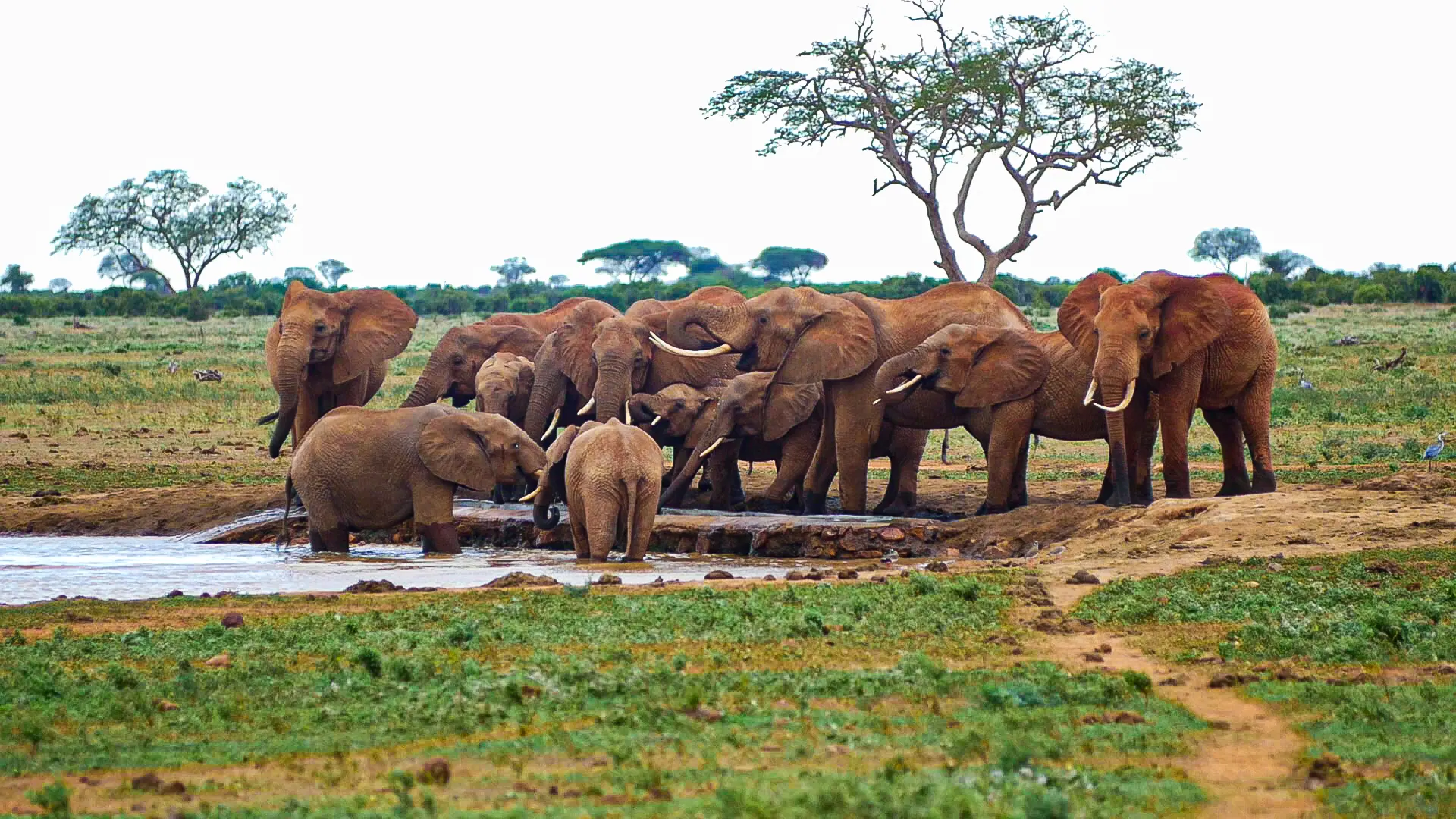 TaitaWadawidaHill farmers of the Taita Hills, which rise out of the Tsavo plains.344,415 in 2019
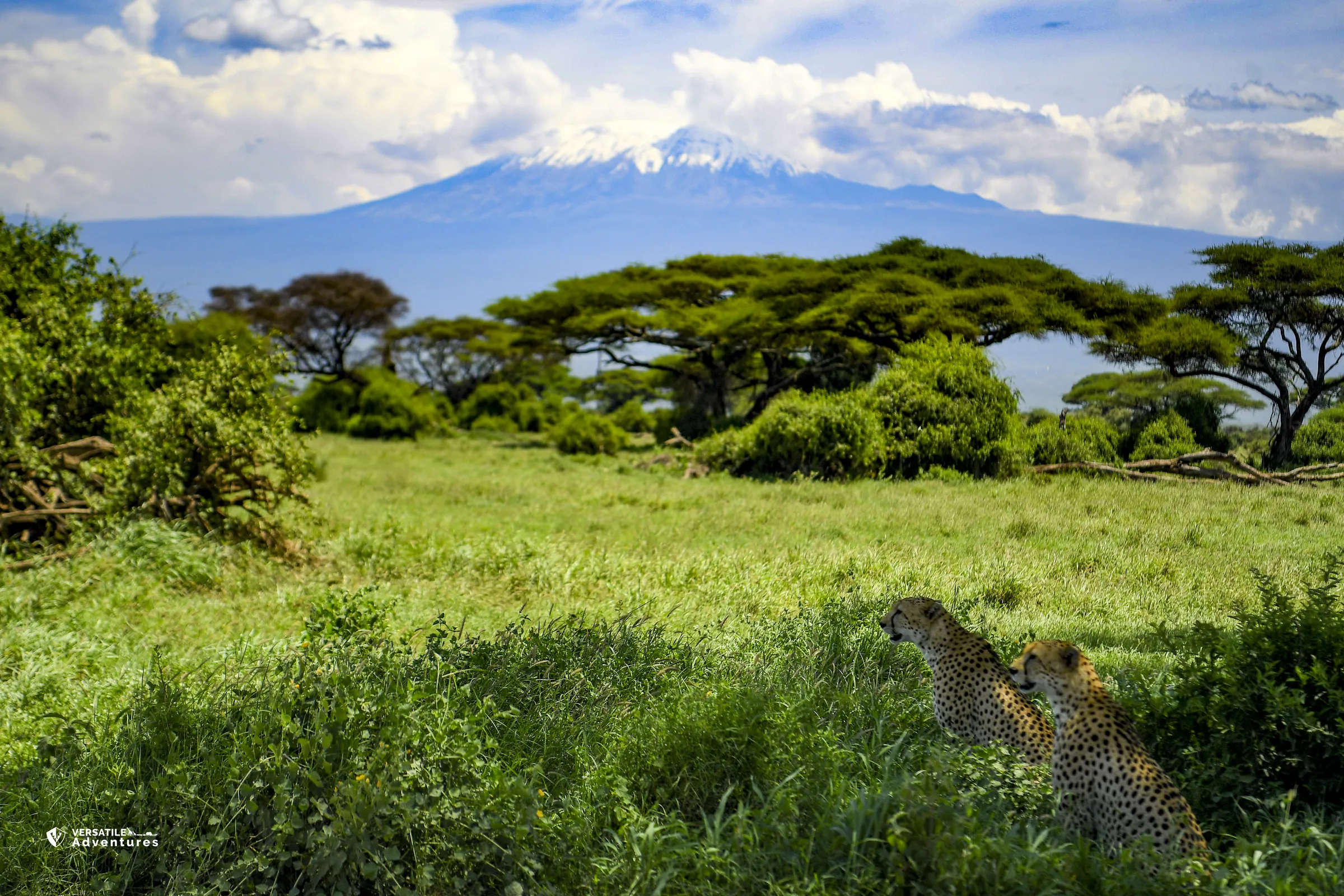 TavetaWatuwetaA small farming community of the well-watered country at the foot of Kilimanjaro.20,828 in 2009
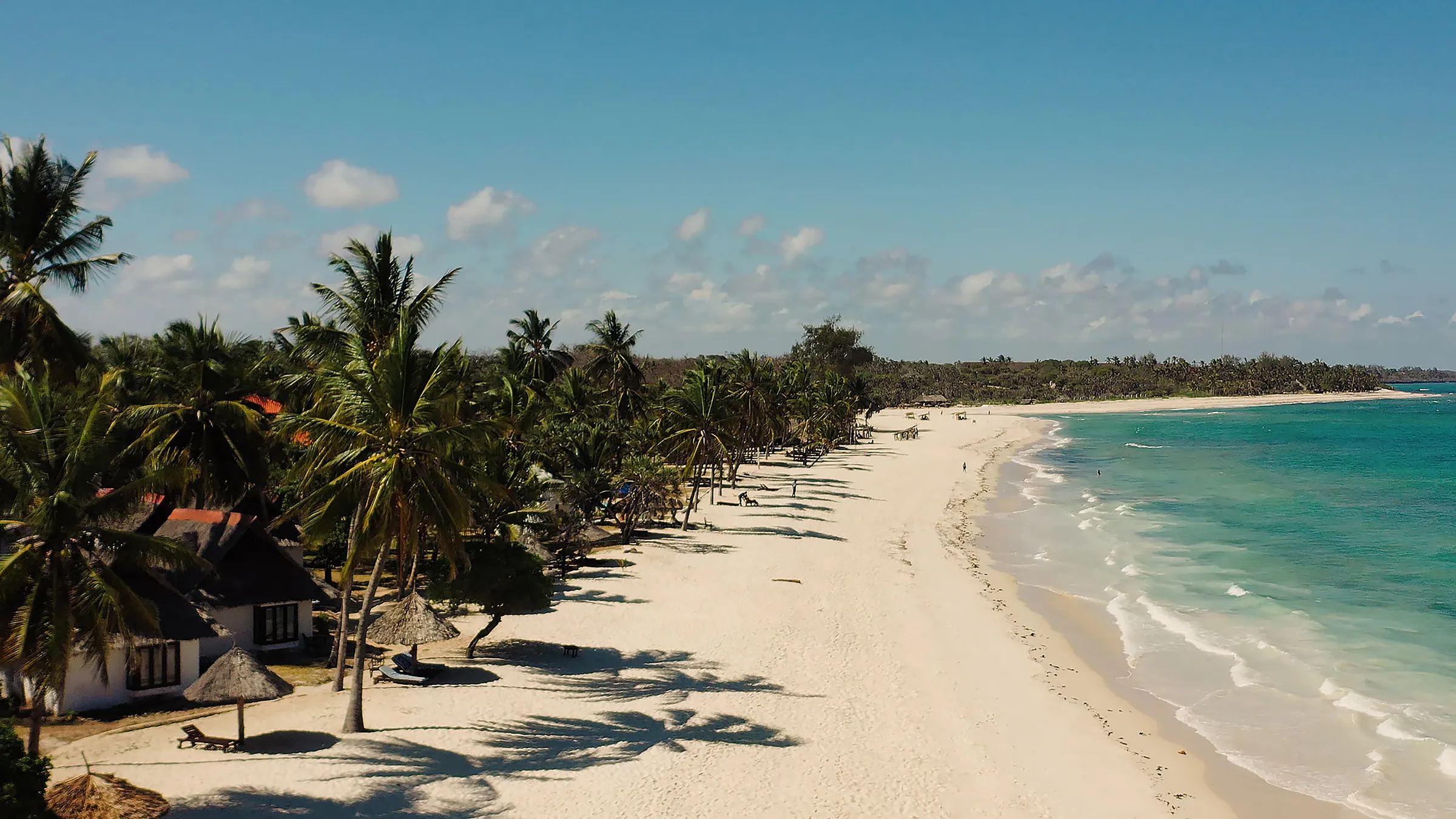 Segeju, Daiso and GoshaThree small Bantu-speaking communities, two in southern Kwale and one on Kenya's border with Somalia.645 in 2019
Nilotic-speaking peoples
The Luo of the lake, the Kalenjin of the highlands, and the herders of the plains.
River-Lake Nilotes
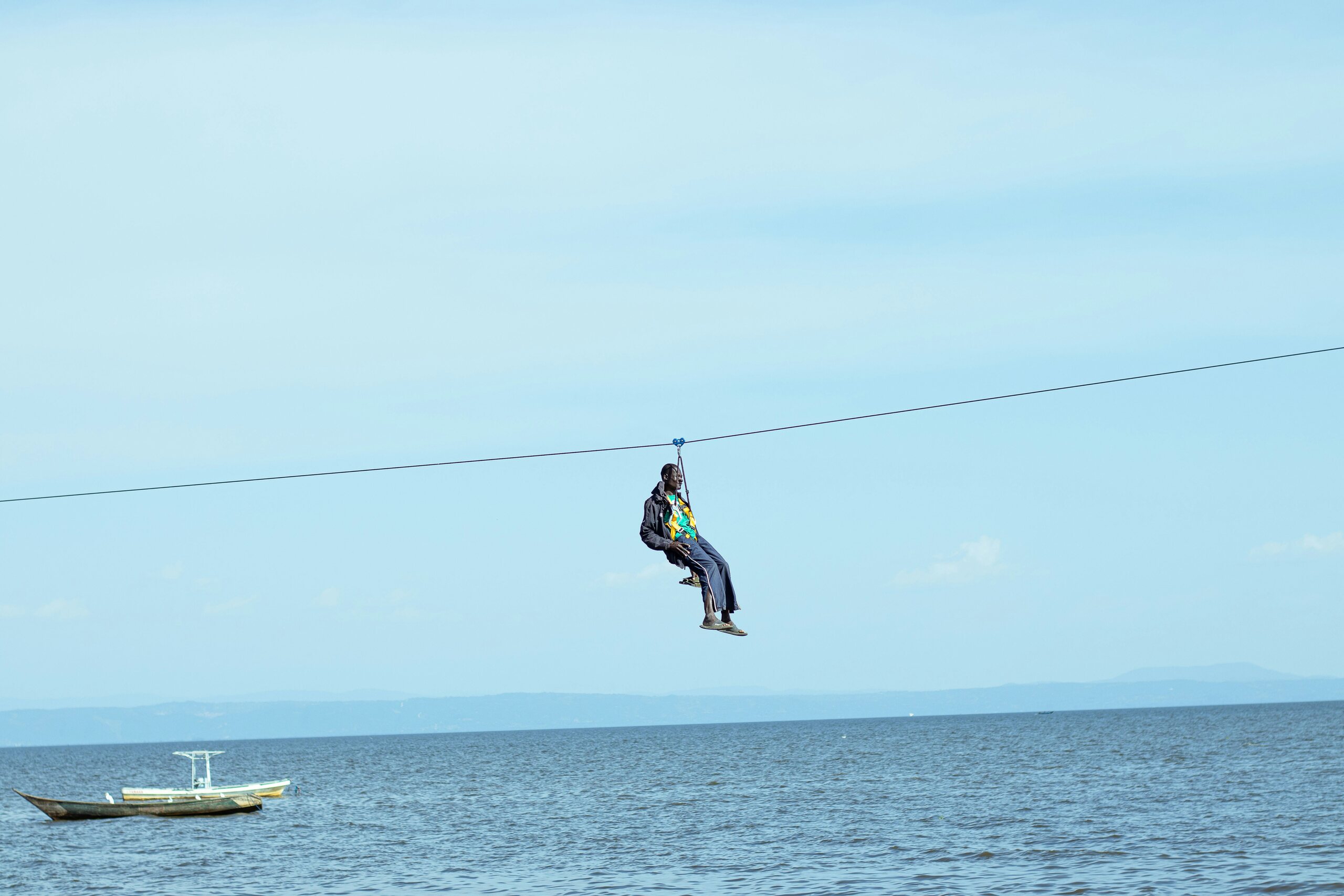
Highland Nilotes: the Kalenjin peoples
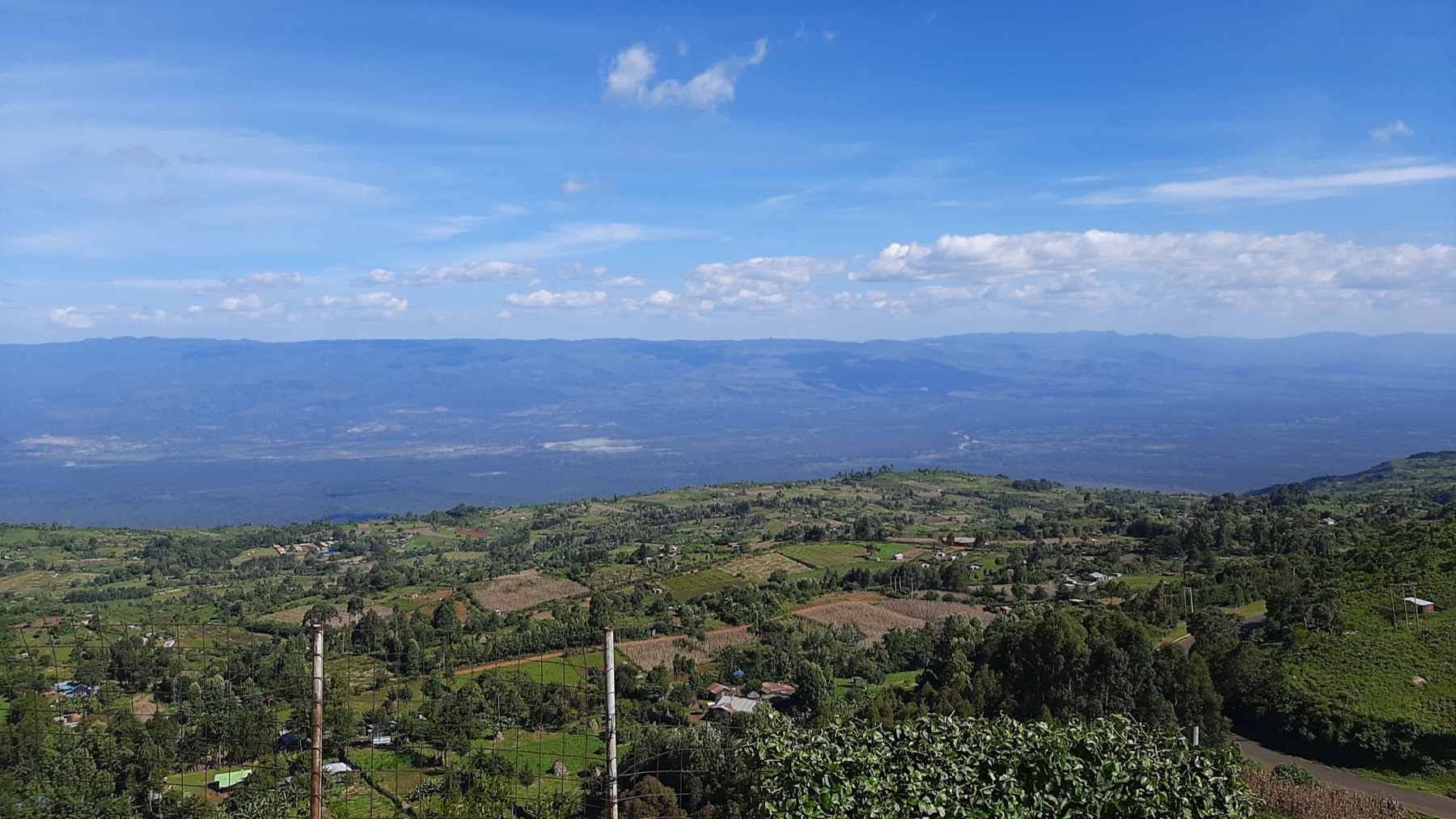 KalenjinA federation of related highland peoples of the western Rift Valley, from the Kipsigis to the Pokot.6,358,113 in 2019
- OgiekOkiekForest people of the Mau and Mount Elgon whose way of life centers on honey.52,596 in 2019
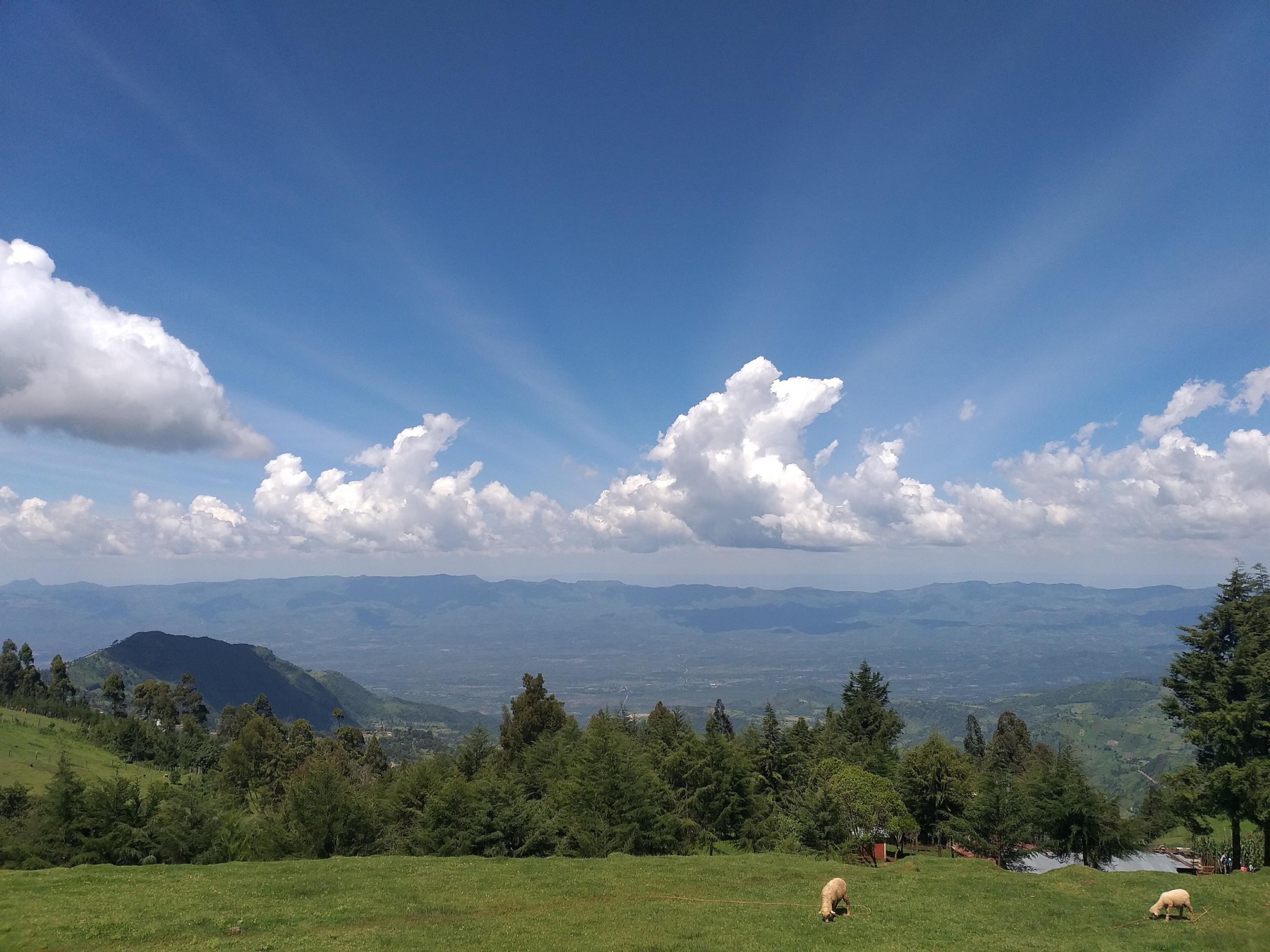 SengwerForest hunters and beekeepers of Embobut Forest and the Cherangany Hills.10,729 in 2019
Plains Nilotes
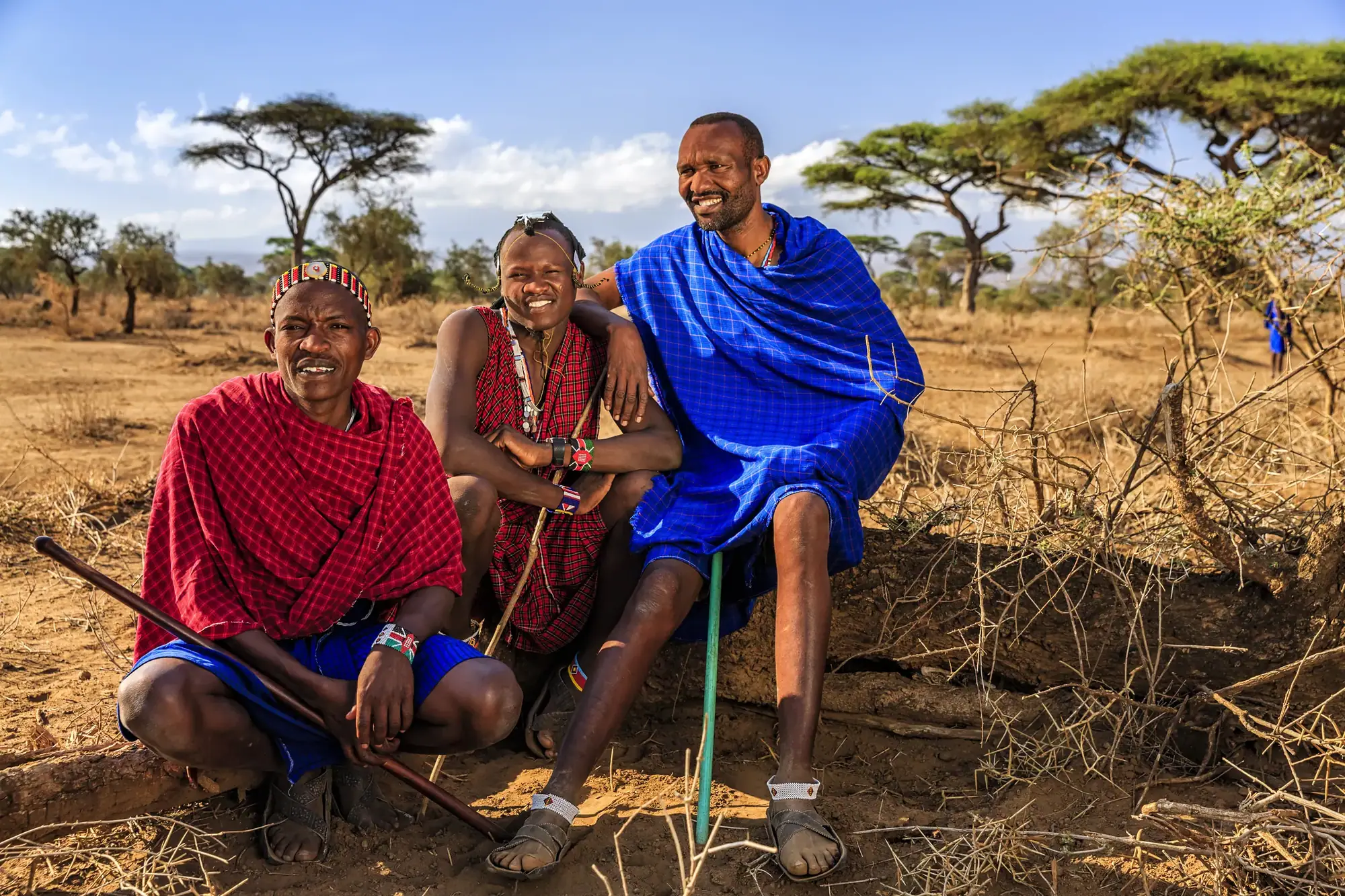 MaasaiIlmaasaiMaa-speaking herders of Kajiado and Narok, whose land runs on into northern Tanzania.1,189,522 in 2019
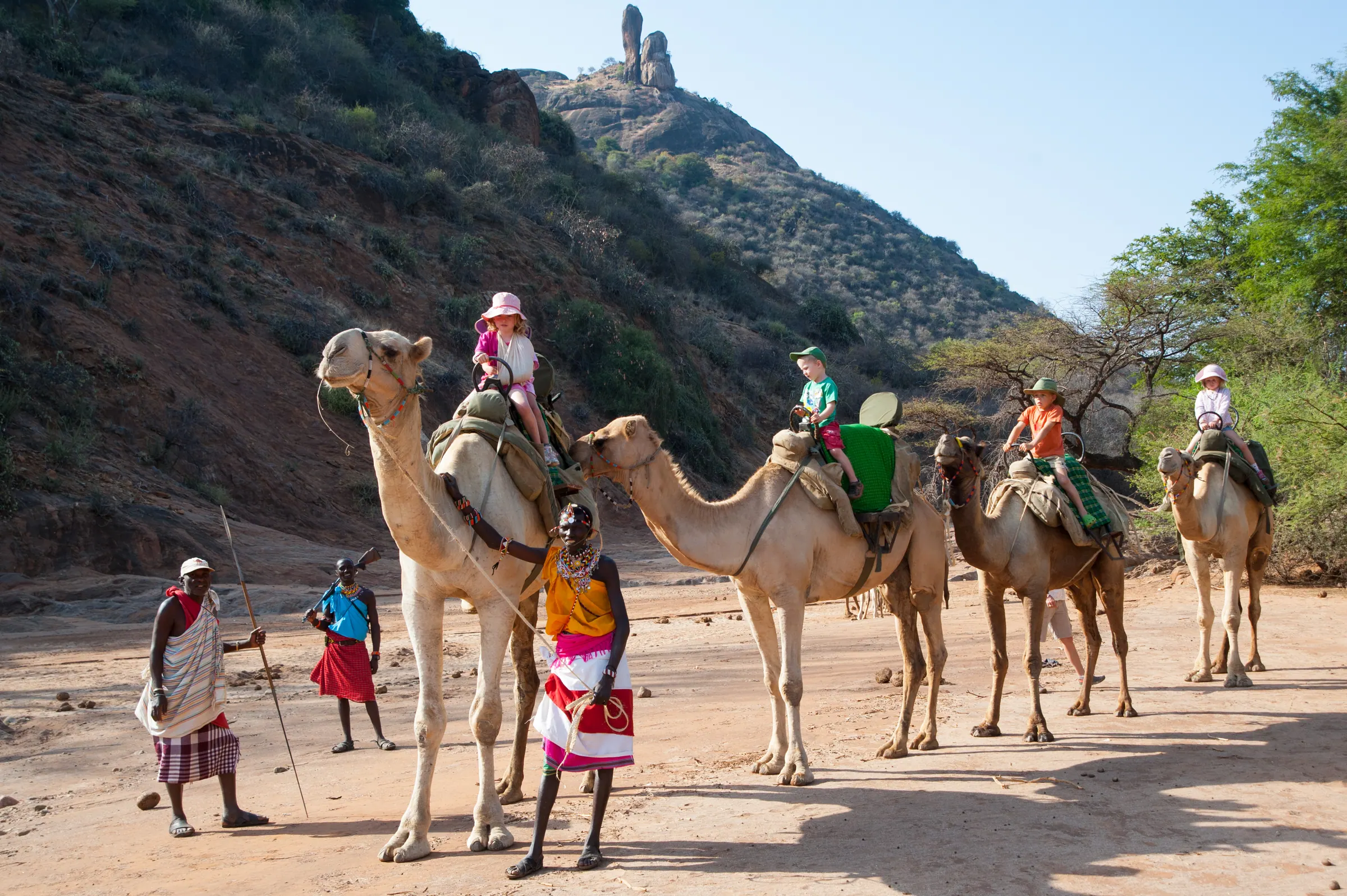 SamburuMaa-speaking herders of Samburu County, around Maralal, Mount Nyiro and the Ndoto range.333,471 in 2019
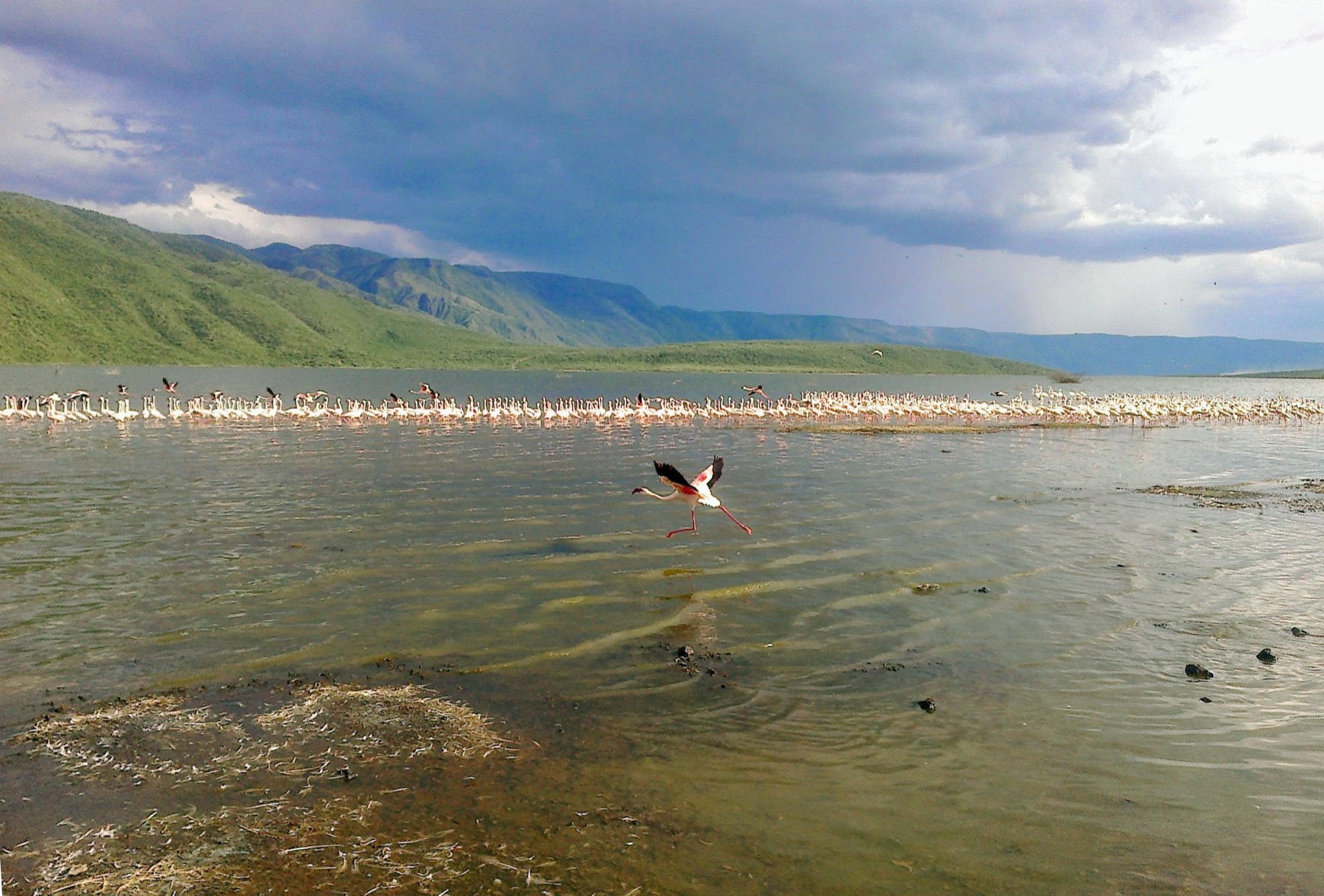 IlchamusMaa-speaking farmers and fishers of the southern and eastern shores of Lake Baringo.32,949 in 2019
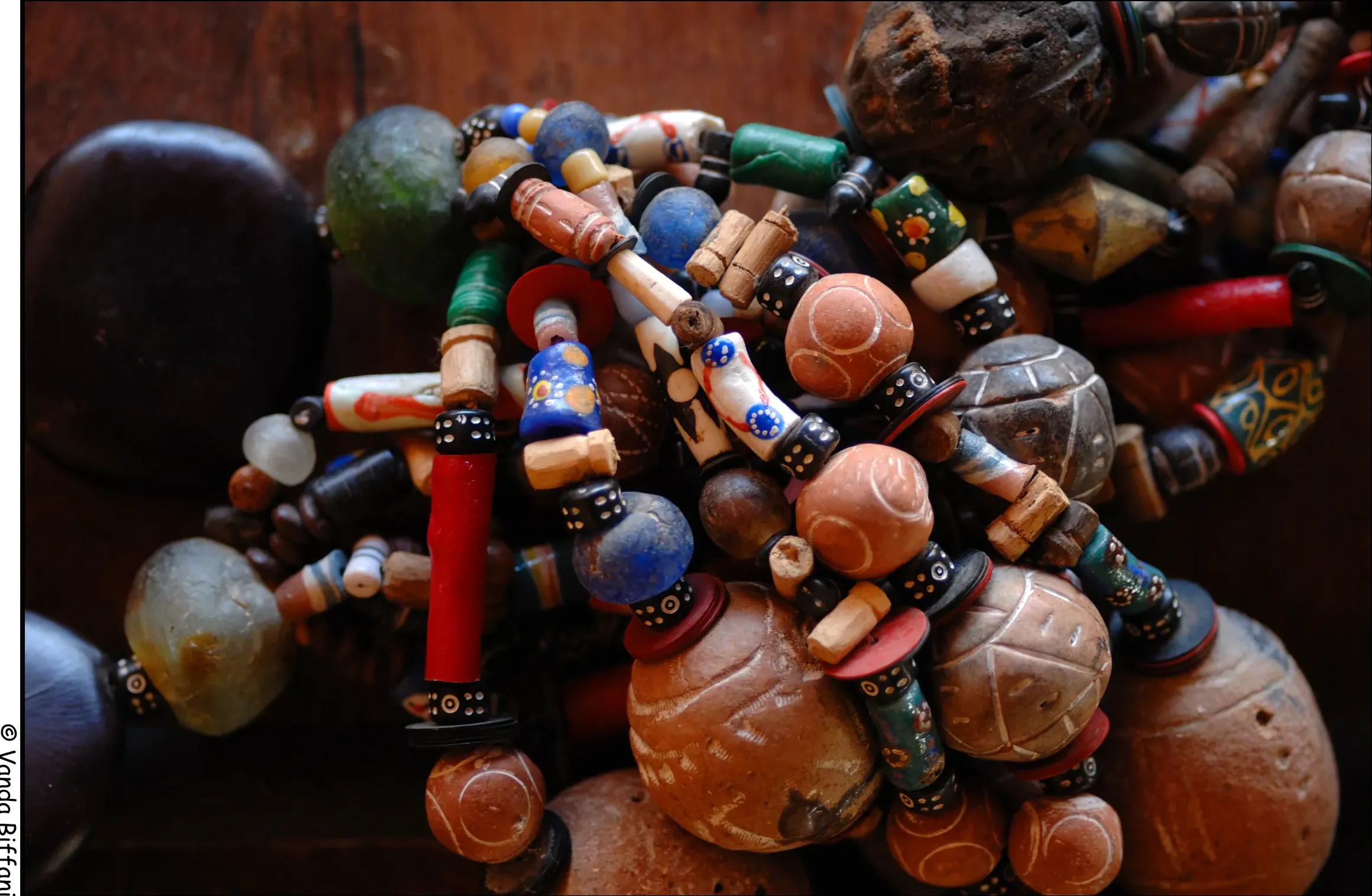 TurkanaNgiturkanaHerders of Kenya's arid north-west, between Lake Turkana and the Ugandan escarpment.1,016,174 in 2019
- ItesoAteker farmers of Teso North and Teso South in Busia County, with kin across the border in Uganda.417,670 in 2019
Cushitic-speaking peoples
Camel and cattle herders of the north and east, and the hunters of the Tana.
Cushitic peoples of the north, the east and the Tana
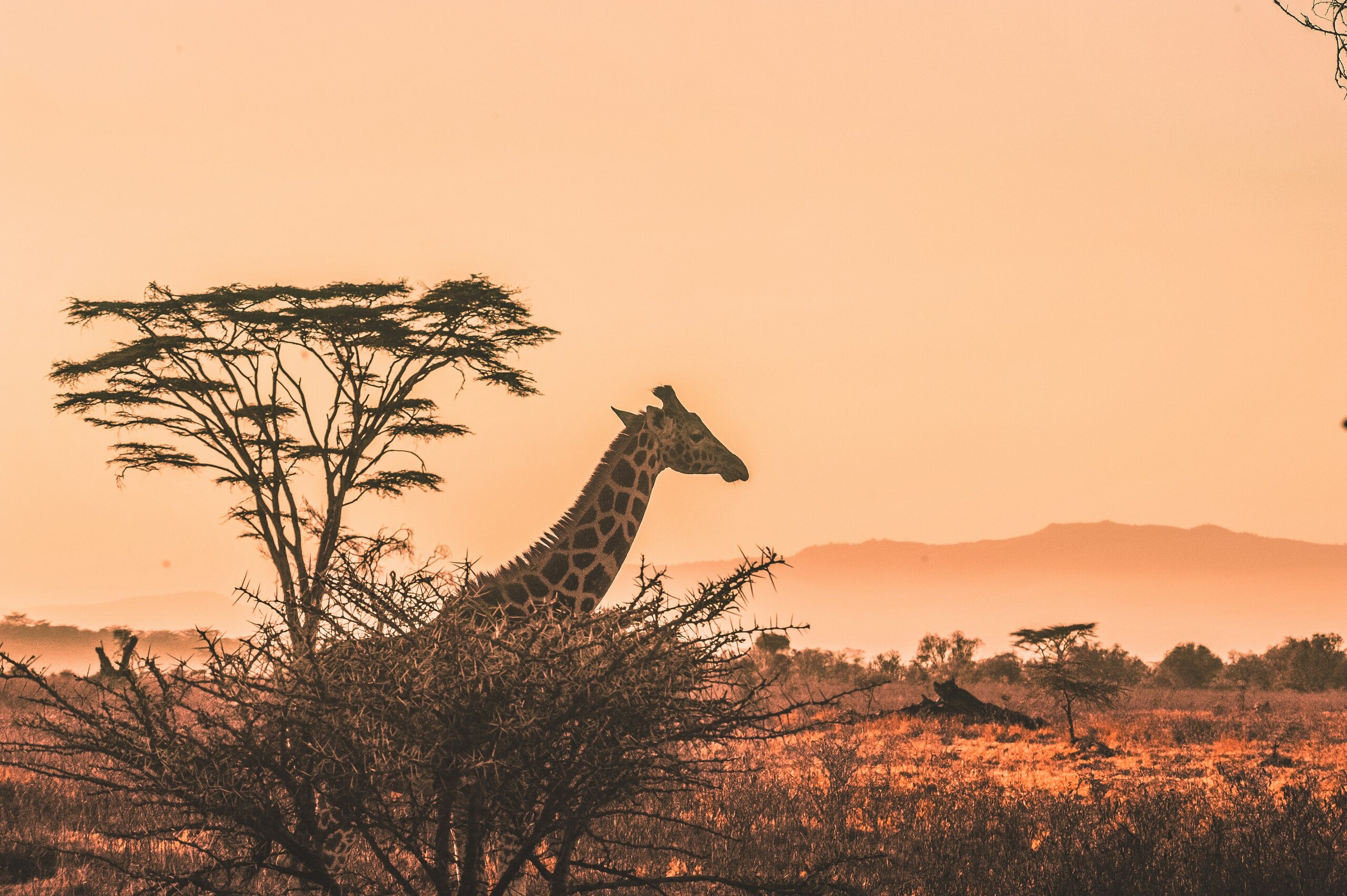 Kenyan SomaliCamel herders, poets and traders of Garissa, Wajir and Mandera, and Kenya's sixth-largest community.2,780,502 in 2019
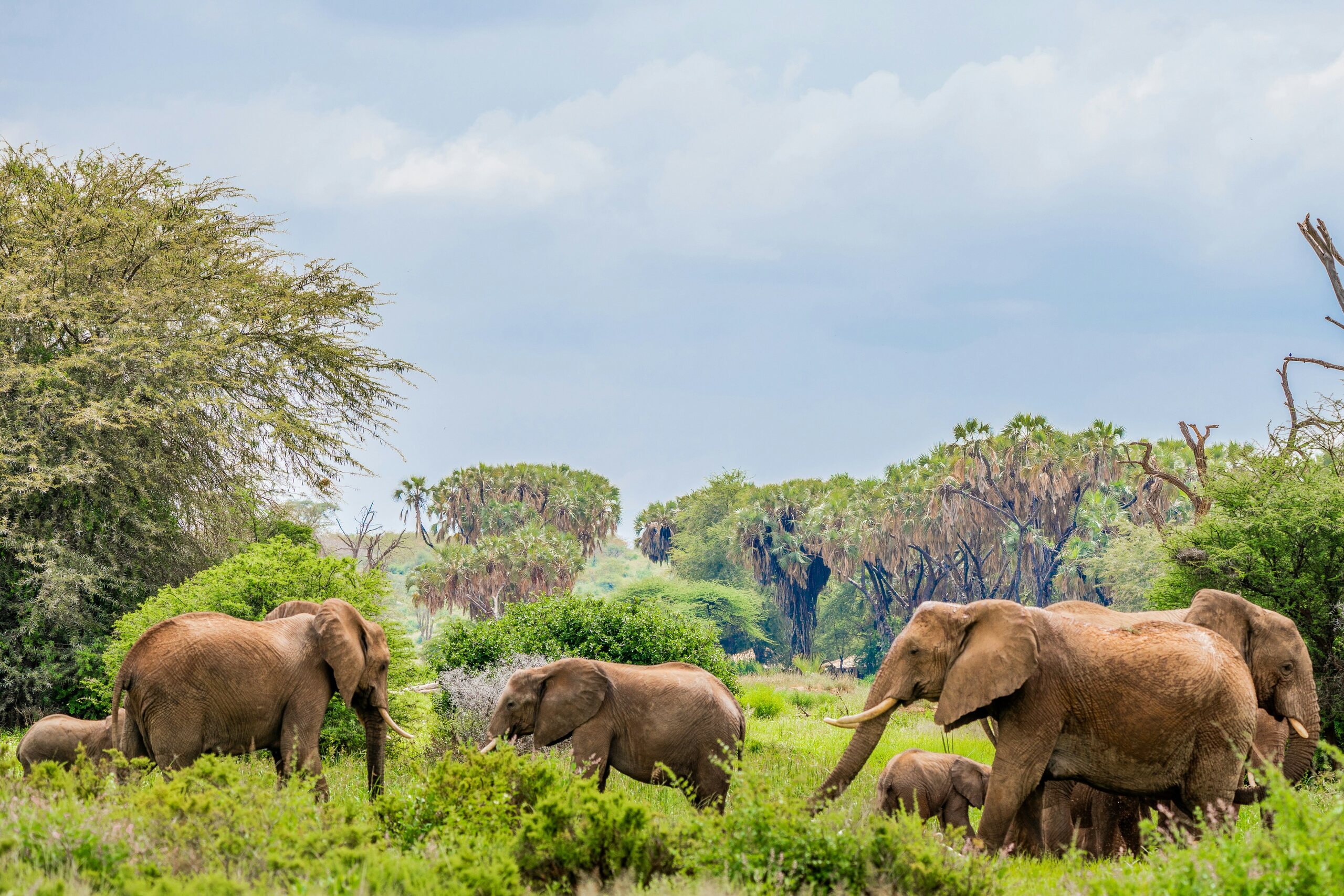 BoranaThe southernmost Oromo, cattle and camel herders of Marsabit and Isiolo, and keepers of the gada system.276,236 in 2019
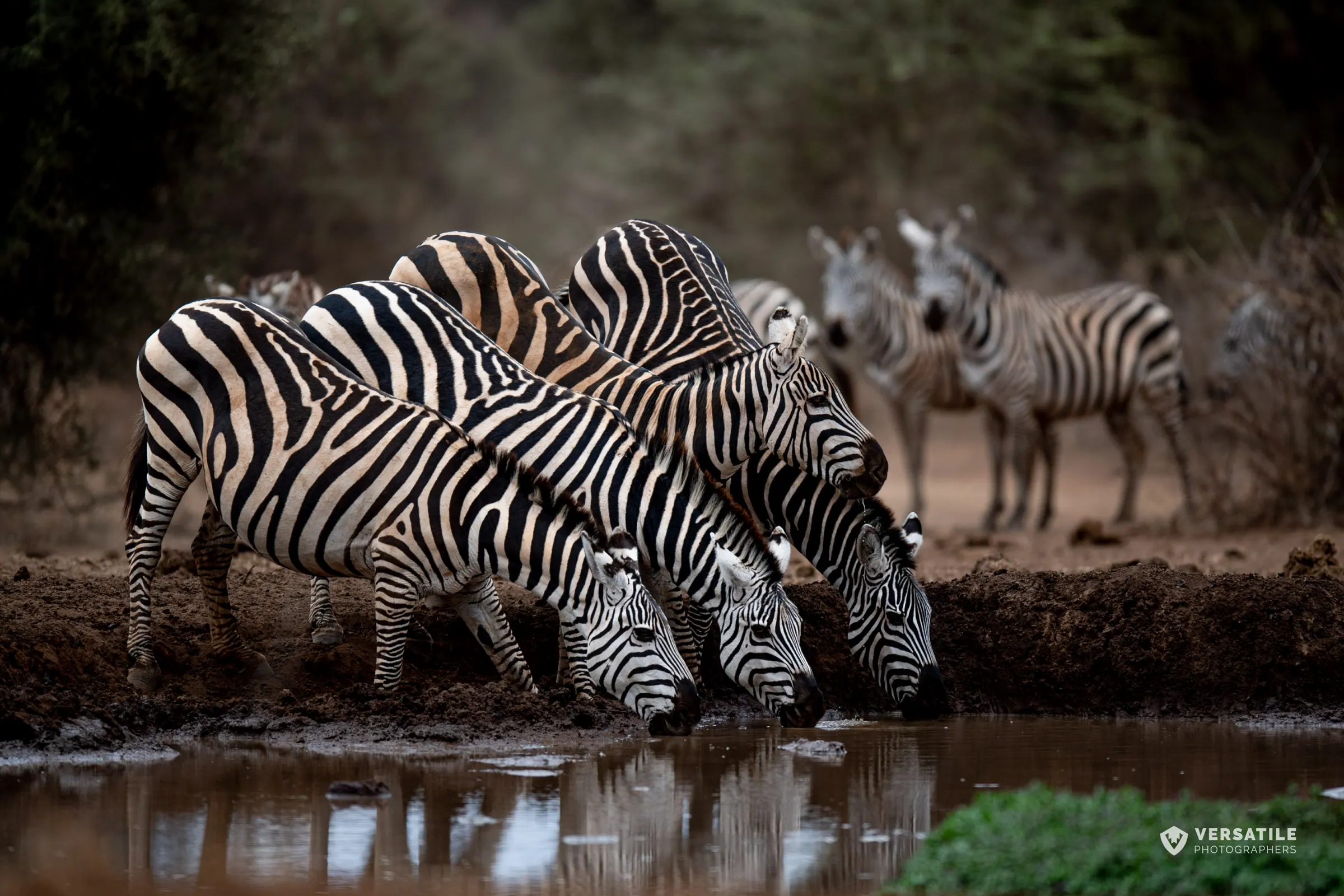 GabraCamel nomads of the Chalbi Desert, with a ritual year and houses that travel on camelback.141,200 in 2019
- RendilleCamel herders of the Kaisut Desert, firm allies of the Samburu, with a ritual life centered on camels.96,313 in 2019
- OrmaMuslim cattle herders of the Tana River's west bank, known for their tall white Boran cattle.158,993 in 2019
- SakuyeBorana-speaking Muslim camel herders of Isiolo and southern Marsabit, with an older camel heritage.27,006 in 2019
 BurjiFarmers and traders of Marsabit and Moyale, who came from southern Ethiopia over a century ago.36,938 in 2019
 DaasanachFarmers and cattle herders of Ileret, on the north-eastern shore of Lake Turkana.19,337 in 2019
 El MoloFishing people of Lake Turkana's south-eastern shore, living in two villages near Loiyangalani.1,104 in 2019
 AweerForest hunter-gatherers and honey collectors of the Boni and Dodori forests of Lamu and Garissa.
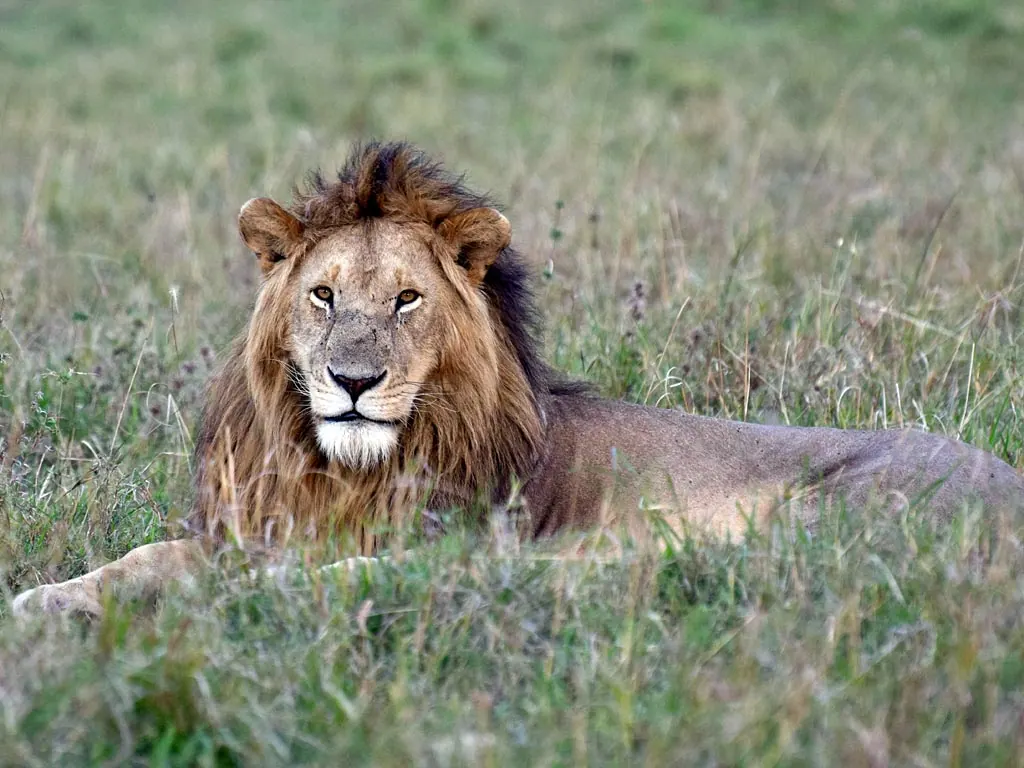 WayyuA small community of former hunters along the Tana and Galana rivers, who chose the name Wayyu.3,761 in 2019
- DahaloKenya's smallest counted community, near the mouth of the Tana, with a rare language of clicks.575 in 2019
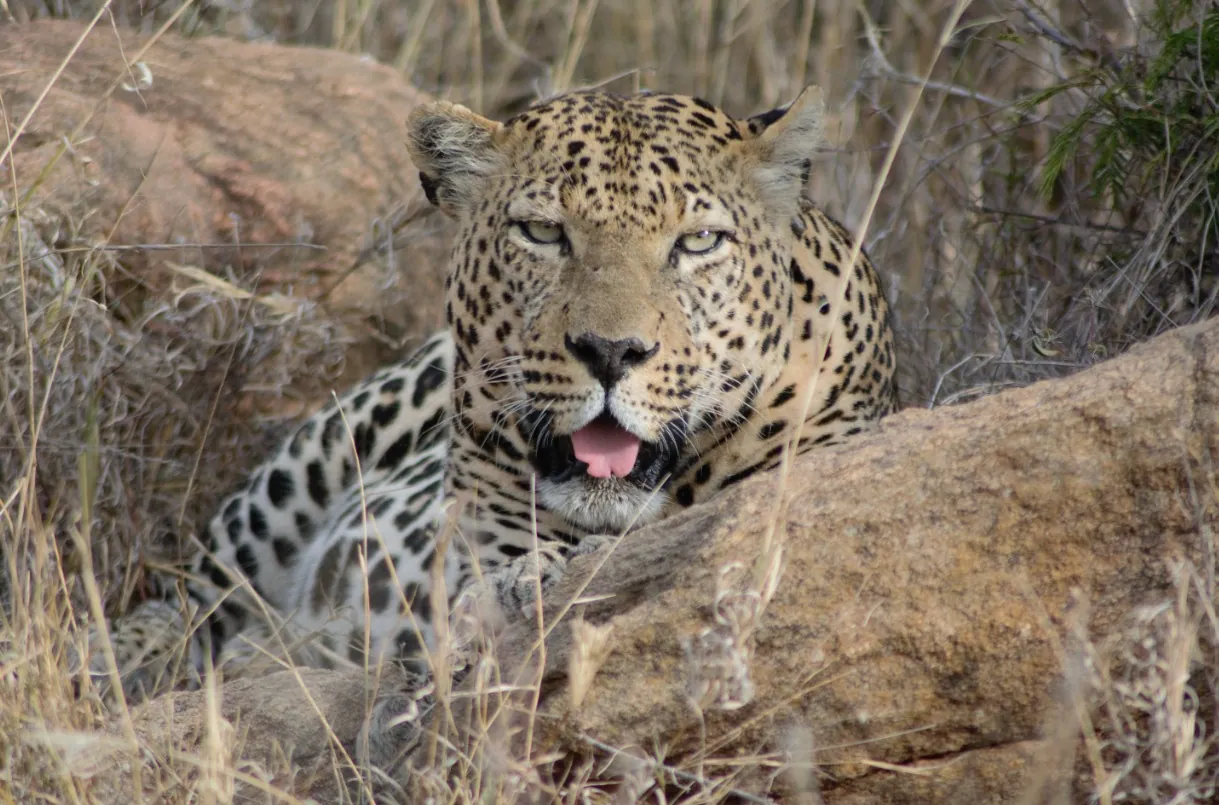 YaakuHunter-gatherers and beekeepers of Mukogodo Forest in Laikipia, reviving a nearly lost language.
Later-recognised communities
Communities that arrived in the colonial era and were recognised as Kenyan later.
Later-recognised and non-indigenous communities
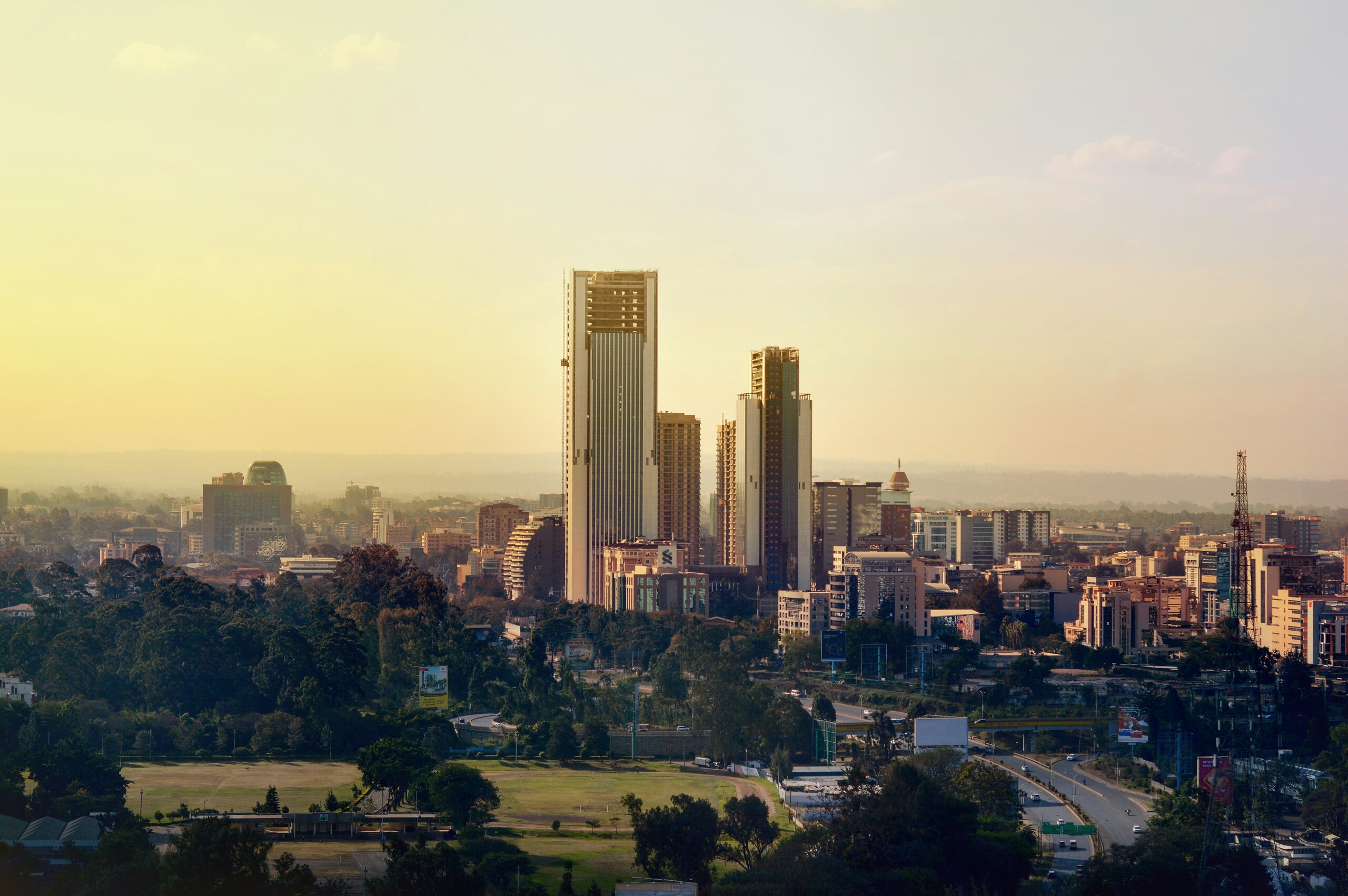 NubiansNubiDescendants of Sudanese soldiers who settled at Kibra, today's Kibera in Nairobi, around 1910.15,463 in 2009
 MakondeBantu-speaking people from northern Mozambique, famed for blackwood sculpture, made Kenyan citizens in 2017.3,764 in 2019
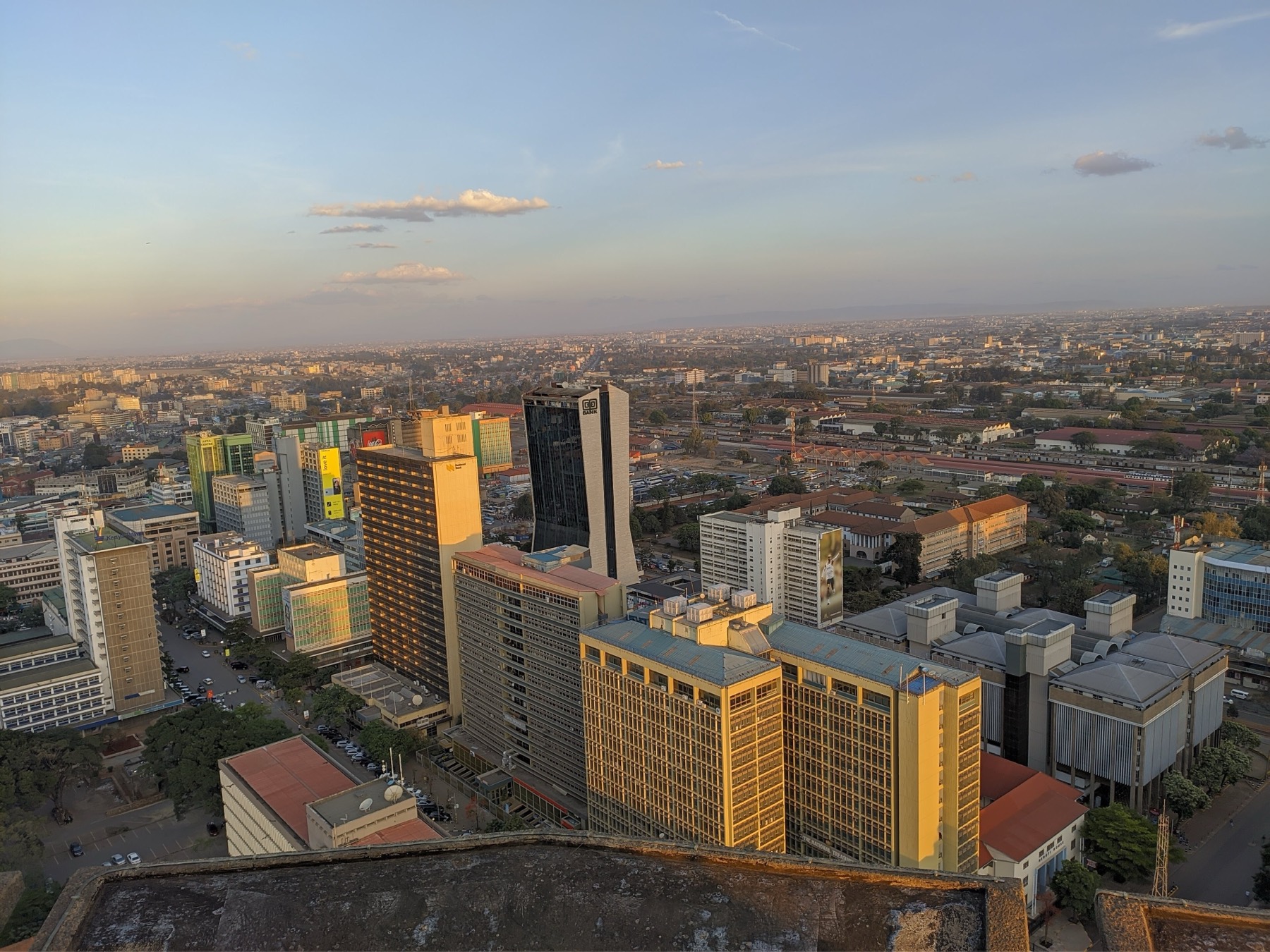 Kenyans of Asian heritageDescendants of South Asian traders and railway laborers, gazetted as a Kenyan community in July 2017.47,555 in 2019
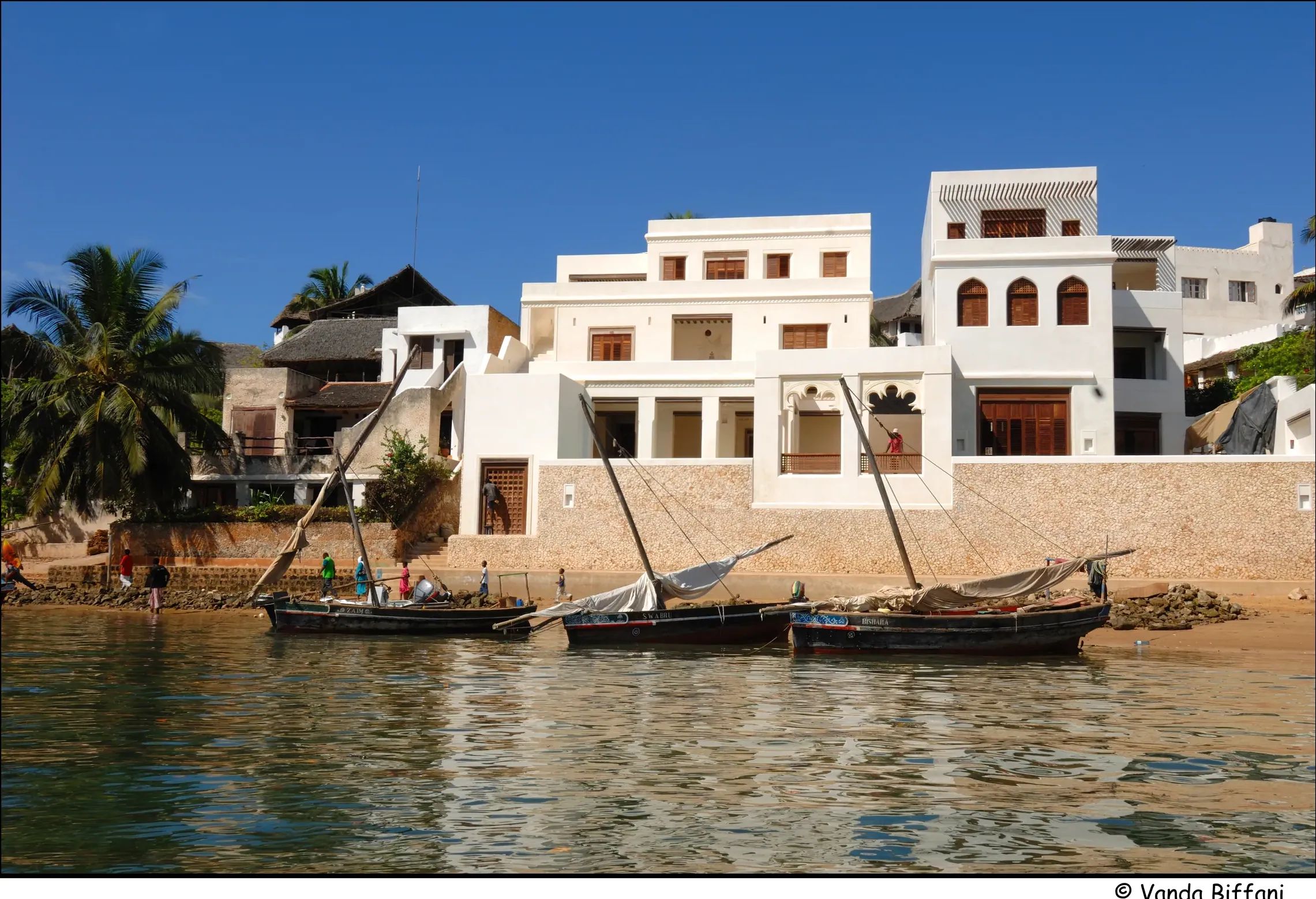 Kenyan ArabsFamilies of Omani and Hadhrami origin, settled for centuries in Mombasa, Malindi and Lamu.59,021 in 2019
 ShonaGospel of God Church families from Zimbabwe and Zambia, granted Kenyan citizenship in December 2020.
- PembaSwahili-speaking fishing families from Pemba Island, recognized as a Kenyan community in 2023.
- Kenyans of European descentMainly descendants of British settlers who farmed the former White Highlands, plus later arrivals.
Meet Kenya through its people.
Hosted village visits, home cooking, market days, carvers, runners and fishermen. We plan trips where the people you meet are paid hosts and guides, never a spectacle.
Plan a trip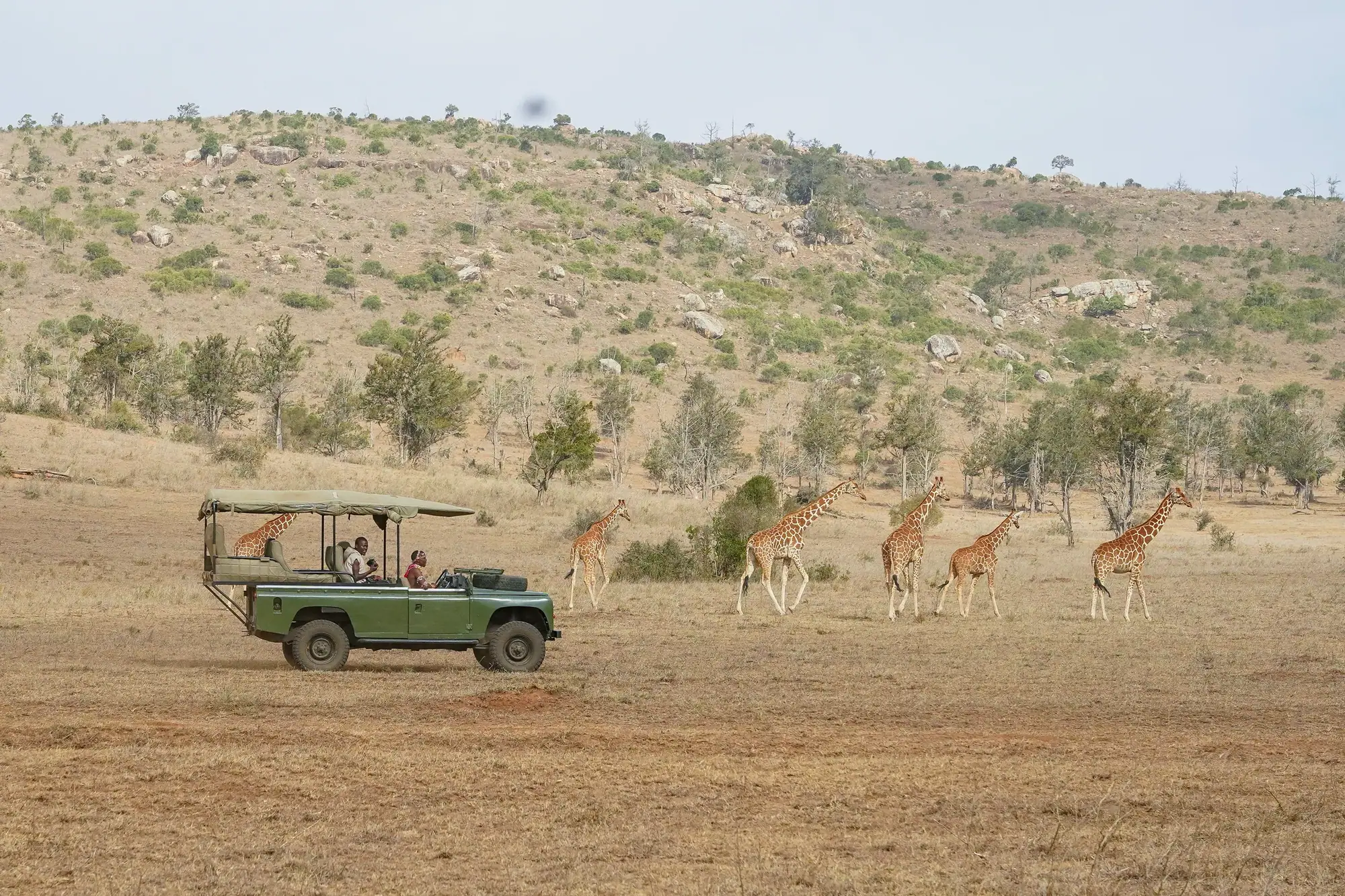
Read more
Karibu
Karibu means welcome. It is the first word you will hear in every community in Kenya.
Plan a trip