Homeland
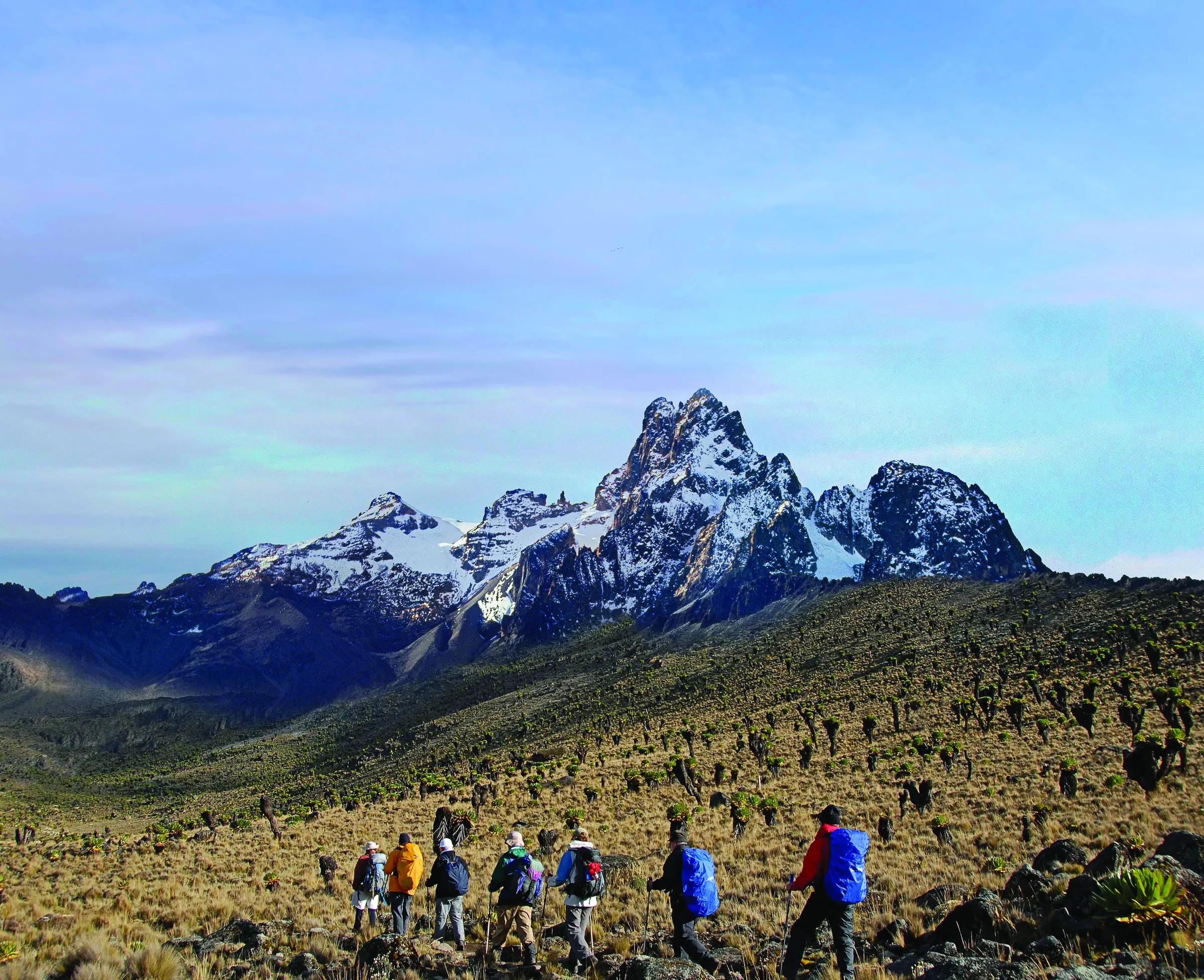
The Kikuyu, who call themselves Agĩkũyũ, are Kenya's largest community: 8,148,668 people in the 2019 census, about 17% of the population. Their home counties are Kiambu, Murang'a, Nyeri, Kirinyaga and Nyandarua, in the farming country around Mount Kenya, and large Kikuyu communities also live in Nairobi, Nakuru and Laikipia.
Language
Gĩkũyũ is a tonal Bantu language, written with two extra vowels, ĩ and ũ. It belongs to the Central Bantu languages of the Mount Kenya peoples, which are partly mutually intelligible. The Ndia and Gichugu of Kirinyaga speak dialects that shade toward Embu.

Origins
In the founding narrative, God (Ngai) placed the first man, Gĩkũyũ, and his wife Mũmbi at Mũkũrwe wa Nyagathanga in Murang'a. Their daughters founded the clans, counted as "the full nine" because ten is not spoken aloud. Oral tradition places the ancestors northeast of Mount Kenya, in a migration probably under way by the fifteenth century, and historian Godfrey Muriuki traces the settlement to gradual migration and the absorption of earlier Gumba and Athi hunters.
Society
Society traditionally rested on three institutions: the clan (mũhĩrĩga), the land-holding lineage (mbarĩ) and the age-set (riika, plural mariika). An age-set bonded everyone initiated in the same season and supplied labor, defense and social control. There were no chiefs. Councils of elders (kĩama) governed, and power passed between two alternating generations in the itũĩka ceremony.
Belief
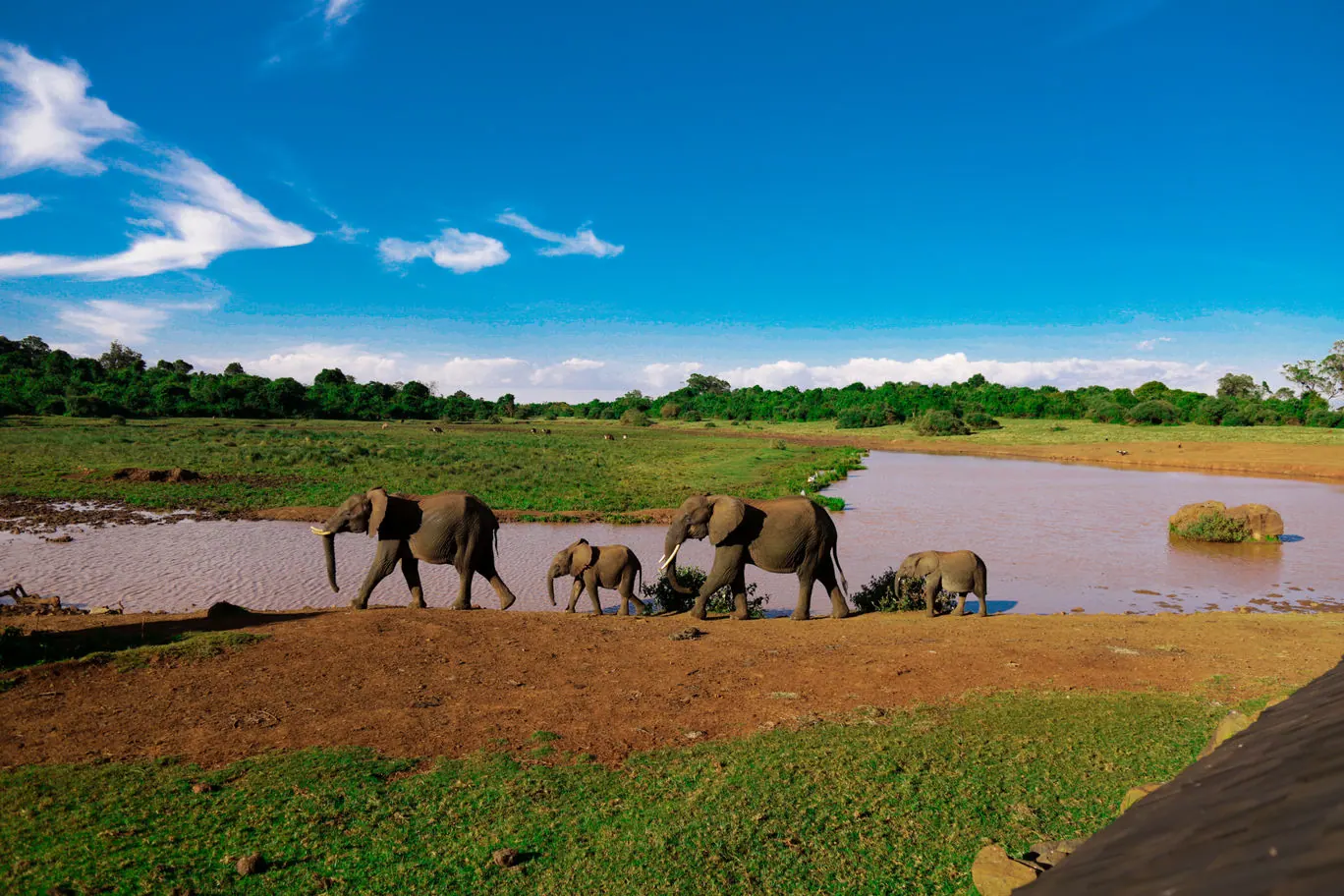
Ngai, also called Mwene Nyaga, was understood to dwell on Kĩrĩnyaga, Mount Kenya, and was traditionally addressed facing the mountain under the sacred mũgumo fig tree. Most Kikuyu today are Christian.
Rites of passage
Initiation (irua) by circumcision historically marked adulthood for both sexes. Boys are now usually circumcised in hospital, and the female rite is illegal and largely abandoned. Marriage still involves negotiated bridewealth (rũracio) and the ngurario feast.
Livelihood and food
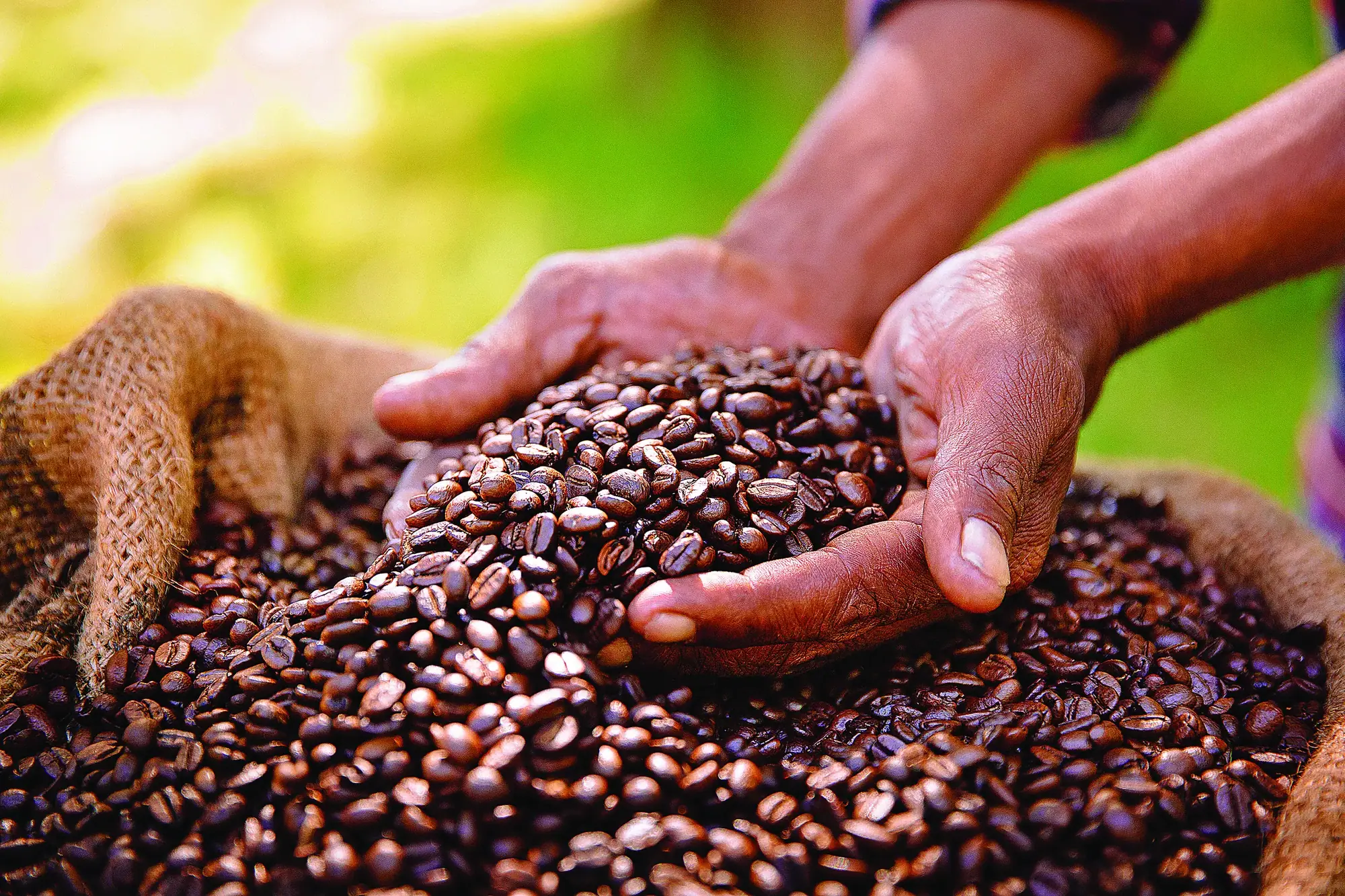
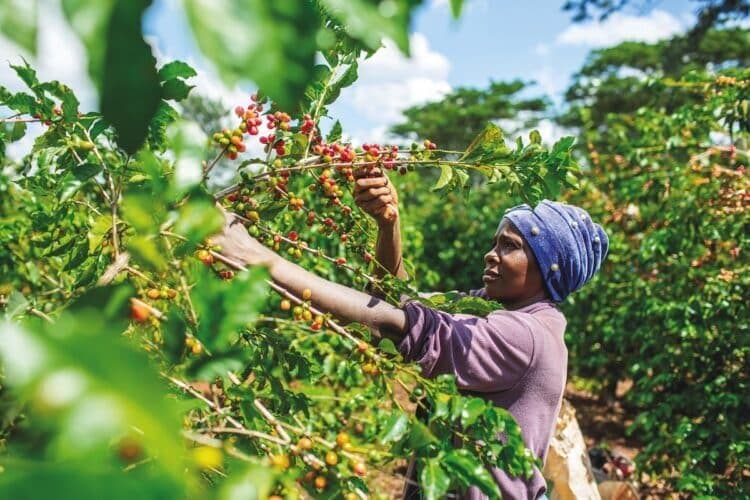
The Kikuyu are intensive farmers of maize, beans, potatoes, tea and coffee. Signature dishes are gĩtheri (maize and beans) and mũkimo (mashed greens, potatoes and maize), and mũratina is a beer brewed from honey and sugarcane.
History
Loss of land to European settlers drove the Mau Mau uprising of the 1950s. Facing Mount Kenya (1938) remains the classic ethnography written from inside the community.
Today
Today most Kikuyu are Christian, many live in towns and cities across Kenya, and most speak Swahili and English alongside Gĩkũyũ.
Experience it with respect
The Kikuyu highlands are coffee and tea country below Mount Kenya. A hosted visit to a working coffee farm, with a paid local guide, is a respectful way to see how the land is farmed today. Ask before photographing people or homes.
Further reading
- Facing Mount Kenya, Jomo Kenyatta (1938)
- A History of the Kikuyu 1500-1900, Godfrey Muriuki (1974)
Sources
- EBSCO Research Starters: Kikuyu people
- Muriuki, A History of the Kikuyu to 1904 (SOAS thesis abstract)
- National Museums of Kenya on Google Arts & Culture: Kikuyu
- Omniglot: useful Kikuyu phrases
From The Peoples of Kenya: An Ethnographic Reference (Kenya Experience, November 2026), a synthesis of published sources. Practices described as traditional are historical baselines; today most Kenyans are Christian or Muslim, live in or near towns and speak Swahili and English. Spot something to correct? Write to kibetck@kenyaexperience.org.