Homeland
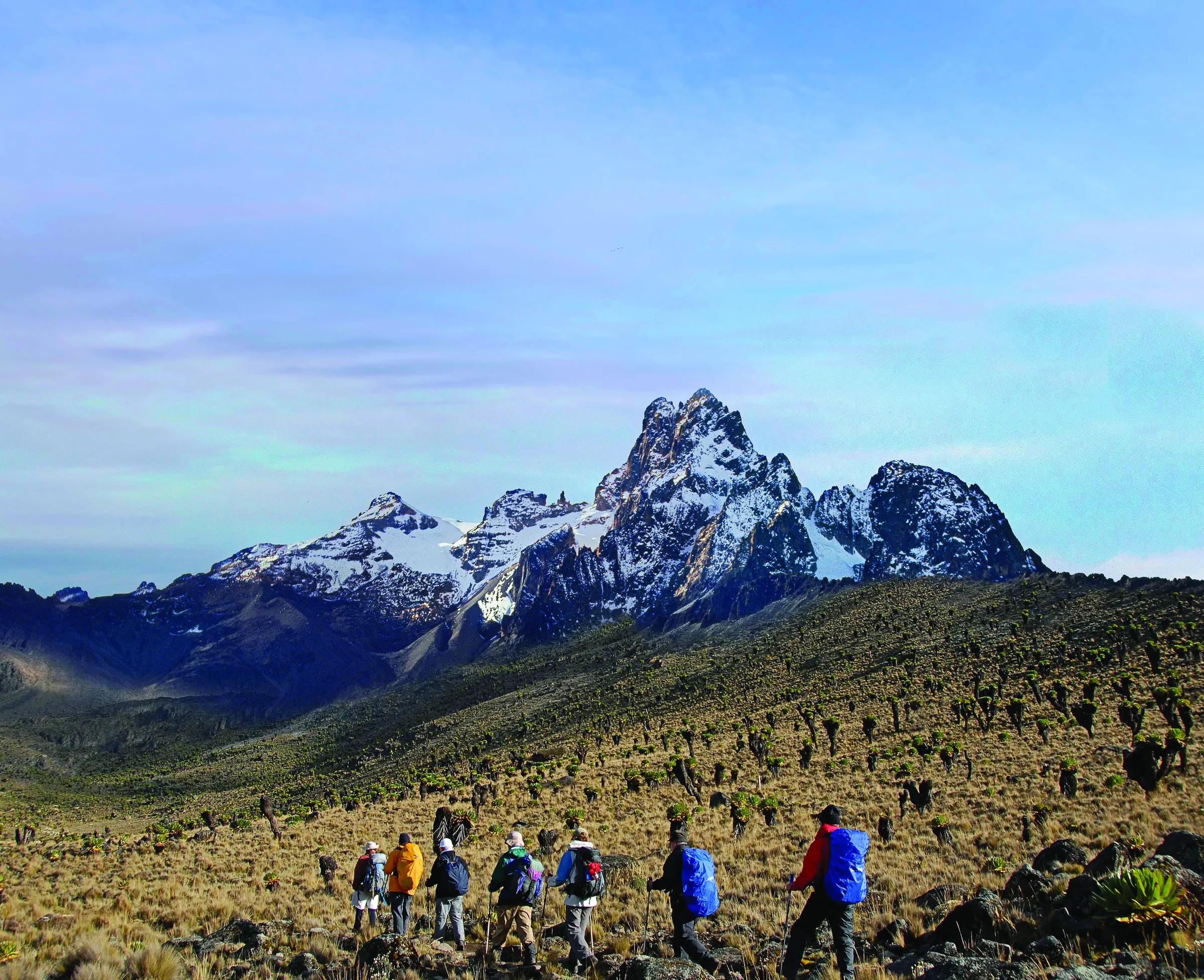
The Meru, who call themselves Amĩĩrũ, live on the northeastern slopes of Mount Kenya and in the Nyambene range, in Meru and Tharaka-Nithi counties. The 2019 census counted 1,975,869 Meru.
Sections
Nine sections are usually listed: Igembe, Tigania, Imenti, Miutini, Igoji, Mwimbi, Muthambi, Chuka and Tharaka. The Chuka and Tharaka are culturally the most distinct, and the census counts the Tharaka separately. Whether they are Meru sections or separate peoples is a point scholars dispute.
Language
Kĩmĩĩrũ is a Central Bantu language, with Imenti the dominant dialect. It shares about 63% of its vocabulary with Embu and Kikuyu and about 57% with Kamba.
Origins
Oral tradition tells of an escape from bondage at a place called Mbwaa, often placed on the coast. A 2026 genetic study of elders from eight dialect groups found overwhelmingly African ancestry, challenging popular claims of a Middle Eastern origin.
Governance
The Njuri Ncheke, a supreme council of elders based at Nchiru, has acted as legislature, court and executive since about the seventeenth century, and it still arbitrates disputes. A hereditary ritual leader, the Mũgwe, traditionally blessed the people. The classic study is Bernardo Bernardi's The Mugwe: A Failing Prophet (1959).
Belief
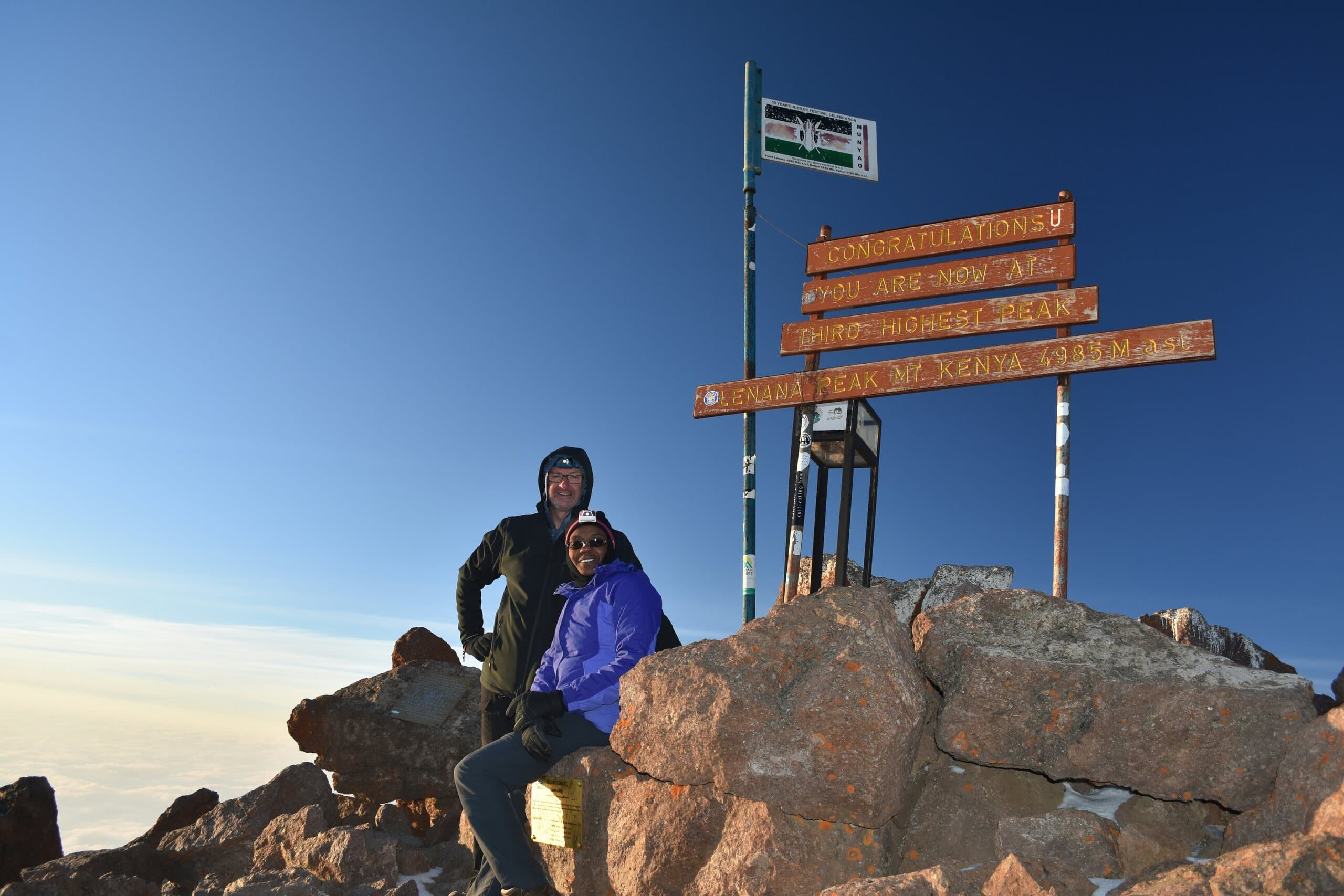
God is Mũrungu, traditionally associated with Mount Kenya, which the Meru call Kĩrĩmaara.
Livelihood
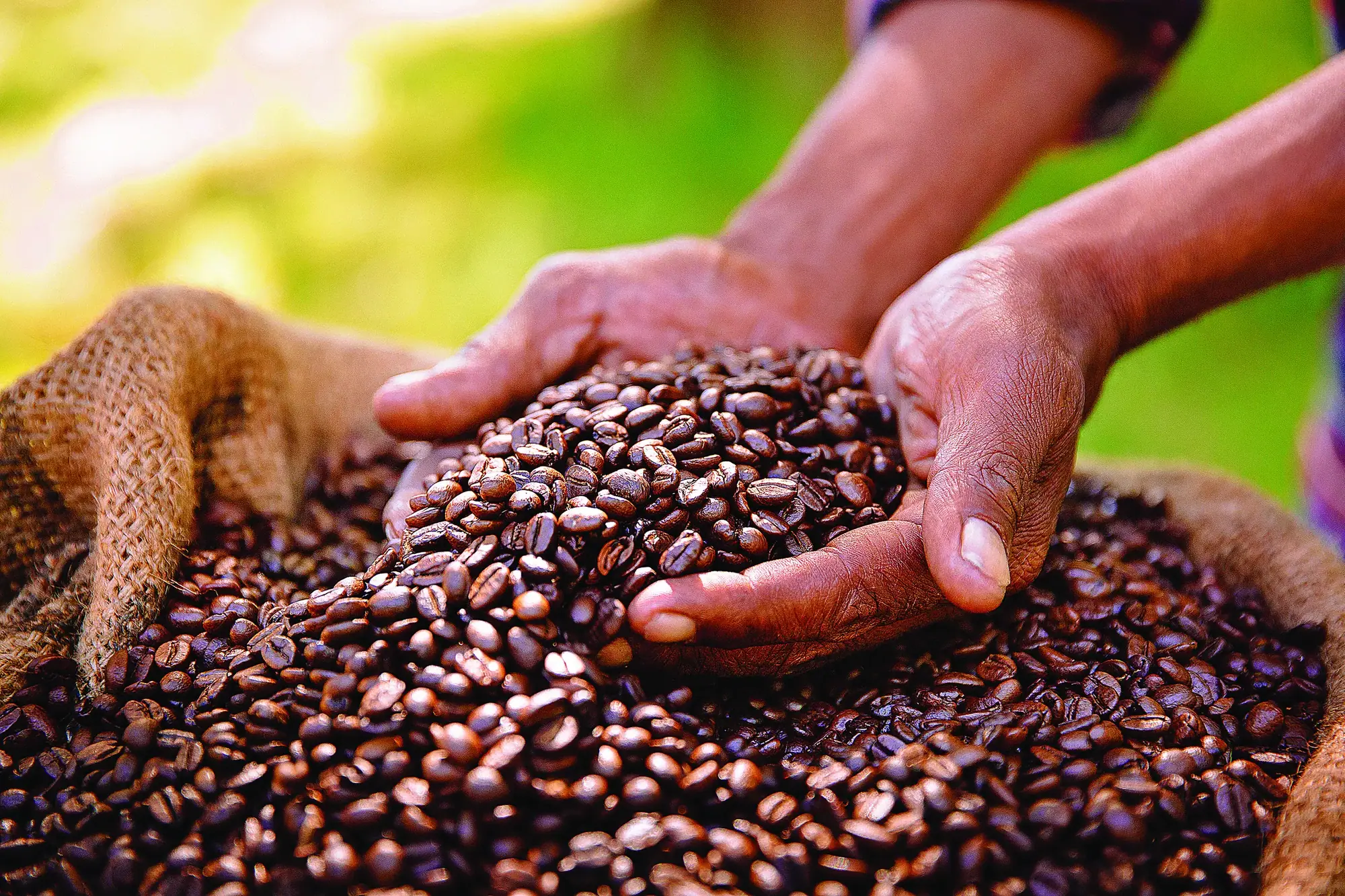
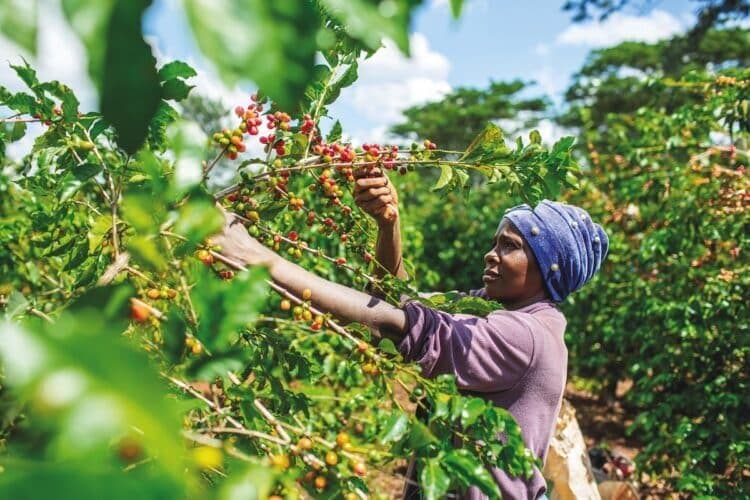
The Meru grow tea, coffee and bananas. In Igembe and Tigania, mĩraa (khat) is a major cash crop.
Today
Like most Kenyans today, many Meru are Christian and speak Swahili and English alongside Kĩmĩĩrũ.
Further reading
- The Mugwe: A Failing Prophet, Bernardo Bernardi (1959)
Sources
- Wikipedia: Meru people
- The Star: DNA study challenges Ameru Middle East origin myths
- Daily Nation: the final arbiter of Ameru rows
- Omniglot: useful Meru phrases
From The Peoples of Kenya: An Ethnographic Reference (Kenya Experience, November 2026), a synthesis of published sources. Practices described as traditional are historical baselines; today most Kenyans are Christian or Muslim, live in or near towns and speak Swahili and English. Spot something to correct? Write to kibetck@kenyaexperience.org.