
KESCA
Church group travel, conferences, pilgrimages and ethical, supervised service programs.
- Congregational trips
- Mission & service teams
- Faith conferences
- Pastoral retreats
KESCA
Church group travel, conferences, pilgrimages and ethical, supervised service programs.
Churches, mission organizations and faith-based schools.
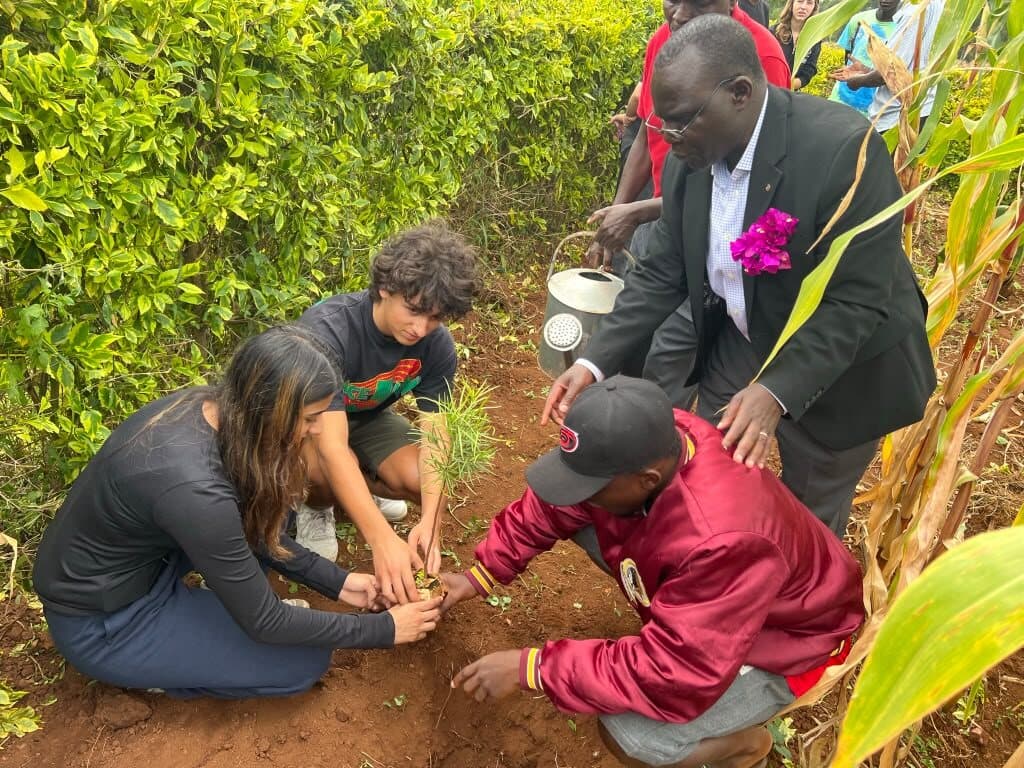
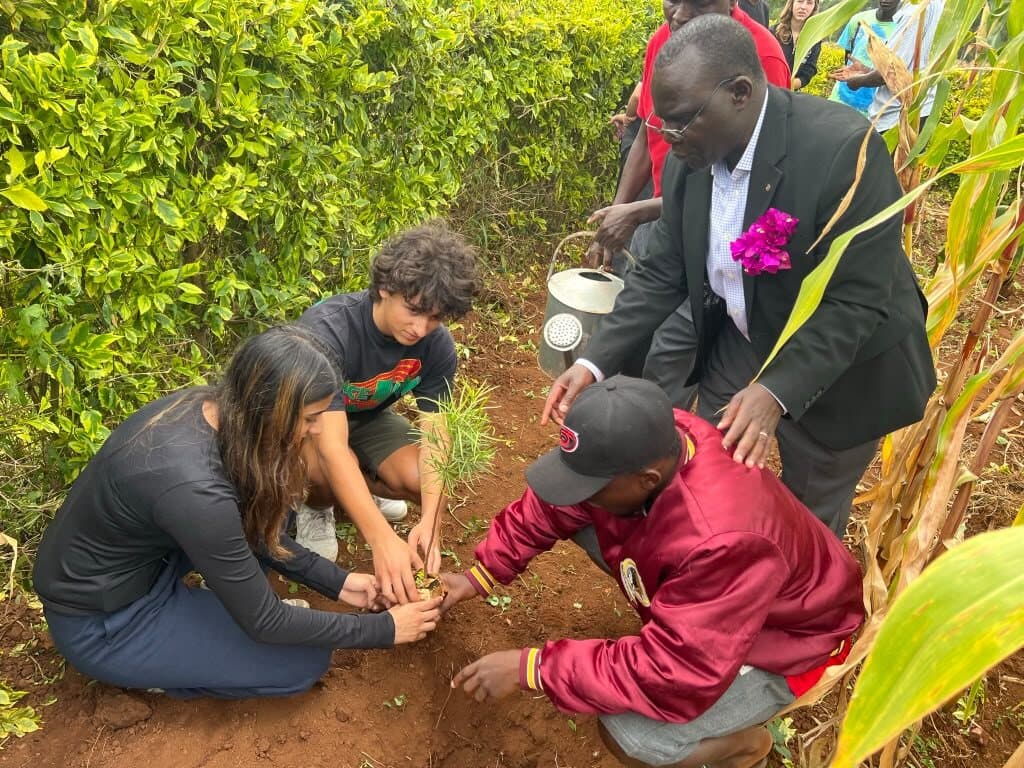
Congregation Journey (9 days): Worship with partner churches, visit community programs, one safari day. Service Team (10 days): Supervised, locally led projects. No unskilled work with children. Pastoral Retreat (6 days): Rest and teaching at a lakeside retreat centre. Every itinerary is a starting point, adjusted to your dates, group and budget.
Year-round. June to August for school-holiday teams.
Groups of 10 to 60 with a dedicated coordinator, group pricing and a safeguarding policy you can read before you book.
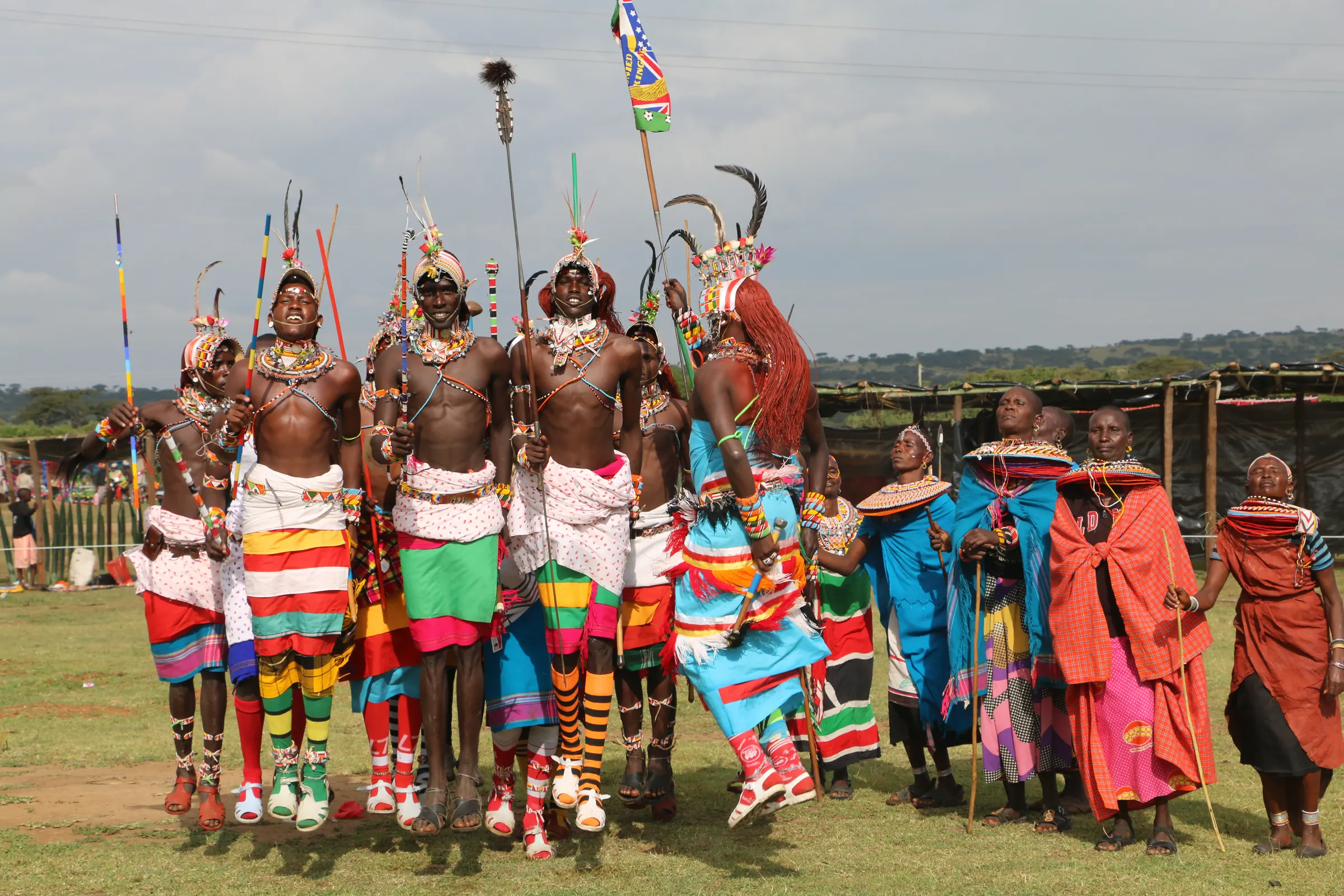
Faith is part of daily life in Kenya. About 85 percent of Kenyans identified as Christian in the 2019 census, and Sunday worship is full, long and joyful, with choirs, dancing and services in English and Kiswahili. Churches run many of the country's schools, hospitals and community programs, so a visit shows faith at work as well as at worship. Kenya also has deep Muslim communities on the coast, which gives church groups a chance to learn about interfaith life in a country whose constitution has no state religion.
At Rabai, near Mombasa, missionaries Johann Ludwig Krapf and Johannes Rebmann set up Kenya's first Christian mission in 1846. Their first small church is now the Rabai Museum, and St. Paul's church next to it is still in use. In Nairobi, All Saints' Cathedral and the Holy Family Minor Basilica are landmarks of Anglican and Catholic life. The Subukia National Marian Shrine, in the hills of Nakuru County, draws tens of thousands to the Catholic National Prayer Day each October. Mombasa's old town and Lamu add the story of Islam on the Swahili coast.
A typical journey runs eight to ten days. You arrive in Nairobi, worship with a partner congregation on Sunday and usually share a meal afterward. Weekdays include visits to programs the host church has chosen, a joint youth or women's day, and teaching or a choir exchange if your group brings one. Services often run two hours or more, so keep Sunday afternoon light. Daily devotions and an evening debrief keep the group together. Most trips end with a safari day or two. If your church wants to give, we route support through the partner church's own accountable process instead of suitcases of donations.
Church groups travel all year. Easter and Christmas services are unforgettable, though flights and lodges are busiest in December. June to August suits youth and school-holiday teams, and the dry, cool weather helps rural travel. The long rains, usually April and May, can make rural roads slow, so we plan visits to remote congregations around them. If your trip includes Kenyan schools, remember that term dates and exam periods shape when they can host visitors.
Congregations building a sister-church relationship. Youth groups on their first international trip. Choirs and worship teams. Seminary and Bible college students. Pastors and leadership teams who need rest and teaching. Denominational partners visiting projects they support. Kenyan diaspora churches in the U.S. bringing members and their children home. Dress for church is smart, and many Kenyans wear their Sunday best, so pack one good outfit. Modest dress is expected in Lamu and the coastal old towns.
Kenya Experience is Kenyan-led, with two U.S. companies behind it and Kenyan guides and coordinators. Start on our group booking page with your church's dates and size. A specialist replies within two business days, and members can pay in full or monthly with no deposit.
All service programs are supervised, locally led and follow our safeguarding policy.
Projects are chosen and led by the host community, nobody unskilled works with children, and we never visit orphanages. You can read our safeguarding policy before you book.
Ten to sixty, with a dedicated coordinator and group pricing.
Year-round; June to August suits school-holiday teams.
Most Kenyans are Christian, about 85 percent in the 2019 census, and around 11 percent are Muslim. The constitution guarantees freedom of religion and has no state religion.
At Rabai, about 25 kilometers from Mombasa, where Church Missionary Society missionaries set up a mission in 1846. The original small church is now the Rabai Museum.
Usually it is better to give through the partner church and buy supplies in Kenya. That supports local businesses and avoids excess baggage and possible customs duty.
Smart, modest clothes for Sunday services and church visits, since many Kenyans dress up for worship. Cover shoulders and knees in Lamu and the coastal old towns.
Panga
Panga means plan. Tell us who is going and what you love. A Kenya specialist replies within two business days.