
Education & Research
Paired with a Kenyan secondary school: classes, sport, music and the friendships that outlast the trip.

Education & Research
Paired with a Kenyan secondary school: classes, sport, music and the friendships that outlast the trip.


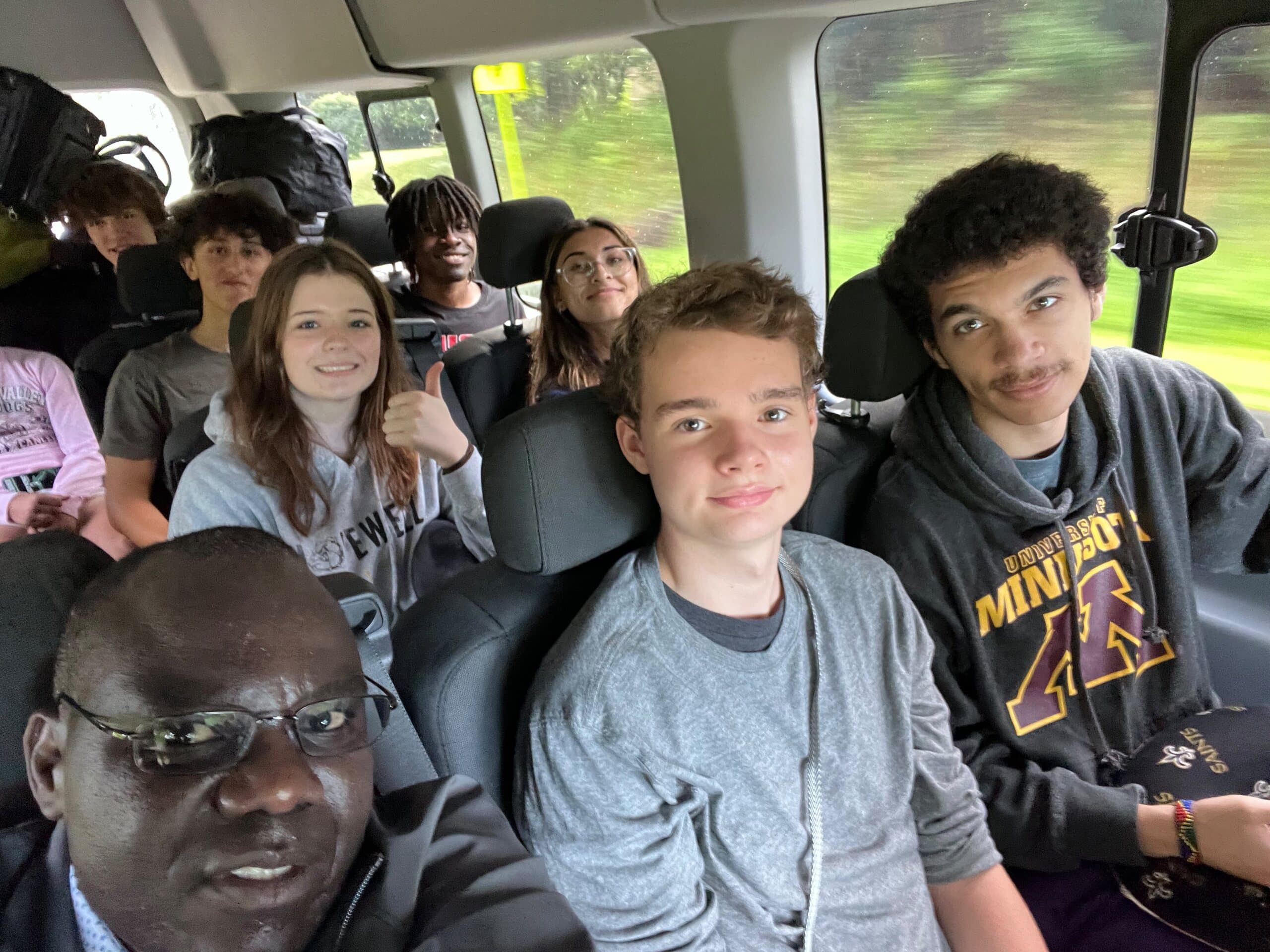
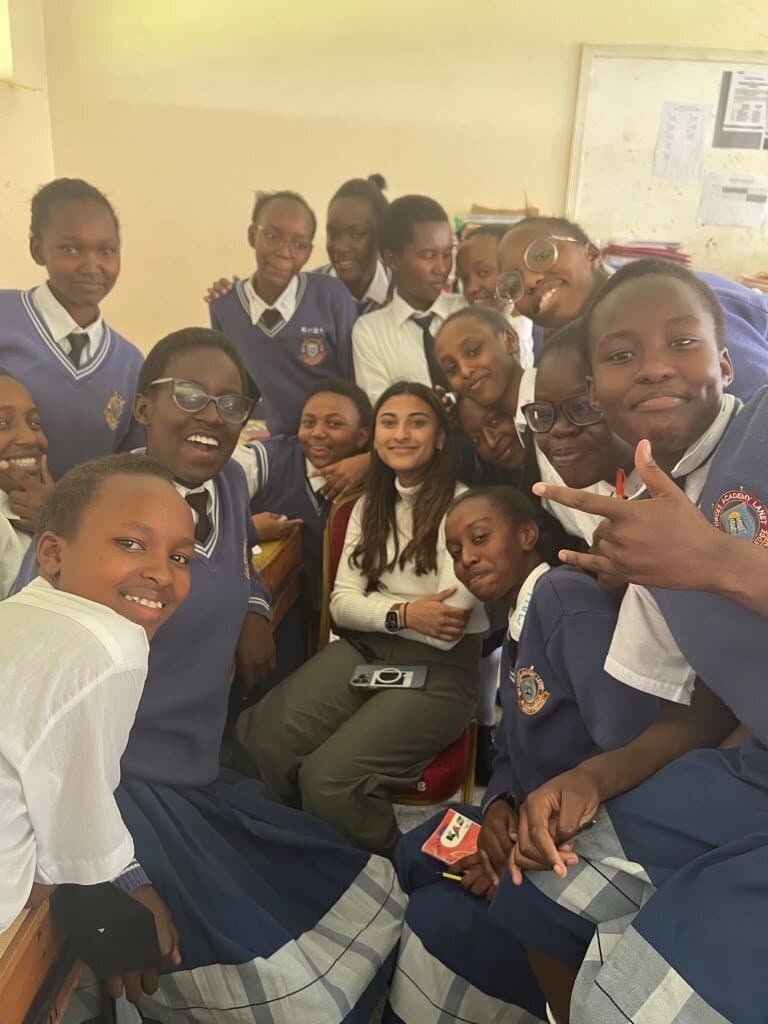
Kenyan schools are lively, disciplined and proud places. Many secondary schools board their students, the day starts with assembly, and music, drama and athletics carry real prestige, with national festivals and competitions that students train for all year. Lessons are taught mainly in English and Kiswahili is a compulsory subject, so conversation flows from the first morning. Kenya is also moving to a competency-based curriculum, which gives visiting teachers plenty to compare. For U.S. students, sitting in a Kenyan classroom is a lesson in how much young people share.
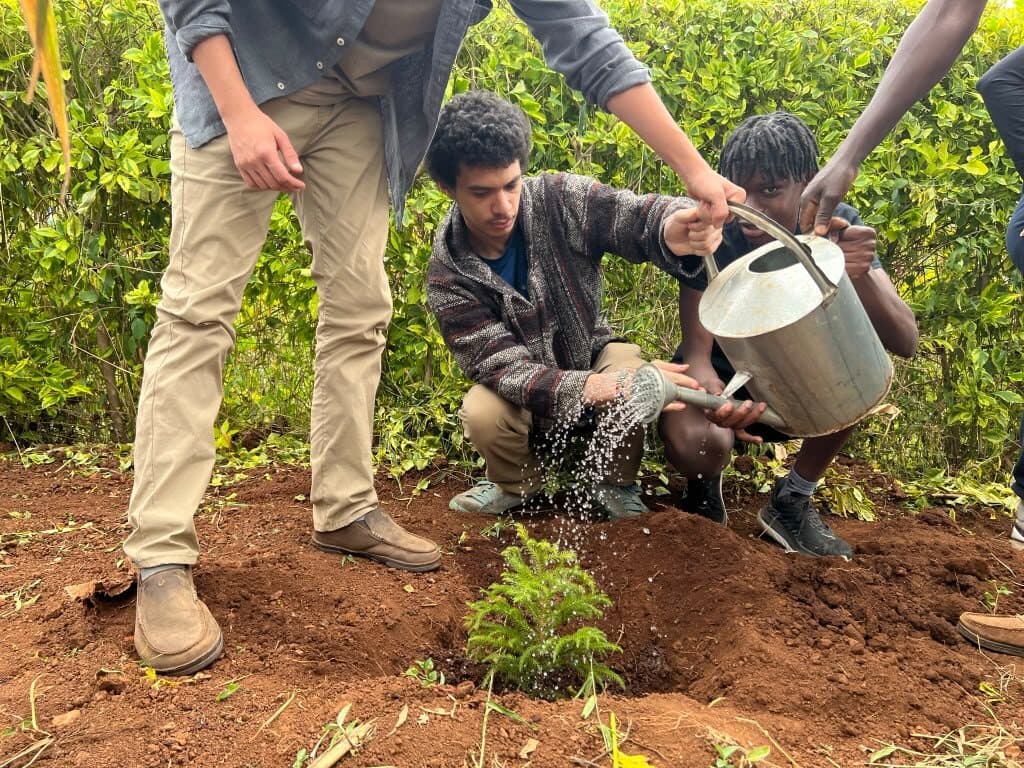
Kenya's school year usually runs from January to October or November in three terms. U.S. spring break in March and most of June and July fall inside Kenyan terms, so classes are in session when you visit. Avoid the third term, roughly September to November, when national exams take place and in recent years the Ministry of Education has restricted visits to secondary schools. Exact term dates are published each year, and we check them with the host school before you book flights.
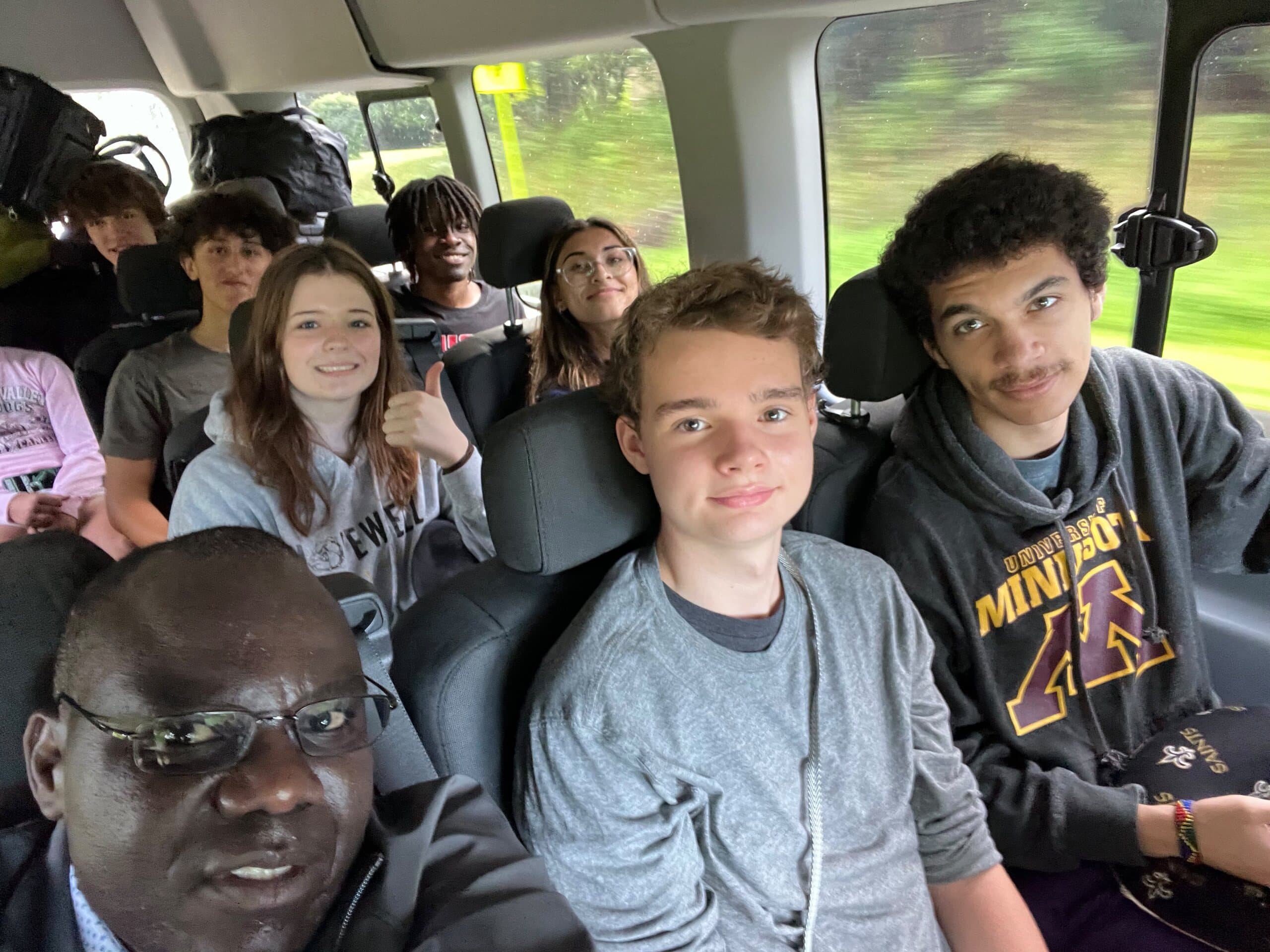
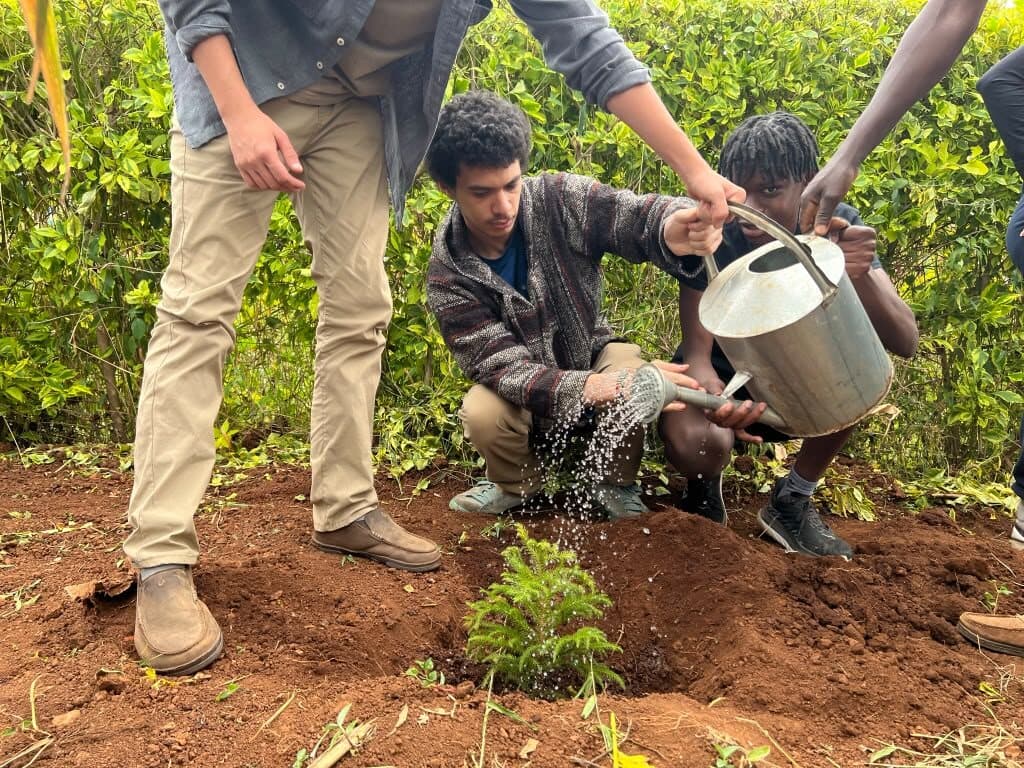
The exchange starts before you fly, with teacher video calls, letters or a shared project between the two classes. On arrival there is a welcome assembly, then days of shadowing lessons, co-teaching a class, sport in the afternoon and a music or drama exchange. Students usually stay in supervised group accommodation and spend days with host families only where both schools allow it. Many exchanges end with two nights at Lake Nakuru or in the Maasai Mara, so both groups can share a first safari where funding allows.
Both schools' safeguarding policies apply, and on campus the host school's rules lead. We agree supervision ratios, rooming, curfews, transport rosters and emergency contacts in writing before departure. Chaperones stay with students throughout, and no student leaves the group without a plan agreed by both schools and their guardian. Photography and social media contact between students follow rules set by the two schools, with consent from families on both sides.
Kenyan schools are formal, so each student should pack one smart, modest outfit for assembly and visits. Teachers are addressed formally, and students stand to greet visitors. Agree any gift with the host school in advance; books, sports kit or something made by your students tend to be welcome. Kenyan timetables are full, so arrive on time and expect the day to run long. If Kenyan students will visit you in return, start early: U.S. visas take time and are never guaranteed.
Kenya Experience is Kenyan-led, with two U.S. companies behind it and Kenyan program staff who work with host schools. Send a group request and a specialist replies within two business days. Families can pay in full or monthly with no deposit.
Twenty years of GCK Travel partnerships mean host schools that know how to welcome a visiting class. Exchanges run both ways where visas allow, and alumni stay in touch for years.
Kenya's school year usually runs January to October or November in three terms, with breaks in April, August and from late October or November to early January. The Ministry of Education sets exact dates each year.
For minors we usually keep the group in supervised accommodation and spend days with host families only where both schools' policies allow it, with written guardian consent.
Often yes, where funding and U.S. visas allow. Visas take time and are not guaranteed, so reciprocal visits are best planned a year or more ahead.
English is the main language of instruction in secondary schools and Kiswahili is a compulsory subject, so visiting students can talk easily with their peers.
Panga
Panga means plan. Tell us who is going and what you love. A Kenya specialist replies within two business days.