Kenyans in the U.S.. Updated November 2026. 8 min read.
Your kids know Kenya from your stories, from the phone calls home and the chapati on Sundays. The first trip is where it becomes real: the smell of the air when the doors open at JKIA, the cousins who speak faster than they do, the grandmother who cries when she sees them. Here is how to make it the trip they talk about for the rest of their lives.
The short version: give yourself four to six months. Travel on whichever passports are simplest, which for most families on a first trip means U.S. passports with an eTA for every child. See a travel clinic about six weeks before you fly. And plan the trip in two halves, family first, then a few days that belong to the children. Two to three weeks is the right length for a first visit.
What this trip is really for
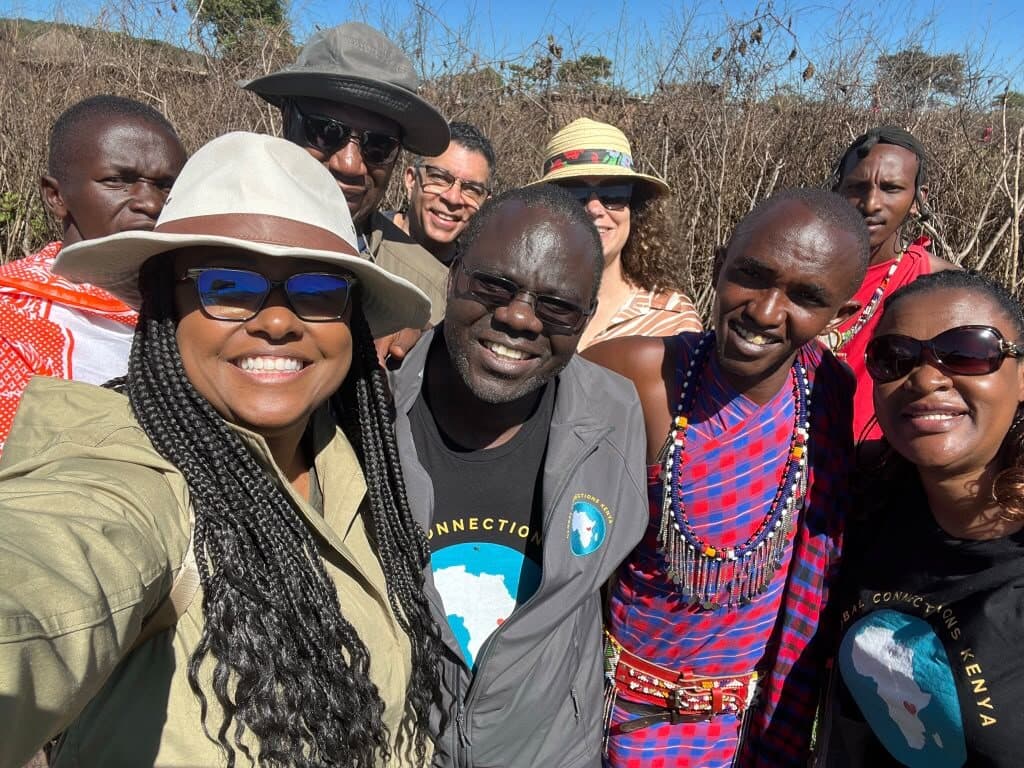
It is not a holiday, or not only one. It is the trip where your children meet cucu and guka, or nyanya and babu, in person rather than on a screen; where they see the house you grew up in and the school you walked to; and where Kenya stops being your country and starts being theirs too. That is a lot to ask of two weeks, and of children who will be jet-lagged, hot and overwhelmed by the number of relatives who want to hold them. The best trips leave room for that. They do not try to see everyone, and they give the children something of their own to remember alongside the family.
You are in good company. The U.S. is the largest source of the money Kenyans abroad send home, 43.5 percent of about KSh 932 billion in the year to May 2025, and the biggest Kenyan communities, in Texas, Minnesota, California, Georgia, Washington state, Maryland, New York and New Jersey, fly home every year with American-born children in tow.
Paperwork: passports, eTAs and citizenship
Under Kenya's 2010 Constitution, a child born abroad to a Kenyan parent is a Kenyan citizen by birth, and Kenya allows dual citizenship. That gives you two ways to travel.
- On U.S. passports, the simple route for most first trips: every child, babies included, needs their own Kenya eTA ($30), applied for by a parent on the official portal and allowing up to 72 hours to process, plus the Kenyan inbound travel insurance, $44 per person (about $52 at checkout), bought through eCitizen
- On Kenyan passports: register your child's birth at the Kenyan embassy (about $50), then apply for a minor's passport on eCitizen with an embassy appointment; allow 4 to 12 weeks when you apply from abroad
- Either way: passports valid at least six months from arrival, a copy of each birth certificate, and a signed consent letter if one parent is staying home
Kenyan documents can bring practical benefits later, such as citizen rates at parks, but they take time. If your trip is less than three months away, travel on U.S. passports this time and start the Kenyan paperwork for the next one. One date to note for later: under current rules, a young person who holds both citizenships is expected to make a declaration by age 23 to keep the Kenyan one. The Kenyan Embassy in Washington handles births, passports and dual citizenship; check its site for the current process and fees.
Health for children
Book a travel clinic visit about six weeks before you fly, for the whole family. The CDC recommends routine vaccines plus others for Kenya, and malaria prevention for most safari and coast areas. Children's malaria tablets are dosed by weight, which is why a travel clinic or your pediatrician should prescribe them. And remember that children raised in the U.S. have no immunity to malaria, even if you grew up with it: tablets, repellent, long sleeves at dusk and a net every night.
- Sunscreen and a hat every day: Nairobi and the highlands sit at altitude, and the equatorial sun burns faster than children expect
- Bottled or filtered water for drinking and brushing teeth, especially in the first week
- A small kit: rehydration salts, children's fever medicine, antihistamine and bandages
- Travel insurance with medical evacuation for every family member, as well as the Kenyan inbound insurance
Family time: expectations, gifts and saying no kindly
This is the part no travel guide covers, and the part you are probably already thinking about. Relatives will want to host you, all of them, and each visit comes with a meal, a long conversation and sometimes a request. Some honest advice from people who have done it:
- Agree a plan with your spouse before you go, how many days upcountry, how many in Nairobi and which visits matter most, then share it with family early so nobody feels left out at the last minute
- Gifts: decide a budget and a list before you pack, and be ready for the harambee moments when relatives ask for help; it is fine to say 'we planned for this, and not for that'
- Church on Sunday is often the best way to see many people at once, and children enjoy the singing even when they do not follow the sermon
- Dress for upcountry visits: modest clothes for the children, and shoes that can take a muddy path
- Give the children a role: handing out gifts, showing photos of their school, or a few words of greeting in Kiswahili or your mother tongue
- Do not overload the village: three or four days at a time is usually enough for American-born children, and a hotel night in between lets everyone reset
Children notice everything: the differences in houses, the questions about money, the cousins who do more chores than they do. Talk with them about it before you go and while you are there. That conversation is part of what the trip is for.
The Kenya they will love: five kid-tested experiences
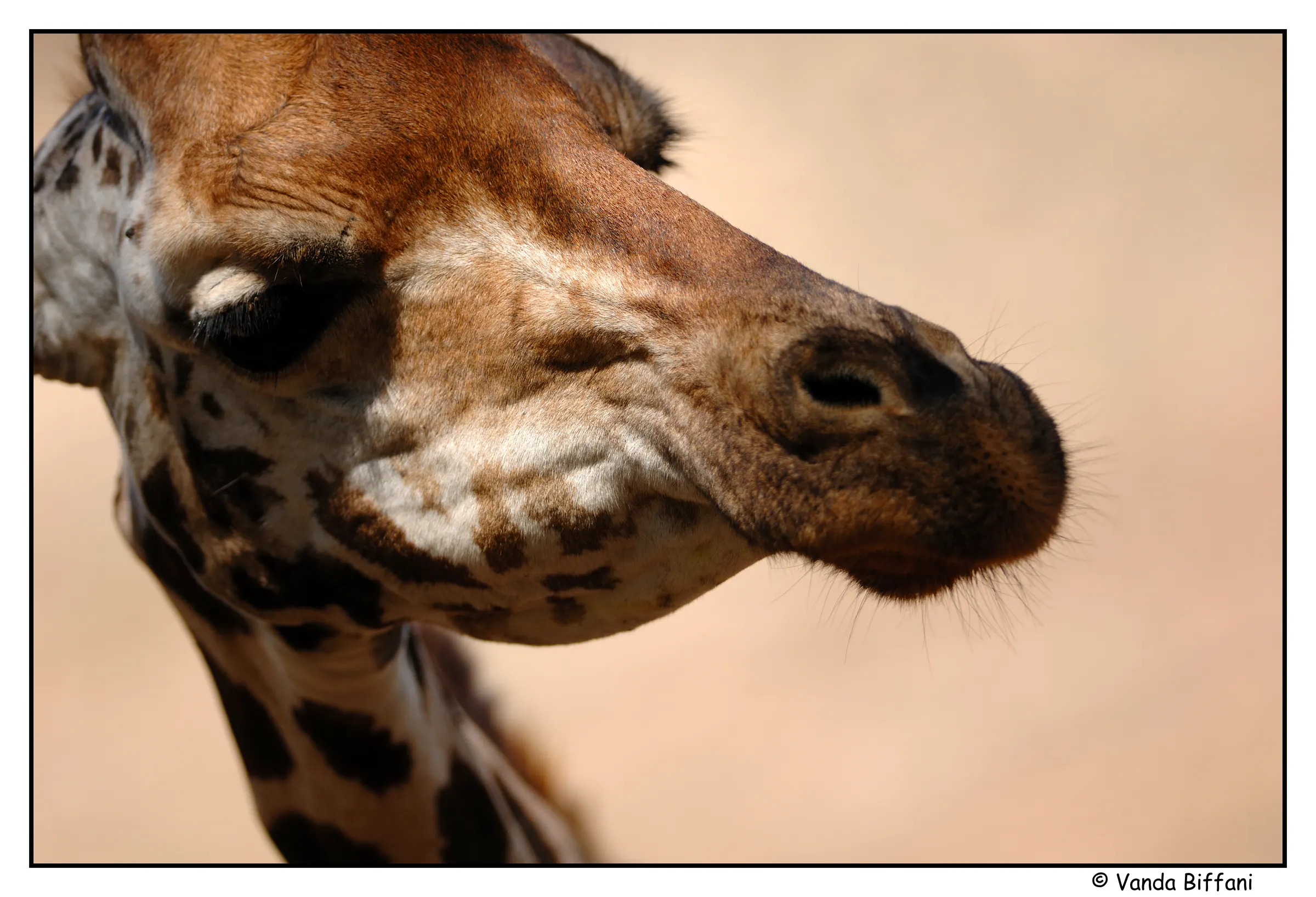
- The Giraffe Centre in Karen, Nairobi: feeding Rothschild's giraffes from a raised platform, nose to nose
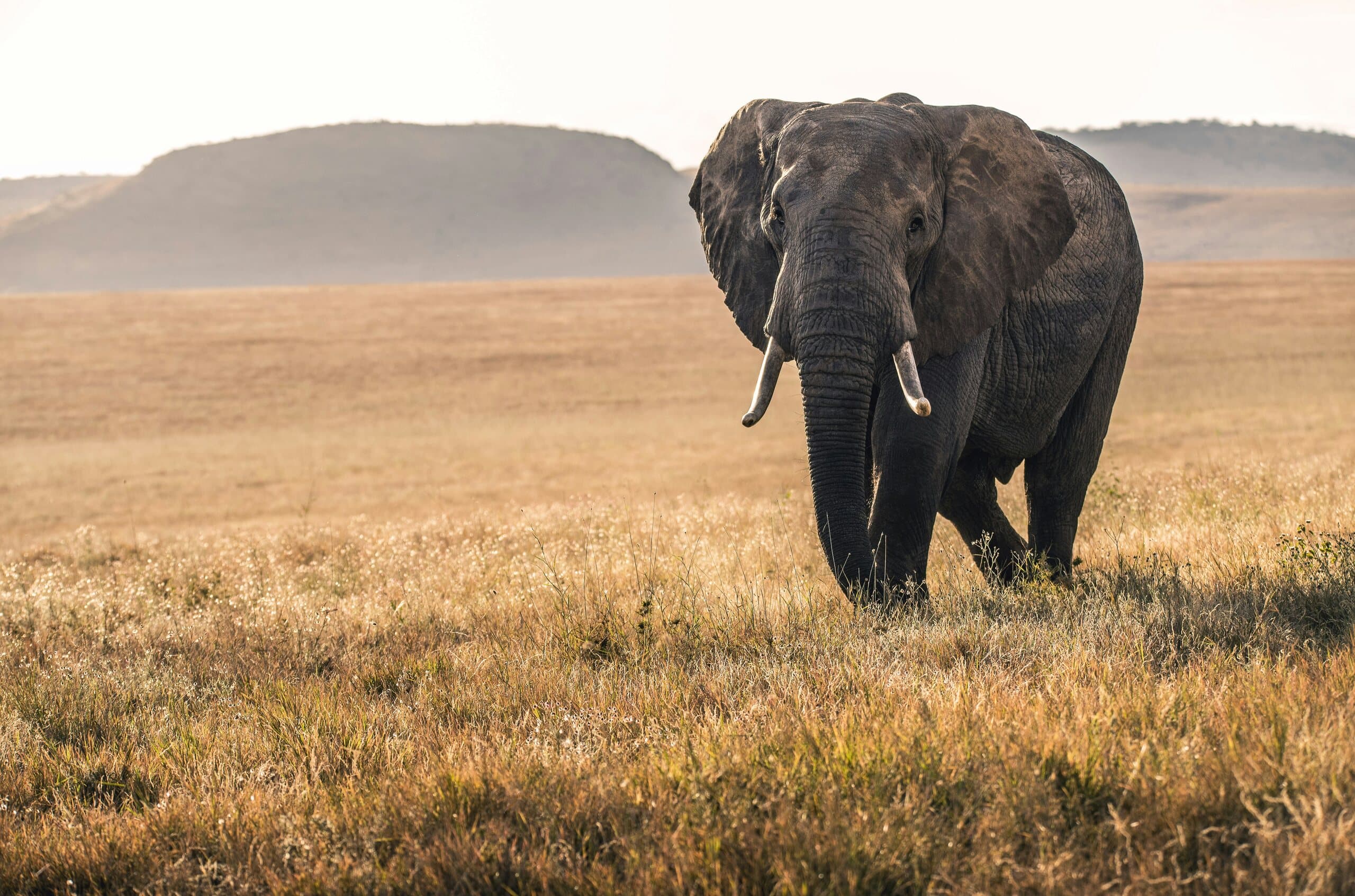
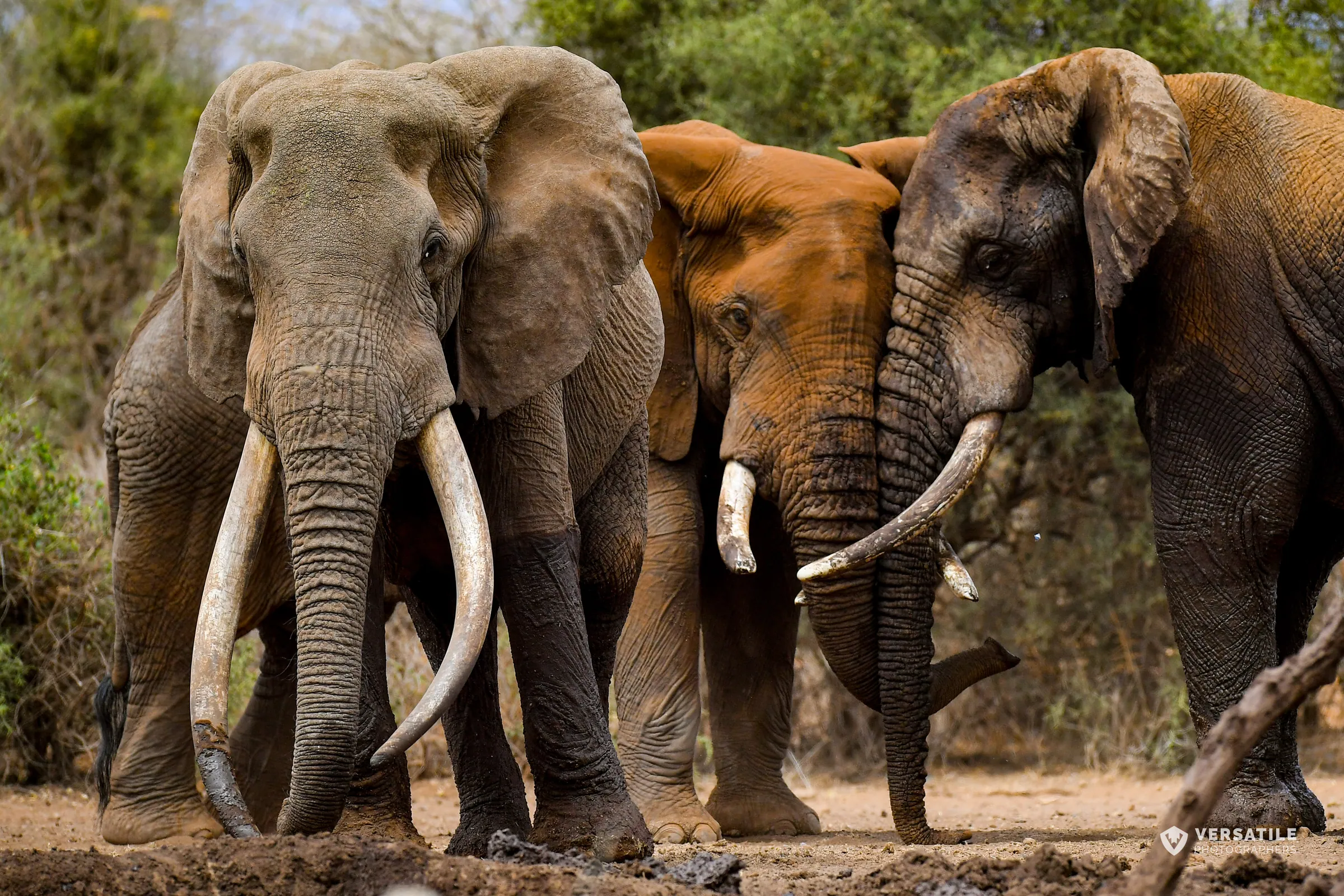
- The Sheldrick Wildlife Trust elephant orphans: a short visit while keepers bring the baby elephants out for their milk; book ahead on the trust's site
- Nairobi National Park: lions, rhinos and giraffes with the city skyline behind them, a half day from your hotel
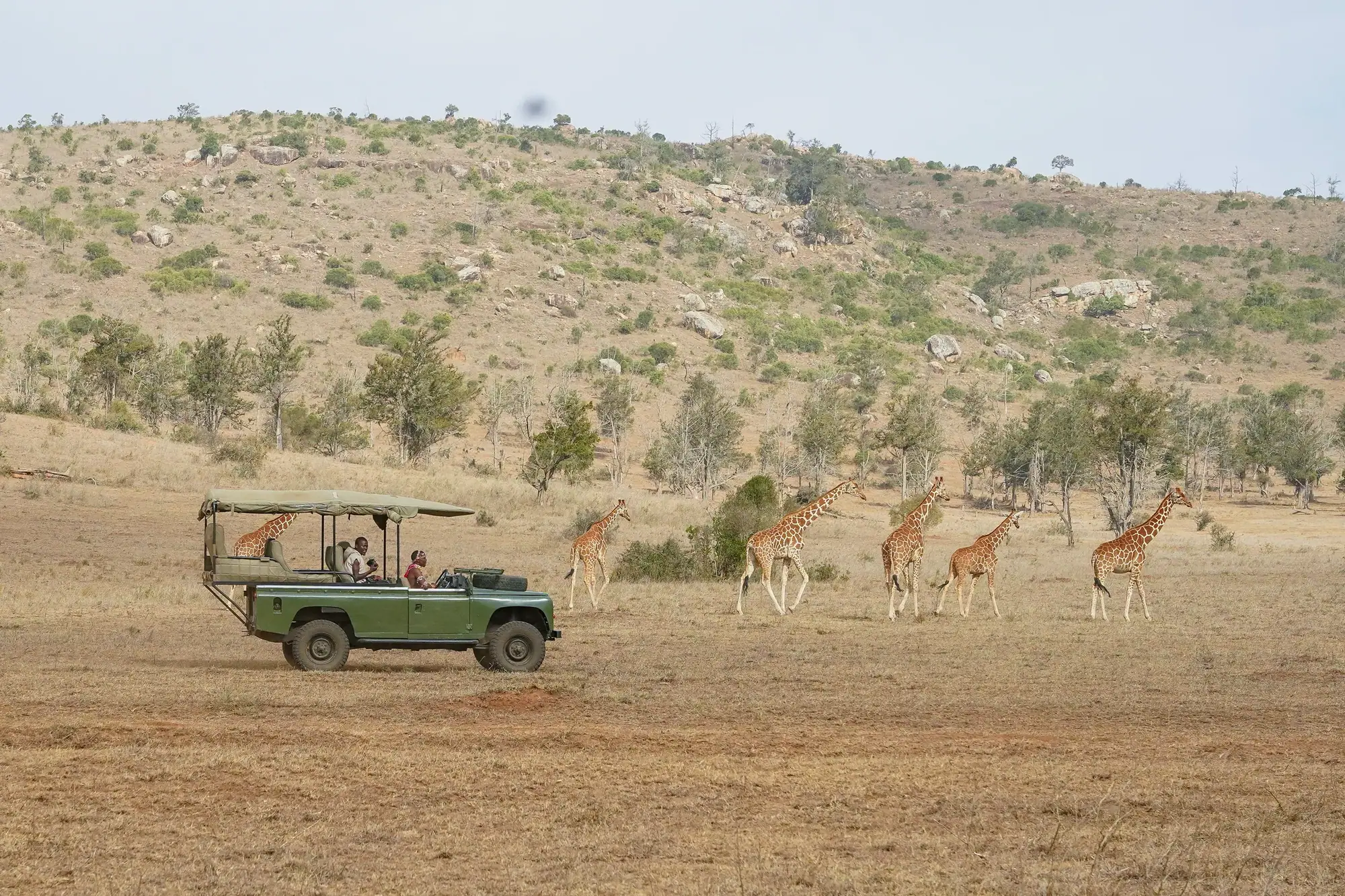
- A two-night safari in the middle of the trip, in the Maasai Mara or at Lake Naivasha; in the Mara, young children enter free and those aged 9 to 17 pay $50 a day at the time of writing
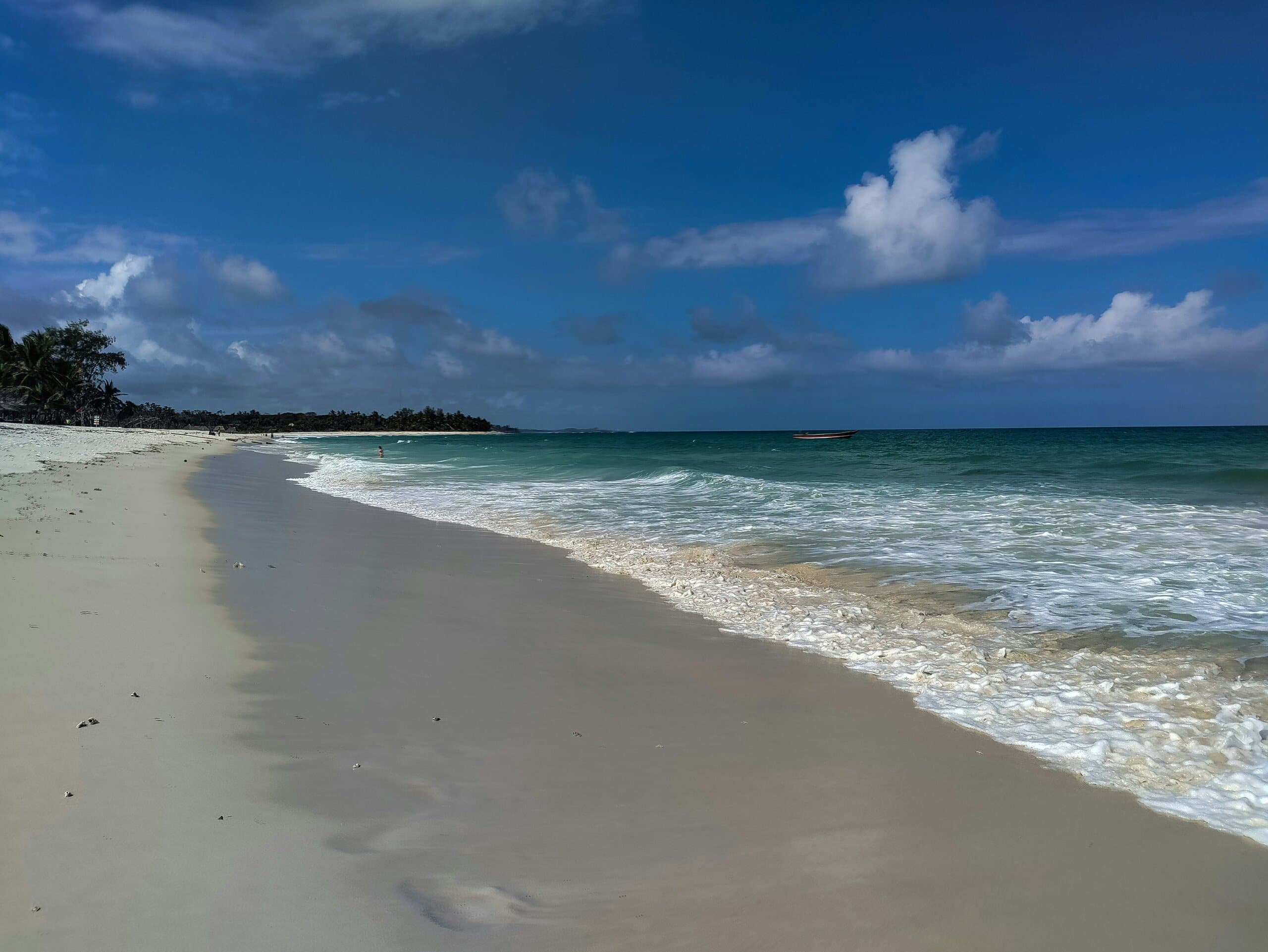
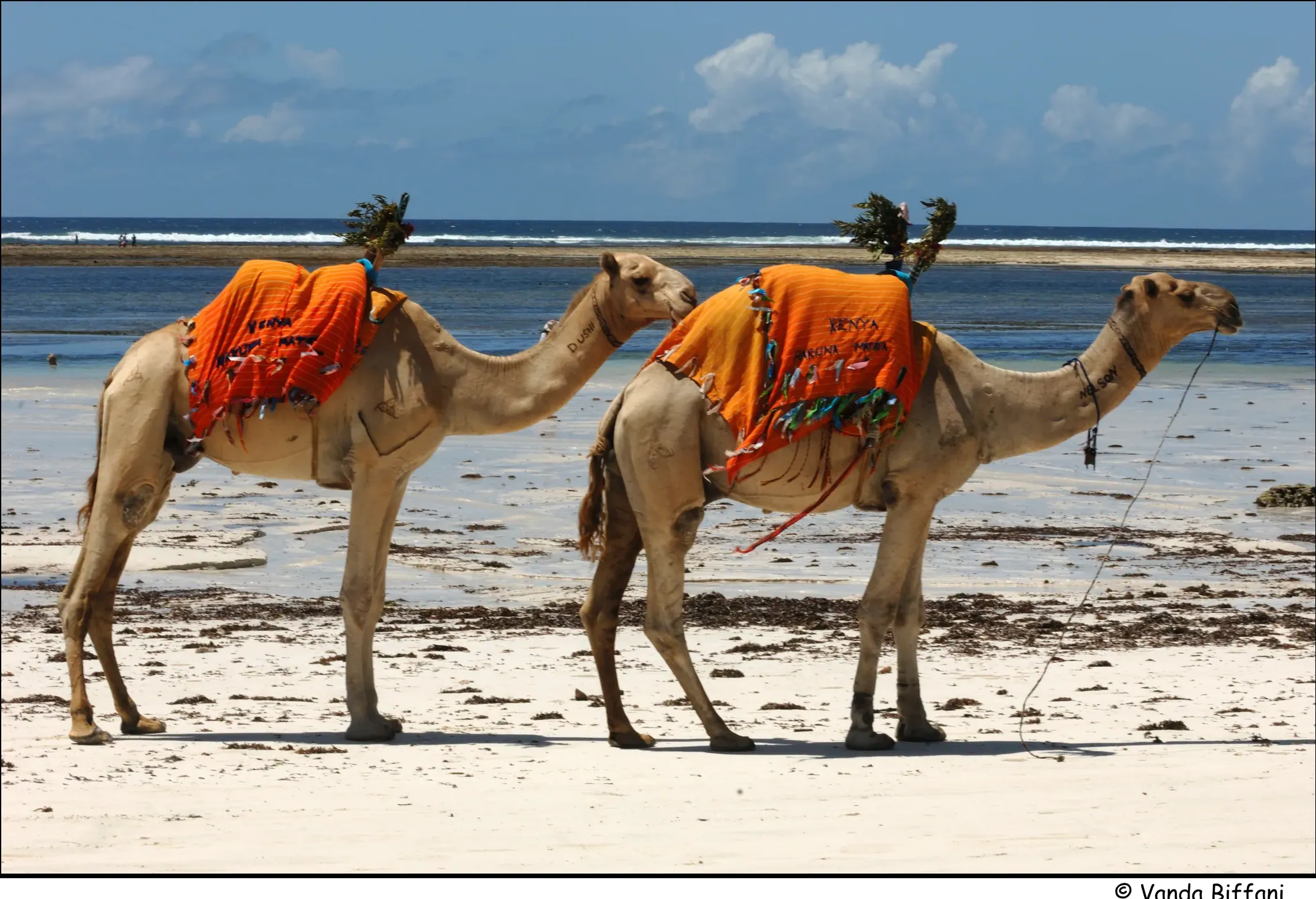
- The Madaraka Express to Mombasa, where you may spot wildlife from the window as the line crosses Tsavo, then a few days at Diani, with rock pools at low tide and calm water inside the reef
A sample 14-day family trip
| Days | Where | What |
|---|---|---|
| 1 to 2 | Nairobi | Land, rest, then the Giraffe Centre and the Sheldrick elephants, a gentle start before family |
| 3 to 7 | Your home county | Grandparents, cousins and church on Sunday, with our driver and vehicle so you are not borrowing a car |
| 8 to 9 | Maasai Mara or Lake Naivasha | Two nights on safari, by road or a short flight |
| 10 | Nairobi | Nairobi National Park in the morning, then pack for the coast |
| 11 to 13 | Diani | By the Madaraka Express and road, or by air: beach, rock pools and a dhow to Kisite for dolphins |
| 14 | Fly home | Diani or Mombasa to Nairobi for the late flight |
This is the diaspora version of our 14-day itinerary, which swaps the far north for a home-county stay. If your family lives near the coast or in western Kenya, we change the order, not the idea.
Preparing the kids before you fly
- Words: a handful of Kiswahili greetings, habari, nzuri, asante and karibu, and the words your family uses for grandmother and grandfather
- Food: cook ugali, sukuma, pilau and chapati at home in the weeks before, so the first family meal tastes familiar
- Photos: show them pictures of the relatives they will meet, with names, so the faces are not strangers
- The family tree: draw it together and let them carry it; elders love being asked where they fit
- Expectations: talk about long drives, different toilets and cousins who will want to try on their shoes

Logistics that catch families out
- Safari flights allow 15 kg per person in a soft bag; pack the safari days into soft duffels and leave the big cases in Nairobi
- Car seats: bring your own, because most taxis have none; tell us and we will plan our vehicles around them
- Phones: a local SIM card for teenagers, so they can message you and their cousins
- Pocket money: a little M-Pesa for older children, or shillings for the duka
- Timing: December is when everyone goes and fares are at their highest; June to August fits U.S. school holidays and the migration in the Mara
What it costs for a family of four
| Item | Family of four | Notes |
|---|---|---|
| Flights, U.S. to Nairobi | About $4,800 | Using $1,200 per person as a planning figure; December can be much higher |
| Kenya eTA | $120 | $30 per person, every child included |
| Kenyan inbound travel insurance | About $210 | $44 per person plus fees, about $52 at checkout |
| Vaccines, malaria tablets and travel insurance | About $600 to $1,600 | Typically $150 to $400 per person |
| Two-night safari | Ask us | Children's rates depend on age and lodge; Mara fees for ages 9 to 17 are $50 a day |
| Coast days and transport | Ask us | Depends on the hotel and how you travel |
As a guide, our full 14-day loop starts at about $5,500 per person sharing at mid-range, excluding international flights. A family trip with a week at home costs much less on the ground, because family days cost little, and children's rates bring it down further. You can pay in full or monthly with no deposit, which helps when you are saving for four flights.
When they are old enough to go without you
For ages 16 to 34 there is KESCA, our Kenya Experience Summer Camp Academy: 21 days across Nairobi, the Rift Valley, Iten, Kericho, Kisii, the Mara and the coast, with Kenyan peers, Swahili sessions, service and supervision. It does what a family visit cannot: it lets young people meet Kenya as themselves.
Give them the village and the Mara. One without the other tells half the story.