Travel essentials. Updated November 2026. 4 min read.
Information, not medical advice
This page summarizes CDC guidance at the time of writing. Your travel clinic chooses your medicine and dose, based on your health, your age and your route.
CDC Travelers' Health: KenyaMalaria is the one Kenyan risk you can almost entirely remove with a pill and a long sleeve. Here is where the risk actually is, which pills Americans are prescribed, and the habits that matter more than the pills.
The direct answer: malaria is present in most of Kenya below about 2,500 meters. It is highest on the coast, around Lake Victoria and in the lowland parks, and lower in Nairobi and the central highlands. CDC advises preventive medicine for most Kenya itineraries, because a safari moves you between zones, sometimes in a single day. Your travel clinic will prescribe one of the medicines below. Take it exactly as prescribed, and stop mosquitoes biting from dusk to dawn.
Where the risk is, region by region
| Region | Malaria risk | Good to know |
|---|---|---|
| The coast: Mombasa, Diani, Watamu, Lamu | Higher | Present all year; peaks after the long rains and the short rains |
| Lake Victoria and western Kenya: Kisumu, Kakamega | Higher | Warm, wet and low-lying around the lake |
| Lowland parks: Tsavo, Meru, Samburu | Present | Hot, lower-altitude country |
| Maasai Mara, about 1,500 m | Lower, but present | Pills are still advised |
| Nairobi, about 1,795 m, and the central highlands | Low | Most itineraries leave the city, so pills are usually still advised |
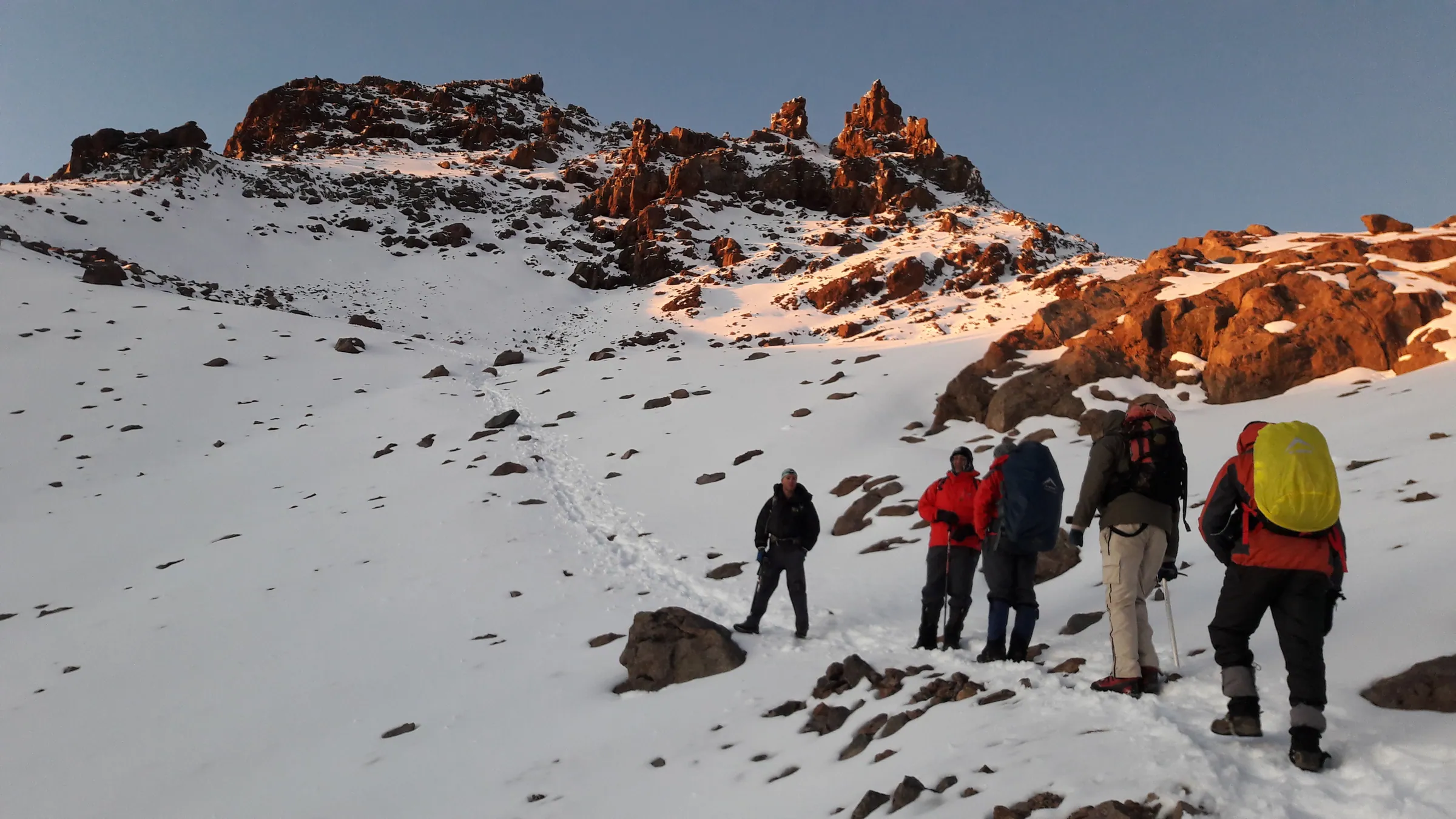
| Mount Kenya above about 2,500 m | Little or none | The approach and the lower slopes are a different matter |
The honest line: a short safari in the Mara in July, at about 1,500 meters and in the dry season, carries a low risk. A December beach week in Diani carries a higher one. Pills are still advised for both, and the habits below matter on every trip.

The pills, side by side
| Medicine | How you take it | Good to know | Often suits |
|---|---|---|---|
| Atovaquone-proguanil (Malarone) | Daily: start 1 to 2 days before, continue 7 days after you leave | Usually well tolerated; the shortest course after the trip | Short trips and first-time safari travelers |
| Doxycycline | Daily: start 1 to 2 days before, continue 4 weeks after you leave | Makes skin more sensitive to sun; take with food and plenty of water | Longer trips; not for young children or pregnancy |
| Mefloquine | Weekly: start at least 2 weeks before, continue 4 weeks after you leave | Not for everyone: your clinic will check your medical history first | People who prefer a weekly pill |
| Tafenoquine | A newer option in the U.S., on a schedule your clinic sets | Needs a blood test for G6PD deficiency before it is prescribed | Adults, if your clinic thinks it fits |
Whichever you are given, the rule is the same: start on time, take every dose, and keep taking it for the full period after you leave, even when you feel fine at home. Many cases in returning travelers involve missed or stopped pills. Keep the medicine in your hand luggage, in its original packaging.
Bite habits that matter as much as the pills
- Use repellent with 20 to 30 percent DEET, or picaridin, on exposed skin from late afternoon. Put sunscreen on first, repellent second.
- Wear long sleeves, long trousers and socks at dusk and after dark. Neutral colours also suit the bush.
- Clothing treated with permethrin adds protection; CDC lists it as an option.
- Sleep under the treated net your camp provides, tucked in, and keep tent zips closed.
- Fans and air conditioning help: mosquitoes struggle in moving, cool air.
- Take extra care in the hour around sunset at the coast and around Lake Victoria.
If you get a fever
Malaria symptoms are fever, chills, headache and body aches, a lot like flu. They can appear from about 7 days to several weeks after a bite, which means they often start after you are home. Treat any fever during or after a Kenya trip as malaria until a test says otherwise.
- In Kenya: tell your guide or camp at once. Rapid malaria tests are cheap and widely available, and Nairobi's private hospitals can give a result in about an hour.
- At home: go to urgent care or an emergency room the same day, say you have been in Kenya, and ask for a malaria test. Do not wait to see if it passes.
- Keep your clinic's letter or prescription details with you, so a doctor can see what you took.
Children and pregnancy
Children can take antimalarials, with doses by weight, and some medicines are not suitable for young children. CDC advises pregnant women to avoid travel to areas with malaria where possible, because malaria is more dangerous in pregnancy and some medicines cannot be used. If either applies to you, see a travel clinic early and read the CDC pages on children and pregnancy. Our guide to taking children to Kenya covers the rest of family planning.
When to book the clinic
See a travel clinic six to eight weeks before you fly, and have your malaria prescription in hand at least four weeks out, so there is time for mefloquine's two-week start or a switch if a medicine does not suit you. The same visit covers your vaccines; our vaccines page has the full list and timeline.
Season and timing
Transmission peaks after the rains, when standing water lets mosquitoes breed. The long rains fall from about late March to May and the short rains around November, so the weeks that follow are the higher-risk times, especially on the coast. Dry-season safaris from July to October carry lower risk in the highland parks. That is a reason to keep your habits sharp in the green season, not a reason to skip the pills in the dry one.