Travel essentials. Updated November 2026. 4 min read.
Information, not medical advice
This page summarizes general altitude guidance from CDC. Talk to a travel clinic before a high-altitude trek, especially if you have heart or lung conditions or are planning for children.
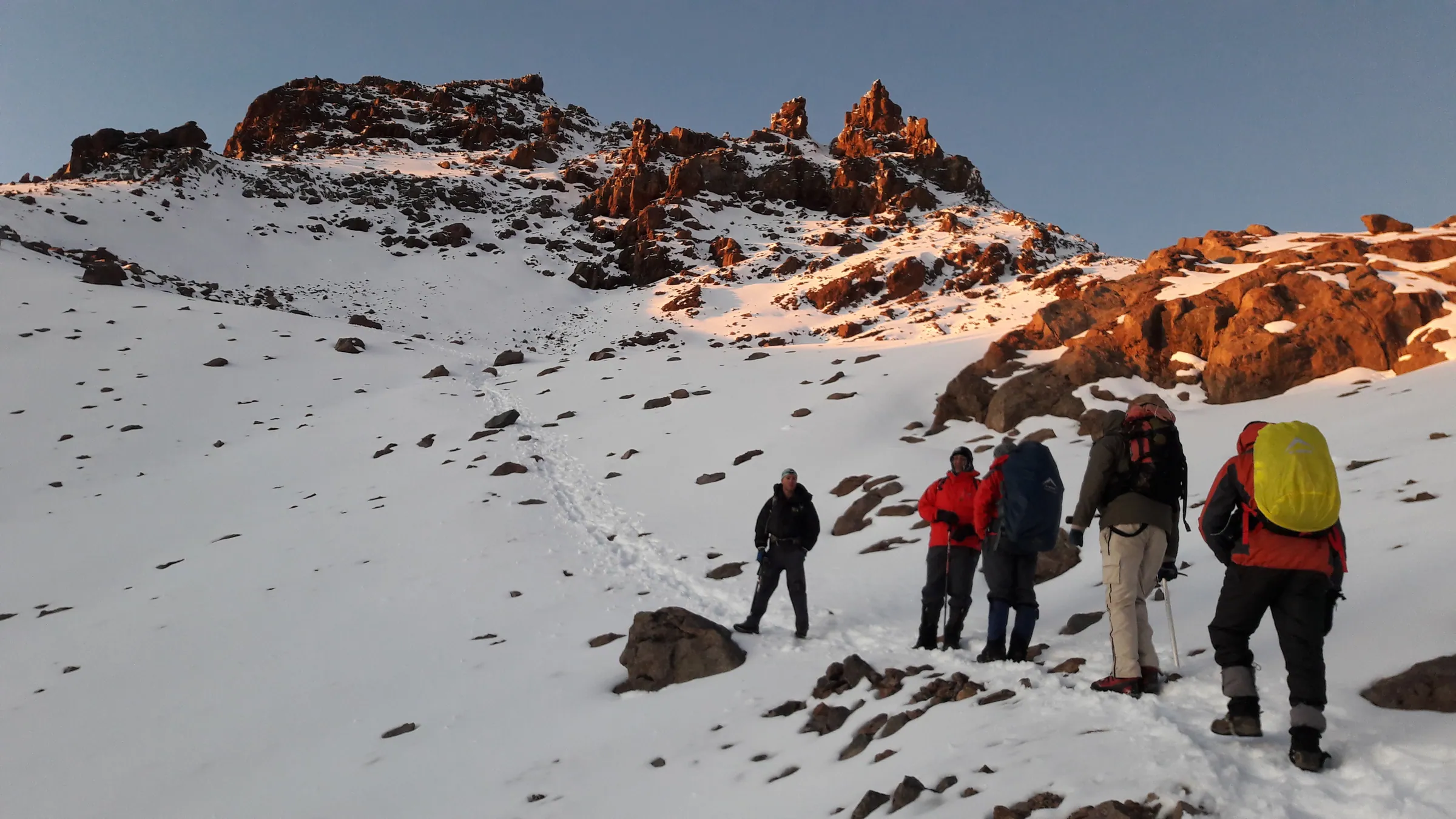
CDC Yellow BookPoint Lenana is 4,985 meters, higher than any peak in the lower 48 states, and most people reach it in three days from a trailhead at about 2,600 meters. That speed is the problem. Altitude sickness, not fitness, is what turns people back.
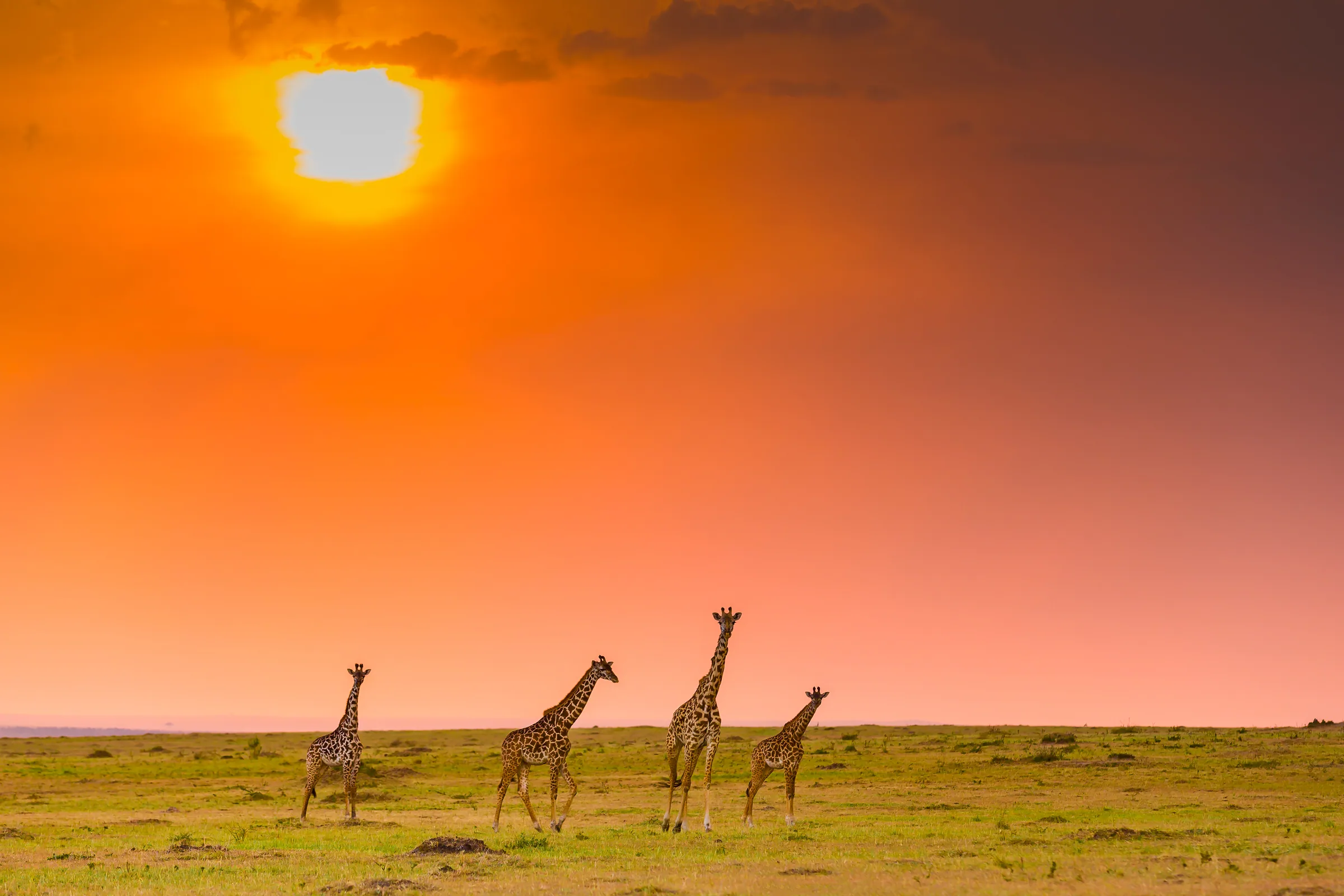
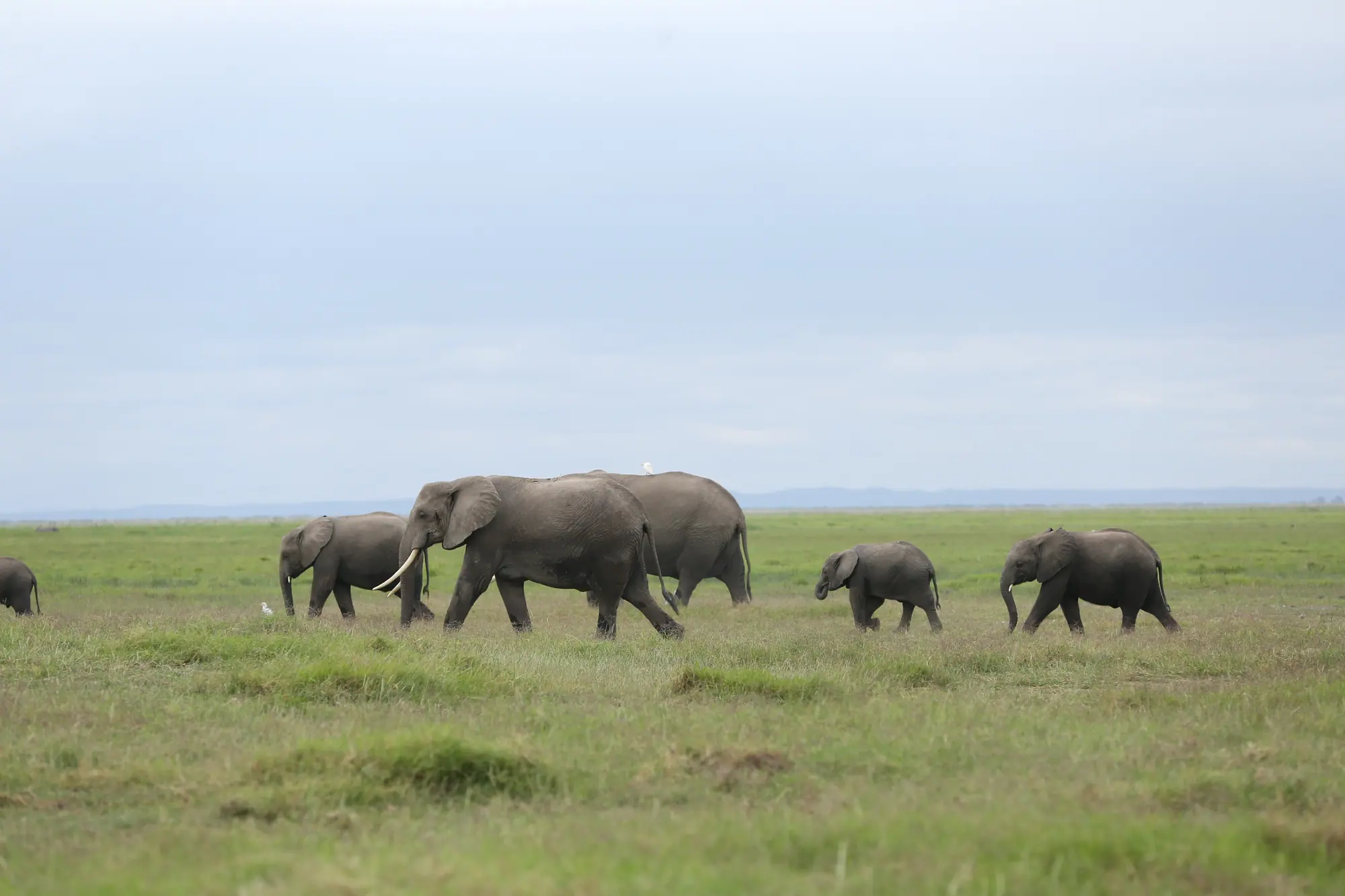
The direct answer: to reach Point Lenana without getting sick, choose a route of four or five days with an acclimatization day, keep each night's gain in sleeping altitude to 300 to 500 meters once you are above 3,000 meters, drink 3 to 4 liters a day, and go down if symptoms get worse. Ask your travel clinic about acetazolamide (Diamox). And spend a few days on safari before you climb: it is the cheapest acclimatization there is.
The mountain in numbers
| Point | Altitude | What it means |
|---|---|---|
| Batian | 5,199 m | The true summit; a technical rock climb |
| Nelion | 5,188 m | The second peak; also a technical climb |
| Point Lenana | 4,985 m | The trekking summit, reached without ropes |
| Typical trailheads | About 2,600 to 3,000 m | Where most treks start |
| Nairobi | 1,795 m | Mildly high; most people barely notice |
| Most safari lodges | 1,000 to 2,000 m | Useful pre-acclimatization before a climb |
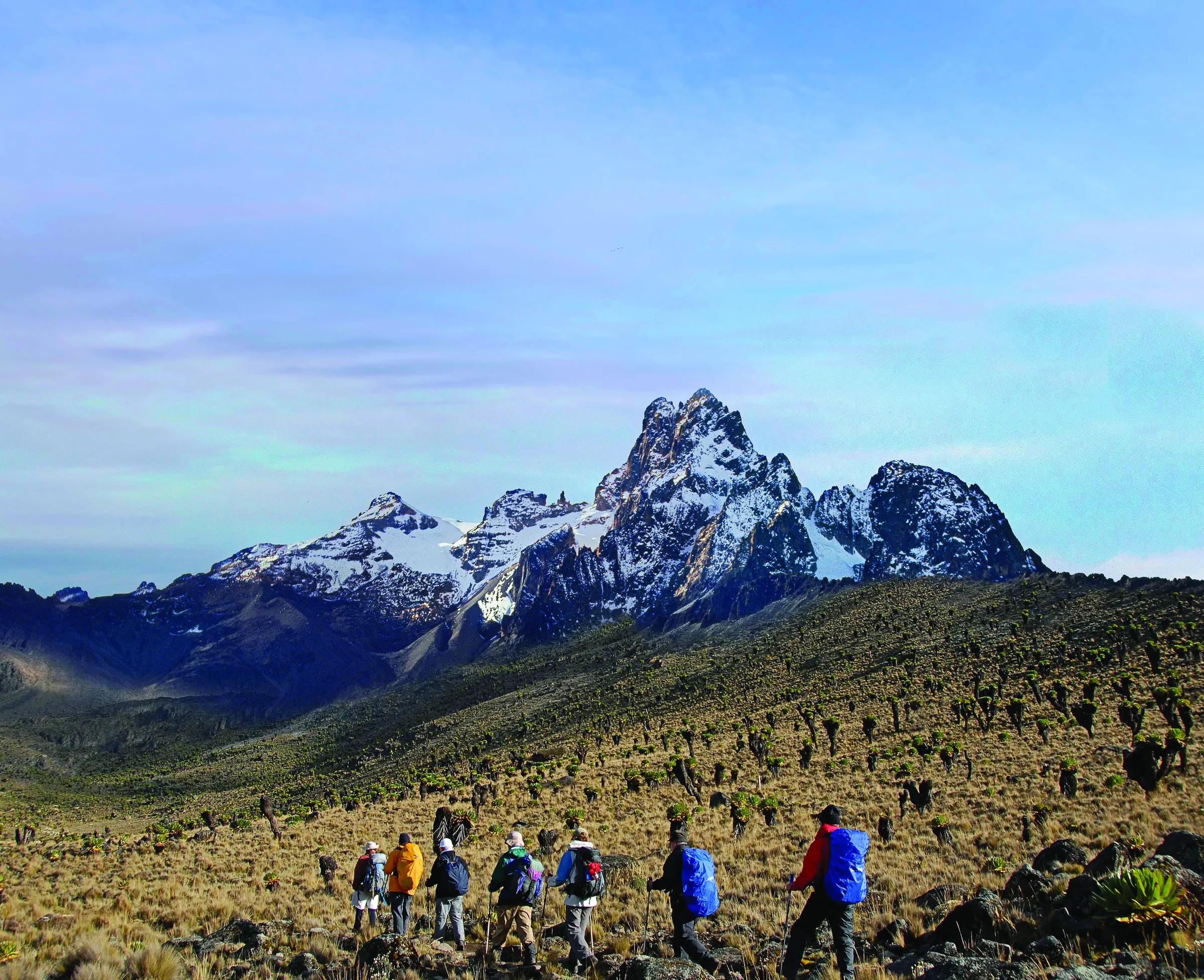
The routes
| Route | Typical length | Good to know |
|---|---|---|
| Sirimon | 4 to 5 days | A steady approach from the north-west |
| Chogoria | 5 days | The scenic eastern side, past lakes and gorges |
| Naro Moru | 4 days | The quickest and steepest; an extra acclimatization day is recommended |
| Sirimon up, Chogoria down | 5 days | The classic traverse, with a dawn summit |
What altitude does
Above about 3,000 meters, headache, nausea, poor sleep and tiredness are common: this is acute mountain sickness, and it usually eases if you rest and stop climbing. Two forms are life-threatening. High-altitude pulmonary edema (HAPE), fluid in the lungs, shows as breathlessness at rest, a wet cough and extreme fatigue. High-altitude cerebral edema (HACE), swelling of the brain, shows as confusion, stumbling and drowsiness. For both, the only cure is to go down, at once, with help.
- Above 3,000 meters, add no more than 300 to 500 meters of sleeping altitude per day.
- Climb high, sleep low: an afternoon walk above camp, then back down to sleep, helps the body adapt.
- Drink 3 to 4 liters of water a day.
- Walk slowly, slower than feels necessary. Your guide's pace, pole pole, is the right one.
- Never go up with worsening symptoms. Tell your guide about every headache.
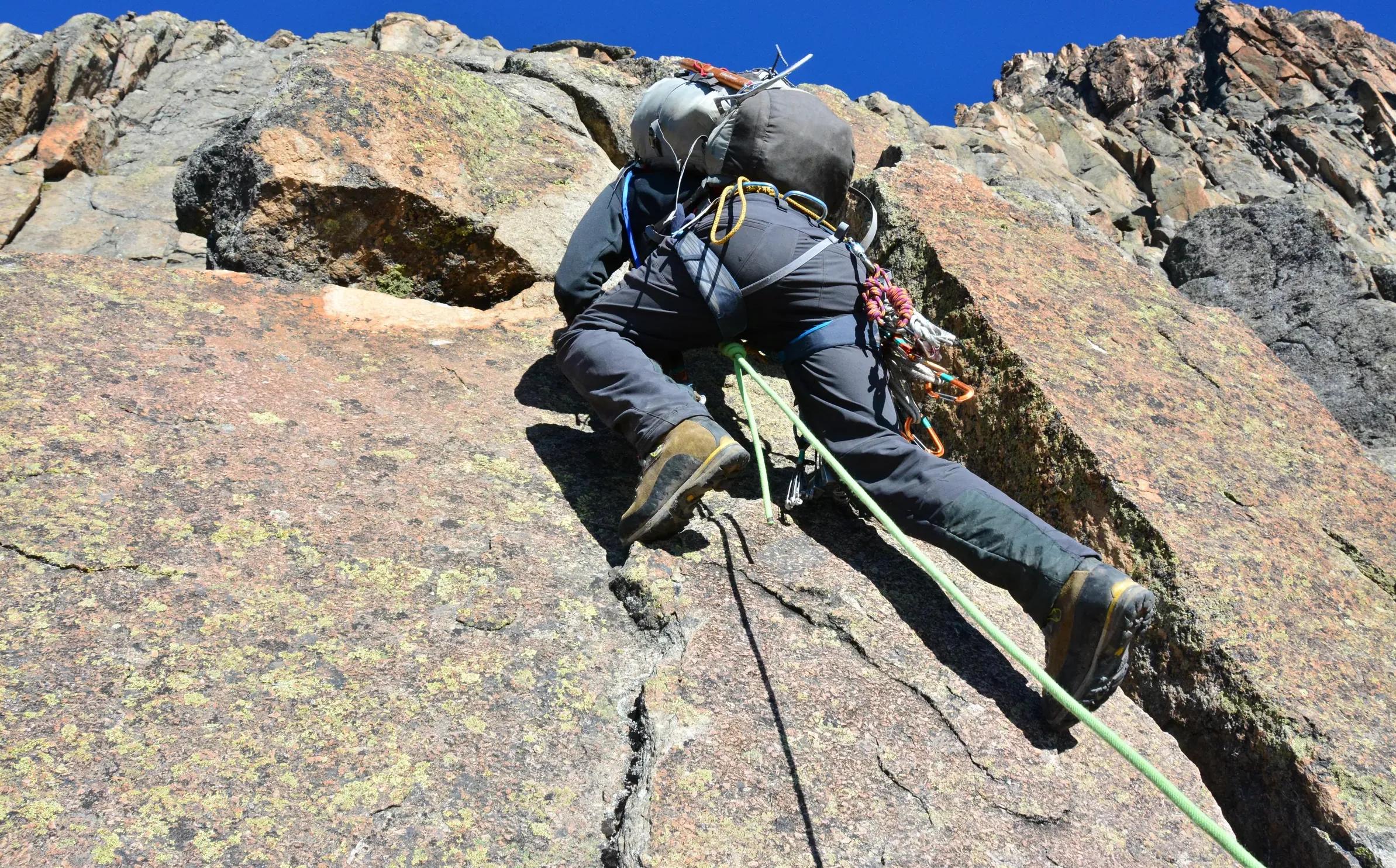
A schedule that prevents it
| Day | Route section | Sleep at |
|---|---|---|
| Day 1 | Sirimon Gate to Old Moses Camp | About 3,300 m |
| Day 2 | Old Moses to Liki North, a short acclimatization day | About 4,000 m |
| Day 3 | Liki North to Shipton's Camp, with an afternoon walk higher | About 4,200 m |
| Day 4 | Pre-dawn start to Point Lenana (4,985 m) for sunrise, then down the Chogoria side | Lower camps on the Chogoria side |
| Day 5 | Down past the lakes and gorges to the Chogoria gate | Off the mountain |
The three-day dash, from trailhead to Lenana with no rest day, is where most people get sick. One extra night costs less than a failed summit and is the single best investment you can make.
Diamox
Acetazolamide, sold as Diamox, is the standard preventive medicine for altitude sickness in U.S. travel medicine. It is prescription-only, so ask your travel clinic, and mention any allergies, especially to sulfa drugs. Common side effects include tingling fingers and more trips to the bathroom. It helps your body adjust faster; it does not make a reckless schedule safe.
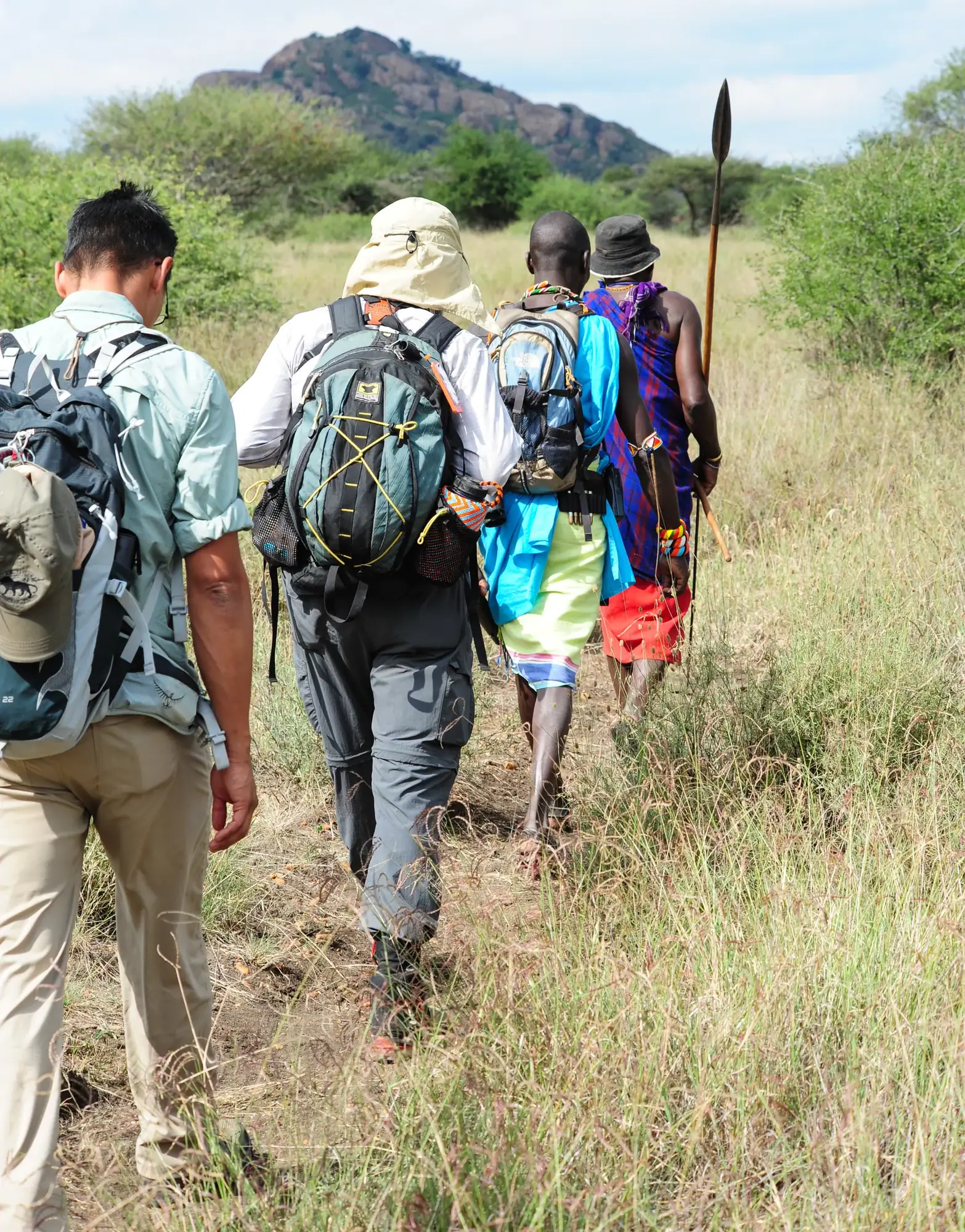
Cold, gear and timing
Summit night is below freezing, with a start in the small hours to reach Lenana for sunrise. You need a proper down jacket, a warm hat, gloves, a headlamp and boots that are already broken in. The best months are January to February and August to September; in the rains, summit night is cold, wet and miserable, and the views often disappear.
Costs and park fees
Trek packages generally cost about $800 to $1,500 per person, depending on route, days and group size. Mount Kenya National Park fees are about $80 per day for non-resident adults at the time of writing; our park fees page has the table. Guides and porters are mandatory on most routes, and they are the reason most people summit.
Insurance
Read the small print. Many travel insurance policies cap trekking cover at 3,000 or 4,500 meters, and Point Lenana is 4,985. Buy a policy that explicitly covers trekking above 4,000 meters, to the altitude you will reach, with helicopter or air evacuation included.
Preparing at home
- Train with a loaded daypack on long hill walks, ideally on back-to-back days, for at least two months before the trek.
- Break in your boots on those walks, not on the mountain.
- See a travel clinic six to eight weeks out about Diamox, vaccines and malaria pills for the safari days.
- Tell your guide company about any heart, lung or blood pressure condition before you book, not on the trail.
- Plan the safari first and the climb second, so you arrive at the trailhead already used to living above 1,500 meters.
For school and student groups
- Guide ratios: enough guides that anyone who turns back can go down with a guide, without stopping the group.
- A medical kit that includes a pulse oximeter, with someone trained to read it.
- A turnaround rule, agreed with parents in advance: a fixed time and a set of symptoms that mean down, no debate.
- Insurance for every student that covers trekking above 4,000 meters.
- Safari days before the climb, so the group sleeps at Nairobi or lodge altitude first.