Study in Kenya. Updated November 2026. 5 min read.
A high school trip to Kenya changes the students who take it and frightens the parents who sign for it. Both reactions are reasonable. Here is how we run these trips so that the first is true and the second is unnecessary.
Parents first, in plain words. Your child will be with named adults at all times, at a ratio of one adult to every six to eight students, including our staff. Chaperones are the same sex as the students they room near. There is no free time without an adult, no alcohol, and room checks every night. Students travel only in our own vehicles with our own drivers, stay in vetted lodges with fenced grounds, and are covered by AMREF Flying Doctors for medical evacuation, with a doctor on call. We plan the route around the U.S. State Department advisory and avoid the areas it lists. You get a message from the group every day.
A sample 10-day trip
Most of our school trips run 8 to 12 days over spring break or in June, with 12 to 25 students. They mix four things: a conservation or community project, a safari in the Mara or Amboseli, a day at a Kenyan school, and a cultural day. This is a typical shape.
| Day | Where | What students do |
|---|---|---|
| 1 | Nairobi | Arrive, meet the team, safety briefing, early night |
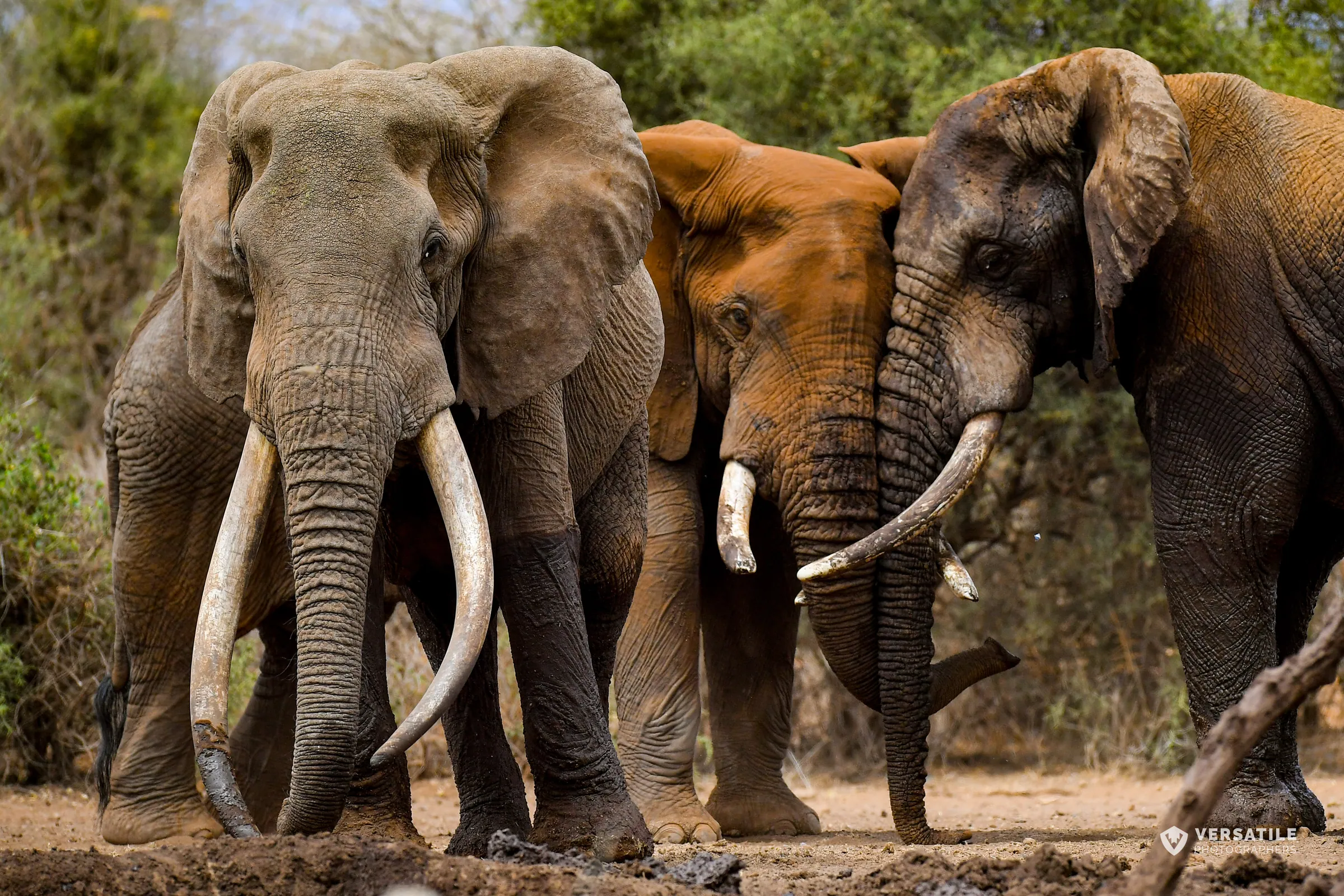
| 2 | Nairobi | Giraffe Centre, the Sheldrick Wildlife Trust's elephant nursery, the Nairobi National Museum |
| 3 | Nairobi area | School exchange day with a partner Kenyan school: shared classes, sport and lunch |
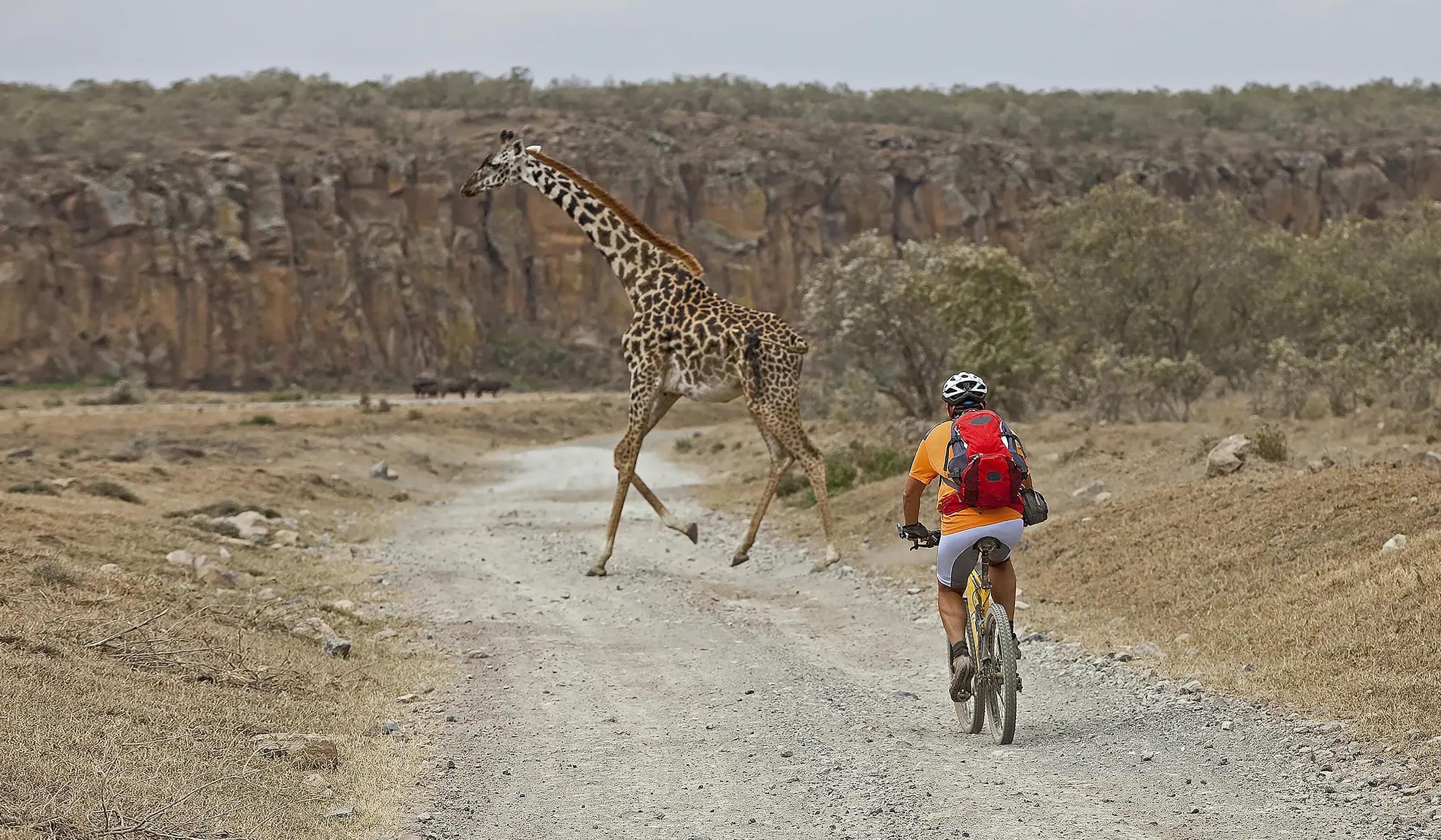
| 4 | Naivasha | Drive to the Rift Valley; cycle or walk with a guide in Hell's Gate |
| 5 | Naivasha | Conservation project chosen by the host community, such as tree planting, and an evening reflection |
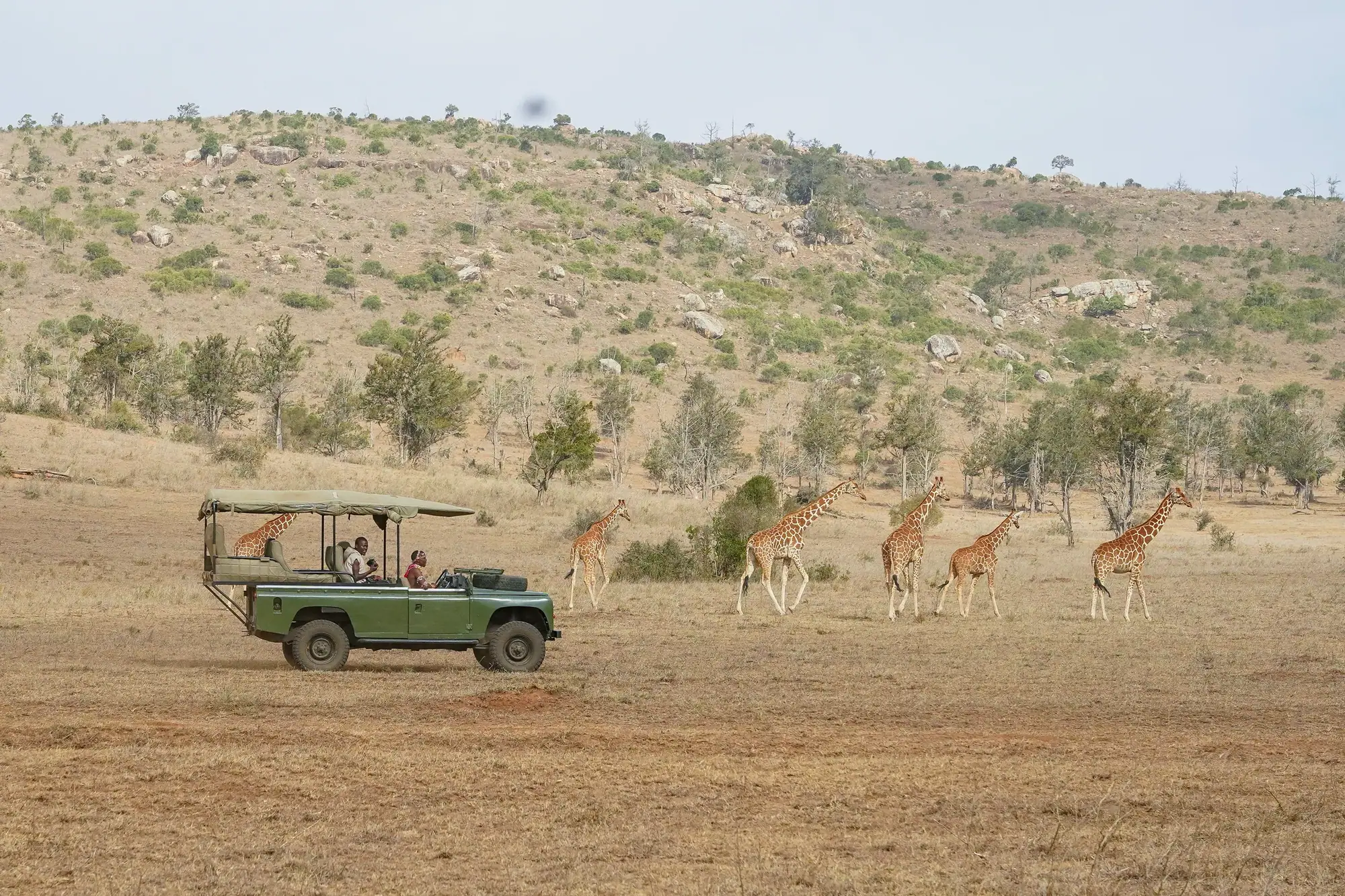
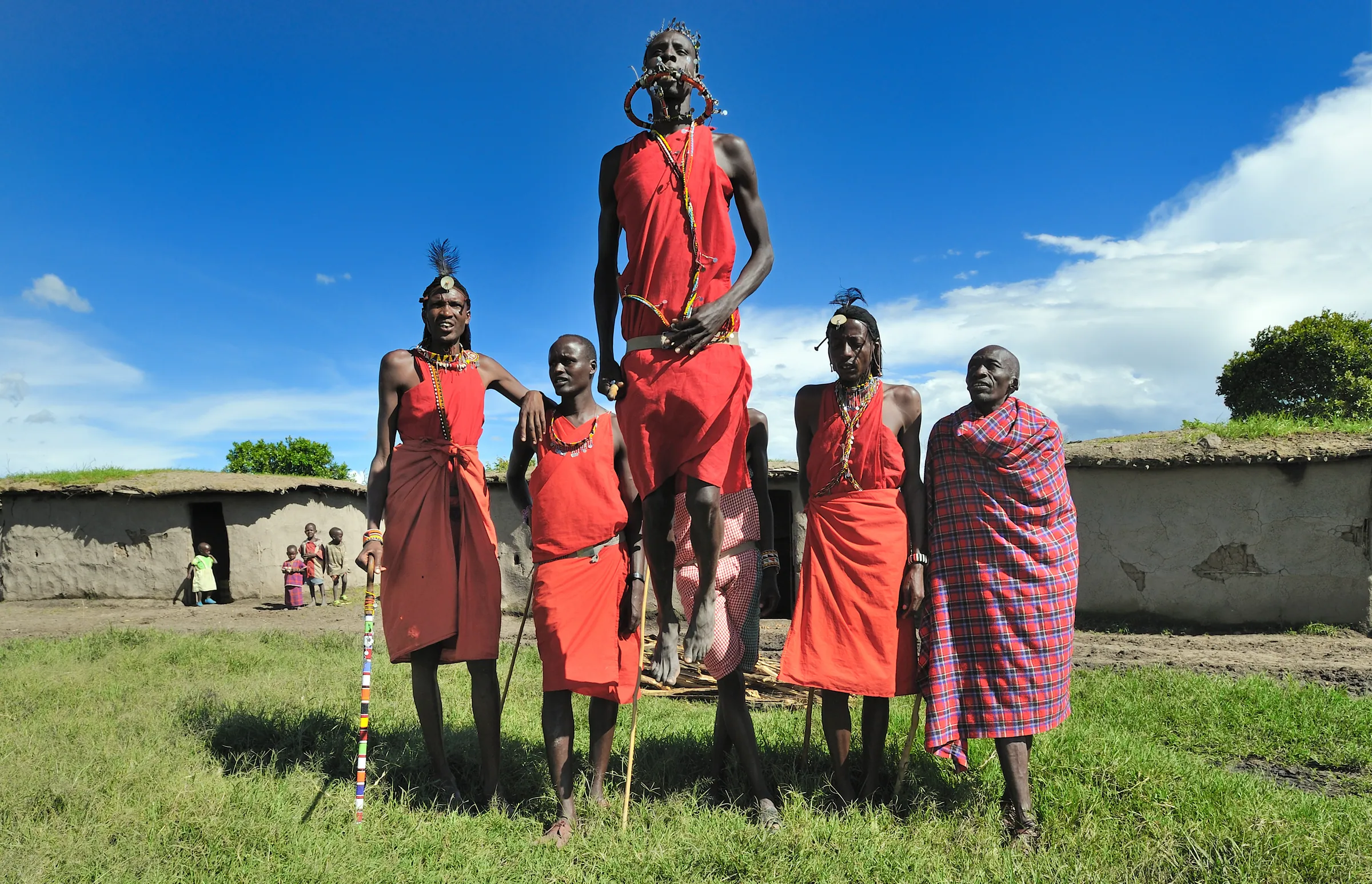
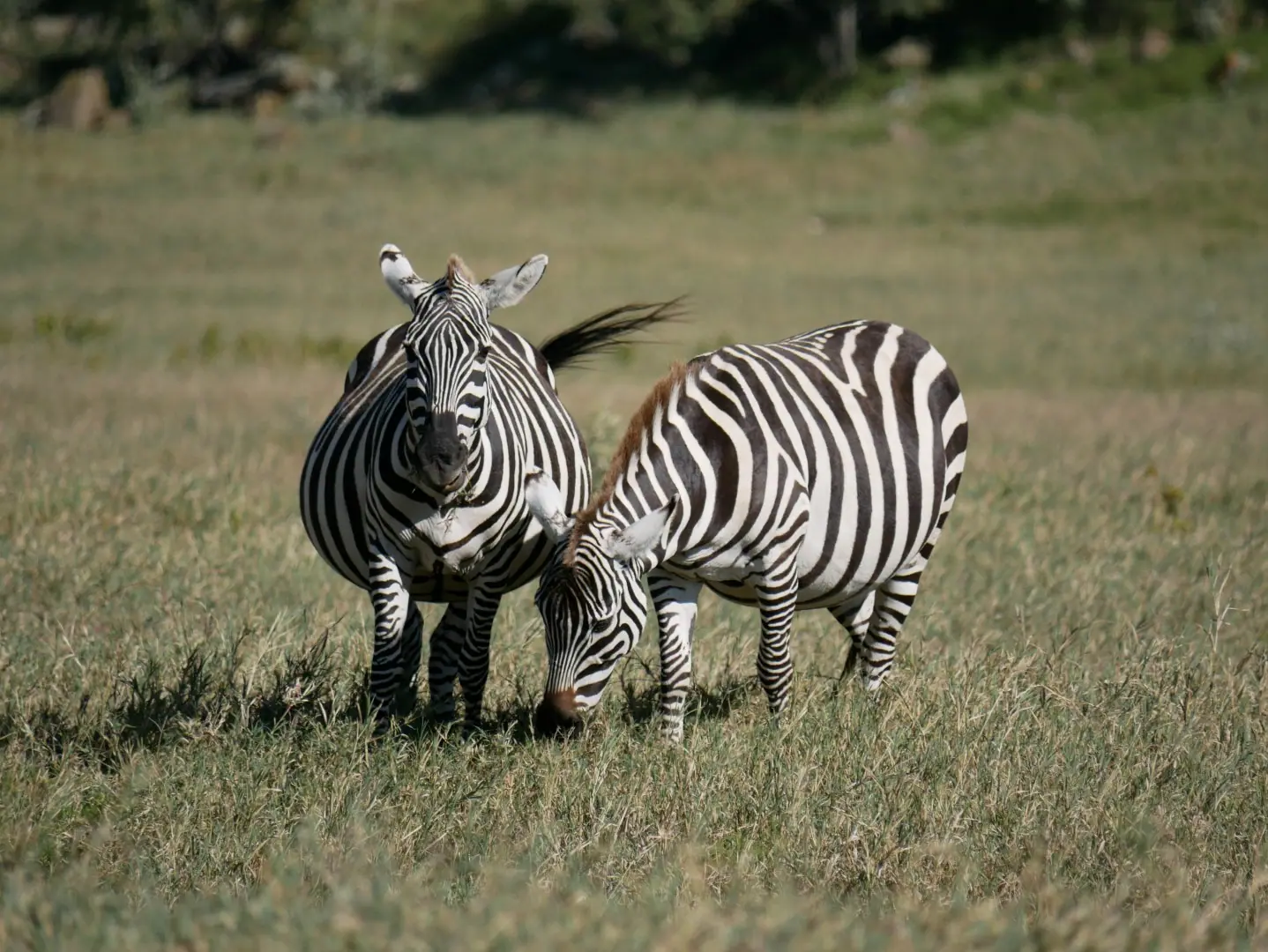
| 6 to 8 | Maasai Mara | Game drives, a ranger talk, and a hosted day with a Maasai community |
| 9 | Nairobi | Return, a market visit, the group's final reflection and dinner |
| 10 | Nairobi | Depart for home |
Supervision and safety: the checklist
- Named trip leaders from the school and from our team, introduced to parents before departure
- Adult-to-student ratio of 1:6 to 1:8, including our staff
- Same-sex chaperones, room checks every night, and no free roaming
- No alcohol for students, and a phone policy agreed with the school
- Our own vehicles and drivers, never public transport
- Lodges vetted for groups, with fenced grounds and night security
- First-aid-trained staff with the group, a doctor on call, and AMREF Flying Doctors evacuation cover
- Allergy and medication protocols: we collect medical forms and brief every kitchen and lodge
- A written emergency plan, shared with parents before departure
- A daily update to parents on WhatsApp
- A route reviewed against the current State Department advisory, with insurance that covers it
What it costs and how schools fund it
We quote each trip per student once we know the dates, the group size and the lodges, and we show every line: lodging and meals, transport, park fees, the project, staff and insurance. Student park fees are discounted with a school letter: at the Maasai Mara, students pay $50 a day at the time of writing, against $100 to $200 for adult visitors. International flights are separate; from New York, round trips usually cost about $900 to $1,600, and more in the July to September peak and December.
| Per student, on top of the trip price | Cost | Notes |
|---|---|---|
| International flight | About $900 to $1,600 | Group fares can be held early |
| Kenya eTA | $30 | Applied for by a parent for each minor |
| Inbound health insurance | $44 plus fees | Mandatory since October 2026, bought on eCitizen |
| Vaccines and malaria tablets | Varies | Through your family's travel clinic |
| Spending money and tips | Families decide | We give a suggested amount for tips |
Families can pay in full or in monthly installments with no deposit, which spreads the cost over the school year. Many groups also fundraise together, and for Kenyan-American students and their peers, our KESCA program offers sponsorships and partial scholarships: ask us.
What students actually learn
We build each trip around the school's curriculum: biology and ecology on game drives and the conservation project, geography in the Rift Valley, global studies and economics in Nairobi and at the partner school, and Kiswahili every day. Each student keeps a reflection journal, and we document service hours for schools that require them. The thing teachers mention most, though, is the school exchange day: students learn most from their Kenyan peers.
How we do community visits
- No orphanage visits, ever; our story on orphanages explains why
- School visits happen only with the school's consent, and run both ways: our students join classes, sport and music, not a tour
- Projects are chosen and supervised by the host community, never unskilled work with children
- Students ask before photographing anyone, and do not post photos of Kenyan children online
- Community fees are agreed in advance and paid directly
The paperwork timeline
| When | What families do |
|---|---|
| 6 months out | Check passports: each must be valid for at least six months after the return date |
| 8 weeks out | Travel clinic visit for vaccines and malaria tablets |
| 4 to 6 weeks out | Medical and consent forms to us; a consent letter if the student is not traveling with both parents |
| 2 to 4 weeks out | A parent applies for the eTA for each minor; buy the $44 inbound health insurance on eCitizen |
| 1 week out | Pre-departure meeting: packing, phone policy, the emergency plan |
Before you fly: preparing students
We run a pre-departure meeting for students and parents a week or two before the trip. Students learn a few dozen Kiswahili words, read about the communities and parks they will visit, and agree the group rules. We go through packing, including modest clothes for the school day and the cultural visit, warm layers for early game drives, and a 15 kg soft bag if the group flies to the Mara. Families get the full contact list, the emergency plan and the daily schedule.
For teachers: proposing the trip
Most schools ask for the same things: learning goals, an itinerary, a safety plan, a cost per student and a fundraising plan. We write the first draft of each with you, join a call with your principal or board if it helps, and run an information evening for parents. Send us your dates and a rough number of students to start.