Study in Kenya. Updated November 2026. 6 min read.
HBCU students and faculty have been coming to Kenya for decades, on faculty-led courses, alumni journeys and semester programs, and the reasons go deeper than a safari. Kenya's independence generation was shaped on American campuses. Its capital is a Black-led city of more than four million people where a student from Atlanta or Baltimore is simply another young person in the crowd. We build programs that pair the academic subject with that story: the Kenya Airlift, the leaders who came home to build a country, and the Black Americans who live and work in Nairobi today.
In short: an HBCU program in Kenya is a two-week course in a subject such as public health, business, journalism or political science, with the Pan-African and Airlift history threaded through it rather than added as a sightseeing day at the end. Most run 10 to 14 days. Students can fund a large share through the Gilman Scholarship, the Fund for Education Abroad and their own institution's grants, and families can pay monthly. Our faculty-led and study-abroad pages cover logistics, compliance and costs in detail; this page is about what makes an HBCU program in Kenya different, and how to build one.
What Kenya is, and what it is not
Be clear with students from the first information session. DNA ancestry for most African Americans points to West and Central Africa, not to Kenya. Kenya's coast was part of a different trade, across the Indian Ocean. So this is not a roots trip in the Ghana sense. What Kenya offers is belonging and shared history: a nation whose founders worked alongside Black American activists, a modern economy run by Kenyans, and a welcome that is often put in two words, karibu nyumbani, welcome home. Saying this plainly earns trust, and students tend to find the real story more interesting than the myth. Our heritage travel page tells it at length.
The heritage threads, and where students stand in them
- The Kenya Airlift, 1959 to 1963: the labor leader Tom Mboya worked with American supporters, the Kennedy family among them, to fly hundreds of East African students to U.S. colleges. Barack Obama Sr. and Wangari Maathai were of that generation. Students stand at Mboya's memorial on Moi Avenue and in the Nairobi National Museum.
- The Pan-African years: Jomo Kenyatta attended the 1945 Pan-African Congress in Manchester with W.E.B. Du Bois and Kwame Nkrumah, and Malcolm X visited Nairobi in 1964, months after independence. A Kenyan historian walks the group from Uhuru Gardens, where the flag first rose, to the Kenyatta mausoleum.
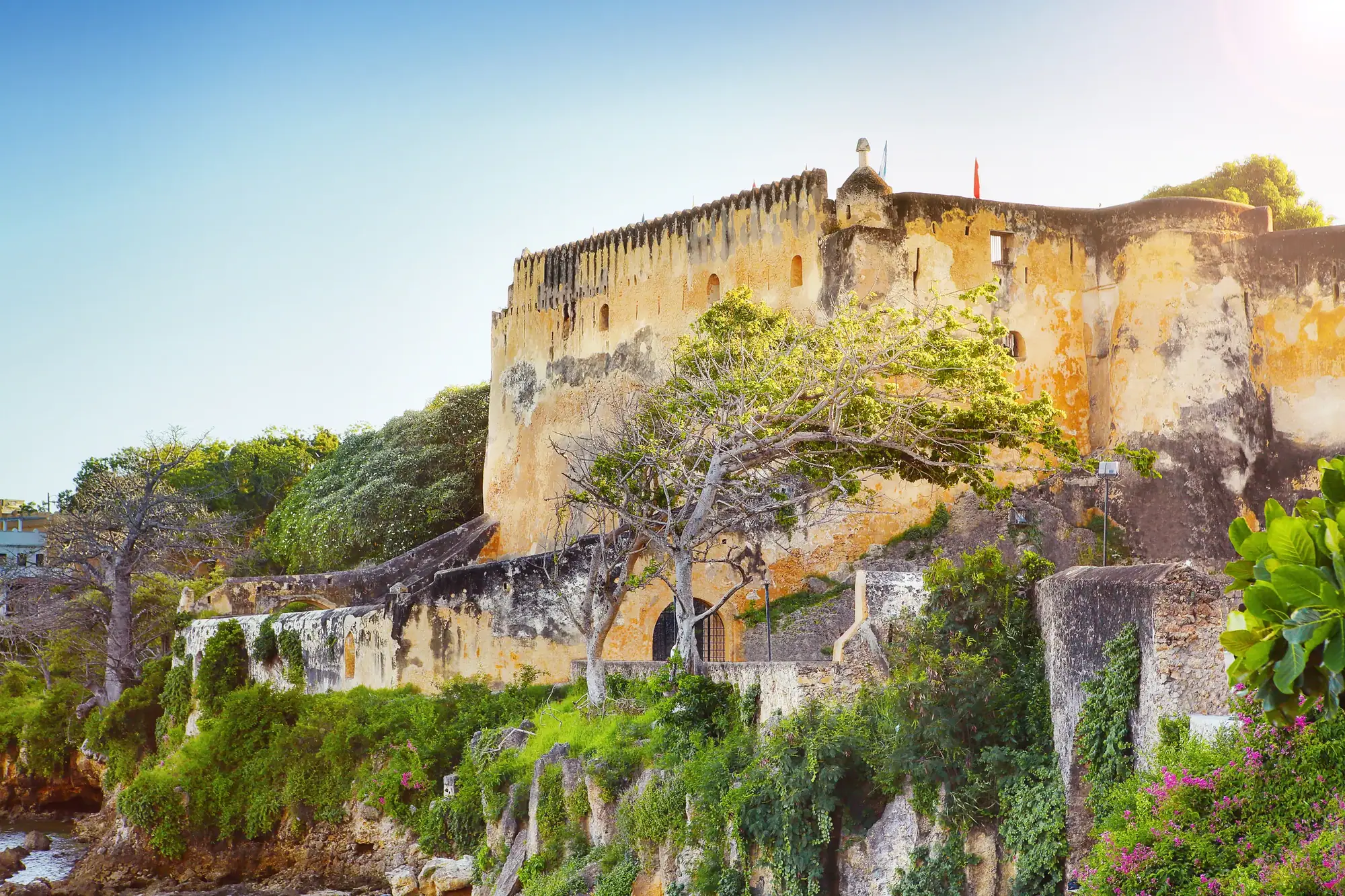
- The Indian Ocean trade and freedom: Fort Jesus in Mombasa tells four centuries of contest over the coast, and Frere Town was founded in 1875 for people freed from slave ships. Rabai, inland, was Kenya's first Christian mission in 1846.
- Wangari Maathai: an Airlift-generation scientist who founded the Green Belt Movement and won the 2004 Nobel Peace Prize. Karura Forest, which she fought to save, is a morning walk.
- Shared grief: the August 7th Memorial Park in central Nairobi marks the 1998 bombing of the U.S. Embassy, in which Kenyans and Americans died together.
- Black Nairobi today: entrepreneurs, NGO staff, artists and retirees from the U.S. who have made Nairobi home. An evening panel with a few of them is often the session students talk about most.
Subjects that fit, and how the heritage thread runs through each
| Subject | Where | The heritage thread | Typical learning |
|---|---|---|---|
| Public health | Nairobi and Kisumu | Building a health system after independence; community health in Luo country | County health facilities, community health volunteers, malaria and maternal health |
| Business and entrepreneurship | Nairobi | Mobile money and a Black-led consumer market of about 50 million people | Founder sessions, a mobile-money case, the informal economy |
| Journalism and media | Nairobi | A press that covered the independence struggle and now covers a region | Newsroom visits, a reporting project, press freedom in context |
| Political science | Nairobi and a county | From the independence constitution to the 2010 constitution and 47 counties | Parliament and county government, devolution, elections |
| History and African studies | Nairobi and the coast | The Airlift, Pan-Africanism, the Swahili coast | Museum and archive work, oral history with elders |

A sample 12-day program
This shape works for most subjects: five days of city learning in Nairobi, two days on a Maasai Mara conservancy for land, livelihoods and wildlife, then the coast for the Indian Ocean story and time to write. Swap the subject days for your syllabus.
| Day | Where | Academic | Heritage |
|---|---|---|---|
| 1 | Nairobi | Arrive at JKIA, transfer, welcome dinner | A Kenyan elder or historian at dinner |
| 2 | Nairobi | Orientation, safety briefing, Kiswahili survival class | National Museum and Mboya's memorial |
| 3 | Nairobi | Subject site visits, day one | Evening panel with Black Americans living in Nairobi |
| 4 | Nairobi | Exchange with students at a Kenyan university | Uhuru Gardens and the independence story |
| 5 | Nairobi | Subject site visits, day two | August 7th Memorial Park; Karura Forest walk |
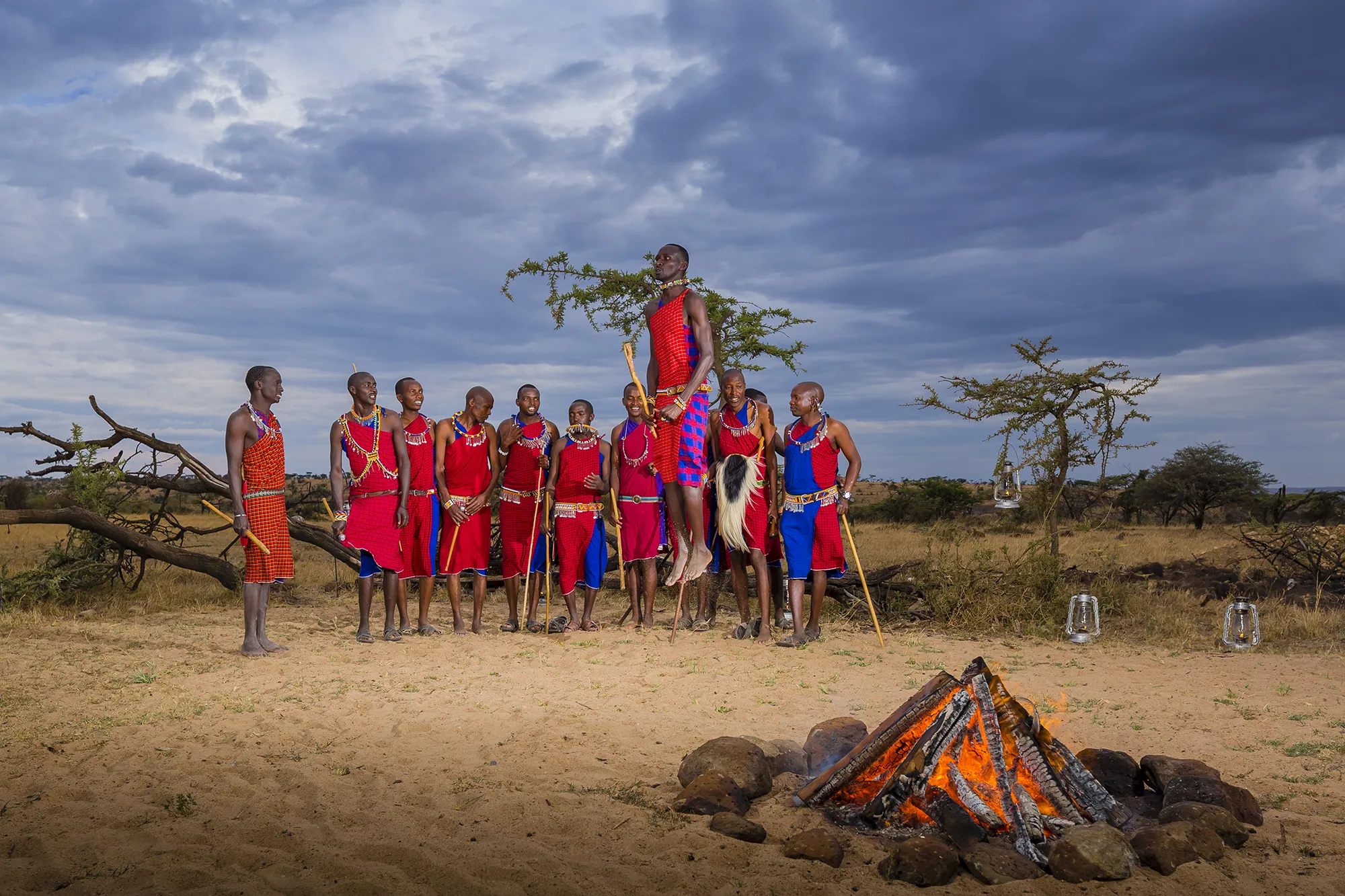
| 6 to 7 | Maasai Mara | Fly in; conservancy economics and community land | A day hosted by a Maasai community on its conservancy |
| 8 | Mombasa | Fly to the coast, usually via Nairobi | Old Town walk with a local guide |
| 9 | Mombasa | Coast subject visit, such as the port or county health | Fort Jesus and Frere Town |
| 10 | Diani | Writing day and small-group reflection | Rabai or the Shimoni caves, by group choice |
| 11 | Diani | Student presentations | Closing ceremony with hosts |
| 12 | Nairobi | Fly to Nairobi, evening flight home |
Funding: how students pay for it
Cost is the biggest reason HBCU students do not study abroad, so build the funding plan into recruitment from the first week. Ground costs for faculty-led programs in Kenya commonly run about $3,500 to $6,500 per student for two to four weeks, plus international airfare; our faculty-led page breaks that down. The funds below are the ones students use most. Award rules change every cycle, so check each program's site before you promise anything.
| Fund | Who it is for | What to know |
|---|---|---|
| Gilman International Scholarship | U.S. undergraduates receiving a Federal Pell Grant | Awards of up to $5,000, with extra support for critical need languages, a list that has included Swahili; minimum program lengths apply |
| Fund for Education Abroad | Students underrepresented in study abroad, including first-generation students | Award amounts depend on program length; deadlines fall well before departure |
| Provider and partner initiatives | Students at HBCUs and other minority-serving institutions | CIEE and other organizations have run HBCU-focused grants; ask your study-abroad office what is open this year |
| Your institution | Enrolled students | Study-abroad grants, departmental funds and alumni-chapter scholarships |
| Monthly payments | Every student and family | Pay us in full or in monthly installments with no deposit, which spreads the cost across the semester |
Alumni chapters and Divine Nine trips
Not every HBCU trip is for credit. Alumni associations, Divine Nine chapters and HBCU parent groups travel to Kenya for the same history with more time on safari and on the coast. Our 10-day heritage trip is the starting point, priced on the heritage trip page, and we add what a chapter wants: a service day with a partner organization, a networking evening with Kenyan professionals, a Sunday service, or a visit to a Kenyan university. Each member books and pays their own way through a group link.
What your study-abroad office will ask
The same things it asks any provider: how the program meets the Forum on Education Abroad's Standards of Good Practice, the emergency action plan, medical evacuation cover, conduct and Title IX reporting lines, and the written risk assessment for each day of the itinerary. Many institutions also have their own approval step for international travel, so raise the program with your office early. Our school trip safety page sets out our supervision, health, insurance and communication framework, so your risk committee can read it before the first call.
Start a conversation
Send us your subject, learning outcomes, likely dates and a rough number of students. We reply with a draft itinerary that pairs your syllabus with the heritage threads, the Kenyan hosts we would approach, and an itemized per-student budget your office can take to the dean.