Itineraries. Updated November 2026. 4 min read.
Ten days, three Kenyas: the Nairobi that shaped the Airlift generation, the Maasai land where the welcome is a ceremony, and the Swahili coast whose history the Atlantic story leaves out. This is the bookable trip behind our heritage travel page, with the days, the flights and a price per person you can plan around.
It starts at about $4,800 per person sharing, mid-range, excluding international flights, with a group rate for 12 or more. It is a sample route we tailor to you, not a fixed departure: families shape it around their own story, and groups add the speakers, church visits or service days that matter to them. If you want the background first, start with our heritage travel hub and come back here for the plan.
Who this trip is for
- African American families who want a first trip to the continent with history, people and wildlife in balance
- Churches, alumni associations, sororities and fraternities looking for a trip with meaning and a safari
- Travelers who have done Ghana or Senegal and want the East African and Indian Ocean side of the story
- Anyone curious about the Kenyan students who came to American colleges in the Airlift years
Why this route
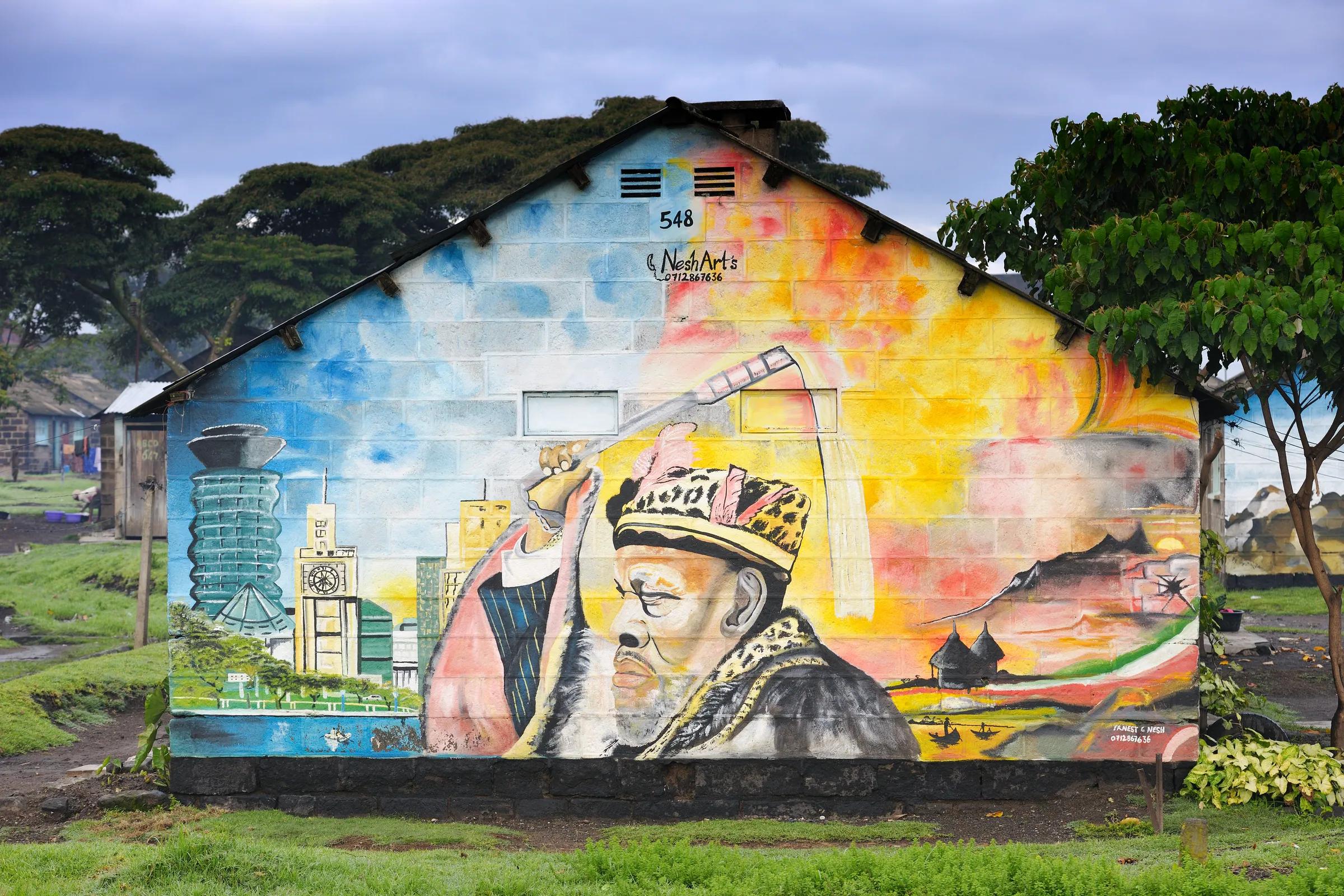
We begin in Nairobi because modern Kenya and Black America are linked there. Between 1959 and 1963, the student Airlift organized by Tom Mboya sent young East Africans to American colleges; Wangari Maathai was among them, and Barack Obama Sr. left for the University of Hawaii in the same years. Many came home to build the new nation. Two days in Nairobi let you see that history and the city it made, with a Kenyan historian as your guide.
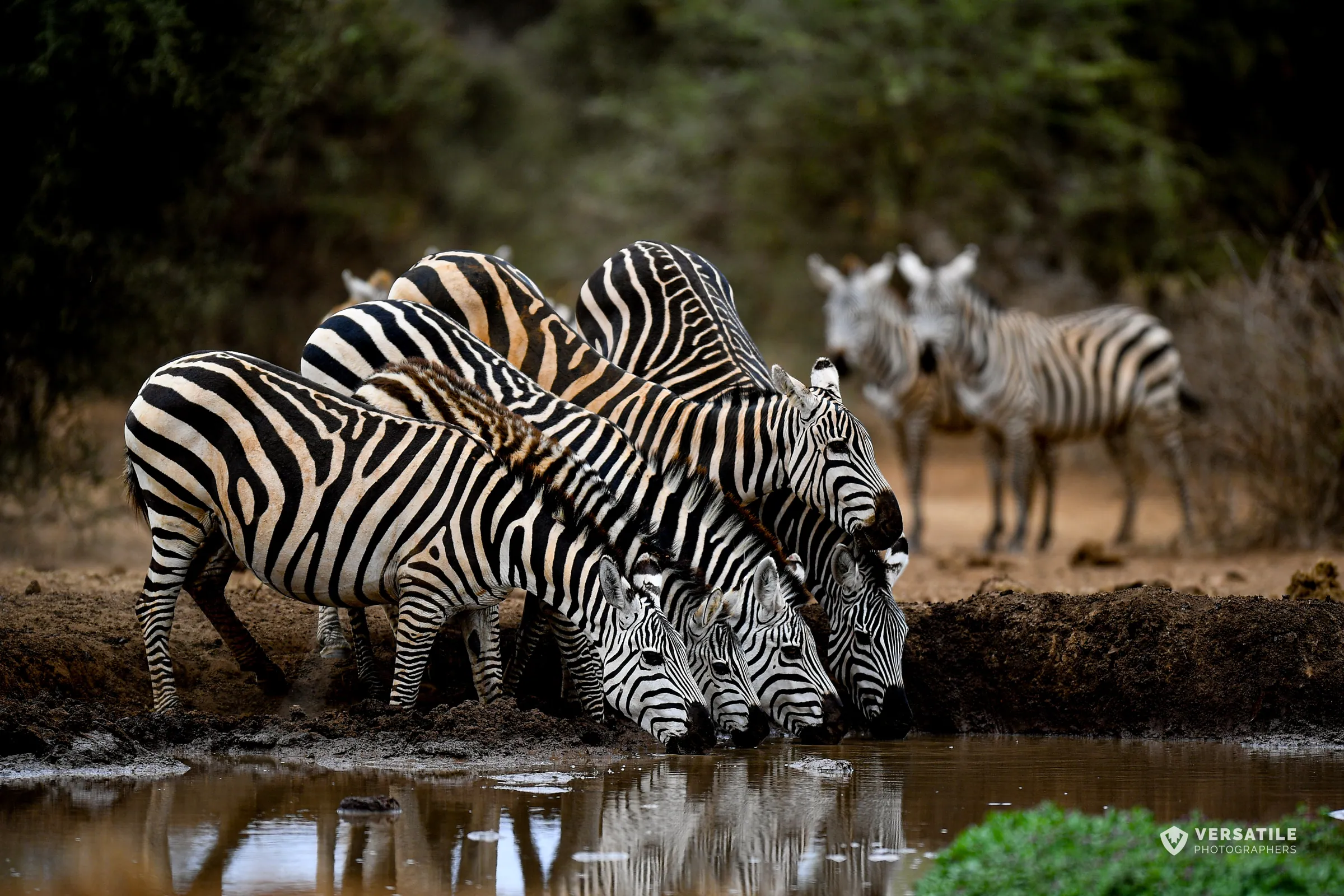
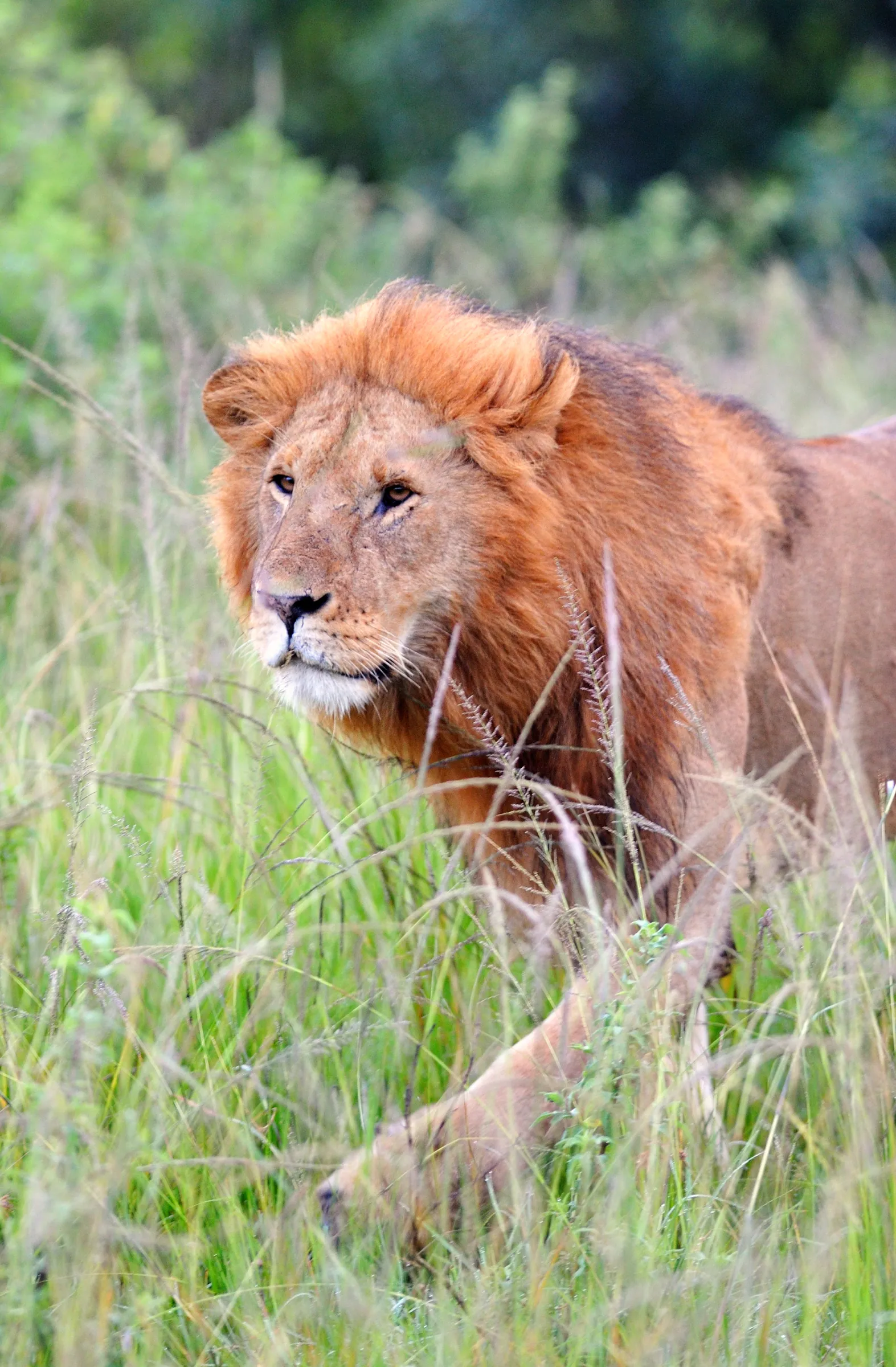
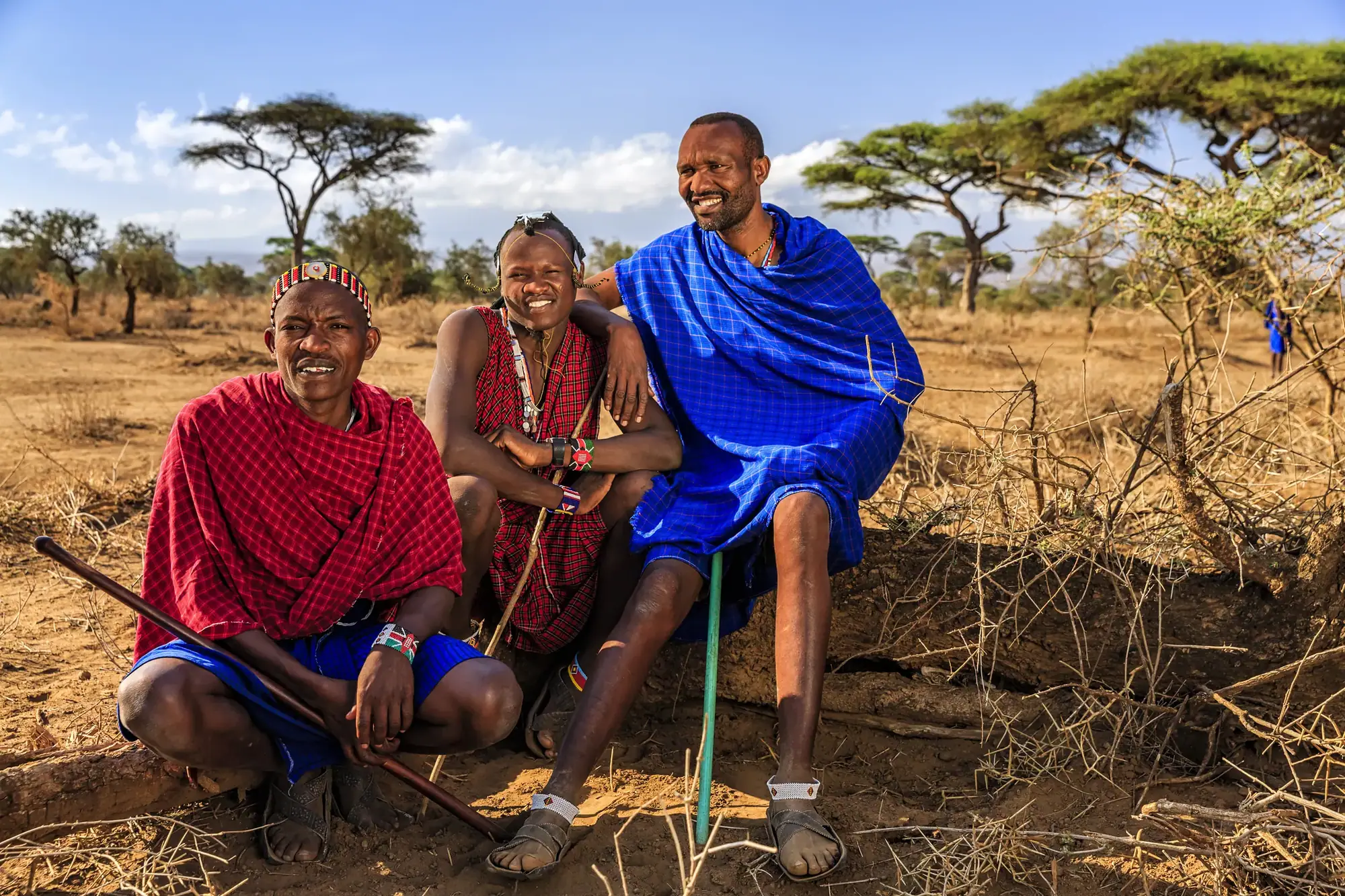
The Mara comes next, but not only for the game drives. We spend a full day with a Maasai community on a conservancy, land the community owns and leases for conservation, so the welcome you receive is theirs to give and the fees you pay go to them. Then we fly to the coast for the history most heritage trips never reach: the Indian Ocean slave trade, the freed people who founded Frere Town in Mombasa, the caves at Shimoni, and the Swahili culture that grew from centuries of trade across that ocean.
The history on this trip
| Place | What it tells | On this trip |
|---|---|---|
| Nairobi National Museum | Kenya's peoples, the colonial era and the road to independence in 1963 | Day 2 |
| Kenyatta mausoleum, Parliament grounds | Jomo Kenyatta, Kenya's first president | Day 2, seen from outside with your guide |
| Tom Mboya memorial, Moi Avenue | The trade unionist and minister behind the Airlift | Day 2 |
| Nairobi Railway Museum | The railway that built Nairobi, and the labor behind it | Day 2 |
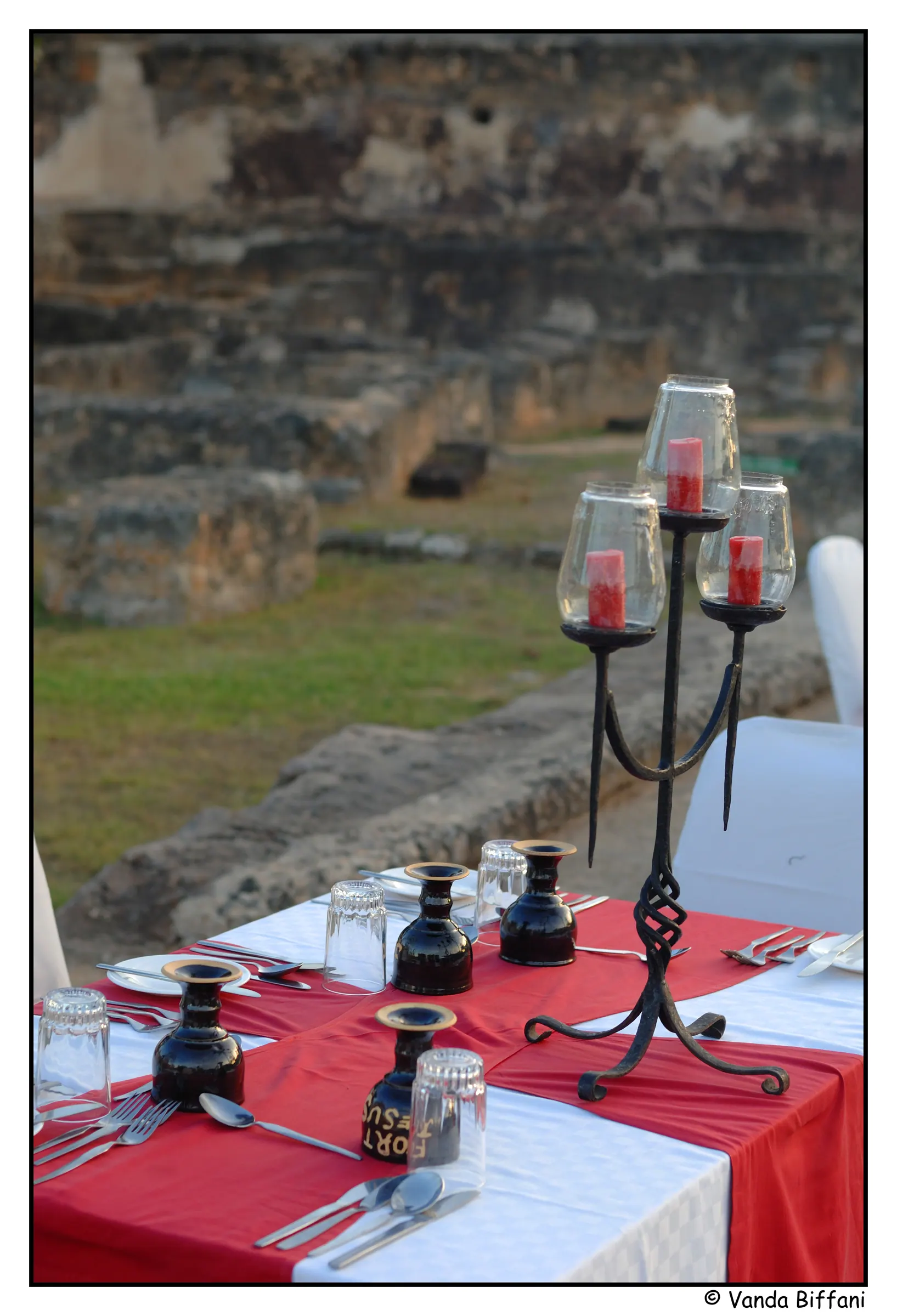
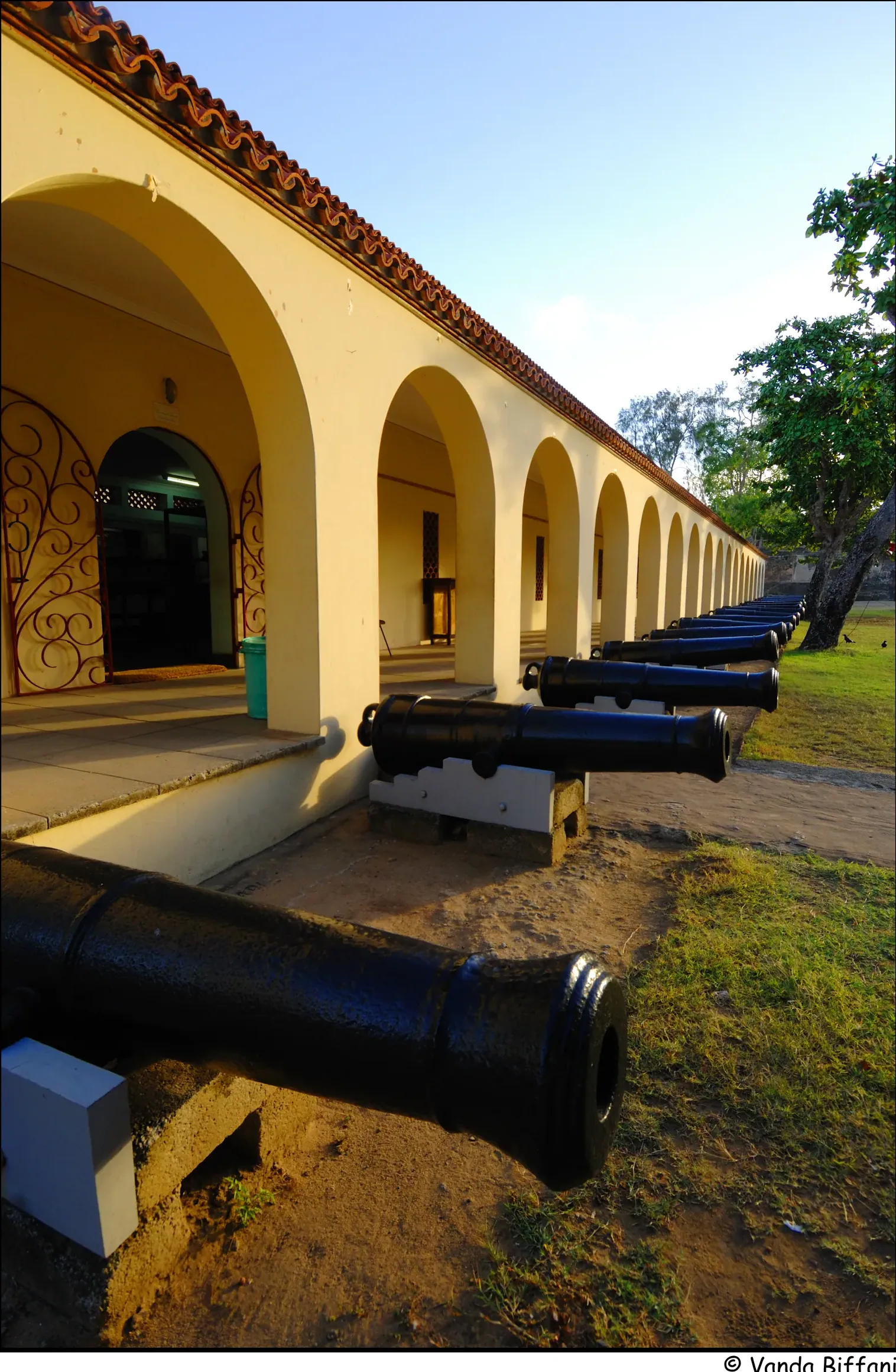
| Fort Jesus and Mombasa Old Town | Portuguese, Omani and Swahili power on the coast | Day 7 |
| Frere Town | A settlement founded in the 1870s for people freed from slave ships | Day 7 |
| Shimoni caves | Caves that local tradition says held captives before shipment | Day 8 |
| Kaya Kinondo | A sacred Mijikenda forest, part of a UNESCO World Heritage site | Day 9, optional |
How we do community visits
Ceremonies and community visits on this trip are paid, consented and led by the community. The Maasai welcome ceremony happens where the community offers it, not on demand. We do not include orphanage visits on any trip. Ask before you photograph anyone, and accept a no. Your quote shows the community fee as its own line, and we tell you which community and which fund it goes to. Our sustainable travel page explains how we choose partners.
Swaps and additions
- Add Lamu for two nights of Swahili stone-town life without cars; check the advisory note first
- Add a service or school visit arranged with a Kenyan partner school, for church and alumni groups
- Add Amboseli for elephants under Kilimanjaro before the Mara
- Diaspora families: add a home-county stay; our diaspora page explains how
- Drive to the Mara instead of flying to lower the price; it is 5 to 6 hours each way
When to go
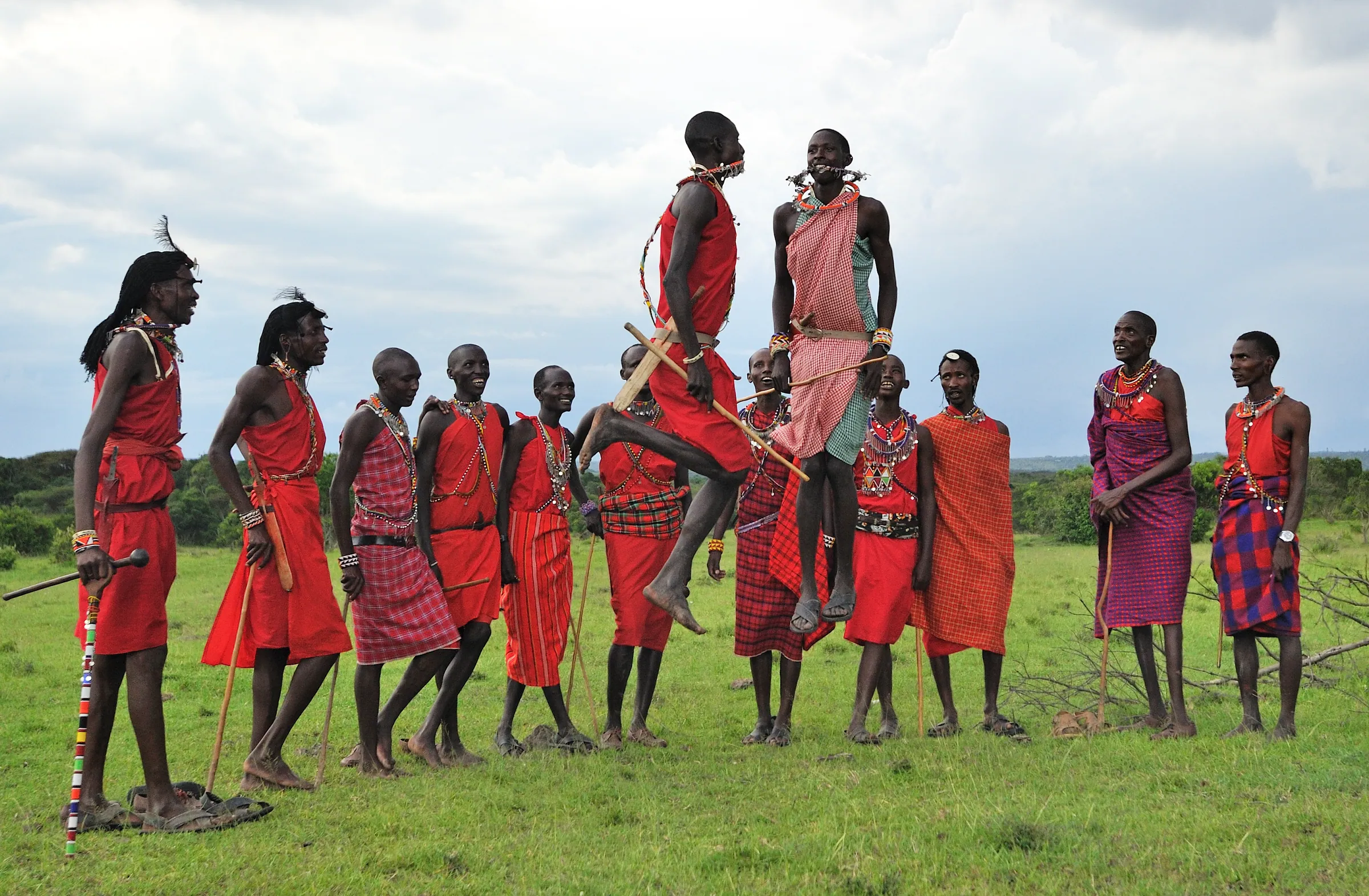
June to October and January to March are the best months: dry on safari and on the coast, with the wildebeest migration usually in the Mara from about late July. Groups often travel in summer, so book those months early. December is busy and festive, which suits some groups and not others. Avoid April and May, the long rains, when roads and some coast hotels are at their worst.
What is included
- All transfers and three internal flights: Nairobi to the Mara, the Mara to Mombasa, and the coast back to Nairobi
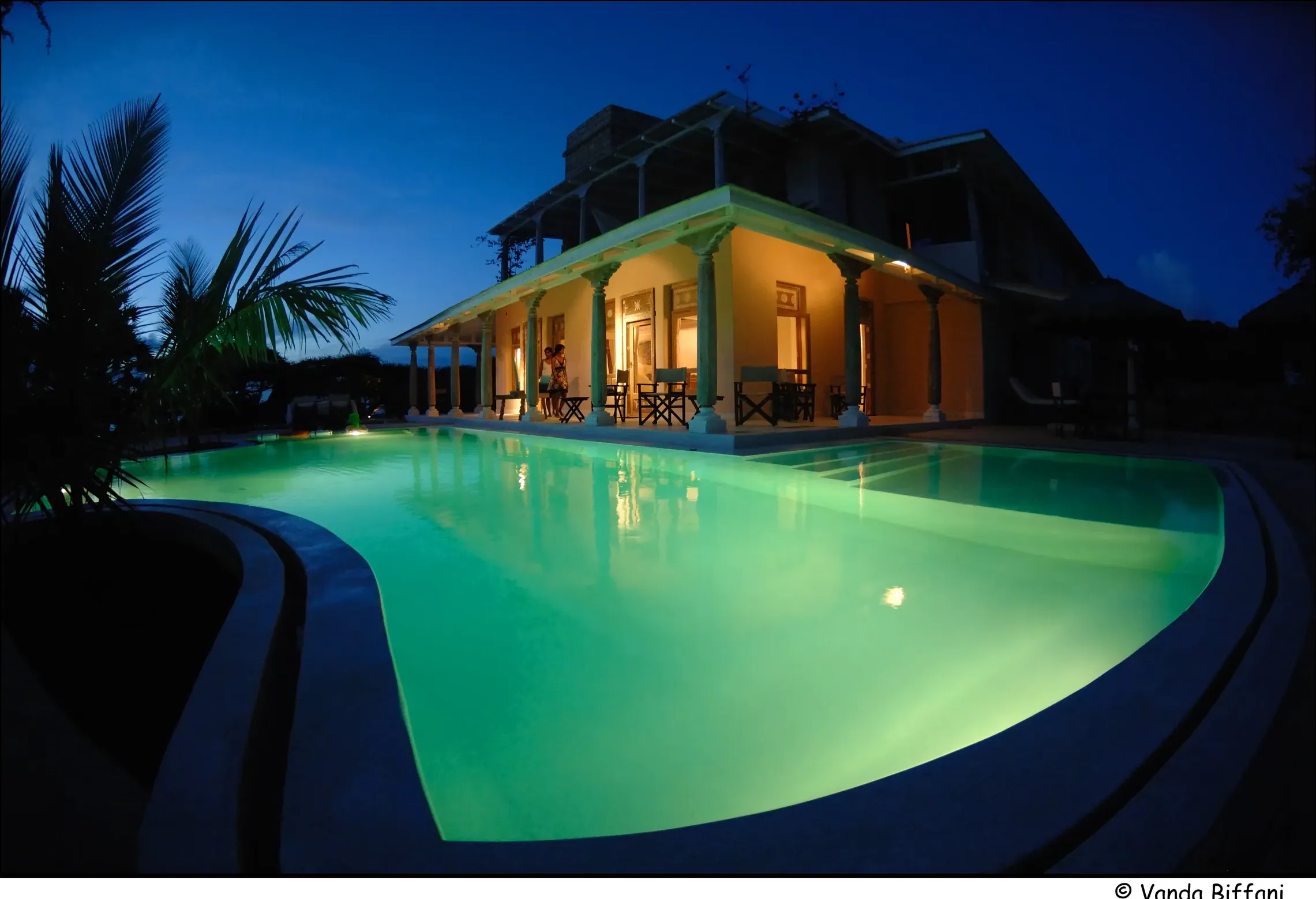
- Nine nights in the tier you choose, full board in the Mara
- A Kenyan historian for the Nairobi history day, and local guides at Frere Town, Fort Jesus and Shimoni
- The community conservancy day and its community fee
- Game drives, park and conservancy fees, entry to museums and sites on the plan
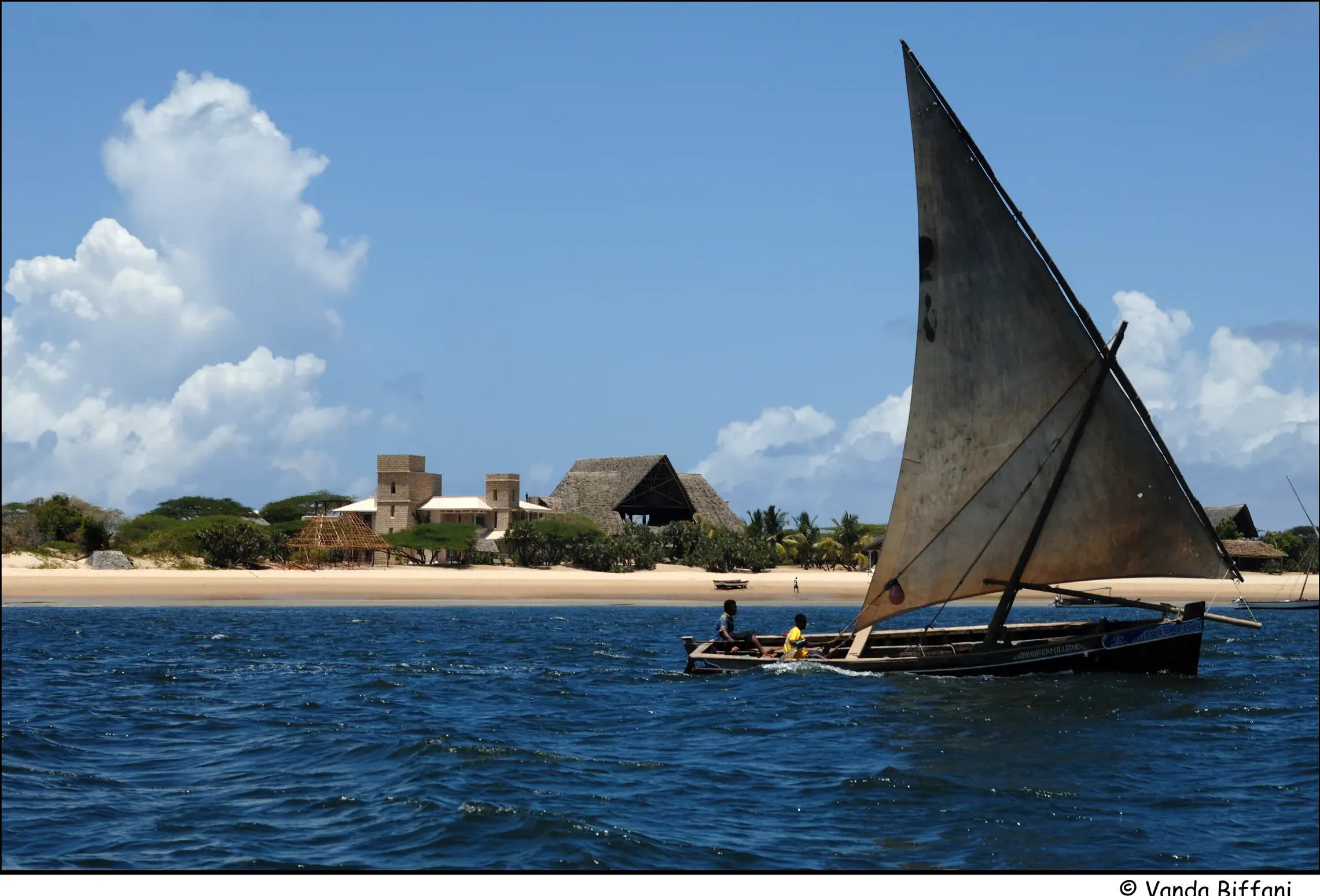
- The Kisite-Mpunguti dhow trip with lunch on Wasini
- The welcome dinner, and our 24-hour support
What is not included
- International flights
- Kenya eTA, vaccinations and travel insurance
- Optional extras: the Mara balloon flight, Kaya Kinondo, spa treatments
- Tips for guides and hosts
- Drinks and personal items
How to book
Tell us who is traveling, when, and what part of the story matters most to you. We tailor the days, confirm the community hosts, historians and site access for your dates, and send a written quote with every fee. Fees and fares change, so we price on the day. You can pay in full or monthly with no deposit, which makes it easier for group members to save toward the trip. Groups of 12 or more get a group rate, and we can run the trip as a private group on the dates you choose; our group trips guide explains how group planning works.