The coast. Updated November 2026. 5 min read.
Mombasa is older than Nairobi by roughly 800 years. It has been Portuguese, Omani and British, and it still smells of cloves, diesel and the sea. Most visitors drive straight through it on the way to the beach. Give it one day and it will give you Fort Jesus at sunset, a walk past the carved doorways of Old Town and the best biryani in Kenya.
Mombasa is Kenya's second city and its main port, an island at the heart of a metro area of about 1.3 million people, joined to the mainland by bridges, a causeway and the Likoni ferry. For most travelers it is a one-day city: a morning at Fort Jesus and in Old Town, lunch, an afternoon at Haller Park or in the markets, and dinner on the water, before moving on to Diani, Tsavo or the north coast. That one day is worth taking. This page covers what to do, where to eat, how to get here and how Mombasa fits into a wider trip; for the coast as a whole, see our coast region page.
Why Mombasa is worth a day
The beach towns show you the Indian Ocean. Mombasa shows you the Swahili coast as a living place: a working port, mosques and Hindu temples a few streets apart, and a food culture shaped by centuries of trade with Arabia, India and Persia. If you want to understand why the coast feels so different from the rest of Kenya, start here, and be honest with yourself about the time: one well-planned day is enough for most trips, and better than three days of half-hearted wandering.
Five things to do in Mombasa
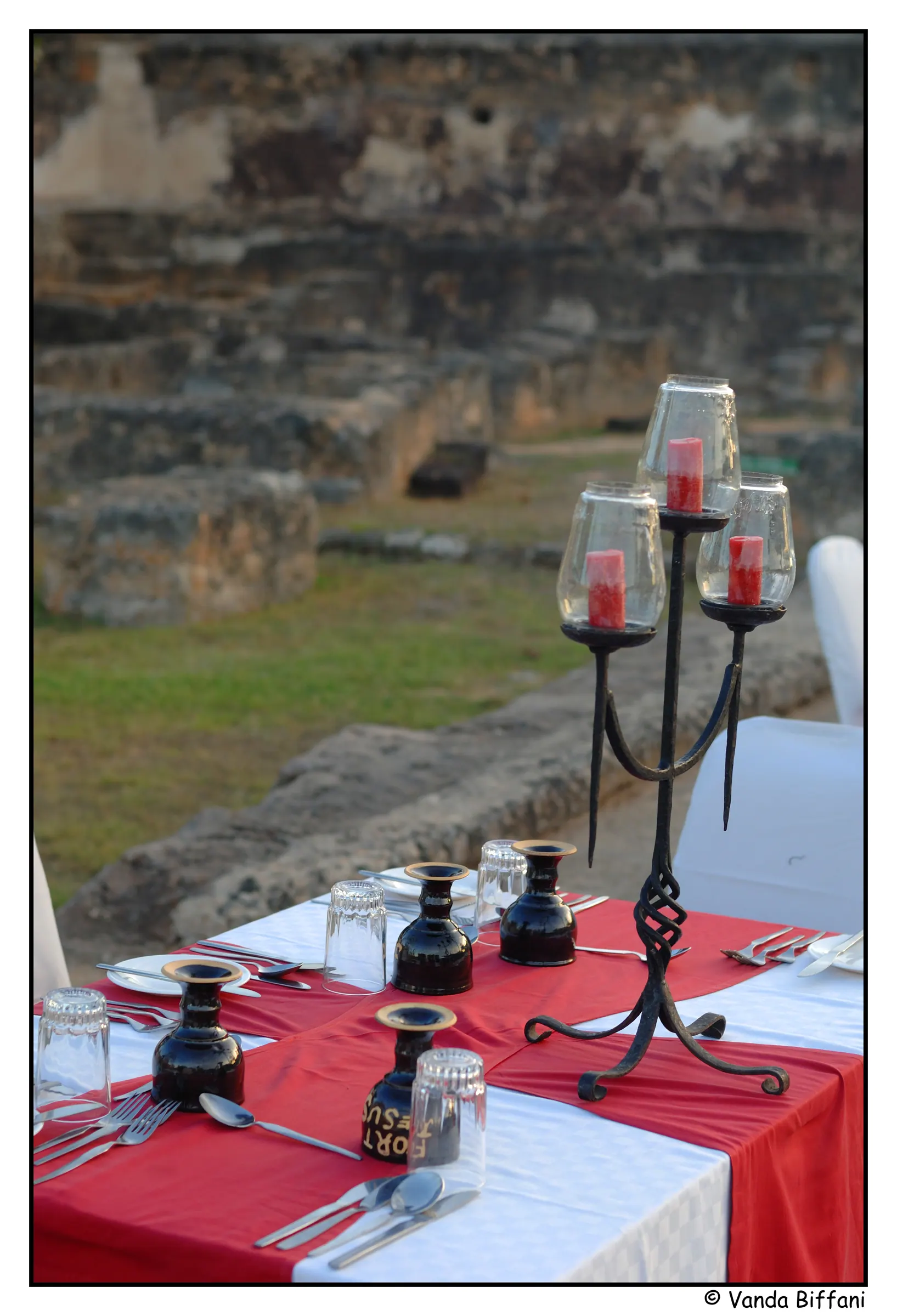
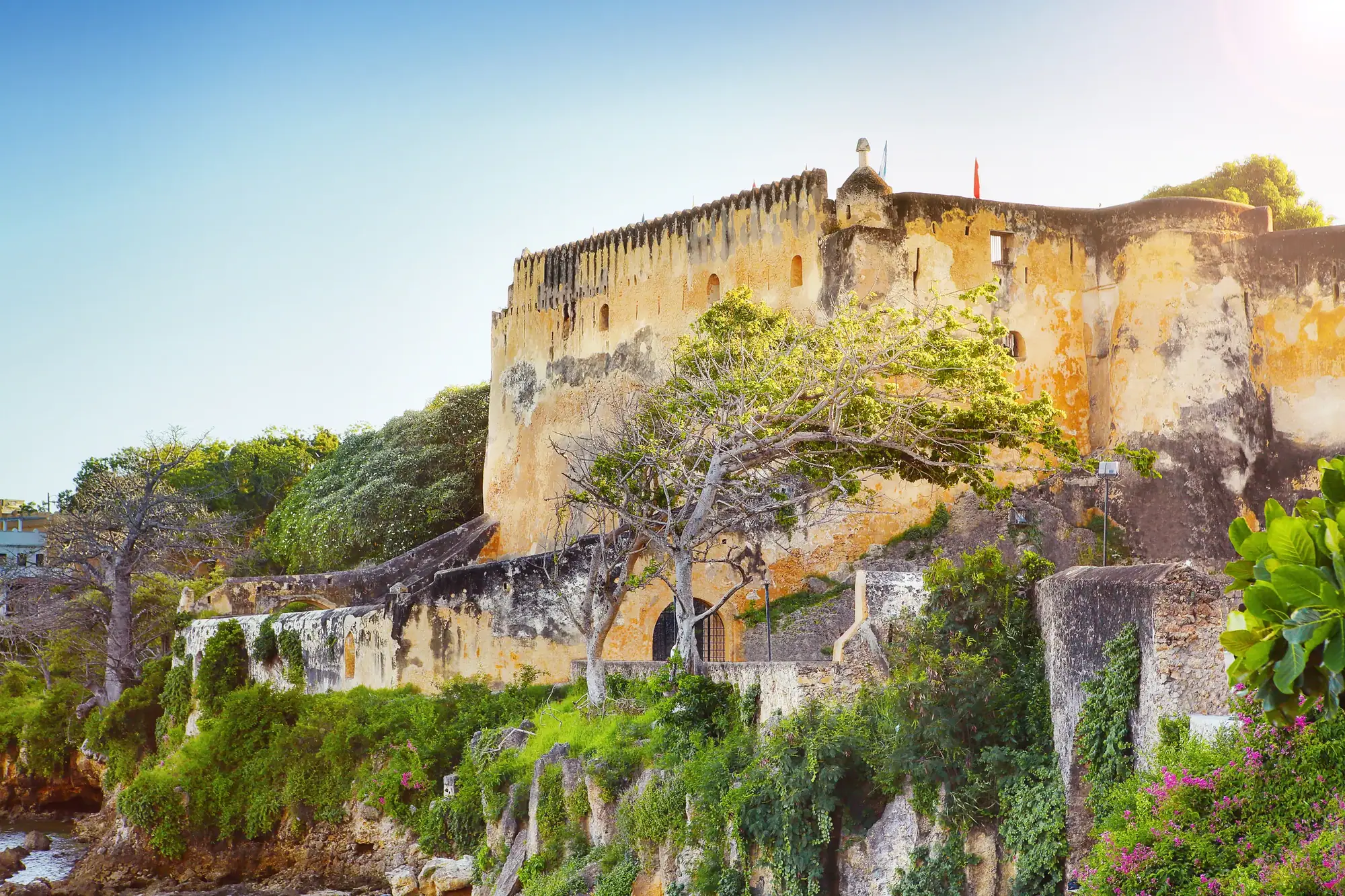
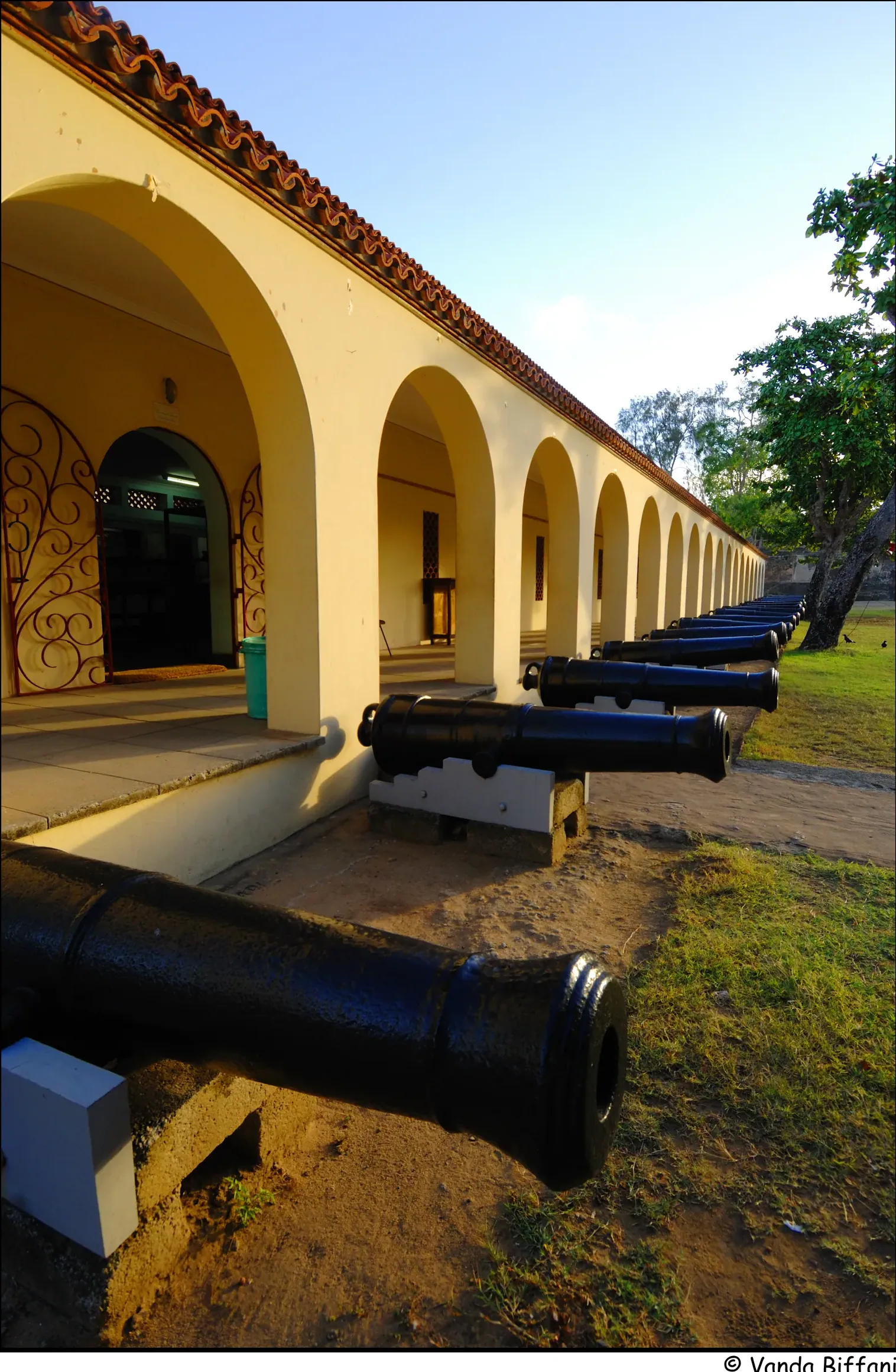
- Fort Jesus: built by the Portuguese between 1593 and 1596 and a UNESCO World Heritage Site since 2011, with a museum, ramparts and views over the old harbor; it opens at 8am, non-resident entry is KSh 1,200 at the time of writing, and on some evenings it hosts a sound-and-light show
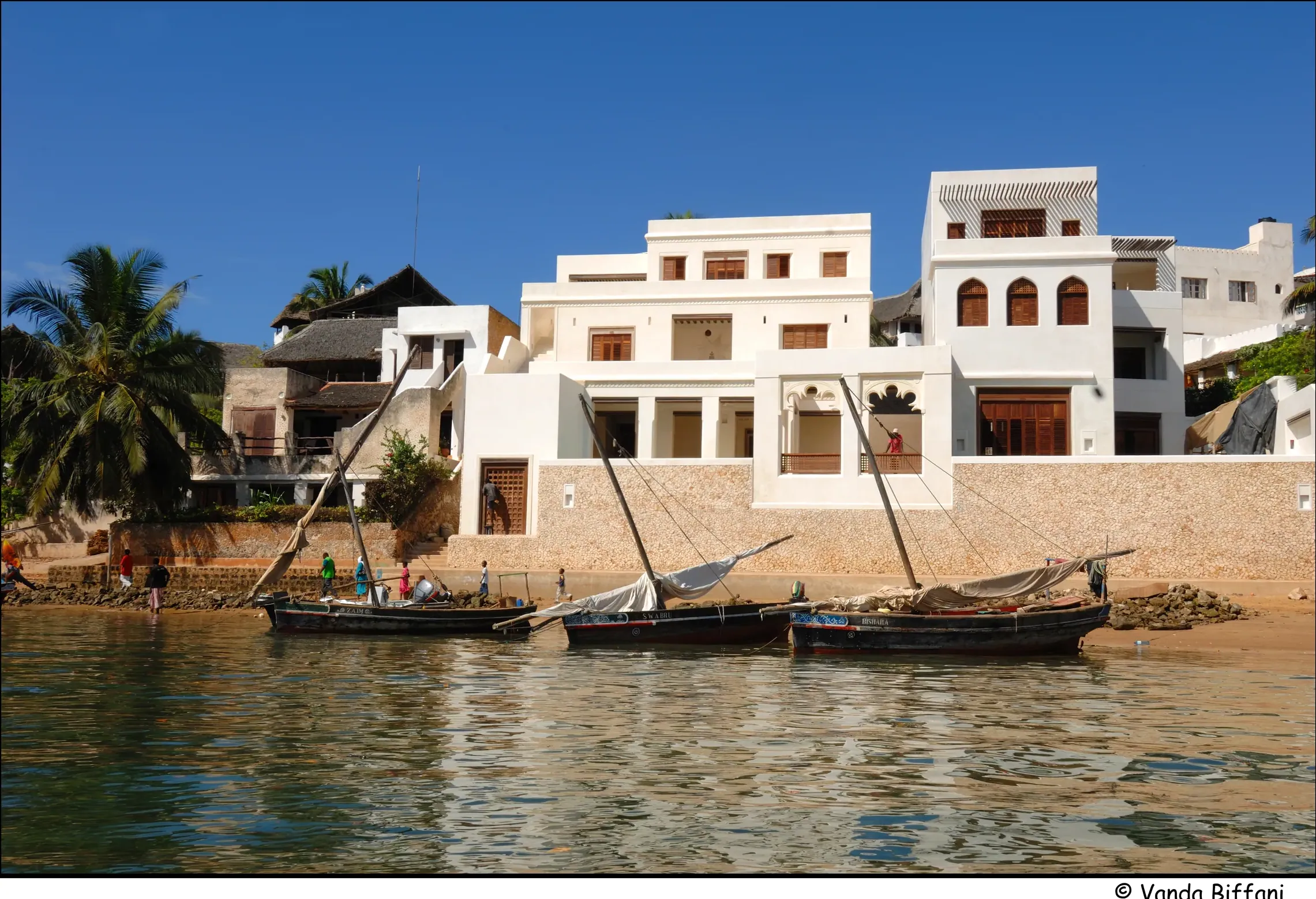
- Old Town on foot: carved Swahili doors, the Mandhry Mosque, built in 1570 and the oldest in the city (admire it from outside), spice shops along Ndia Kuu and a coffee at Jahazi Coffee House; go with a local guide, because photographing some government buildings is not allowed and a guide keeps you out of trouble
- The Tusks on Moi Avenue: the crossed arches over the city's main road, built for Princess Elizabeth's visit in 1952, a quick photo stop between Old Town and the markets
- Haller Park in Bamburi: a former cement quarry turned into a wildlife park, with giraffe feeding around 3pm; non-resident entry is about KSh 3,000
- Nyali and the north mainland: Nyali Beach, the crocodiles at Mamba Village and the crafts at Bombolulu Workshops, all a short drive across the bridge
What to eat, and where
Mombasa eats better than any other city in Kenya, and the best of it is cheap. Plan your day around two meals, not one.
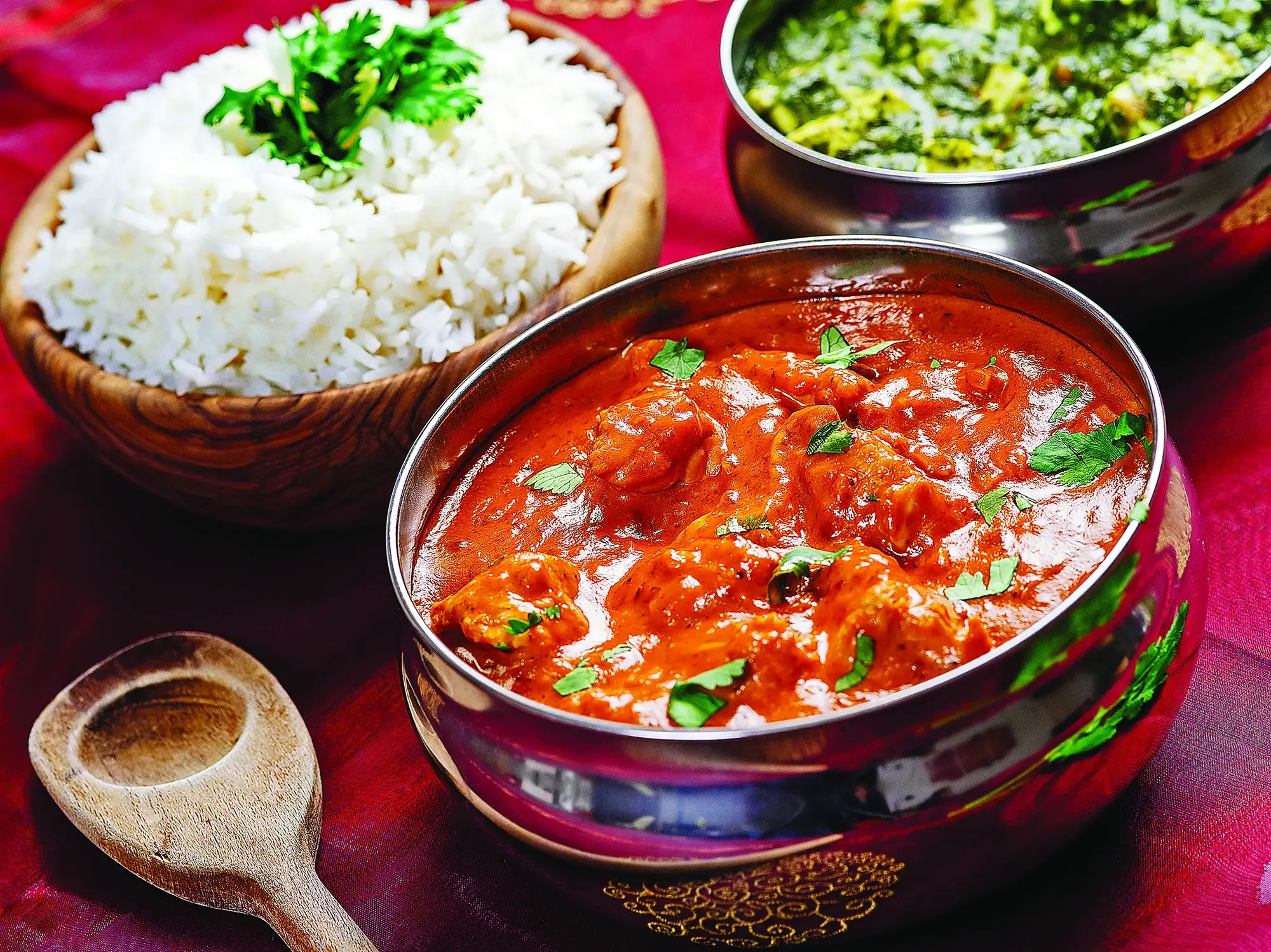
- Biryani and pilau in Old Town: the coast's spiced rice dishes, at their best in the small family restaurants near the old port; ask your guide where they eat
- Bhajia at the Blue Room: a Mombasa institution for crisp, spiced potato fritters
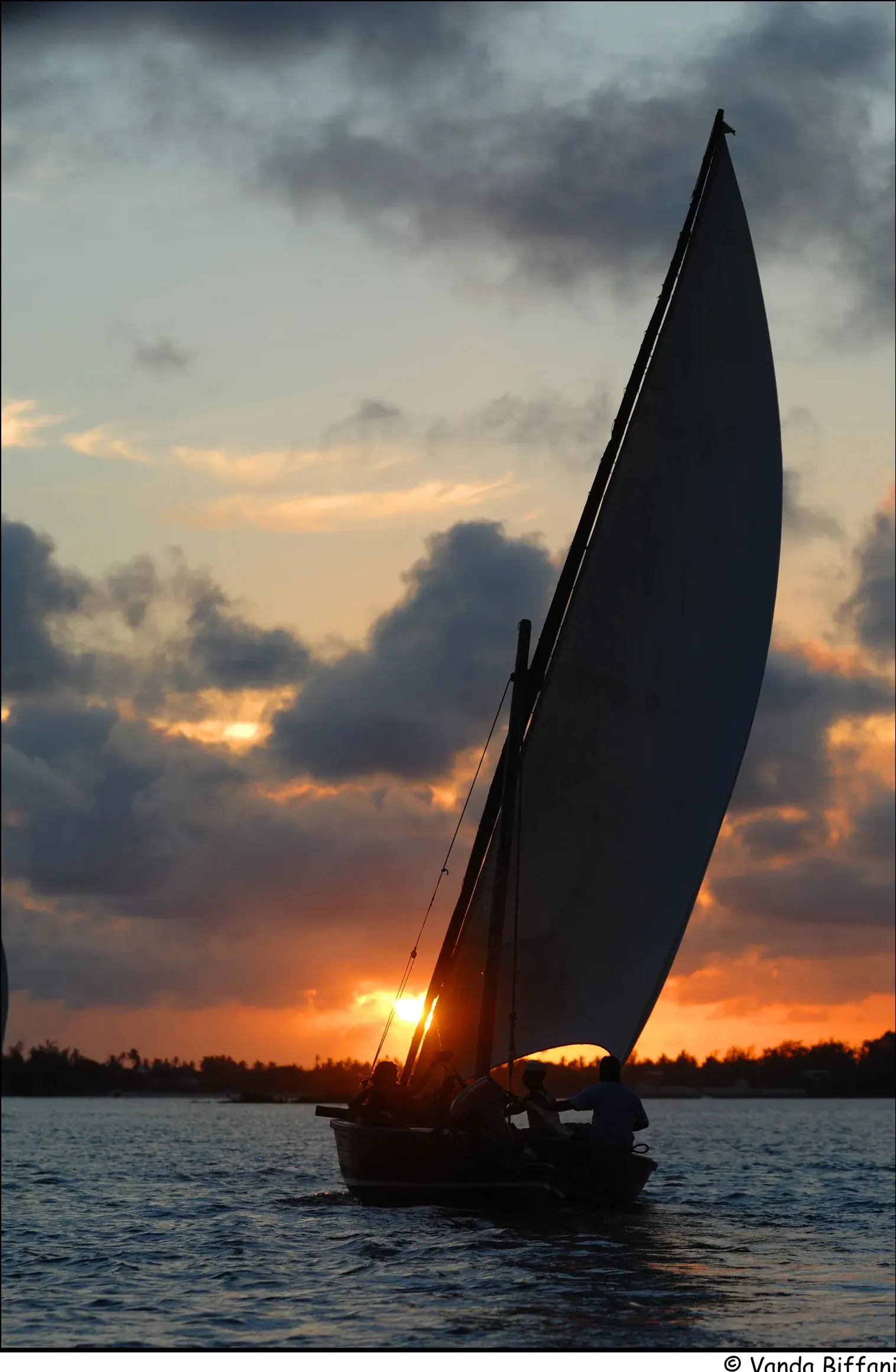
- The Tamarind Dhow: a dinner cruise around the creek with seafood on board, the city's classic evening out
- Street food after dark: mishkaki, grilled meat skewers, and madafu, green coconuts cut open for their water
Our Kenyan food guide explains the coast's dishes, from coconut rice to mahamri, and what to order where.
Where to stay
Most visitors stay on the north mainland at Nyali or Bamburi, for a beach hotel within reach of the city, or move on the same day to Diani. Our guide to where to stay in Mombasa compares the areas and the hotels at each price.
Getting there and away
| From | How | Time | Cost at the time of writing |
|---|---|---|---|
| Nairobi | Madaraka Express train to the Mombasa terminus at Miritini | About 5 to 6 hours | Economy KSh 1,000; first class KSh 3,000 |
| Nairobi | Flight to Moi International | About 1 hour | Roughly $60 to $100 |
| Diani | Road, via the Dongo Kundu bypass or the Likoni ferry | 1 to 1.5 hours | Private car and driver; ask us |
| Tsavo East | Road | About 2.5 hours | Day safaris about $200 to $500 per person |
The train terminus at Miritini is on the mainland, 20 to 30 minutes from the island by road, so arrange a transfer. Book train tickets through Kenya Railways well ahead of holidays, when they sell out. The airport is on the mainland too; our Mombasa airport guide has the details on arrivals, transfers and timing.
Day trips from Mombasa
- Tsavo East National Park: about 2.5 hours away, with red-dusted elephants and wide plains; a full-day safari from the coast costs about $200 to $500 per person, depending on the vehicle and group size, and two nights are better than one long day
- Shimba Hills National Reserve: green hills above the south coast, sable antelope, forest elephants and the walk to Sheldrick Falls; see our Shimba Hills guide
- Kilifi and Jumba la Mtwana: the ruins of a medieval Swahili town in the forest by the sea, north of the city, with Kilifi creek beyond
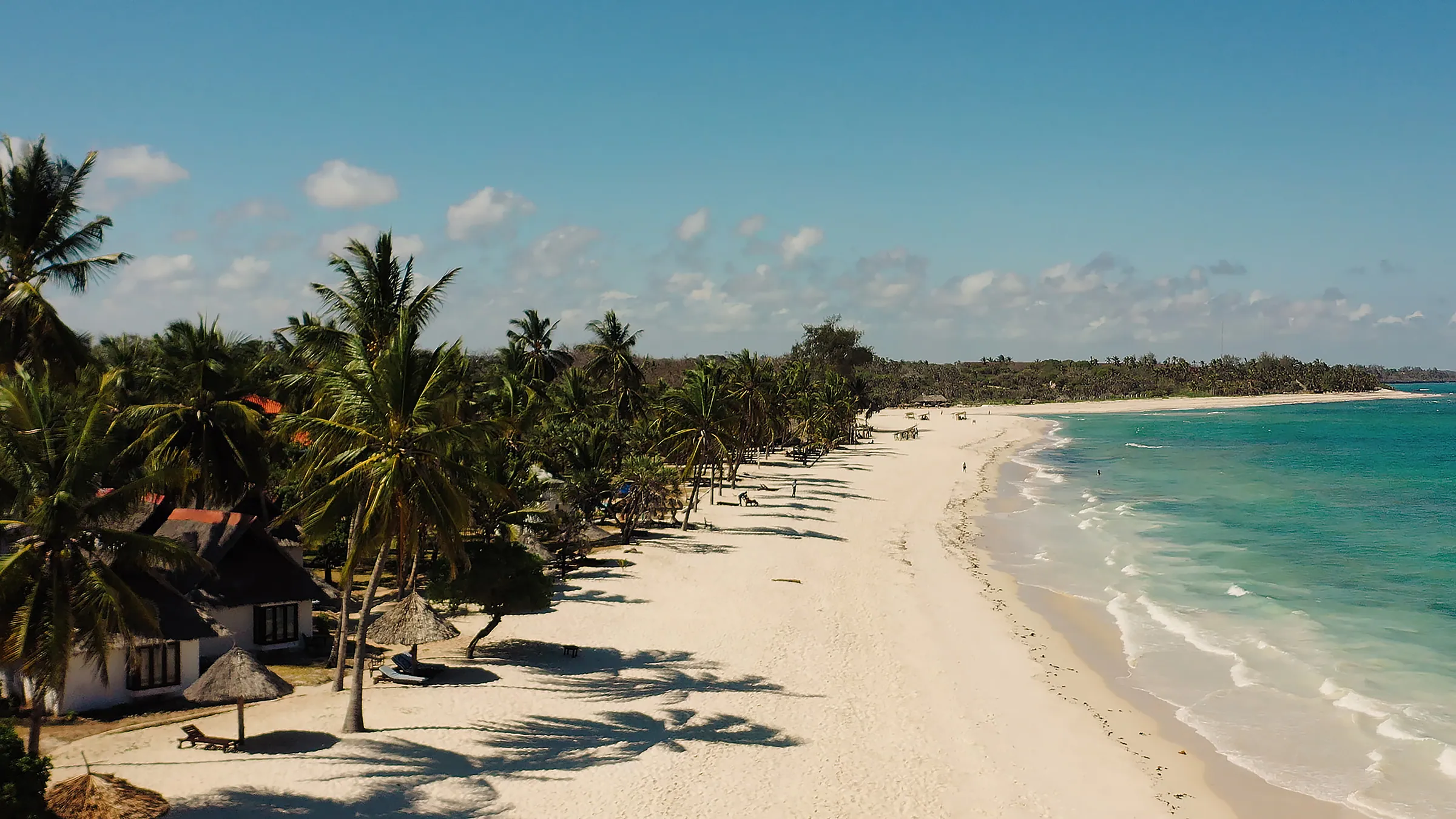
- Diani: the south coast's long white beach, an easy road trip or the natural place to finish your trip
A short history
Mombasa was a Swahili trading town long before Europeans arrived, one of the coastal city-states that traded gold, ivory and spices across the Indian Ocean. Vasco da Gama reached it in 1498. The Portuguese built Fort Jesus in the 1590s to control the coast and held it for most of the next century, until an Omani force took it after a long siege that ended in 1698. Mombasa then spent much of the next two centuries under Omani rule, with spells under the Mazrui governors, before the British arrived in the late 1800s and started the railway to Uganda from here, which is how Nairobi came to exist at all. Today it is Kenya's main port, a Muslim, Hindu and Christian city with a Swahili soul. Our history timeline tells the wider story.
Trips that include Mombasa
Mombasa works best at the start or end of a coast week. Our 14-day loop includes Mombasa Old Town with Watamu as one coast option, and the ten-day safari and beach itinerary can begin or end here. A popular shape of our own: the Madaraka Express from Nairobi, a day in Mombasa, two nights in Tsavo East and four nights on the beach at Diani.
Take the usual city care in Mombasa: walk Old Town with a local guide, keep phones and bags close in crowds and on the Likoni ferry, and use a ride-hailing app or a hotel car after dark. Before you book, check the current U.S. State Department advisory for Kenya and confirm your travel insurance covers your route. For a second Swahili town further north, our Lamu page explains the island.
Why plan with us: Kenya Experience is Kenyan-led, with two U.S. companies behind it and Kenyan guides on the ground. You can pay in full or monthly with no deposit, and a specialist replies within two business days.