Parks and reserves. Updated November 2026. 3 min read.
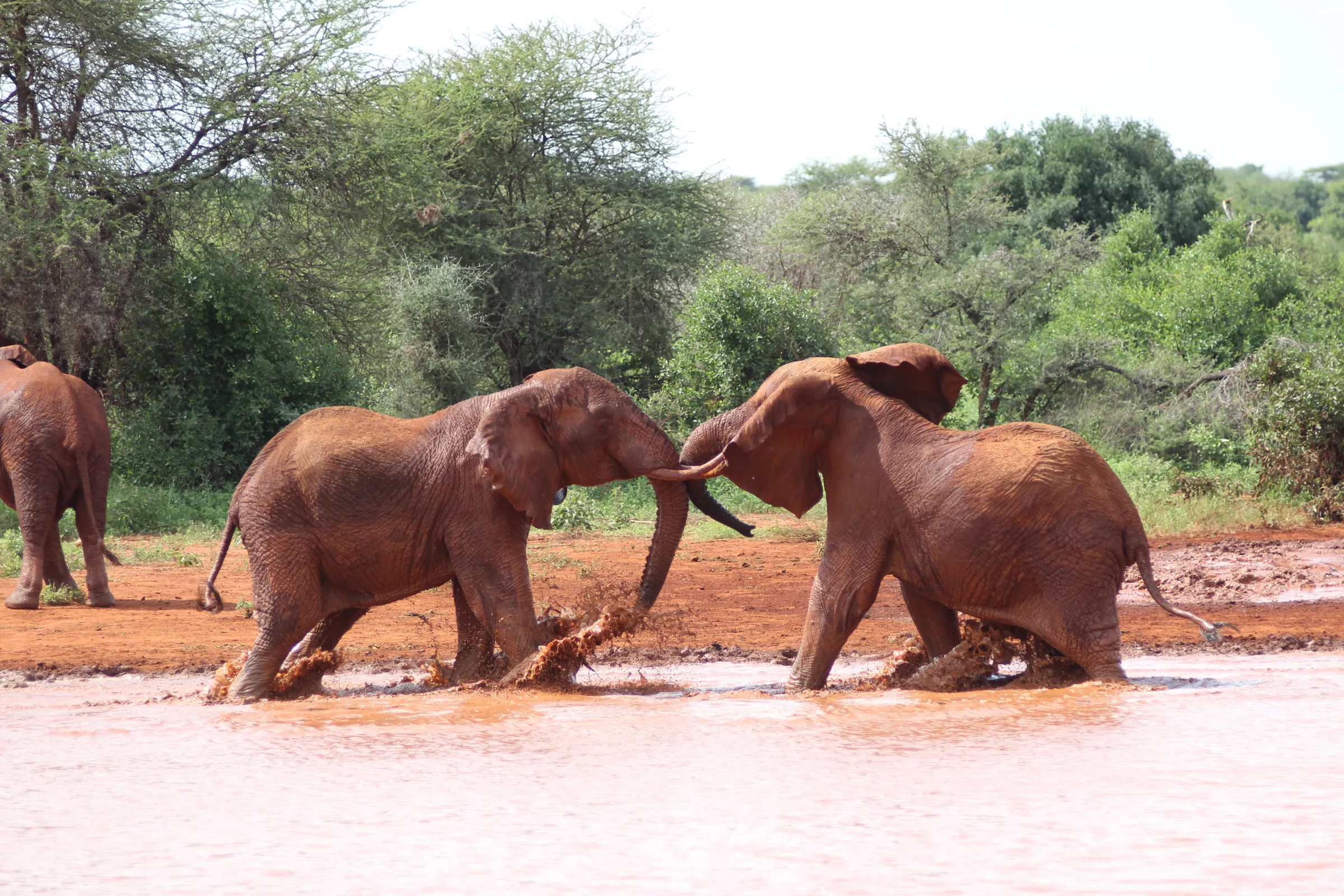
Tsavo East is where Kenya feels endless: red elephants under huge skies, rivers lined with palms and hardly another vehicle in sight. At about 13,747 square kilometers (some 5,300 square miles), close to the size of Connecticut, it is Kenya's largest national park, run by Kenya Wildlife Service between Nairobi and Mombasa. It suits travelers who want space and an easy link to the Indian Ocean beaches.
What makes Tsavo East special
The first thing you notice is the color. Tsavo's elephants dust themselves with the red soil, so they glow rust-red against the gray bush. The second is the scale: much of the park's vast north sees few visitors, and even the busier southern section feels empty compared with the Mara. Tsavo East and Tsavo West together form one of the largest protected areas in Africa.
Tsavo also has history. In 1898, two lions killed railway workers building the bridge over the Tsavo River. They became known as the man-eaters of Tsavo, and their remains are now on display at the Field Museum in Chicago.
Today Tsavo is a conservation story. The wider Tsavo ecosystem is one of the last places in Africa where very large tuskers still roam, and Kenya Wildlife Service works with partners such as the Tsavo Trust to protect them from the air and on the ground.
Wildlife and highlights
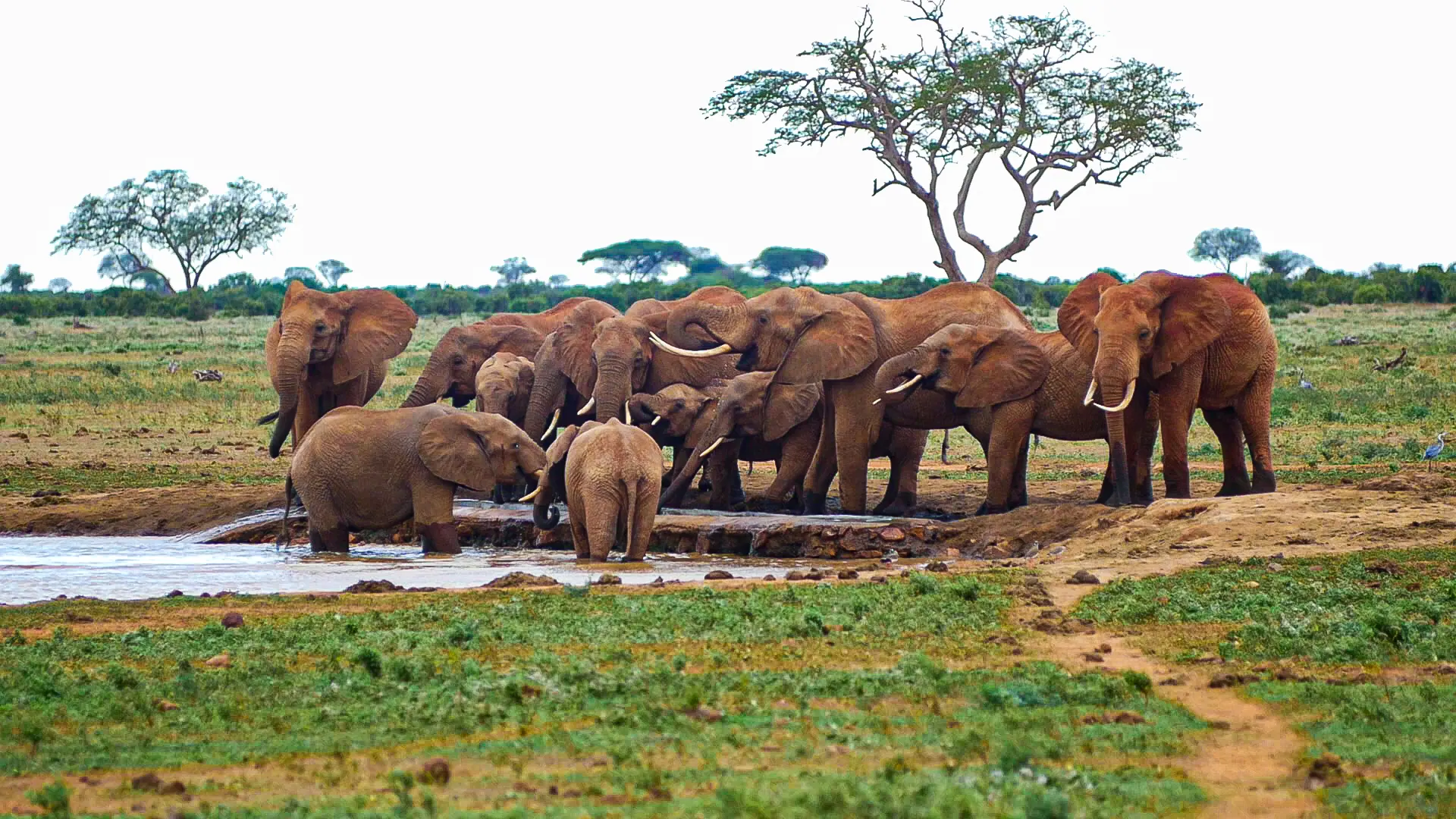
- Elephants: large herds, often at Aruba Dam and along the Galana River
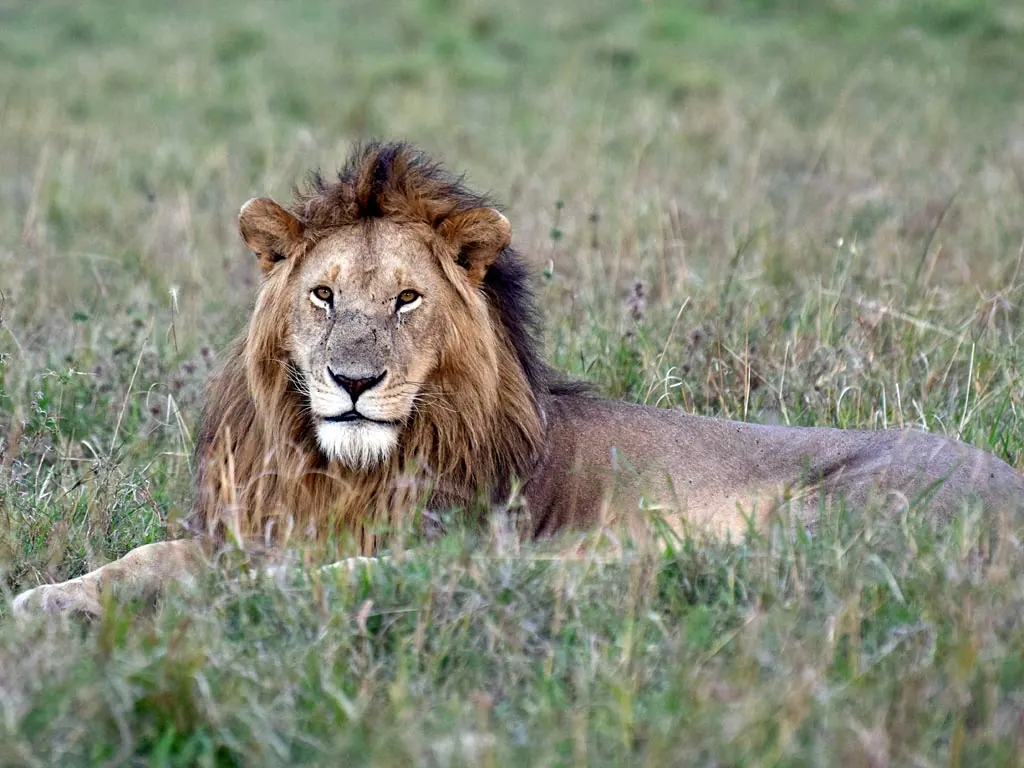
- Lions, including males with little or no mane, a trait often seen in Tsavo
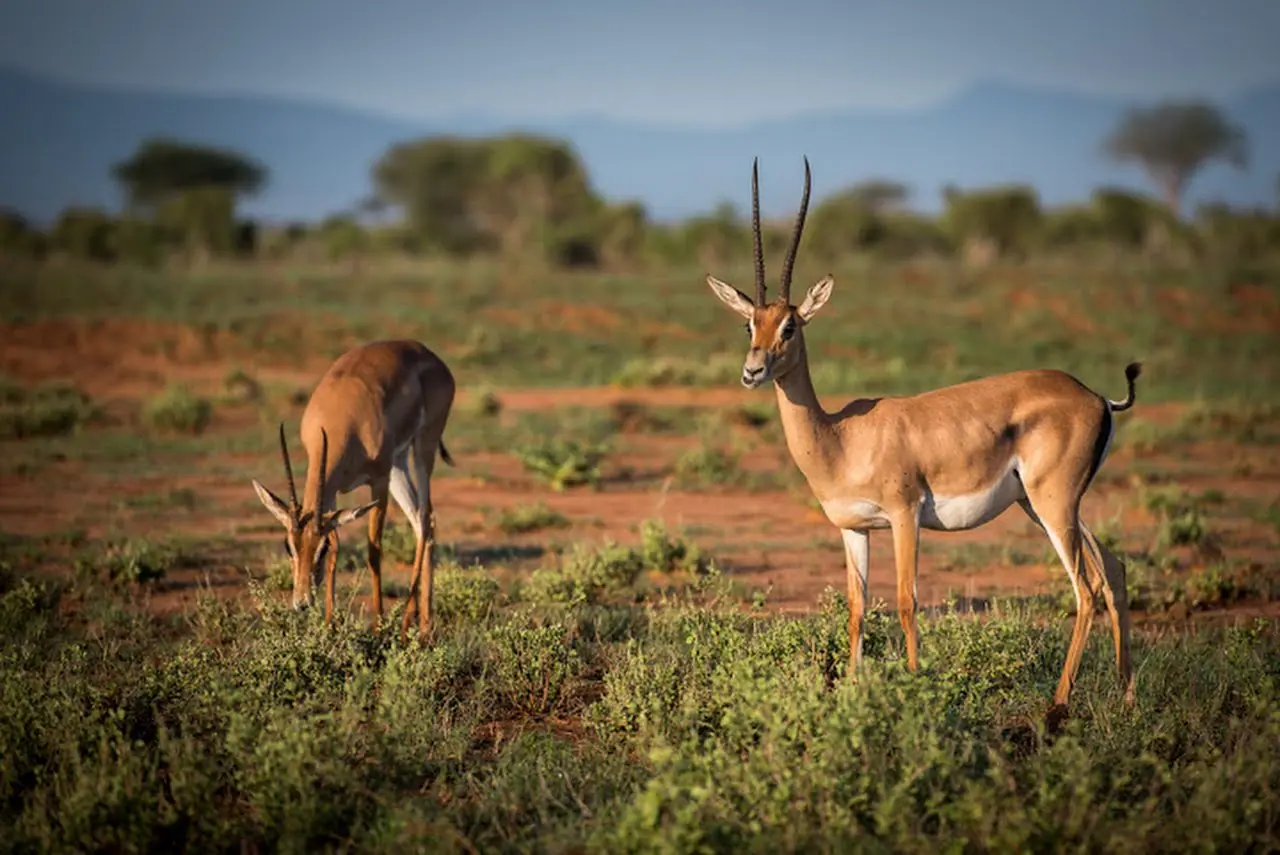
- Cheetahs, leopards, buffalo, giraffe, zebra and the long-necked gerenuk
- Lugard Falls: the Galana River squeezed through channels of striped rock
- Mudanda Rock: a long ridge above a natural water hole where elephants come to drink in the dry season
- The Yatta Plateau: an ancient lava flow along the park's western side, often described as one of the longest in the world

Best time to visit
The dry seasons, roughly June to October and January to February, are best, because wildlife gathers at the rivers, dams and water holes. The long rains usually come in April and May and the short rains around November. After rain, the bush turns green, animals spread out and some tracks can become hard to drive, but there are very few other visitors.
Getting there and how long to stay
By road from Nairobi, Voi Gate is about five to six hours on the Mombasa highway. The Madaraka Express train from Nairobi stops at Voi, and we can meet you at the station with a safari vehicle. From Mombasa and the south coast, the drive to the park takes about two to three hours, which makes Tsavo East one of the easiest safaris to add to a beach stay. Light aircraft also serve airstrips in the park.
Two nights is a good minimum. Three nights in Tsavo East, or two in each Tsavo park, gives you time for the falls, the plateau and slow drives without rushing.
Where it fits on a trip
- With Tsavo West: cross the highway for lava flows and springs, then head to the coast
- With Amboseli: drive Amboseli, Tsavo West, Tsavo East, then the beach
- From the coast: a two or three day safari from Diani, Mombasa or Watamu
Activities and responsible travel
Game drives are the main activity in the park. Short walks are possible at viewpoints such as Lugard Falls and Mudanda Rock with your guide, and some camps on the park edges offer guided walks. Fees are set by Kenya Wildlife Service and change, so we confirm them when we quote.
- Carry plenty of water and sun protection: Tsavo is hot at midday
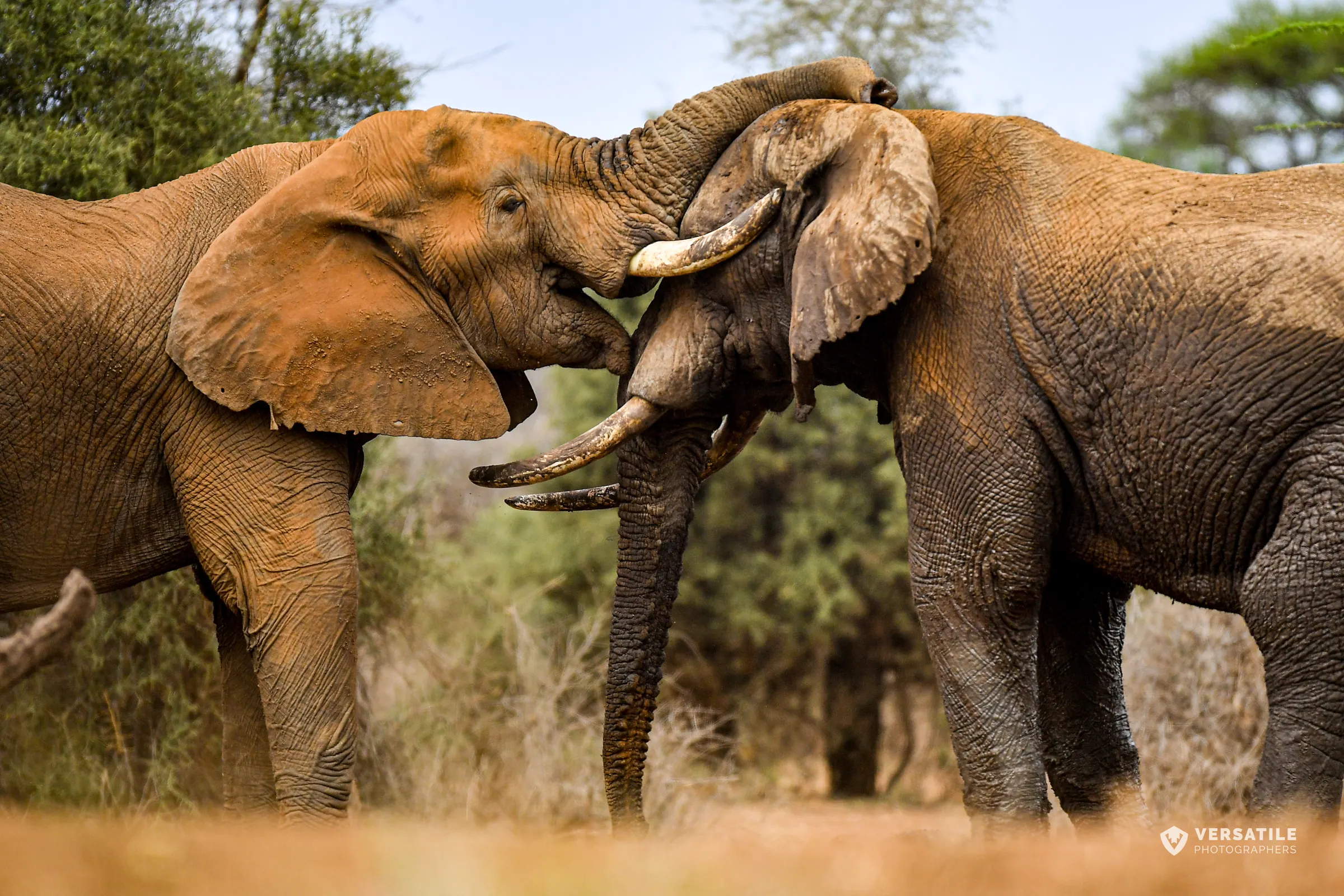
- Stay on marked tracks and keep well back from elephants at water holes
- Never feed baboons or monkeys at picnic sites or lodges
- Choose camps that work with surrounding communities, whose support keeps Tsavo's elephant corridors open
Safari in the morning, the Indian Ocean by evening: few countries make that so easy. We are Kenyan-led, with two U.S. companies behind us and Kenyan guides on every trip. Pay in full or monthly with no deposit, and a specialist replies within two business days.