Hiking. Updated November 2026. 6 min read.
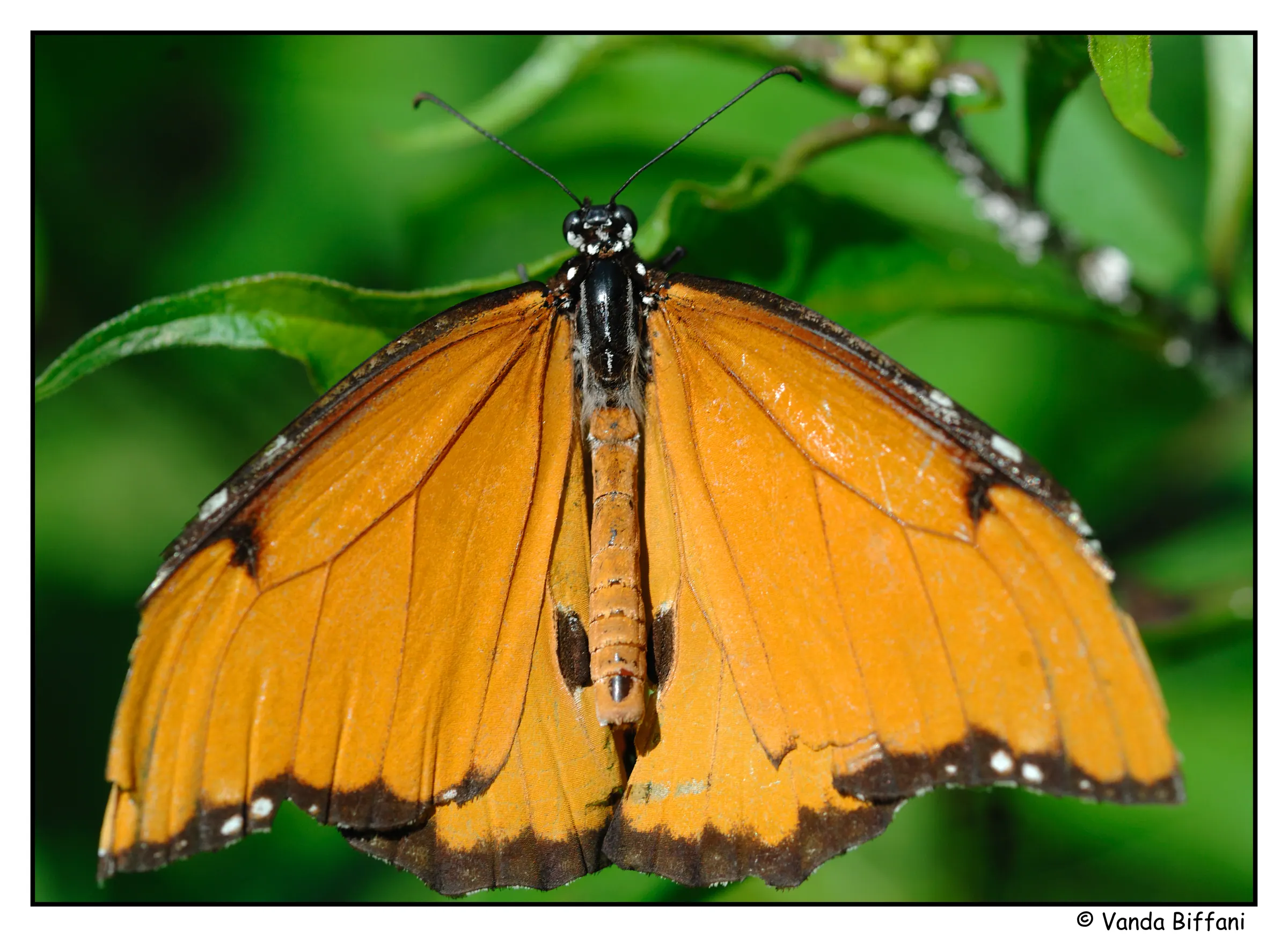
Kenya has a 5,199-meter mountain with glaciers on it, a volcano you can walk around in a morning, a rainforest with about 400 kinds of butterfly and a red-walled gorge said to have inspired scenes in The Lion King. Most visitors see the country through the roof hatch of a safari vehicle. This page is for the ones who want to see it on foot.
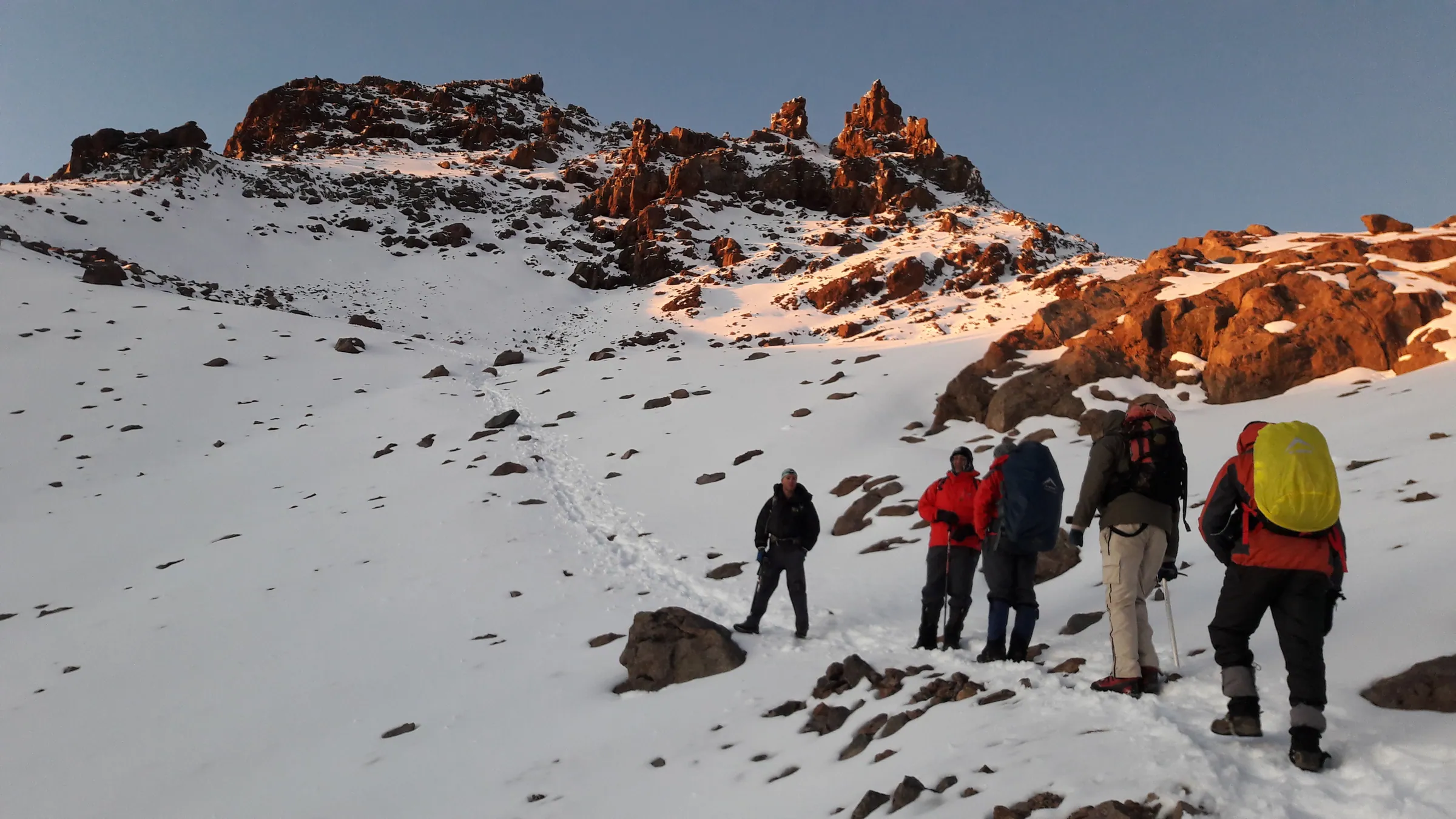
The short answer: for a first hike, walk the rim of Mount Longonot or cycle and walk Hell's Gate, both an easy day from Nairobi or Naivasha. For a real mountain, Point Lenana on Mount Kenya takes four or five days with a guide and porters and needs no ropes, only time to acclimatize. In between sit the Aberdare moorlands, the Kakamega rainforest, Menengai's giant caldera and a run of waterfalls you can add to any road trip. The table below sorts them from easy to hard, and each hike with its own page appears in the grid further down.
Every hike worth doing, by difficulty
| Hike | Difficulty | Time | Best season | Nearest town |
|---|---|---|---|---|
| Karura Forest waterfall loop | Easy | 2 to 3 hours | All year; driest January to March and June to October | Nairobi |
| Thomson's Falls, viewpoint and base | Easy, with steep steps | 1 to 2 hours | All year; fullest after the rains | Nyahururu |
| Fourteen Falls | Easy | 1 to 2 hours | April to May and November, when the river is full | Thika |
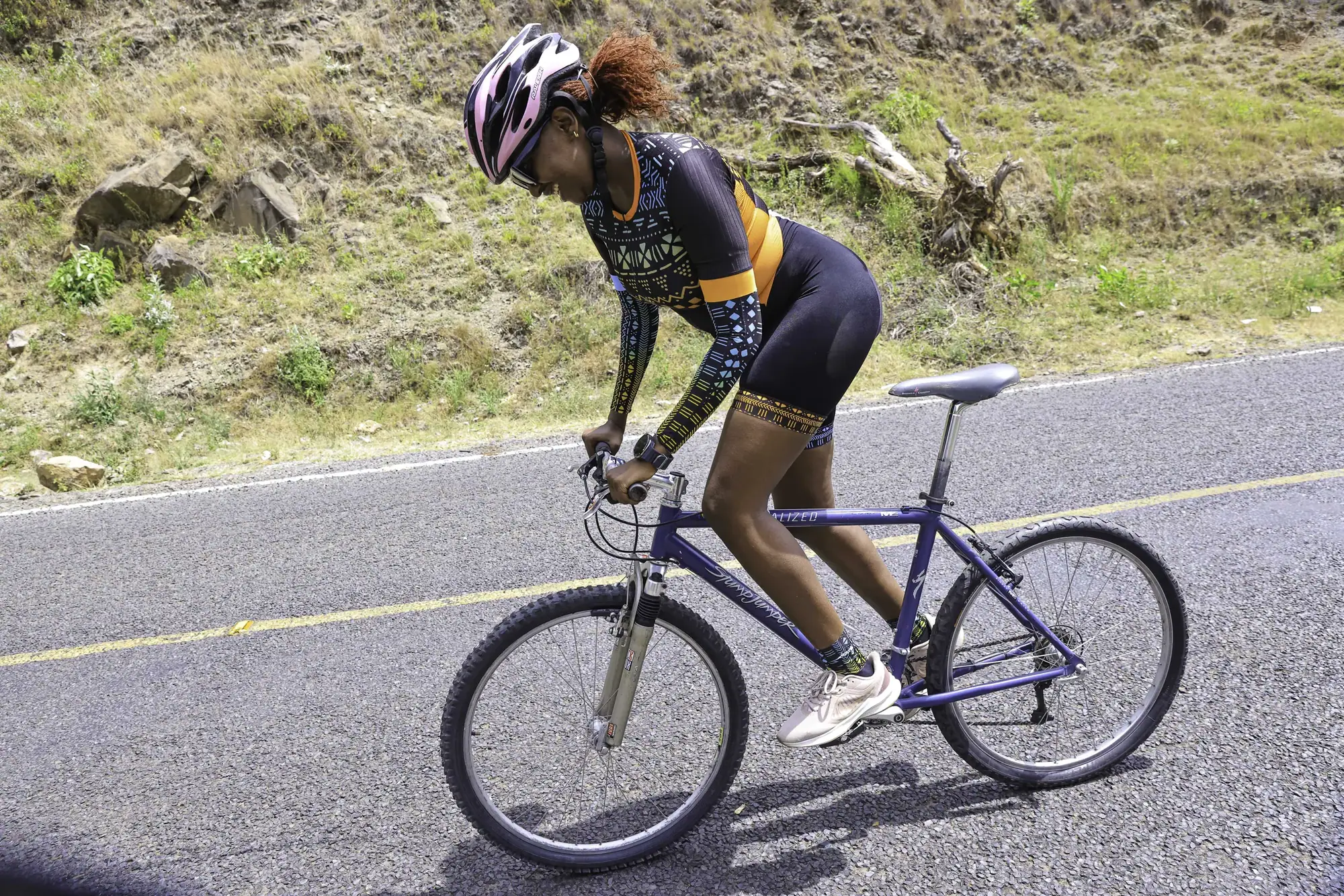
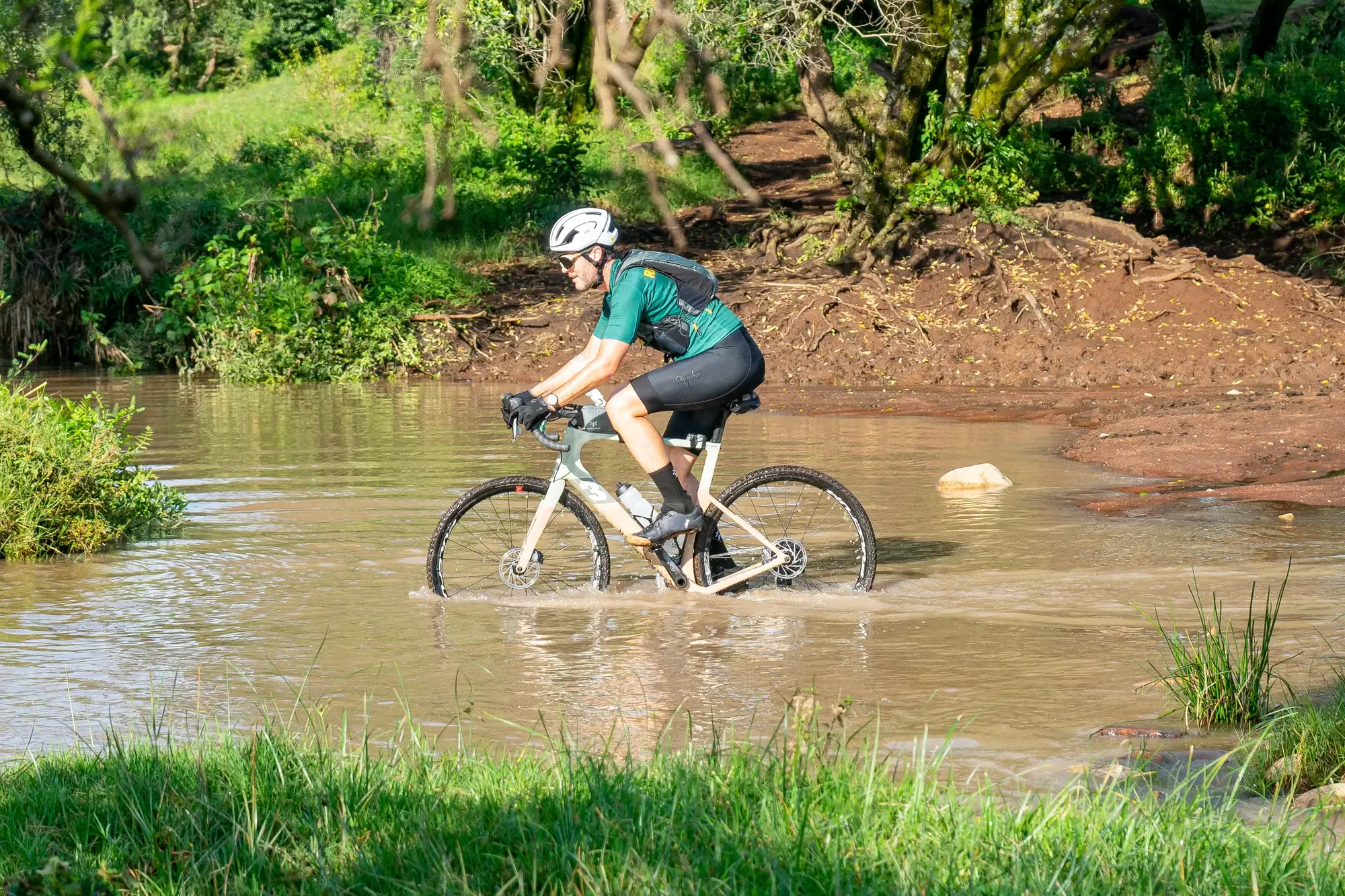
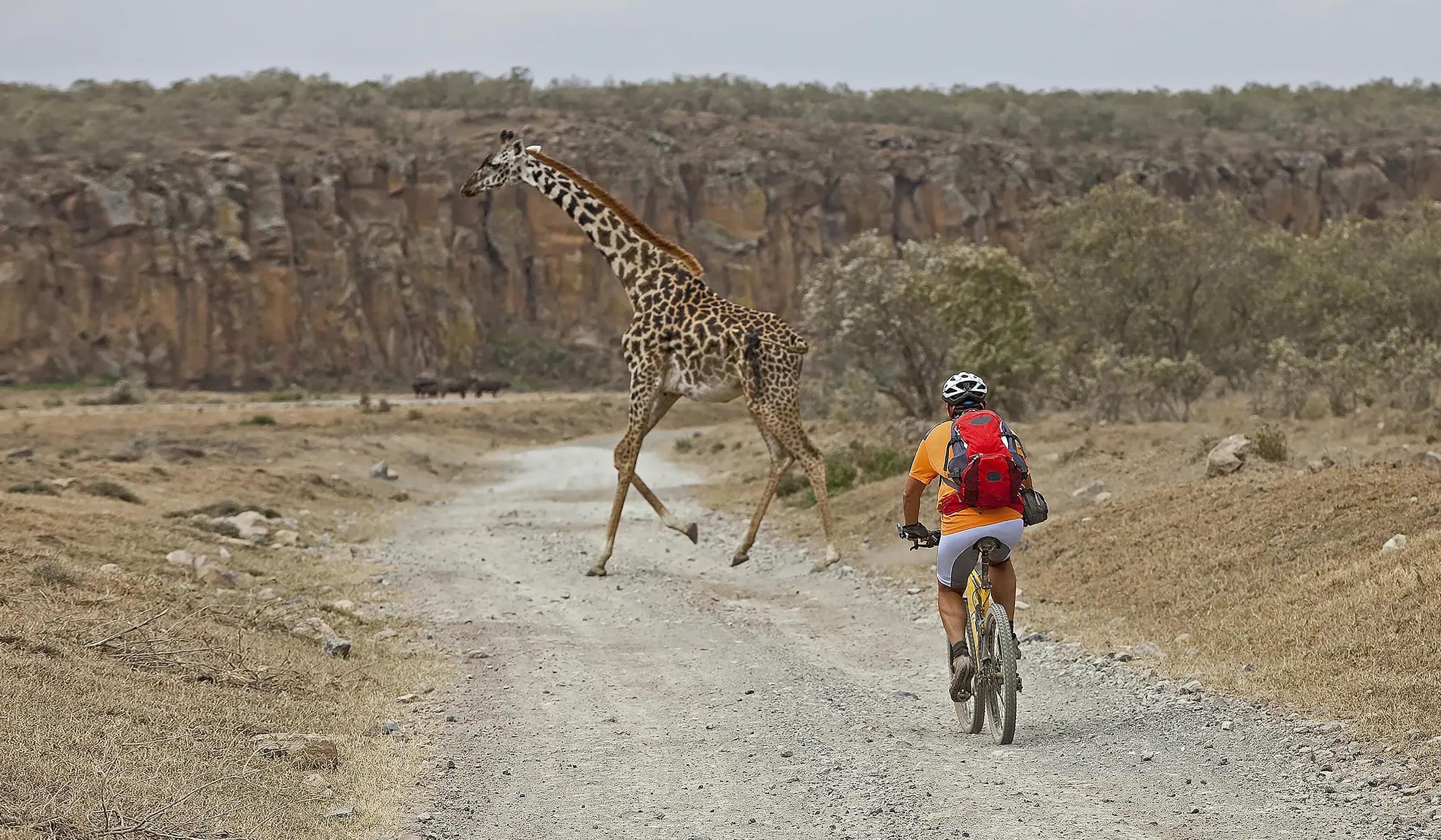
| Hell's Gate cycle and gorge walk | Easy to moderate | Half a day to a full day | Dry months only for the gorge | Naivasha |
| Kakamega Forest trails | Easy to moderate | 1 to 5 hours a walk | December to February, the driest months | Kakamega |
| Ngong Hills ridge | Moderate | 4 to 6 hours | June to October, January to March | Ngong |
| Ol Donyo Sabuk (Kilimambogo) summit | Moderate | 4 to 5 hours up and down | Dry months | Thika |
| Mount Suswa caves and crater | Moderate | A full day, often with a night camping | Dry months | Mai Mahiu |
| Eburru Forest | Moderate | Half a day | Dry months | Naivasha and Gilgil |
| Mount Longonot crater rim | Moderate to hard | 4 to 5 hours with the full rim | Dry months, with an early start | Naivasha |
| Menengai Crater floor | Moderate to hard, and hot | 4 to 6 hours | Dry months, with an early start | Nakuru |
| Aberdare moorland and waterfalls | Moderate | Half a day to a day, with a ranger | December to February, June to September | Nyeri |
| Elephant Hill, Aberdares | Hard | About 8 hours | Dry months | Njabini |
| Loita Hills | Moderate, several days | 2 to 4 days | June to October | Narok |
| Cherangani Hills | Moderate to hard, several days | 2 to 4 days | December to March | Kitale and Eldoret |
| Mount Kulal | Hard and remote | 2 to 3 days with the drive | Dry months, with a 4x4 | Loiyangalani |
| Mount Elgon | Hard | 3 to 4 days | December to March | Kitale |
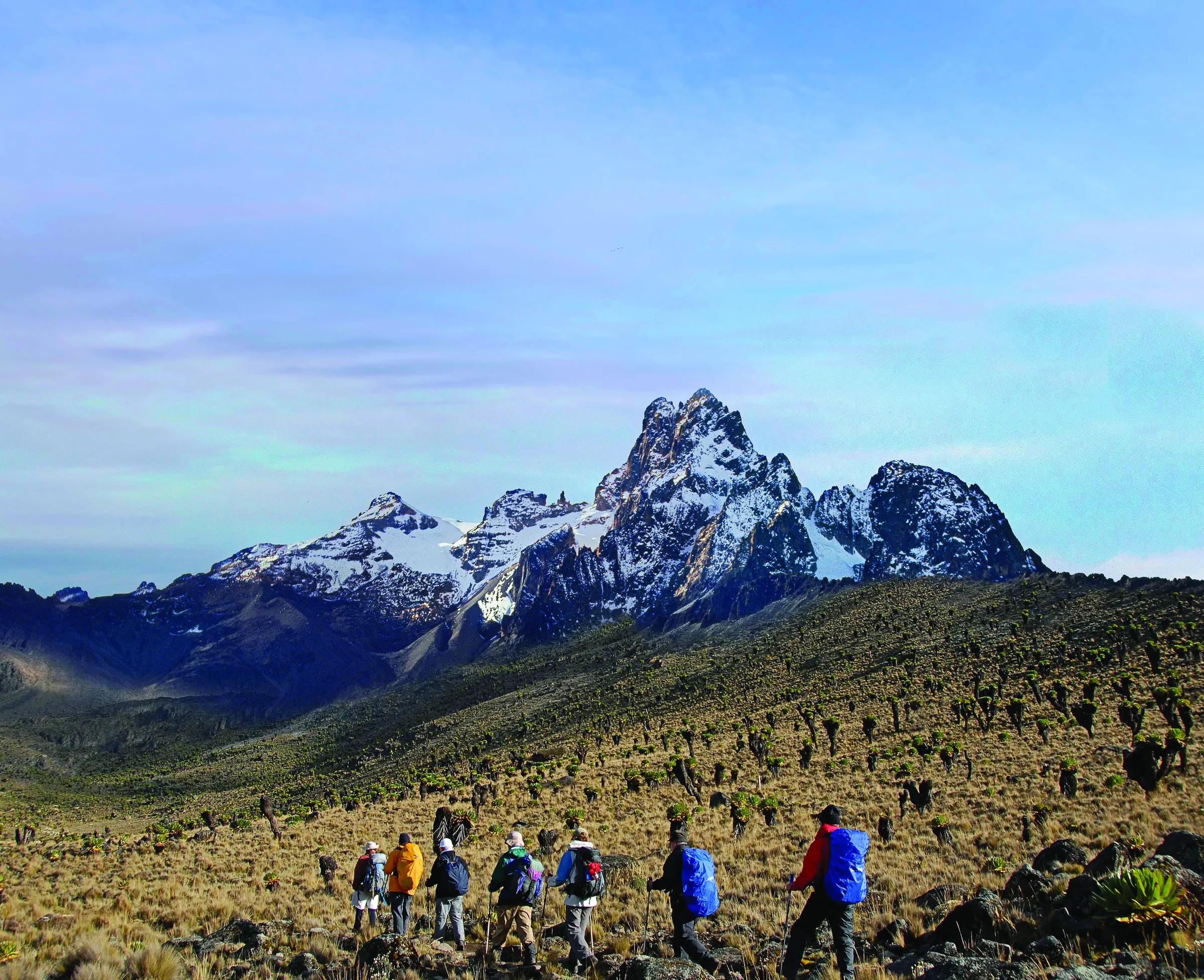
| Point Lenana by the Sirimon route | Hard: altitude | 4 to 5 days | January to February, late June to early October | Nanyuki |
| Point Lenana by the Naro Moru route | Hard: altitude, fast and steep | 3 to 4 days | January to February, late June to early October | Naro Moru |
| Point Lenana by the Chogoria route | Hard: altitude | 5 days | January to February, late June to early October | Chogoria |
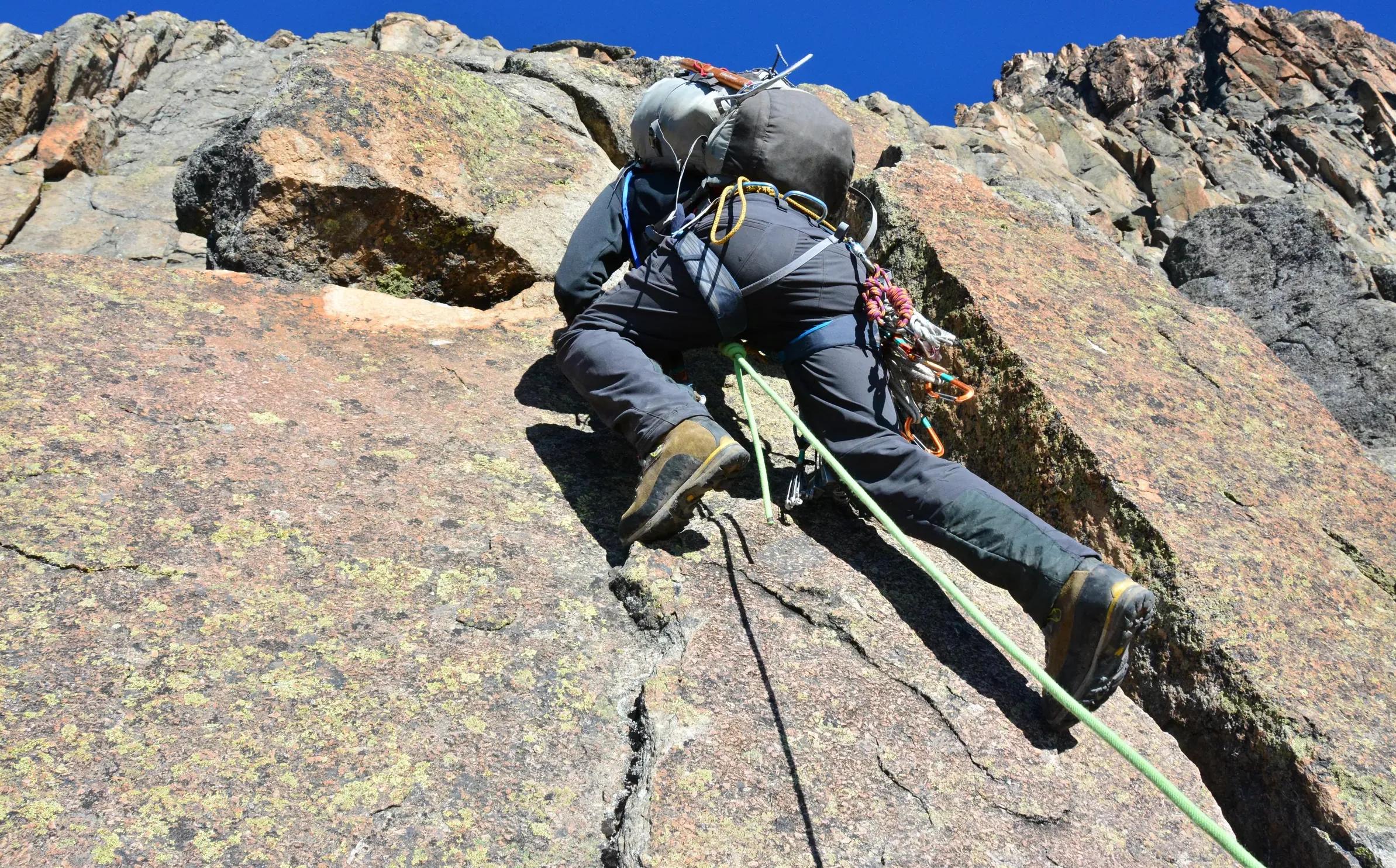
| Batian and Nelion | Technical rock and ice climbs | 5 to 7 days with a mountaineering guide | January to February, late June to early October | Nanyuki and Naro Moru |
When to hike
Kenya has two rainy seasons: the long rains, roughly March to May, and the short rains, roughly late October to December. The best hiking months are the dry stretches either side, January to March and late June to October. In the rains, forest trails turn to mud, the Naro Moru route's vertical bog lives up to its name, moorland roads in the Aberdares can close and, most seriously, narrow gorges can flood without warning. Our seasons pages go month by month.
That last point matters most at Hell's Gate. Kenya Wildlife Service (KWS) closes the Ol Njorowa gorge when flash floods are likely, and in November 2026 it announced that the gorge would stay shut through the 2026 to 2027 rains. Never walk a gorge in the rainy months, whatever a tout at the gate tells you. The cycling in the rest of the park usually goes on.
Guides, rangers and the rules
- Mount Kenya: KWS requires climbers to go with a registered guide, and every party signs in at the gate and out again. Porters and a cook are usual and are the reason most people summit.
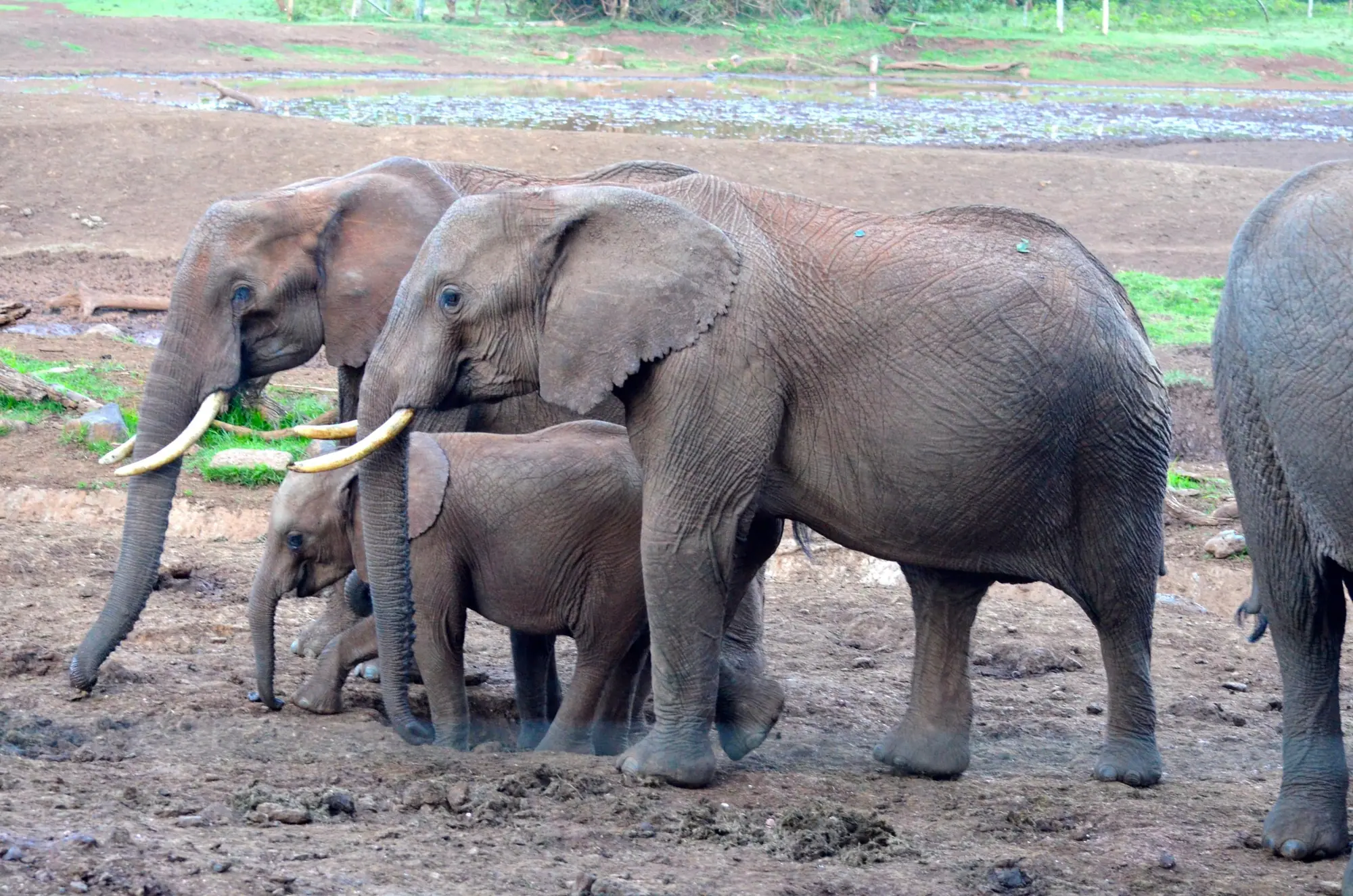
- The Aberdares: walking inside the national park means an armed KWS ranger escort, booked in advance, because elephants, buffalo and lions share the moorland with you.
- The Hell's Gate gorge: a guide is required whenever the gorge is open. They know the exits and they read the weather.
- Kakamega Forest: walks go with a local guide from the Kakamega Environmental Education Programme on the Isecheno side or with KWS on the Buyangu side.
- Ngong Hills: go in a group and take a guide or the ranger escort offered at the gate.
- Karura Forest and Mount Longonot: you can walk the marked trails on your own, although a guide adds a great deal.
What it costs
Most of the hikes above are inside parks run by KWS, whose non-resident fees at the time of writing are about $80 a day for Mount Kenya, $70 for the Aberdares and $50 for Hell's Gate, with lower fees for smaller parks such as Longonot. Forest reserves run by the Kenya Forest Service, such as Menengai, Ngong and Karura, charge modest fees in shillings, and the waterfalls are usually managed by the county or the local community, who charge a small entry fee and offer guides. Fees change, so check our park fees page, which links the official KWS schedule. A guided Mount Kenya trek generally costs about $800 to $1,500 per person, depending on the route, the number of days and the size of the group; ask us for a quote rather than relying on any figure you read online.
What to pack
- Broken-in boots with good grip. Volcanic scree on Longonot and mud in Kakamega both punish trainers.
- A rain jacket, in every month, and a warm layer: mornings above 2,500 meters are cold.
- Two to three liters of water for a day hike. Menengai and Longonot have no water on the trail.
- A hat, sunscreen and sunglasses. The equatorial sun burns faster than you expect, even in cloud.
- Snacks, a small first-aid kit, a headlamp and a charged phone.
- Small shillings for gate fees, guides and tips.
- For Mount Kenya: a down jacket, gloves, a warm hat, a sleeping bag rated below freezing and gaiters.
Altitude, even on easy hikes
Nairobi sits at about 1,795 meters, Nyahururu at about 2,360 and the Aberdare moorland at 3,000 to 4,000, so many Kenyan day hikes start higher than most American trailheads. You will feel short of breath on climbs and may sleep badly for a night or two, which is normal. Above 3,000 meters, and especially on Mount Kenya, altitude sickness is a real risk and the cure is to go down. Our altitude page covers the symptoms, Diamox and safe schedules.
Pairing a hike with a safari
- Naivasha: Longonot one morning, Hell's Gate the next, with a boat ride on the lake in between.
- Nakuru: Menengai Crater at dawn, then rhinos and flamingos in Lake Nakuru National Park in the afternoon.
- Laikipia: a Mount Kenya trek from Nanyuki, followed by Ol Pejeta or Lewa to rest your legs in a vehicle.
- Western Kenya: two nights in Kakamega Forest on a route to Kisumu and Lake Victoria.
- Nairobi: Karura Forest on your arrival day, to walk off the flight.
How we run hikes
We book the guides, rangers, porters and park fees, arrange transfers to the trailhead and build in rest and acclimatization days, then plan the safari around them. Groups, school trips and church teams are welcome, and we set guide ratios so that anyone who needs to turn back can do so without stopping everyone else. You can pay in full or monthly with no deposit.