KENYA EXPERIENCE
Plan your trip
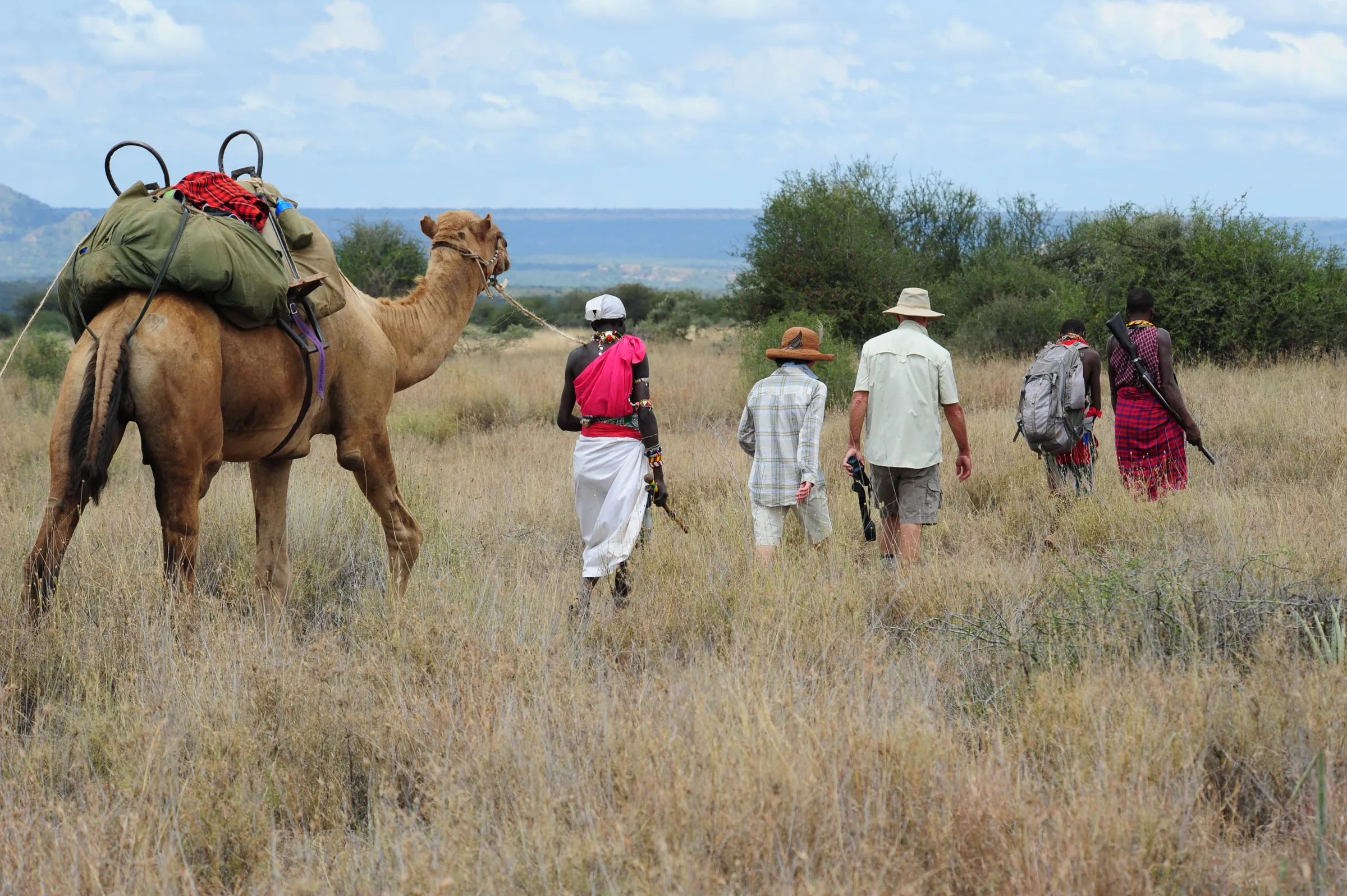
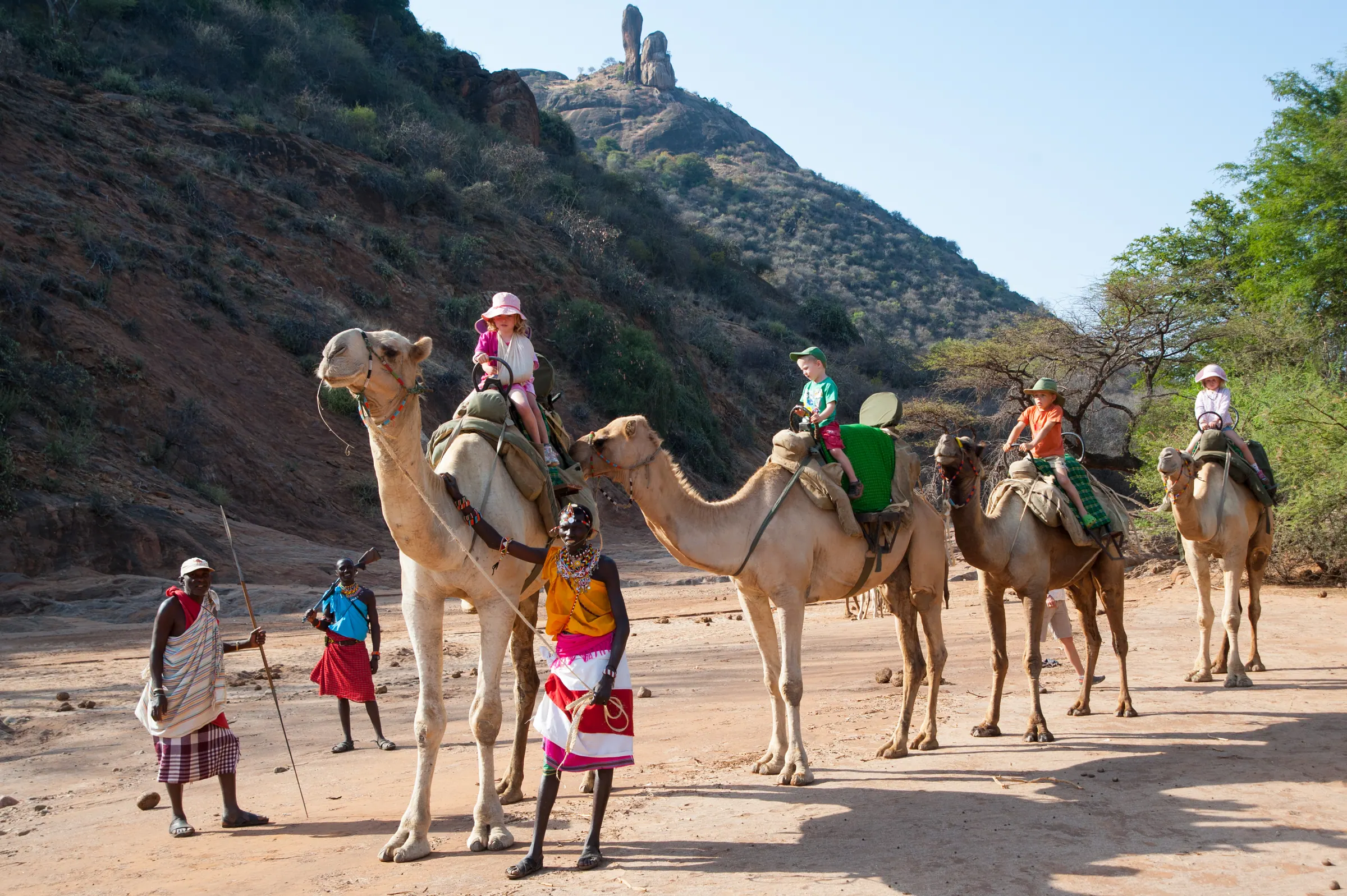
Samburu guides leading a camel trek below rocky hills

Kaskazini

Kaskazini means the north.

Samburu & the north

Parks & Reserves

Dry country, rare wildlife, extraordinary cultures.

North of Mount Kenya the land dries, reddens and opens out. Samburu, Buffalo Springs and Shaba reserves line the Ewaso Nyiro river, home to the 'Samburu Special Five': reticulated giraffe, Grevy's zebra, Somali ostrich, beisa oryx and gerenuk, found nowhere else on the usual safari circuit.

  • The Samburu Special Five
  • Beadwork and song with Samburu women's cooperatives
  • Ol Pejeta's rhinos and chimpanzee sanctuary
  • Walking and camel safaris in Laikipia
  • Lake Turkana expeditions

Samburu & the north: at a glance

Best time
June to October and December to March. The north is hot and dry most of the year.
Wildlife
The Samburu Special Five: Grevy's zebra, reticulated giraffe, Somali ostrich, beisa oryx and gerenuk, plus elephants on the Ewaso Nyiro river.
Weather
Hot and dry, often above 30 °C by midday. Short rains in November and April; nights are warm.
Park fees
Samburu, Buffalo Springs and Shaba are national reserves run by the county governments. Conservancies such as Lewa charge their own fees. We list every fee on its own line in your quote.
Safety
The U.S. State Department advisory names specific northern and border counties. Check it before you book; our northern routes use established lodges and guides. U.S. State Department: Kenya
Malaria
Present. The CDC lists malaria in all areas below about 2,500 m, game parks included. Ask a travel clinic about tablets. CDC Travelers' Health: Kenya
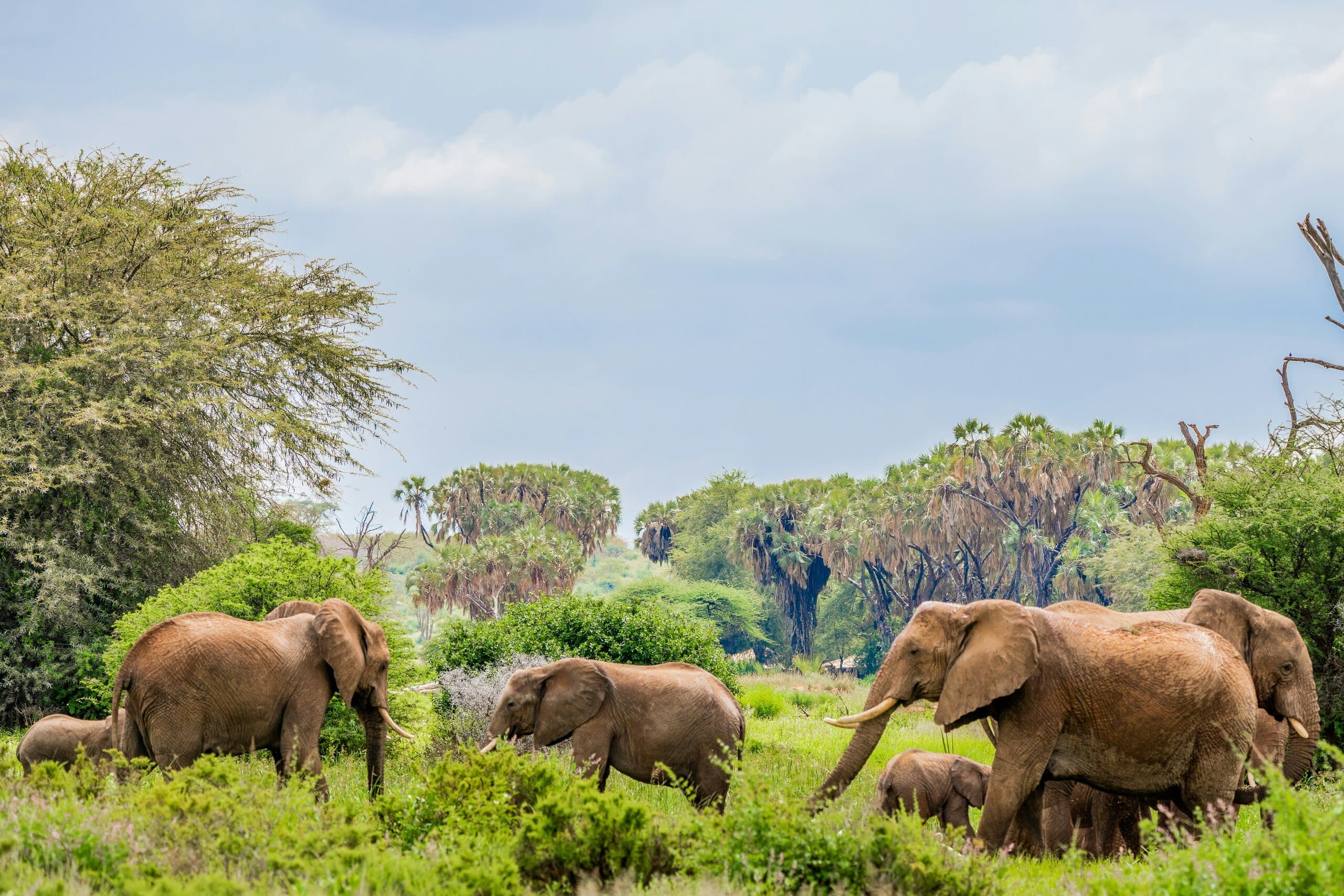
An elephant family in the green bush of Samburu National Reserve

Samburu & the north

Experience: Culture & Heritage.

See Culture & Heritage
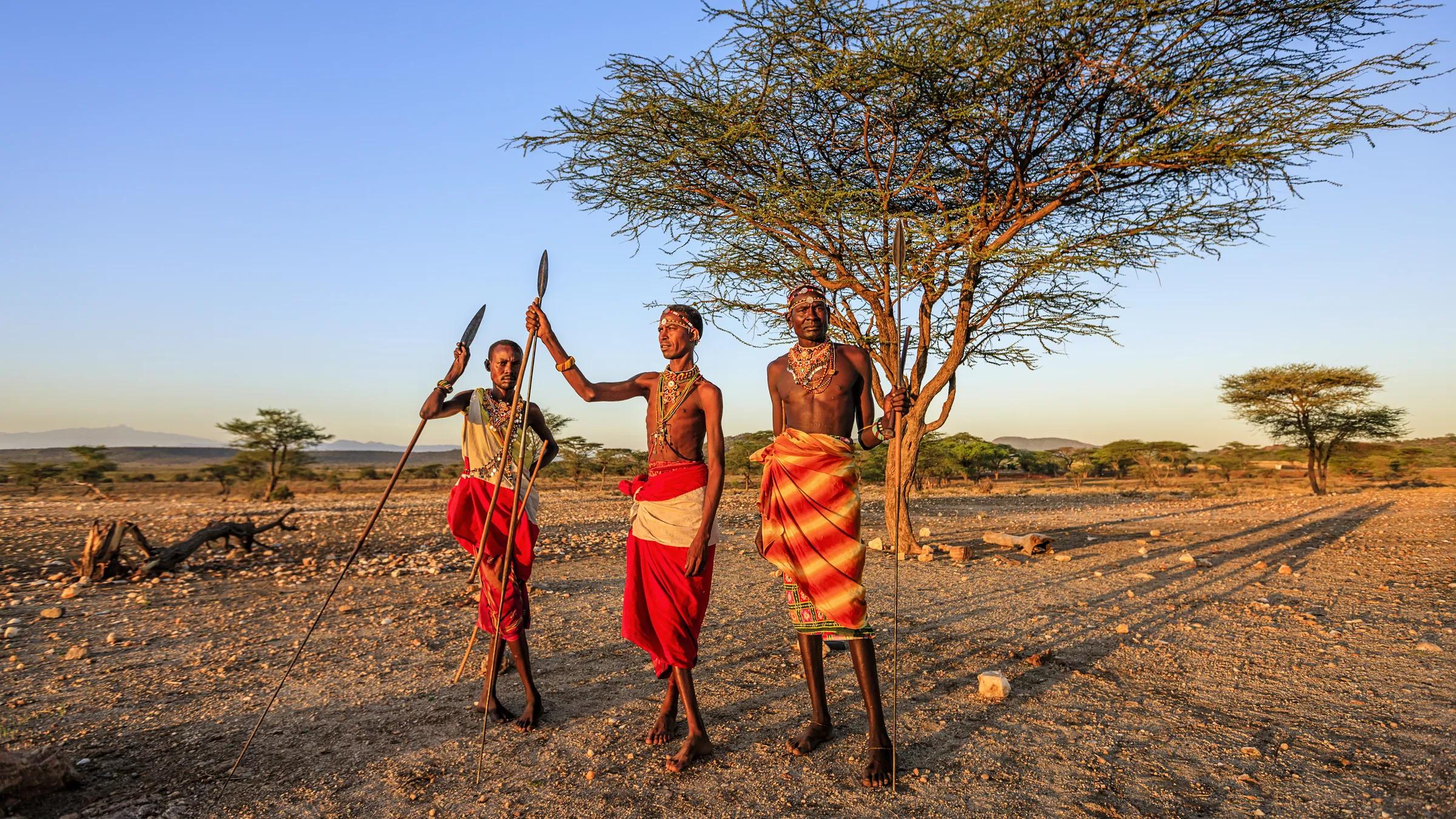
Samburu men in red shukas and beads under an acacia
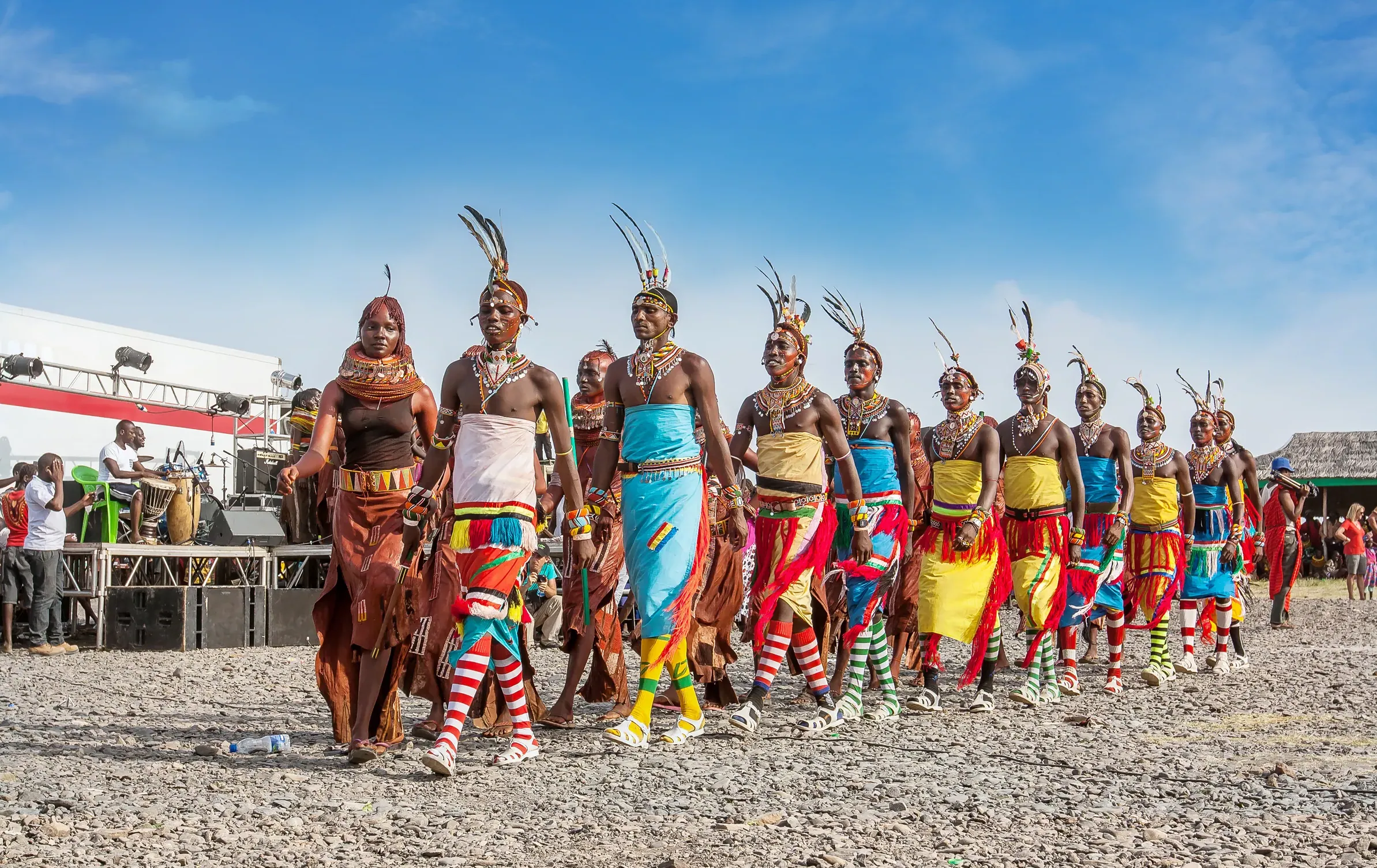
Dancers in bright beads at the Lake Turkana festival
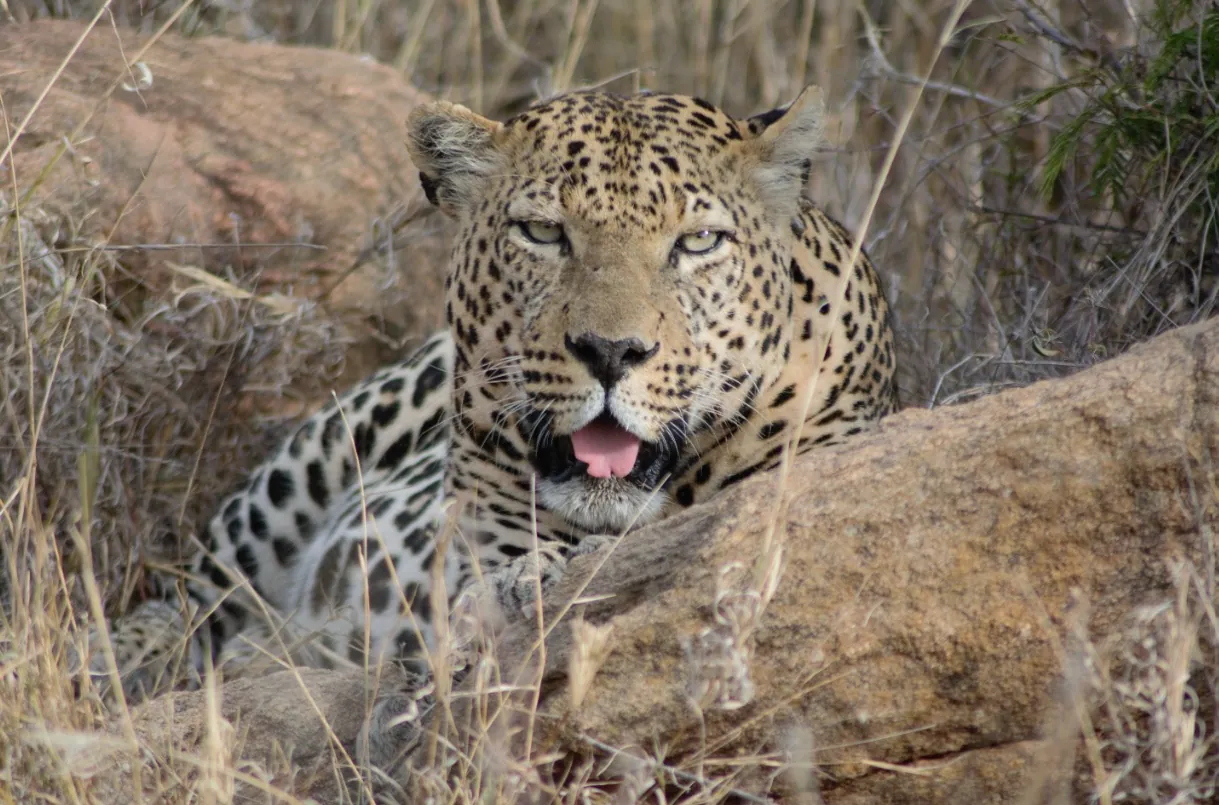
A leopard resting on a rock in Laikipia
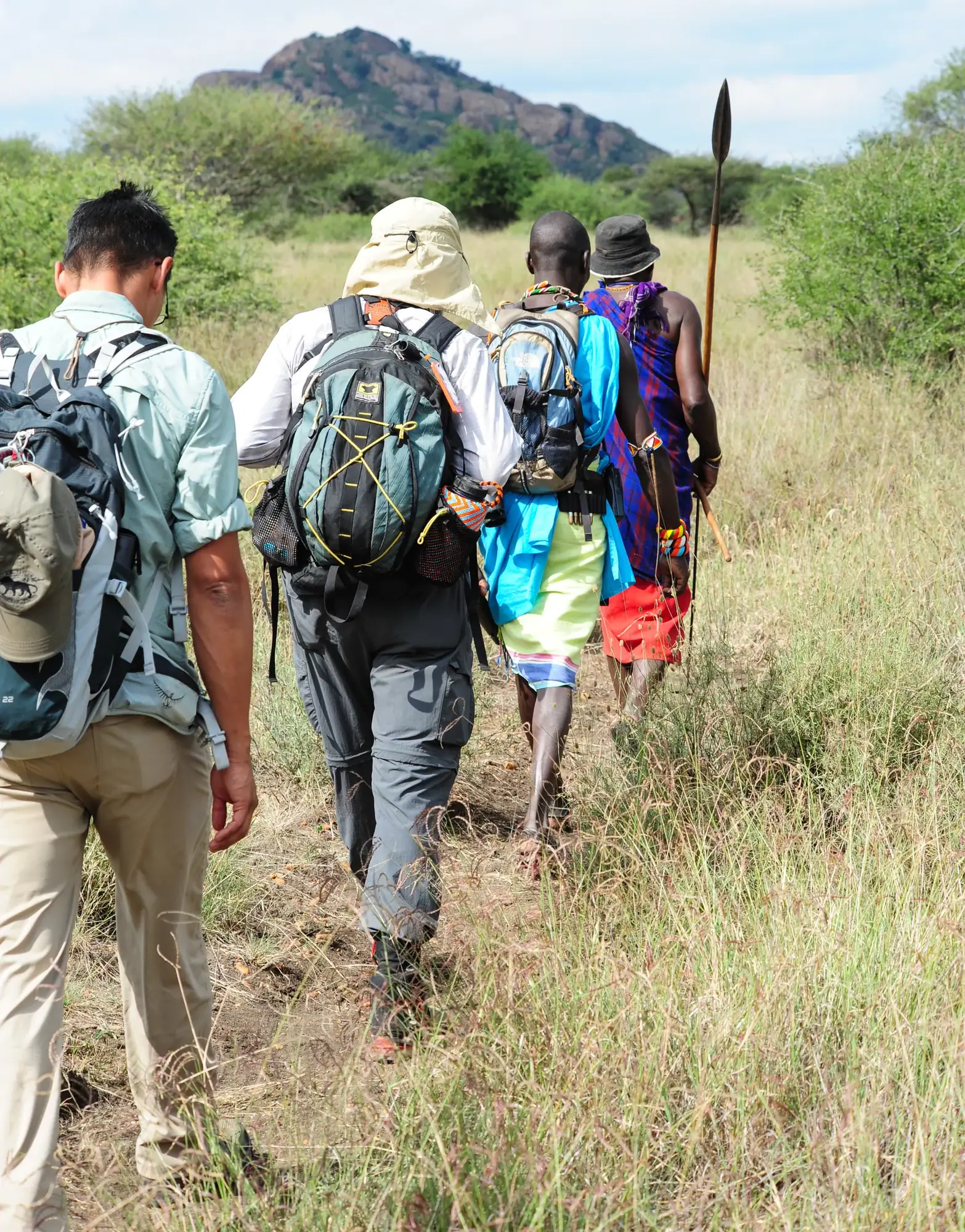
Walkers following a Samburu guide with a spear through the bush
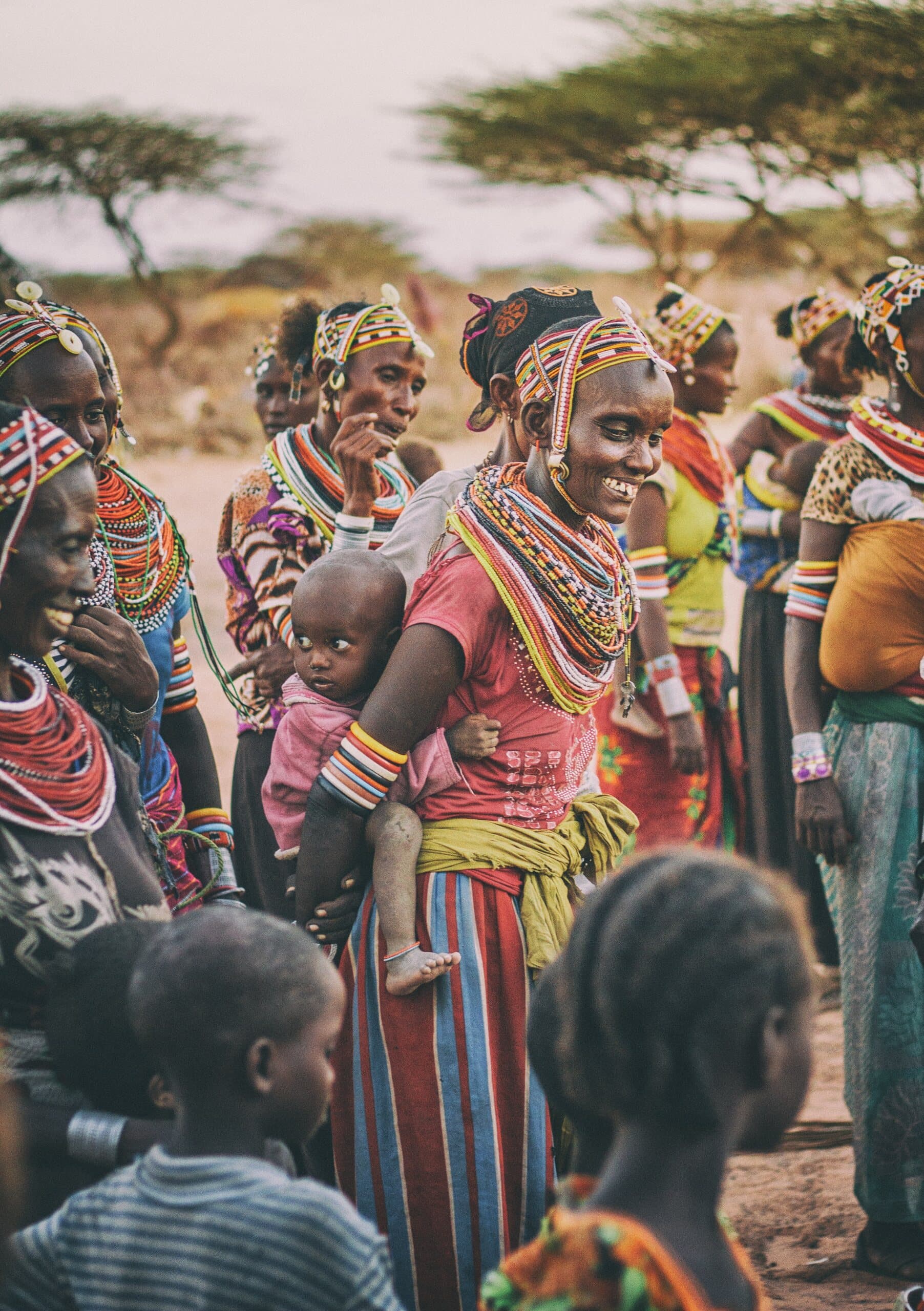
Samburu women in colourful beadwork

The Special Five

Reticulated giraffe with their crisp geometric coats, the endangered Grevy's zebra, gerenuk standing on hind legs to browse: the north rewards travelers who have already seen the Big Five and want something different.

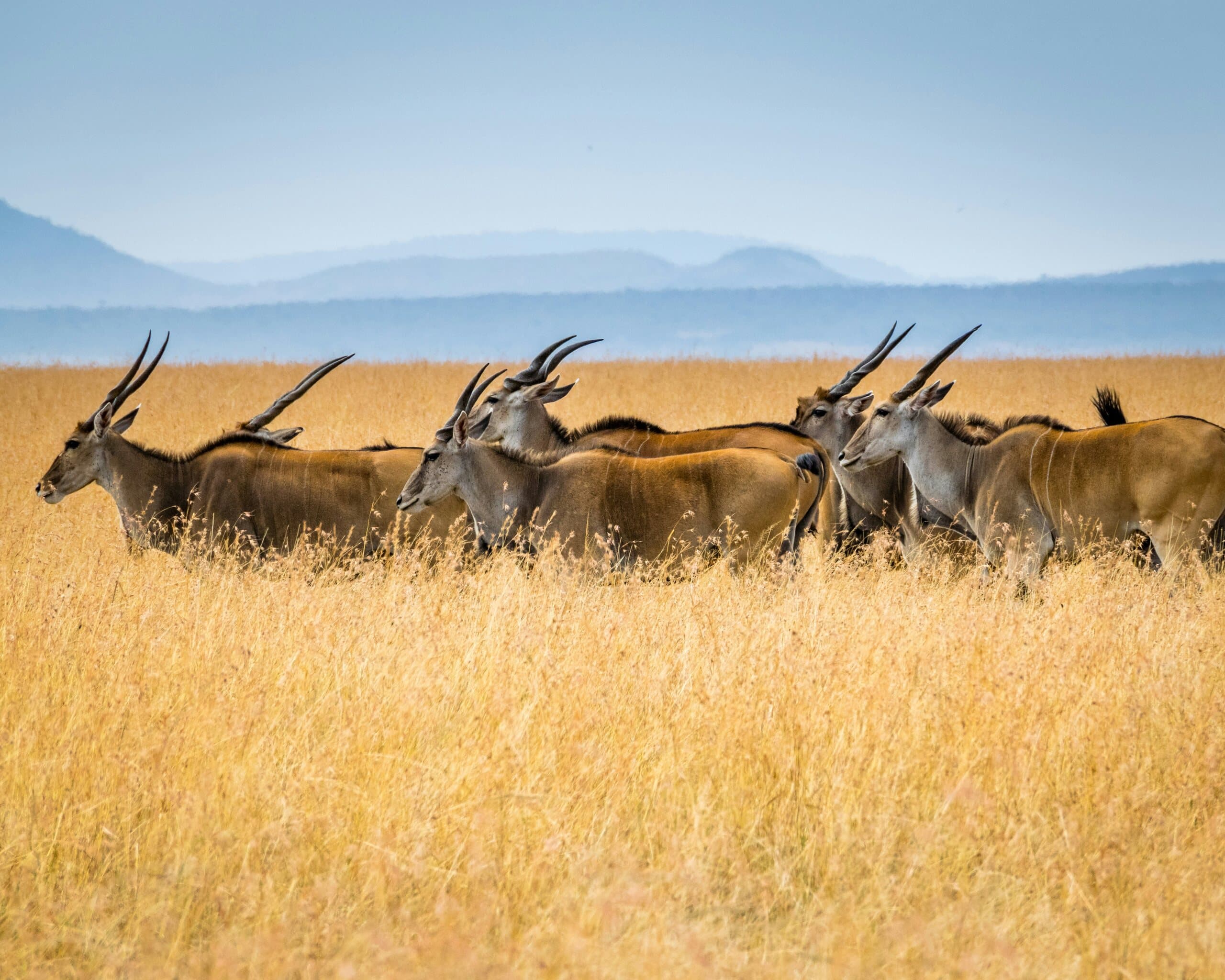
A herd of eland antelope on the savanna

Samburu and Rendille cultures

The Samburu are cousins of the Maasai, with their own beadwork, dress and ceremonies. Further north the Rendille, Turkana and Borana communities live around Marsabit and Lake Turkana, the world's largest desert lake.

Samburu men in red shukas and beads under an acacia

Laikipia

Between Mount Kenya and Samburu, the Laikipia plateau's private conservancies hold Kenya's second-largest wildlife population, including black rhino, wild dog and the last northern white rhinos at Ol Pejeta.

A camel caravan crossing dry country with Samburu guides

Getting there

A one-hour flight from Nairobi to Samburu, or six hours by road via Nanyuki.

Good to know

  1. Best timeJune to October and December to March.
  2. Getting thereA one-hour flight from Nairobi to Samburu, or six hours by road via Nanyuki.
  3. ExperiencesCulture & Heritage, Leisure & Safari.
  4. ItinerariesHighlands, Lakes & Samburu (14 days).

Your questions

What are the Samburu Special Five?

Reticulated giraffe, Grevy's zebra, Somali ostrich, beisa oryx and gerenuk: five species found in the dry north and not on the usual safari circuit.

How do I get to Samburu?

A one-hour flight from Nairobi, or six hours by road via Nanyuki, often combined with Ol Pejeta and Mount Kenya.

Can I visit a Samburu village?

Yes, through the women's cooperatives we work with: beadwork workshops, song and conversation, arranged with the community and paid fairly.

Panga

Plan your trip to Samburu & the north.

Panga means plan. Tell us who is going and what you love. A Kenya specialist replies within two business days.

Experiences in Samburu & the north

All experiences