Parks and reserves. Updated November 2026. 3 min read.
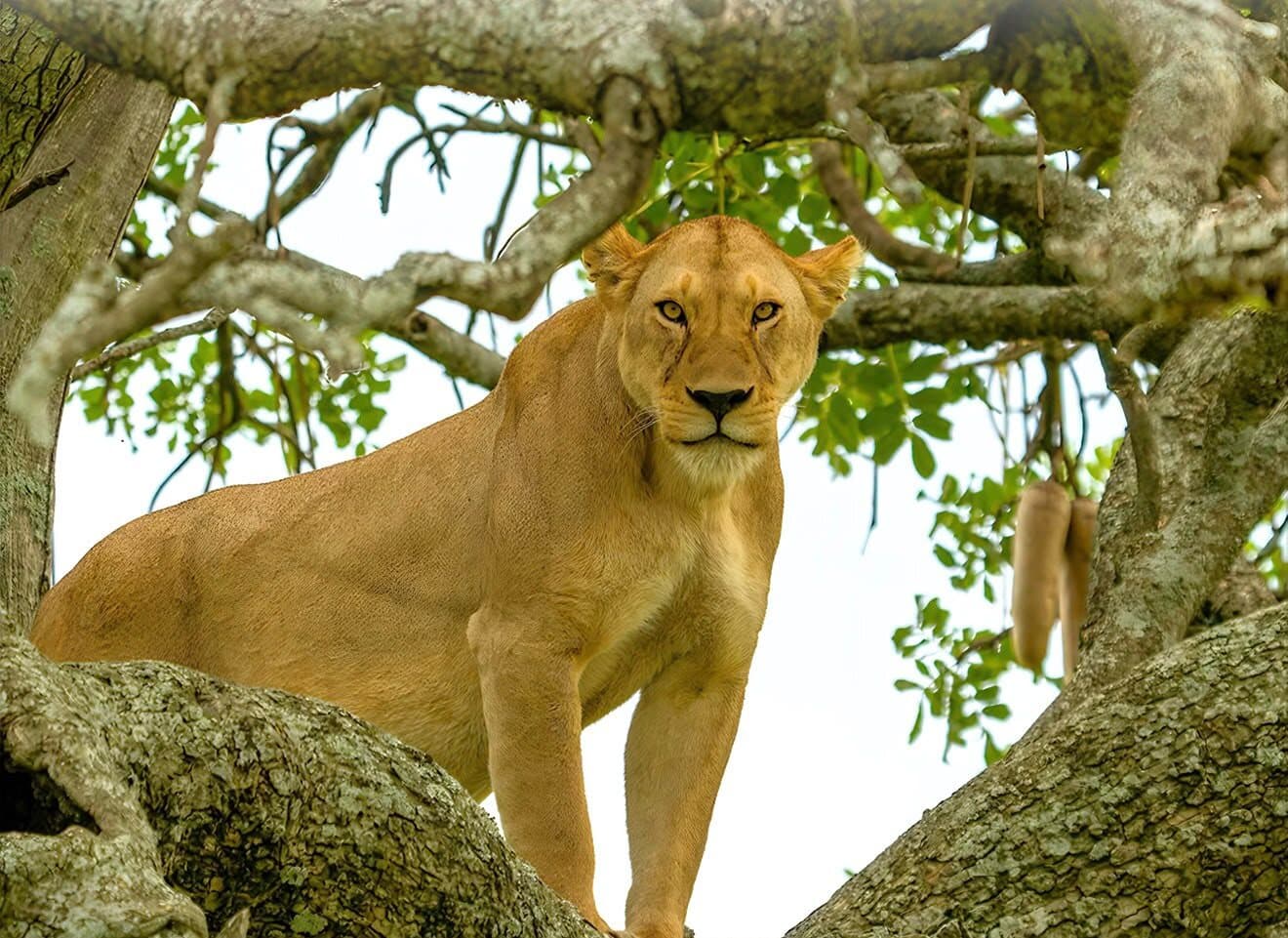
Meru National Park is a wild, uncrowded Kenya Wildlife Service park of about 870 square kilometers east of Mount Kenya, where Joy and George Adamson raised Elsa, the lioness of Born Free. Rivers lined with doum palms cross the bush and grassland, and a fenced sanctuary protects black and white rhinos. It suits travelers who want big game without the crowds.
What Meru is, and who runs it
Meru is a national park run by Kenya Wildlife Service. It lies in Meru County, on hot, low ground that drops east from the Nyambene Hills toward the Tana River. It is the heart of the Meru Conservation Area, which also includes neighboring Kora National Park and nearby reserves. Kora is where George Adamson lived and worked with lions until his death in 1989.
Poaching emptied much of the park in the 1980s. Since then, KWS and its partners have rebuilt roads and ranger posts, returned rhinos to a protected sanctuary and let the herds recover. Today you can drive for long stretches without seeing another vehicle, which is rare in Kenya's better-known parks.
Elsa and Born Free
In the late 1950s Joy and George Adamson raised an orphaned lion cub, Elsa, and returned her to the wild in the country that is now Meru National Park. Joy's book Born Free, published in 1960, and the film that followed made Elsa famous around the world and helped change how people saw wild animals. Elsa's grave lies inside the park, and your guide can take you there.
Wildlife and when to see it
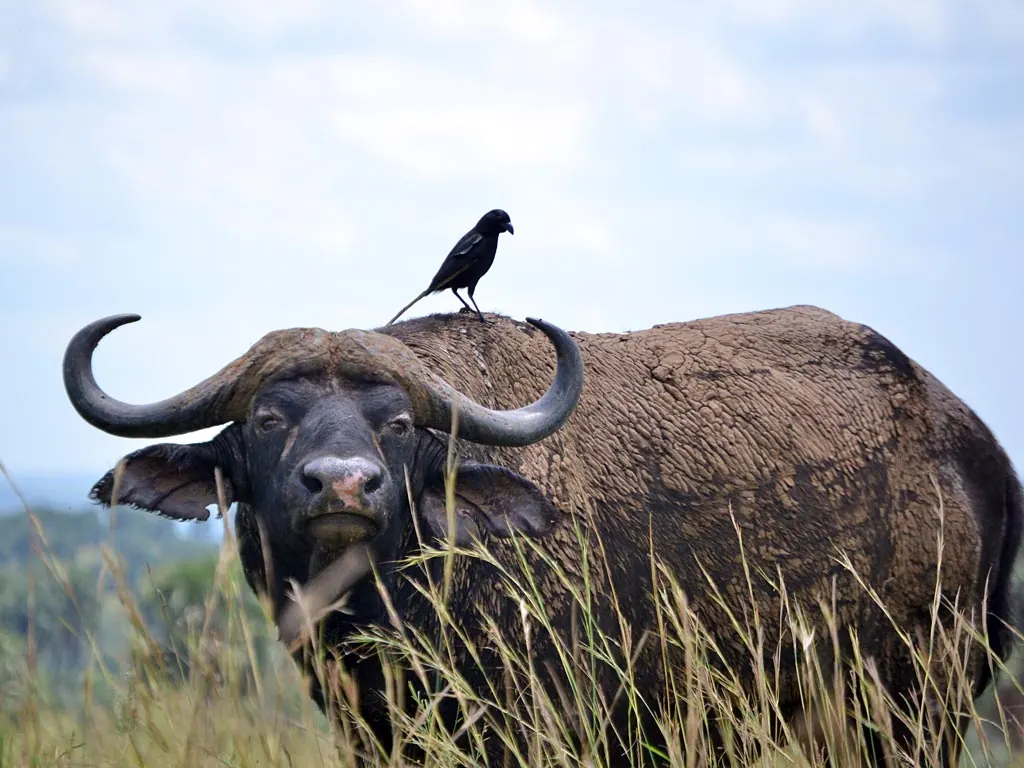
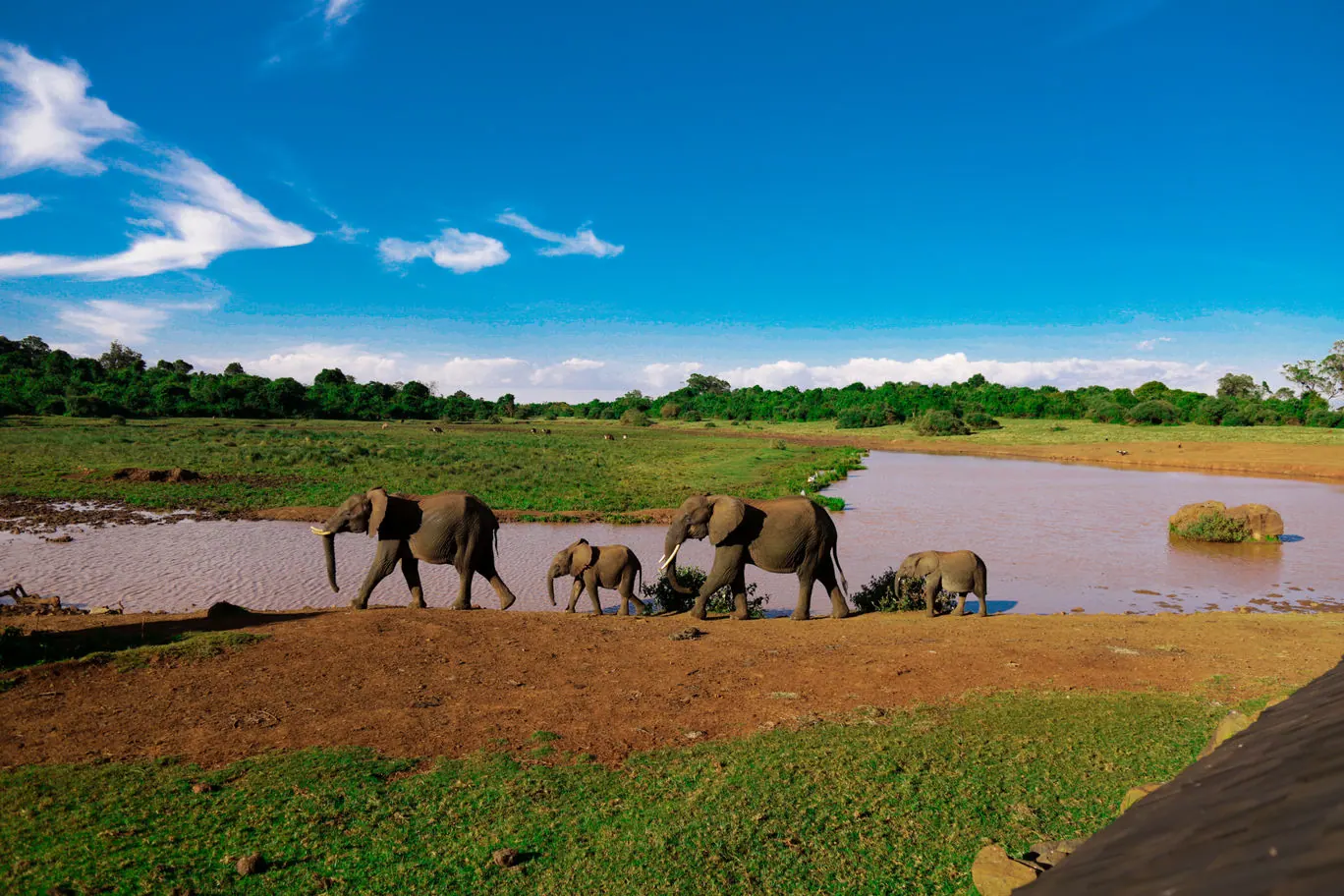
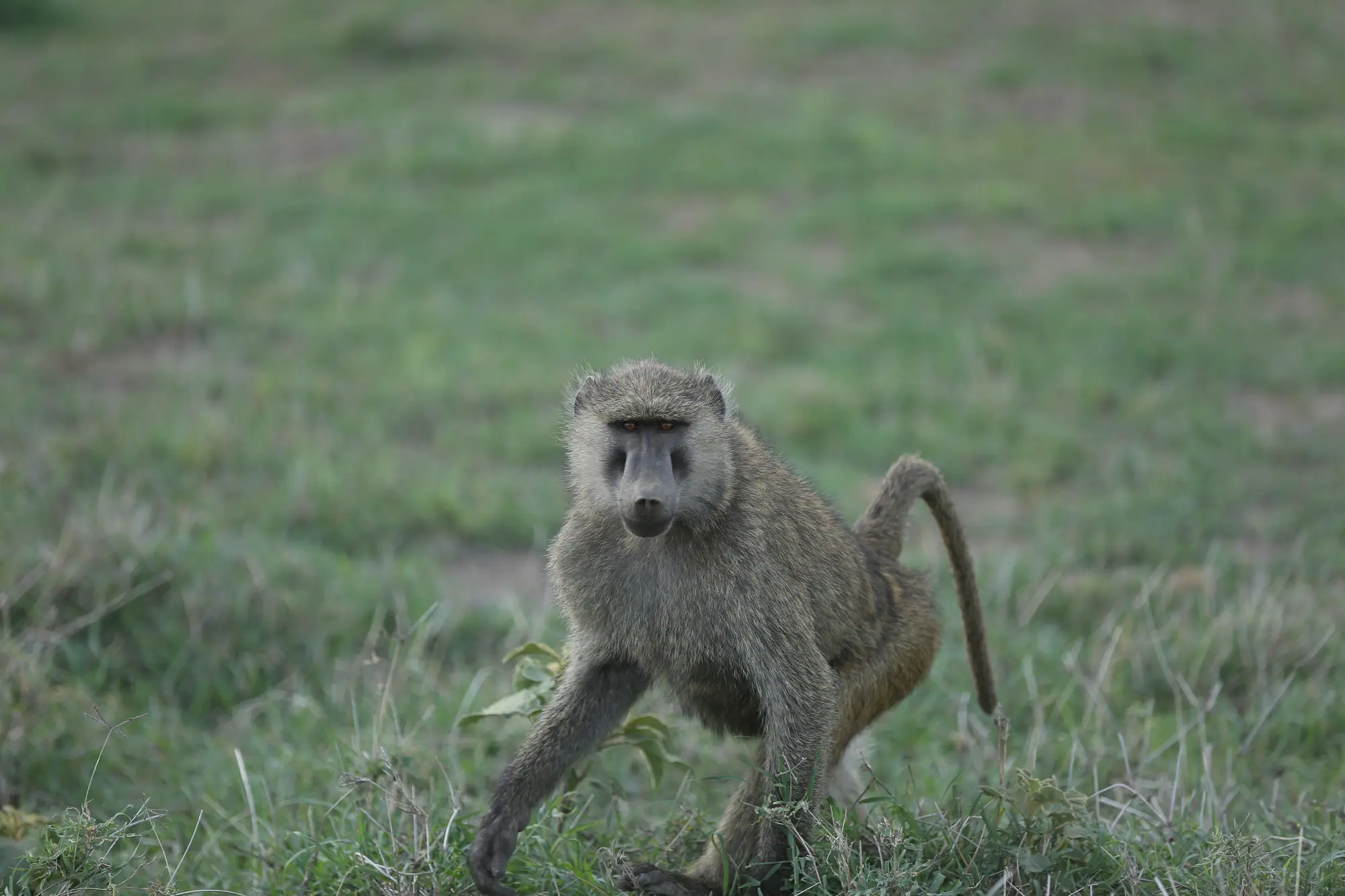
- Elephants and buffalo, often near the rivers and swamps
- Lions, leopards and cheetahs, present but harder to find in thick bush
- Black and white rhinos in the fenced rhino sanctuary
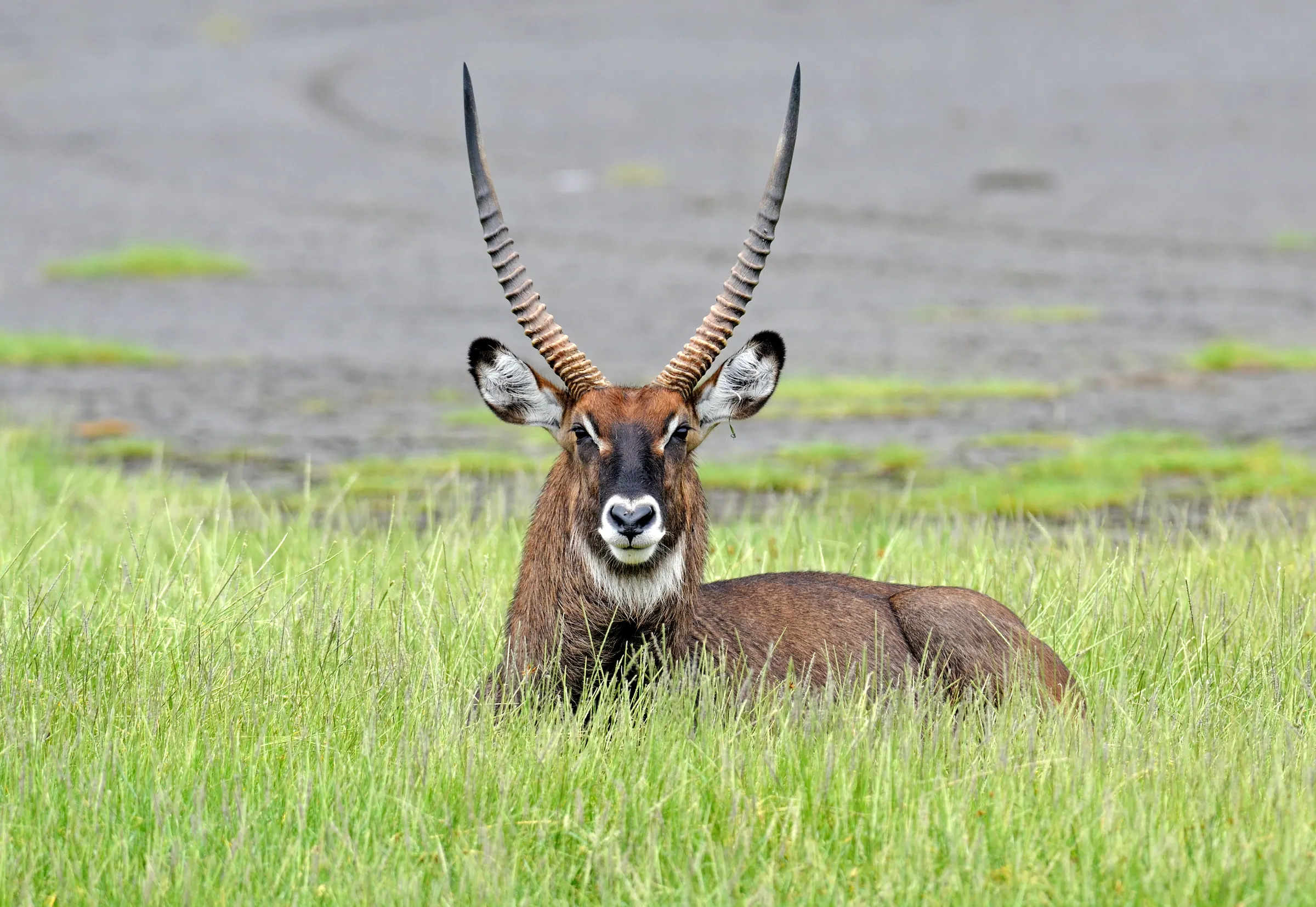
- Northern species: reticulated giraffe, Beisa oryx, gerenuk and lesser kudu
- Hippos and crocodiles in the Tana and the park's smaller rivers
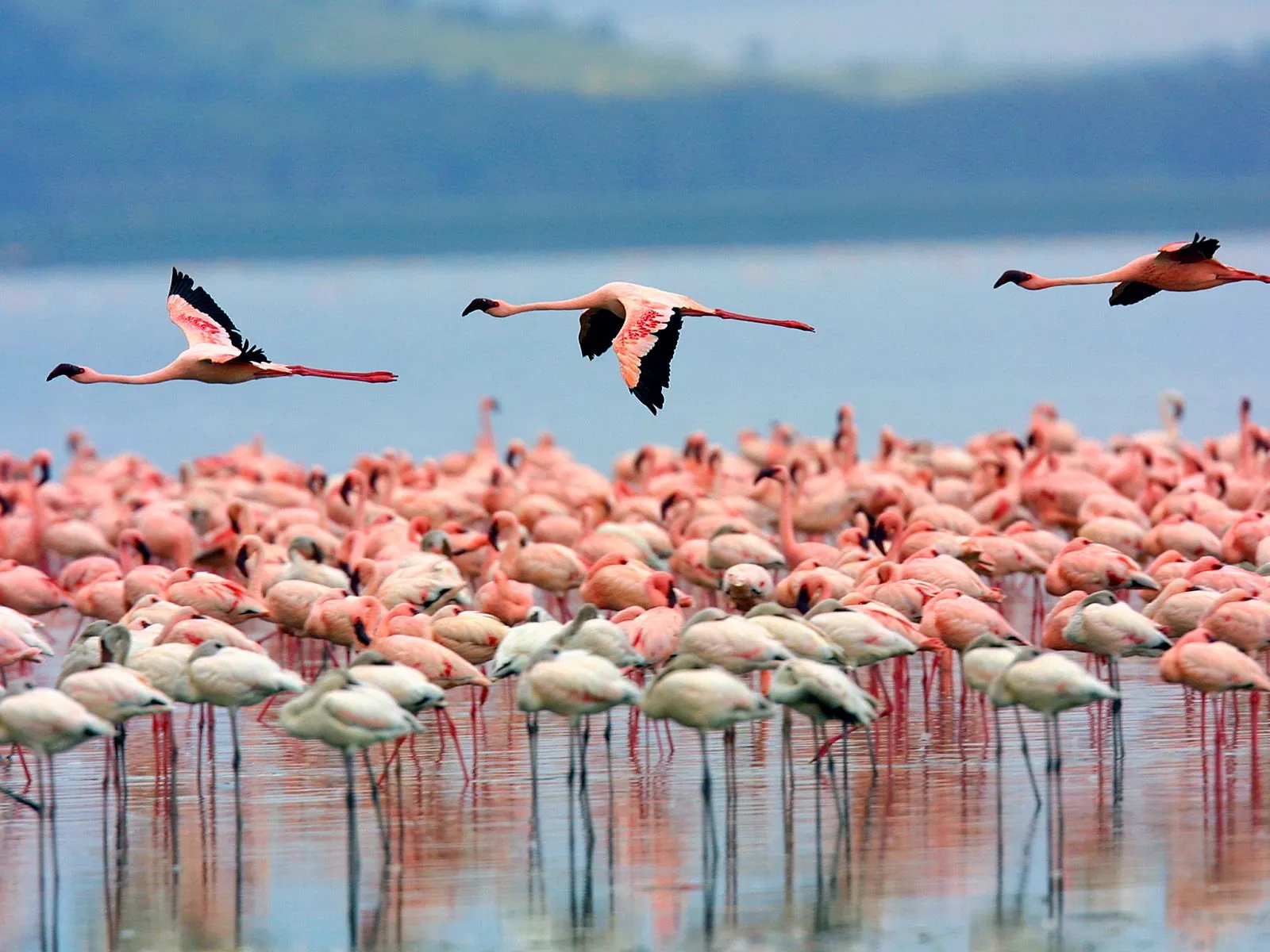
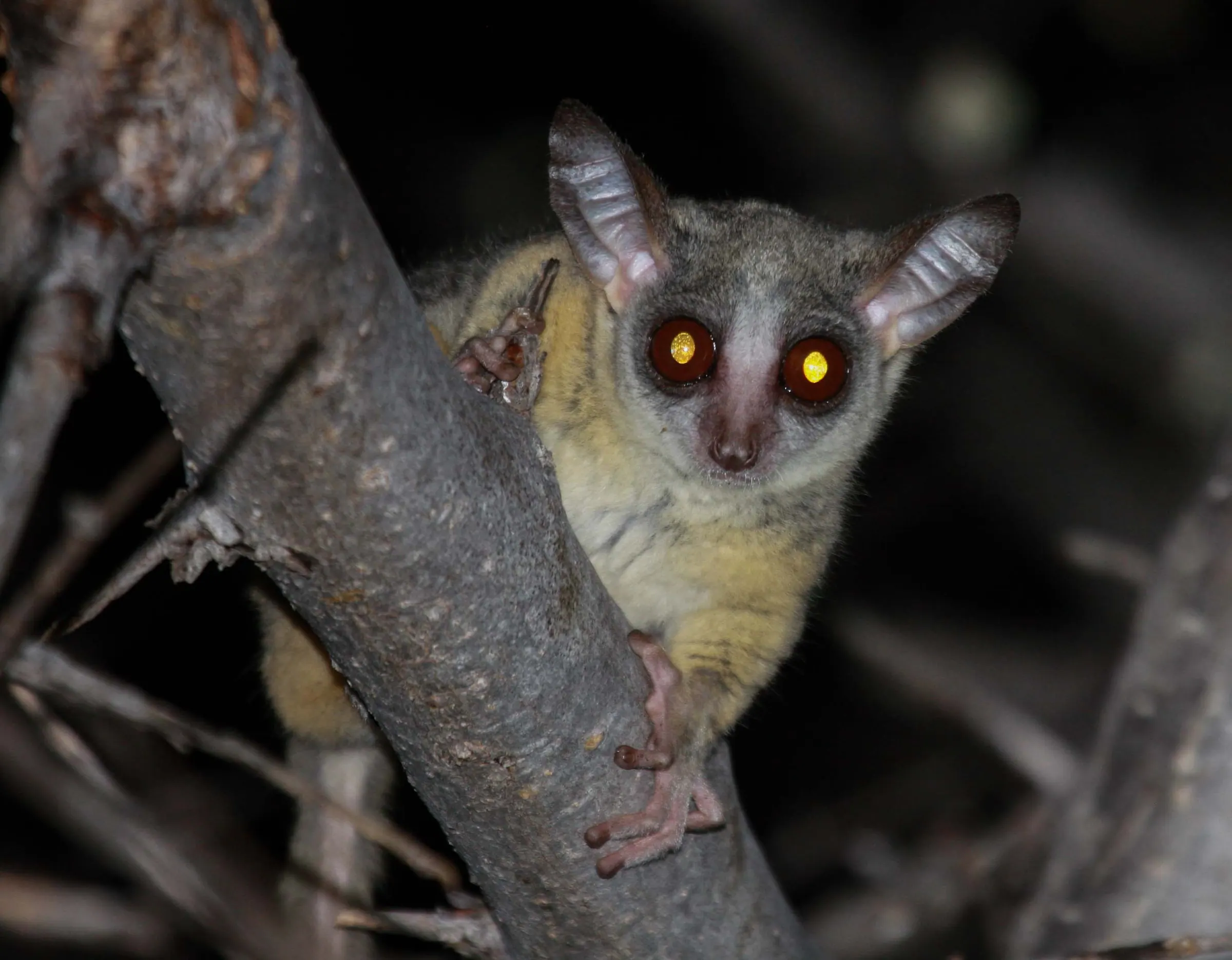
- A long bird list, from hornbills in the bush to kingfishers along the water
The best months are usually the dry seasons, from late June to October and from January to March, when the grass is shorter and animals stay near water. Meru gets heavy rain in the long rains, roughly April and May, and the short rains, roughly November and early December. Black cotton soil turns tracks to mud then, and tall grass hides wildlife, but the park is green and empty and the birding is excellent.
Getting there and how long to stay
- By road: about 350 kilometers from Nairobi, usually five to six hours via Nanyuki and Meru town, or via Embu
- By air: scheduled and charter light-aircraft flights from Wilson Airport to airstrips in the park, usually just over an hour
- Inside the park: a 4x4 is essential, especially after rain
Plan two to three nights. Meru is big and its roads are slow, so a single night leaves you with little time in the bush. Most visitors stay at a lodge or camp inside the park or near its main gate.
Things to do
- Game drives across the park and into the rhino sanctuary
- Guided walks with KWS rangers in permitted areas, arranged in advance
- Night game drives where allowed, booked through KWS or your lodge
- A visit to Elsa's grave and the Adamson story
- Birding along the rivers and in the doum palm groves
Combining Meru, and traveling responsibly
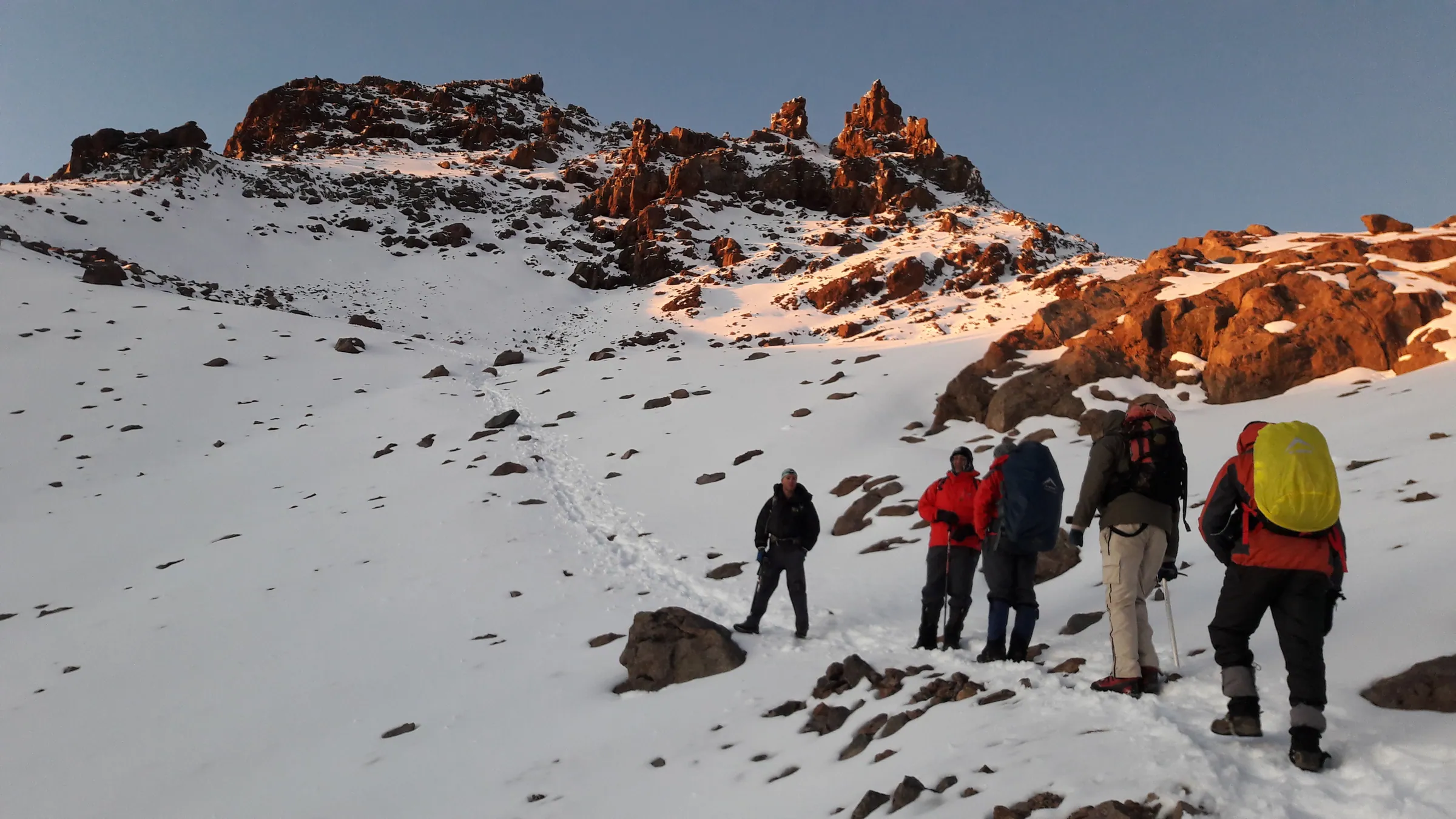
Meru pairs well with Lewa and Samburu to the north and west, and with a Mount Kenya climb. A good northern loop runs from Nairobi to Ol Pejeta or Lewa, on to Samburu, then to Meru, with a flight back to Nairobi or on to the coast.
Park fees are set by Kenya Wildlife Service and change from time to time, so check the current rates before you go. Stay on marked tracks, keep a respectful distance from rhinos and carry your trash out. Tsetse flies can be a nuisance in thick bush: wear light, neutral colors and avoid dark blue and black.
Meru is Kenya at its wildest, and it rewards a well-planned route. Kenya Experience is Kenyan-led, with two U.S. companies behind us and Kenyan guides on the ground. You can pay in full or monthly with no deposit, and a specialist replies within two business days.