Parks and reserves. Updated November 2026. 3 min read.
Aberdare National Park protects the high moorland and misty forests of the Aberdare Range in central Kenya, about three hours north of Nairobi. It is known for waterfalls, rare forest animals such as the bongo and the giant forest hog, and its tree hotels, where guests watch elephants and buffalo at floodlit waterholes after dark.
What the Aberdares are, and who runs them
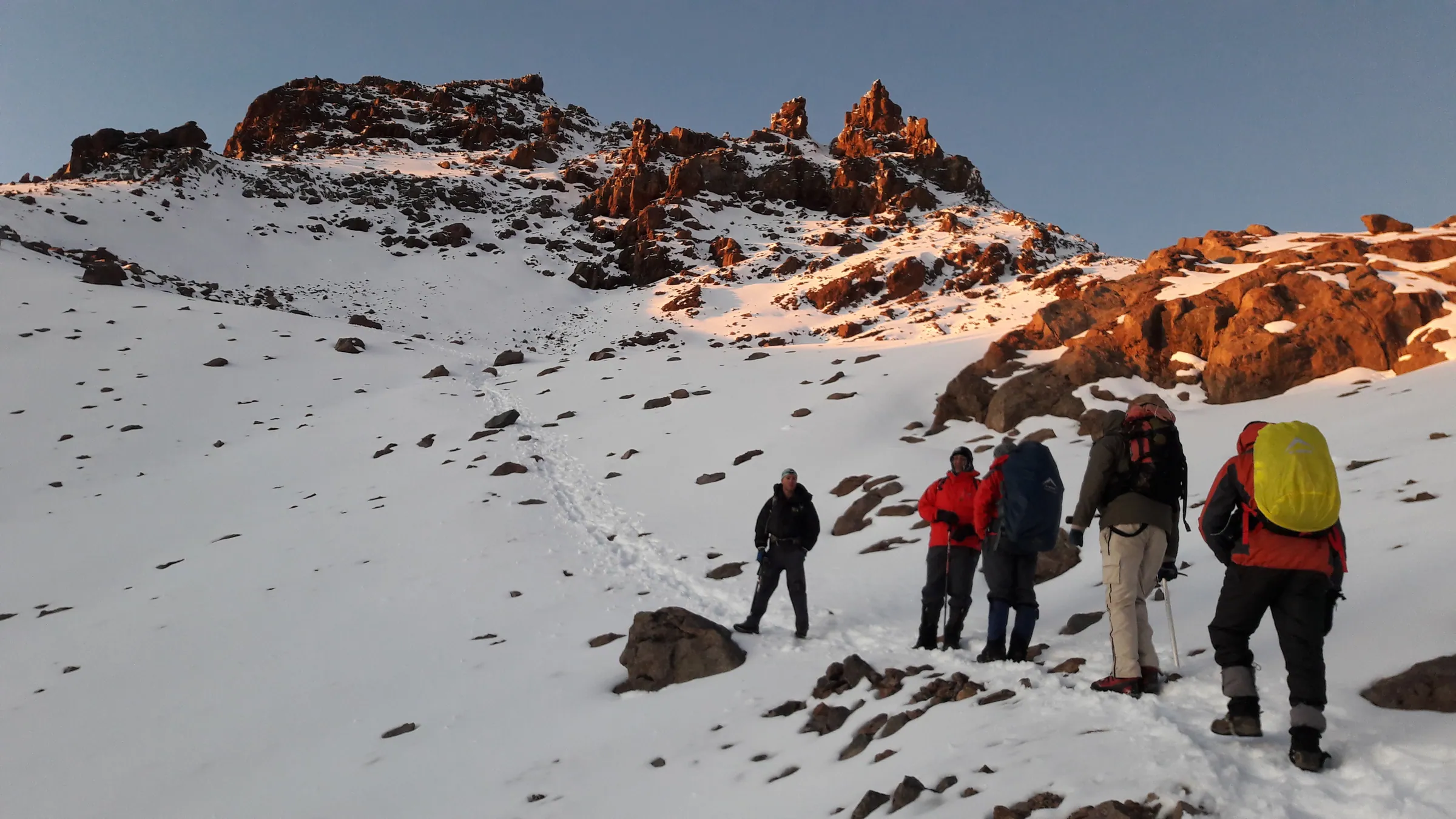
The park was set up in 1950 and covers about 767 square kilometers in Nyeri and Nyandarua counties. Kenya Wildlife Service manages the park, and the Kenya Forest Service manages the forest reserves around it. The park has two parts. The moorland plateau lies between about 3,000 and 4,000 meters, under the peaks of Ol Donyo Lesatima and Kinangop. The Salient is a lower arm of forest reaching east toward Nyeri, where most of the big game lives.
A long electric fence, built over many years with the conservation charity Rhino Ark, now rings the range. It keeps elephants out of farms and protects the forest, which feeds rivers that supply much of Nairobi's water.
The tree hotels
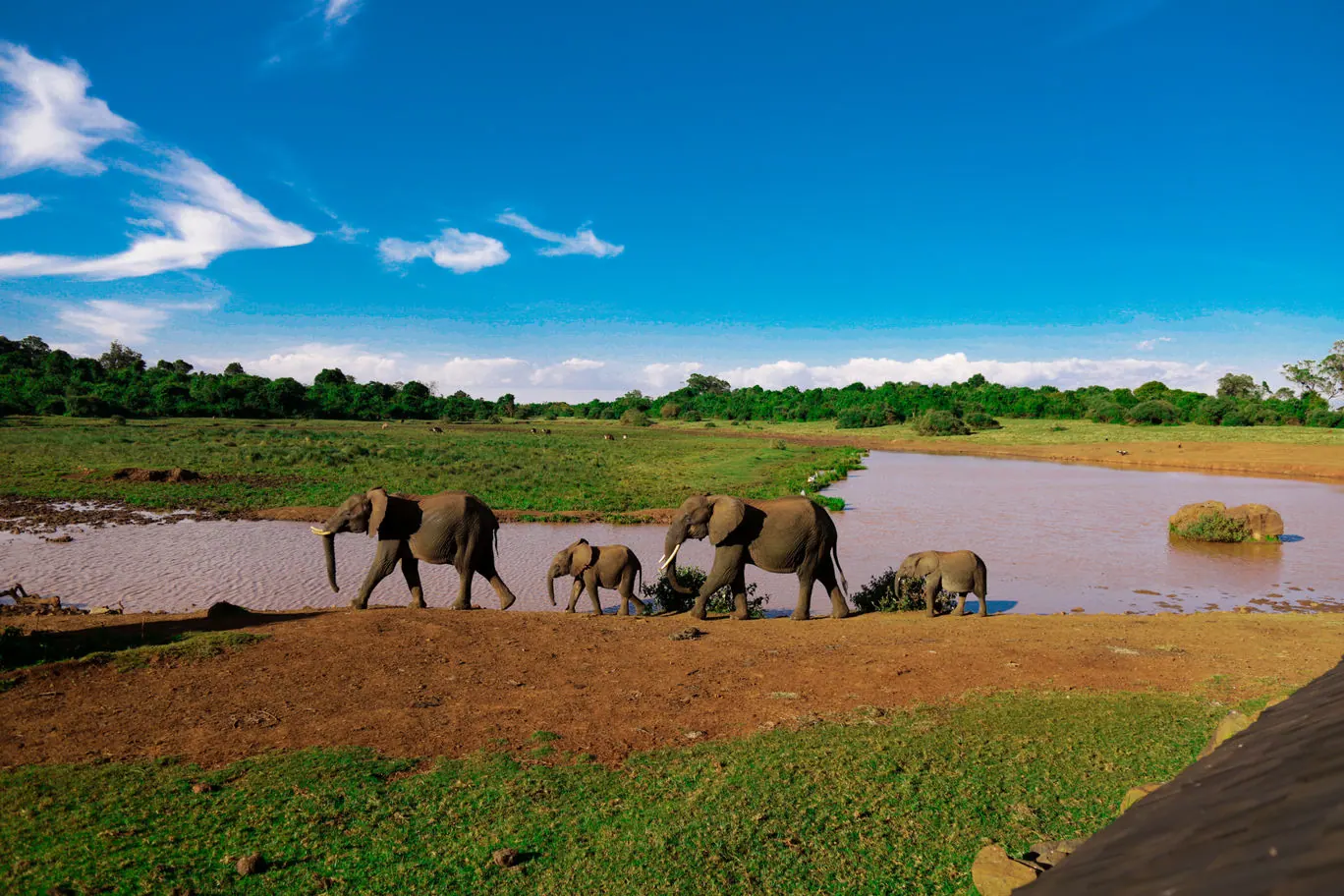
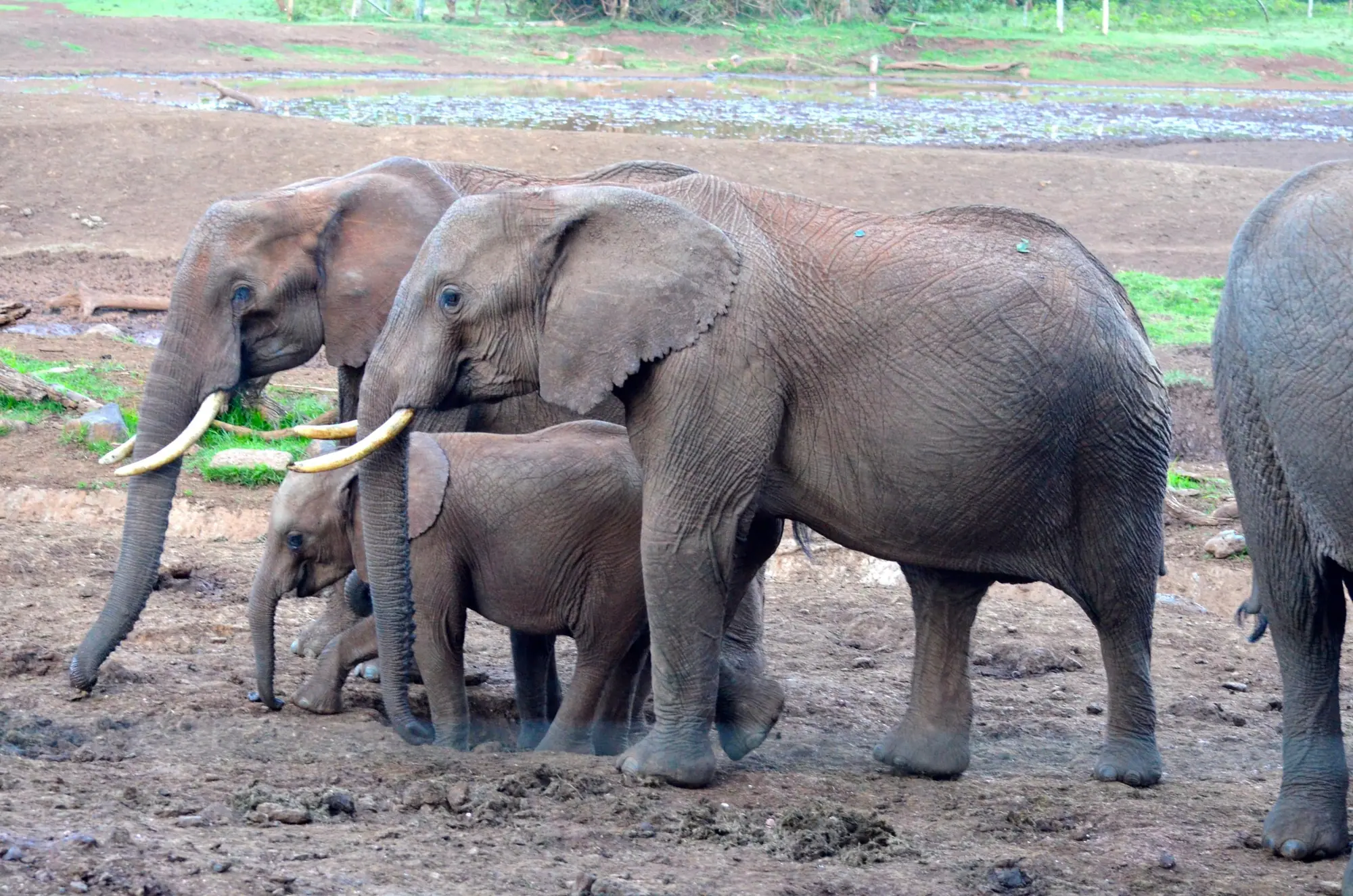
The Aberdares made the tree hotel famous. Guests arrive in the afternoon, settle into rooms built above a waterhole, and watch through the evening as elephants, buffalo, bushbuck and sometimes a leopard come to drink and lick salt. At some lodges staff will wake you if something special appears in the night. In February 1952, Princess Elizabeth was staying at one of these lodges when her father died, and she came down from the tree as queen.
Wildlife and scenery
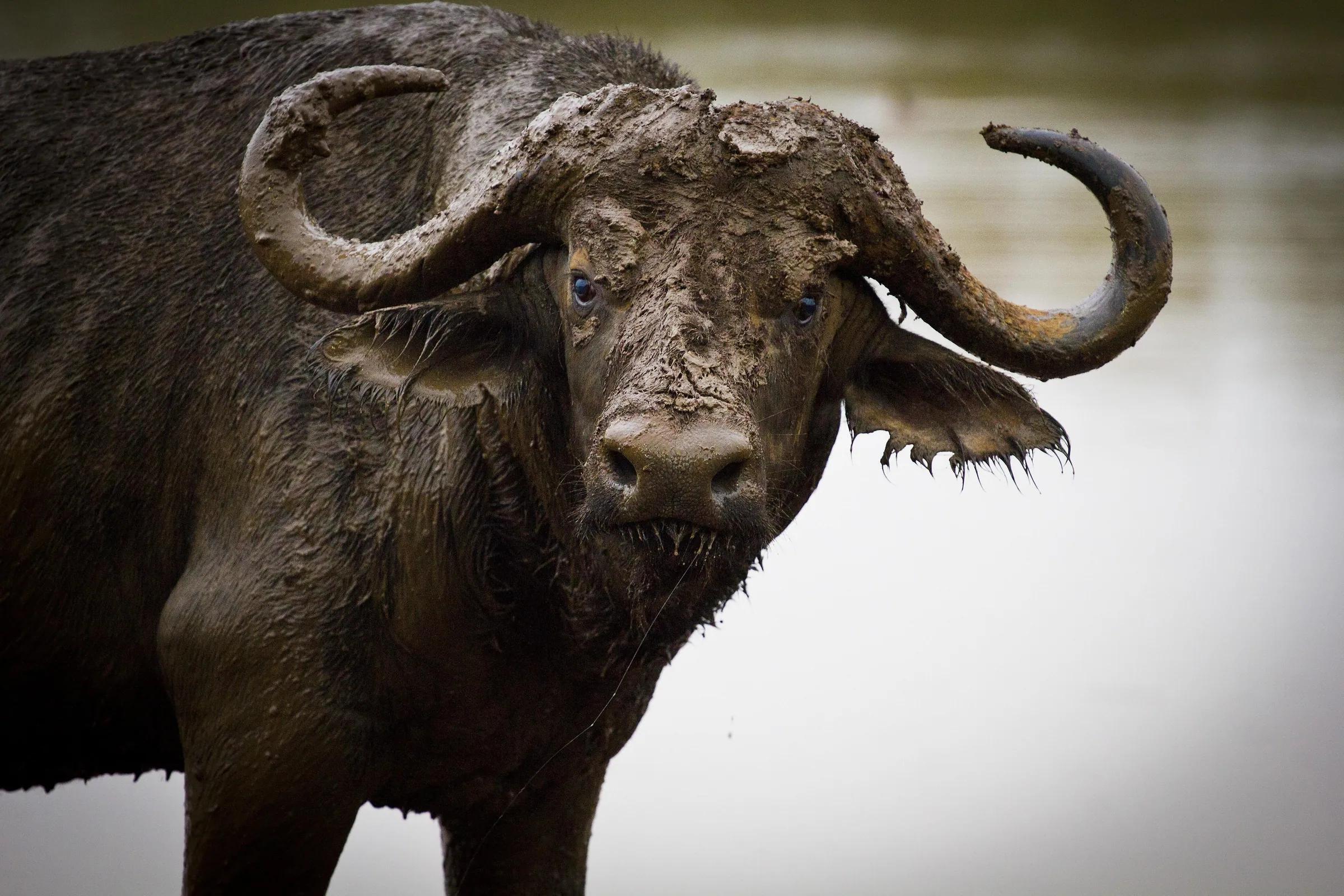
- Elephants and buffalo in the forest glades of the Salient
- Black rhinos, shy and rarely seen in thick forest
- Bongo, a striped forest antelope that very few visitors ever see
- Giant forest hogs, black-and-white colobus and Sykes' monkeys
- Leopards and spotted hyenas, and on the moorland, serval cats, some of them almost black
- Waterfalls such as Karuru, which drops about 273 meters in three steps, and Gura and Chania
This is one of Kenya's wettest parks. Rain can fall in any month, and the long rains, usually March to May, can close roads. The drier months, often December to February and June to September, are best for driving and hiking. Mornings on the moorland are cold, sometimes close to freezing, so pack warm layers and a rain jacket whenever you go.
Getting there and how long to stay
- By road: about 160 kilometers from Nairobi to Nyeri, roughly two and a half to three hours, then on to the park gates
- Park headquarters is at Mweiga, near Nyeri
- By air: light aircraft fly to airstrips near Nyeri and Nanyuki
- Inside the park: a 4x4 is required, and moorland roads can close after heavy rain
One night at a tree hotel is the classic visit. Add a second day if you want to drive across the moorland, see the waterfalls or hike. Two nights also give you a better chance of the forest's shyer animals.
Things to do
- Game drives in the Salient and across the moorland
- A night of game viewing at a tree hotel
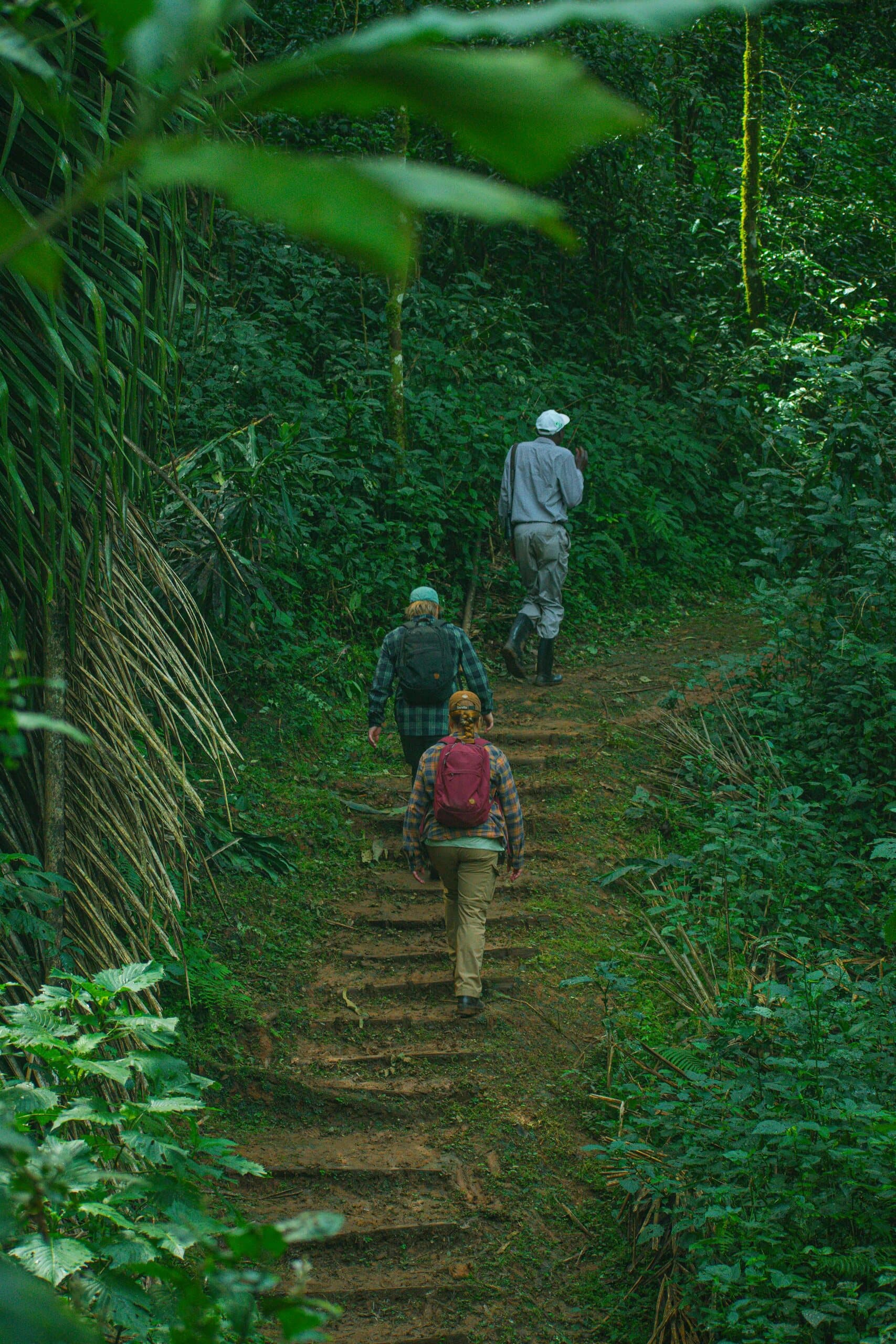
- Hiking on the moorland and toward the peaks, with a KWS ranger escort arranged in advance
- Trout fishing in the moorland streams, with a permit
- Picnics and camping at designated sites
Combining it, and traveling responsibly
The Aberdares sit between Nairobi and Laikipia, so they fit neatly on the way north to Ol Pejeta, Lewa or Samburu, or alongside a Mount Kenya climb. Nyeri also has coffee and tea farms close by, a good half-day visit.
Park fees are set by Kenya Wildlife Service and change from time to time; check current rates before you travel. Never get out of your vehicle in the forest unless a ranger says it is safe: elephants and buffalo can appear suddenly at close range. Keep noise down at the waterholes so the animals, and other guests, can enjoy the night.
The Aberdares show how much Kenya fits into one trip: forest and moorland in the morning, savanna by the afternoon. We are Kenyan-led, with two U.S. companies behind us, and you travel with Kenyan guides. Pay in full or monthly with no deposit; a specialist replies within two business days.