Know Kenya. Updated November 2026. 5 min read.
Kenyan food is a country on a plate: Swahili coconut and spice from the coast, Indian flatbreads and curries from the railway era, maize, beans and greens from the highlands, fish from Lake Victoria, and the smell of nyama choma rising from every roadside in between. It is not fancy food. It is generous, filling and best eaten with the people who cooked it.
If you only try four things, make them ugali with sukuma wiki, nyama choma with kachumbari, a coast pilau, and a cup of Kenyan chai with a mandazi. The cards above list twelve dishes and the community foods behind them. Below is where to eat them, what you will be served on safari, and how to bring the food home with you. For the wider picture of culture, music and manners, our Kenyan culture guide is the companion page.
The everyday plate
Most Kenyan meals are built on a starch and a stew. Ugali, made from white maize flour and water stirred until it holds its shape, is the default starch from Mombasa to Kisumu. Rice, chapati and potatoes rotate in. The stew might be beef, goat, chicken, beans or lentils, and on the side there is almost always a green: sukuma wiki, cabbage, or traditional leaves such as managu and terere that many families still grow. The food is lightly spiced inland and more heavily spiced on the coast.
How to eat ugali: wash your hands, tear off a piece with your right hand, roll it into a ball, press a hollow with your thumb and use it to scoop. Nobody minds if you ask for a spoon, but you will be applauded for trying. In homes and local restaurants, someone will often bring a jug of warm water and a basin to the table before the meal.
Food by region
| Region | What to eat | Where |
|---|---|---|
| Coast | Pilau, biryani, fish in coconut, mahamri, viazi karai, grilled mishkaki, fresh madafu coconut water | Mombasa Old Town, Diani, Watamu, Malindi |
| Nairobi | Nyama choma, mutura, samosas and bhajia, Ethiopian and Somali food, Kenyan breakfasts | Kenyatta Market, Diamond Plaza, Eastleigh, River Road |
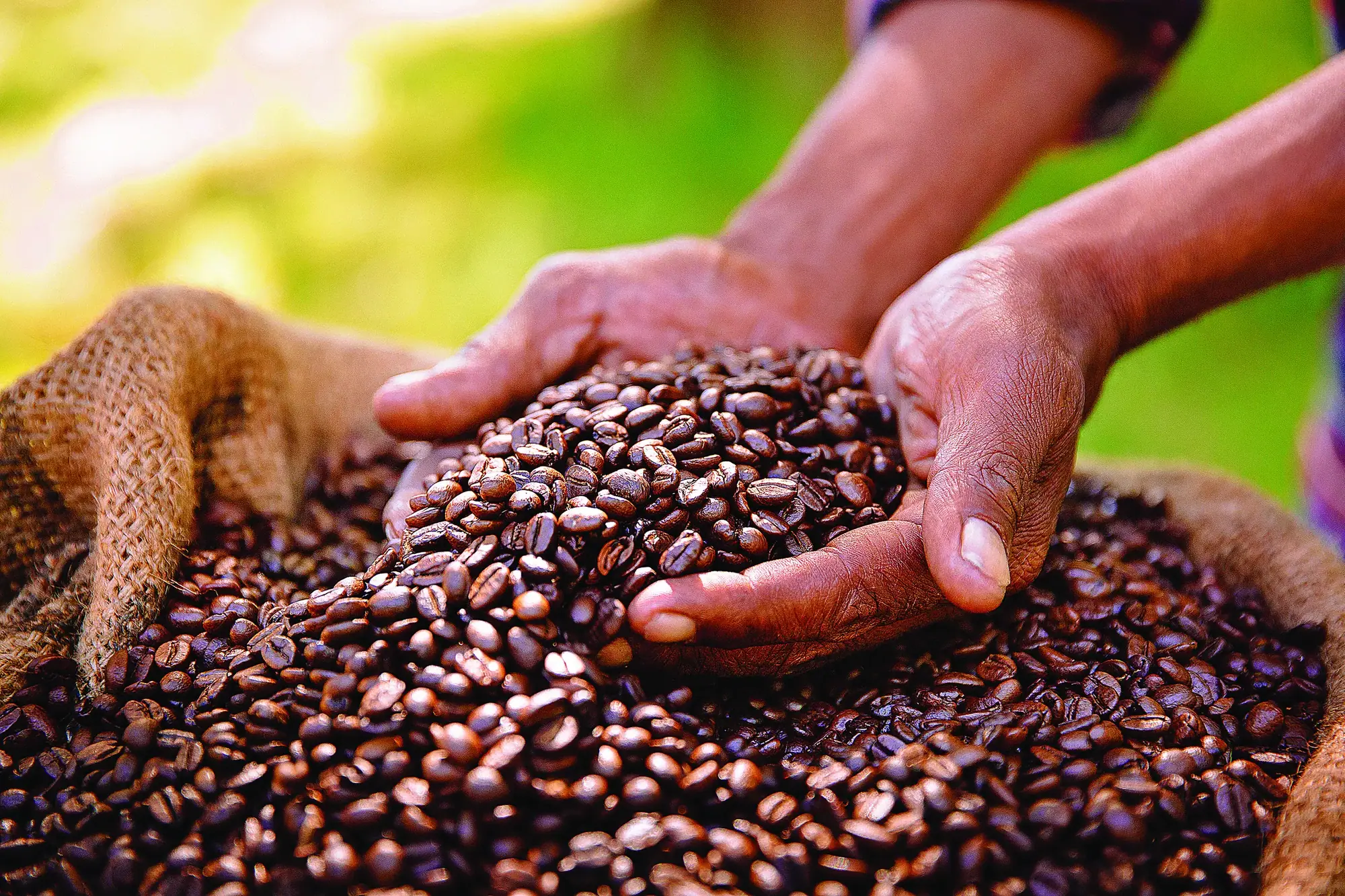
| Central highlands | Githeri, mukimo, irio, fresh milk, and the tea and coffee that grow there | Nyeri, Kiambu, Murang'a, Kericho |
| Lake Victoria and the west | Whole fried tilapia, omena, ugali, chicken, traditional greens | Kisumu lakefront, Kakamega, Kisii |
| Rift Valley | Nyama choma, mursik, roadside roast maize | Nakuru, Naivasha, Eldoret, Iten |
| North | Camel milk, goat, tea with spice | Isiolo, Marsabit, Samburu |
Nyama choma, properly
Nyama choma is less a dish than an afternoon. You walk to the butcher's counter, choose your goat or beef by the kilo, and wait while it roasts slowly over charcoal. It comes to the table on a wooden board, chopped into pieces, with salt, kachumbari (tomato, onion and chili) and ugali or roast potatoes. Order a Tusker or a soda, and settle in: an hour is fast. Goat is the connoisseur's choice. Nairobi's Kenyatta Market is the classic city spot, Carnivore is the tourist-friendly version, and the roadside choma stops around Nakuru and on the Naivasha road are where many Kenyans stop on a weekend drive.
The coast kitchen
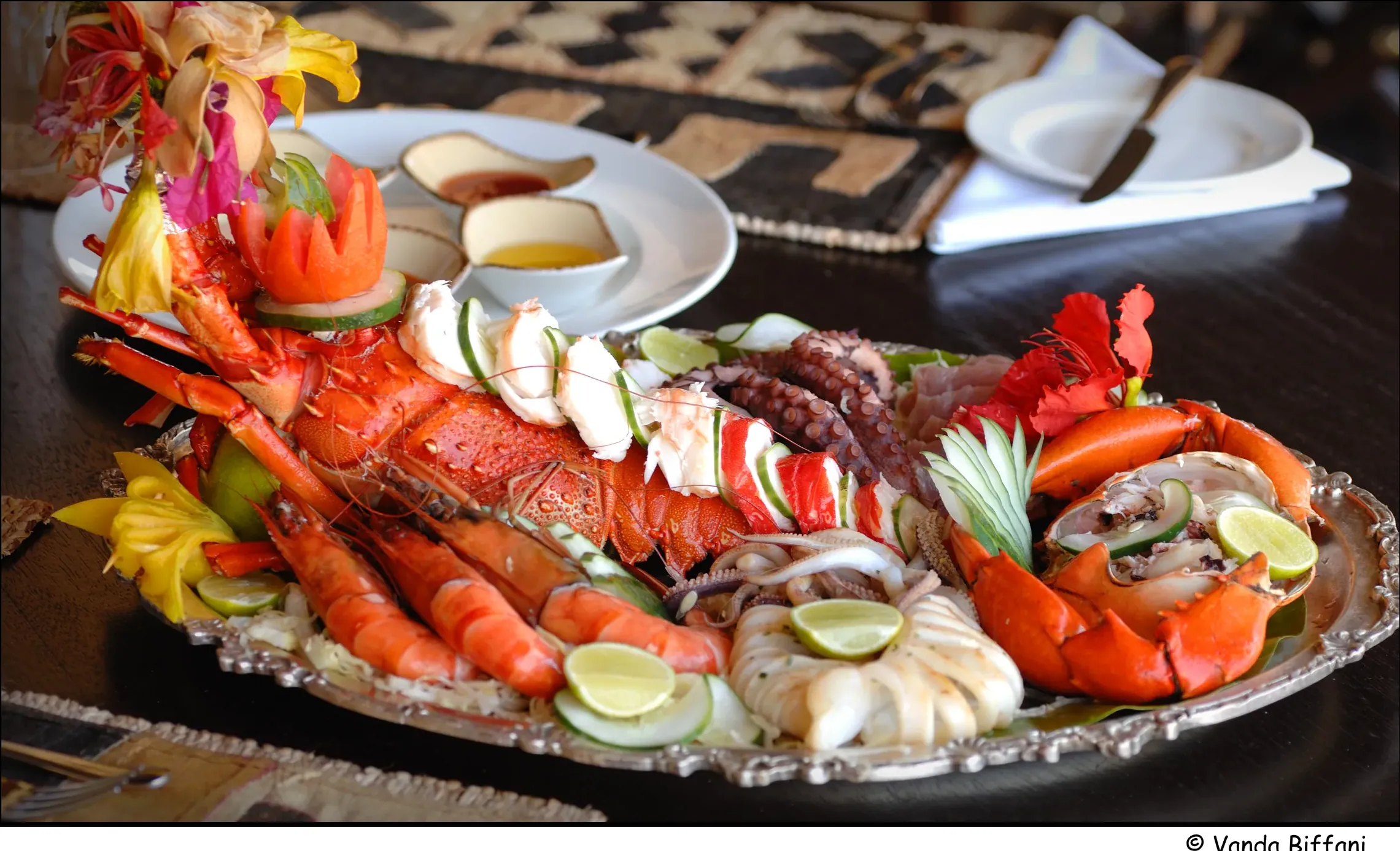
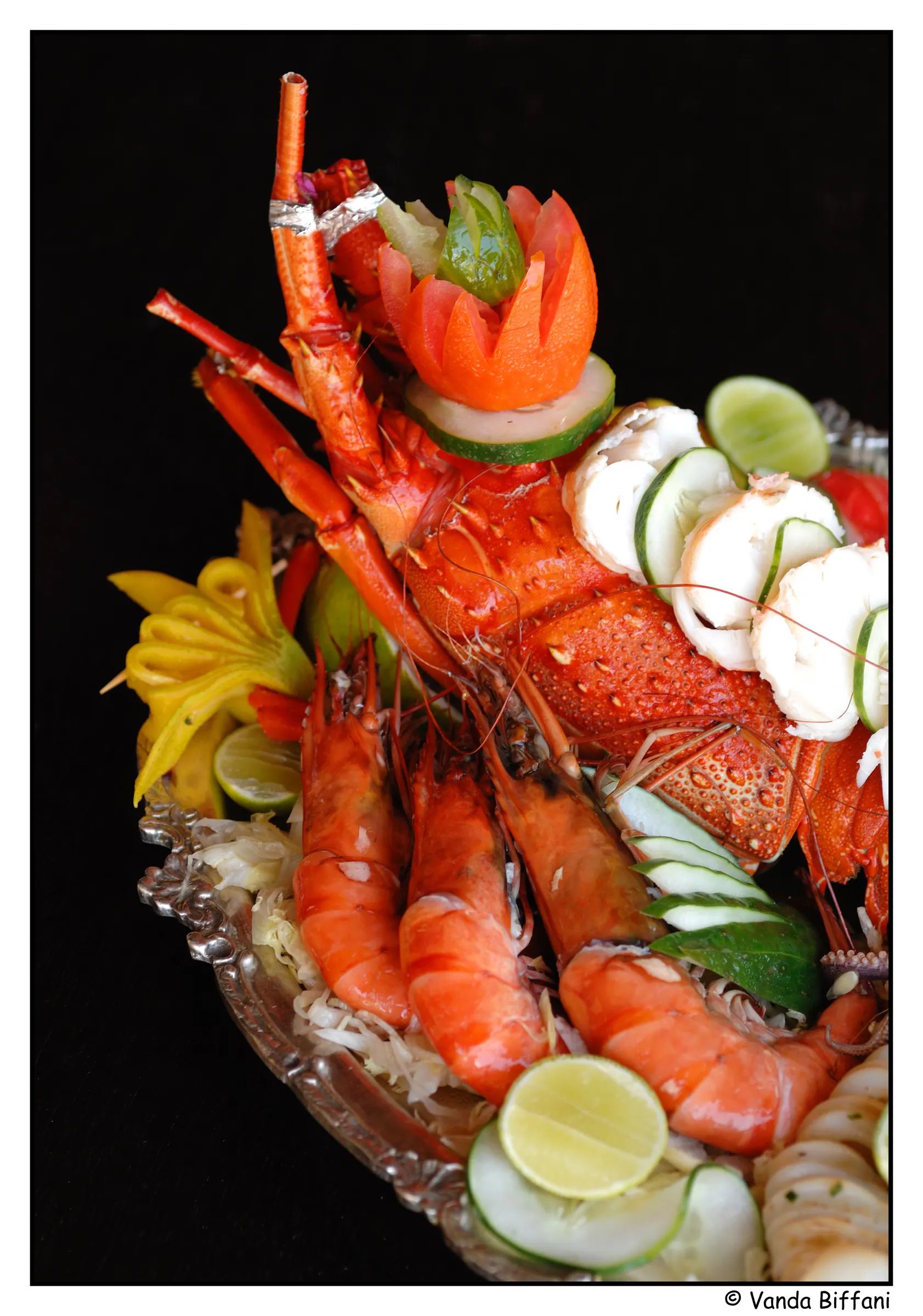
The Swahili coast cooks with coconut, tamarind, lime, chili and the spices that came across the Indian Ocean: cardamom, cloves, cinnamon and cumin. Pilau is rice cooked in spiced stock with meat; biryani is richer, layered and slower. Fish is grilled or simmered in coconut sauce. Breakfast is mahamri and chai, and the afternoon snack is viazi karai, battered potatoes fried in a karai pan. In Mombasa, give the Old Town a lunch and an evening; on the south coast, Diani's beach restaurants serve the seafood platters. During Ramadan, many coast cafes close in the day and open after sunset, when the street food is at its best.
What you will eat on safari
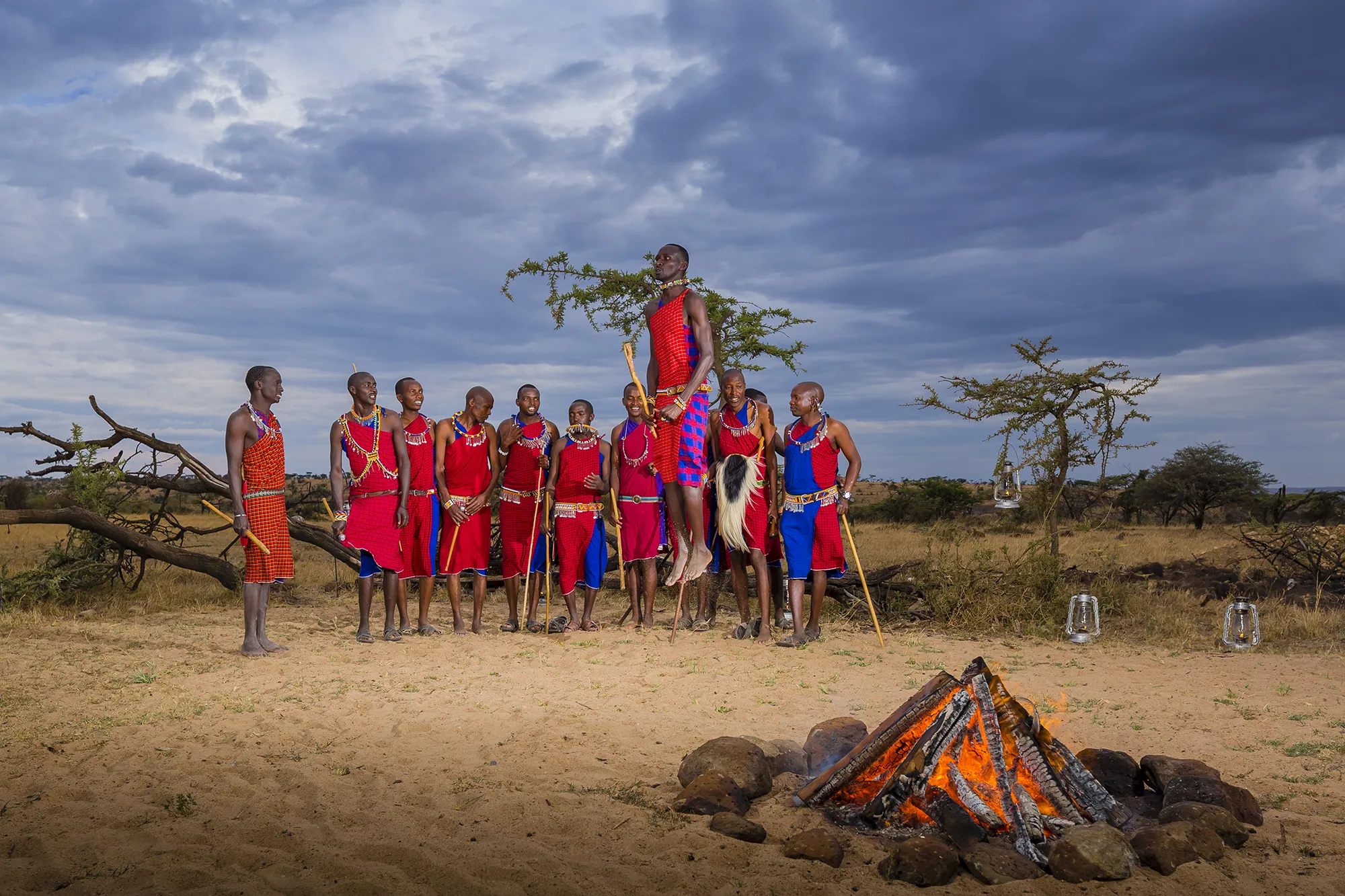
Safari camps and lodges usually serve international menus: cooked breakfasts, buffet or plated lunches, and three-course dinners, often with one Kenyan dish each night. Ask and most camps will cook a full Kenyan meal, sometimes as a bush dinner around the fire. Tell us your dietary needs when you book. Vegetarian, vegan, halal and gluten-free meals are routine at good camps; severe allergies need advance notice and a written note for the kitchen, and we brief each property. Drink bottled or filtered water, which camps provide, and be careful with salads at roadside stops.
Food experiences you can book
- A Nairobi street-food walk with a local guide: samosas, mutura, roast maize and chai, at a pace your stomach can manage
- A home cooking class with a Kenyan family: ugali, sukuma wiki, chapati and a stew, then you eat what you made
- A Swahili cooking afternoon in Mombasa or Diani: pilau, coconut fish and mahamri
- A coffee farm visit in Kiambu or on the slopes of Mount Kenya, from cherry to cup
- A tea estate morning in Kericho, with the picking, the factory and the tasting
- A nyama choma lunch on the road between the Mara and Nairobi
For the diaspora: the taste of home
If you grew up on Kenyan food in the U.S., the first trip home is often measured in meals: the chapati at a grandmother's house, the roast maize at the roadside, the chai that tastes different because of the milk. Build those meals into the trip on purpose. We can arrange a cooking day with relatives, a market morning to buy the spices and flours that are hard to find at home, and a list of what U.S. customs lets you bring back. Packaged tea, coffee and spices usually travel well; fresh meat, fruit and vegetables generally do not, so check the U.S. Customs and Border Protection rules before you pack.
Good manners at the table
- Wash your hands before you eat; someone may bring water to the table
- Eat and pass food with your right hand
- Wait for the host or the eldest to start, and accept a second helping if you can
- In a home, leaving a little on the plate tells your host you have had enough
- On the coast and in Muslim homes, do not ask for alcohol, and dress modestly