Food and drink. Updated November 2026. 4 min read.
A Kenyan breakfast starts with chai. Not a teabag in hot water, but tea leaves, milk, water and sugar boiled together in a saucepan until it is strong, sweet and the color of caramel, sometimes with ginger. What comes with it depends on where you are and how much time there is: a slice of bread with margarine in Nairobi, a mandazi from the kiosk, boiled arrowroot on a farm in Nyeri, mahamri and coconut pigeon peas in Mombasa.
The short version for visitors: Kenyan breakfast is simple, starchy and built around tea. At your safari lodge or beach hotel, you will get an international breakfast, often with Kenyan touches if you ask, and on safari the most memorable breakfast is usually eaten outdoors after a dawn game drive. Here is both, region by region.
The everyday Kenyan breakfast
- Chai: the base of every breakfast. Our Kenyan tea page explains how it is made and where it grows
- Bread and Blue Band: sliced white bread spread with Blue Band margarine, a brand so familiar that many Kenyans use the name for any margarine, is the default city breakfast
- Mandazi: lightly sweet fried dough, bought warm from the kiosk; see our mandazi and mahamri page
- Uji: a thin porridge of maize, millet or sorghum flour, sometimes left to sour slightly, drunk from a mug; the breakfast of many children and of anyone feeling unwell
- Eggs: boiled or fried, or as a Spanish omelette in city cafes
- Leftovers: last night's githeri fried up, or chapati with beans, in many homes and roadside cafes
Breakfast by region
| Region | What is on the table | With |
|---|---|---|
| Nairobi and the towns | Bread and margarine, mandazi, eggs, sausages, chapati | Chai or instant coffee |
| Central highlands | Boiled arrowroot (nduma), sweet potato (ngwaci), cassava, uji | Chai with fresh milk from the farm |
| Western Kenya and the lake | Uji of millet or sorghum, sweet potatoes, bread | Chai |
| Rift Valley | Uji, bread, sometimes mursik (fermented milk) | Strong chai with plenty of milk |
| The coast | Mahamri with mbaazi za nazi, vitumbua, chapati, fried liver or beans | Spiced chai, often with ginger or cardamom |
| Pastoral north | Milk and tea, sometimes with meat | Chai, often spiced |
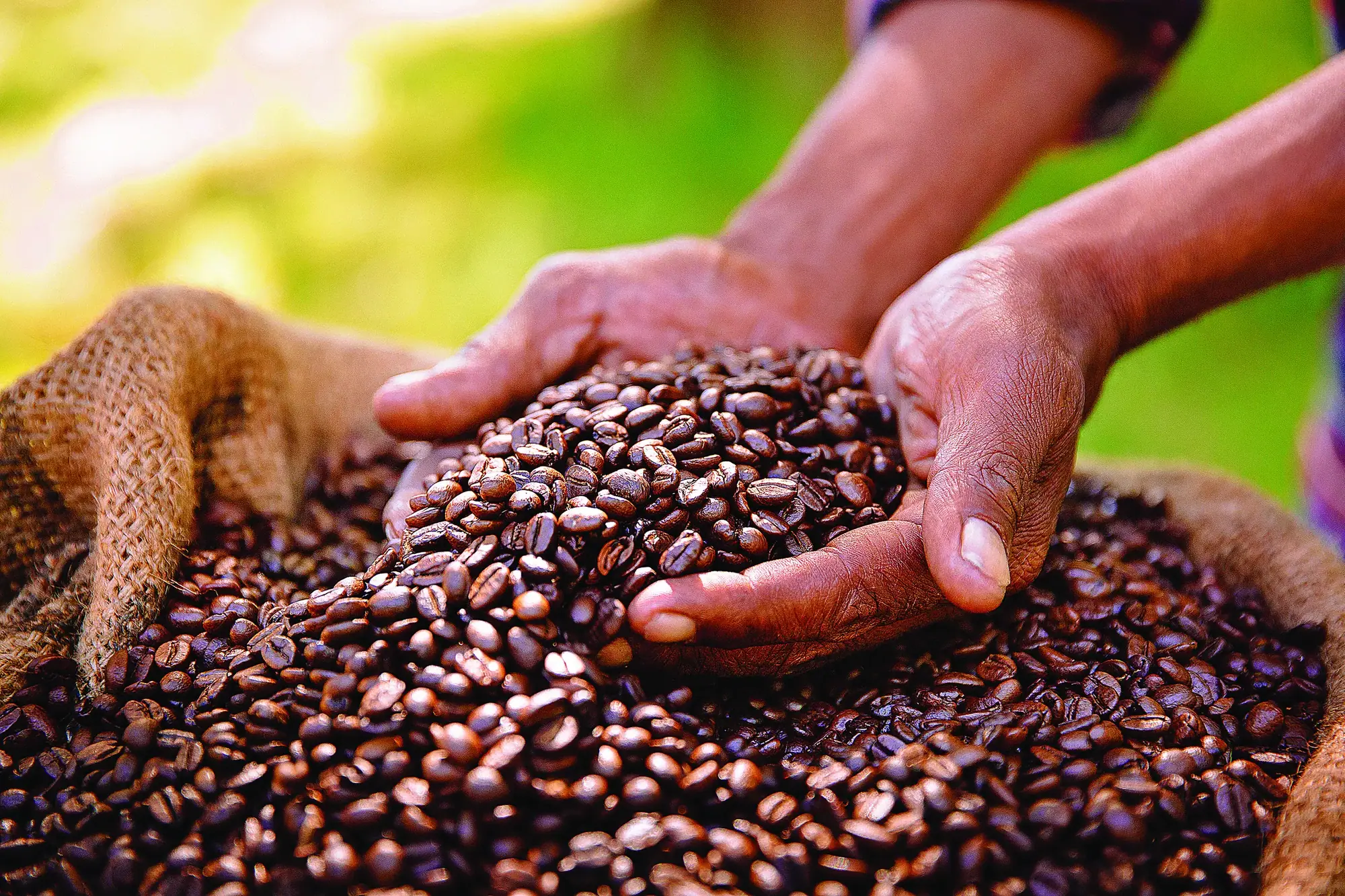
Two things surprise American visitors. First, breakfast is often eaten fast and light, followed by a 10 o'clock tea with a snack in offices and schools. Second, Kenyan coffee, among the most prized in the world, is not what most Kenyans drink in the morning; tea is. Our coffee page explains why.
Breakfast in the city
In Nairobi and Mombasa, small cafes (hotelis) open early for commuters: chai, mandazi, chapati, eggs and sausages, and on the coast mahamri and beans. Hotel breakfasts in Nairobi are large buffets: eggs to order, sausages and bacon, fruit, pastries, porridge and a Kenyan corner with arrowroot, sweet potato and mandazi. Nairobi's cafe scene serves espresso drinks and Western breakfasts, and it is the easiest place in the country to drink good Kenyan coffee.
What you will get at a lodge or camp
Most safari lodges and tented camps include breakfast in a full-board rate. At larger lodges it is a buffet: fresh fruit (pineapple, papaya, mango, passion fruit), yogurt, cereals and porridge, breads and pastries, and a cooked station for eggs to order, sausages, bacon, tomatoes and pancakes. Small camps usually cook to order from a short menu. Kenyan coffee and tea are always on the table, often with local honey. Many will add mandazi, chapati, arrowroot or sweet potato if you ask the night before.
Timing is shaped by the game drives. Most camps bring tea or coffee and a biscuit to your tent before a 6 or 6:30 a.m. drive, and the real breakfast happens when you come back mid-morning, or out on the plains. Our safari food page walks through the whole day's eating.
The bush breakfast
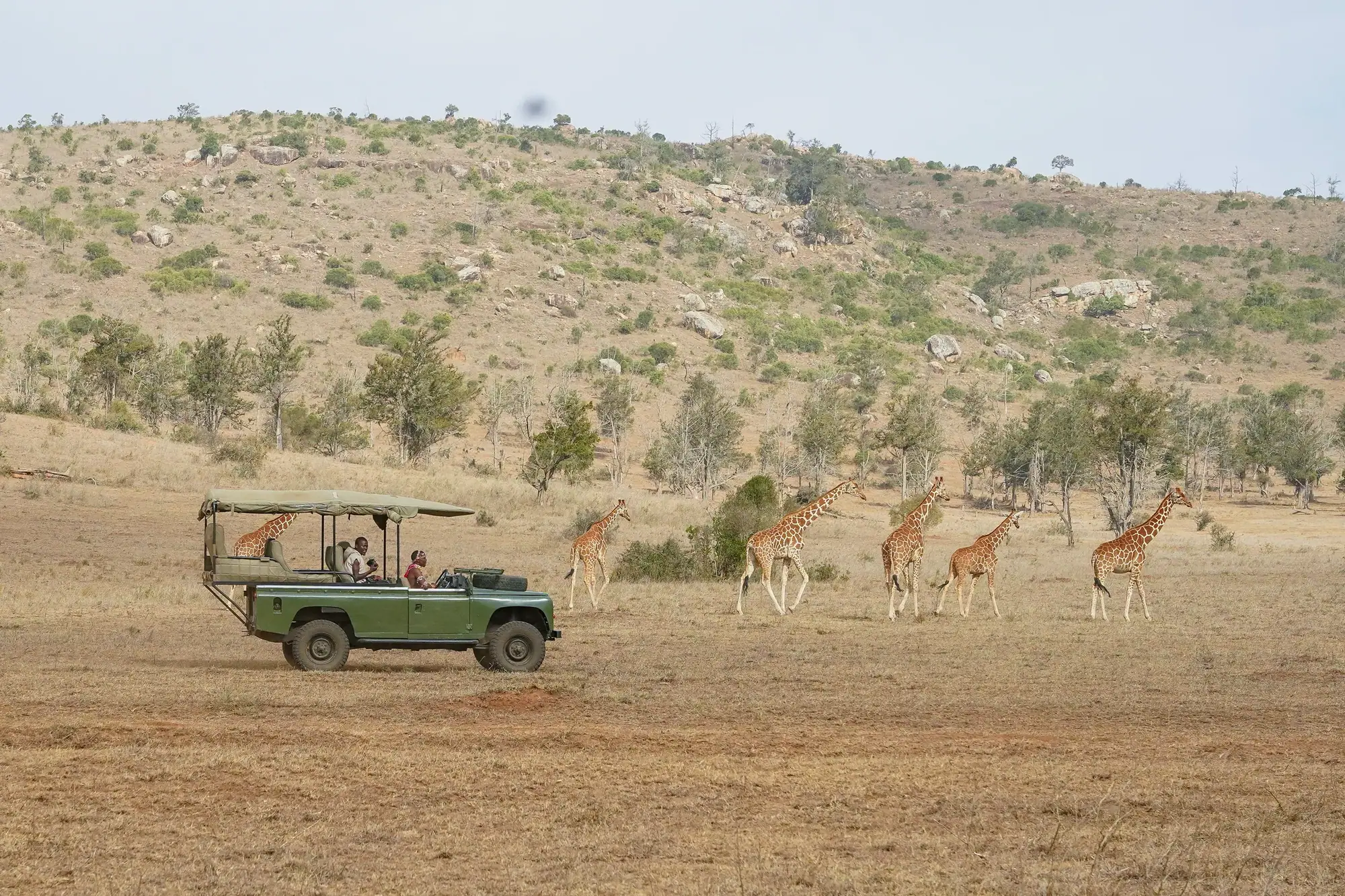
On a full-day game drive, especially in the Maasai Mara during the migration, many camps send you out at dawn with breakfast packed in the vehicle. Your guide finds a tree with a view, unfolds a table or spreads a cloth on the bonnet, and you eat eggs, sausages, fruit, muffins and coffee from a flask while the plains wake up. Better camps set up a full bush breakfast with a cook and a table under an acacia. It is one of the best moments of a safari. Ask for it when you book, and see our Maasai Mara pages for where it happens.
Make a Kenyan breakfast at home
For chai for two: bring 1 cup water and 1 cup whole milk to a boil in a small pan, add 2 teaspoons loose black tea (Kenyan if you can find it) and a few slices of fresh ginger if you like, simmer 2 to 3 minutes, sweeten to taste and strain into mugs. Serve with buttered toast, a boiled egg and a mandazi, and you have the breakfast of millions of Kenyans. For a coast breakfast, the mahamri and mbaazi recipe is on our mandazi page.
Kiswahili at the table
| Kiswahili | English |
|---|---|
| Kiamsha kinywa | Breakfast |
| Chai ya maziwa | Tea with milk |
| Mkate | Bread |
| Mayai | Eggs |
| Bila sukari | Without sugar |