Food and drink. Updated November 2026. 4 min read.
Kenya is a fruit country. Mangoes are sold from wheelbarrows on every highway in season, passion fruit is so cheap it is sold by the bag, a pineapple from Thika costs less than a coffee in the U.S., and on the coast a man with a machete will open a green coconut for you on the beach. If your American supermarket fruit tastes of nothing, the first Kenyan mango will be a shock.
Because Kenya sits on the equator and has highlands, coast and lake within a day's drive, something is always in season. The biggest event is the mango season, roughly November to March, when the country is flooded with them. Here is what to eat, when, and how to eat it safely. Seasons shift with the rains and differ by region, so treat the months as a guide.
The fruit calendar
| Fruit | Best months | Where it grows |
|---|---|---|
| Mango | About November to March, with smaller crops at other times | Eastern Kenya (Makueni, Machakos), the coast, the lake region |
| Passion fruit | Most of the year | Highlands and western Kenya |
| Avocado | Most of the year, varieties take turns | Central highlands (Murang'a and around Mount Kenya), western Kenya |
| Pineapple | All year | Thika, and smaller farms in the west and on the coast |
| Papaya (pawpaw) | All year | Warm lowlands and the coast |
| Bananas | All year | Everywhere; Kisii and Meru for cooking bananas |
| Tree tomato | Much of the year | Highlands |
| Jackfruit | Seasonal, varies along the coast | The coast |
| Oranges and tangerines | Seasonal, often mid-year and late in the year | Eastern Kenya and the coast |
| Fresh coconut (madafu) | All year | The coast |
Mangoes
Kenyans have strong opinions about mango varieties. The Apple mango, round, red-blushed and sweet with little fiber, is the favorite. The Ngowe, a long coastal mango with a pointed tip, is the coast's own and many say the best flavor of all. Kent, Tommy Atkins and Van Dyke are grown for markets and export, and the small, stringy local mangoes from old trees in every village are sucked rather than sliced. In season, the roadside stalls of eastern Kenya on the Nairobi to Mombasa highway sell them by the pile. On the coast, green mango is sliced and eaten with salt and chili as a snack.
Passion fruit, tree tomato and avocado
Purple passion fruit is everywhere and is what gives Kenyan fresh juice its flavor; at breakfast, ask for passion juice. Tree tomato, the tamarillo, is an egg-shaped red or orange fruit from the highlands, sharp and tangy, usually blended into juice with sugar. Avocados are huge, cheap and creamy, and Kenyans eat them as a fruit and a side dish: sliced on githeri, smashed on bread, or blended into a sweet avocado juice. Kenya is one of Africa's biggest avocado exporters, mostly of the Hass variety, grown largely by smallholders in the central highlands. Our agro-tourism pages include farm visits.
Pineapples, papaya and bananas
Thika, 45 kilometers from Nairobi, is Kenya's pineapple town, with large plantations along the highway, and pineapples are sold by the roadside all year. Papaya (pawpaw) is on every lodge breakfast buffet with a wedge of lime. Bananas come in many kinds: small sweet ones, the familiar dessert banana, red bananas, and matoke, the green cooking bananas of Kisii, Meru and the west, which are boiled or stewed and never eaten raw.
Coast fruits
- Madafu: a green coconut opened with a machete, drunk through a straw, then split so you can scoop the soft jelly; the best thing to drink on a hot beach
- Jackfruit (fenesi): huge, spiky and sweet, sold in pieces by vendors when in season
- Custard apple and soursop: soft, creamy tropical fruits in coast markets
- Mabuyu: baobab seeds coated in red, sweet and spicy sugar, sold in little bags, a coast childhood sweet
- Cashew fruit: the cashew apple, sold in season around Kilifi and Kwale
The roadside fruit stall
On a road safari you will pass hundreds of fruit sellers: women with pyramids of mangoes, oranges or tomatoes on the highways, boys selling bags of passion fruit through the vehicle window at speed bumps, pineapple stalls near Thika. Ask your guide to stop. Prices are low and usually fixed for small amounts; a little friendly bargaining is fine for a big bag. Pay in Kenyan shillings, small notes or M-Pesa. Our money page explains both.
Eating fruit safely
- Eat fruit you peel yourself: bananas, mangoes, oranges, papaya and passion fruit are all safe once peeled or opened with clean hands
- Be careful with fruit already cut and sitting on a street tray, and with fruit salads at roadside stalls
- Fresh juice at a good lodge or hotel is fine; at a roadside stall, ask whether it is made with treated water
- Wash your hands, or use sanitizer, before you eat
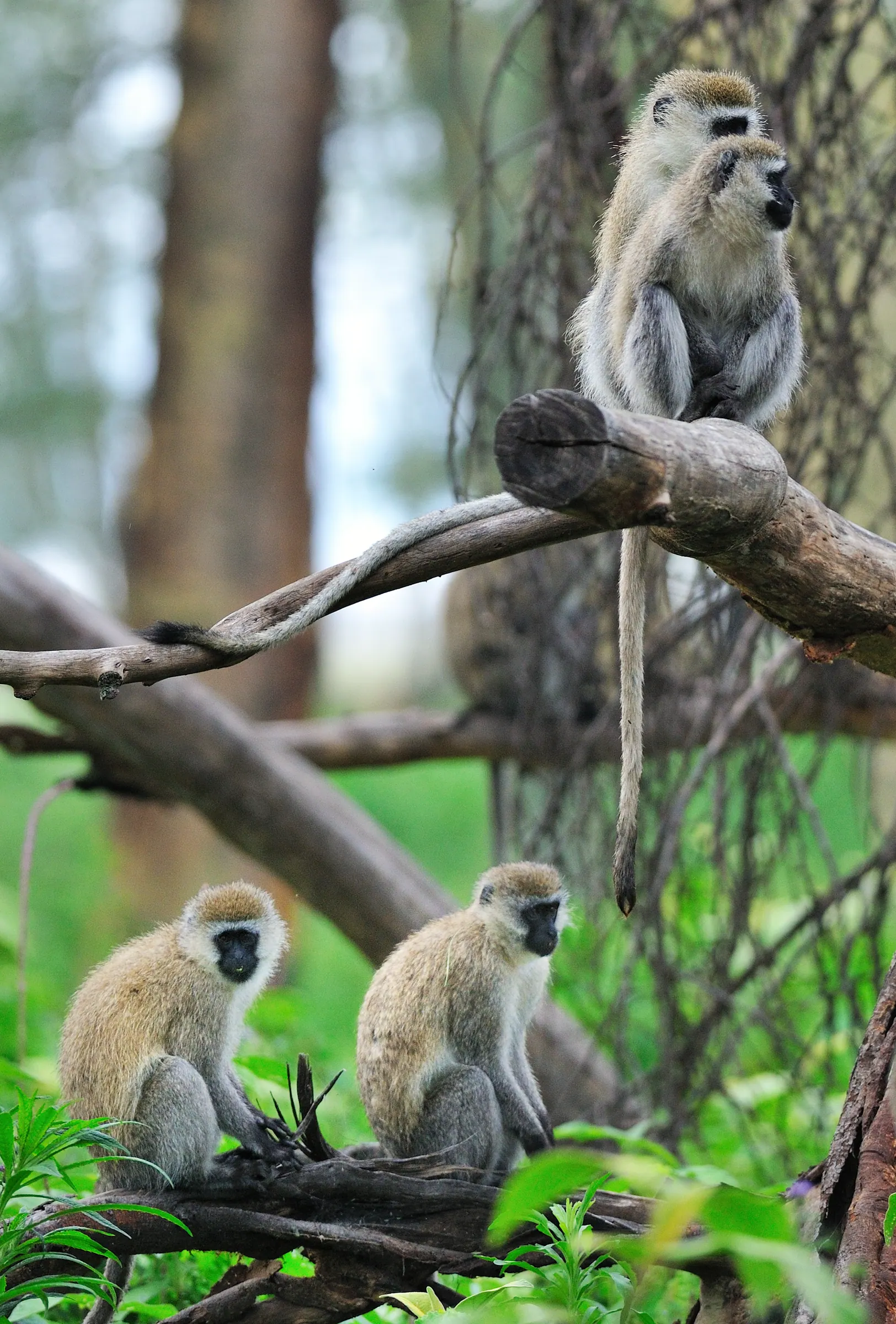
- Watch out for monkeys: vervets and baboons at lodges and picnic sites know exactly what a fruit bowl is
Do not plan to bring fresh fruit home: U.S. Customs and Border Protection generally does not allow fresh fruit from abroad, and the fines are real. Dried fruit, packaged tea, coffee and spices usually travel better; check the CBP rules before you pack.
Kiswahili at the market
| Kiswahili | English |
|---|---|
| Matunda | Fruits |
| Embe | Mango |
| Nanasi | Pineapple |
| Ndizi | Banana |
| Shilingi ngapi? | How many shillings? |