Towns and places. Updated November 2026. 5 min read.
Leave Nairobi on the Thika Superhighway and within the hour the city gives way to pineapples: row after row of spiky blue-green plants running to the horizon. That is Thika, a working industrial town with two waterfalls in a hotel garden, a buffalo mountain on the skyline and a famous book named after its flame trees.
For visitors, Thika does two jobs. It is the best short day trip east of Nairobi, built around Fourteen Falls on the Athi River and the forest park of Ol Donyo Sabuk, with lunch beside the Chania Falls. And it is the hinge of the road north: everyone driving to Mount Kenya, Nyeri, Nanyuki or Samburu passes it. It is also a home-town stop for many Kenyans in the U.S. with roots in Kiambu. Our Kiambu County page has the county overview; this page is the visitor's guide to the town and what lies around it.
Getting there
| From | How | Time |
|---|---|---|
| Nairobi city centre | Thika Superhighway (A2) | 45 minutes to 1 hour off-peak; much longer at rush hour |
| JKIA | Eastern Bypass, then the superhighway | About 1 to 1.5 hours |
| Fourteen Falls | Road east from Thika toward Kilimambogo | About 30 to 45 minutes |
| Ol Donyo Sabuk gate | Road east, past the falls | About 45 minutes to 1 hour |
| Nyeri | A2 north via Murang'a and Karatina | About 2 hours |
| Nanyuki | A2 north | About 2.5 hours |
Buses and matatus run from central Nairobi to Thika all day, and the superhighway is one of Kenya's best roads. For a day trip with the falls and the mountain, though, a car and driver makes far more sense: the roads east of town are rural and the stops are spread out.
In town: the falls at the Blue Posts
The Chania and Thika rivers meet at the edge of town, and both drop over rocky ledges in the grounds of the Blue Posts Hotel, one of the oldest hotels in the region, dating from the early 1900s. You can walk down to the viewpoints, watch the spray from the garden and eat lunch with the sound of water behind you. It is the classic Thika stop and the easiest one.
Elsewhere in town, the Mugumo Gardens honour the sacred fig, the mugumo, and the Kikuyu prophet Mugo wa Kibiro, who is remembered for foretelling the arrival of Europeans. A small memorial park holds the graves of African soldiers of the two World Wars. The rest of Thika is a busy market and factory town: fruit canning, textiles, a big open-air market and a university population from JKUAT down the road at Juja.
Pineapple and coffee country
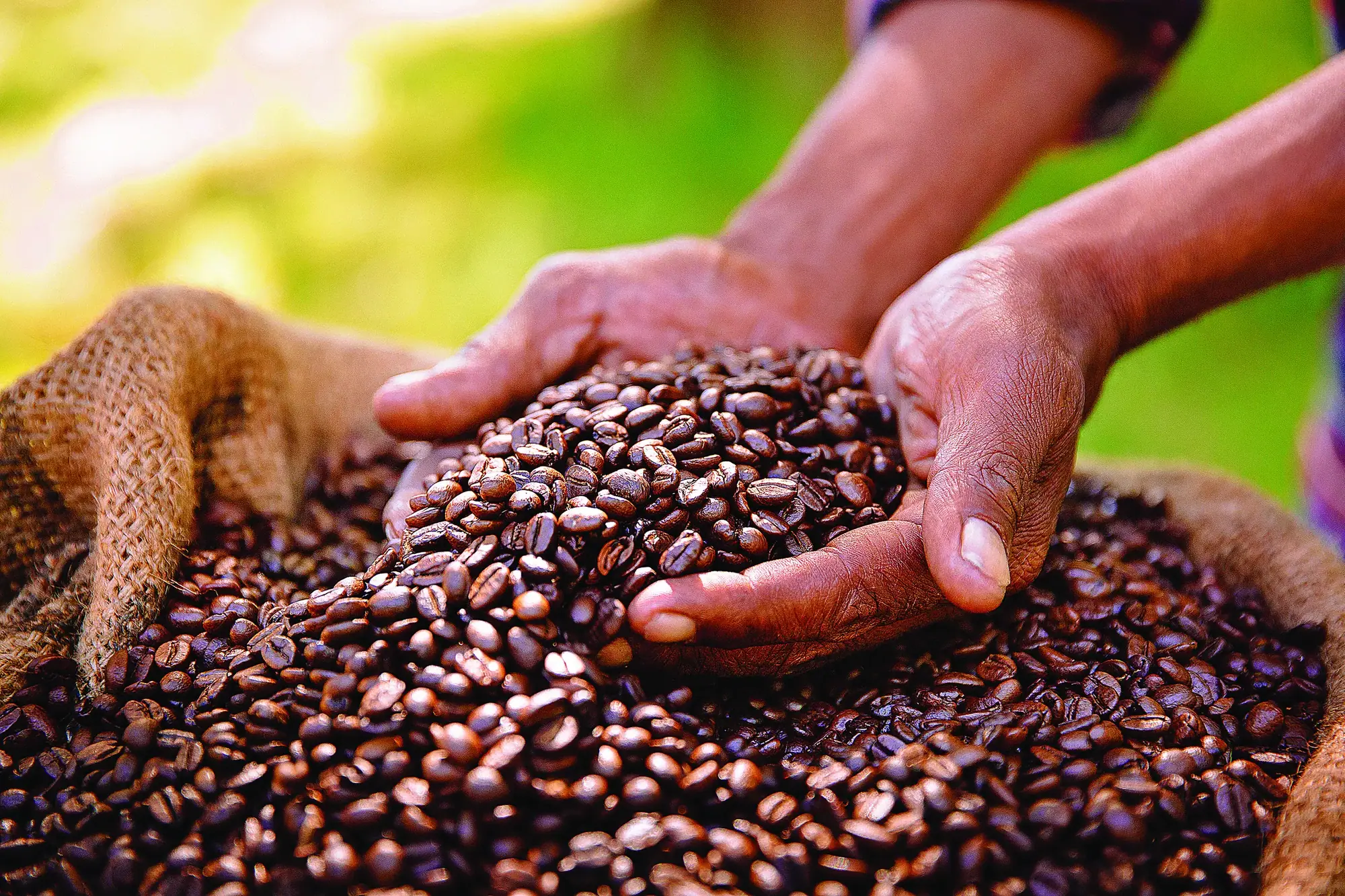
The pineapple estates that line the highway around Thika are among the largest in Africa, a vast plantation run by Del Monte that supplies canned fruit and juice to the world. They are private working farms, so you see them from the road, not on a tour. Buy your pineapples from the roadside sellers instead: they are cheap, sweet and cut for you on the spot. Older coffee estates fill the ridges between Thika and Nairobi, and our Kenyan coffee page explains where you can visit a farm and taste the cup.
The Flame Trees of Thika
Many Americans first heard of Thika through Elspeth Huxley's memoir The Flame Trees of Thika, published in 1959, about her childhood on a settler coffee farm here before the First World War, and the 1981 television series made from it. The book is a vivid, honest picture of the settler world, and worth reading before you come, alongside a Kenyan account of the same years; our history pages have suggestions.
The day trip: Fourteen Falls and Ol Donyo Sabuk
- Fourteen Falls: the Athi River breaks over a wide rock shelf into a row of separate cascades. It is best after the rains, from March to May and in November, and thin in the dry months. Local guides will take you onto the rocks, and young men dive from the falls for tips. Watch, but do not swim: the river carries pollution from upstream and the currents are strong.
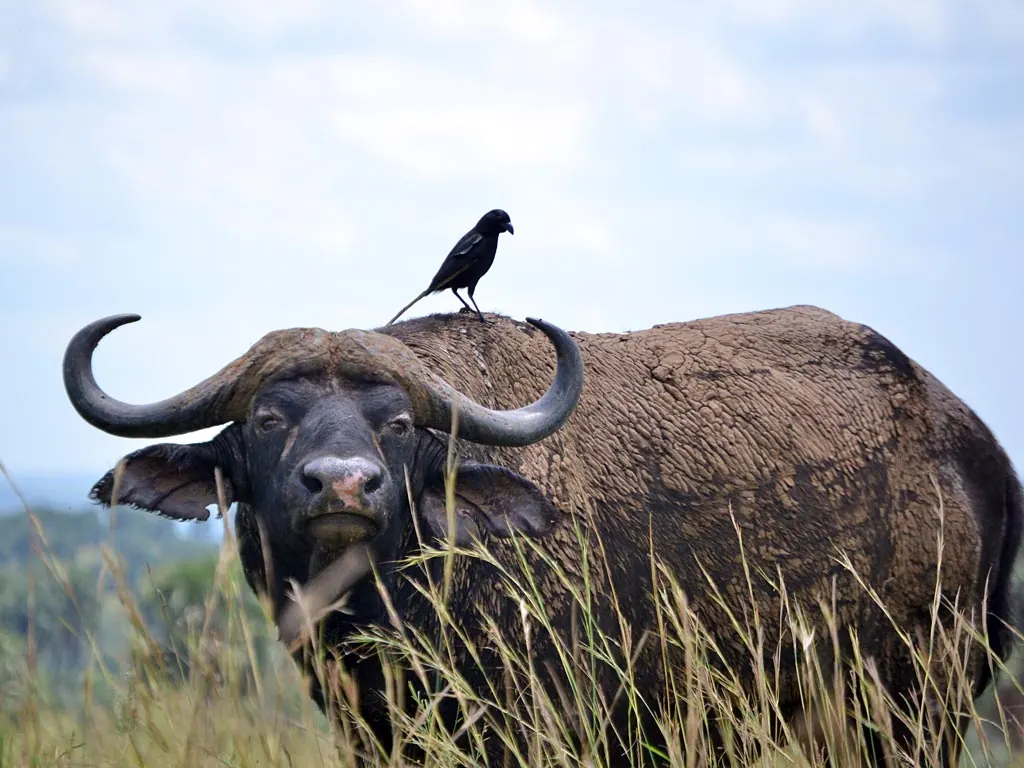
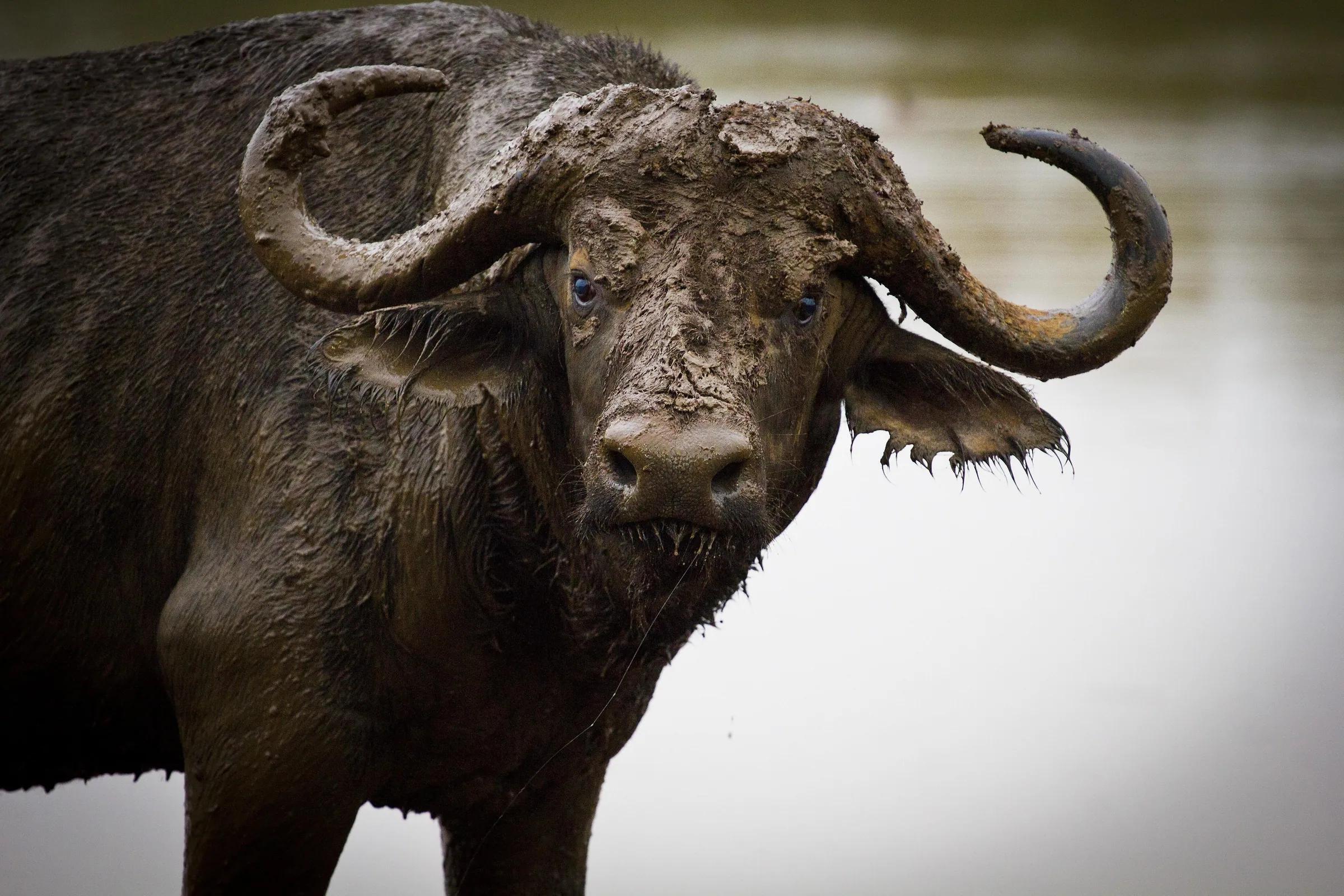
- Ol Donyo Sabuk National Park: a forested mountain, 2,145 m high, run by Kenya Wildlife Service about 65 km from Nairobi. The Kikuyu call it Kilimambogo, the mountain of buffalo, and the buffalo are still there, with colobus monkeys and forest birds. A summit road climbs through the forest to views across the plains; walk only with a KWS ranger, because buffalo are dangerous on foot.
- The McMillan graves: on the mountain lie the graves of Sir William Northrup McMillan, an American-born settler who hosted Theodore Roosevelt on his 1909 safari, his wife Lucie and Louise Decker, who worked for them.
Where to eat and stay
For lunch, the Blue Posts garden is the obvious choice. Along the highway and in town there are nyama choma places, where goat and beef are grilled to order and served with kachumbari and ugali, and simple Kenyan cafes for chai and chapati. Thika's hotels are mostly for business travelers. For a nicer night, most of our guests either return to Nairobi or keep driving north to Nyeri or Nanyuki. Ol Donyo Sabuk has simple KWS accommodation and campsites; check availability with KWS before you plan around it.
How long to stay, and how it fits a trip
A day is right. Leave Nairobi around 8am, see Fourteen Falls in the morning light, drive up Ol Donyo Sabuk, eat a late lunch at the falls in Thika and be back before the evening traffic. If you are heading to Mount Kenya or Samburu, make Thika your first stop for coffee and fruit. For diaspora families, Thika is often where a trip home to Kiambu begins, and we can build the day around family visits.
Why plan with us: Kenya Experience is Kenyan-led, with two U.S. companies behind it and Kenyan guides on the ground. You can pay in full or monthly with no deposit, and a specialist replies within two business days.