Kenyans in the U.S.. Updated November 2026. 5 min read.
Ghana gave the diaspora the Door of No Return. Kenya offers something different: a country that was not an Atlantic slave port, where a Black American walking down a Nairobi street is simply another person in the crowd, where a generation of independence leaders studied at American colleges on the Kenya Airlift, and where the welcome is karibu nyumbani, welcome home.
So is Kenya a good place for an African American heritage trip? Yes, if you come for belonging rather than ancestry. Kenya's story with Black America runs through Pan-African politics, the Airlift, the Indian Ocean coast and a modern, Black-led nation. We built a 10-day trip around those threads, from about $4,800 per person sharing before flights, and we plan it for families, churches, alumni chapters and Greek-letter organizations.
An honest word on ancestry
DNA tests for most African Americans point to West and Central Africa, the regions the transatlantic trade drew from. Kenya's coast had its own slave trade, across the Indian Ocean to Arabia, Persia and beyond, and its history is different. We say this plainly because it matters: a Kenya trip is unlikely to take you to the village your ancestors left. What it offers is the continent on its own terms, a shared history of struggle and independence, and hosts who will treat you as family returning rather than as a tourist passing through.
Six threads of shared history
The Kenya Airlift. Between 1959 and 1963, the labor leader Tom Mboya worked with American supporters, including the Kennedy family, to fly hundreds of East African students to colleges across the U.S. Wangari Maathai was one of them; Barack Obama Sr., who went to the University of Hawaii the same year the flights began, belonged to the same generation. They came home to run ministries, universities and businesses in the new Kenya. In Nairobi you can visit Mboya's memorial on Moi Avenue and the National Museum.
Pan-African links. Jomo Kenyatta was at the 1945 Pan-African Congress in Manchester alongside W.E.B. Du Bois and Kwame Nkrumah. In 1964, months after independence, Malcolm X visited Nairobi and met Kenya's new leaders. A Kenyan historian can walk you through those years in the city, from the Kenyatta mausoleum in the Parliament grounds to Uhuru Gardens, where the flag first rose.
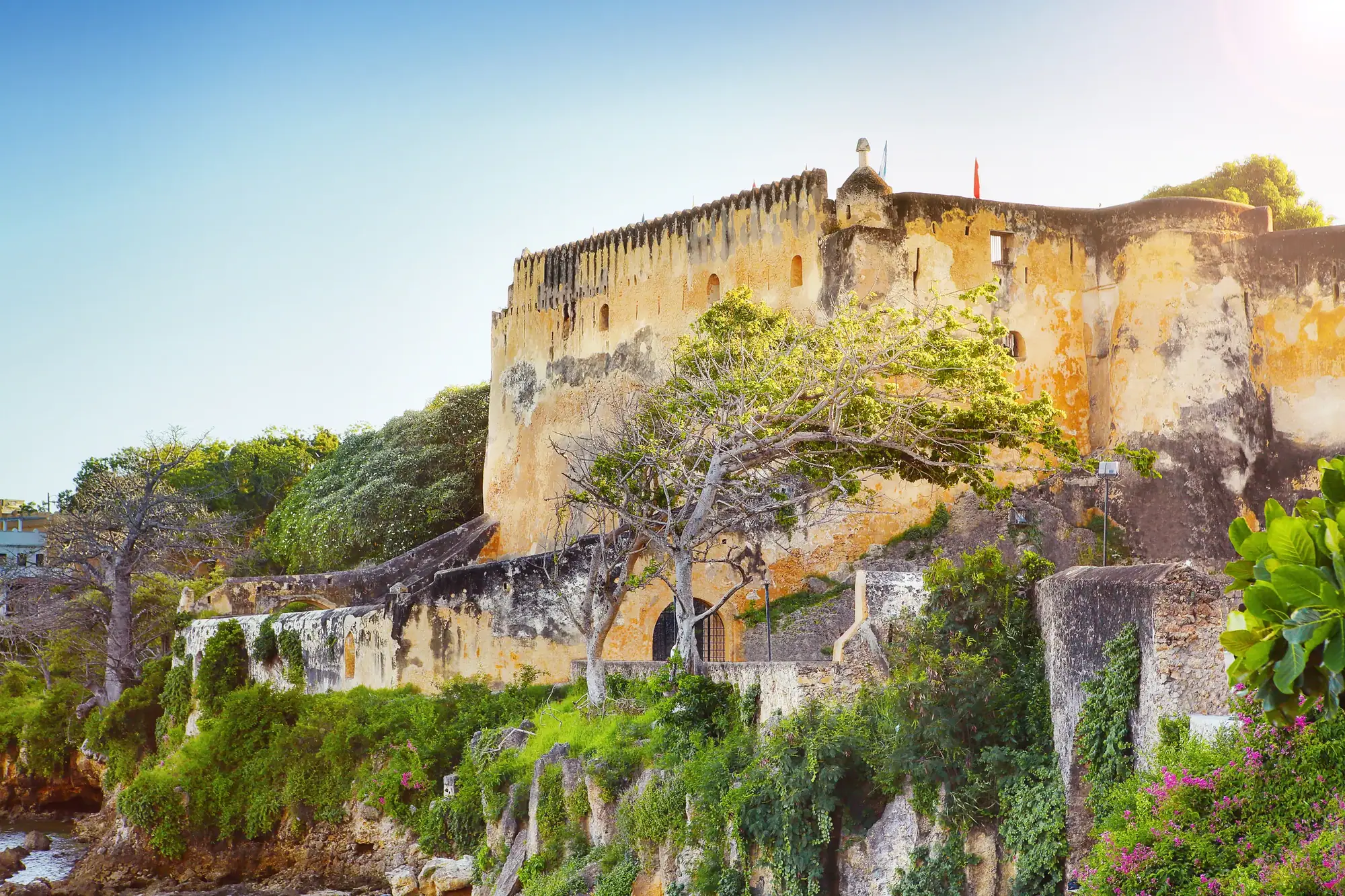
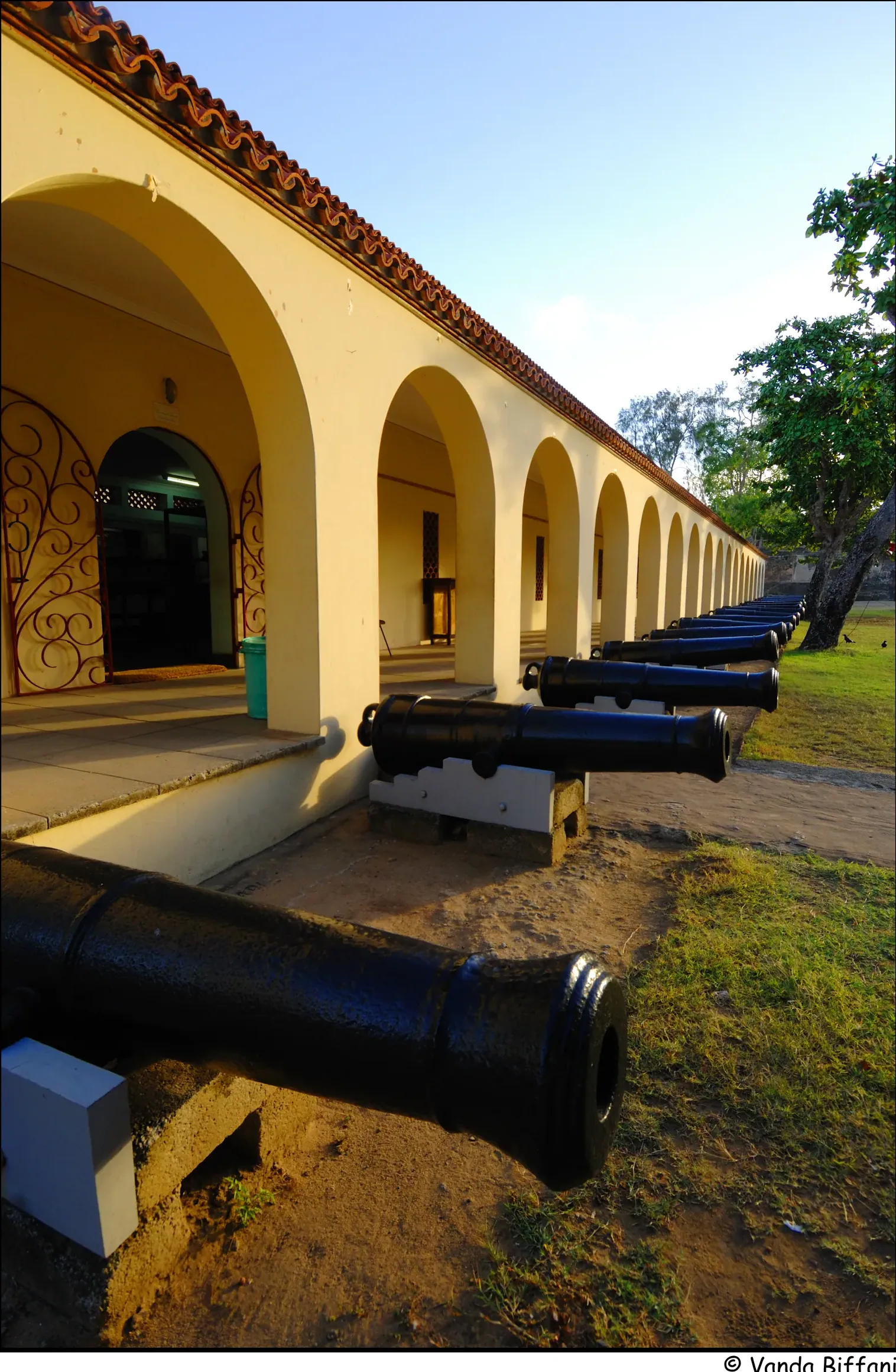
The Indian Ocean trade and its freed people. On the coast, Fort Jesus tells four centuries of contest over the trade, and Frere Town in Mombasa was founded in 1875 as a settlement for people freed from slave ships. Rabai, just inland, was Kenya's first Christian mission in 1846 and later a home for freed slaves. On the south coast, local tradition holds that the Shimoni caves were used to hold captives before they were shipped. These are the most moving places on the trip, and we visit them with local guides.
Kogelo. In Siaya County near Lake Victoria, the Obama family's home village draws visitors from around the world. It is an easy day trip by road from Kisumu, so it works best for groups adding a few days in western Kenya.
Wangari Maathai. The Green Belt Movement she founded planted tens of millions of trees, and in 2004 she became the first African woman to win the Nobel Peace Prize. Karura Forest in Nairobi, which she fought to save from developers, is a good place to walk and remember her.
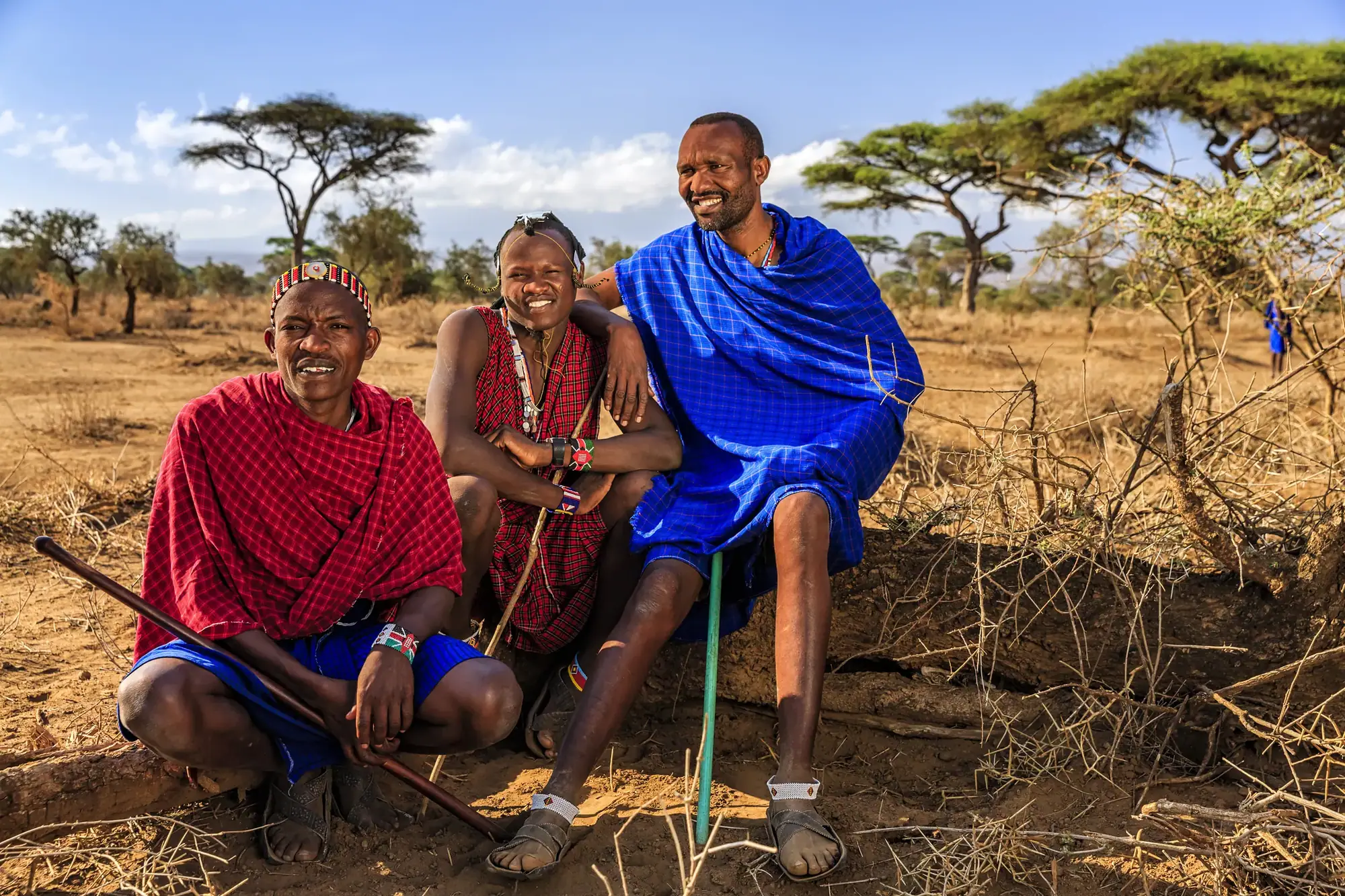
A Black-led nation, and the people between. Kenya has governed itself since 1963. Nairobi today is a capital of tech, music, fashion and faith, with a growing community of African Americans who have moved there; a 2025 report from Detroit's ClickOnDetroit quoted movers on belonging and on living among people who look like them. In the other direction, Kenyan-Americans are one of the largest African communities in the U.S., concentrated in Texas, Minnesota, California, Georgia, Washington, Maryland, New York and New Jersey. Many groups meet both.
The heritage trip
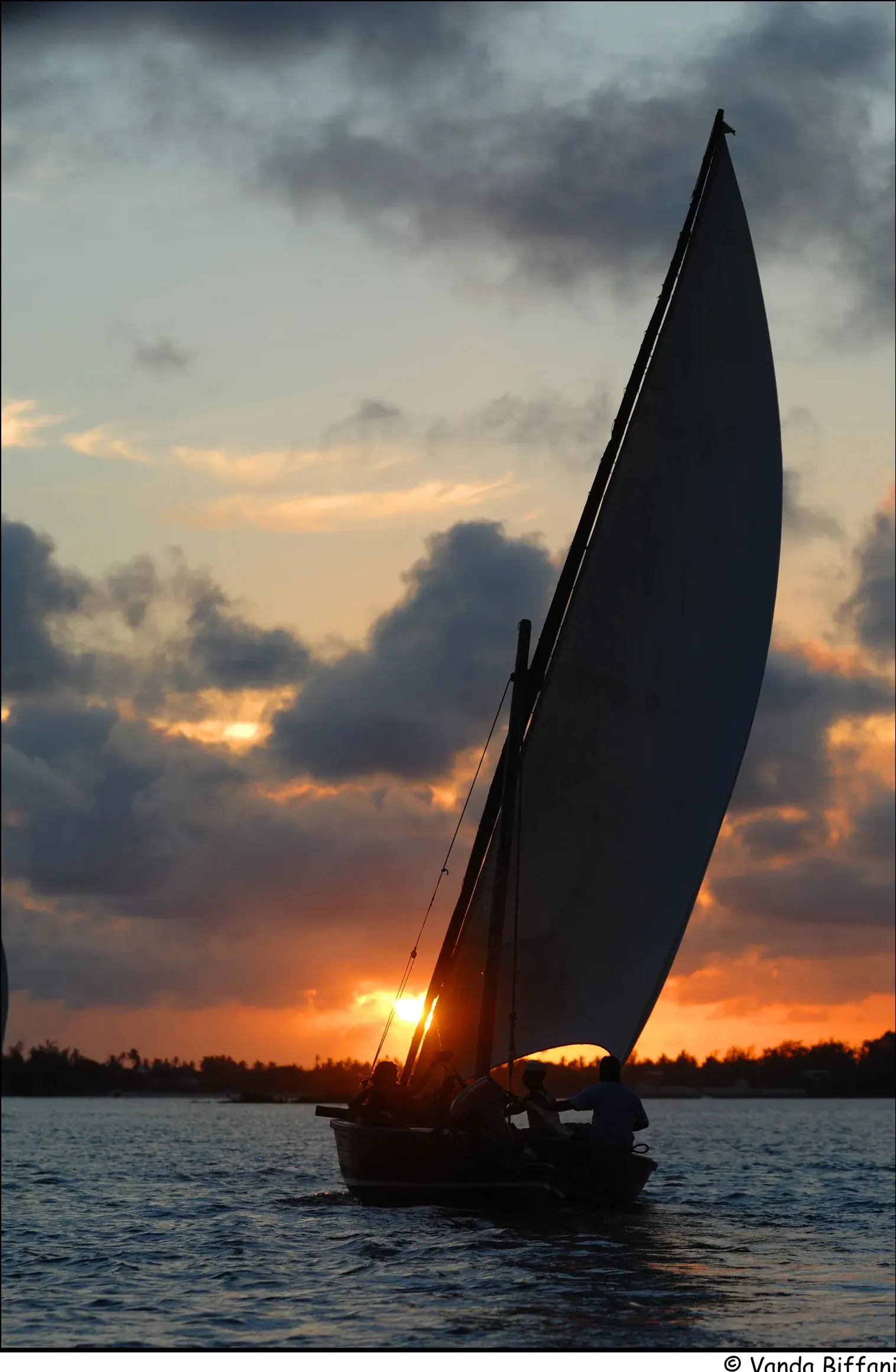
Our 10-day trip has three parts. Three days in Nairobi: a welcome dinner with a Kenyan historian or elder, the Airlift and independence sites, a resident-led community tour, the Sheldrick elephants and an evening of live music. Three days in the Maasai Mara: game drives, and a full day with a Maasai community on its conservancy. Then the coast: Mombasa's Old Town, Fort Jesus and Frere Town, the Shimoni caves and the dolphins of Kisite, and a free day on Diani Beach. It is priced from about $4,800 per person sharing at mid-range, excluding international flights, with a group rate for 12 or more.
| Part | Days | Highlights |
|---|---|---|
| Nairobi | 1 to 3 | Historian welcome dinner, National Museum, Kenyatta mausoleum, Railway Museum, Mboya memorial, community tour |
| Maasai Mara | 4 to 6 | Game drives, a day with Maasai hosts on a community conservancy |
| Mombasa | 7 | Old Town, Fort Jesus, Frere Town, Swahili dinner |
| Shimoni and Diani | 8 to 10 | Shimoni caves, Kisite dolphins, Wasini lunch, a free day on the beach |

For groups: churches, chapters and alumni
Heritage trips work best in a group, and we plan for HBCU alumni chapters, Divine Nine sororities and fraternities, Jack and Jill chapters, church groups and family reunions. We can add a Sunday service with a Kenyan congregation, a visit to a Kenyan university, a service day or a networking evening with Kenyan professionals. You start a group link, every member books and pays their own way, in full or monthly with no deposit, and you see who has joined.
How we keep it respectful
- Ceremonies and community visits are paid, consented to and led by the community; we tell you what the community fee is and where it goes
- No orphanage visits, ever
- Photographs of people only with permission
- Sites of the slave trade are visited with local guides, not as a photo stop
- Our guides are Kenyan, and the history is told by Kenyans
The practical part
The paperwork is the same as for every U.S. visitor: a passport valid for at least six months, an eTA ($30 at the time of writing) for each traveler, and, since October 2026, Kenya's mandatory inbound travel health insurance, $44 plus fees, bought on eCitizen before you fly. Kenya's dual citizenship is for people born Kenyan or of Kenyan parents, and Kenya has no right of return scheme like Ghana's, so there is no special visa or residence route for heritage travelers. See a travel clinic six to eight weeks before you go about vaccines and malaria tablets.