Culture & Heritage
Galleries, studios, Swahili and Indian kitchens, nyama choma and live music in East Africa's creative capital.
Culture & Heritage
Galleries, studios, Swahili and Indian kitchens, nyama choma and live music in East Africa's creative capital.
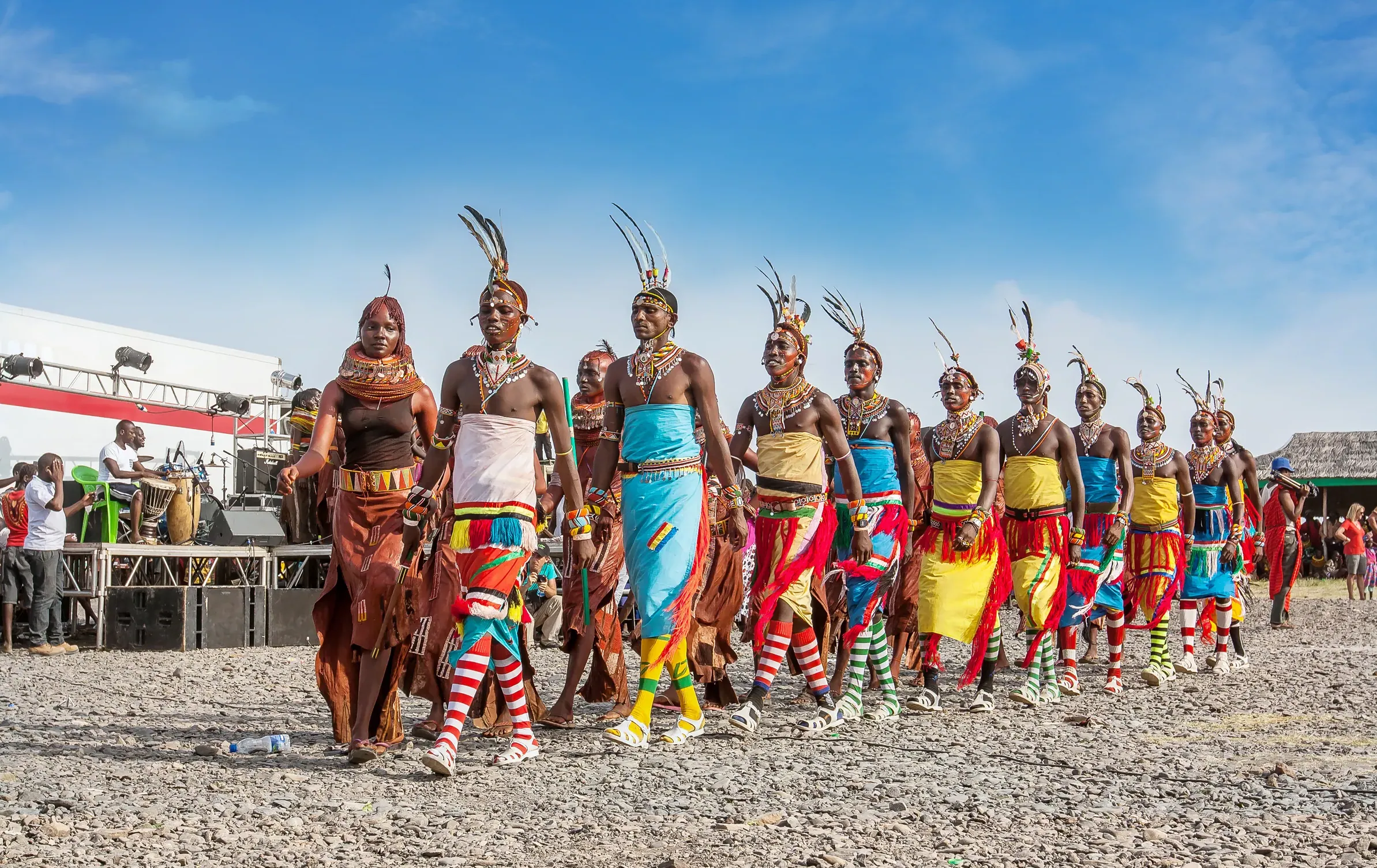
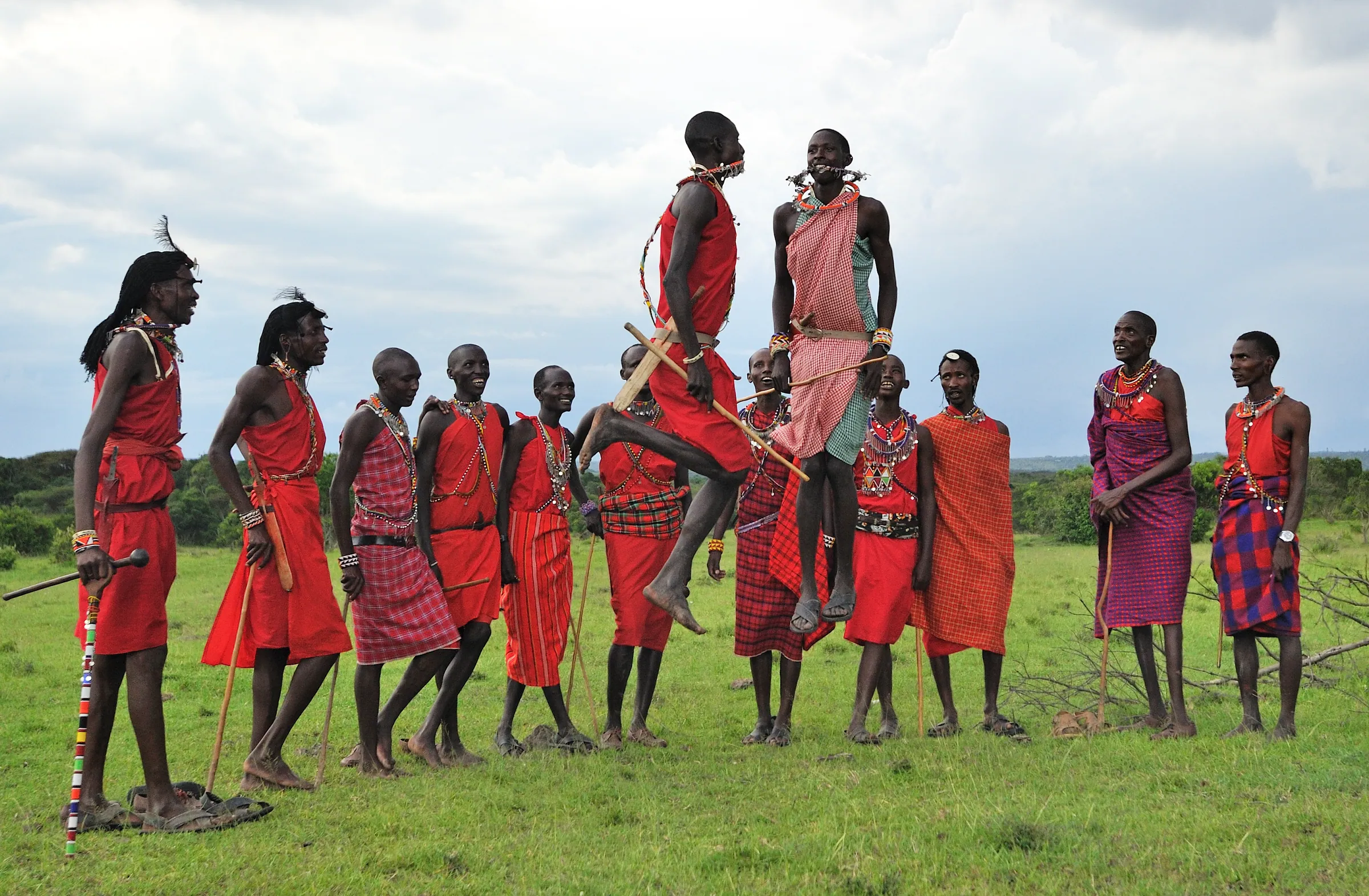
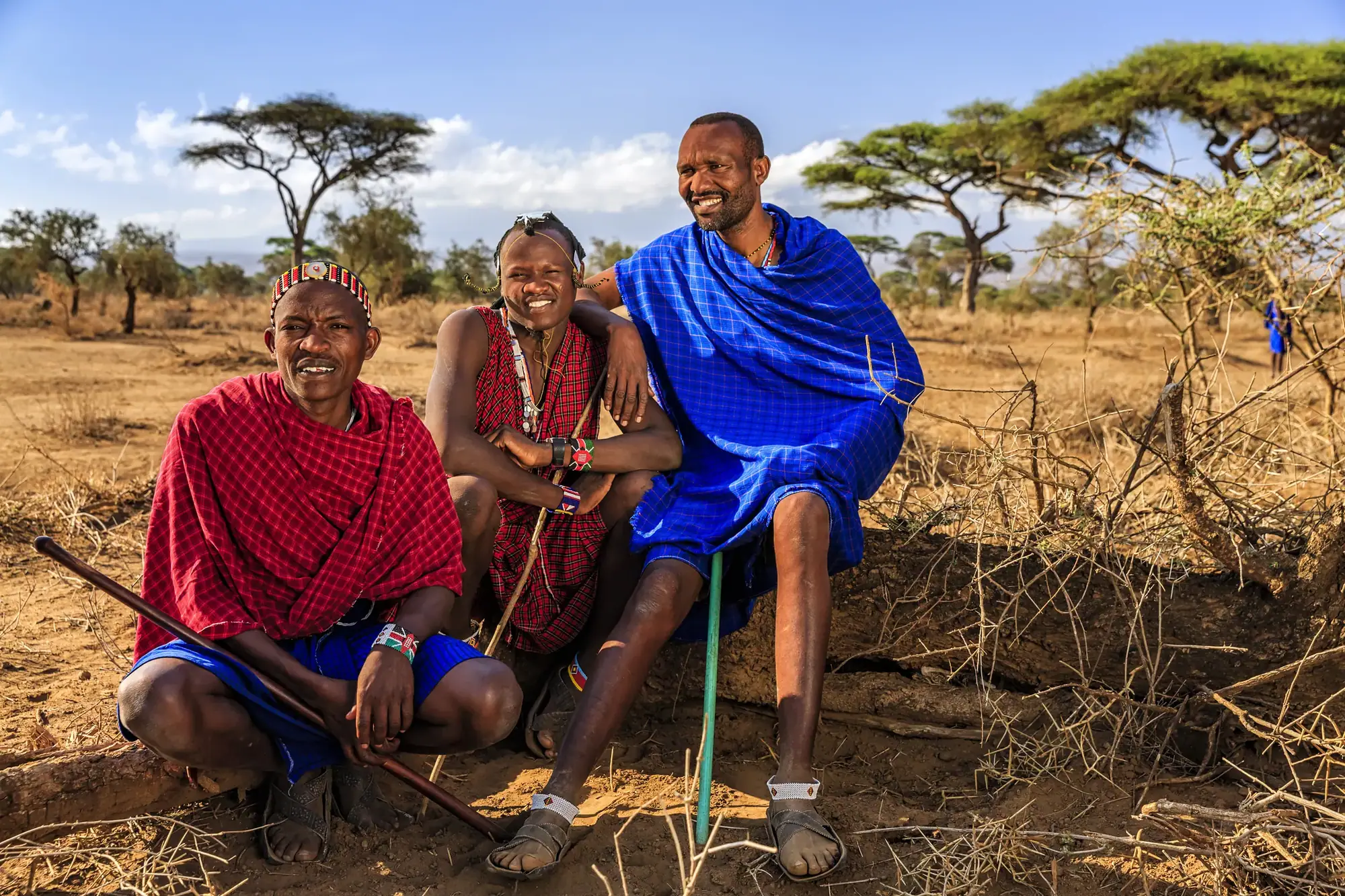
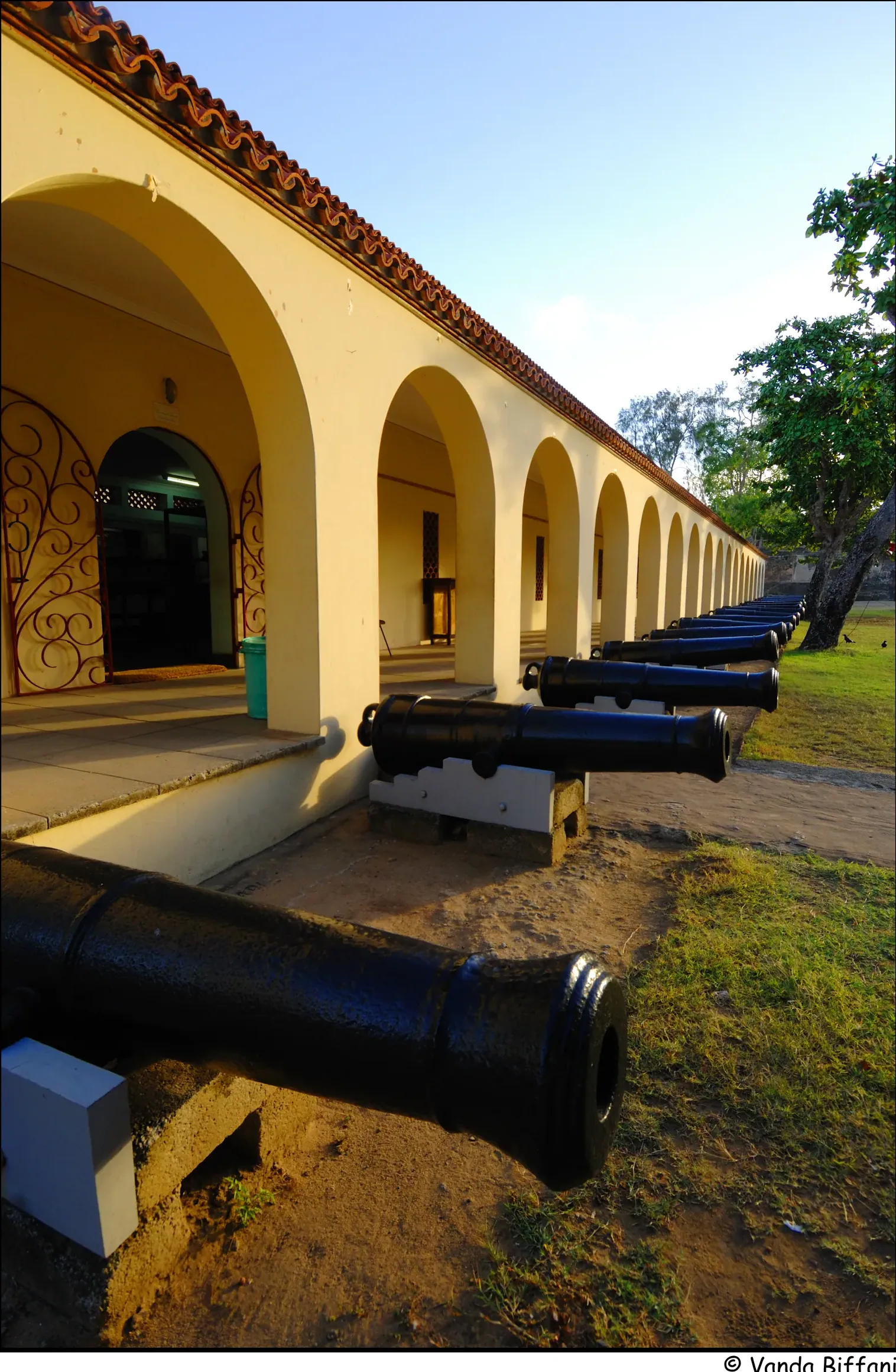
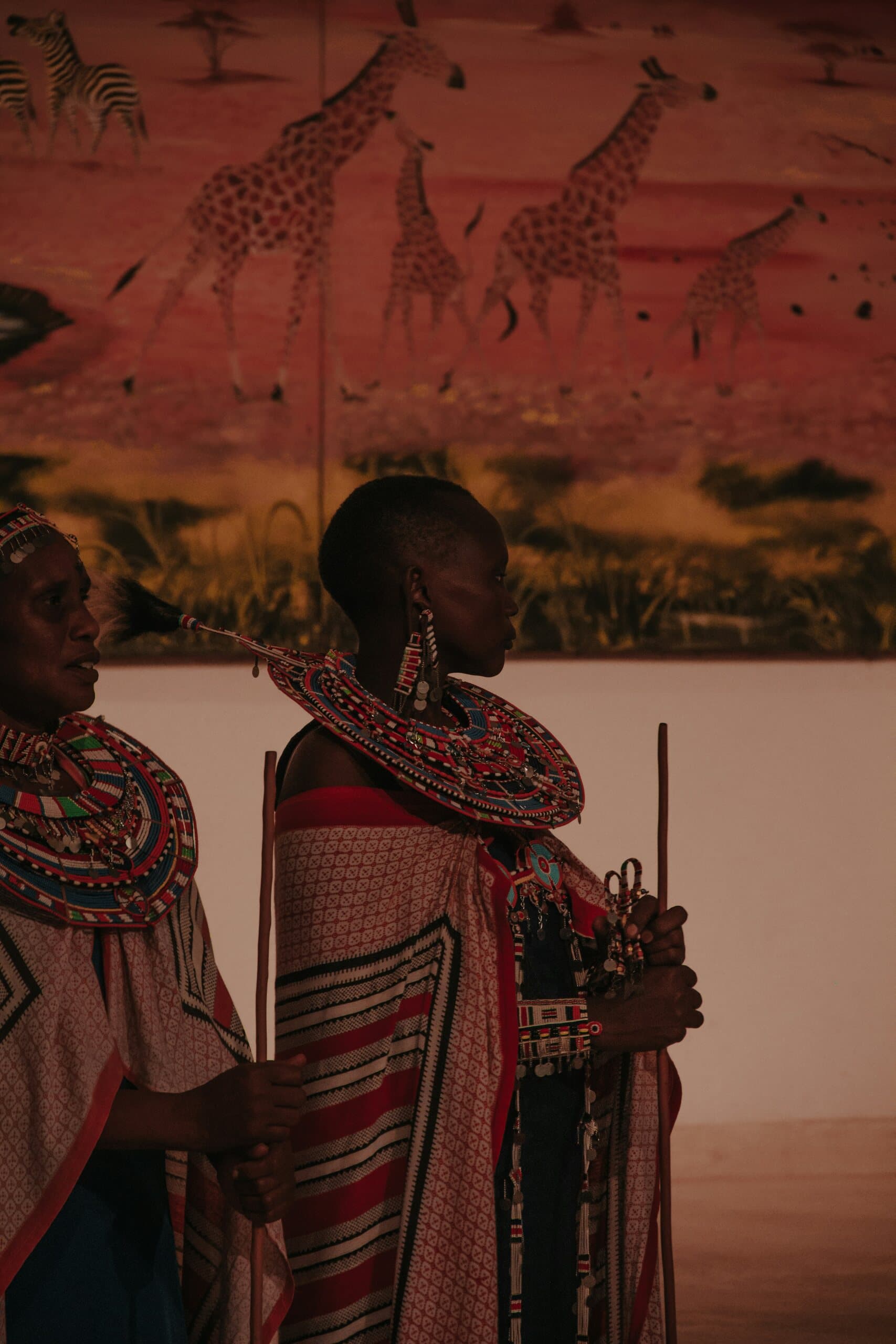
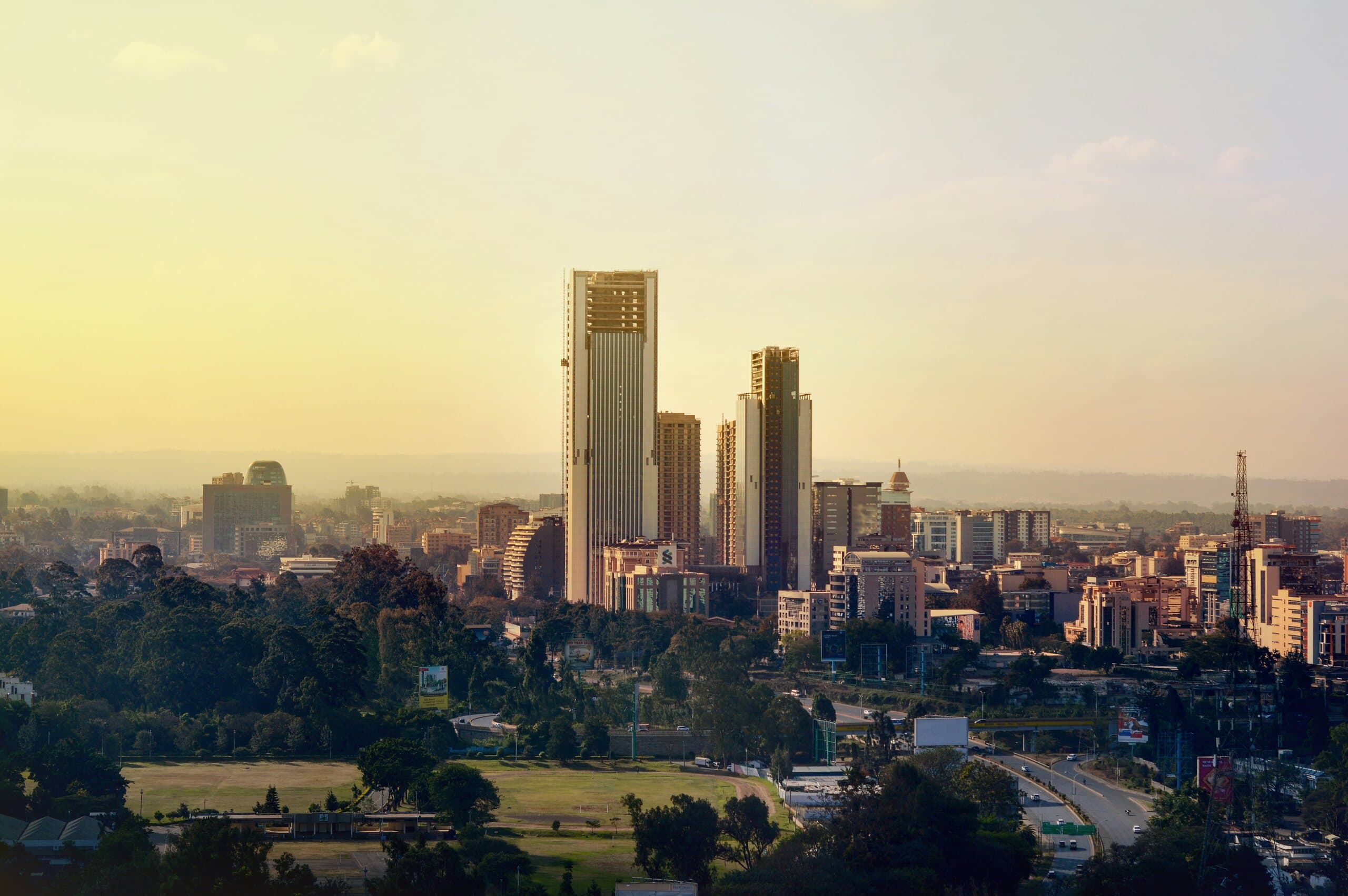
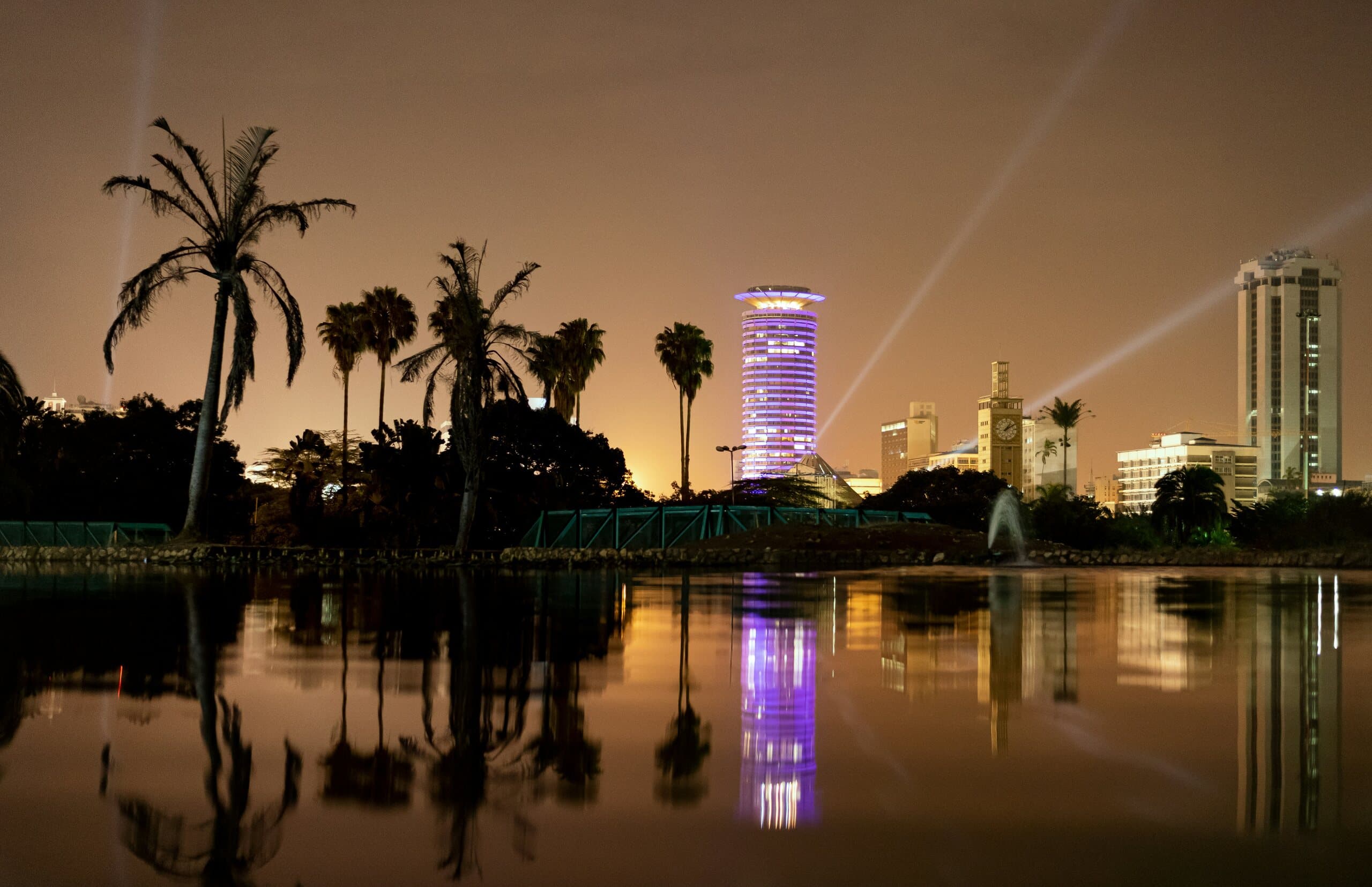
Nairobi is a capital with a national park inside its limits and a creative scene that sets trends across East Africa. Painters, sculptors, designers, musicians and chefs work in studios, converted warehouses and galleries across the city. The food tells Kenya's story in one place: Swahili dishes from the coast, Kikuyu and Luo home cooking, Gujarati and Punjabi kitchens rooted in more than a century of South Asian settlement, Ethiopian restaurants, and nyama choma shared with friends on a Sunday. A day here shows the modern Kenya many visitors miss.
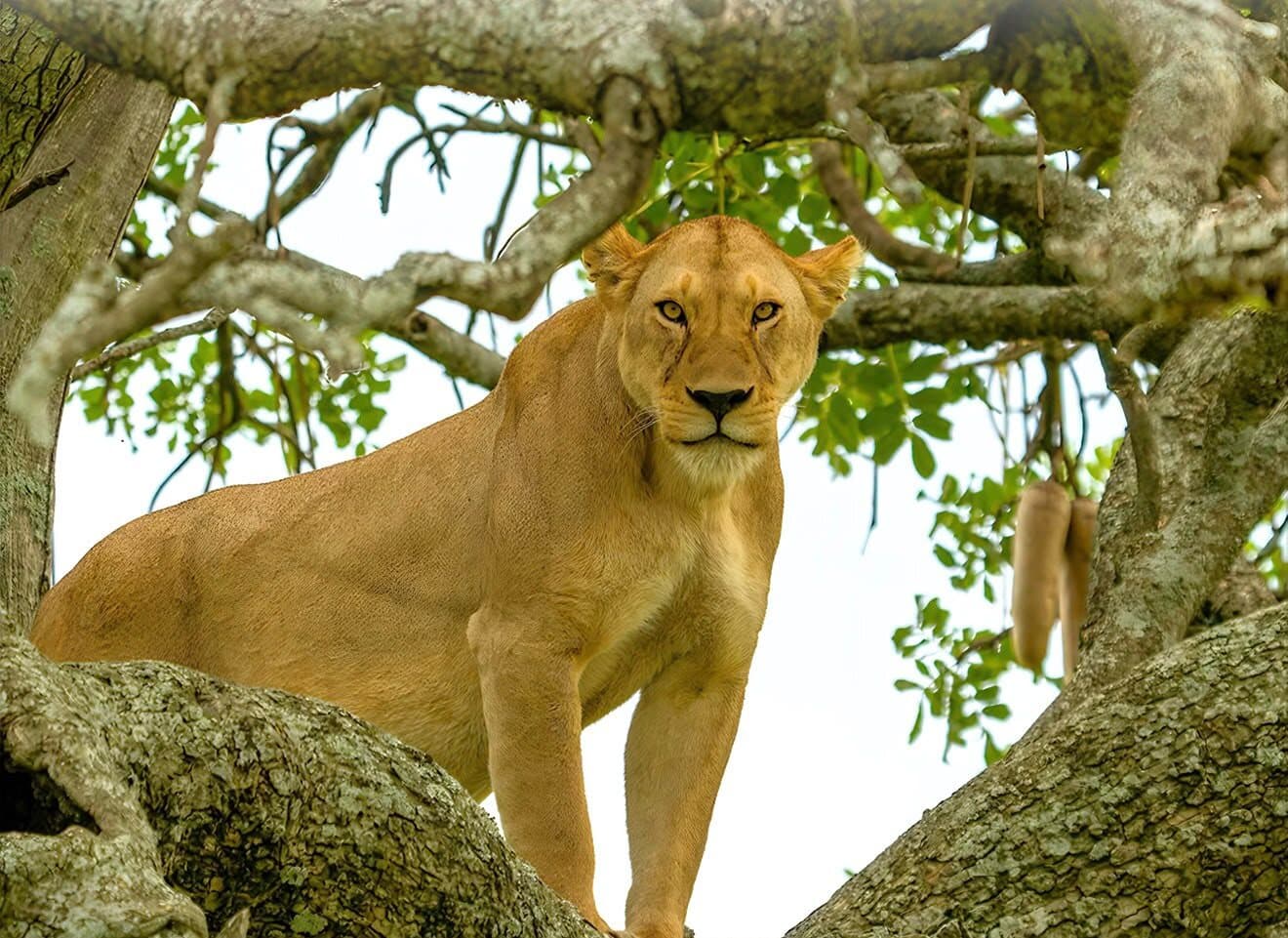
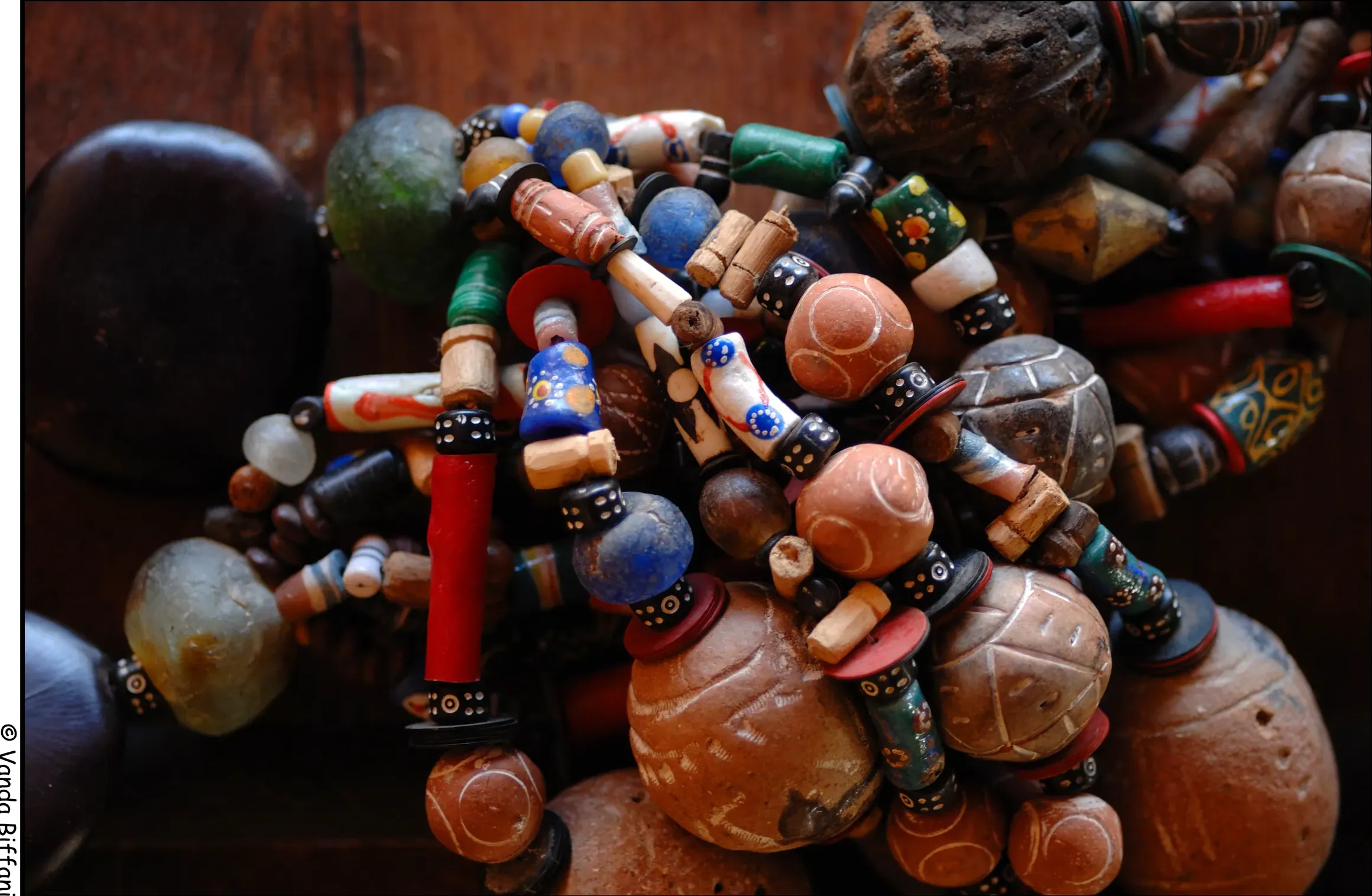
Our days mix a few anchors with what is on that week. The Nairobi National Museum covers Kenya's history, cultures and natural heritage, with art exhibitions alongside. The GoDown Arts Centre, which began in a converted warehouse in Industrial Area, hosts visual art, theater, music and dance. The Kuona Artists Collective grew from a trust set up in the 1990s to support Kenyan artists, and studio visits let you meet painters and sculptors at work. The Maasai Market moves between sites on different days and is the place to practice bargaining.
We start mid-morning at a museum or gallery, once the rush-hour traffic has eased. Lunch might be a Swahili plate of pilau and coconut fish, or a Gujarati thali. The afternoon goes to a studio visit and the market, with time to talk to artists about their work and buy from them directly. After a break at your hotel, the evening brings nyama choma, grilled meat eaten with ugali and kachumbari, then live music, which could be benga, Afro-fusion, gospel or jazz depending on the night.
A Nairobi day suits the first or last day of any safari, when flights land early or leave late. It works for diaspora families showing the next generation the city, for students of art, design and urban life, and for conference delegates with a free day. Food lovers get more variety here than anywhere else in Kenya. Couples can choose a slower day of galleries and long lunches, while groups can ask us to add a cooking session or time with local musicians.
Traffic is heavy at rush hour, so we plan around it and keep distances short. Carry some cash in small notes for the market and street food, though most galleries and restaurants take cards. Ask before photographing artists or market stalls. Dress is relaxed but neat. Nairobi sits at about 1,800 m (5,900 ft), so evenings can be cool, especially from June to August; bring a light jacket. At night, use a car we arrange or an app ride rather than walking between venues.
Kenya Experience is Kenyan-led, with two U.S. companies behind it, and our Nairobi guides are Kenyans who know the city's studios and kitchens. Add a day or an evening to any trip, and pay in full or monthly with no deposit. A specialist replies within two business days.
Nairobi's gallery and music scene has outgrown the region. A guided evening takes in a studio visit, a Maasai Market haggle, dinner that could be Swahili, Kikuyu, Gujarati or grilled goat at a roadside legend, then live music.
Yes. A day lets you add Nairobi National Park, the museum and the art scene, and it breaks up long flights before or after safari.
Nyama choma, grilled meat usually eaten with ugali and kachumbari, is the city's social meal. Nairobi also has strong Swahili, Ethiopian and Indian restaurants.
It moves between sites around the city on different days of the week, and the schedule can change. Your guide checks the current location for the day you are in town.
Most visits pass without problems when you follow simple habits: use arranged transport at night, keep phones out of sight on busy streets and avoid walking alone after dark. Our guides plan each day around them.
Panga
Panga means plan. Tell us who is going and what you love. A Kenya specialist replies within two business days.