Parks and reserves. Updated November 2026. 3 min read.
Only in Nairobi can you watch a rhino graze with skyscrapers behind it, then be back in the city for lunch. Nairobi National Park, Kenya's first national park, gazetted in 1946 and run by Kenya Wildlife Service, lies about 10 kilometers from downtown. In its 117 square kilometers (45 square miles) you can see lions, rhinos, buffalo and giraffes, often within a few hours of landing.
What makes it special
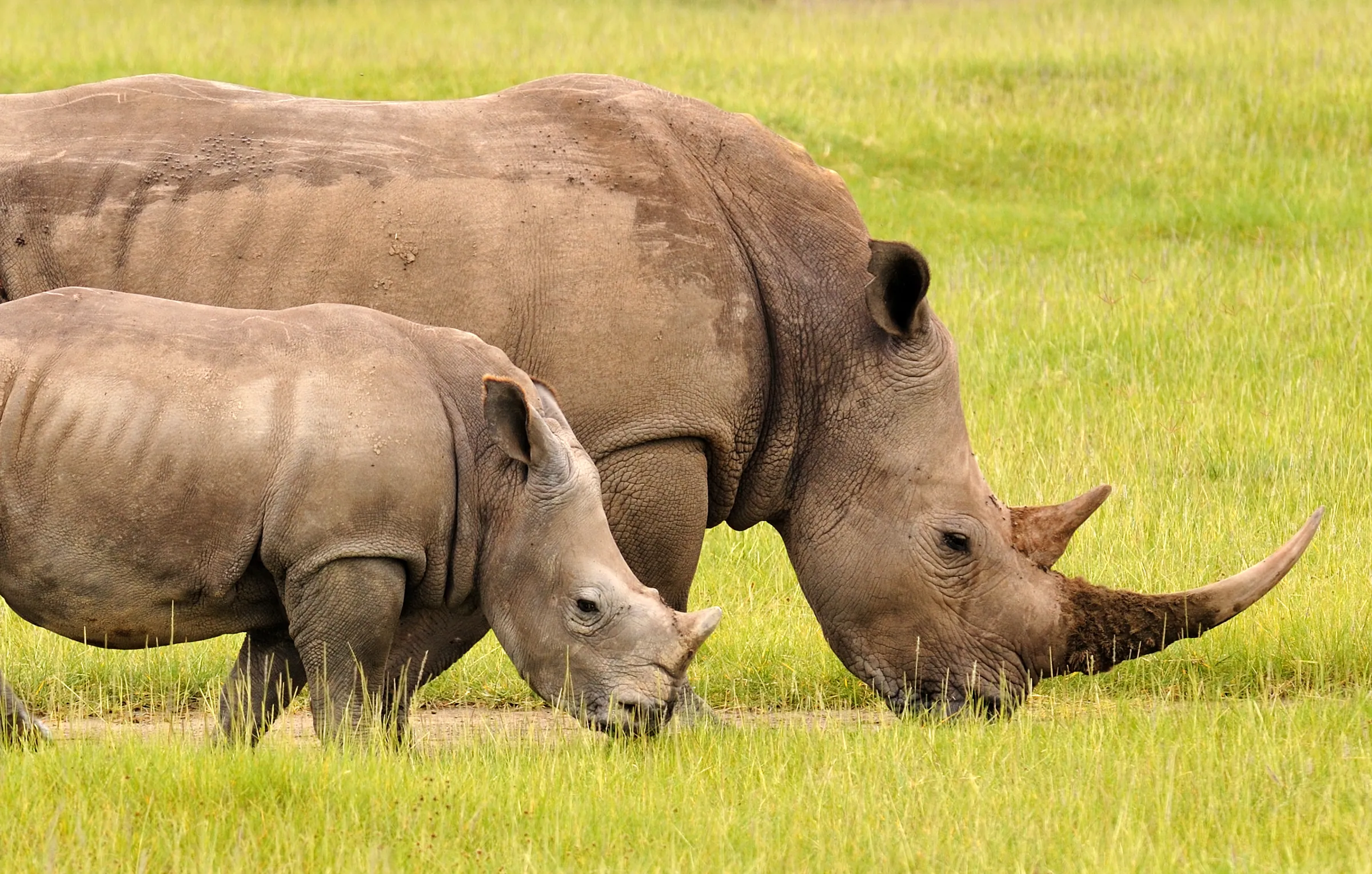
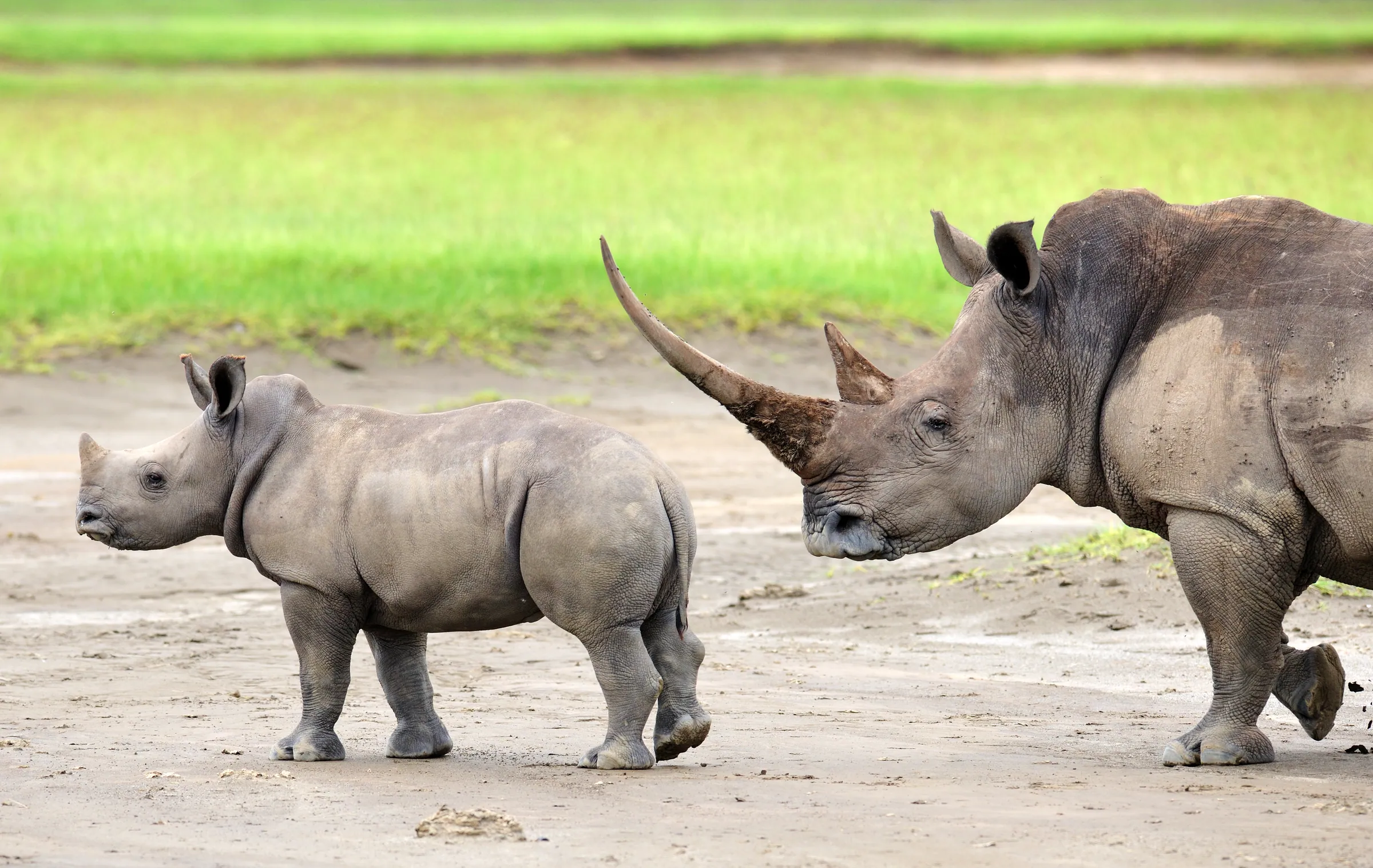
No other capital city has a park like this. The north side is fenced against the city, while the south stays open to the Kitengela plains, so animals can move in and out with the seasons. The park has four of the Big Five; there are no elephants. It is also one of Kenya's most successful rhino sanctuaries, and black rhinos are seen here more often than in many larger parks.
The park holds history too. At the Ivory Burning Site, Kenya publicly burned seized ivory in 1989 and again in 2016 to show the world it would not trade in it.
For travelers from the U.S., the park could hardly be easier. Kenya Airways flies nonstop from New York to Nairobi, the eTA is applied for online before you fly, and the park is close to the airport, so your first safari can begin the morning after you land.
Wildlife and when to see it
- Black rhinos, and white rhinos in smaller numbers
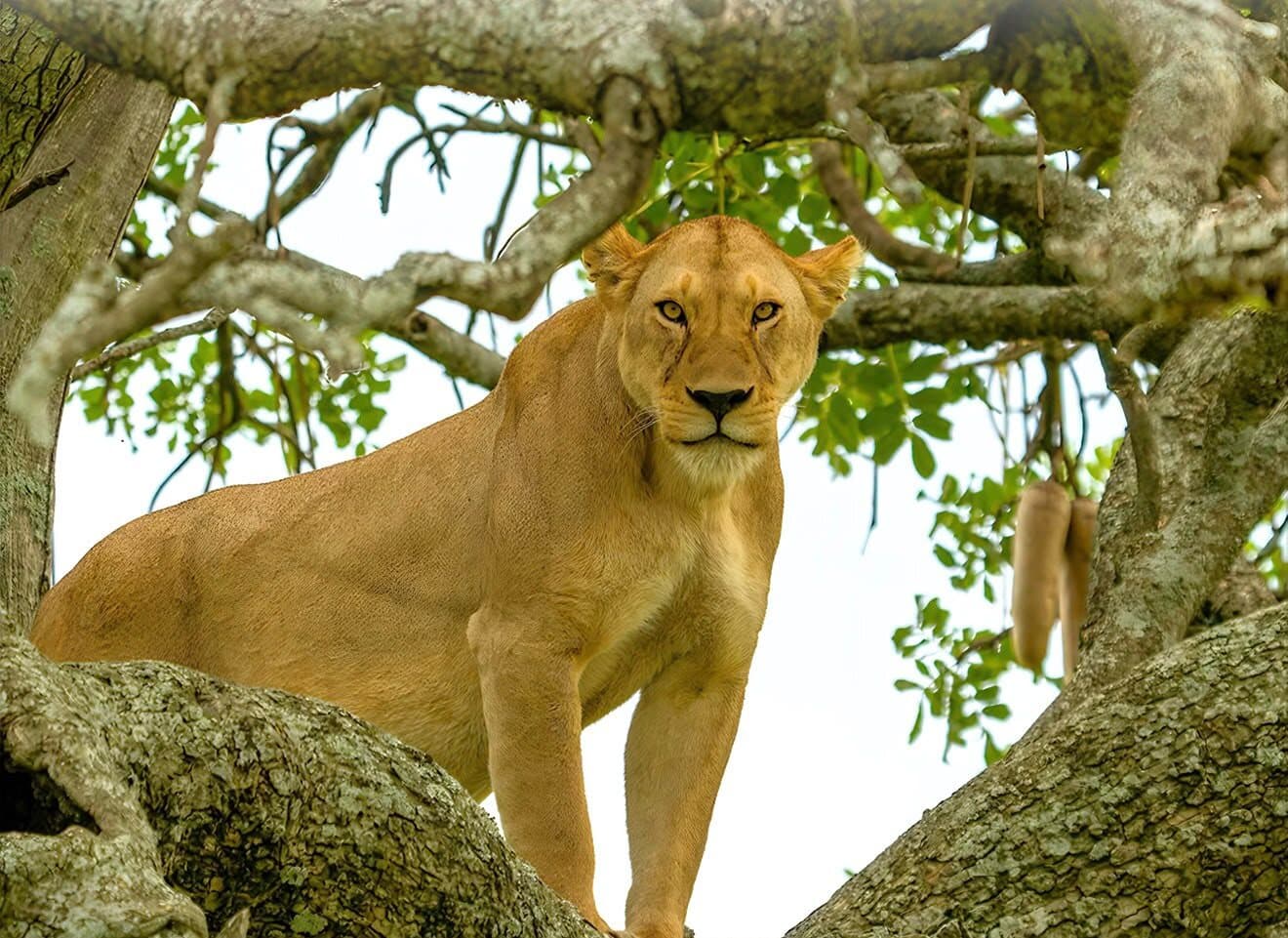
- Lions, cheetahs, leopards and spotted hyenas
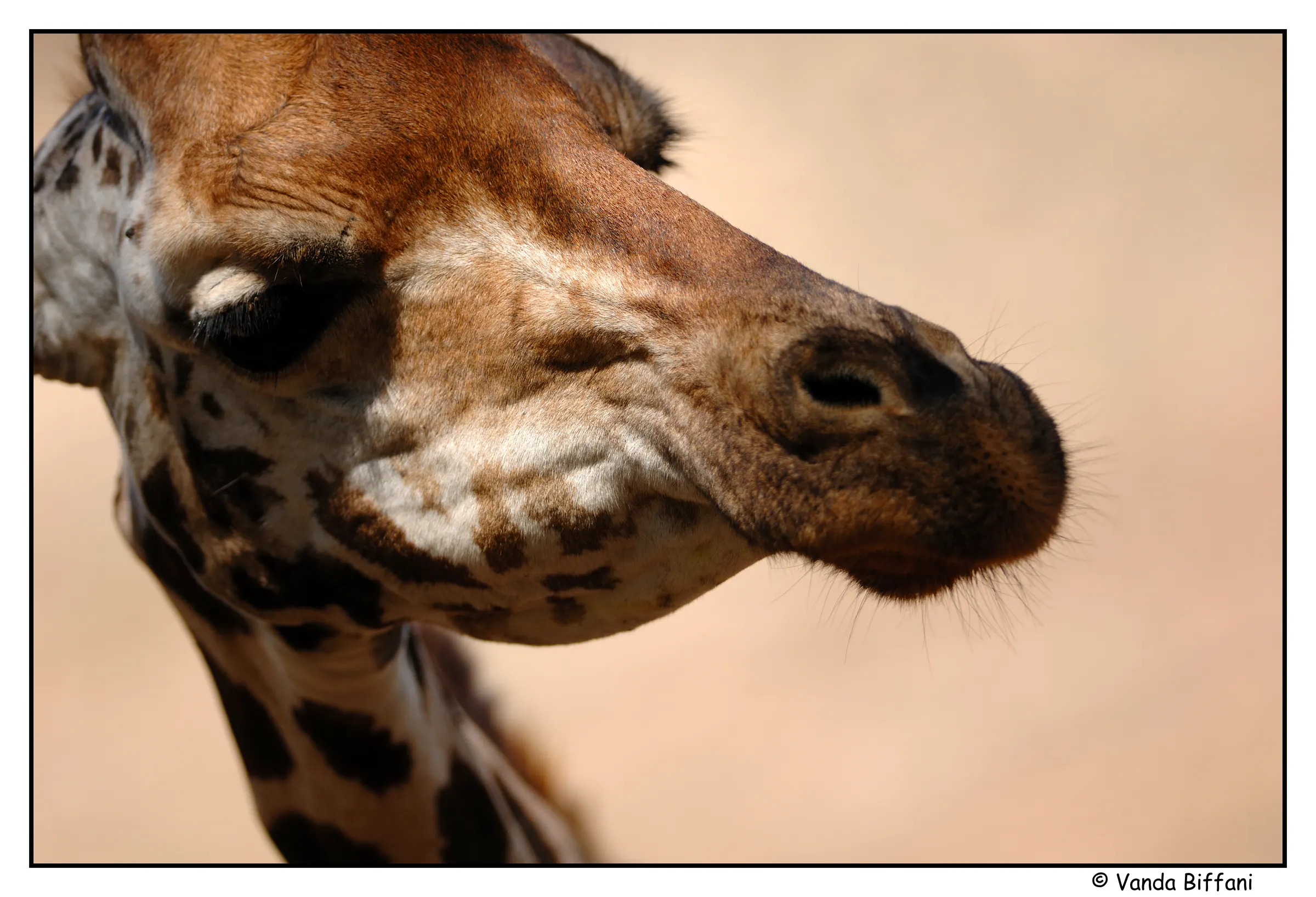
- Buffalo, Maasai giraffe, zebra, eland, hartebeest, impala and gazelles
- Hippos and crocodiles at the hippo pools on the Mbagathi River
- More than 400 bird species, including ostriches and secretary birds
Early morning is the best time, when the cats are active and the light is soft. In the dry seasons, roughly June to October and January to March, animals gather at the dams and the grass is short. In the rains, usually April and May and around November, many grazers move south out of the park, and some tracks get muddy.

Getting there and how long to stay
The main gate is on Langata Road, about 20 to 40 minutes from central Nairobi depending on traffic. The park also lies close to Jomo Kenyatta International Airport, which makes it a good use of an arrival morning or a late departure. A half-day game drive of about four hours covers the highlights; a full day lets you explore the southern plains and the hippo pools. The park is also a good choice for families with young children, since the drives are short and the city is close if anyone tires.
Nearby, and where it fits on a trip
- The Sheldrick Wildlife Trust's elephant nursery, inside the park, with a visiting hour booked ahead through the trust
- The Nairobi Safari Walk at the main gate, a boardwalk through wildlife habitats run by Kenya Wildlife Service
- The Giraffe Centre and the Karen Blixen Museum nearby in Karen and Langata
- Before a longer safari: a first game drive while you recover from the flight
- On the way home: a morning drive, a farewell lunch and an evening flight
Responsible travel
The park is under pressure from the growing city around it, and the open southern boundary depends on landowners in Kitengela keeping land free for wildlife. Visiting supports the park directly, as fees go to Kenya Wildlife Service. Fees are set by Kenya Wildlife Service and change, so we include them in every quote.
- Go with a guide who knows the park's rhino areas and keeps a respectful distance
- Stay in the vehicle except at marked picnic sites and viewpoints
- Never share rhino locations online; switch off photo geotags
- Choose orphanage visits that return animals to the wild, as the Sheldrick nursery does
We are Kenyan-led, with two U.S. companies behind us, and our Nairobi-based Kenyan guides plan the drive around your flight times. Pay in full or monthly with no deposit, and a specialist replies within two business days.