Leisure & Safari
Lions and rhinos at dawn with the skyline behind them, then the elephant orphanage and the Giraffe Centre.

Leisure & Safari
Lions and rhinos at dawn with the skyline behind them, then the elephant orphanage and the Giraffe Centre.
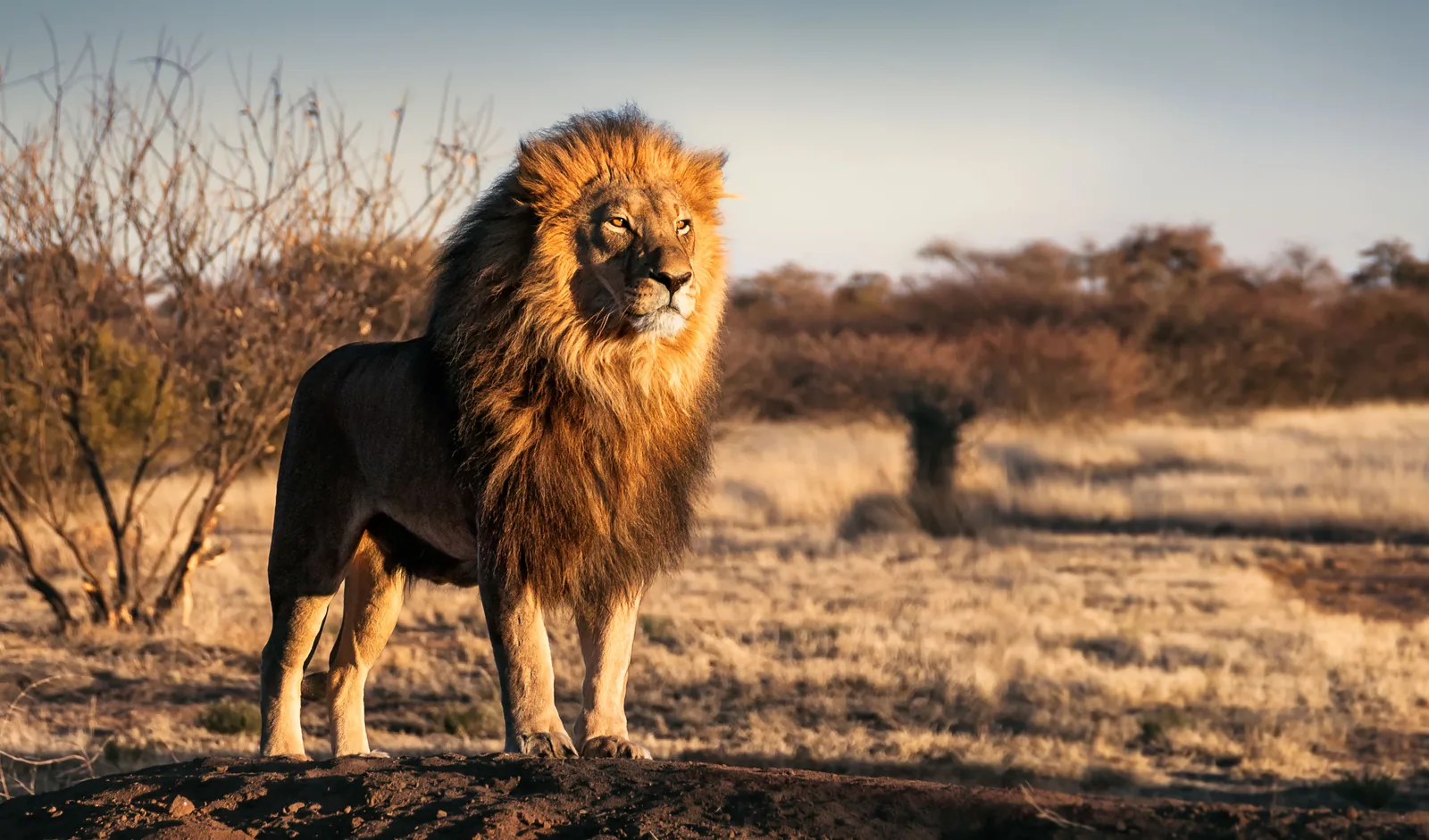
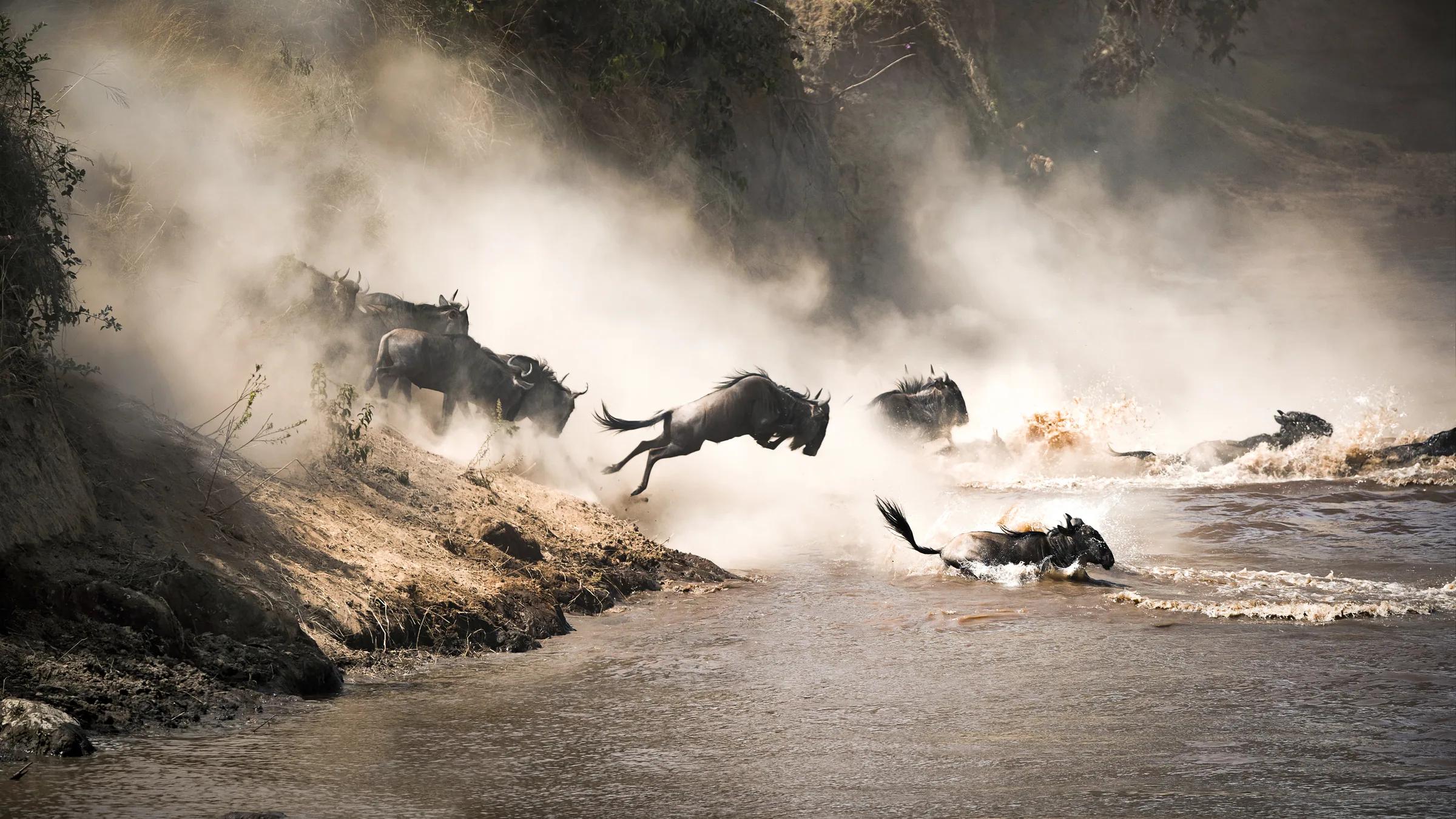
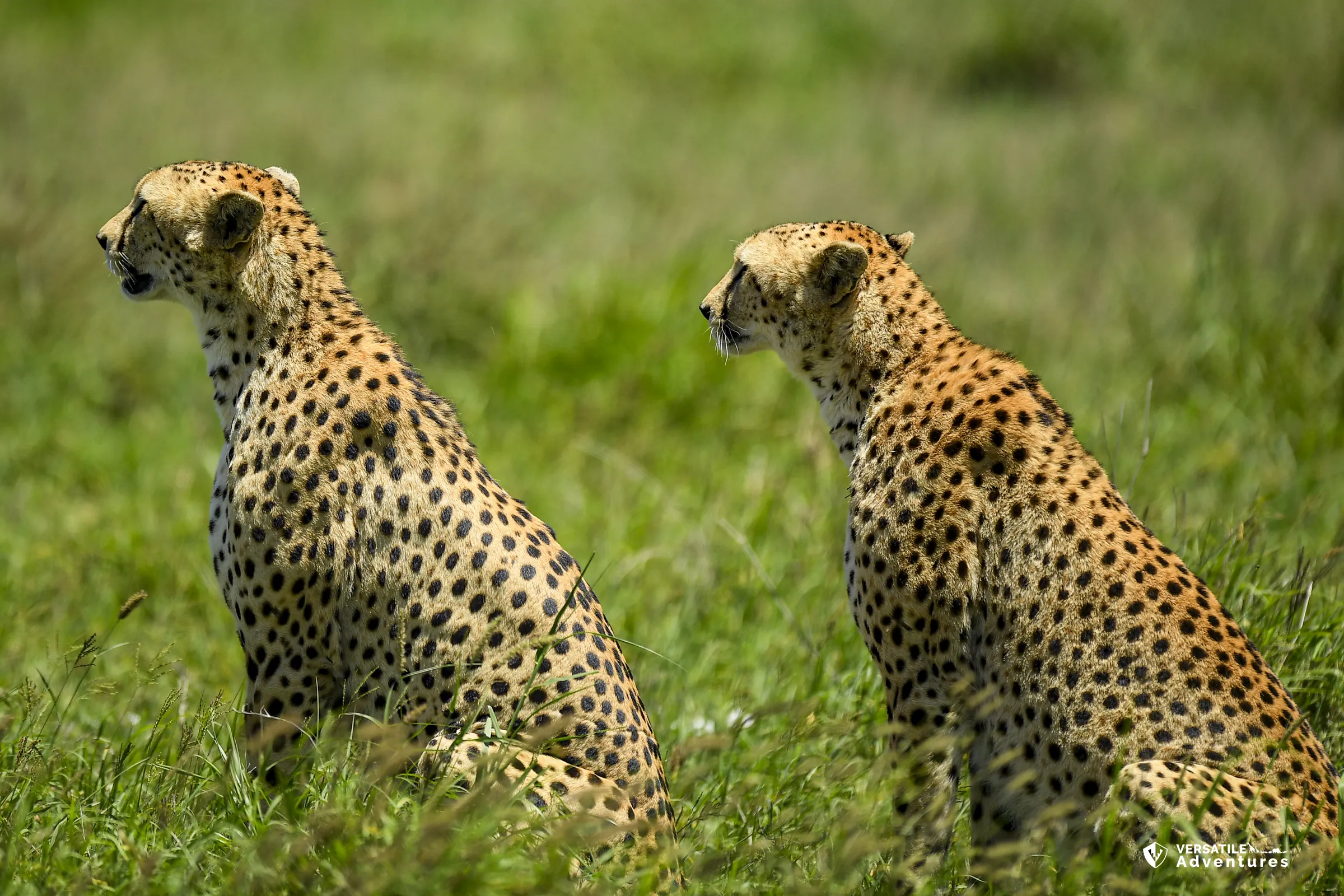
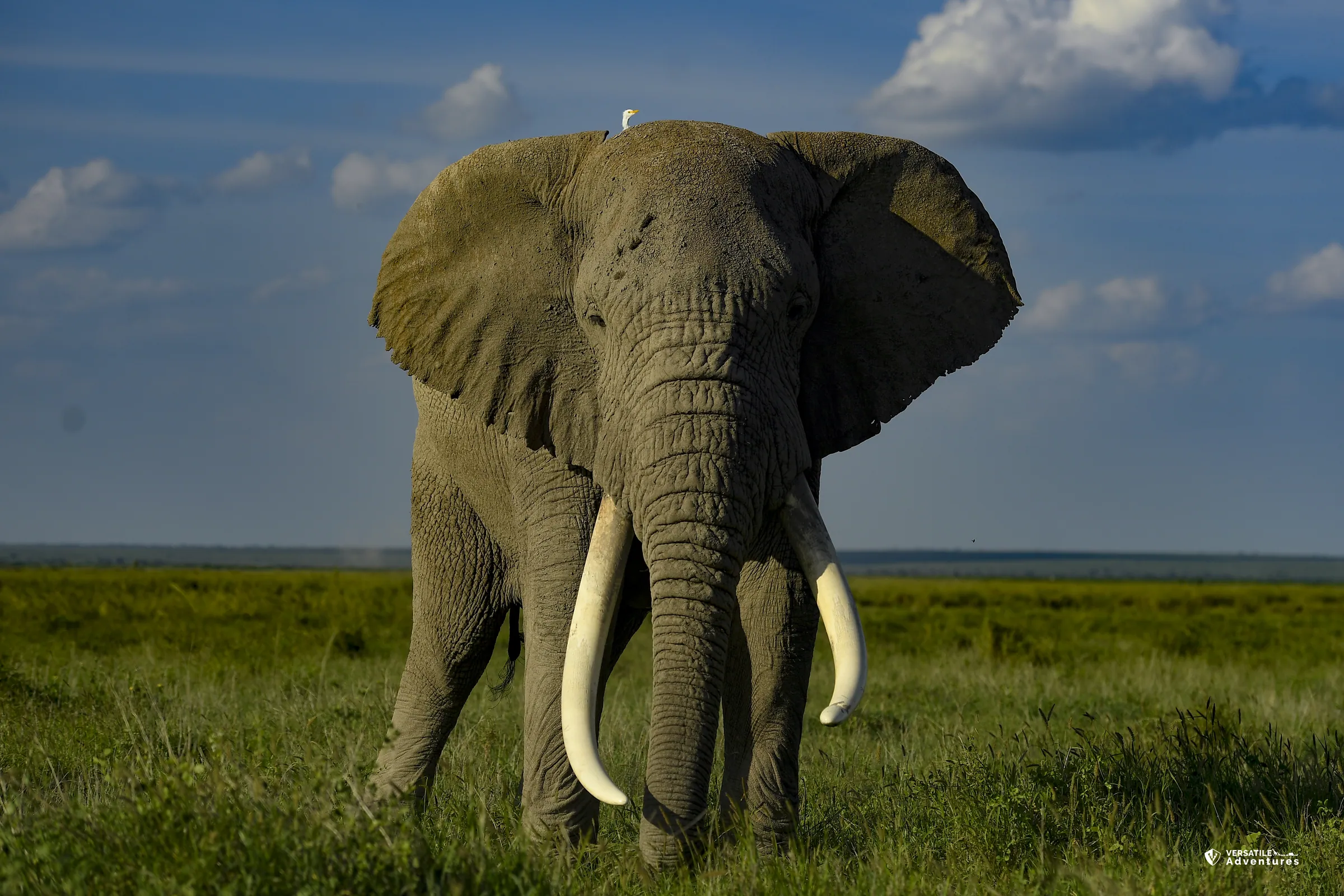
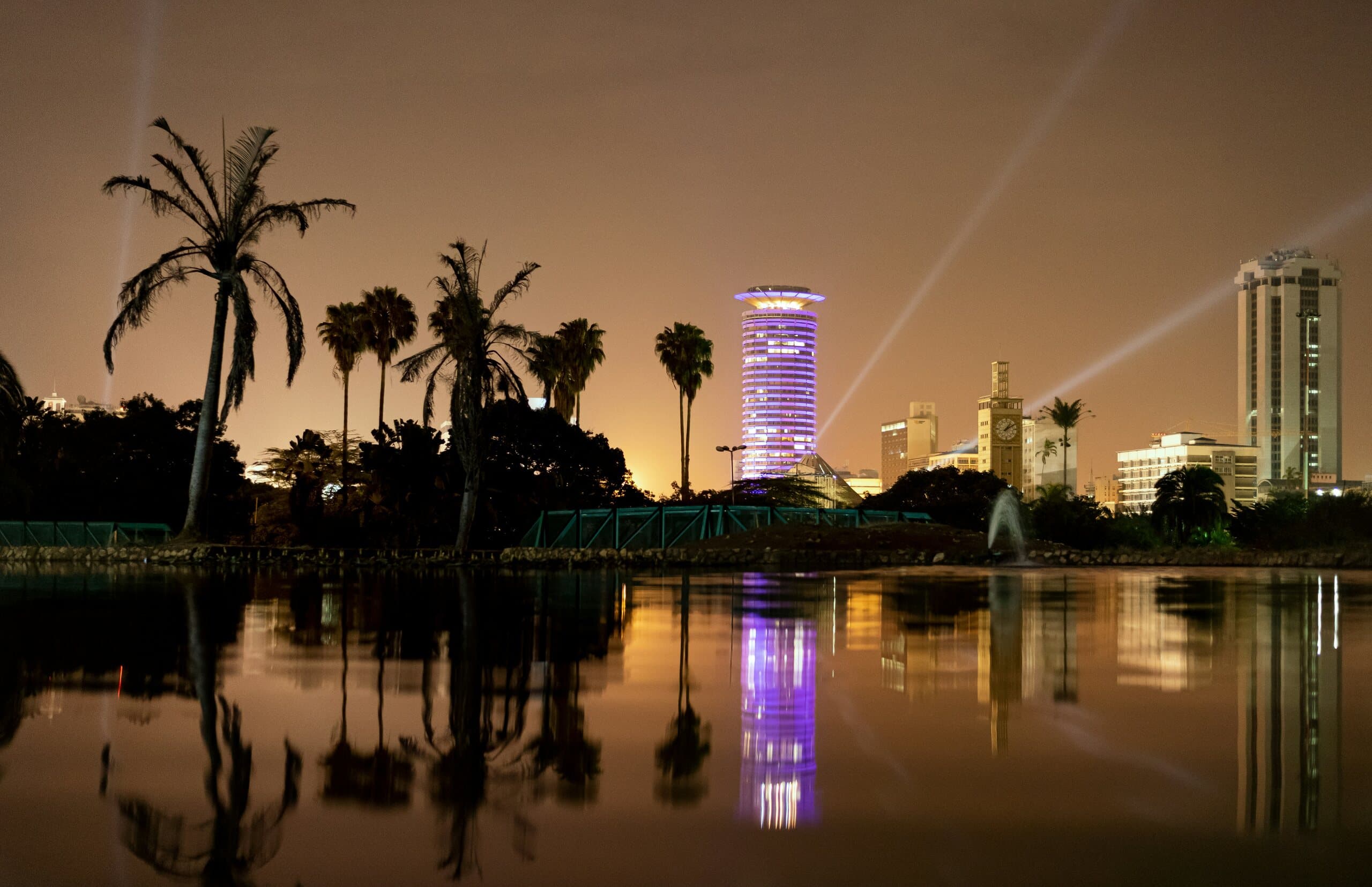
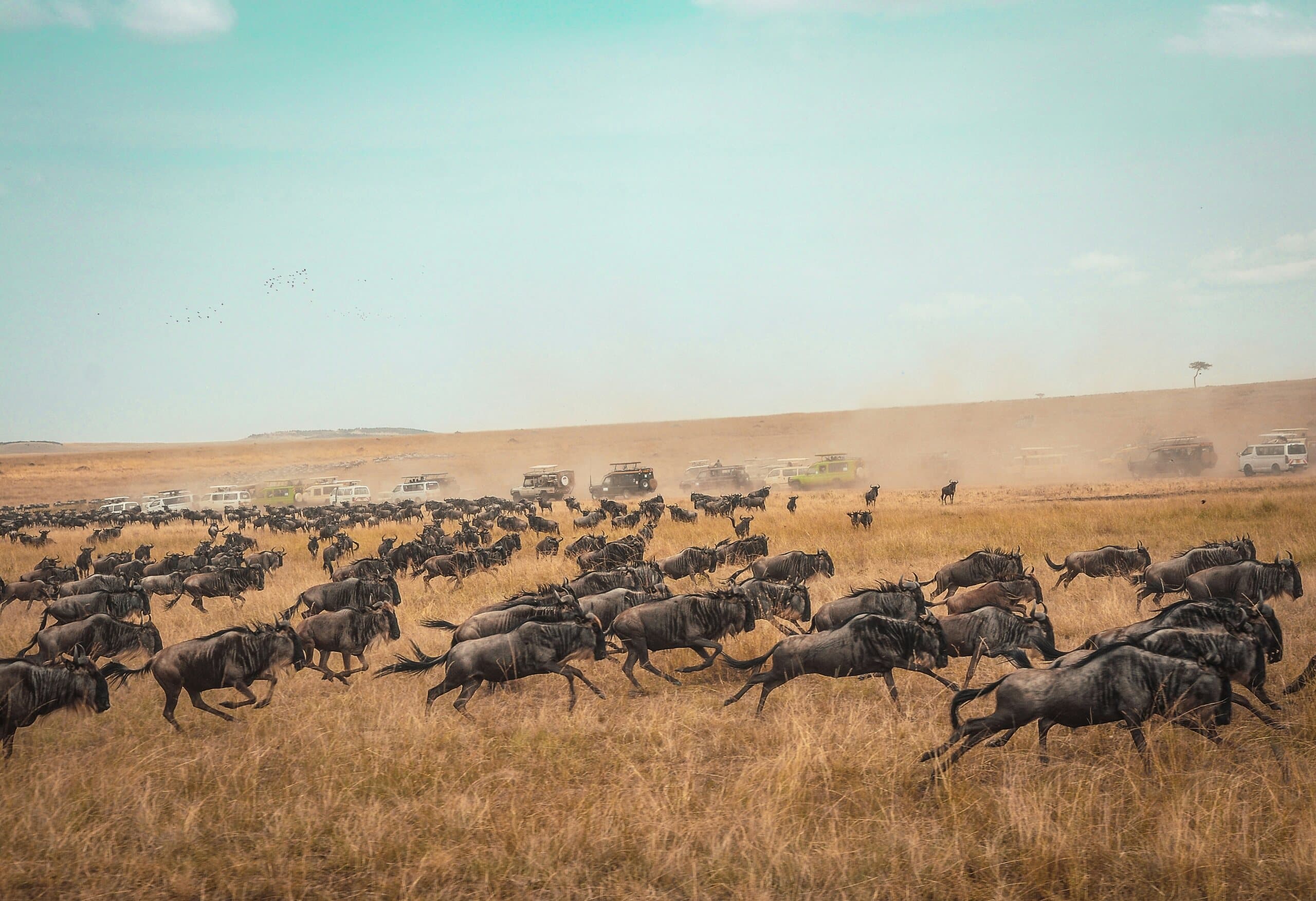
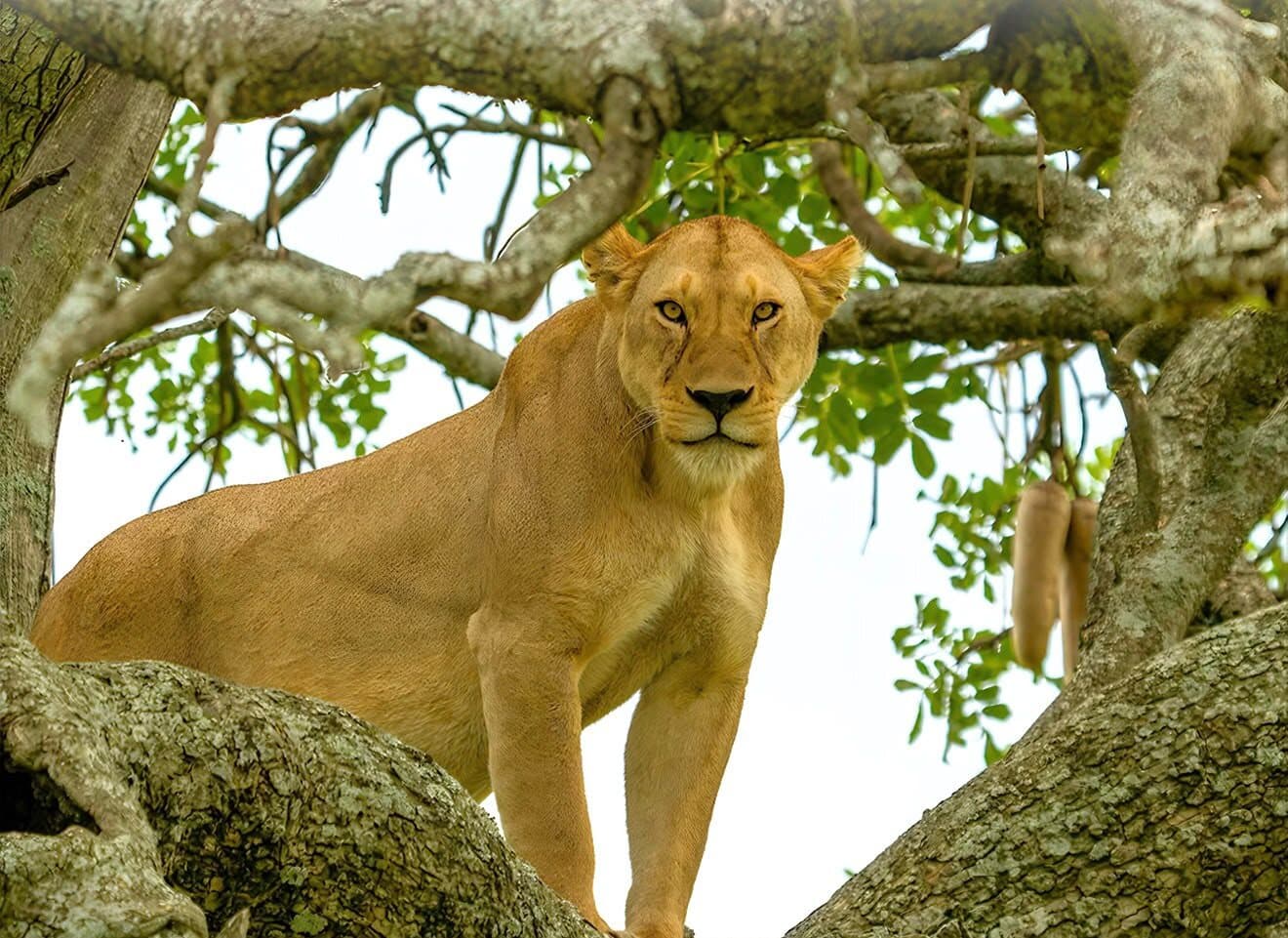
Few capital cities anywhere have lions, rhinos and giraffes living inside their limits. Gazetted in 1946 as Kenya's first national park, it is run by Kenya Wildlife Service. It is also one of the country's rhino sanctuaries, so you have a real chance of seeing black rhinos in their natural habitat. In 1989 Kenya burned a stockpile of ivory here, a moment that helped shape the global fight against the ivory trade, and the site is still marked inside the park.
The main gate is on Langata Road, about twenty minutes from the city center in light traffic. The park works year-round. In the dry months, usually June to October and January to March, animals gather near the dams and rivers, making them easier to find. The southern edge is open toward the Kitengela plains, so wildlife moves in and out, and numbers vary through the year. Because it sits close to Jomo Kenyatta International Airport, it is ideal on an arrival or departure day.
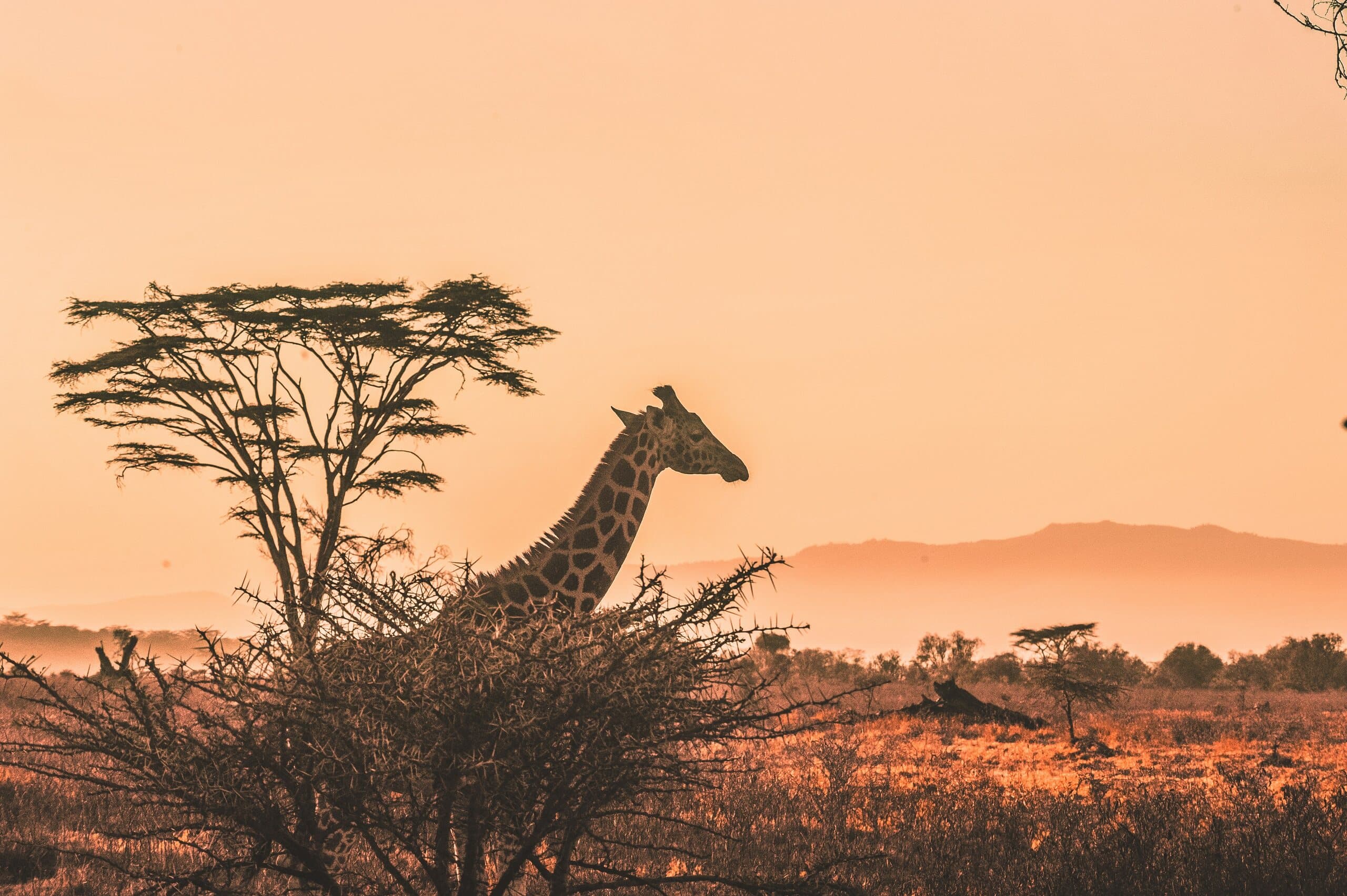
Enter the park at opening, when lions and rhinos are most active, and drive for three or four hours. Then head to the Sheldrick Wildlife Trust's elephant nursery for its public hour, from 11 a.m. to noon, when keepers bring the orphans out for a feed and a mud bath. Lunch in Karen or Langata follows. In the afternoon, the Giraffe Centre lets you feed Rothschild's giraffes, a rare subspecies, from a raised platform.
Everyone who passes through Nairobi. It is the perfect first taste of safari after a long flight, a good choice for travelers with only a day, and a highlight for children, who love the orphan elephants and the giraffes. Photographers enjoy the rare chance to frame wildlife against a city skyline. Travelers on business or at a conference can fit it into one free morning. Kenyans living in the U.S. can bring children or friends here on the first day home, as a gentle start before upcountry family visits.
Book the elephant nursery directly with the Sheldrick Wildlife Trust, which does not accept bookings through third-party sites. Nairobi mornings can be cool, so bring a light jacket. Carry binoculars, because rhinos are often in the long grass. Leave early to beat city traffic, and allow extra time on weekday mornings. Park fees are set by Kenya Wildlife Service and change, and visitors to the Trust's nursery also pay the park entry fee, because it sits inside the park. Lunch and the Giraffe Centre are close by in Karen.
We plan Nairobi days around your flights, with a Kenyan guide who knows the city and the park. Kenya Experience is Kenyan-led, backed by two U.S. companies, and you can pay in full or monthly with no deposit. A specialist replies within two business days.
Twenty minutes from the central business district, Nairobi National Park is the city's wild southern edge. A dawn drive, the Sheldrick elephant orphanage's public hour and the Giraffe Centre make the perfect first or last day in Kenya.
Yes. You can see lions, rhinos, giraffes and buffalo within a short drive of the city, which makes it a good start or finish to any Kenya trip.
Yes. The park is one of Kenya's rhino sanctuaries and has a good population of black rhinos, though sightings are never guaranteed.
The Nairobi nursery's public visit runs daily from 11 a.m. to noon, except December 25, and must be booked directly with the Sheldrick Wildlife Trust.
Often, yes, if you have most of a day. The park is close to Jomo Kenyatta International Airport, and a morning drive fits between flights.
Panga
Panga means plan. Tell us who is going and what you love. A Kenya specialist replies within two business days.