Wildlife. Updated November 2026. 3 min read.
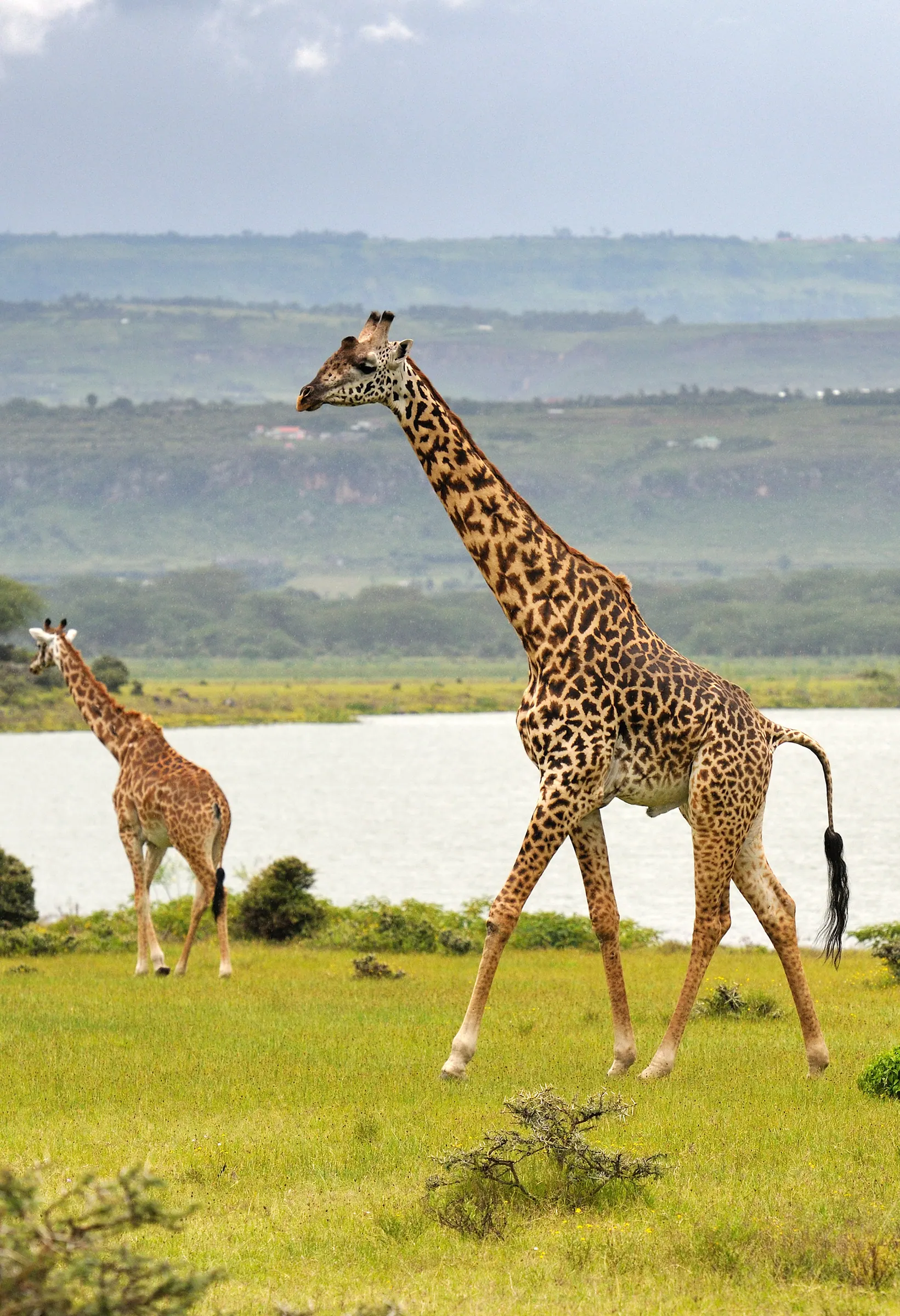
Kenya lets you see three kinds of giraffe on one trip, each with its own coat. Maasai giraffes live in the south, in the Maasai Mara, Amboseli, Tsavo and Nairobi National Park. Reticulated giraffes live in the north, in Samburu, Buffalo Springs, Meru and Laikipia. Rothschild's giraffes live in a handful of protected places, with Lake Nakuru National Park the easiest to visit.
Three giraffes, and how to tell them apart
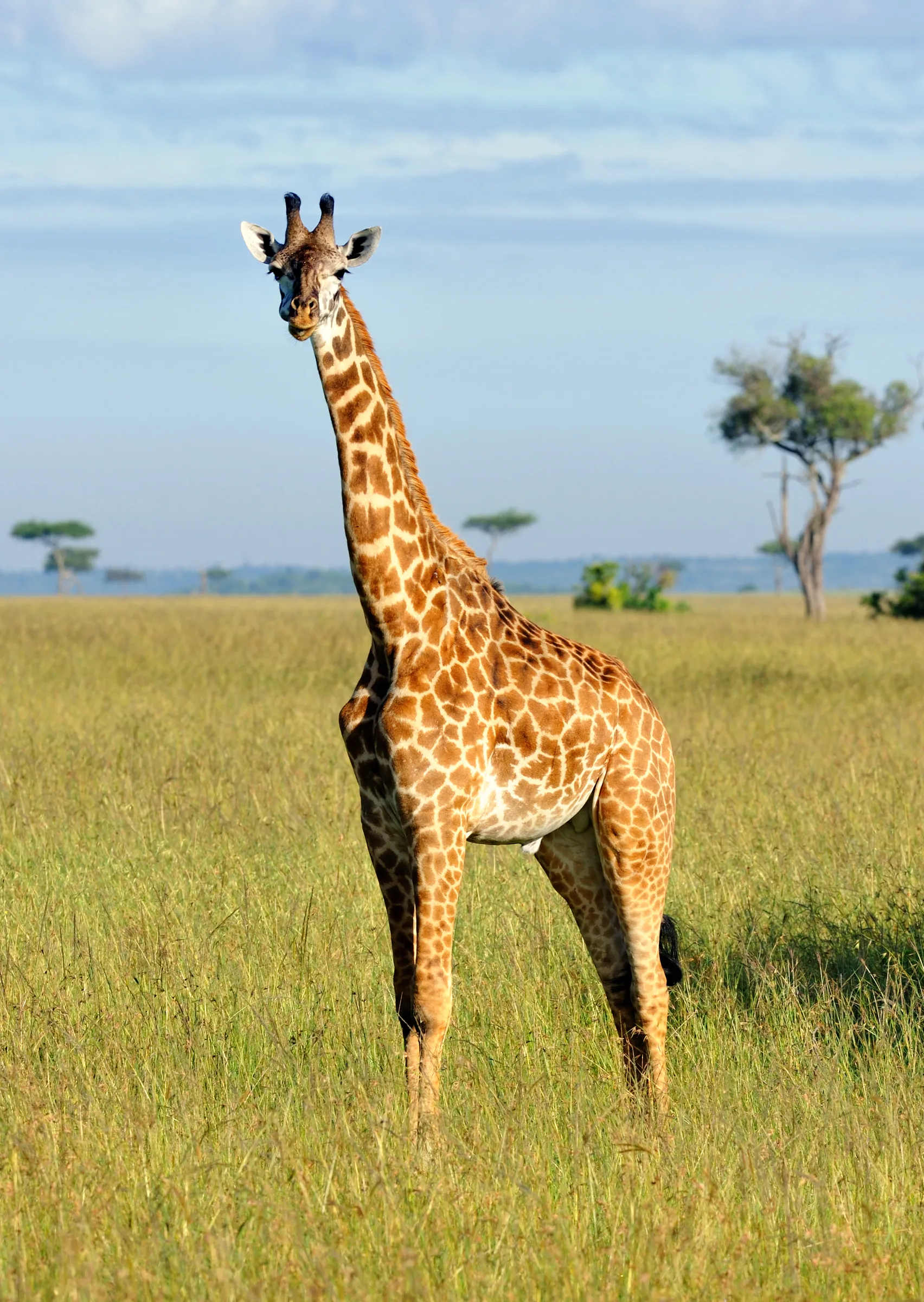
- Maasai giraffe: dark, jagged patches shaped like oak leaves or stars, running down to the hooves
- Reticulated giraffe: neat, liver-red patches divided by bright white lines, like a net laid over the body
- Rothschild's giraffe: paler patches with creamy edges and plain white lower legs, as if wearing stockings
In 2025 the IUCN's giraffe specialists recognized four giraffe species instead of one. Kenya has three of them: the Maasai giraffe, the reticulated giraffe and the northern giraffe, whose Nubian subspecies includes the animals long known in Kenya as Rothschild's giraffe. Guides and signs still use the older names.
The best places for each
- Maasai giraffe: the Maasai Mara, Amboseli, Tsavo East and West, Nairobi National Park, and around Lake Naivasha and Hell's Gate, where you can cycle or walk among them
- Reticulated giraffe: Samburu, Buffalo Springs and Shaba reserves, Meru National Park, and the Laikipia conservancies including Ol Pejeta and Lewa
- Rothschild's giraffe: Lake Nakuru National Park, Soysambu Conservancy near Lake Elmenteita, and Ruma National Park in Homa Bay County near Lake Victoria
- In Nairobi, the Giraffe Centre, run by the African Fund for Endangered Wildlife, breeds Rothschild's giraffes for release into parks and teaches conservation to Kenyan students
One route takes in all three: the Giraffe Centre in Nairobi, Lake Nakuru for Rothschild's, Samburu or Laikipia for reticulated, and the Mara for Maasai giraffes. That makes a natural ten-day safari, with the coast easy to add at the end.
When to go, and what time of day
Giraffes are easy to see all year in the right parks, and they do not migrate. In the dry seasons, usually June to October and January to March, they stay close to rivers and green woodland. They feed through much of the day, but morning and late afternoon bring the best light and the most activity, including drinking, when a giraffe must splay its front legs awkwardly to reach the water.
Giraffe behavior worth knowing
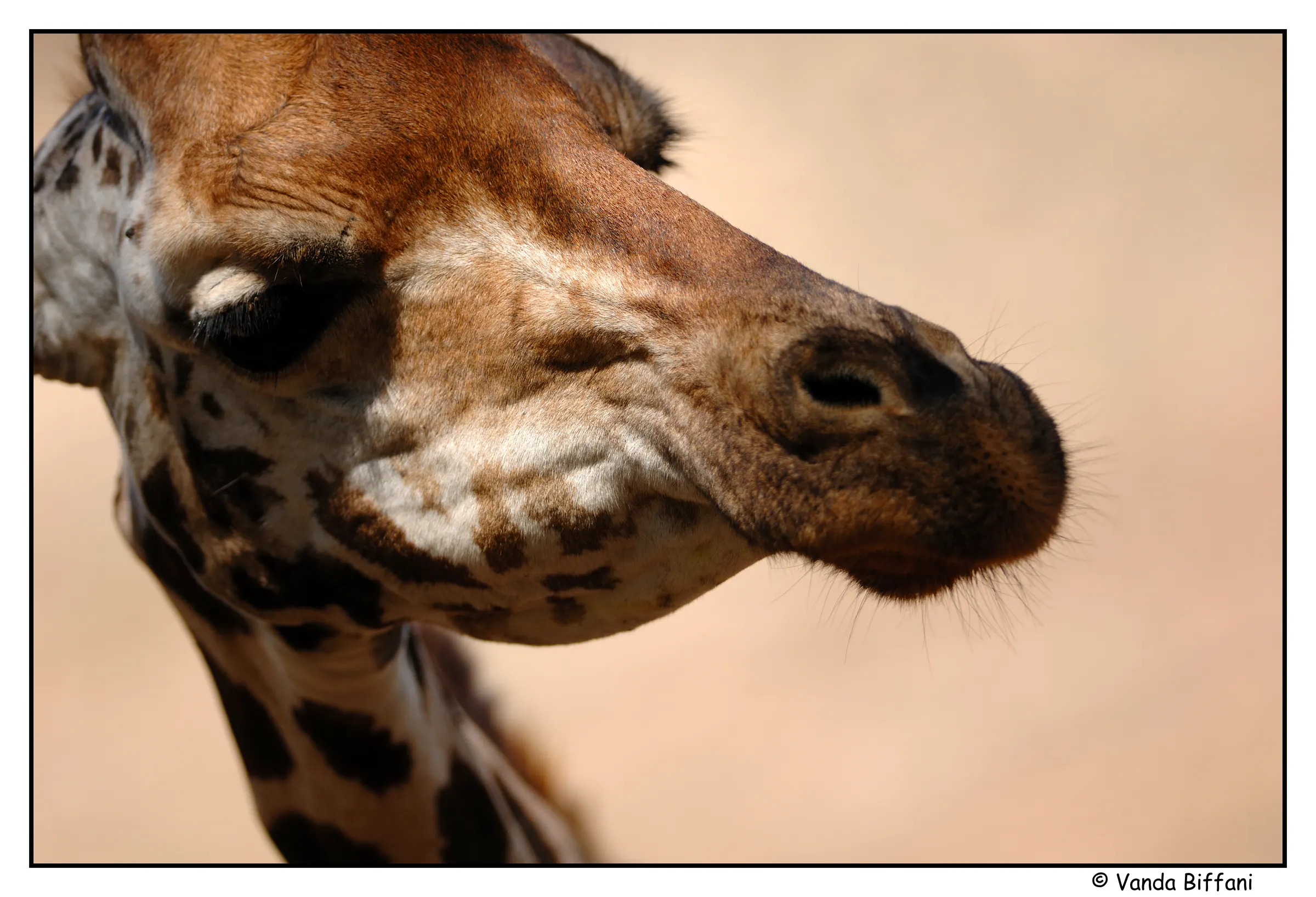
Giraffes browse acacias and other trees, stripping leaves with a long, dark tongue that can wrap around thorny branches. They live in loose groups that change from day to day. Males test each other by necking, swinging their heads and necks against each other; most bouts are slow and ritual, though some are fierce. A pregnancy lasts about 15 months, and a calf drops some six feet to the ground at birth, then stands within an hour. Guides find giraffes by scanning the skyline over the acacias, and by watching them: a group of giraffes all staring in one direction may have spotted a lion.
Giraffes in Kenya today
Kenya's 2025 national wildlife census counted more than 43,000 giraffes across all three types, a small rise since 2021. Maasai and reticulated giraffes were both listed as Endangered in their latest IUCN assessments, after steep declines in recent decades. The northern giraffe is the rarest of the four species, and Kenya's protected herds of Rothschild's giraffes matter for its future. The main threats are habitat loss, drought, fences and poaching for meat. Kenya Wildlife Service and partners such as the Giraffe Conservation Foundation run a national plan for giraffes, including moving Rothschild's giraffes to safe new homes.
Watching giraffes ethically
- Never feed wild giraffes, and on foot or bike keep a good distance; a giraffe's kick is powerful
- Let giraffes cross the road at their own pace
- Keep back from a drinking giraffe; it is at its most vulnerable with its head down
- At the Giraffe Centre, follow the staff's guidance
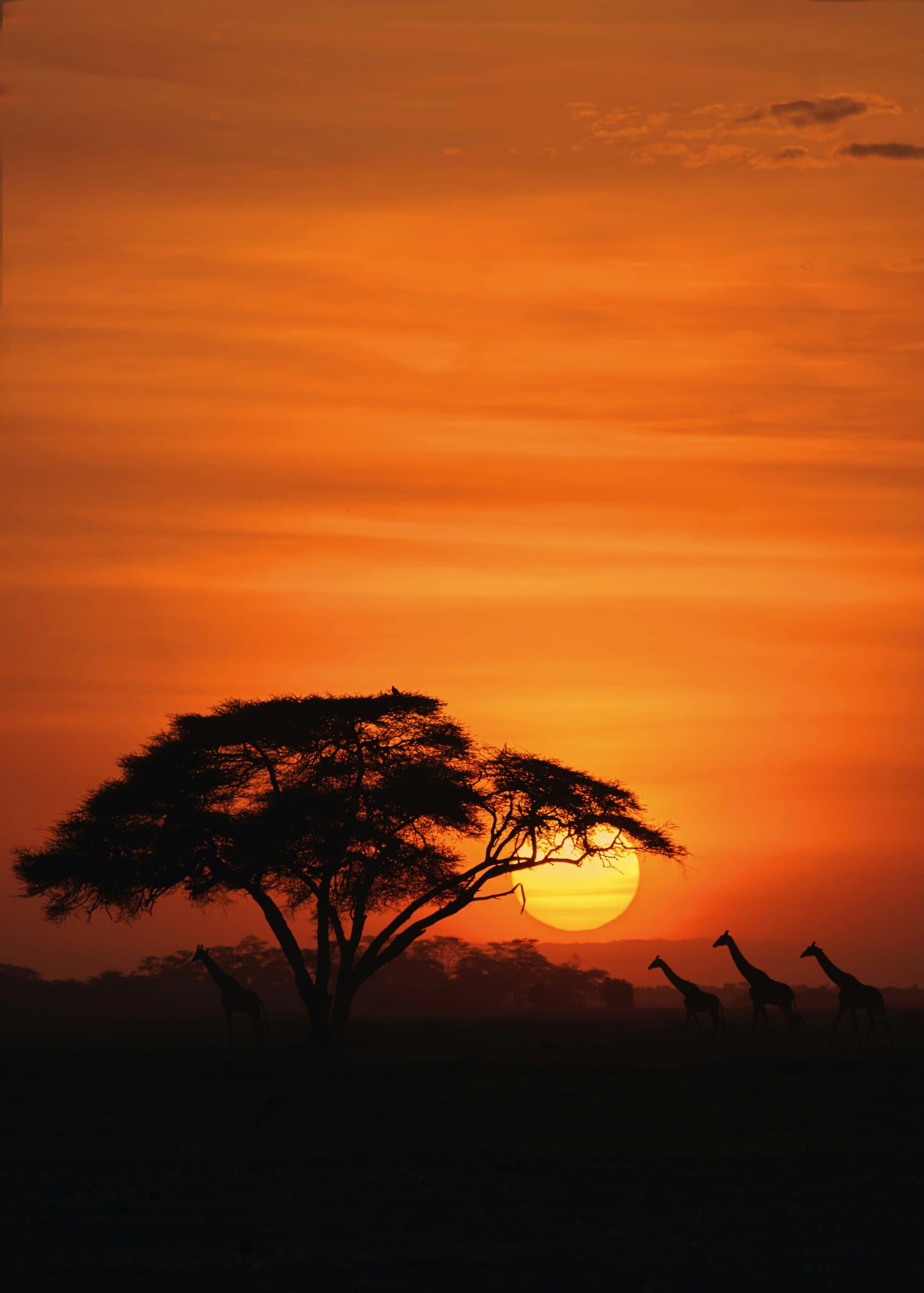
Photography tip: turn your camera to a vertical frame and use a telephoto lens to stack giraffes against acacias. At sunset, shoot into the light and expose for the sky for a classic silhouette.