Parks and reserves. Updated November 2026. 3 min read.
Lake Nakuru National Park is where Kenya brought its rhinos back from the brink, and today it is one of the best places in Africa to see both black and white rhinos in a single morning. The park protects a Rift Valley soda lake and about 188 square kilometers (73 square miles) of woodland and grassland next to Nakuru City, run by Kenya Wildlife Service and part of a UNESCO World Heritage site. It is about three hours from Nairobi, so it fits on almost any itinerary.
What makes Lake Nakuru special
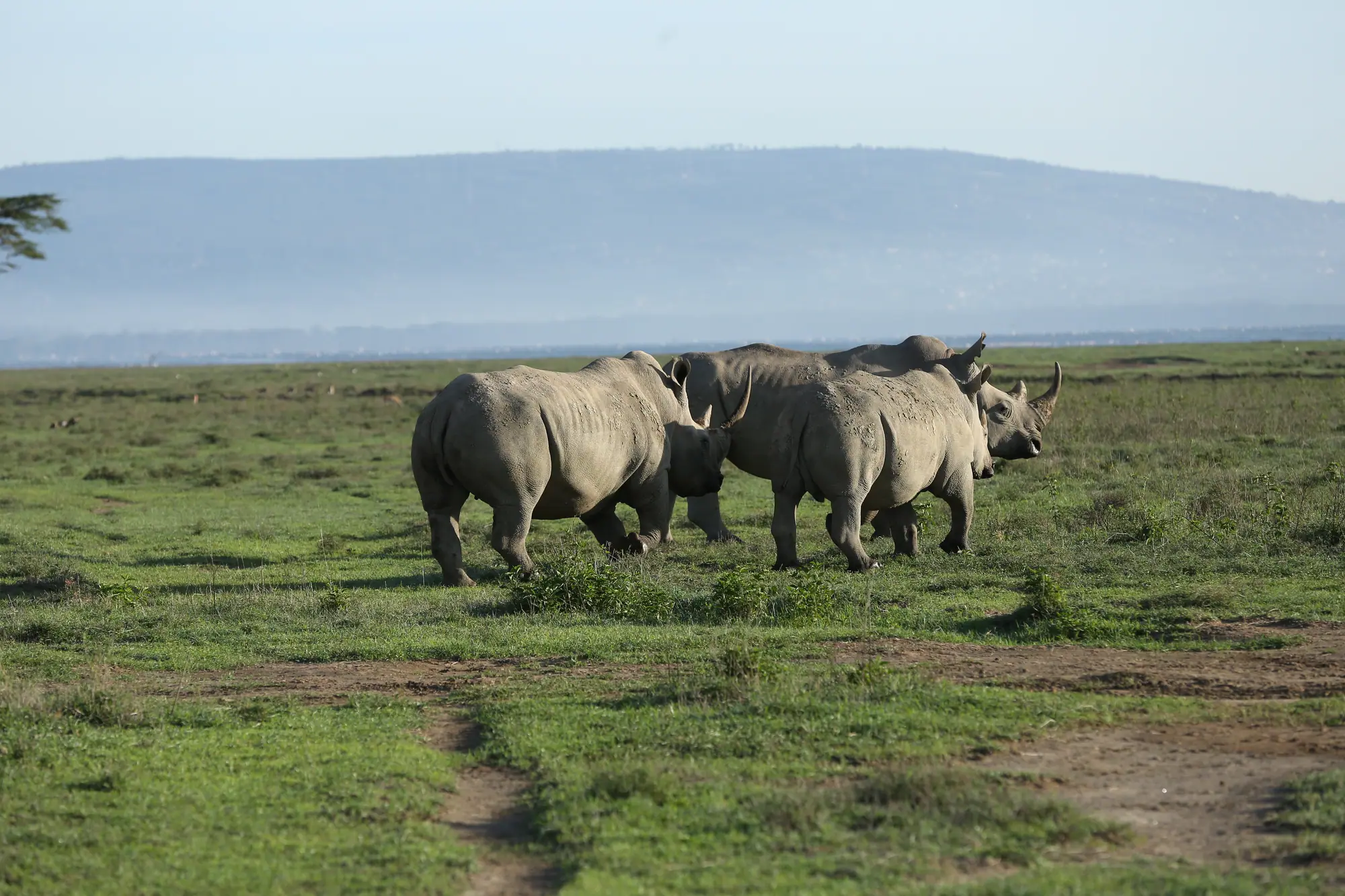
Nakuru was Kenya's first government rhino sanctuary, declared in 1987, and the whole park is fenced to protect the animals and the farms around it. The result is a small park where rhinos graze in the open and you can cover most of the ground in a day. In 2011 UNESCO listed Lake Nakuru, with Lake Bogoria and Lake Elementaita, as the Kenya Lake System in the Great Rift Valley World Heritage site.
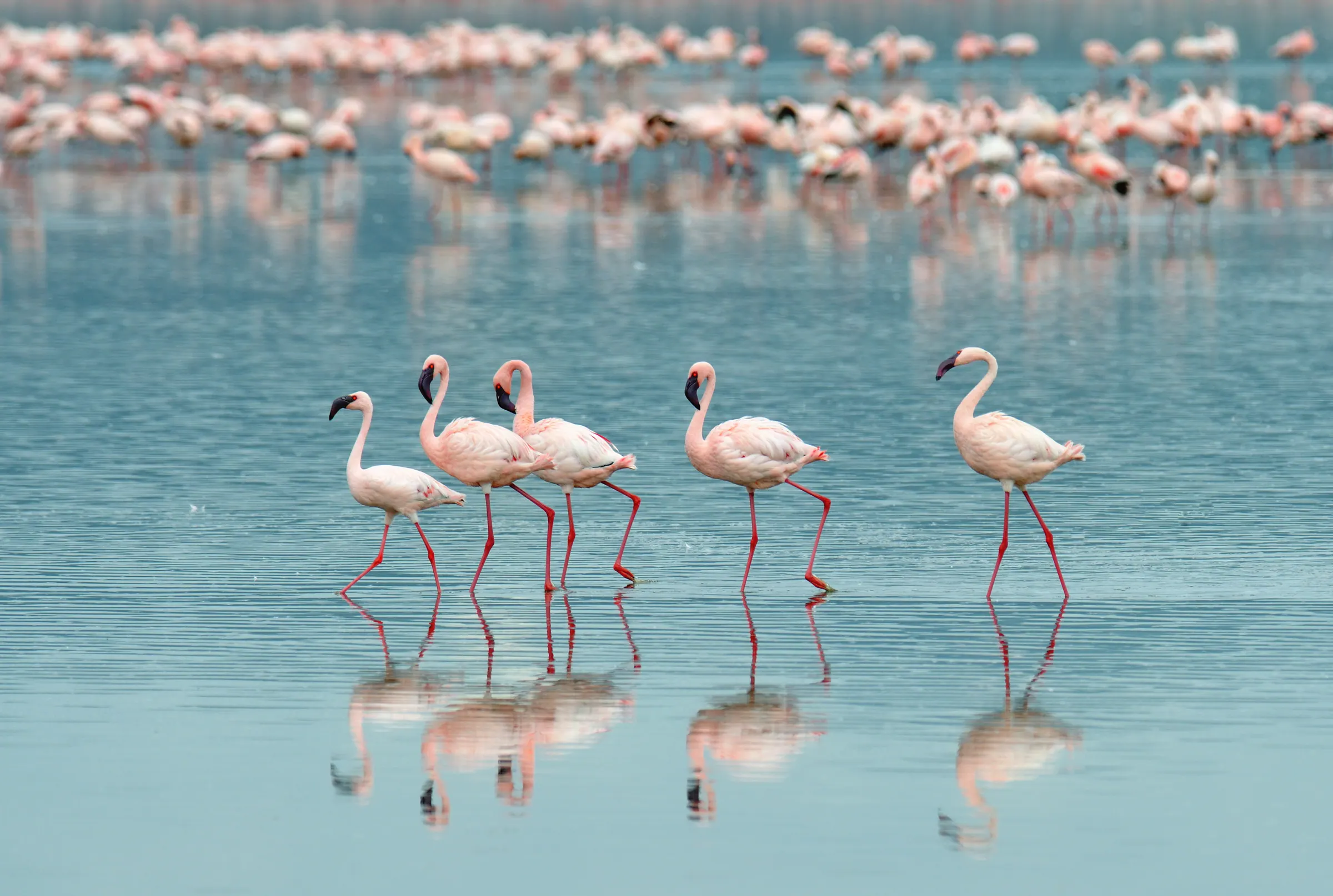
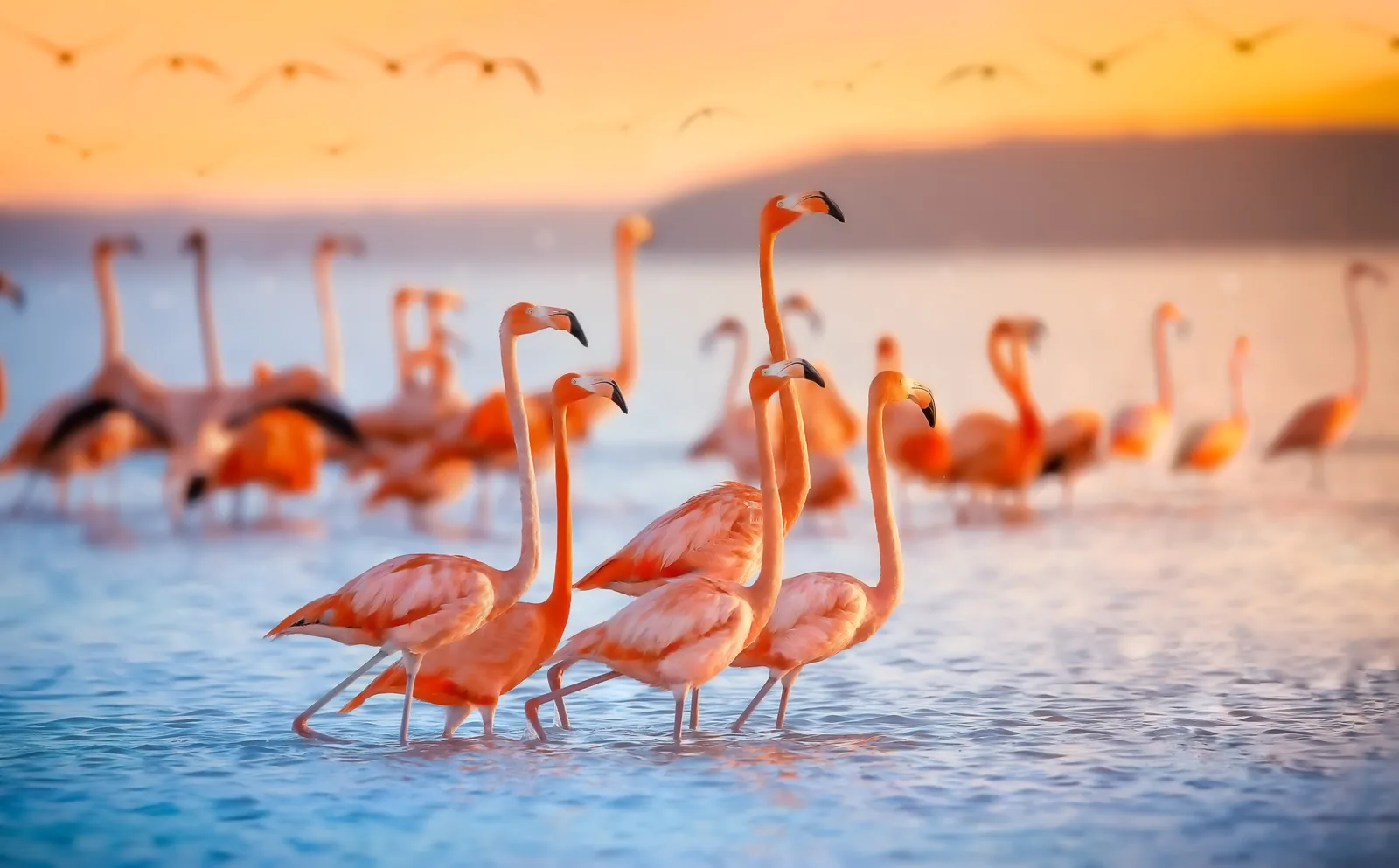
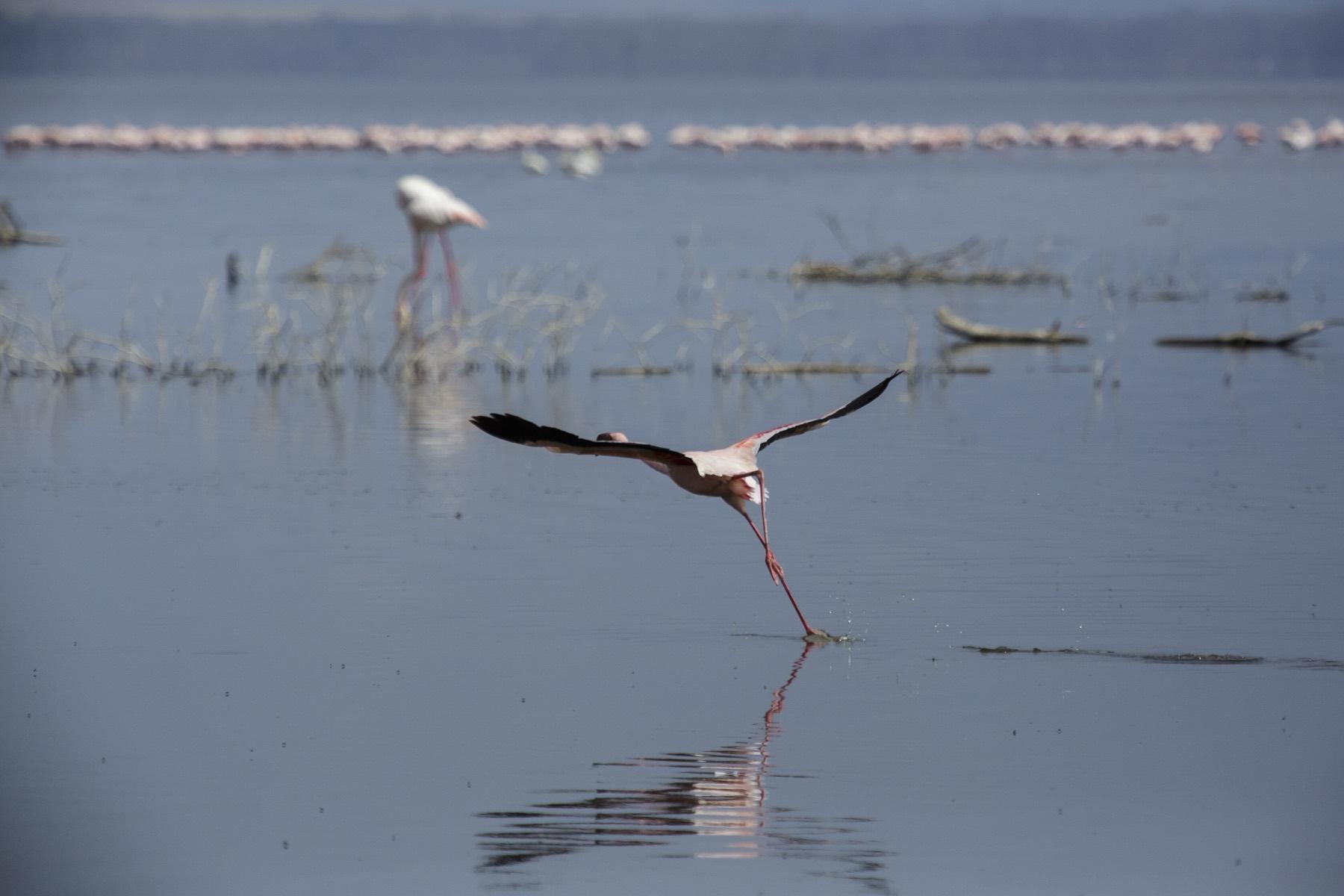
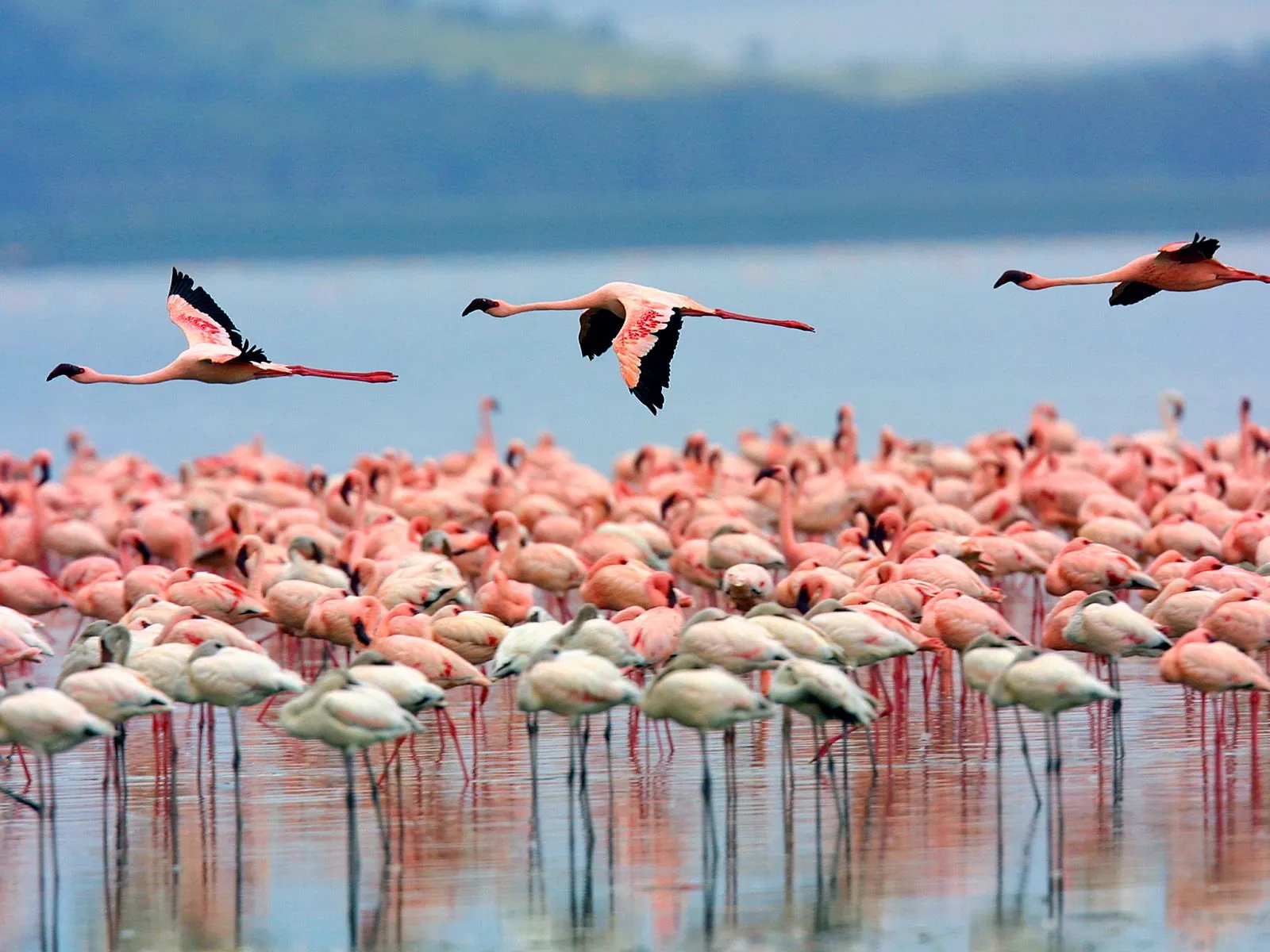
The lake is famous for flamingos, but their numbers rise and fall. Since about 2010 the lake has risen and grown less salty, and many lesser flamingos have moved to Lake Bogoria and Lake Elementaita. In some months there are still thousands at Nakuru; in others, only a few. Pelicans, storks and fish eagles are reliable.
The setting is part of the pleasure. The lake lies on the floor of the Great Rift Valley, ringed by escarpments and yellow-barked acacia forest, and from the viewpoints you can see the whole park laid out below you. Just north of the city, Menengai Crater, one of the largest volcanic calderas in Kenya, makes an easy add-on.
Wildlife and highlights
- White rhinos grazing on the open lakeshore grass, and shy black rhinos in the bush
- Lions, sometimes resting in the acacia trees, and leopards in the woodland
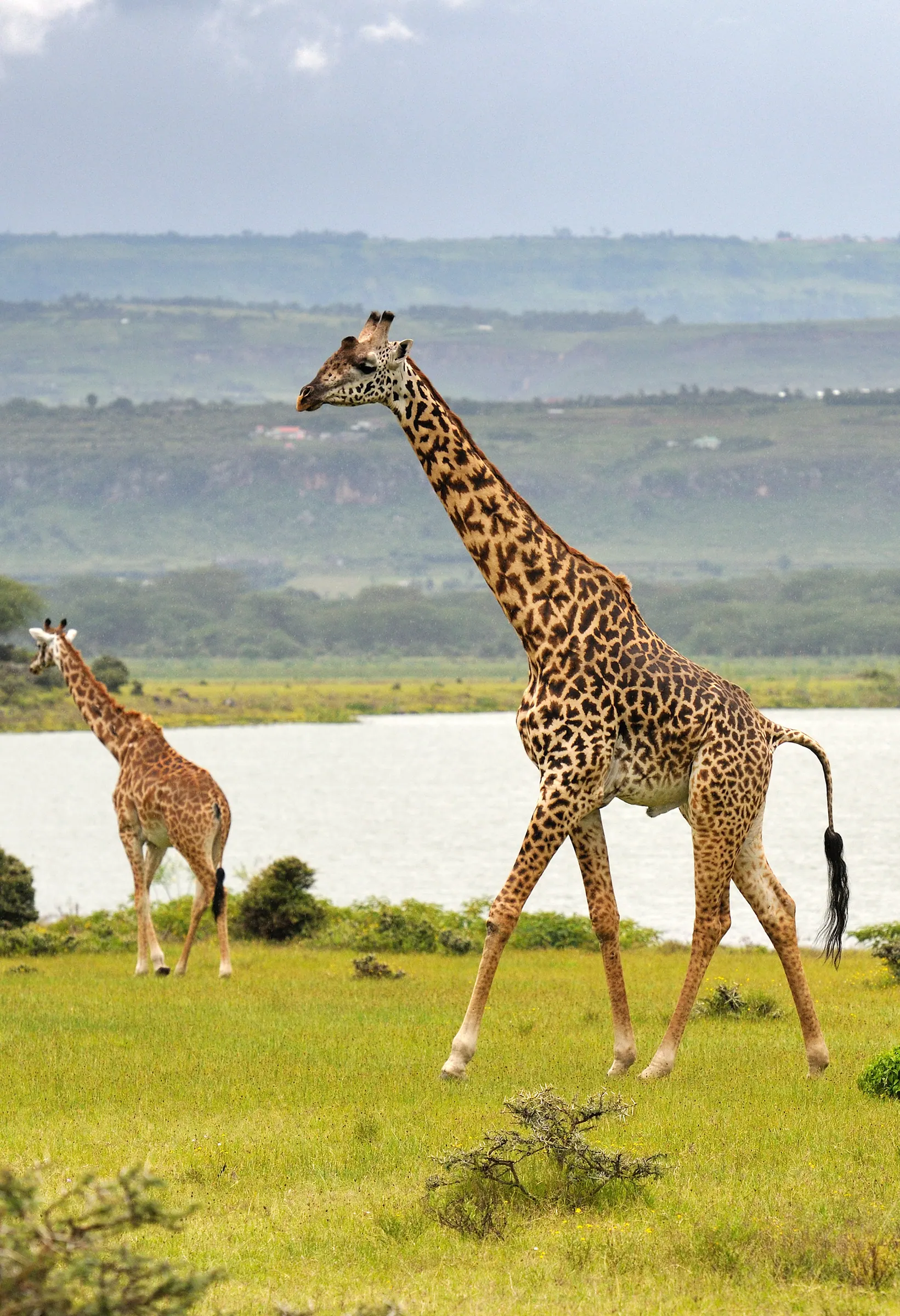
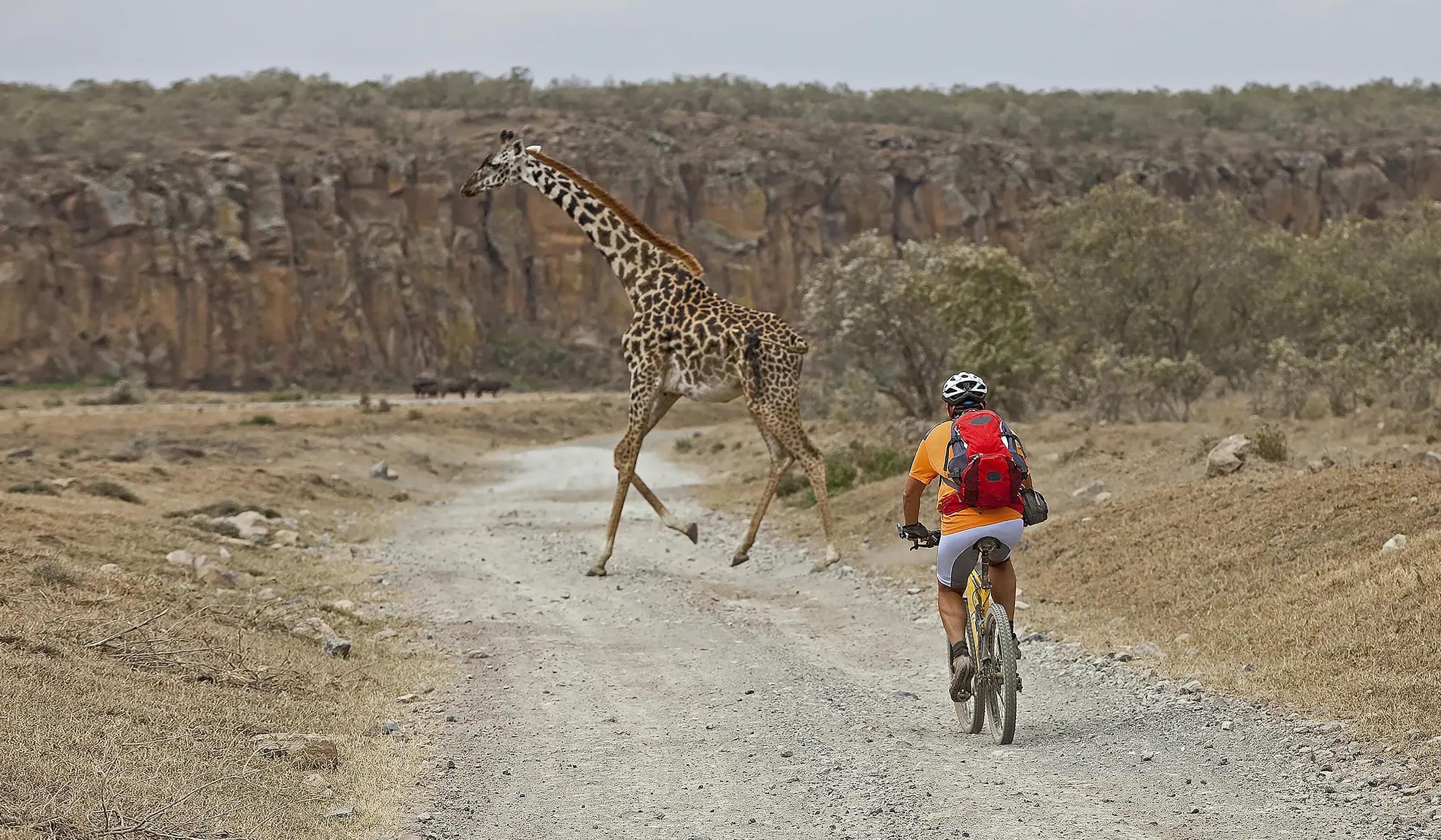
- Rothschild's giraffe, buffalo, waterbuck, zebra and baboons
- Birds: KWS lists about 450 species, from flamingos and pelicans to many birds of prey
- Baboon Cliff and Lion Hill: viewpoints over the whole lake
- Makalia Falls in the south of the park, best after rain
Best time to visit
Lake Nakuru is good all year, because the rhinos and other wildlife stay inside the fenced park. The driest months, roughly January to March and June to October, make the tracks easiest. In the long rains, usually April and May, some roads in the south get muddy, but the park is green and quiet. Flamingo numbers change with the water and cannot be predicted months ahead; we check before you travel.
Getting there and how long to stay
The park is about 156 kilometers northwest of Nairobi, around three hours by road depending on traffic. The main gate is on the edge of Nakuru City, and there are also gates at Lanet and Nderit. Most visitors drive, since the road trip is short and passes the Rift Valley viewpoints.
A full day is enough to see the park; one night lets you enjoy an early morning drive when rhinos and lions are most active. Two nights suits photographers and keen birders.
Where it fits on a trip
- On the way to the Mara: Nairobi, one night at Nakuru, then on to the Mara
- With Lake Naivasha and Hell's Gate: a Rift Valley loop of two or three days
- North to Lake Bogoria and Lake Baringo, for flamingos and birds
- West to Kericho's tea country and the Kerio Valley
Activities and responsible travel
Game drives are the main activity, with stops at viewpoints and picnic sites where you can step out. Walking among the animals is not allowed, because lions and buffalo are common. Fees are set by Kenya Wildlife Service and change, so we confirm them in every quote.
- Give rhinos plenty of space and switch off the engine when you stop
- Never share rhino locations online; turn off photo geotags
- Keep food out of sight at Baboon Cliff: the baboons are bold
- Take all litter out of the park; plastic bags are banned in Kenya
We are Kenyan-led, with two U.S. companies behind us, and our Kenyan guides know where the rhinos graze at each time of day. Pay in full or monthly with no deposit, and a specialist replies within two business days.