Parks and reserves. Updated November 2026. 3 min read.
On Lake Naivasha you can glide past hippos at dawn and walk among giraffes by mid-morning, all on the floor of the Great Rift Valley about two hours from Nairobi. The lake is a protected Ramsar wetland rather than a national park, with private and community land around its shores. Hell's Gate National Park sits right next door.
What makes Naivasha special
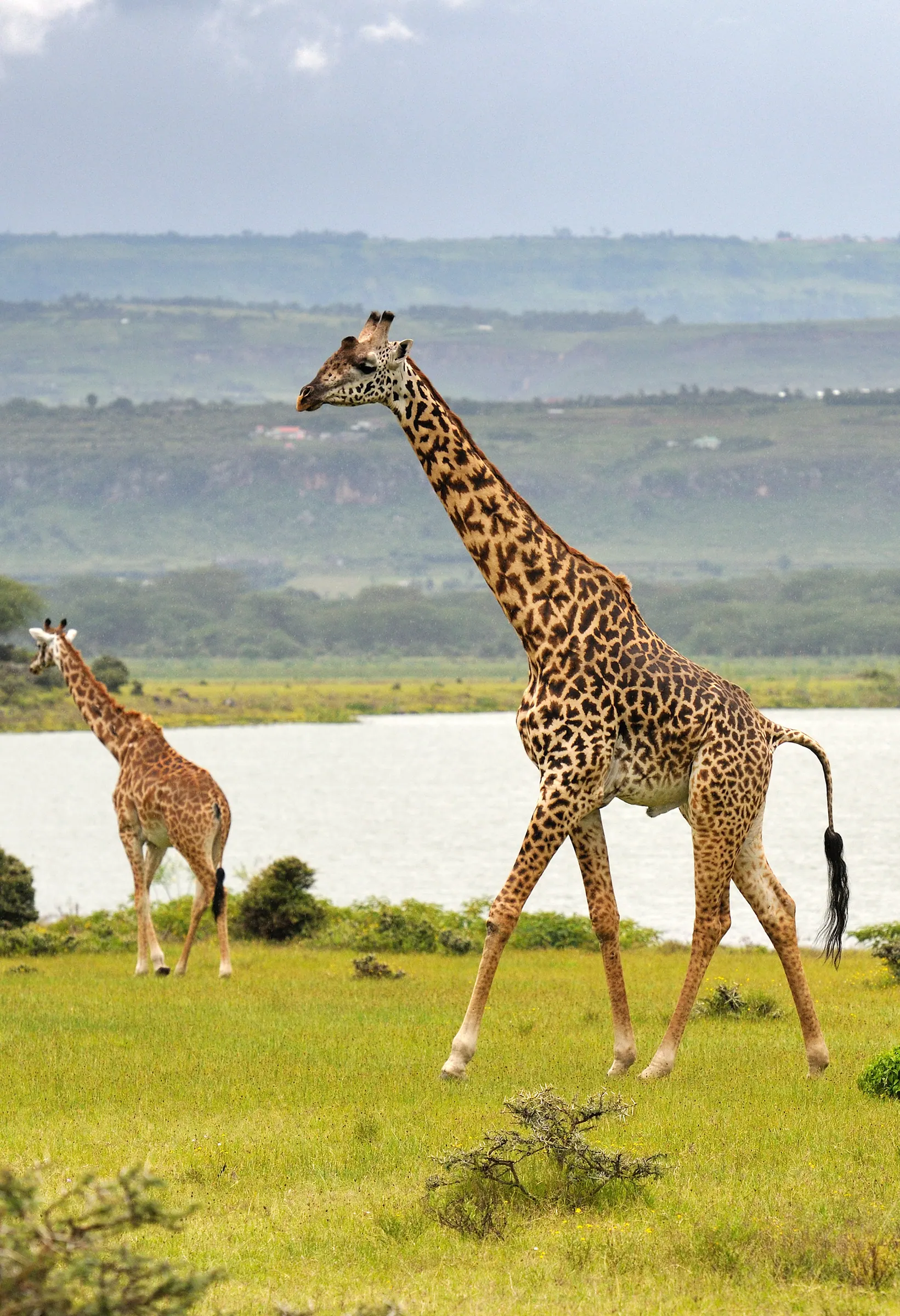
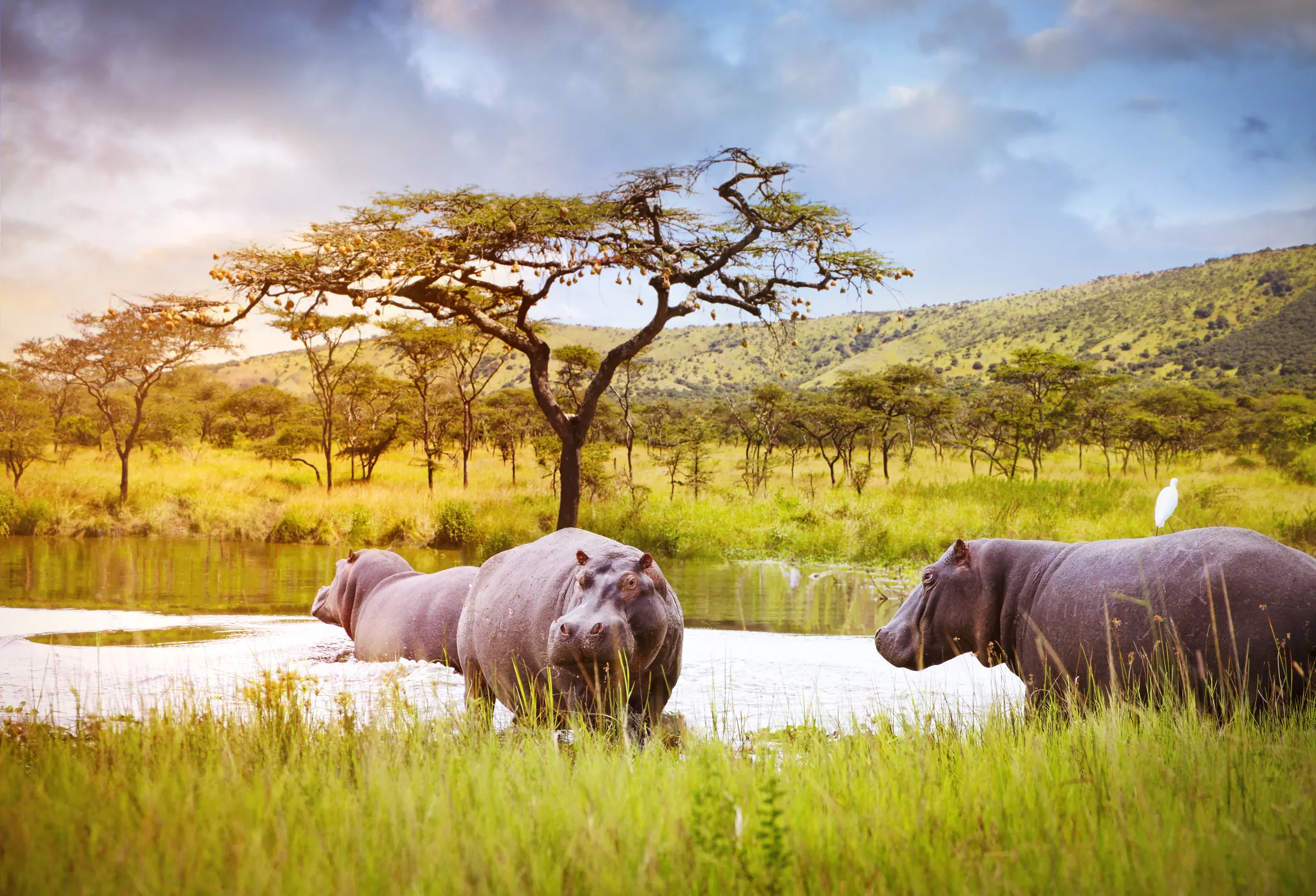
Most Rift Valley lakes are salty soda lakes. Naivasha is fresh, which is why it supports hippos, fish, papyrus swamps and a huge variety of birds. It was listed as a wetland of international importance under the Ramsar Convention in 1995. Because there are few large predators near the lake, you can walk among plains animals here in a way you cannot in most parks. On Crescent Island, children often get their first close look at a giraffe on foot, a moment families remember long after the trip.
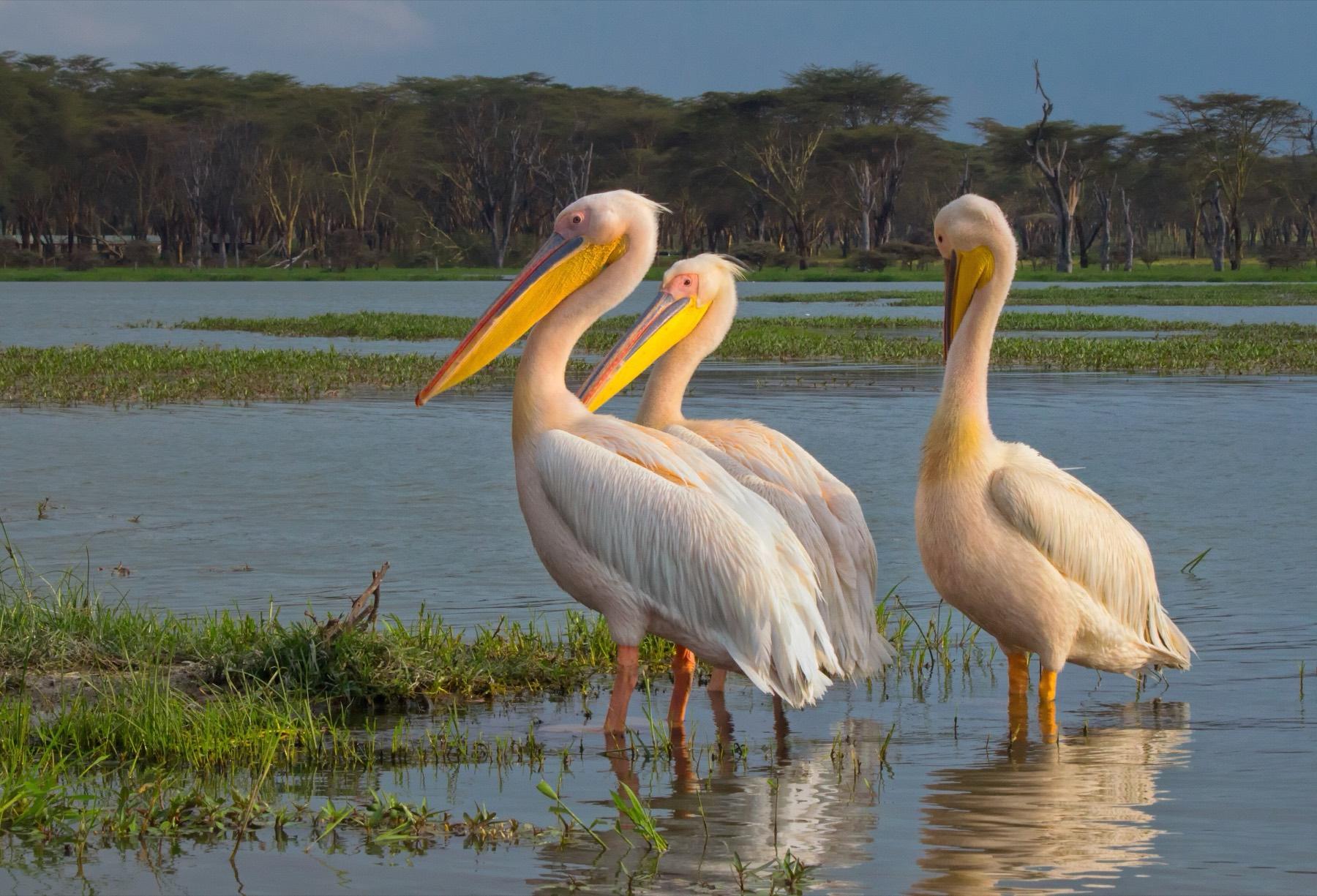
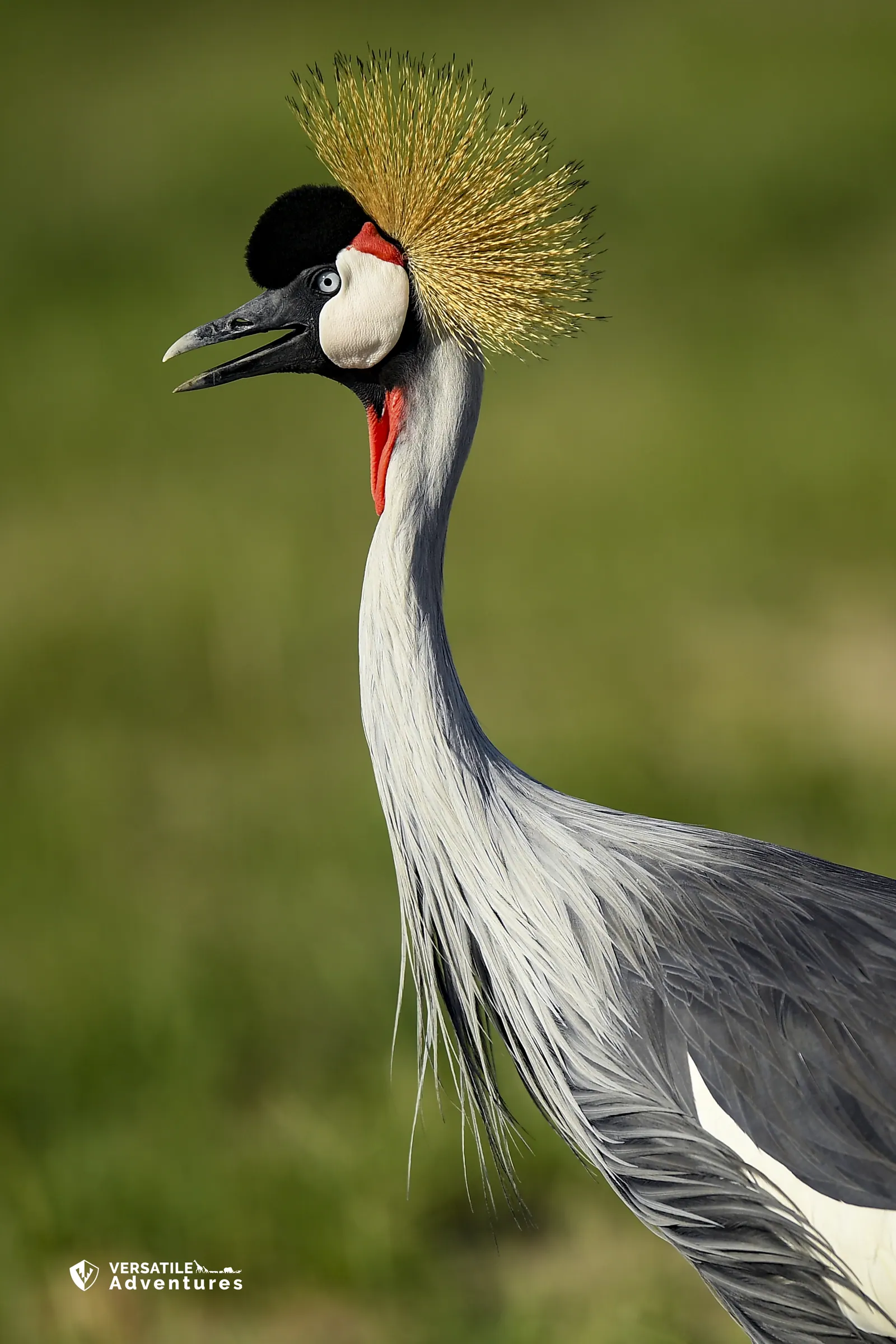
Birders love Naivasha. Hundreds of species have been recorded around the lake, and the ringing call of the African fish eagle, heard across the water at dawn, is one of the sounds of Kenya. Kingfishers, herons, jacanas and lily-trotting waders work the papyrus edges, so bring binoculars on the boat.
Naivasha is also the center of Kenya's cut flower industry, and its greenhouses supply roses to Europe and beyond. The lake level has risen sharply in recent years, flooding parts of the shoreline, and the balance between farming, fishing and wildlife is an ongoing local conversation.
The lake has its place in conservation history too. Elsamere, on the southern shore, was the last home of Joy Adamson, the author of Born Free, and is now a conservation center where visitors can stop for tea and learn about her work.
What to do
- Boat rides: usually about an hour or more, to see hippos, pelicans, cormorants and African fish eagles swooping for fish
- Crescent Island: a private sanctuary where you walk with a guide among giraffe, zebra, wildebeest and waterbuck
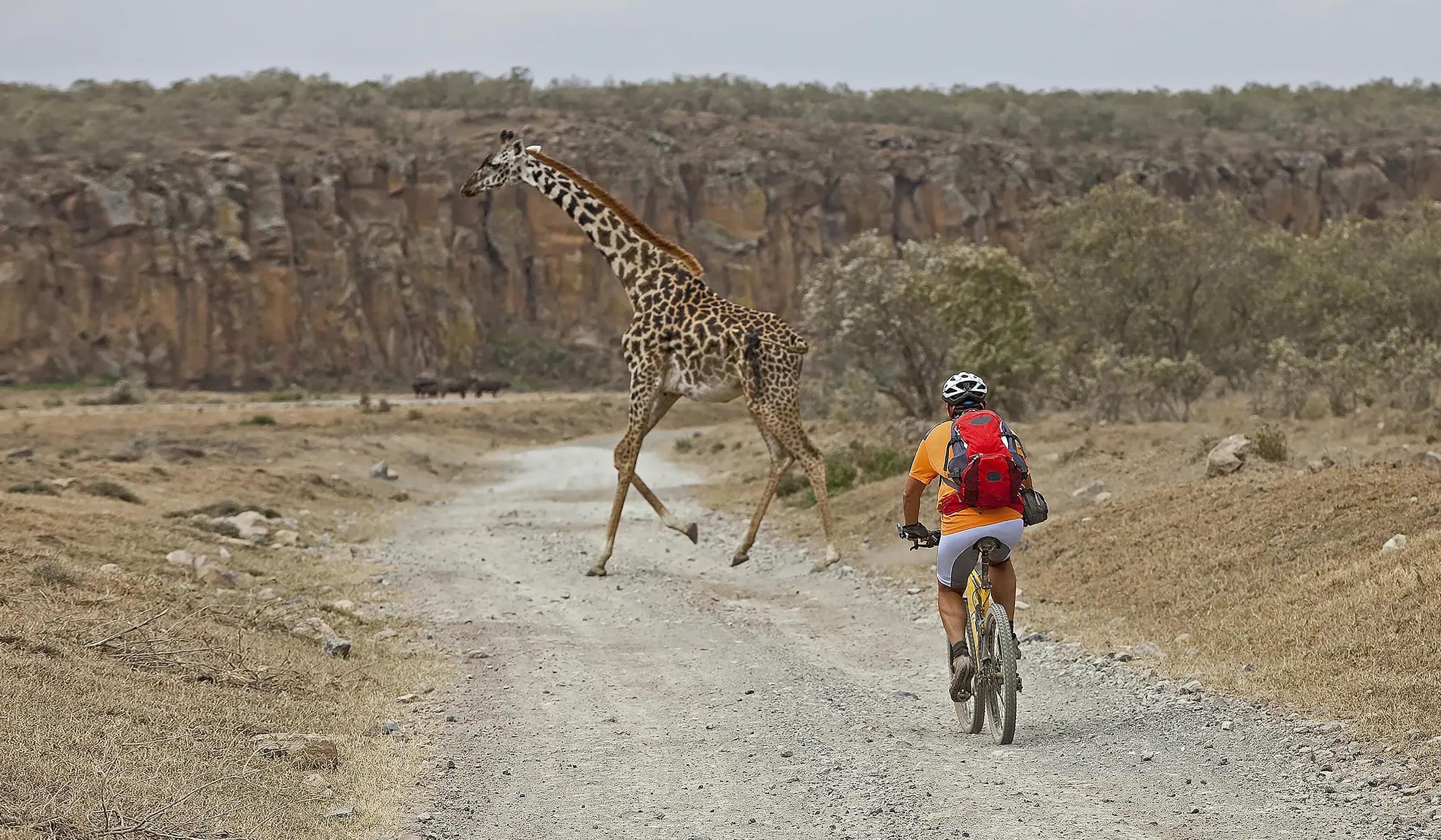
- Hell's Gate National Park next door, for cycling, hiking and gorge walks
- Mount Longonot National Park: a steep half-day hike to the crater rim of a dormant volcano, with views across the Rift Valley
- Lake Oloiden, a smaller, saltier lake nearby where flamingos sometimes feed
- Flower farm visits, by arrangement, to see how Kenya's roses are grown
Best time to visit
Naivasha is pleasant all year, at an altitude of about 1,900 meters (6,200 feet), with warm days and cool nights. The drier months, roughly June to October and January to March, are best for walking and hiking. The rains usually fall in April and May and around November; boat rides run in most weather, though afternoon storms can roll in fast.
Getting there and how long to stay
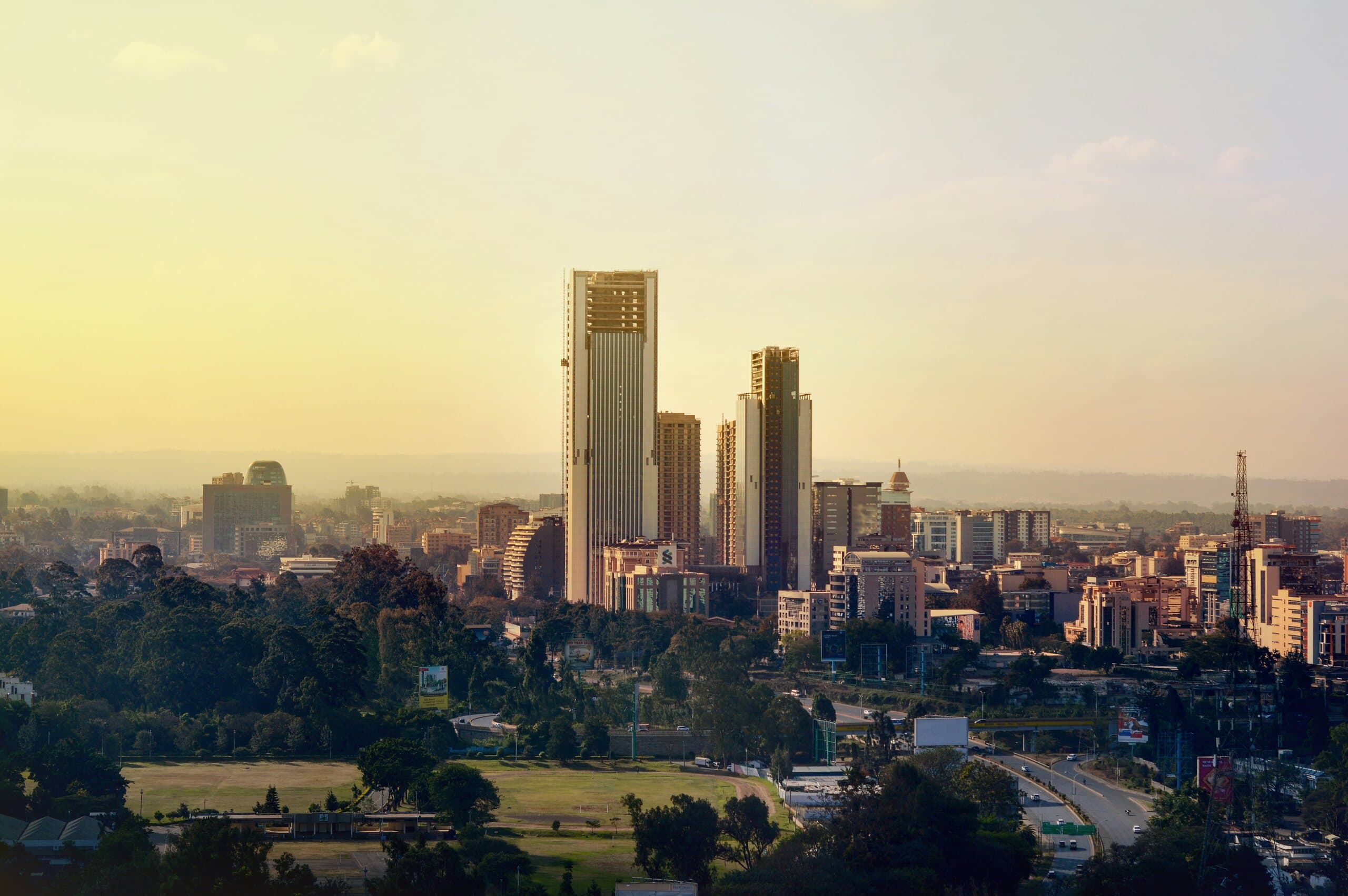
The drive from Nairobi takes about two hours, sometimes longer in traffic, with a stop at a viewpoint on the Rift Valley escarpment. Most visitors arrive by road; there is no need to fly. A long day trip from Nairobi is possible, but one or two nights let you take a dawn boat ride, walk on Crescent Island and add Hell's Gate.
Where it fits on a trip
- Day one or two of a classic safari: Nairobi, Naivasha, then the Mara
- With Lake Nakuru: about an hour and a half apart, for a Rift Valley loop
- A soft start after a long flight from the U.S., with walking and boating before game drives
Safety and responsible travel
- Hippos leave the water to graze at night and are dangerous on land: never walk near the shore after dark
- Use licensed boat operators and wear the life jacket provided
- Keep a respectful distance from hippos on the water; a good boatman will not crowd them
- Crescent Island and the lakeside sanctuaries set their own entry fees, which change
- Buy local and support community guides at Hell's Gate and Longonot
We are Kenyan-led, with two U.S. companies behind us, and our Kenyan guides make Naivasha an easy first stop after the long flight. Pay in full or monthly with no deposit, and a specialist replies within two business days.