
Agro-Tourism
Behind the scenes of the greenhouses that supply a third of Europe's cut roses, on the shores of the lake.
Agro-Tourism
Behind the scenes of the greenhouses that supply a third of Europe's cut roses, on the shores of the lake.
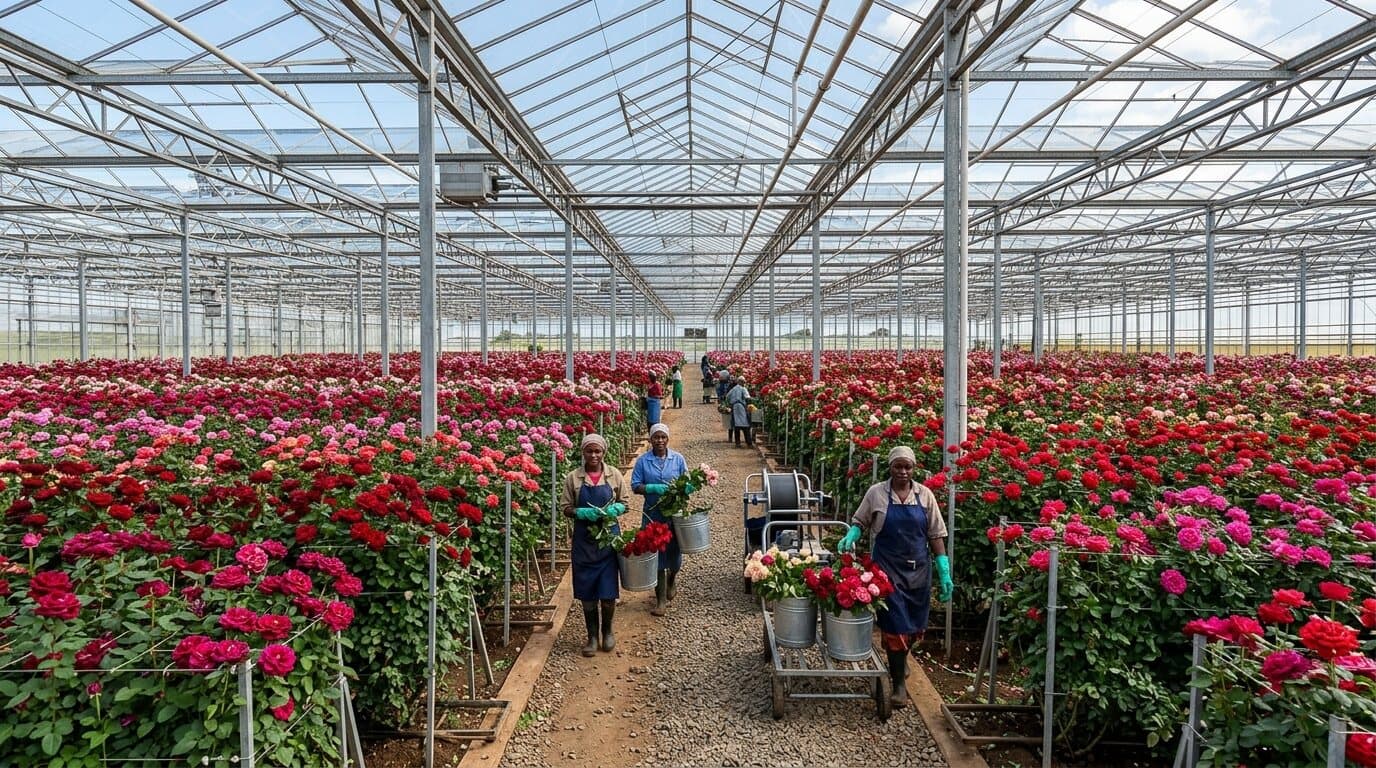
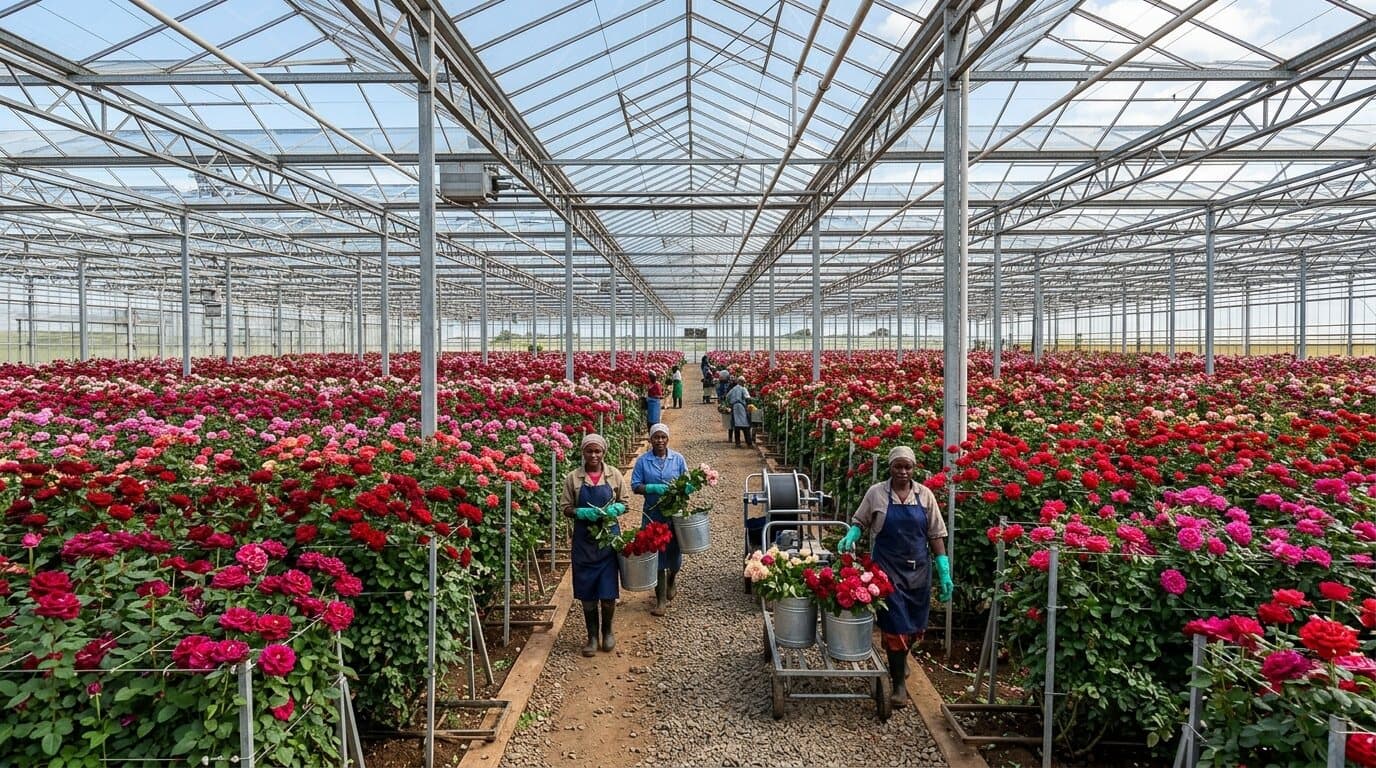
The roses on many European tables on Valentine's Day may have been cut in Kenya a few days earlier. Kenyan flowers are one of the country's biggest exports, and roses make up most of them. Much of the industry grows around Lake Naivasha, where altitude, equatorial sun, cool nights and the lake create close to ideal conditions. A farm tour shows a modern, high-tech side of Kenyan farming that employs many people around the lake, a short drive from hippos, fish eagles and Hell's Gate.
Tours are arranged with farms that welcome visitors, usually for groups and by appointment. A farm manager or agronomist walks you through the greenhouses, explaining varieties, drip irrigation and how many farms use beneficial insects to control pests, then into the cold rooms where stems are graded, bunched and packed. Flowers cut in the morning can be on a plane from Nairobi within a day or so, headed for the auctions in the Netherlands and buyers beyond. Ask about water use, worker welfare and certification: good hosts expect it.
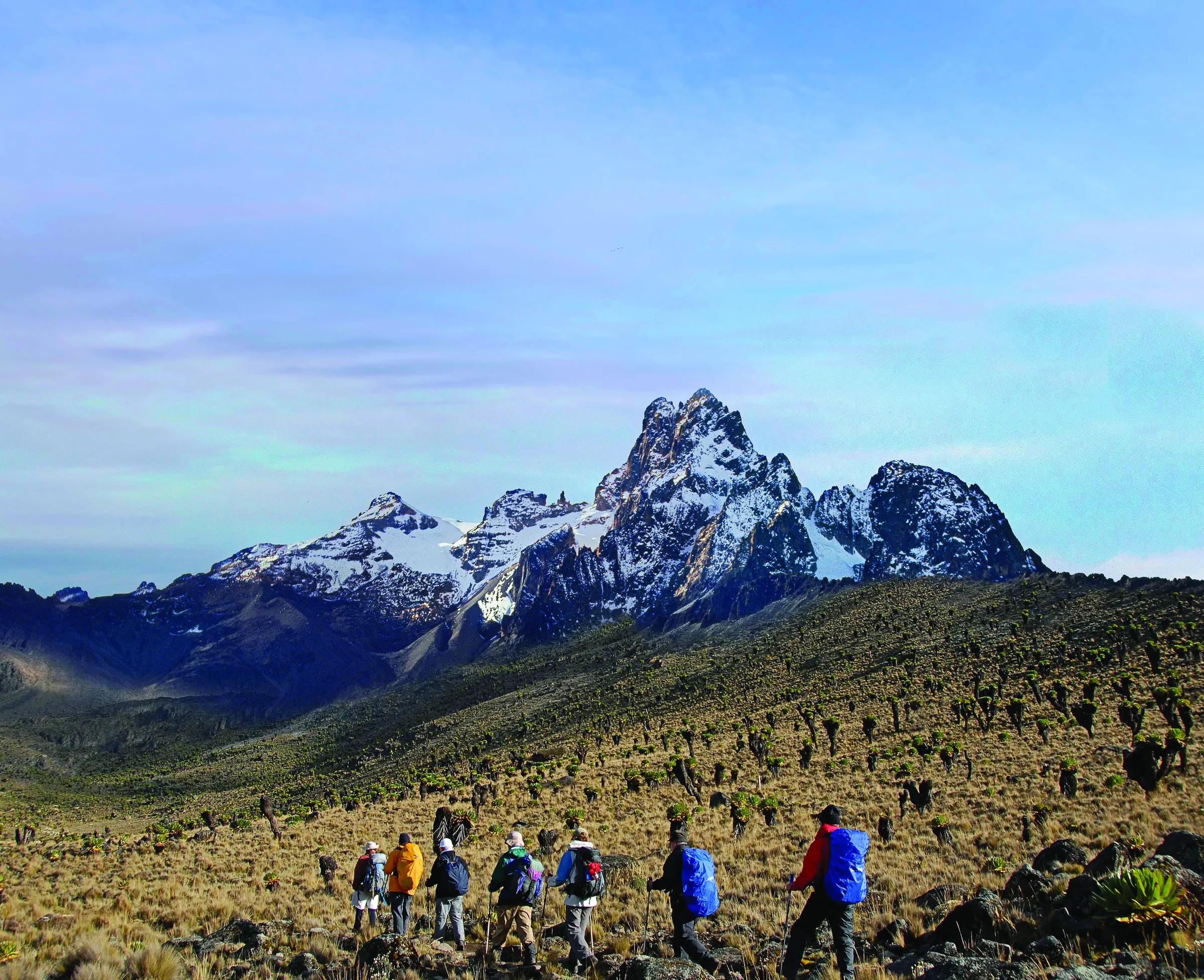
Most farms we visit are on the shores of Lake Naivasha, about two hours by road from Nairobi. Others grow around Nakuru, Thika and the slopes of Mount Kenya. Flowers are grown and cut every month. The busiest weeks come before Valentine's Day and Mother's Day, when farms are at full stretch and may limit visits, so late January and early February can be harder to arrange. The long rains, usually around April and May, make lake-shore roads muddy but do not stop tours.
Flower farm tours suit agricultural and horticulture groups, trade delegations, students of supply chains and sustainability, and anyone who has bought Kenyan roses without knowing it. Gardeners enjoy the variety. Families with older children can join if the farm allows, since the greenhouses are warm and the visit is mostly standing and walking. Each farm sets its own minimum age and group size, and some ask visitors to follow biosecurity steps such as covering shoes.
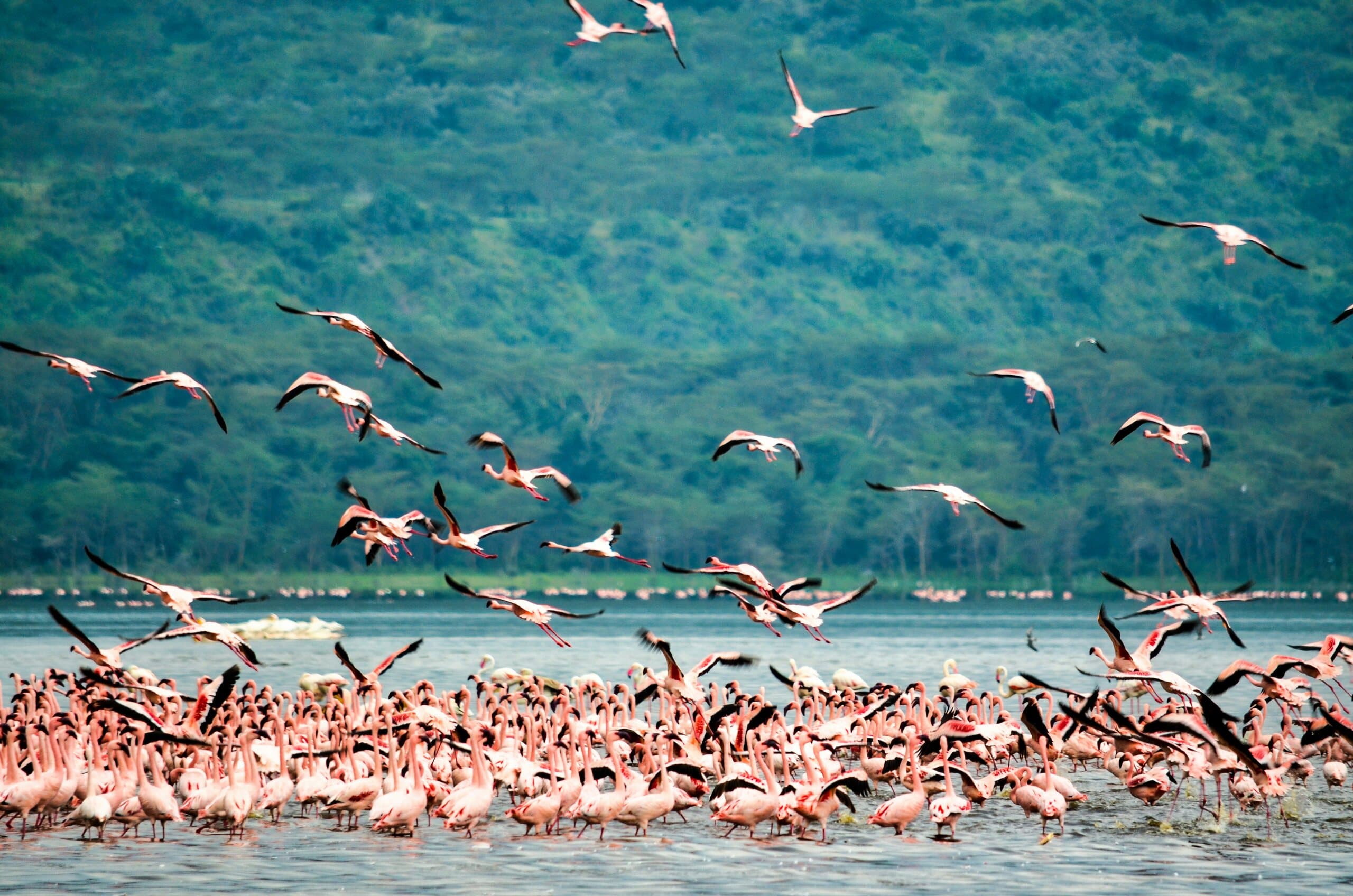
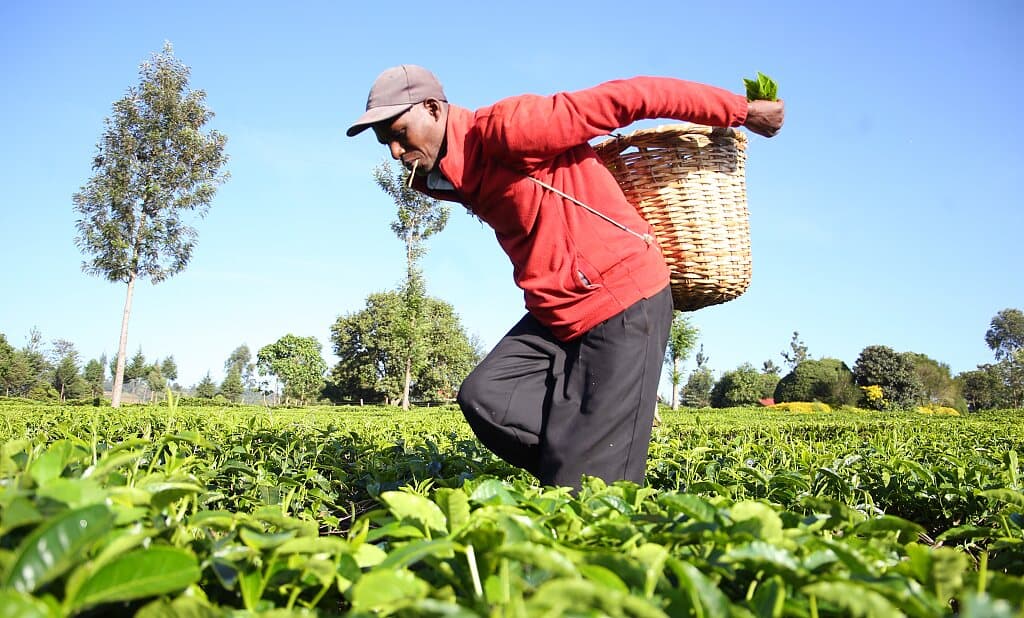
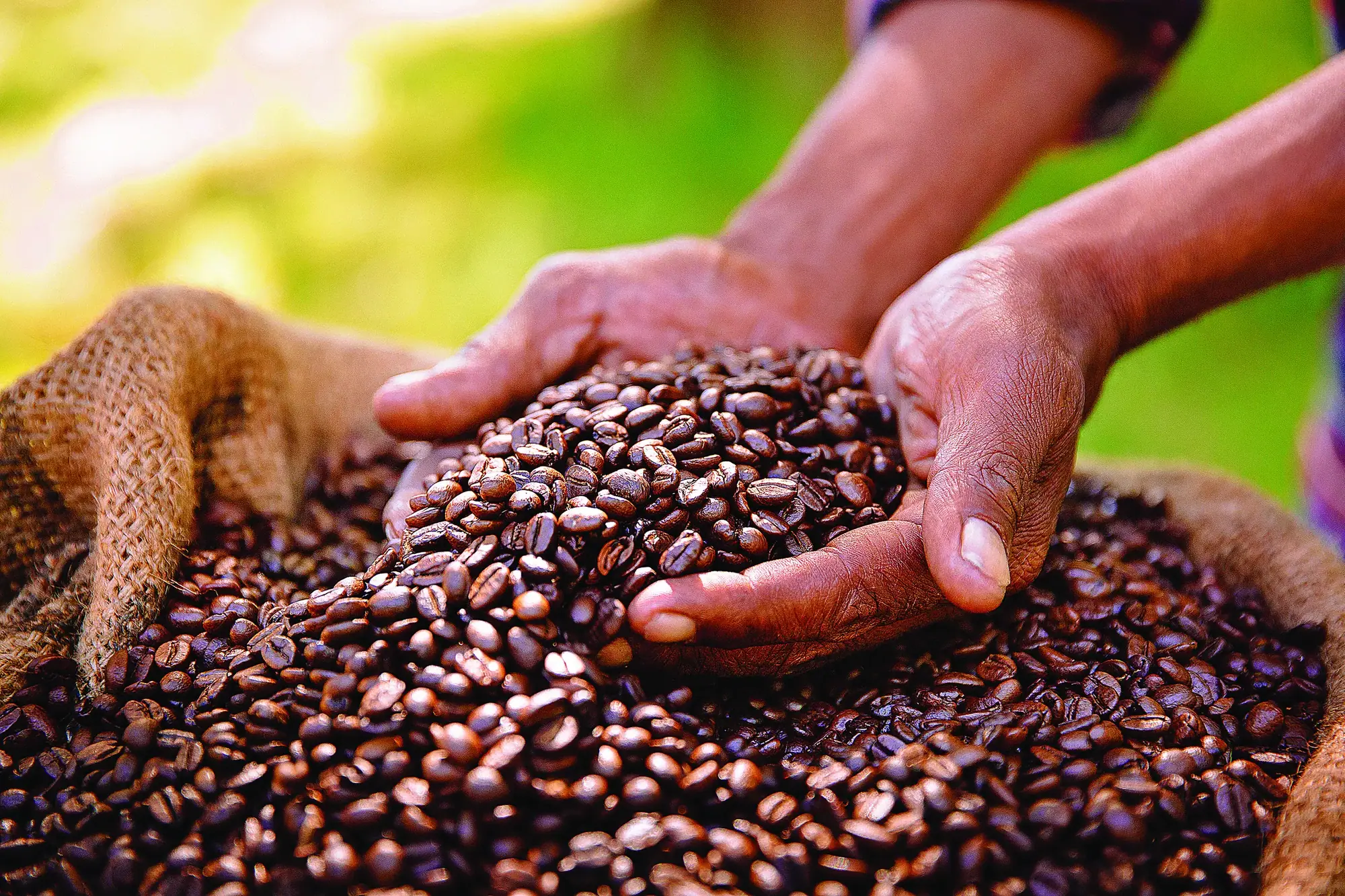
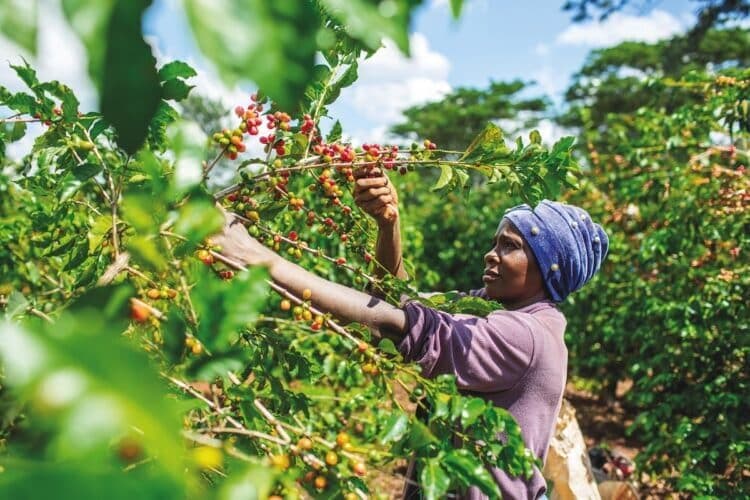
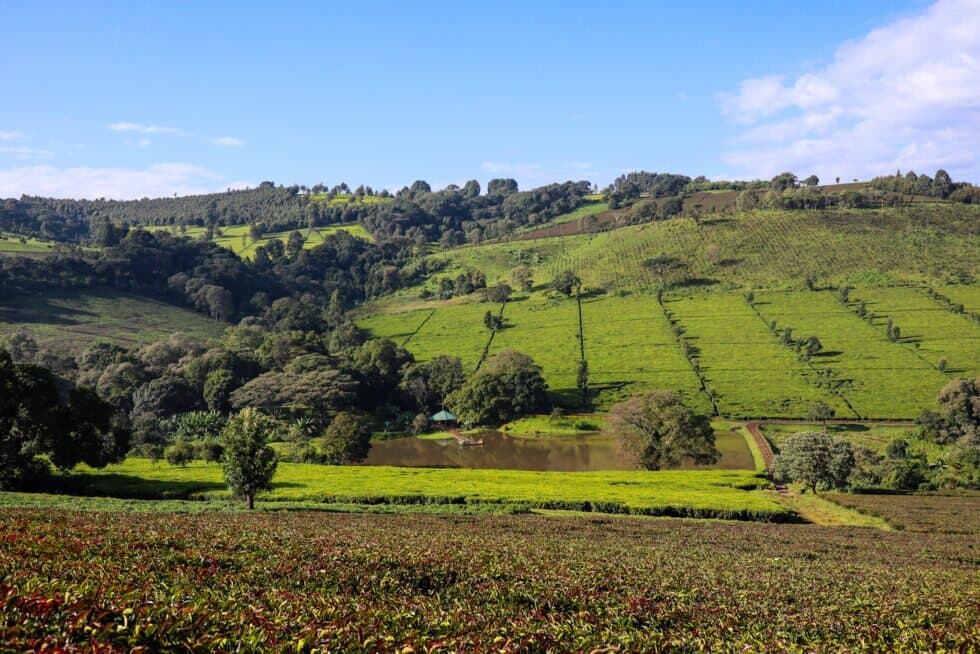
Naivasha is a natural base for two or three nights. Take a boat on the lake to see hippos and fish eagles, walk or cycle among zebra and giraffe in Hell's Gate National Park, and walk on Crescent Island, where there are no big predators. Lake Nakuru, with rhinos and often flamingos, is about an hour away, and the Maasai Mara is a half day's drive. Add tea in Kericho and coffee in Kiambu for a fuller agricultural circuit.
Kenya Experience is Kenyan-led, with two U.S. companies behind it, and our Kenyan team sets up farm visits by arrangement. Build a Naivasha stay around it, and pay in full or monthly with no deposit. A specialist replies within two business days.
Kenya is one of the world's largest flower exporters, most of it grown around Naivasha. Farm tours by arrangement for agricultural groups and the curious, combined with a lake boat safari.
Mostly to Europe, with the Netherlands the largest single destination, where many flowers pass through auctions before reaching buyers. Kenya also ships flowers to the Middle East, Asia and other markets.
Altitude, strong equatorial light, cool nights and water from the lake suit roses, and Nairobi's airport is a short drive away. Those conditions let farms grow year-round.
Some farms accept small groups or individuals by appointment, but most tours are arranged for groups. Tell us your dates early and we will check which farms can host you.
Practices vary by farm. Many hold international certifications for environmental and labor standards, and water use around the lake is an ongoing concern, so ask your hosts directly.
Panga
Panga means plan. Tell us who is going and what you love. A Kenya specialist replies within two business days.