KESCA
Study tours, school exchanges, field research and KESCA, the Kenya Experience Summer Camp Academy, run with duty of care first.
- Universities & colleges
- High schools
- Research teams
- Student leadership programs
KESCA
Study tours, school exchanges, field research and KESCA, the Kenya Experience Summer Camp Academy, run with duty of care first.
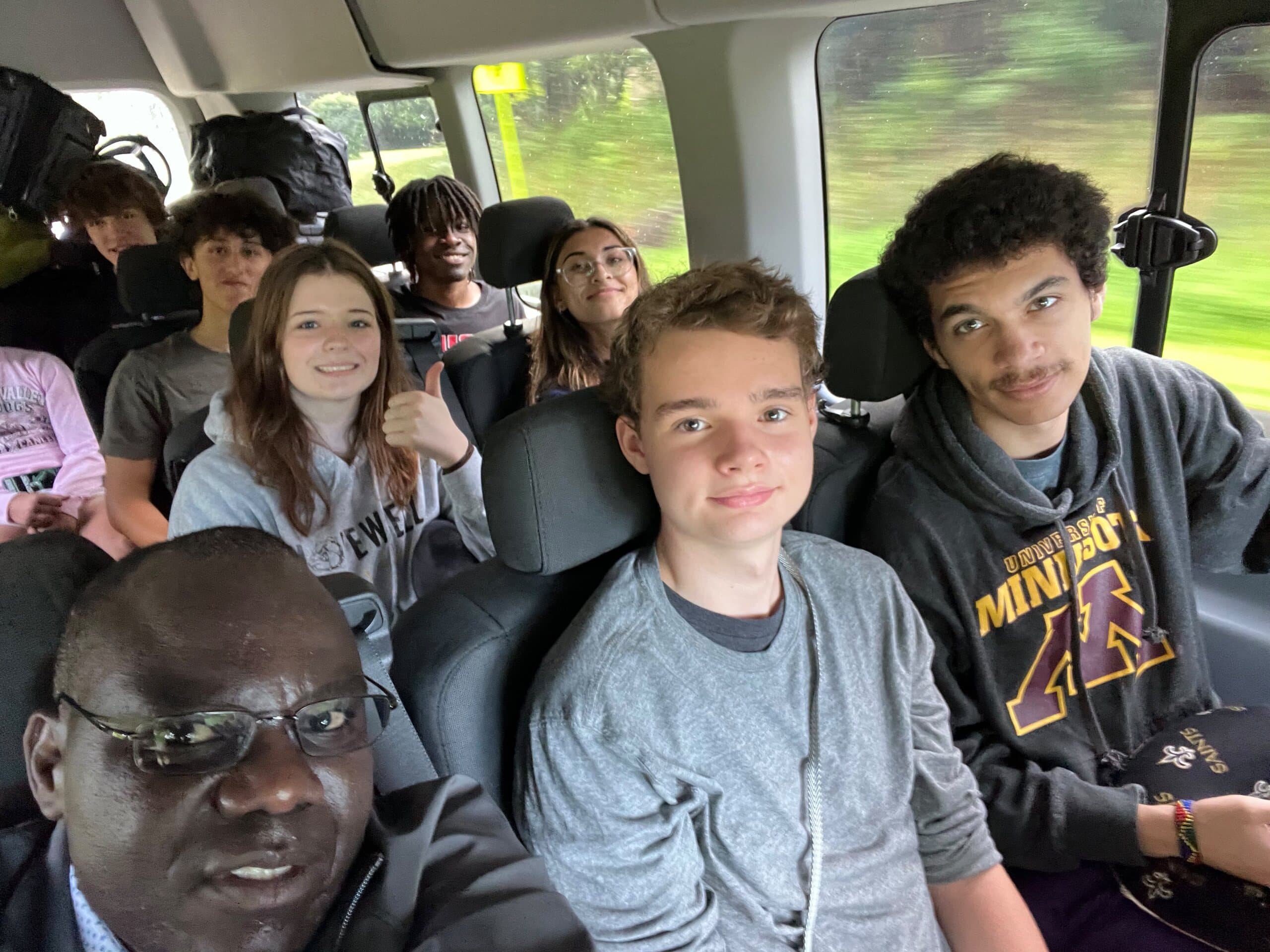
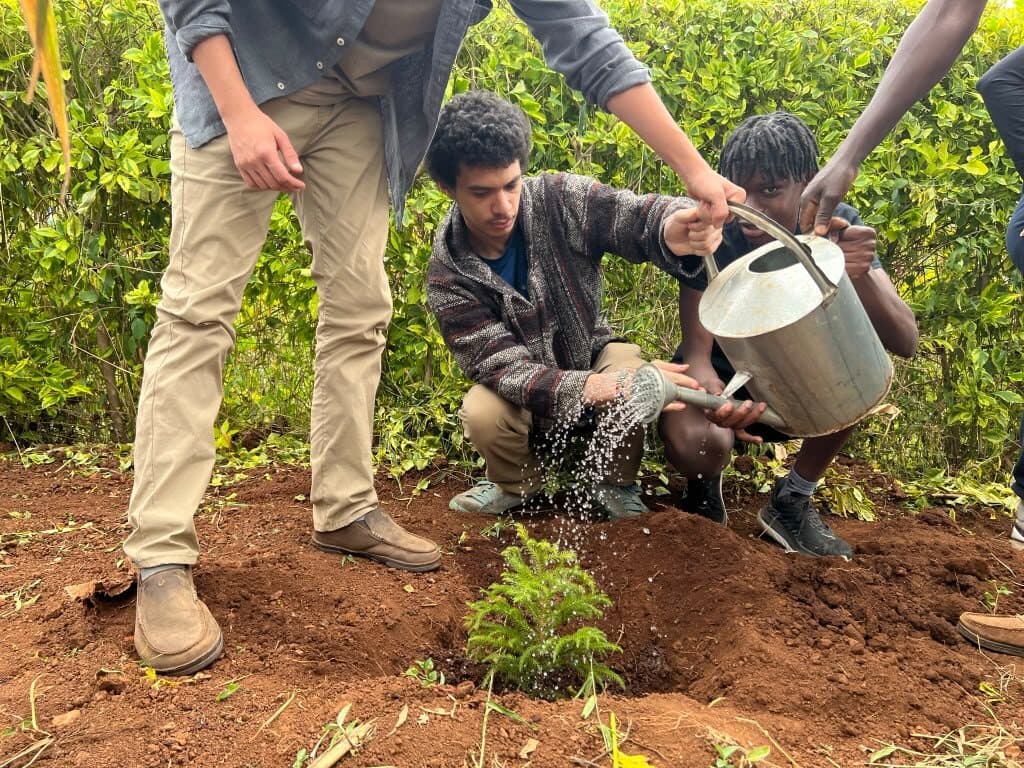
Universities, schools, faculty and students who want learning that cannot happen in a classroom.
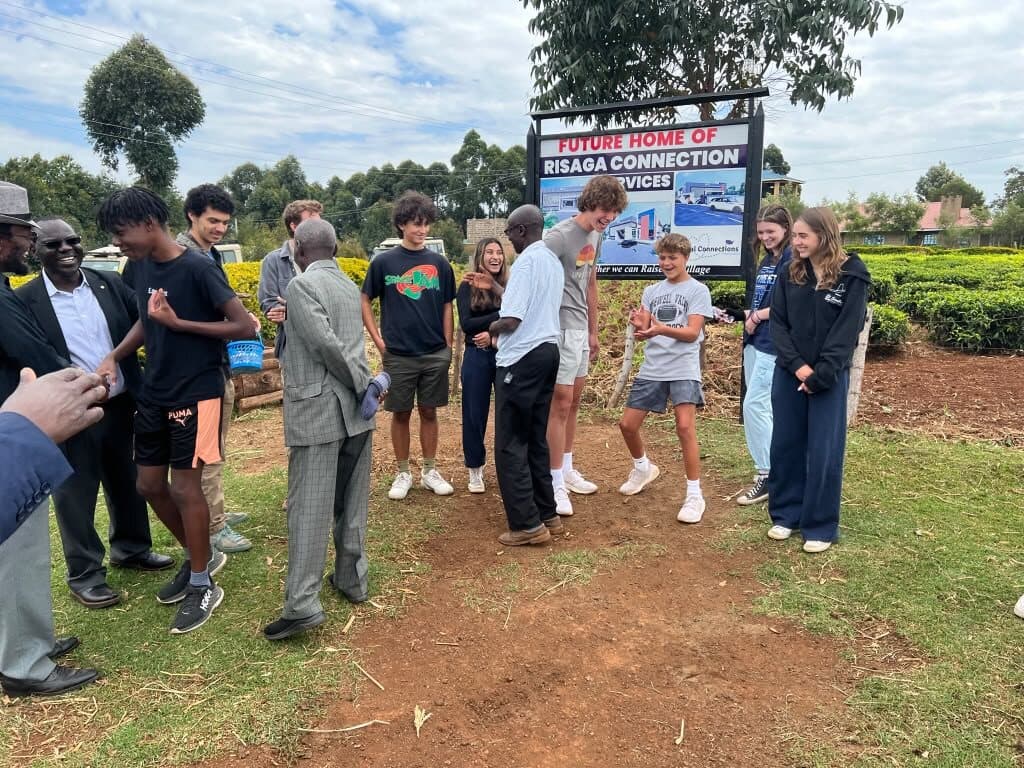
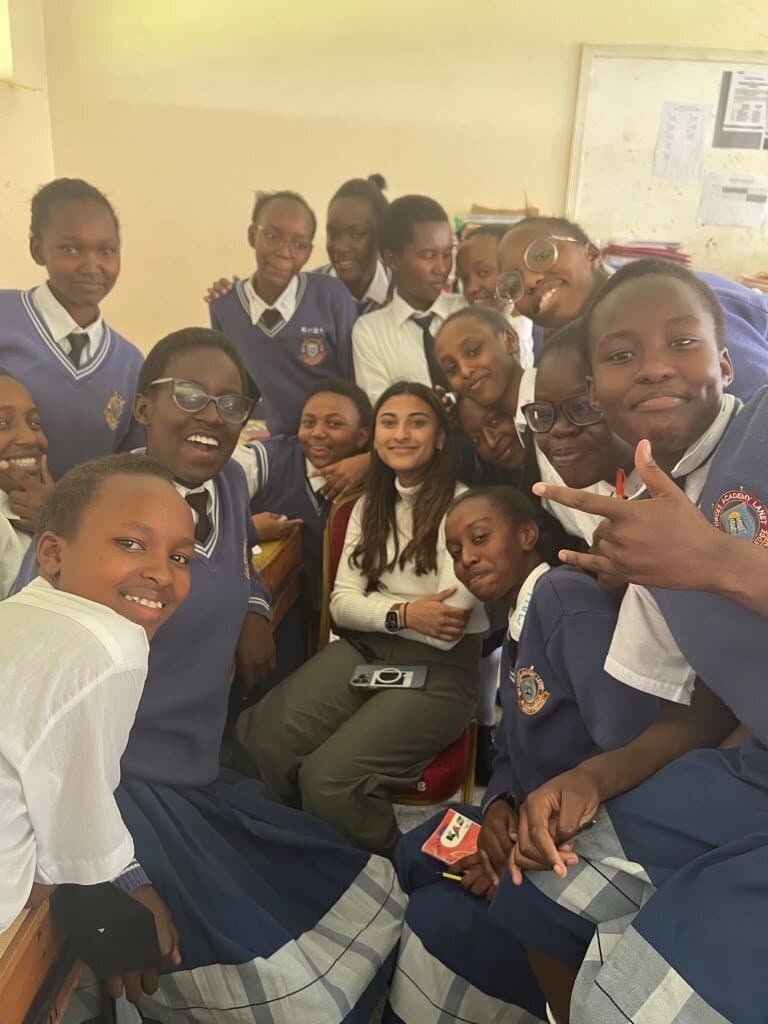
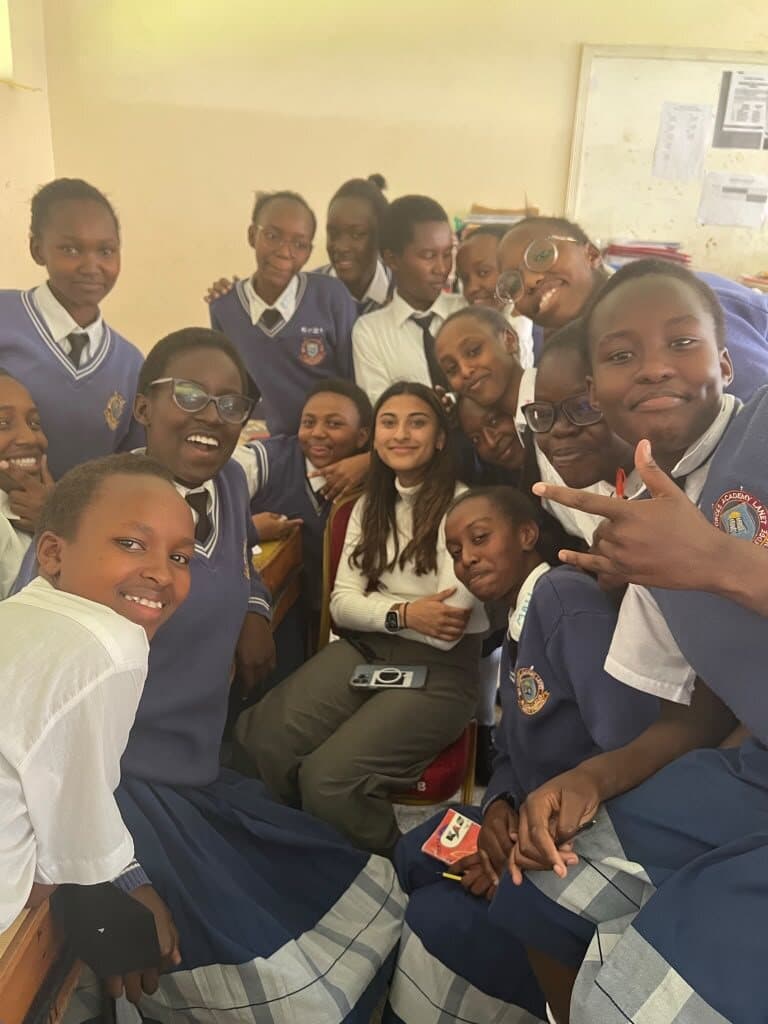
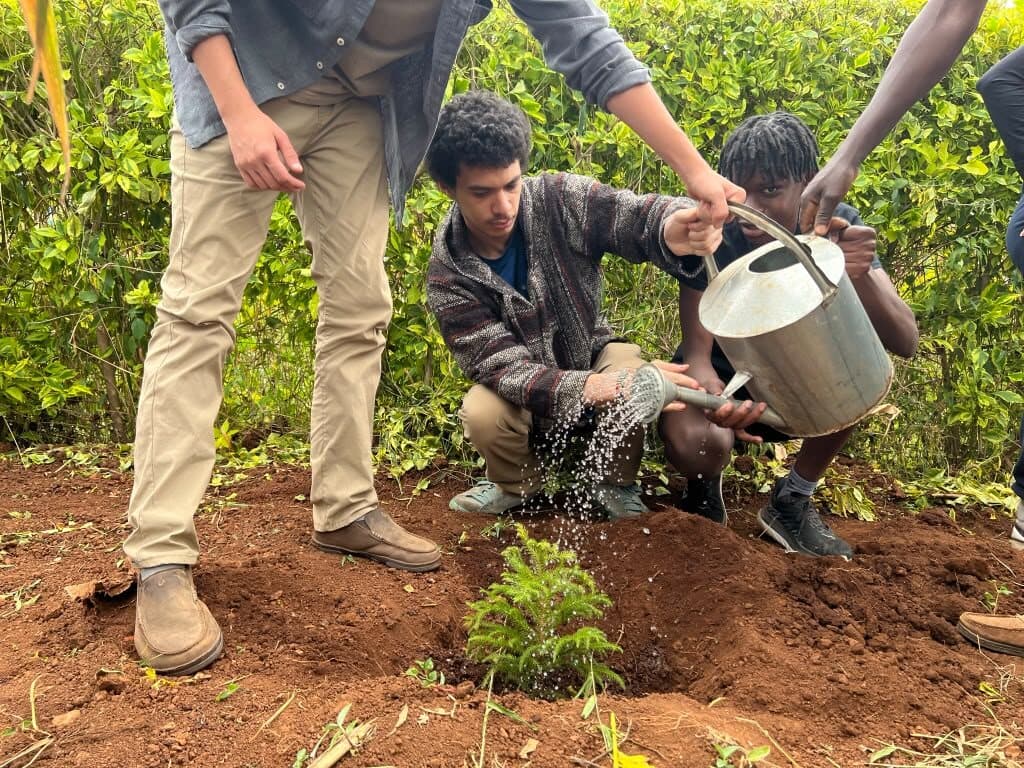
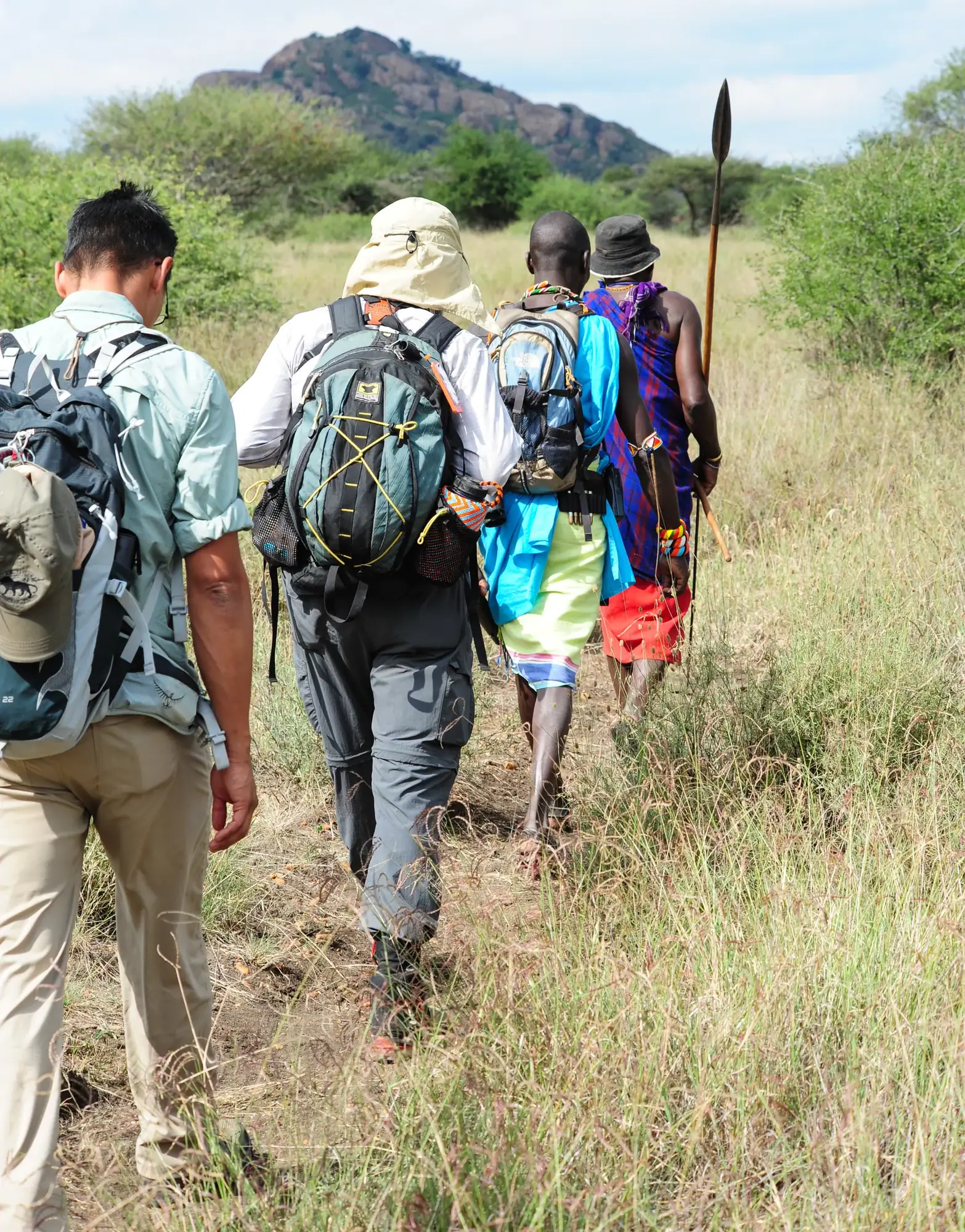
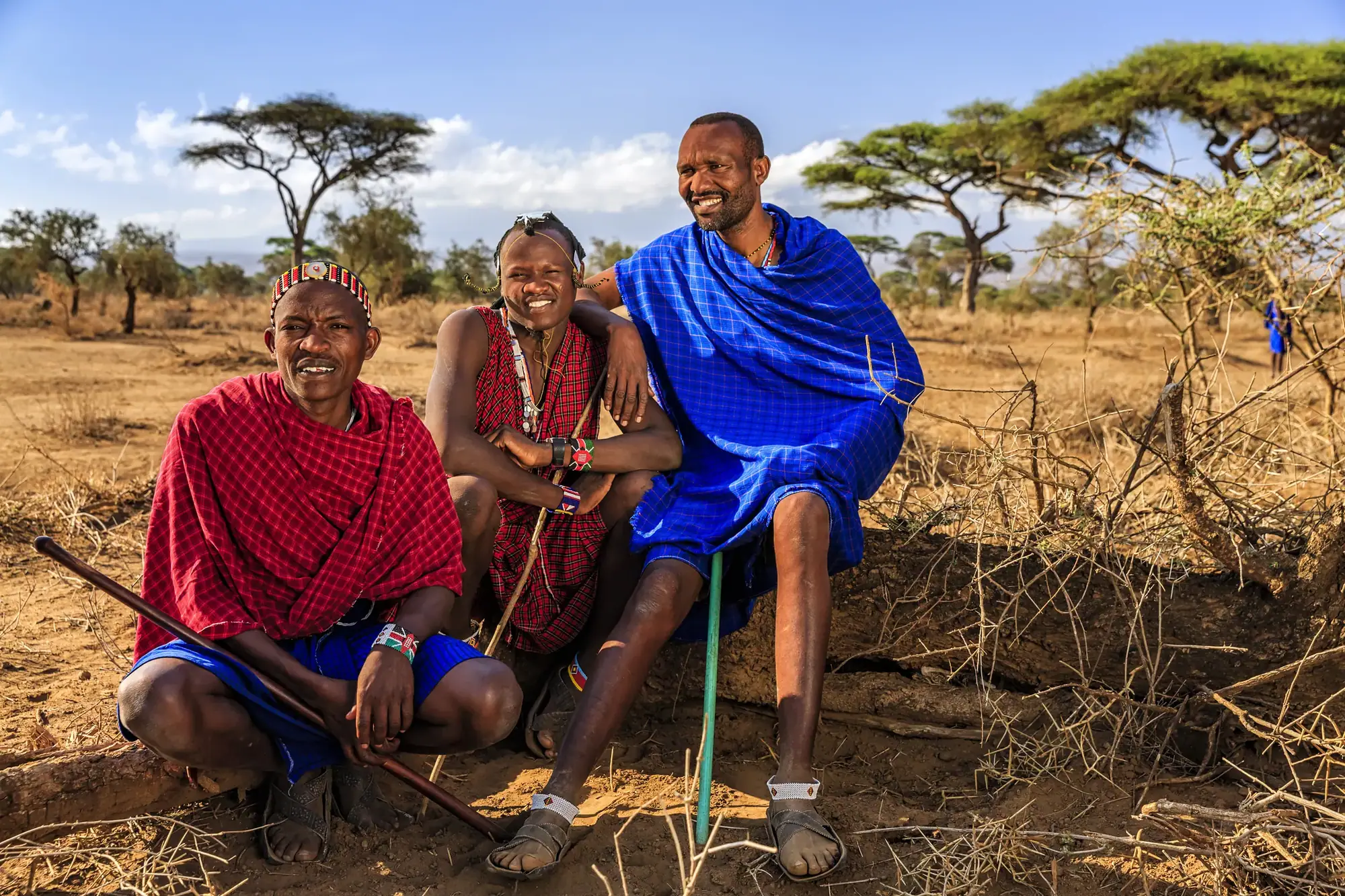
Service Learning (10 days): Supervised community projects with partner schools, tree planting and reflection sessions. School Exchange (12 days): Paired with a Kenyan secondary school: classes, sport, homestay-style days. Cultural Immersion (8 days): Maasai and Samburu community visits with elders, artisans and guides. Field Research (14 days): Conservancy data collection, Rift Valley geology, Nairobi innovation visits. Every itinerary is a starting point, adjusted to your dates, group and budget.
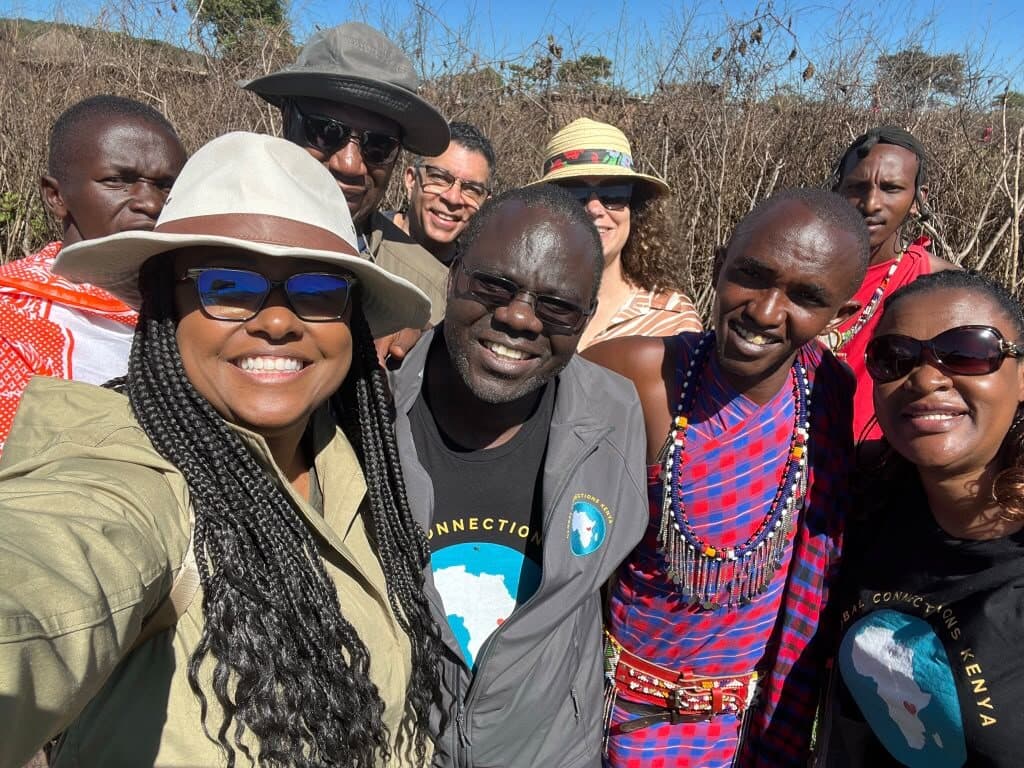
Summer break (June to August) and spring break (March).
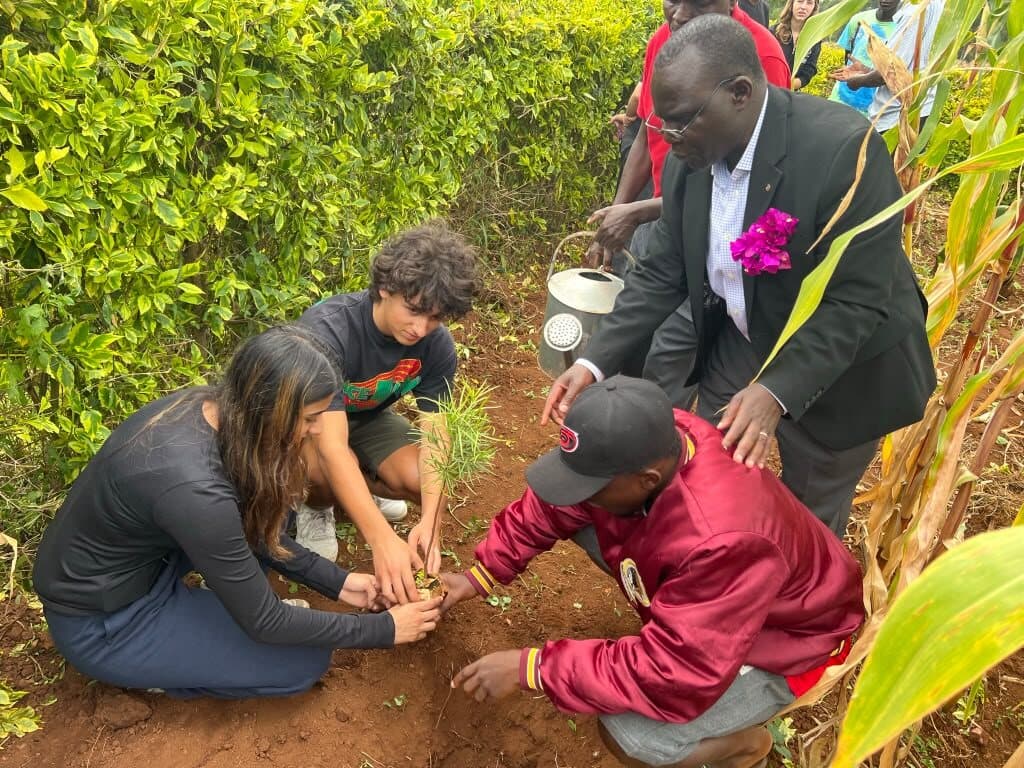
Every program comes with a risk assessment, 24-hour support, vetted hosts and a named U.S. coordinator for parents.
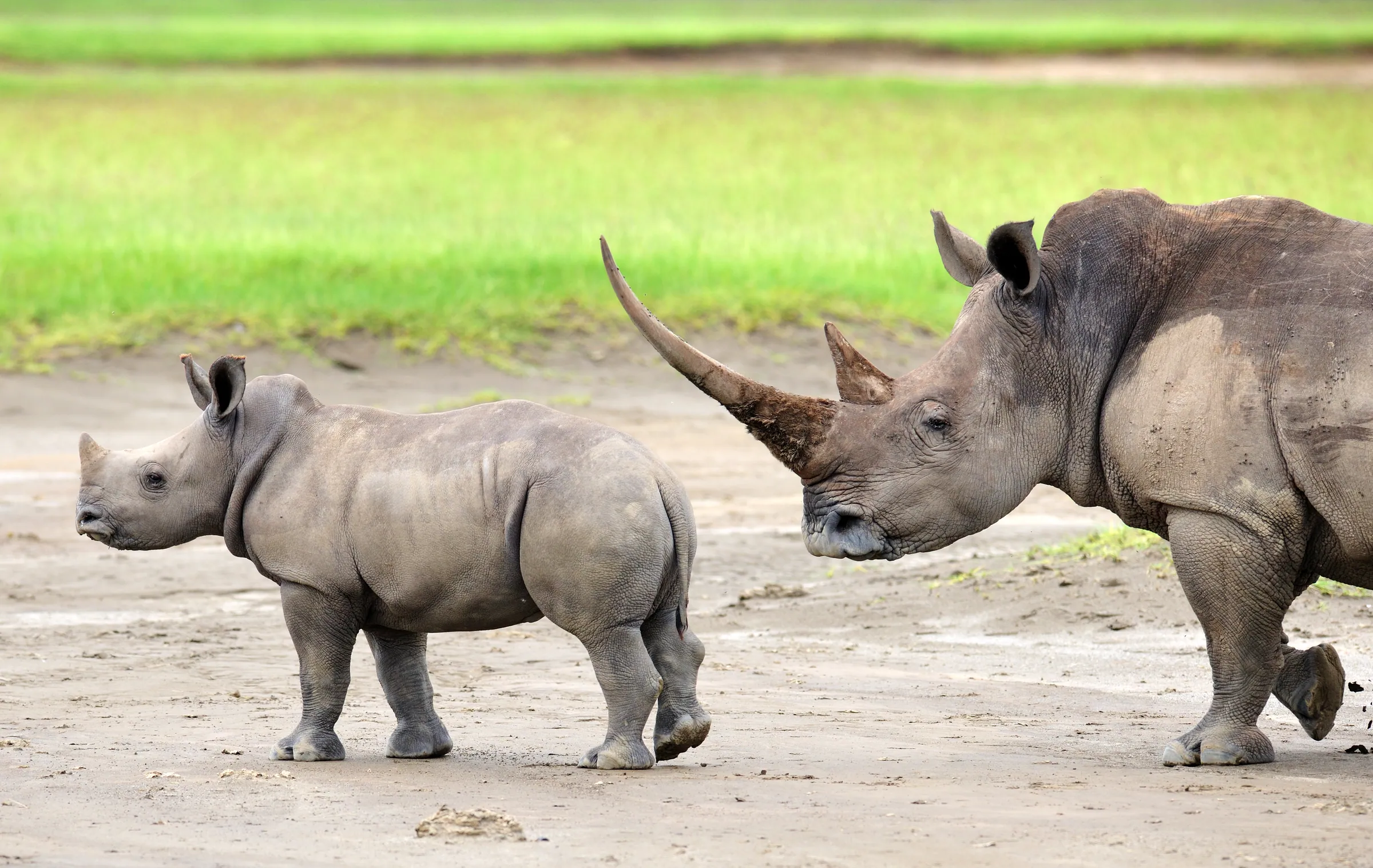
Kenya covers more of a curriculum than almost any country your students could visit. The Turkana Basin holds some of the oldest evidence of human origins. The coast tells a thousand years of Swahili and Indian Ocean trade, and Nairobi tells the story of independence. Conservancies are working labs for ecology and community conservation, and Nairobi is home to the UN Environment Programme, mobile money and the legacy of Wangari Maathai, the first African woman to win the Nobel Peace Prize. English is an official language and the main language of teaching, so students learn without a language barrier.
We design every program with the teacher or faculty lead, starting from your learning outcomes. You get a risk assessment, pre-departure briefings for students and parents, and Kenyan guides with the group. Days mix partner-school or campus time with field days and an evening debrief, and most end with a short safari. For faculty-led research, note that formal research in Kenya generally needs a license from NACOSTI, the national science commission. We help you plan for it months ahead.
Kenyan schools usually run three terms: January to early April, late April to late July, and late August to October, when national exams begin. Schools generally do not host visitors during the third term while candidates prepare. That makes U.S. summer, from June to late July, ideal for school exchanges, because Kenyan classrooms are full and partner students are there to meet you. Spring break in March also falls in term time. University calendars vary by institution, and we confirm dates with each host.
Nairobi has the National Museum, the UN complex at Gigiri, tech hubs and universities. The Rift Valley lakes and Hell's Gate teach volcanic geology, and the Olkaria geothermal fields show clean energy at work. Laikipia hosts research centers such as Mpala, and the Mara conservancies show how wildlife and Maasai livelihoods share land. Kakamega Forest, the easternmost remnant of the Guineo-Congolian rainforest, suits biology classes. The central highlands bring farms and cooperatives, and the coast brings Swahili history and marine science at Watamu.
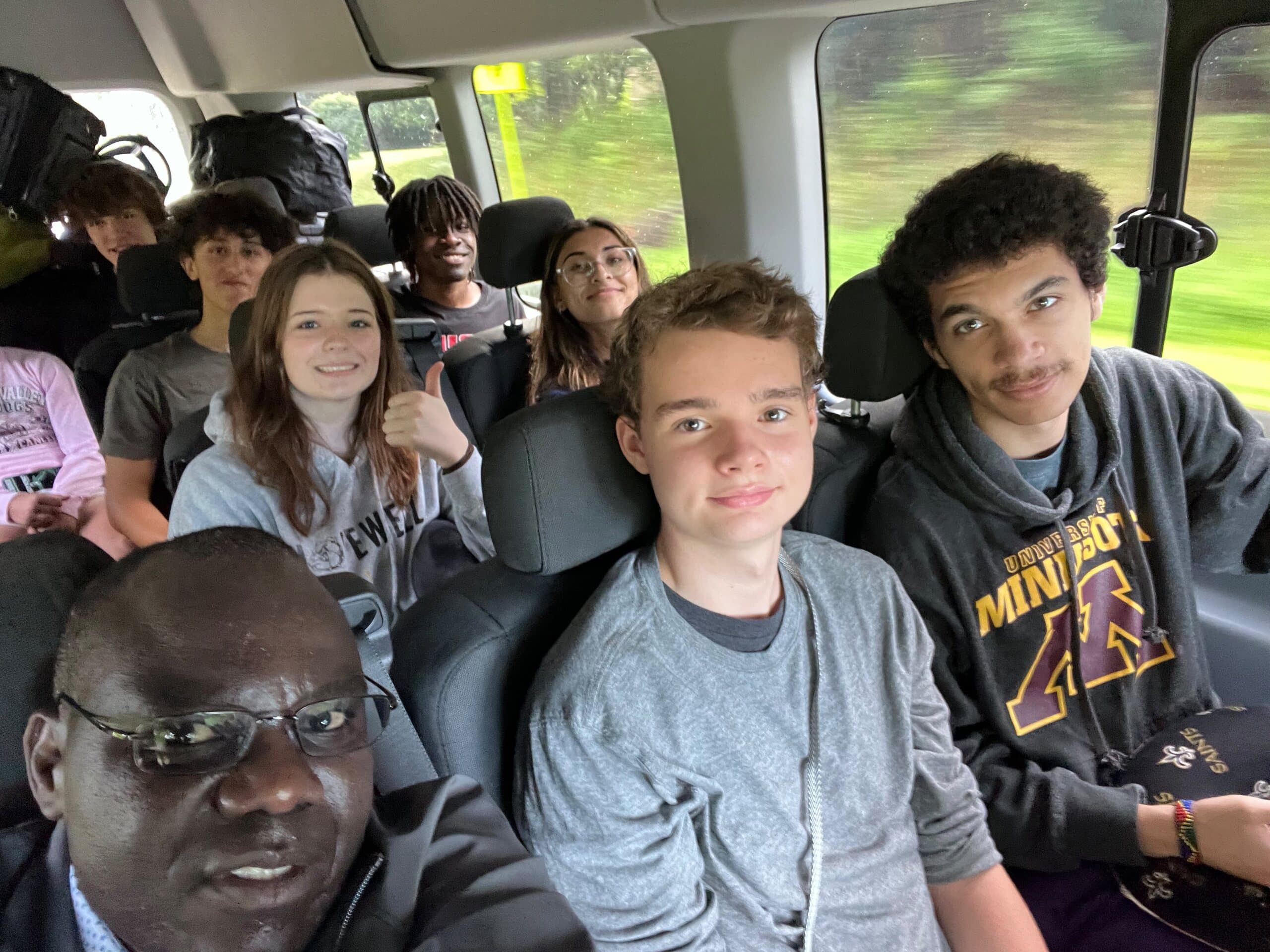
High schools on a summer or spring trip, universities running faculty-led courses, community colleges, honors and leadership programs, and heritage groups exploring African history. KESCA, our program for ages 16 to 34, suits young people of Kenyan descent and their peers. Every group sets its own chaperone ratio. Students need a valid passport, an eTA and the vaccinations the CDC recommends for Kenya, so book a travel clinic visit four to six weeks before departure. Modest clothing works best for school visits.
Kenya Experience is Kenyan-led, with two U.S. companies behind it and twenty years of school partnerships in Kenya. Start on our group booking page, or see KESCA for young travelers. A specialist replies within two business days, and families can pay in full or monthly with no deposit.
Risk assessments, vetted hosts, a written safeguarding policy, 24-hour support in Kenya and a named U.S. coordinator for parents.
Ten to fourteen days: a partner school, a supervised project and a two-night safari to finish.
No. Our programs never place visitors in orphanages or in unskilled roles with children, in line with international child-protection guidance.
Usually in three terms: January to early April, late April to late July, and late August to October. U.S. summer trips in June and July meet Kenyan students in class.
Every traveler, including minors, needs an approved eTA, applied for online before departure, and a passport valid for at least six months.
Formal research generally needs a research license from NACOSTI, Kenya's National Commission for Science, Technology and Innovation. Some sites and institutions also need their own approvals, so start early.
Credit is granted by the home school or university. We build programs with contact hours, readings and assignments that faculty can map to a course.
Panga
Panga means plan. Tell us who is going and what you love. A Kenya specialist replies within two business days.