Education & Research
Conservancy data collection, Rift Valley geology, public-health and development visits, with university partners.
Education & Research
Conservancy data collection, Rift Valley geology, public-health and development visits, with university partners.
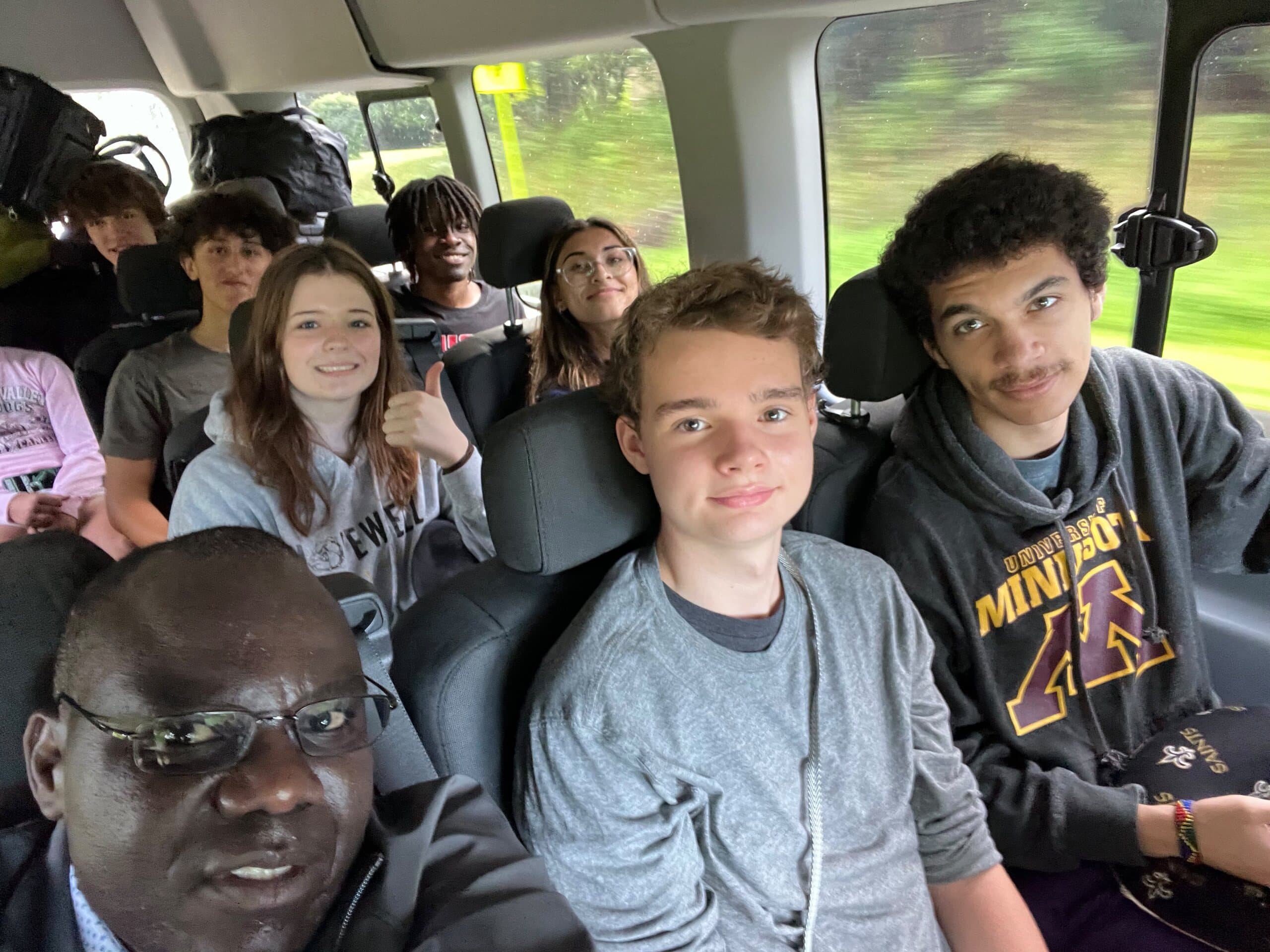
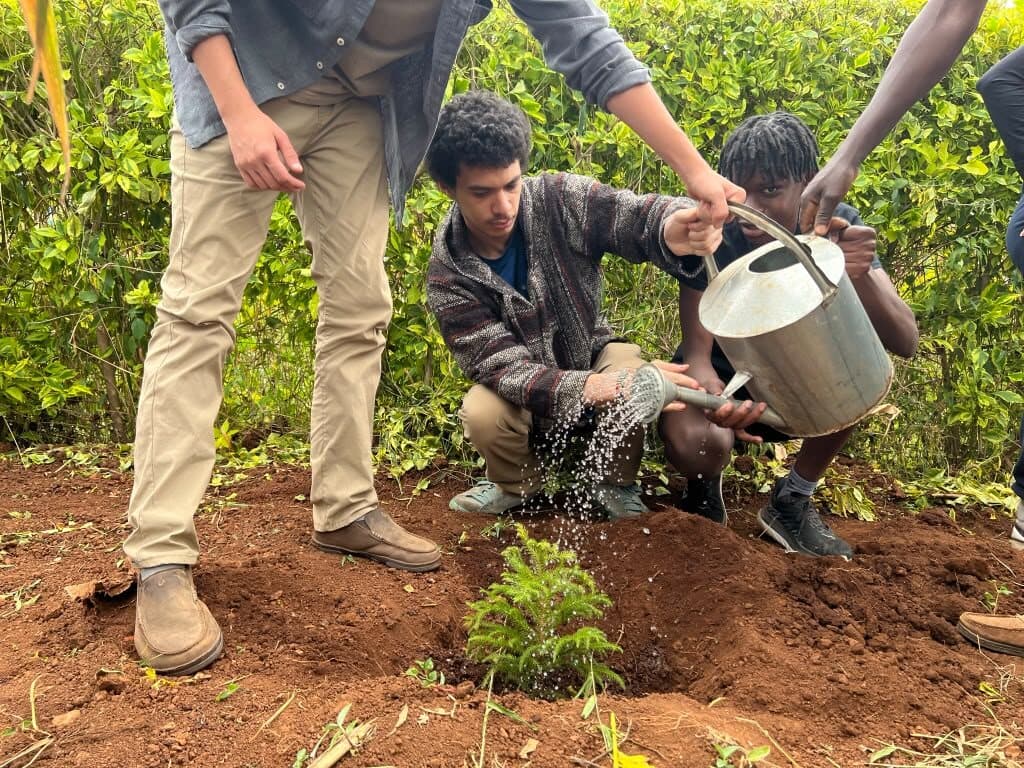
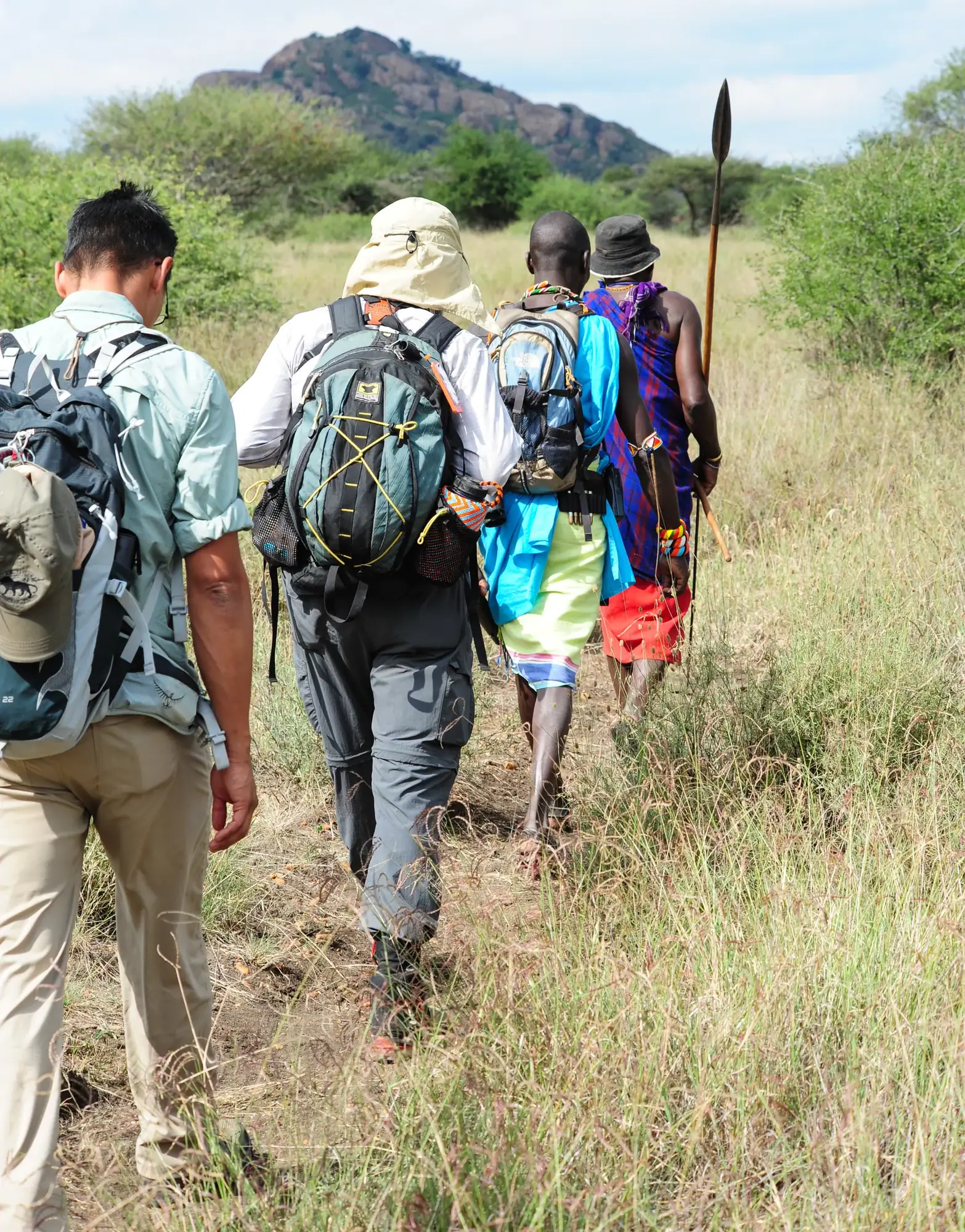
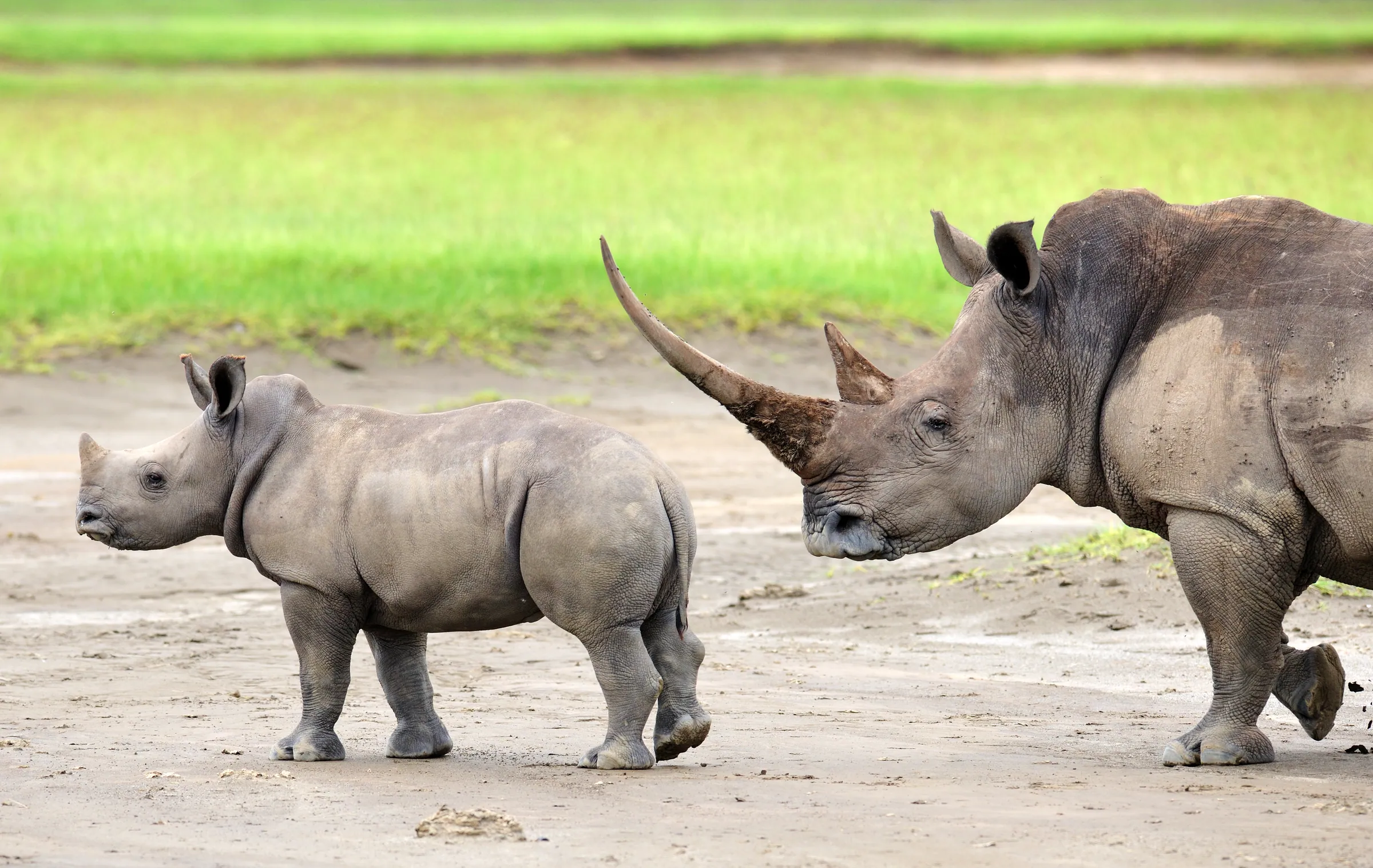
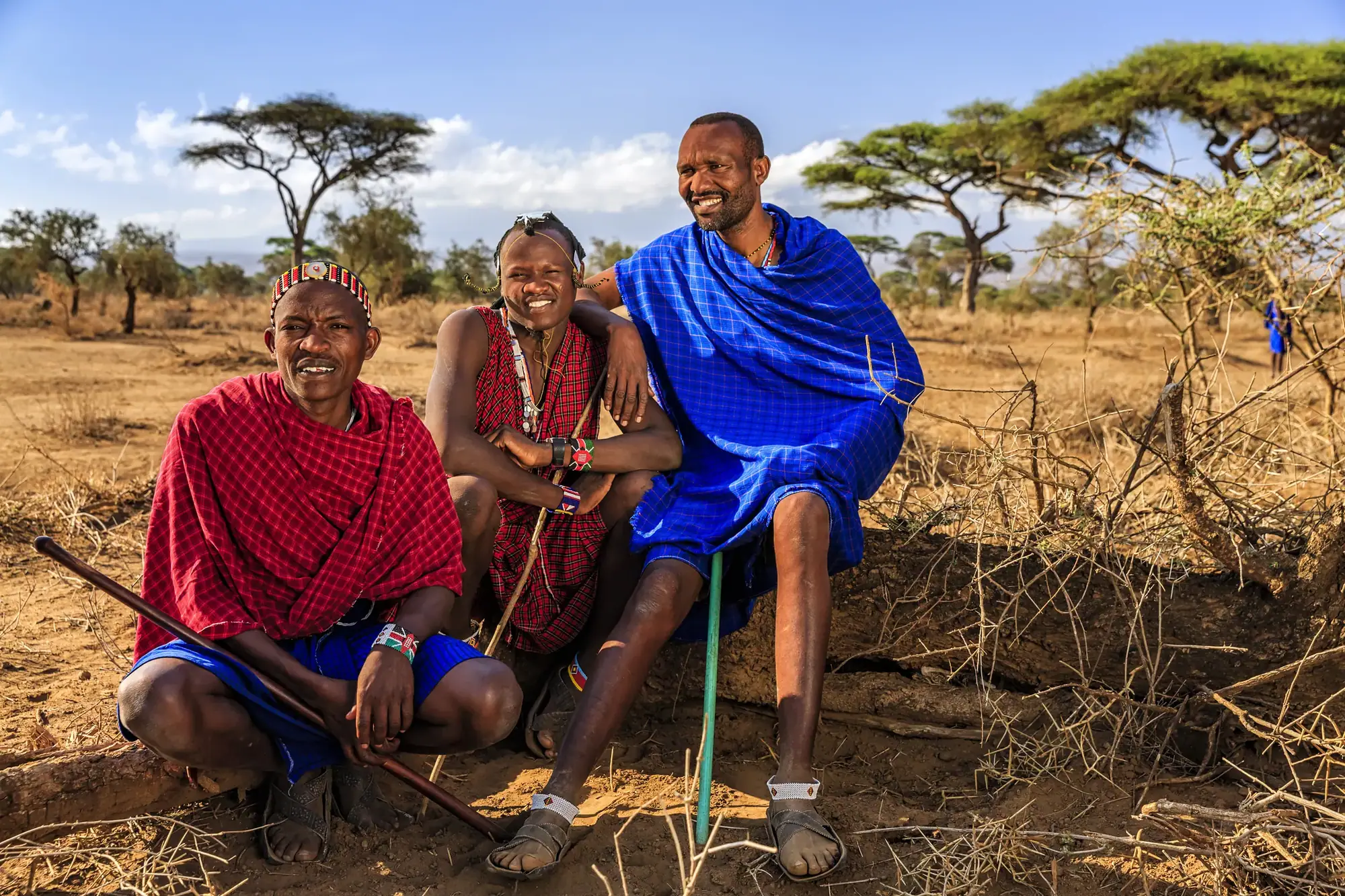
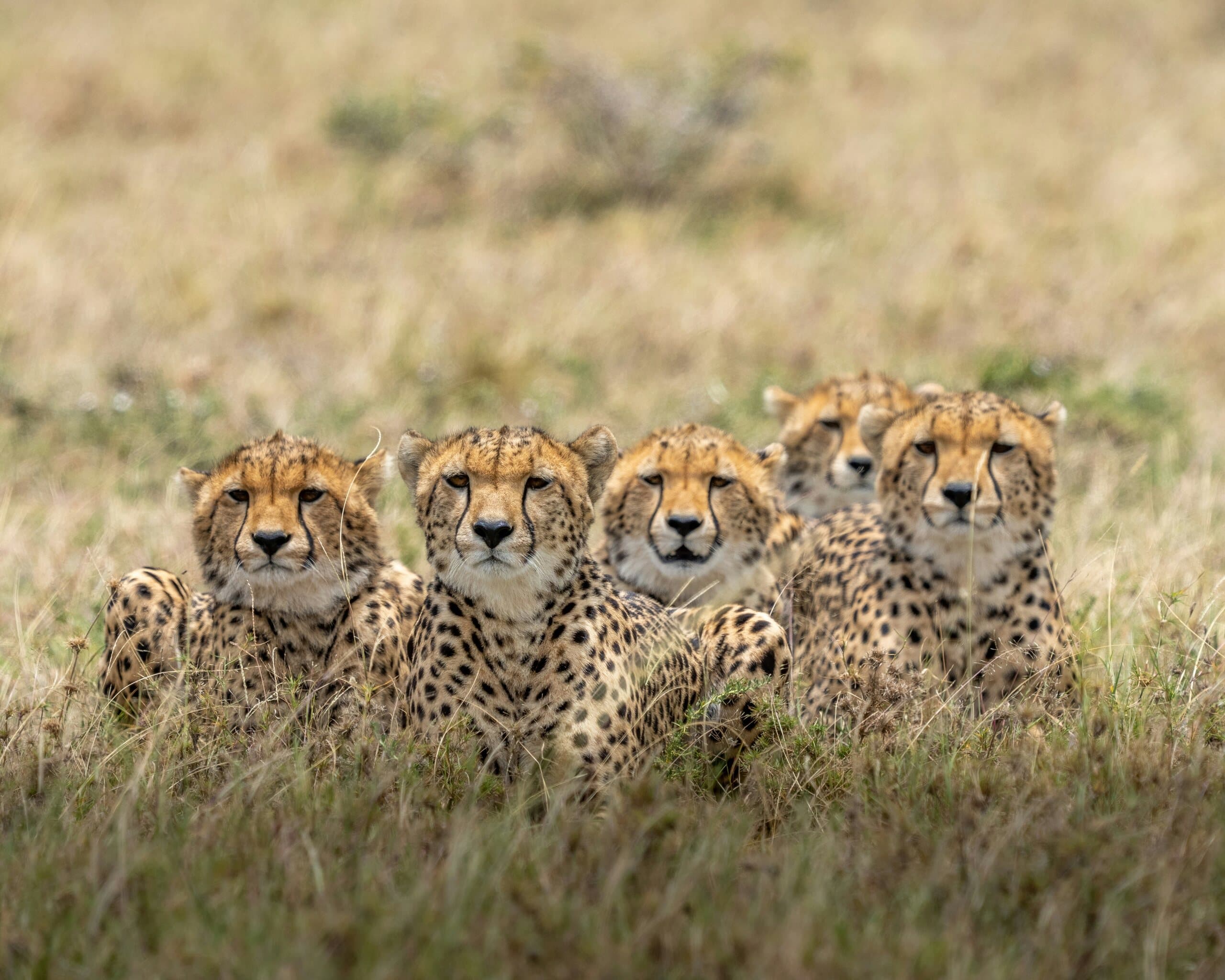
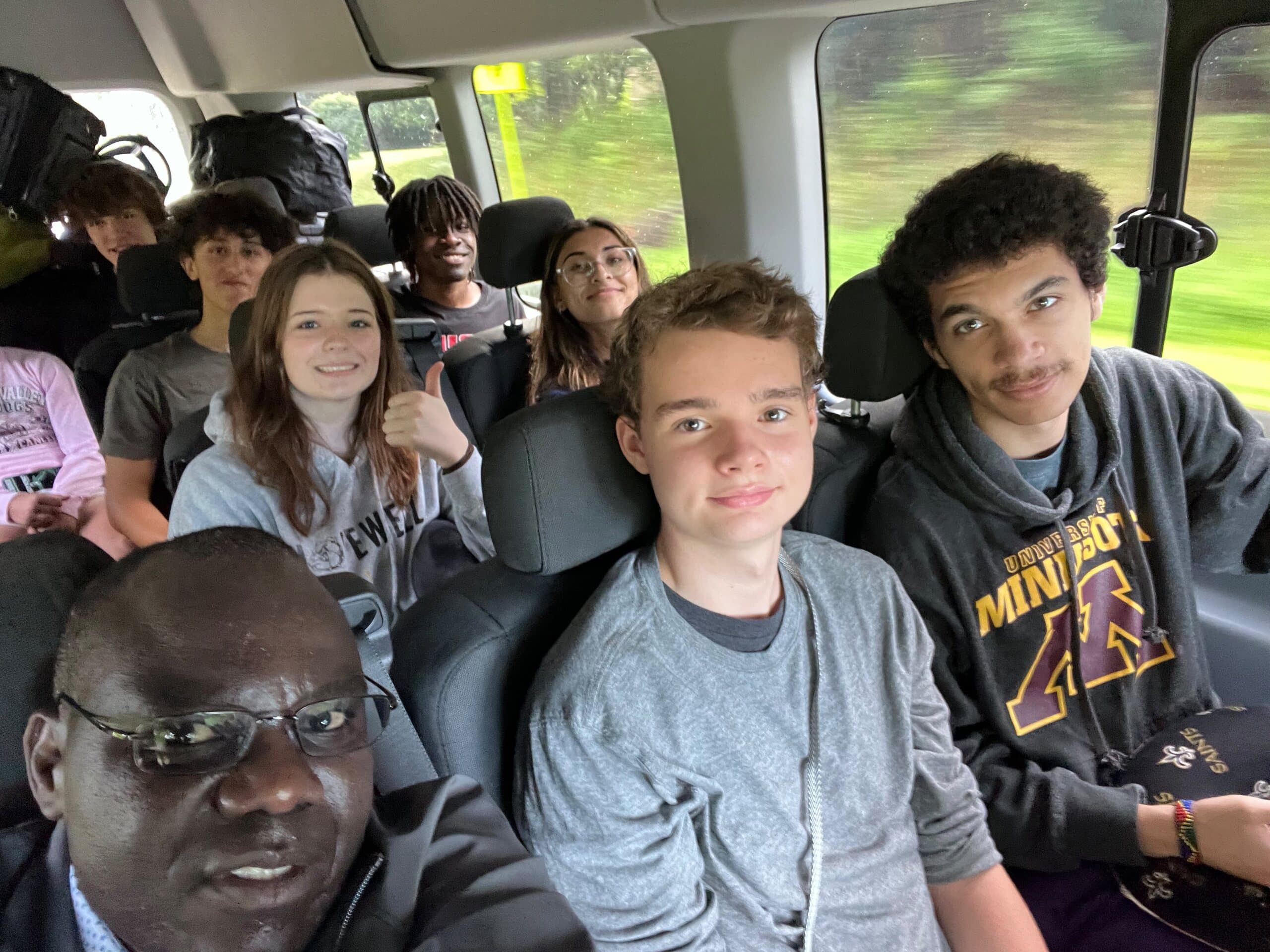
Few countries pack so much into one field season. The Great Rift Valley runs through Kenya with volcanoes, geothermal fields and both soda and freshwater lakes. Savanna ecosystems here have some of the longest-running wildlife studies in Africa, including elephant research in Amboseli that began in the early 1970s. The Turkana Basin holds fossils central to the story of human origins. Nairobi, one of Africa's fastest-changing cities, is a living case study in urban growth, public health and technology. Students see the textbook in the field.

A course that visits sites, hears lectures and observes is generally an educational visit. Once students collect data, interview people or take samples, Kenya treats it as research. Researchers generally need a research license from the National Commission for Science, Technology and Innovation (NACOSTI), affiliation with a relevant Kenyan institution, and approval from an accredited Kenyan ethics committee for work involving people, alongside your own IRB. Wildlife and protected-area work also involves the Wildlife Research and Training Institute and Kenya Wildlife Service. Allow several months, and let your Kenyan affiliate confirm the current process.
Wildlife ecology works best on the Mara and Laikipia conservancies and in Amboseli. Geology and energy courses use Hell's Gate, the Olkaria geothermal area and the Rift Valley lakes. Urban, health and development courses base in Nairobi. Fieldwork is possible year-round, but the long rains, usually April and May, can make tracks impassable, while the dry months suit transects and counts. Most U.S. groups come in January terms, spring break or summer sessions, and we plan around your academic calendar.
We handle the ground so faculty can teach. That means vehicles suited to rough tracks, accommodation close to sites, early starts timed for animal activity, power for equipment and a plan for backing up data. We arrange local guides, rangers for any work on foot in wildlife areas, and introductions to local leaders before you start, since community entry matters in Kenya. Students sign a code of conduct, and we agree curfews, alcohol rules and an emergency plan with the course leader.
Drones are regulated by the Kenya Civil Aviation Authority and need separate permission in parks and reserves, so do not pack one without approvals in place. Export of biological samples needs its own permits. Bring field notebooks, GPS units, spare batteries, sun protection and sturdy boots. Insurance should cover medical evacuation and field activities. Share results with the communities and institutions that hosted you; Kenyan partners value it, and it keeps the door open for next year's class.
Kenya Experience is Kenyan-led, with two U.S. companies behind it and Kenyan staff who know the field sites. Send your course outline and a specialist replies within two business days. Students can pay in full or monthly with no deposit.
For faculty-led courses: wildlife ecology on the conservancies, geology on the Rift, urban studies and public health in Nairobi, hosted with the University of Nairobi and conservancy research teams.
Yes, if you will collect data. Researchers generally need a research license from NACOSTI and a Kenyan institutional affiliation, with ethics approval for work involving people and wildlife authority approval for work in protected areas.
Once an application is complete the commission aims to decide within weeks, but affiliation and ethics review add time. Plan for several months before departure.
Drones are regulated by the Kenya Civil Aviation Authority, and flying in parks or reserves needs separate permission from the wildlife authorities. Do not bring one without approvals in place.
The dry months, typically January to February and late June to October, are easiest for wildlife fieldwork. Urban and Nairobi-based courses work year-round.
Panga
Panga means plan. Tell us who is going and what you love. A Kenya specialist replies within two business days.