Parks and reserves. Updated November 2026. 3 min read.
The Lake Turkana National Parks are three remote protected areas on and around the world's largest permanent desert lake, in far northern Kenya: Sibiloi National Park on the eastern shore, and Central Island and South Island in the lake. Together they form a UNESCO World Heritage site known for early human fossils at Koobi Fora, Nile crocodiles and raw volcanic landscapes. Getting there takes a charter flight or several days by road.
What it is, and who runs it
Kenya Wildlife Service manages all three parks, with the National Museums of Kenya responsible for the fossil sites and research base at Koobi Fora. Together they cover about 1,615 square kilometers in Marsabit and Turkana counties. UNESCO listed them in 1997, extended the site in 2001, and in 2018 placed it on the List of World Heritage in Danger, mainly because dams and irrigation upstream on Ethiopia's Omo River threaten the water that feeds the lake.
Lake Turkana, often called the Jade Sea for its color, is also the largest alkaline lake in the world. Its shores are home to the Turkana, El Molo, Dassanech, Gabbra, Rendille and Samburu peoples.
Sibiloi and Koobi Fora
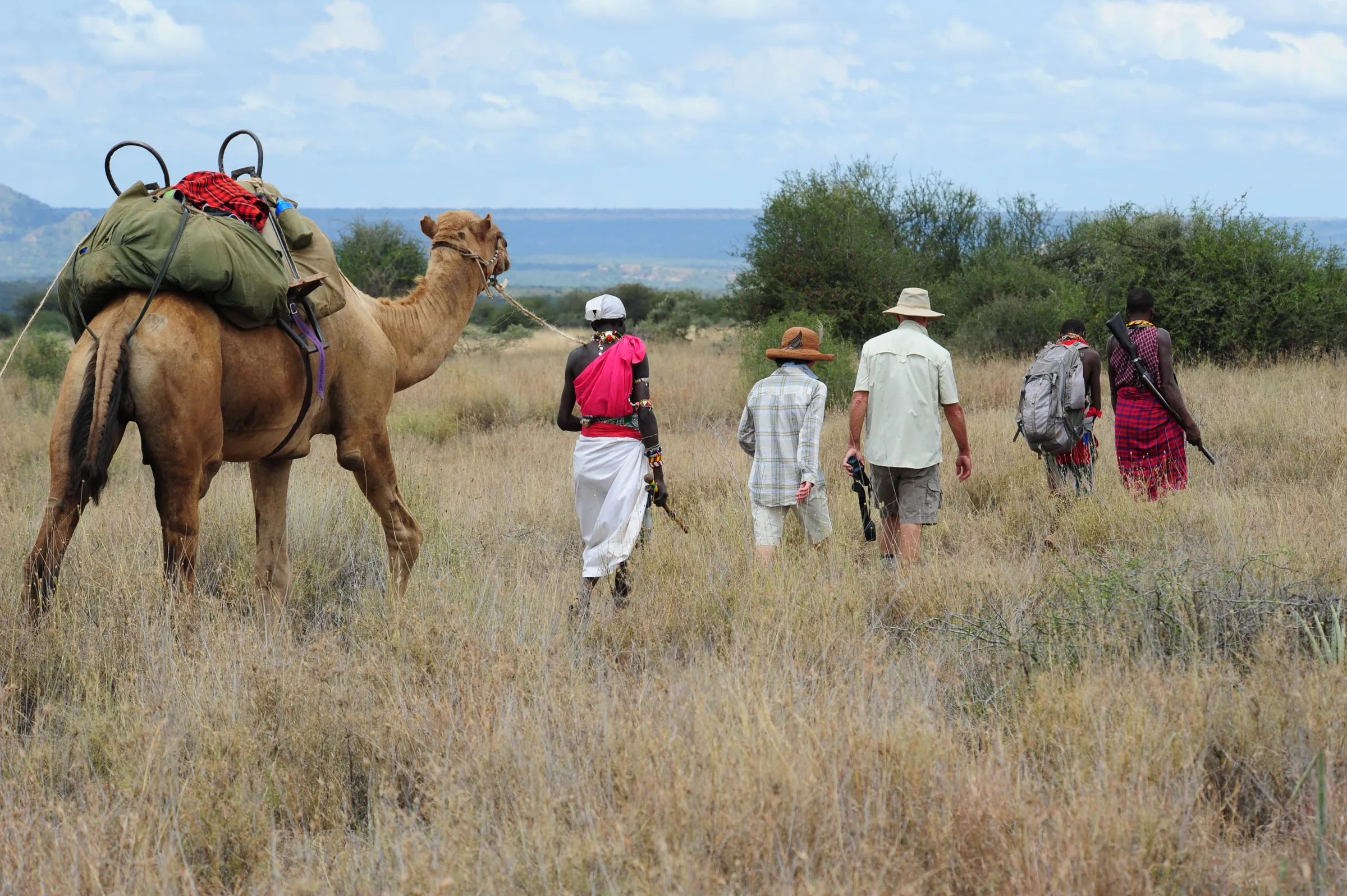
Sibiloi is a dry, windswept park of lava, grassland and ancient lake beds. Since the late 1960s, teams led by Richard Leakey, and later by Meave and Louise Leakey, have found fossils here that changed what we know about human origins, along with the animals that lived beside our ancestors. A small museum at Koobi Fora displays finds and casts, and a petrified forest of ancient trees lies in the park.
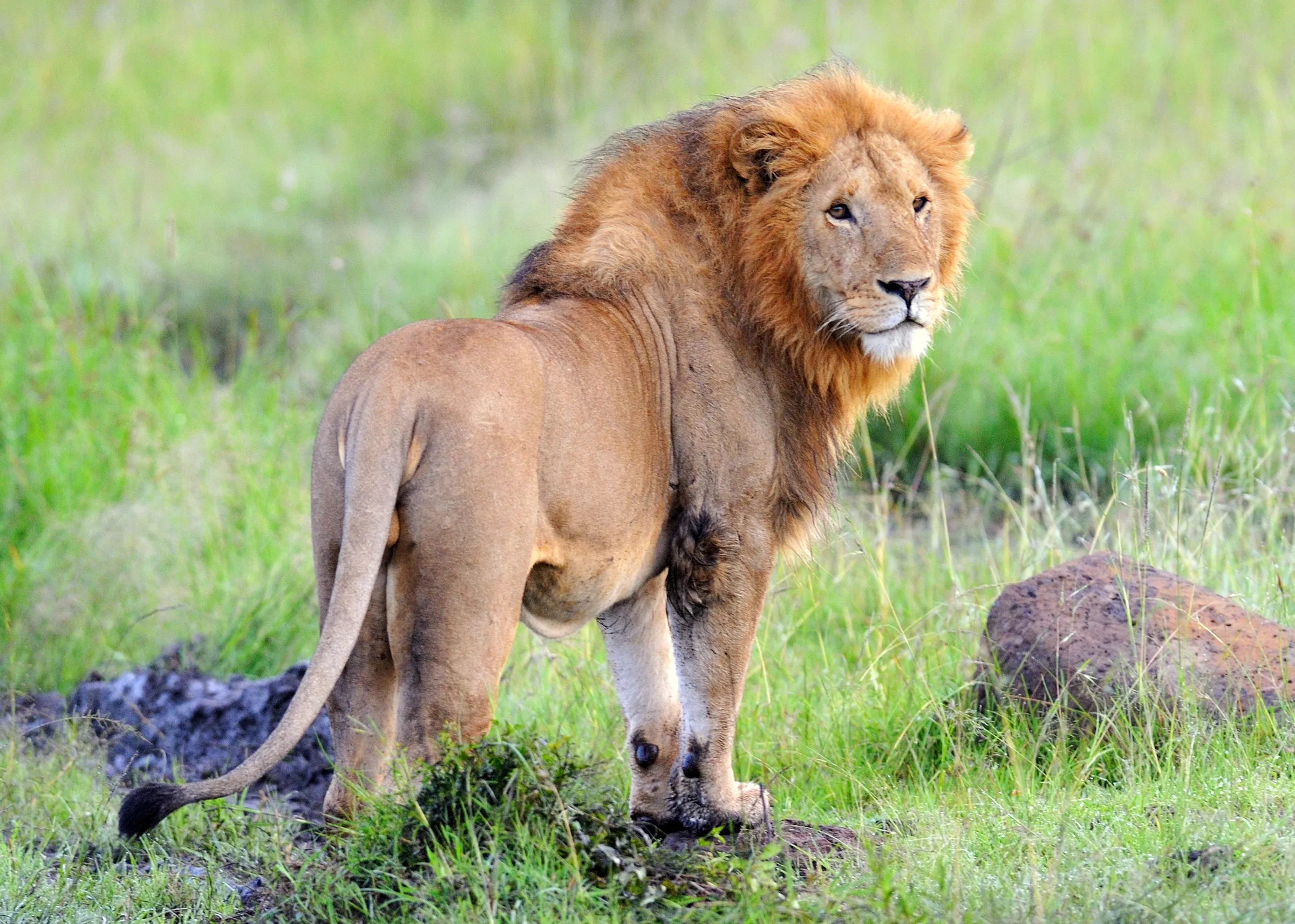
Wildlife is sparse but hardy: Grevy's zebra, Beisa oryx, topi and Grant's gazelle, with the occasional lion or striped hyena. The lakeshore draws flamingos, pelicans and migrant waterbirds.
Central Island and South Island
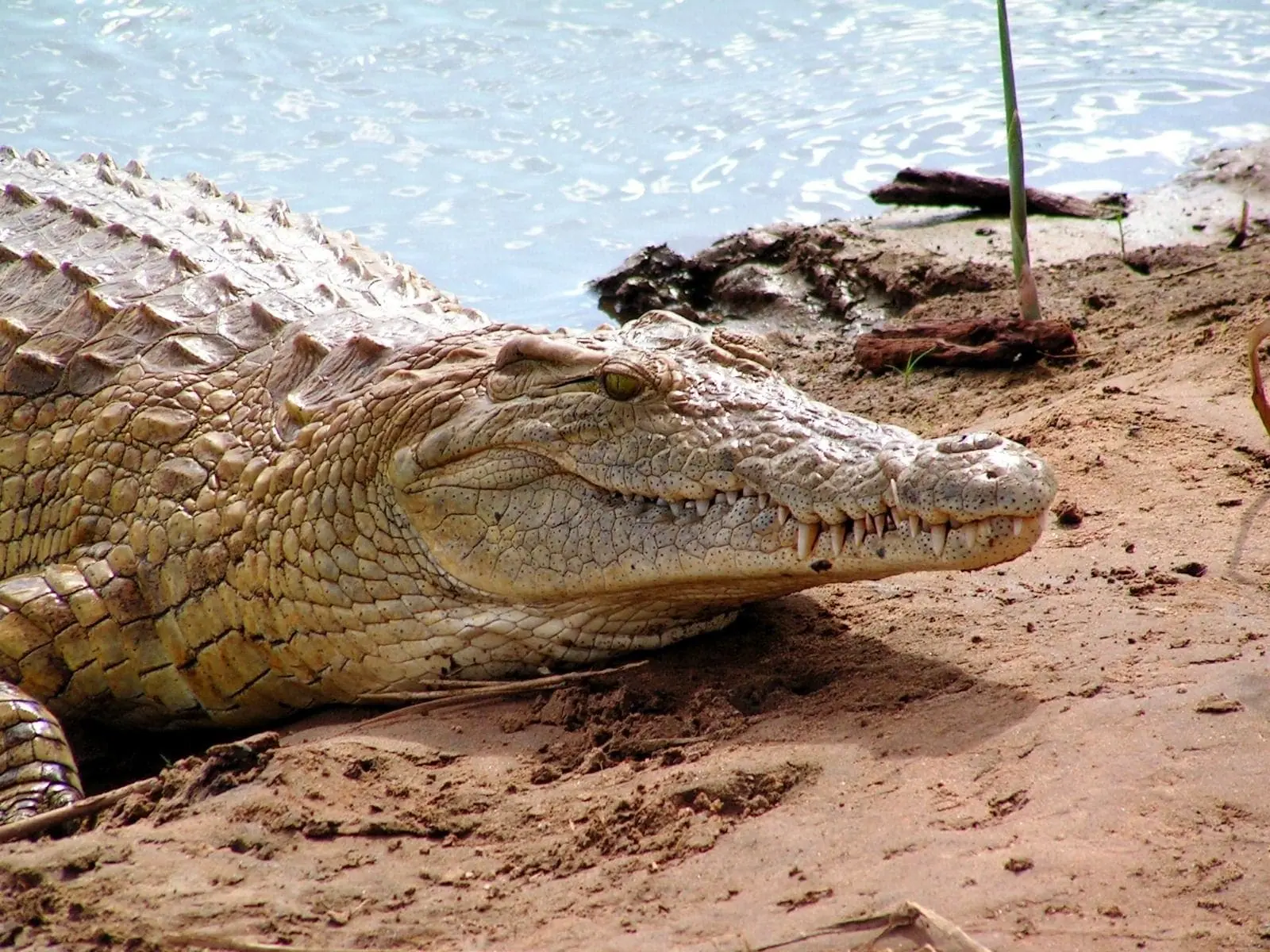
Central Island is a young volcano rising from the lake, with three crater lakes inside it. It is one of the most important breeding grounds for Nile crocodiles in Africa, and flamingos sometimes feed in the crater lakes. South Island, a larger volcanic island, is uninhabited and rarely visited, a refuge for crocodiles, snakes and nesting birds. Both are reached by boat, and the lake's strong winds can make crossings rough or impossible.
Getting there and how long to stay
- By charter flight: about two to three hours from Wilson Airport to airstrips such as Koobi Fora or Loiyangalani
- By scheduled flight: Nairobi to Lodwar on the western side, then road to the lakeshore and a boat to Central Island
- By road: two to three days each way from Nairobi, via Marsabit or via Maralal and the South Horr valley to Loiyangalani, in a well-equipped 4x4
- In Sibiloi: no shops, no fuel and very little water, so you must be self-sufficient
Plan five to seven days for a road expedition, or three to four days with flights. This is expedition travel, best done with an experienced operator and a vehicle carrying fuel, water and spares. Getting to Kenya is simple: you apply for the eTA online, and Kenya Airways flies nonstop from New York to Nairobi.
When to visit
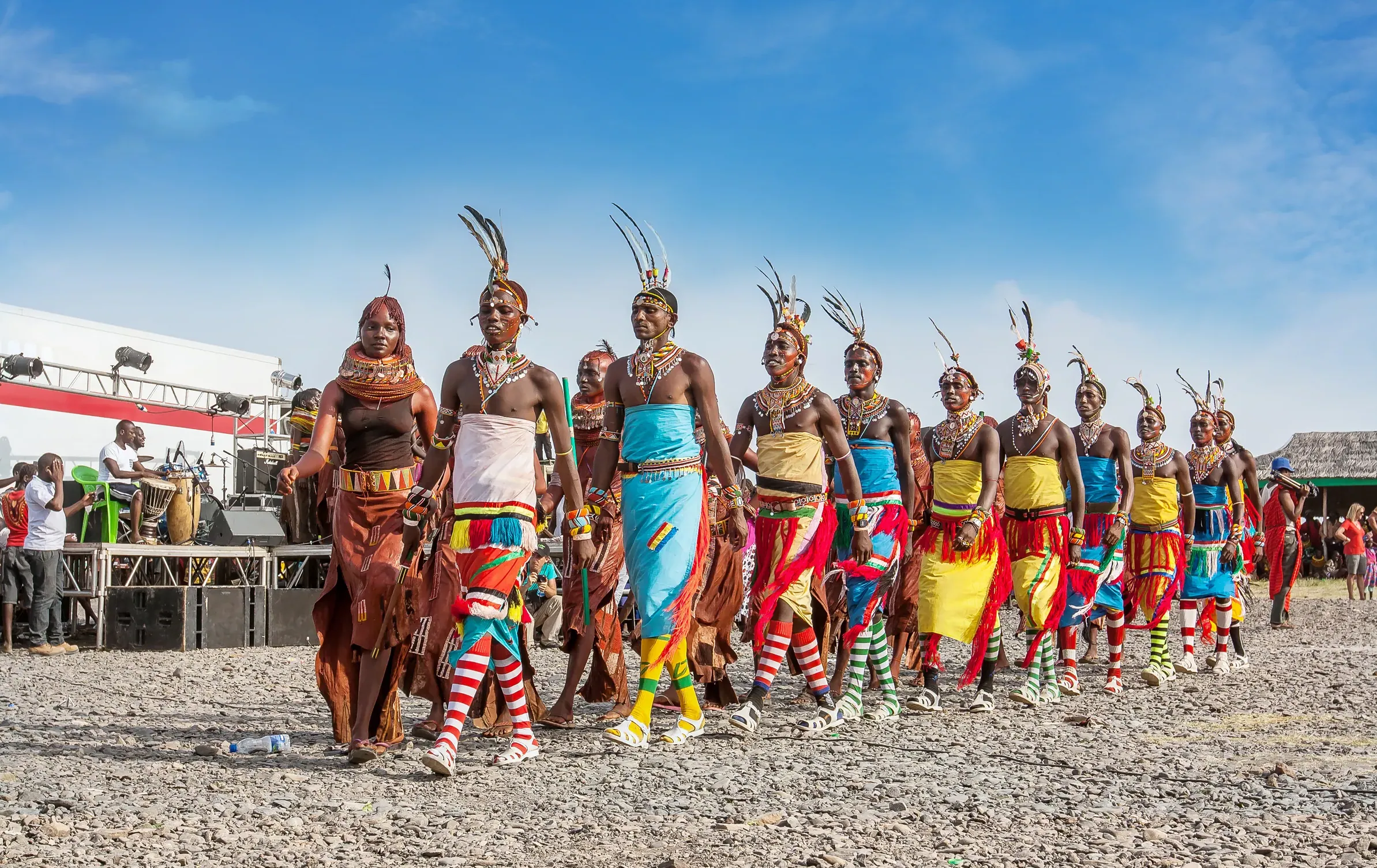
The region is hot and dry in every month, with daytime temperatures often above 95°F (35°C) and very little rain. Wind is part of life on the lake and can blow hard for days, so build spare time into any boat crossing. The Lake Turkana Cultural Festival at Loiyangalani, held in some years, celebrates the communities of the region with music, dance and dress.
Traveling responsibly
Park fees are set by Kenya Wildlife Service and change from time to time; check current rates before you go. Ask before taking photos of people, pay fairly when asked, and hire local guides. Check current U.S. and Kenyan travel advice for the north, and travel with people who know the area. Leave fossils exactly where they lie: collecting them is illegal.
Turkana is one of the great journeys in Africa, and a reminder that Kenya's story is also humanity's story. Kenya Experience is Kenyan-led, with two U.S. companies behind us, and you travel with Kenyan guides. Pay in full or monthly with no deposit, and a specialist replies within two business days.