Parks and reserves. Updated November 2026. 5 min read.
Ask Mara guides where they would go to find a lion pride, a cheetah and a leopard in one morning with almost nobody else around, and many of them will name Olare Motorogi. It is a block of Maasai land on the reserve's northern edge, 15,200 hectares (about 59 square miles), owned by 297 families and leased to a handful of small camps. The bed numbers are kept low on purpose. That is the whole idea.
The short answer: Olare Motorogi is one of the Mara's premium conservancies. You get small camps, strict limits on vehicles, night drives and guided walks, and big-cat viewing that guides rank among the best in the whole ecosystem. The conservancy fee is built into your camp rate. If you want a Mara stay built around cats and quiet, with the reserve's river crossings a drive away in season, this is one of the first places we look. Our Mara conservancies explainer covers how all the conservancies work, the fees and the reserve compared; this page is about Olare Motorogi alone.
Who owns it and how the deal works
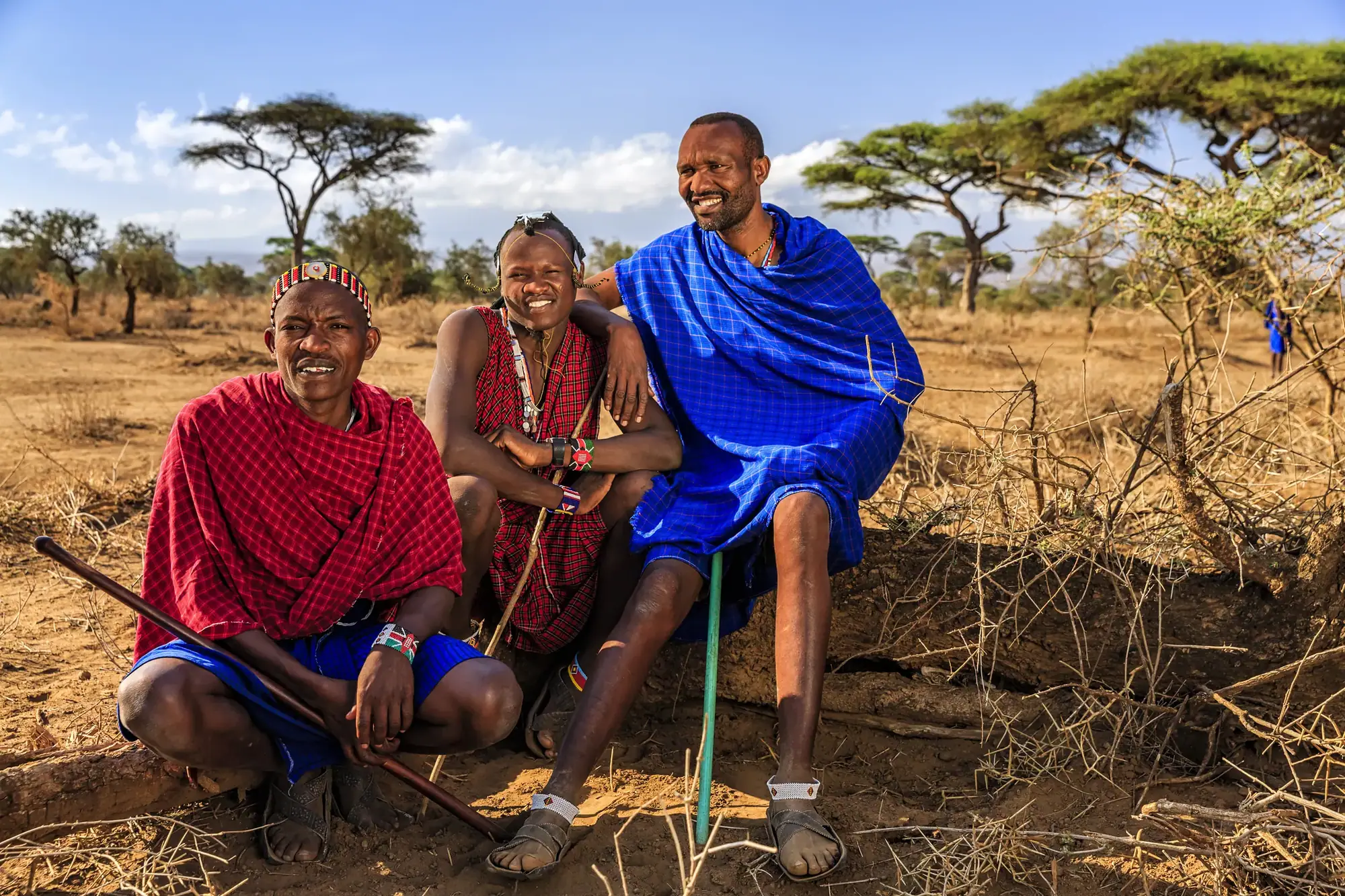
The land belongs to 297 Maasai families. Instead of fencing and farming it, they lease it as one block to their partner camps. Each family receives a regular lease payment, and the camps pay a conservancy fee for every guest night, which pays for rangers and management. In return the families keep the land open for wildlife and graze their cattle in planned areas and seasons, so the grass recovers. The conservancy brings together two neighboring areas, Olare Orok and Motorogi, and the name keeps both. It is a member of the Maasai Mara Wildlife Conservancies Association, which is the list to check if a camp claims to be in a conservancy.
The headline rule is the low number of beds. With only a few camps on the whole conservancy, the number of guest vehicles out on any morning stays small, and that changes the feel of every sighting.
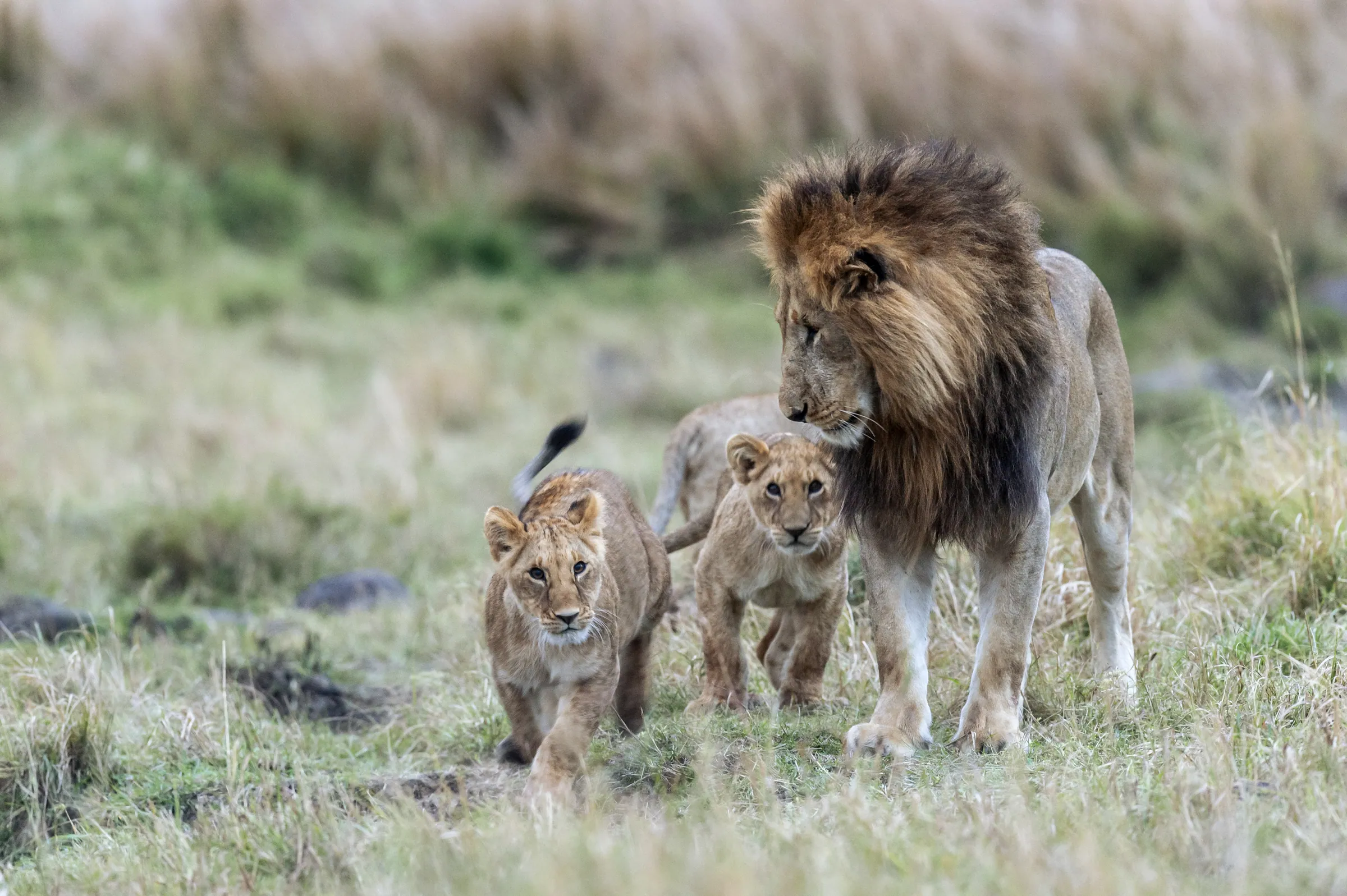
Why guides call it big-cat country
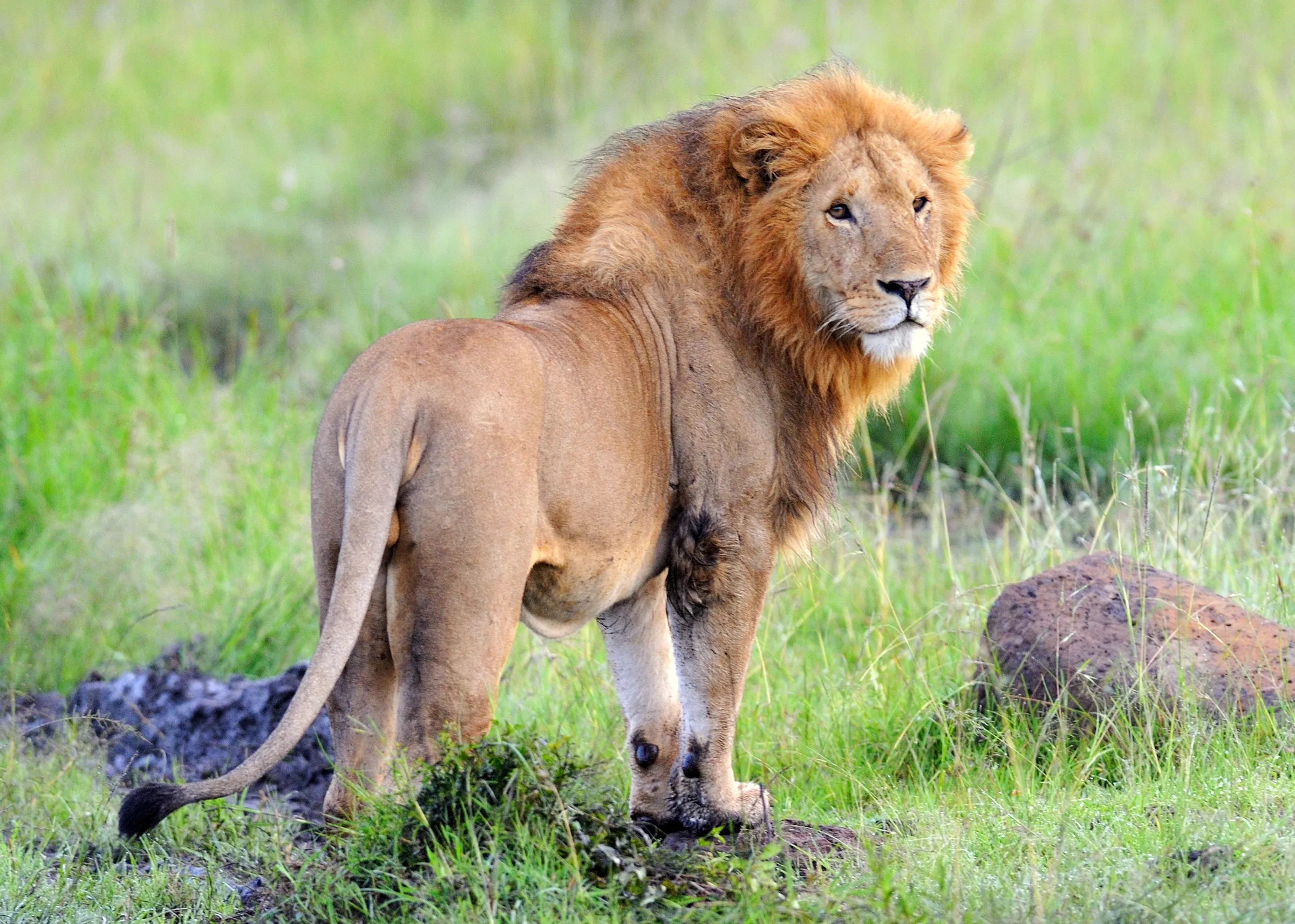
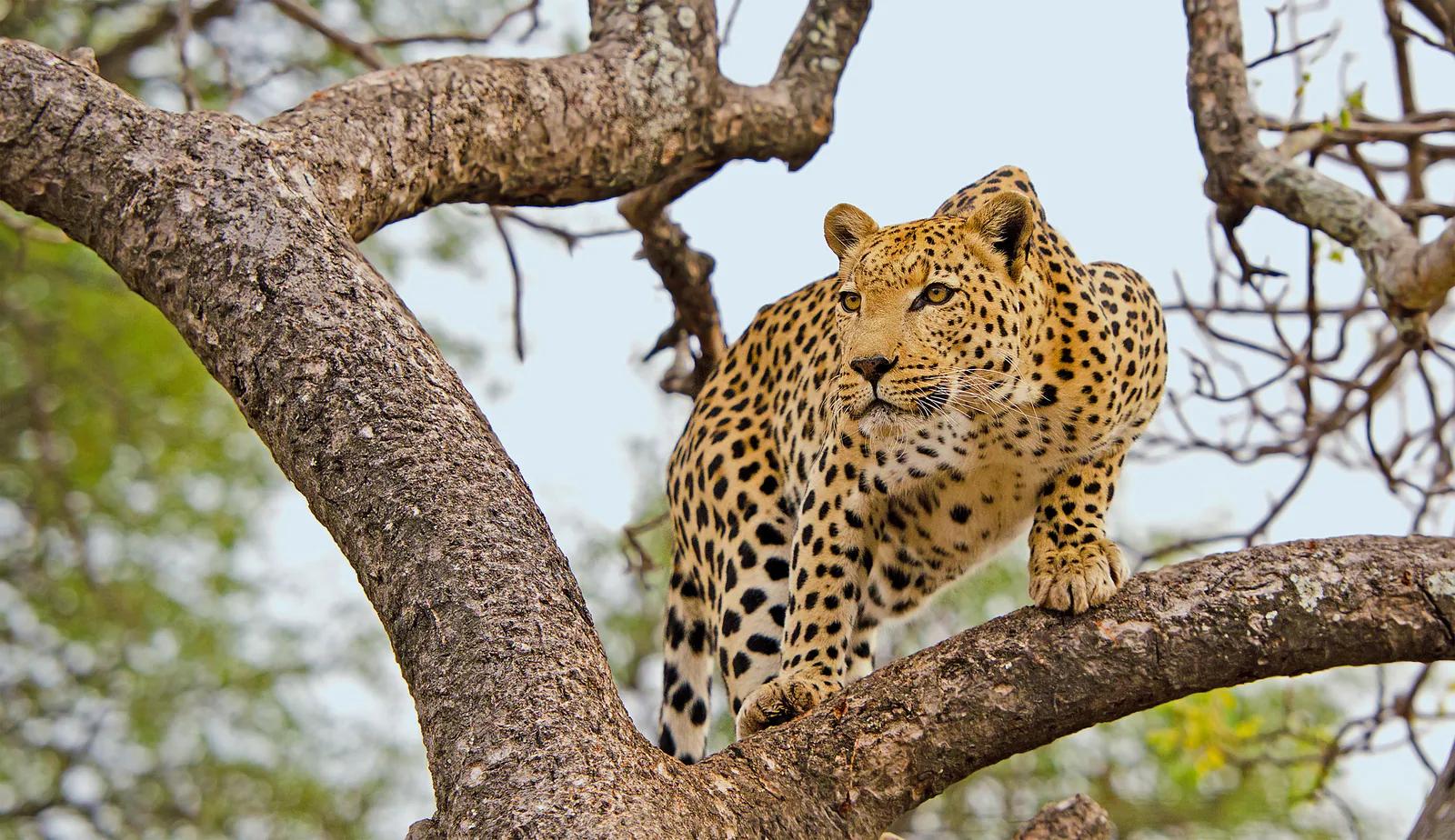
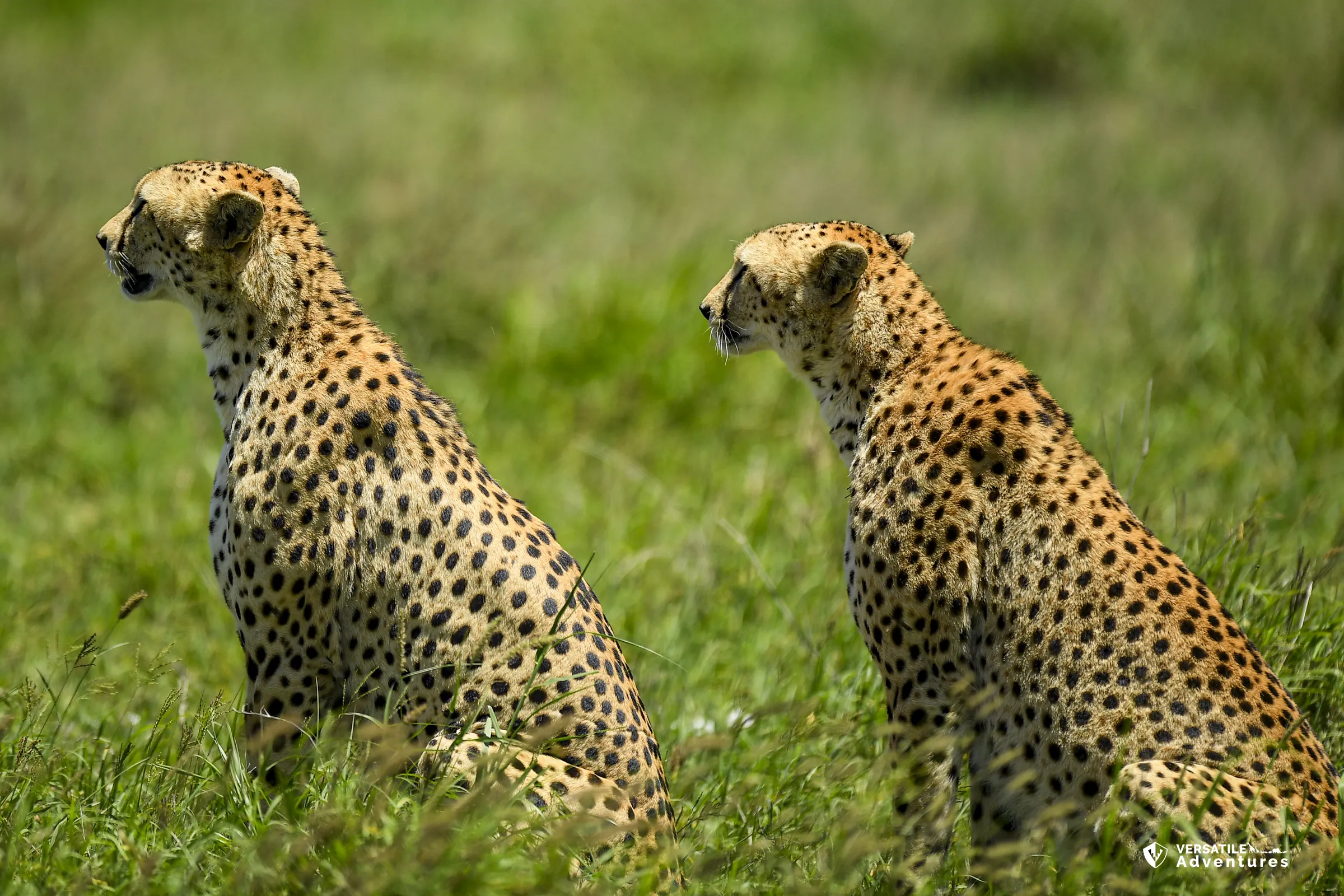
Olare Motorogi mixes open grass plains, rocky ridges and thick bush along seasonal streams, and that mix suits all three big cats. Lions hold territories on the plains, cheetahs hunt the short grass, and leopards use the gullies, rocks and trees. Its name as the Mara's densest big-cat area comes from guides and years of sightings rather than from a published census, so treat it as a strong likelihood, not a promise. What you can count on is space: at a sighting here you are usually one of a few vehicles, and conservancy rules typically cap a sighting at five.
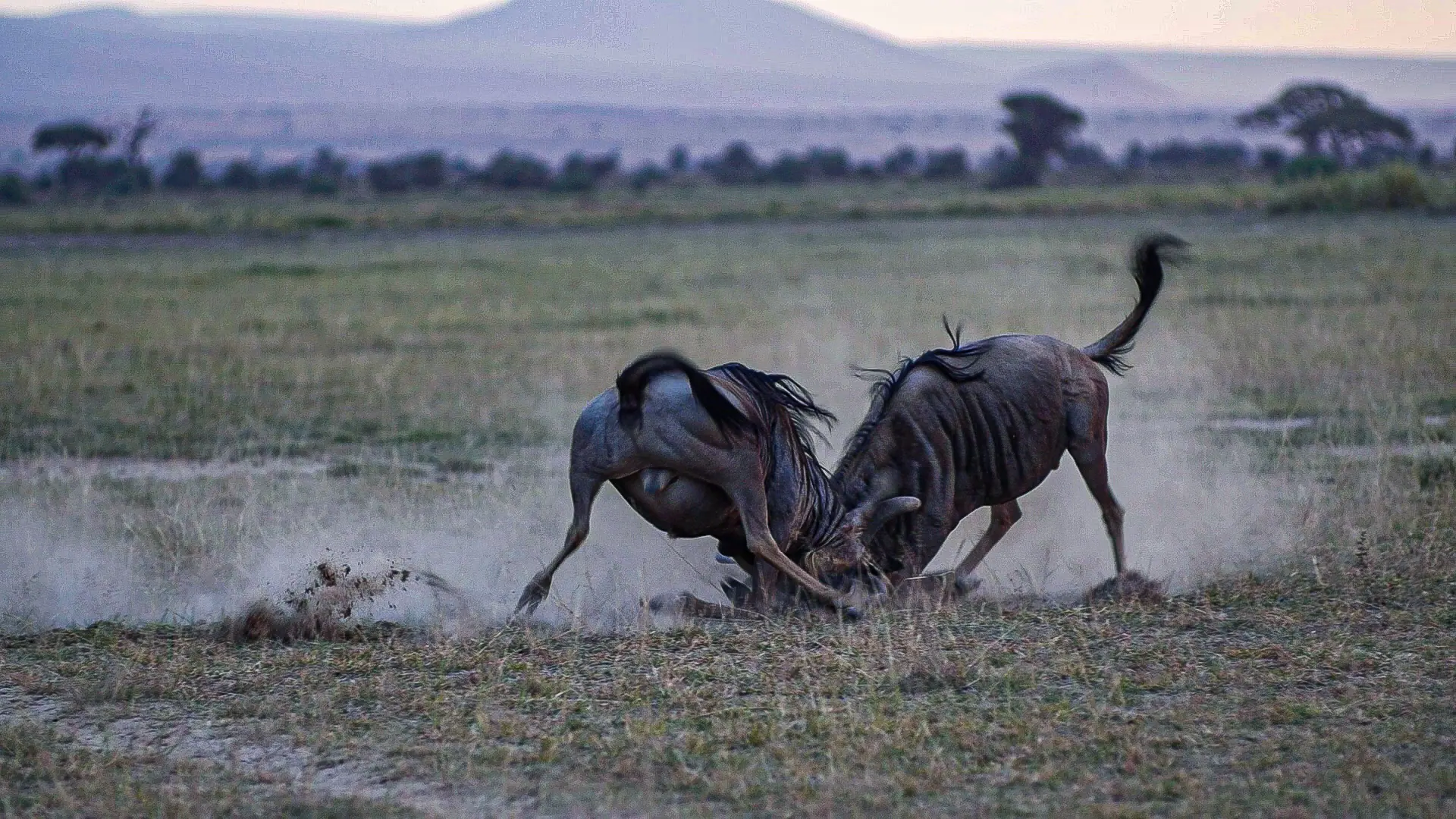
The plains game is here all year too: topi, zebra, impala, giraffe, elephants and buffalo, with the Loita wildebeest moving through the northern conservancies. In August and September, the Serengeti herds often spill north into Olare Motorogi, so even the conservancy itself can fill with wildebeest in a good year.
The rules that shape your stay
- Only guests of the member camps game drive here, so you will not meet a convoy of day visitors from the reserve
- Vehicle limits at sightings, usually no more than five
- Off-road driving with care, so your guide can position for the light and the animal's line of travel
- Night drives with a red-filtered spotlight, the best chance at hyenas on the move, genets, bushbabies and lions hunting
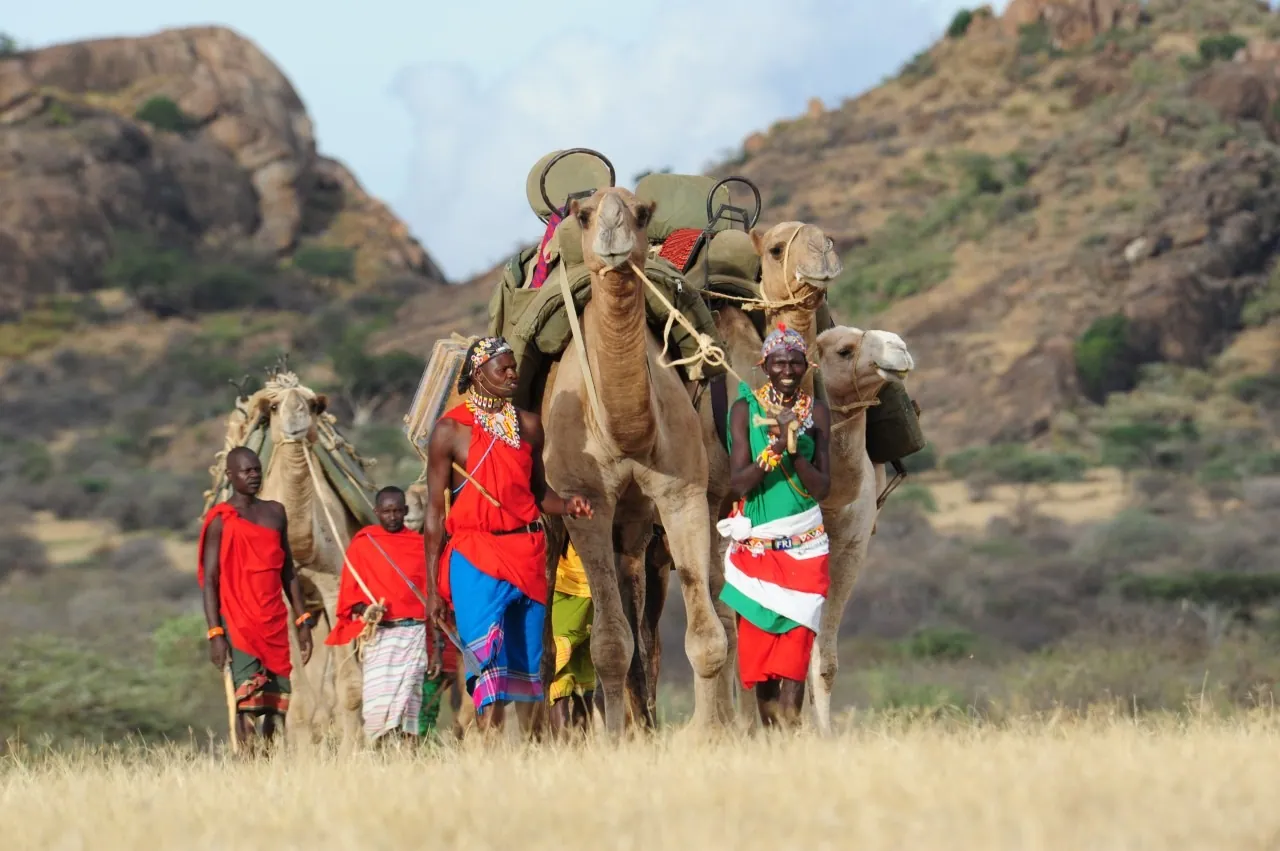
- Guided walks with Maasai guides and armed rangers; each camp sets its own minimum age
- Bush breakfasts, sundowners and private dinners away from camp, which the reserve's rules make harder
The camps
| Camp | Style | Price band | Good for |
|---|---|---|---|
| Mara Plains | Small tented camp | Top end | Photographers and couples |
| Mahali Mzuri | Tented camp | Top end | Honeymoons |
| Olare Mara Kempinski | Tented camp | Top end | Hotel-style service |
| Kicheche Bush Camp | Small tented camp | Mid-range | Photographers and walks |
| Porini Lion | Small tented camp | Mid-range | A first conservancy stay |
Each camp has its own vehicles and guides, and most are small enough that the guides know their guests by name on day two. Our where to stay guide puts these camps next to options in the reserve, the Triangle and the other conservancies, at three price levels.
When to go
Olare Motorogi is good in every month for cats. The dry months, roughly July to October and January to February, are the most reliable, and August and September add the spillover herds. The long rains usually fall in April and May, when tracks are muddy, the grass is long and some camps close for a break; ask us which are open. November's short rains tend to come as afternoon storms and rarely stop a morning drive.
Getting there, fees and the river
Light aircraft fly from Wilson Airport in Nairobi to the Mara airstrips in 40 to 75 minutes, and Olare Orok is one of the strips in this area; your camp will tell you which one it uses and meet you there. The luggage limit is about 15 kg in a soft bag. By road, Nairobi to the Mara takes 5 to 6 hours through Narok.
Conservancy fees in the Mara run from about $80 to $120 per adult per night and are almost always inside the camp rate. If you want a river day in migration season, your camp can drive you into the national reserve, and you pay the reserve fee for that day only: at the time of writing $100 per adult from January to June and $200 from July to December. Fees change, so check our park fees page or ask us for the current figures.
Is it right for you?
- Yes, if big cats and few vehicles matter more to you than the lowest price
- Yes, for photographers: off-road approaches and small numbers make the difference to the shot
- Think twice if the river crossings are the main reason for your trip; pair Olare Motorogi with a day or two in the reserve, or stay in the reserve itself
- On a tight budget, the reserve or a split stay with fewer conservancy nights gives you the same lions for less
Three nights here, with one day in the reserve in season, is the stay we suggest most often. We are Kenyan-led, with two U.S. companies behind us, and we will tell you which camp suits your dates and how your fees reach the landowners. Pay in full or monthly with no deposit.