Where to stay. Updated November 2026. 7 min read.
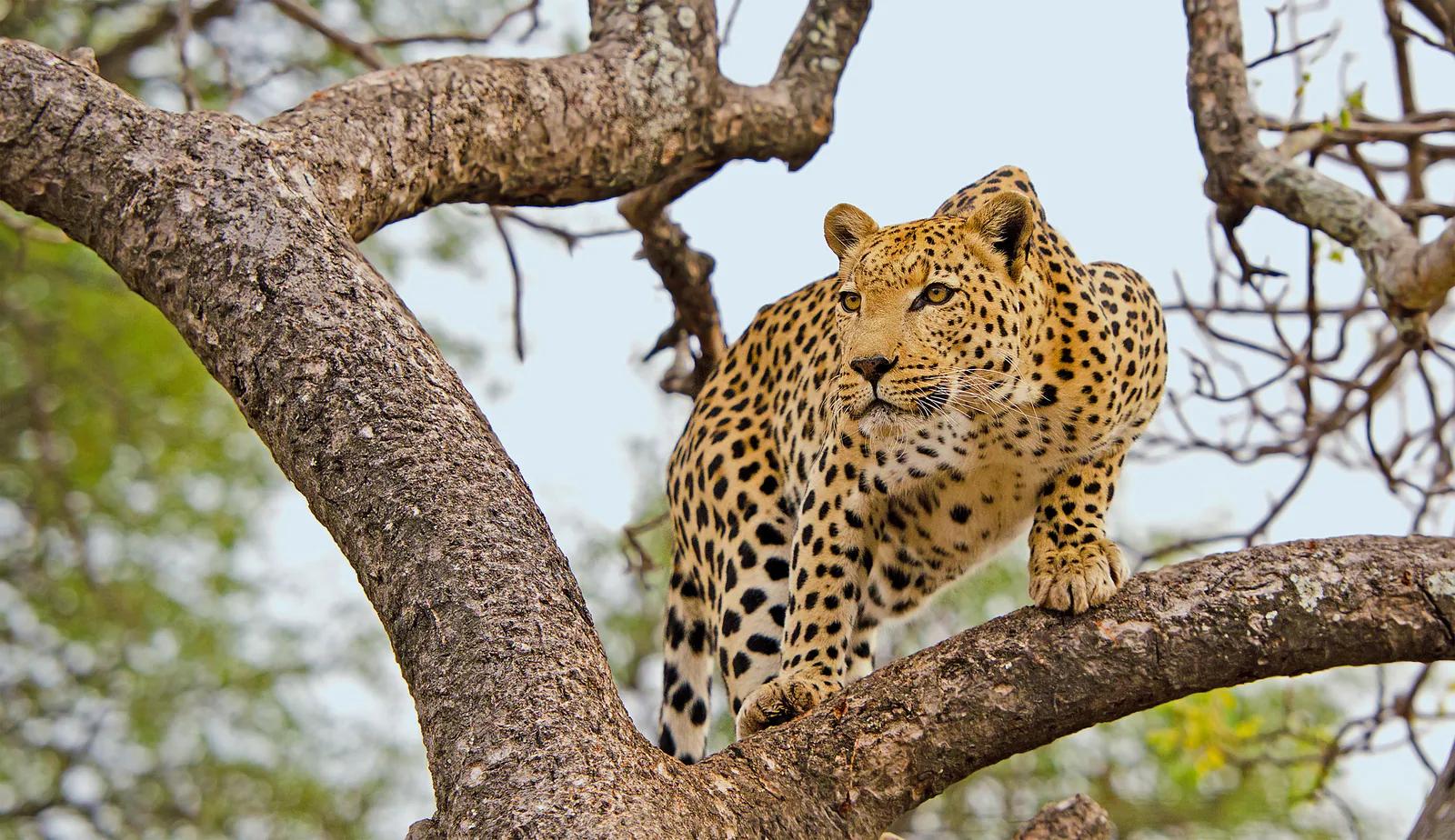
Every Mara camp photo looks the same: canvas, an acacia, a lantern on the deck. The difference is what happens outside the tent at six in the morning. Inside the national reserve, a leopard in a tree can draw a long line of vehicles. In a conservancy there may be three, and you can go out again after dark with a spotlight. So choose your area first and your camp second.
There are four places to sleep in the Mara: the central reserve around Talek, Musiara and Sekenani; the Mara Triangle, west of the Mara River; the Maasai-owned conservancies along the reserve's northern and eastern edges; and the budget camps just outside the gates. If you are on a first safari with a tight budget, stay in the central reserve. If you can spend more and want few vehicles, walks and night drives, stay in a northern conservancy. If you want the reserve's wildlife on the quieter side, look at the Triangle. Below you will find each area, named camps at three budgets, and what we tell our own travelers.
The one decision: reserve or conservancy
The reserve is county-run land open to anyone with a permit, where game drives stay on tracks and end at dusk. The conservancies are Maasai land leased to a limited number of camps, with vehicle limits, off-road viewing, night drives and guided walks. Our guide to Mara conservancies versus the national reserve sets out the rules side by side. This page is about the next question: which part of the Mara, and which camp.
The four areas at a glance
| Area | What it is | Fee you pay | Who it suits |
|---|---|---|---|
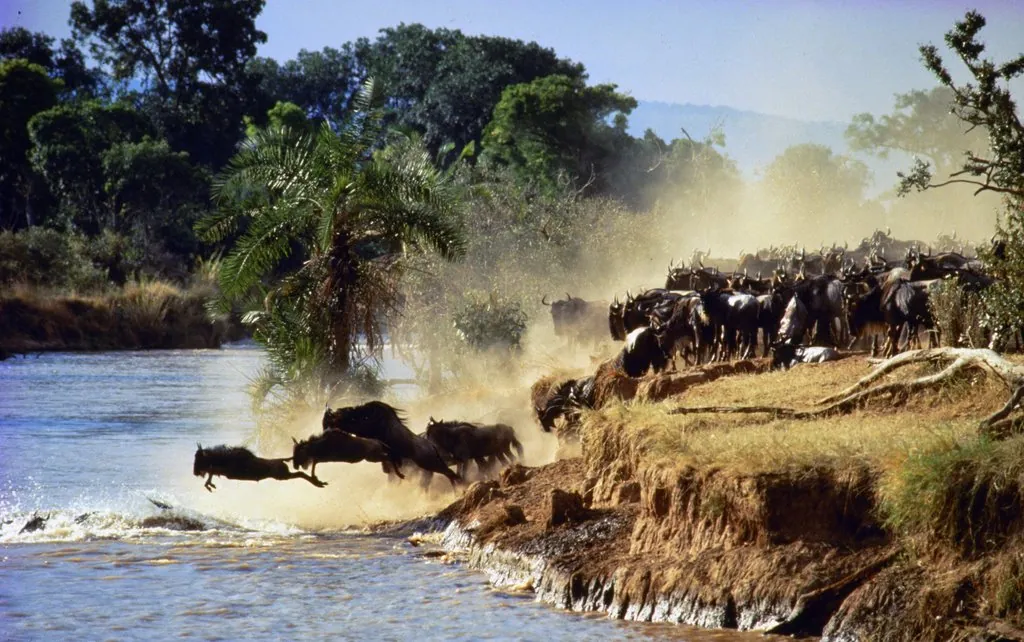
| Central reserve (Talek, Musiara, Sekenani) | Inside the national reserve; densest wildlife and the most vehicles | Reserve fee, $100 to $200 a day by season | First-timers on a budget, July to October river crossings |
| Mara Triangle | West of the Mara River, run by the not-for-profit Mara Conservancy; fewer camps, cashless gates, escarpment views | Reserve fee, paid by card or M-Pesa at the gate | Anyone who can afford it, photographers |
| Northern conservancies (Mara North, Olare Motorogi, Naboisho, Ol Kinyei, Enonkishu) | Maasai-owned land leased by camps; vehicle limits, night drives, walking | $80 to $120 a night, usually in the camp rate | Second-timers, honeymooners, anyone who hates crowds |
| Outside the gates (Sekenani, Talek town) | Budget camps and lodges beside the reserve | Reserve fee for each day you drive in | Backpackers, self-drivers, student groups |
The central reserve: Talek, Musiara and Sekenani
Most Mara camps sit in the eastern and central reserve, clustered along the Talek River near the Talek gate, around Sekenani, the main eastern gate, and up toward Musiara in the north, close to the Mara River. Staying inside means you are already in the game-viewing area at first light, without a gate queue, and in July to October you are within reach of the crossing points. The trade-off is traffic: big sightings draw many vehicles in peak weeks, and you pay the reserve fee for every day you are inside. On your last morning, plan to leave by about 10am, or you may be charged for another day.
The Mara Triangle
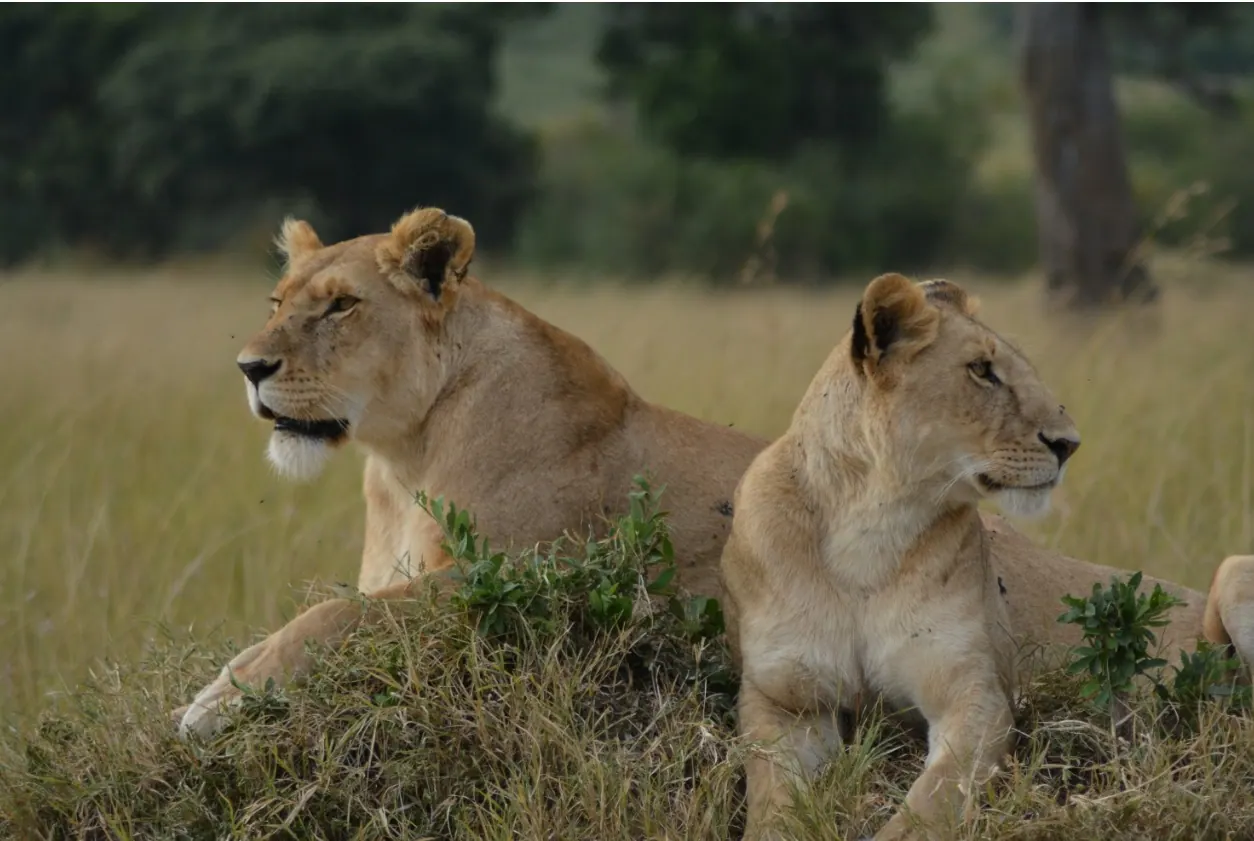
The Triangle is the western part of the reserve, between the Mara River and the Oloololo escarpment. It has the same wildlife and the same river, but far fewer camps and its own management, which is why it feels quieter. Its gates are cashless, taking Visa, Mastercard and M-Pesa. Mara Serena sits on a hill above the river, Angama Mara looks down from the escarpment edge, and Little Governors' is reached by a short boat crossing of the river. If you want reserve game viewing with a calmer feel, this is the side we point you to.
The northern conservancies
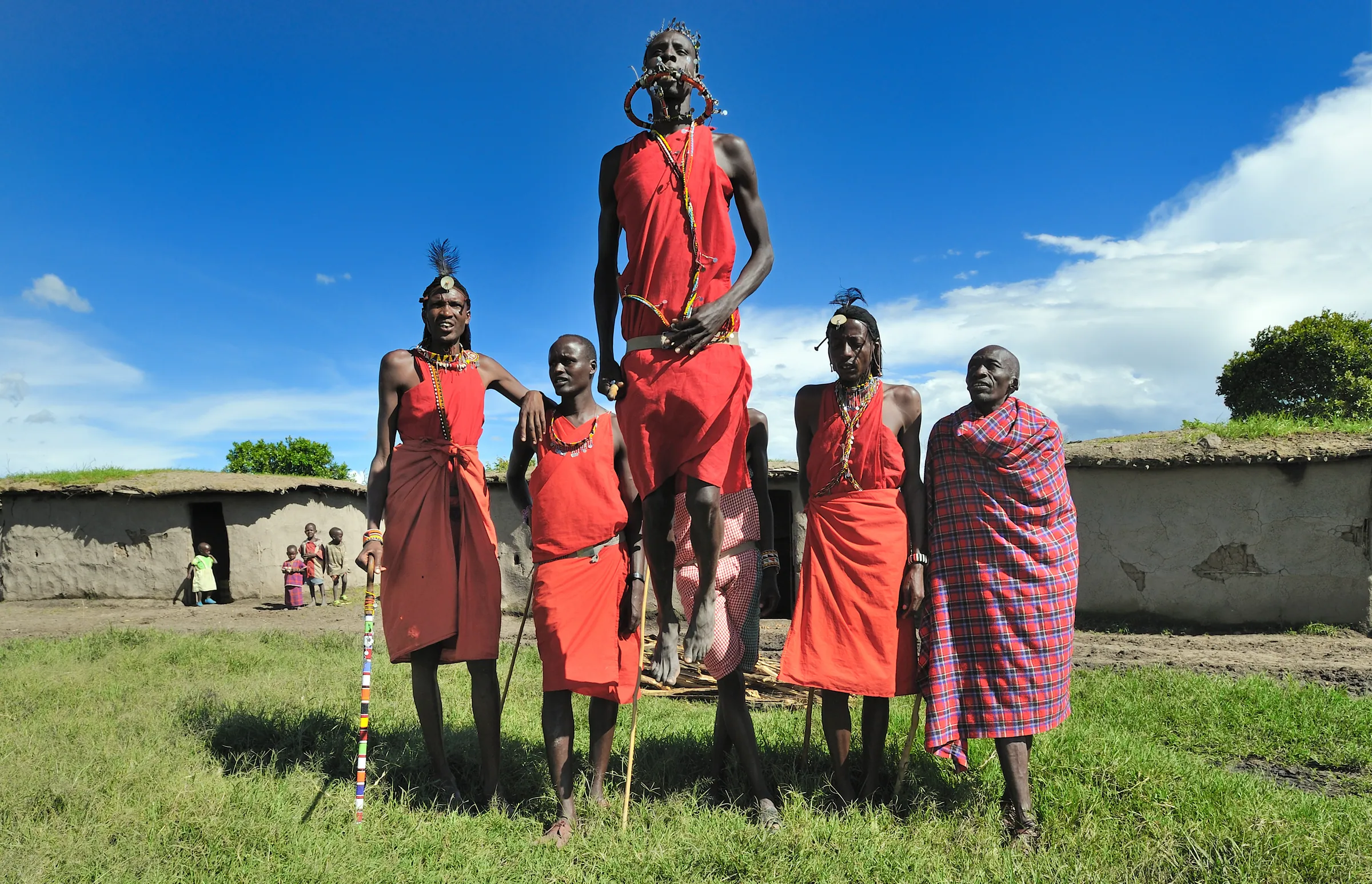
Mara North, Olare Motorogi, Naboisho, Ol Kinyei and Enonkishu are Maasai-owned land, leased by the families who own it to a small number of camps. You get vehicle limits at sightings, off-road driving, night drives and walks with Maasai guides, and the conservancy fee usually comes bundled into your nightly rate. On a river day in season, your camp can drive you into the reserve, and you pay the reserve fee for that day. Many conservancy camps have their own airstrips nearby, which makes a fly-in stay simple.
Outside the gates
Around Sekenani and Talek town are simple camps and lodges used by self-drivers, backpackers and school groups. They cost the least to sleep in, but you pay the reserve fee for each day you drive in, and you spend some of your morning at the gate. For student and church groups on a tight budget, this can be the right call. Ask us which ones we use, and we will tell you what each is like.
Camps by budget
| Camp | Area | Style | Price band | Best for |
|---|---|---|---|---|
| Basecamp Maasai Mara | Talek | Eco tented camp | Value | Budget-minded first safaris |
| Tipilikwani | Talek | Tented camp | Value | Families and groups |
| Mara Intrepids | Talek River | Tented camp | Value | Families with younger children |
| Rekero | Central reserve, where the Talek meets the Mara River | Small tented camp | Mid-range | Crossing season |
| Entim | Central reserve, Mara River | Tented camp | Mid-range | Crossing season |
| Naibor | Central reserve, Talek River | Tented camp | Mid-range | Couples |
| Ilkeliani | Central reserve, Talek River | Tented camp | Mid-range | A central base at a fair rate |
| Mara Serena | Mara Triangle | Hilltop lodge | Mid-range | The Triangle on a mid-range budget |
| Kicheche camps | Northern conservancies | Small tented camps | Mid-range | Photographers, walks |
| Porini camps | Northern conservancies | Small tented camps | Mid-range | A first conservancy stay |
| Encounter Mara | Naboisho | Tented camp | Mid-range | Walks and night drives |
| Basecamp Eagle View | Naboisho | Tented camp | Mid-range | Views and couples |
| Governors' Il Moran | Musiara, central reserve | Tented camp on the river | Top end | River crossings in comfort |
| Sand River | Central reserve | Classic tented camp | Top end | Old-style safari feel |
| Ishara | Central reserve, Talek River | Tented camp | Top end | Couples |
| Angama Mara | Mara Triangle, on the escarpment | Lodge | Top end | Views and honeymoons |
| Little Governors' | Mara Triangle, across the river | Tented camp reached by boat | Top end | A small, private feel |
| Mara Plains | Olare Motorogi | Tented camp | Top end | Photographers and couples |
| Mahali Mzuri | Olare Motorogi | Tented camp | Top end | Honeymoons |
| Olare Mara Kempinski | Olare Motorogi area | Tented camp | Top end | Hotel-style service |
| Saruni Mara | Northern conservancies | Tented camp | Top end | Walks with Maasai guides |
Who should stay where
- If it is your first safari and the budget is tight: a value camp near Talek, three nights, drive in from Nairobi. Travel January to June and the reserve fee is half the July rate
- If it is your honeymoon: a top-end camp in Olare Motorogi or Naboisho, or Angama Mara or Little Governors' in the Triangle, and fly in so you gain a day
- If you are traveling with children under 12: Mara Intrepids or a family tent in a conservancy camp. Ask about age rules for walks and night drives before you book; some camps set them
- If you have five nights or more: split your stay, two or three nights in a conservancy and two in the reserve or the Triangle for the river
Season and price
The reserve fee is $100 per non-resident adult per day from January to June and $200 from July to December, $50 for children aged 9 to 17, and free for children 8 and under, at the time of writing. The herds usually arrive from about late July and stay into October, which is also when camps fill first, so book those months six to twelve months ahead. April and May bring the long rains, lower rates and muddier roads; ask us which camps are open. Fees and rates change, so check the current figures with Narok County and the Mara Triangle, or ask us.
How many nights
Three nights is the sweet spot: enough for several dawn and late-afternoon drives, one full day out with a picnic, and a margin for weather. Two nights feels rushed after a long transfer. Four or more lets you split between a conservancy and the reserve.
Getting there
Light aircraft fly from Wilson Airport in Nairobi to the Mara airstrips, including Keekorok, Musiara, Kichwa Tembo, Olkiombo, Ngerende, Mara North and Ol Seki, in 40 to 75 minutes. Your camp decides your strip. One-way fares are commonly $200 to $250, and you are allowed about 15 kg per person in a soft bag. By road, Nairobi to the Mara is 5 to 6 hours. Flying in adds roughly $700 to $850 per person over a road trip, and gives you back most of a day each way.
What we recommend
For most American first-timers, we book three nights in a mid-range conservancy camp and fly in, with a day in the reserve if the herds are on the river. If budget matters most, we use a value camp near Talek and the road, which still puts you among the Mara's lions and cheetahs every morning. Pay in full or monthly with no deposit.