Maasai Mara. Updated November 2026. 6 min read.
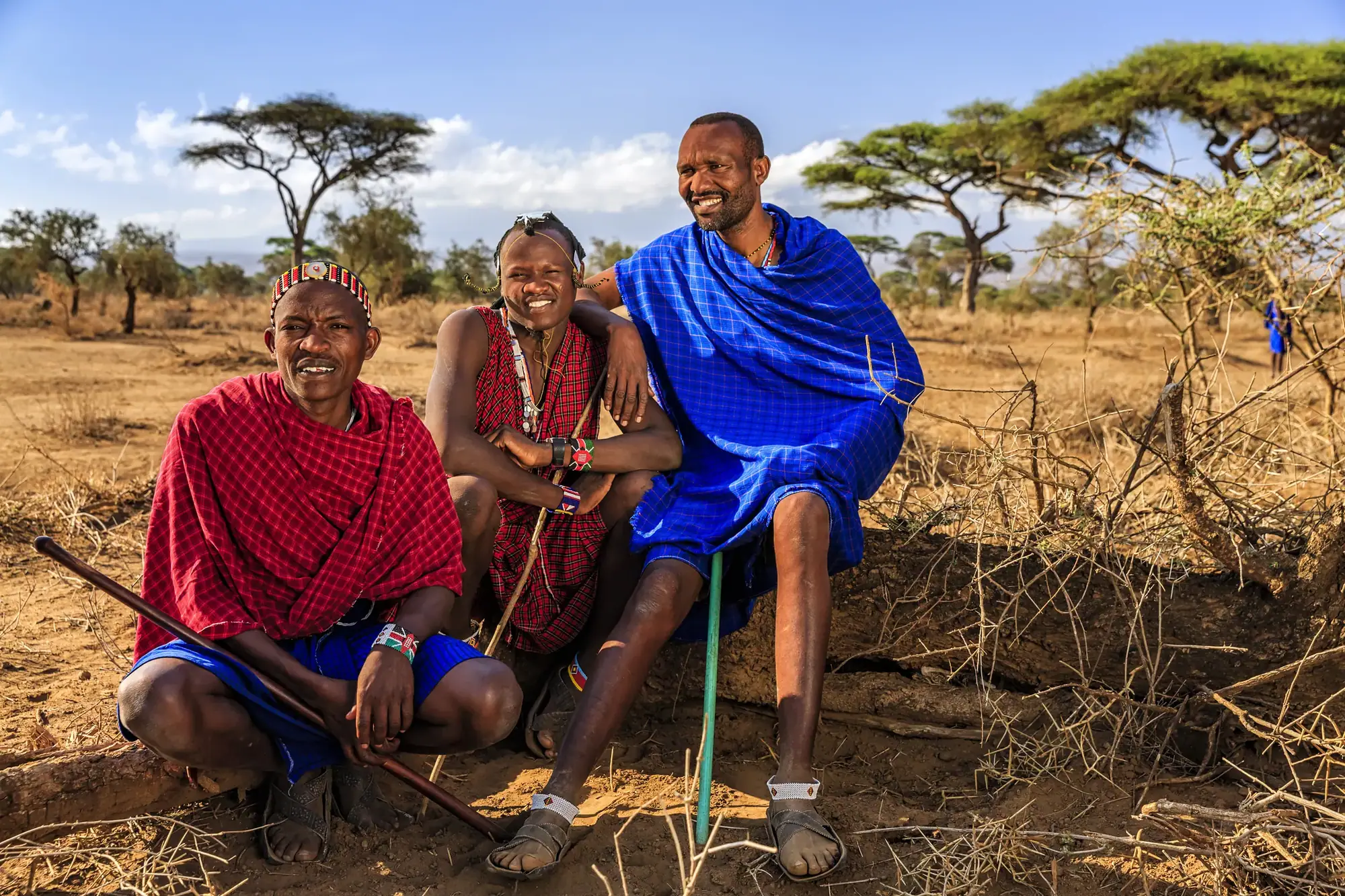
North of the reserve, Maasai families lease their land to safari camps instead of fencing it for cattle. The result is a ring of conservancies with a fifth of the vehicles, night drives, walking, and lions that have never seen a traffic jam. It costs a little more. It is the best thing that has happened to the Mara in thirty years.
A Mara conservancy is land owned by Maasai families next to the national reserve, leased as a block to a small number of safari camps. The wildlife is the same as in the reserve, because there are no fences, but the rules are different: fewer beds and vehicles, guides allowed off the track with care, and night drives and guided walks that the reserve does not permit. Conservancy fees of about $80 to $120 per adult per night are usually built into the camp rate. For most of our travelers a conservancy is the better base, with a day or two in the reserve when the river crossings are on.
How the model works
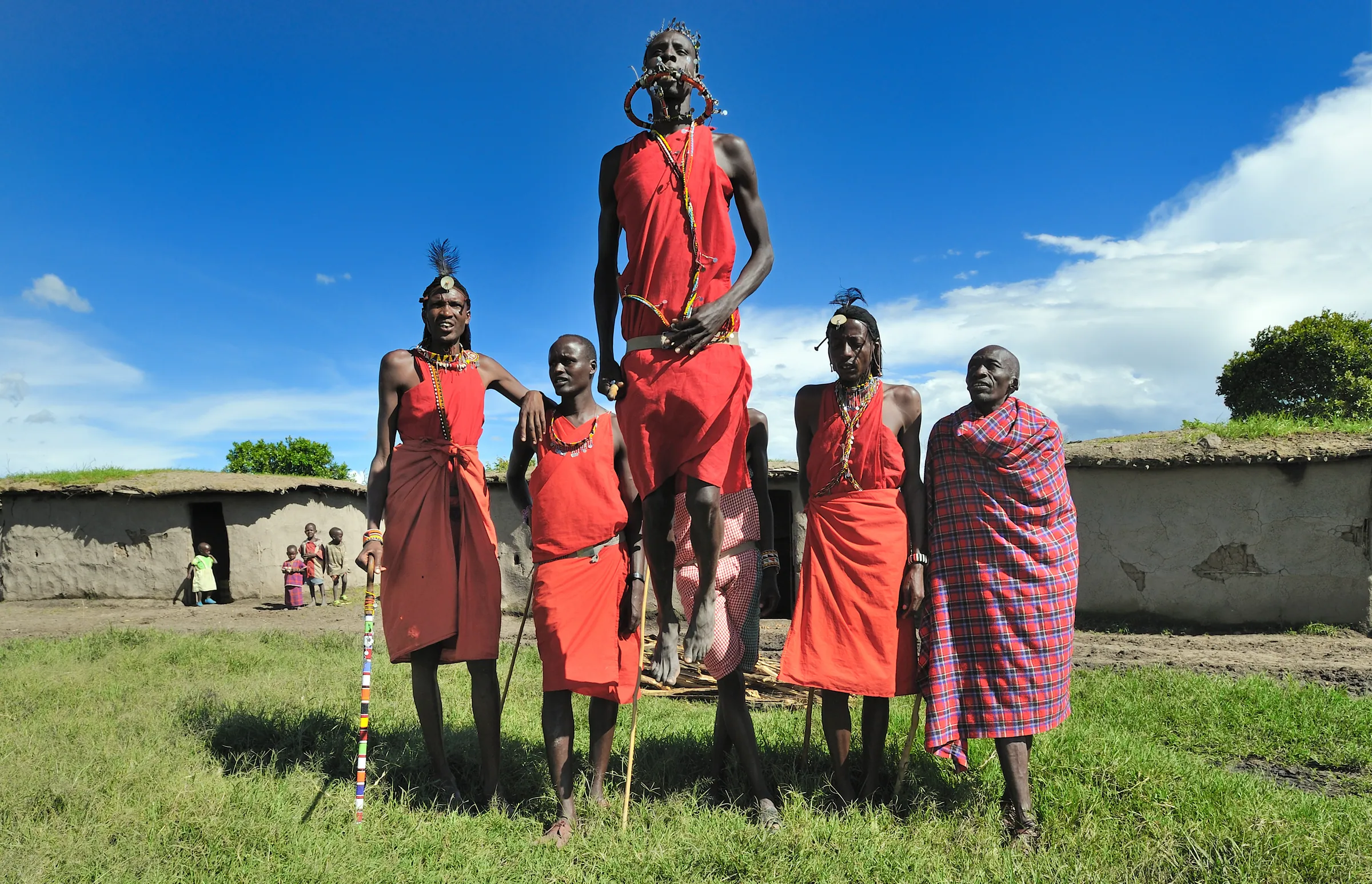
The Maasai Mara Wildlife Conservancies Association lists 24 conservancies and more than 16,000 landowners. Each conservancy is a block of private, family-owned land. Mara North has 767 landowners, Naboisho 694 and Olare Motorogi 297. The landowners lease their land to a small group of camps, which pay a monthly lease fee to each landowning family and a conservancy fee for every guest night. In return, the families agree to keep the land open for wildlife, limit settlement and manage grazing. Cattle are not banned; they graze in planned areas and seasons, so the land works for people and wildlife at once. The camps, in turn, agree to limits on beds and vehicles, so the land is not overrun. Wildlife moves freely between the reserve, the conservancies and the Serengeti.
Reserve or conservancy: the differences
| National Reserve | Conservancy | |
|---|---|---|
| Who runs it | Narok County; the Mara Triangle by the not-for-profit Mara Conservancy | Maasai landowners, with their partner camps |
| Who can enter | Anyone with a reserve ticket | Mostly guests of the member camps; day visitors are rare |
| Vehicles at a sighting | No overall cap; a big sighting can draw many vehicles in peak weeks | Usually no more than 5 |
| Off-road driving | Not allowed, apart from limited approaches in the Triangle's low-use zones | Allowed with care, under each conservancy's rules |
| Night drives | Not allowed; drives run 6am to 6pm | Allowed |
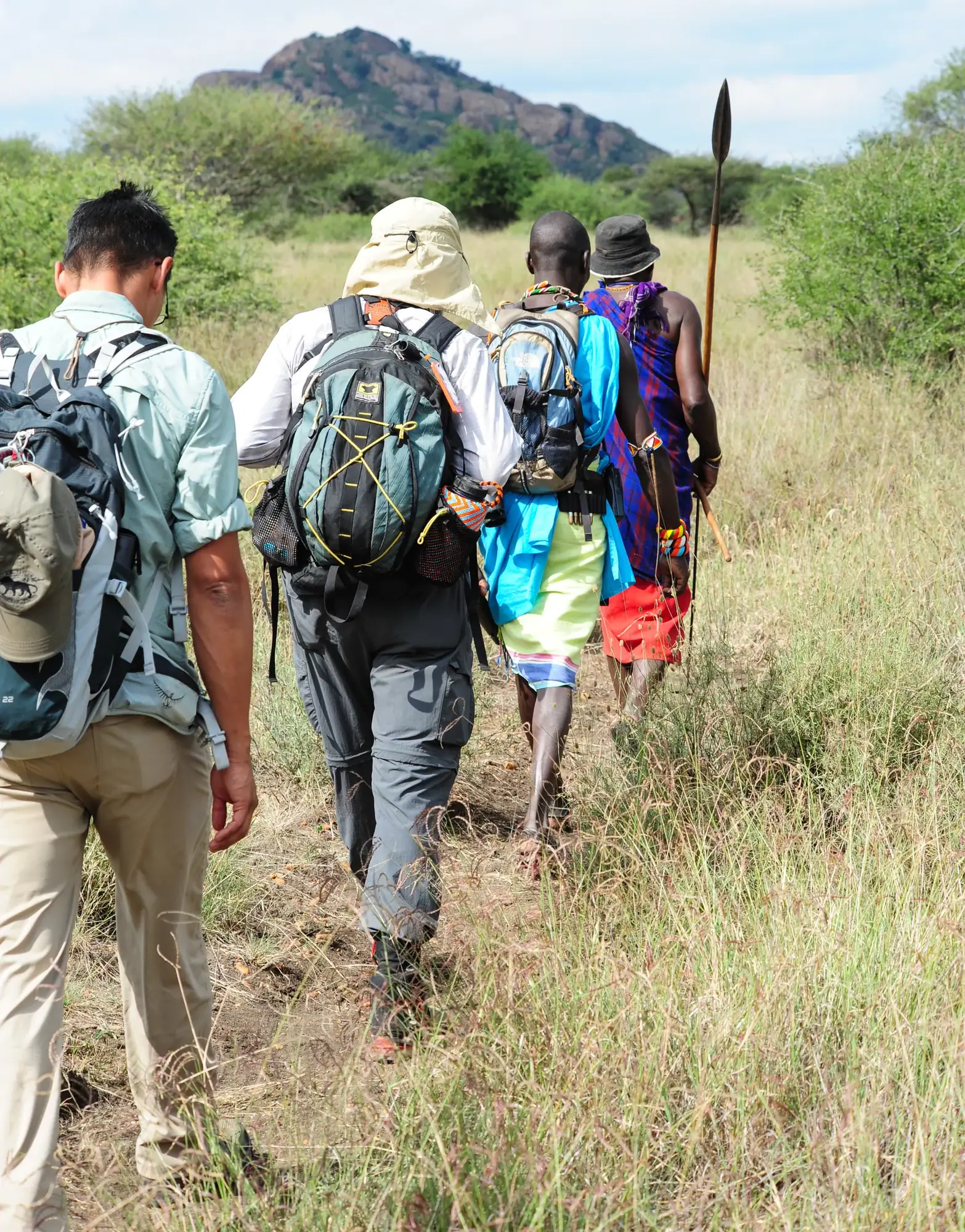
| Walking safaris | Not allowed | Allowed, with Maasai guides and rangers |
| Fees | $100 a day January to June, $200 July to December, per adult | $80 to $120 per adult per night, $45 to $75 per child, usually in the camp rate |
| Crowds | Busy around Talek and Musiara July to October | Quiet all year |
| River crossings | Most crossing points are here | A drive of up to 1 to 2 hours to the river from the northern conservancies |
Conservancy guests can still drive into the reserve on a reserve ticket, so you do not have to choose between the two. You pay the reserve fee only on the days you enter the reserve, on top of the conservancy fee for the nights you sleep in the conservancy. Our park fees page has the full fee table.
The conservancies one by one
- Mara North (28,487 ha): the biggest, north of the Musiara area and the Triangle, with camps including Kicheche Mara, Elephant Pepper, Saruni Mara, Offbeat Mara and Karen Blixen Camp. Close to the Mara River in the west
- Olare Motorogi (15,200 ha): north of the Talek River, close to the reserve, with very few camps for its size: Mara Plains, Kicheche Bush Camp, Porini Lion, Olare Mara Kempinski and Mahali Mzuri. Known for big cats
- Naboisho (22,500 ha): east of Olare Motorogi, with Basecamp Eagle View, Encounter Mara, Kicheche Valley and Asilia's Naboisho camp; open plains and some of the Mara's biggest lion prides
- Ol Kinyei (7,544 ha): to the east, with Porini Mara Camp; small, quiet and wild
- Lemek and Ol Choro Oirouwa (7,021 and 6,472 ha): north of the reserve, around the Mara Rianta area, with a handful of camps
- Enonkishu (1,624 ha): small, in the far north, with House in the Wild; a pioneer of managed grazing
- Olderkesi (3,108 ha): in the south-east by the Tanzania border, home to Cottar's
- Mara Siana and Pardamat (11,000 and 25,900 ha): newer conservancies to the east; Pardamat is almost as big as Mara North
- Nashulai (4,856 ha): near Talek, community-led, with Maasai families running the conservancy themselves
Our where to stay guide compares camps across the conservancies, the reserve and the Triangle at three price levels, and our map page shows where each conservancy lies.
The migration in the conservancies
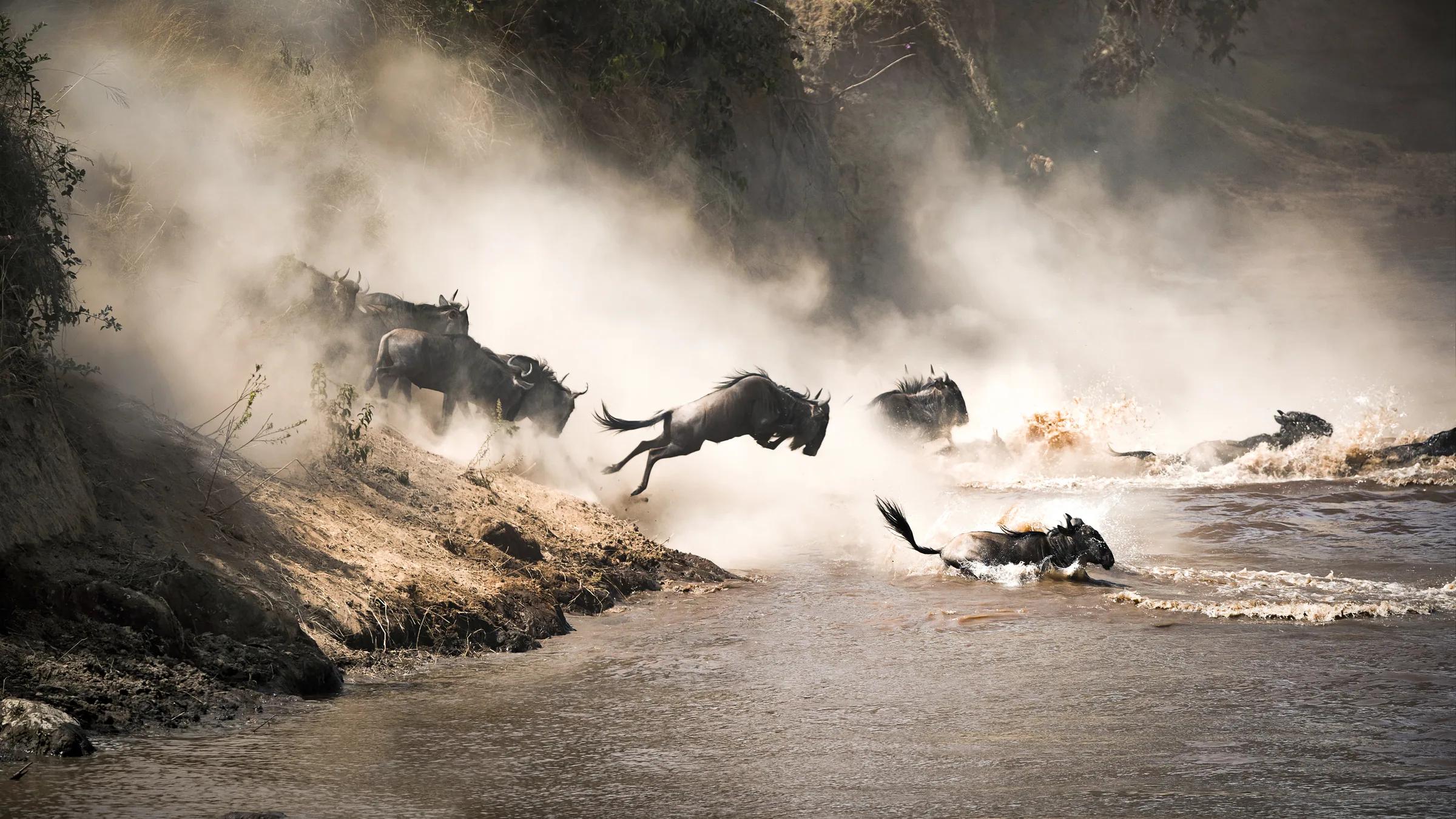
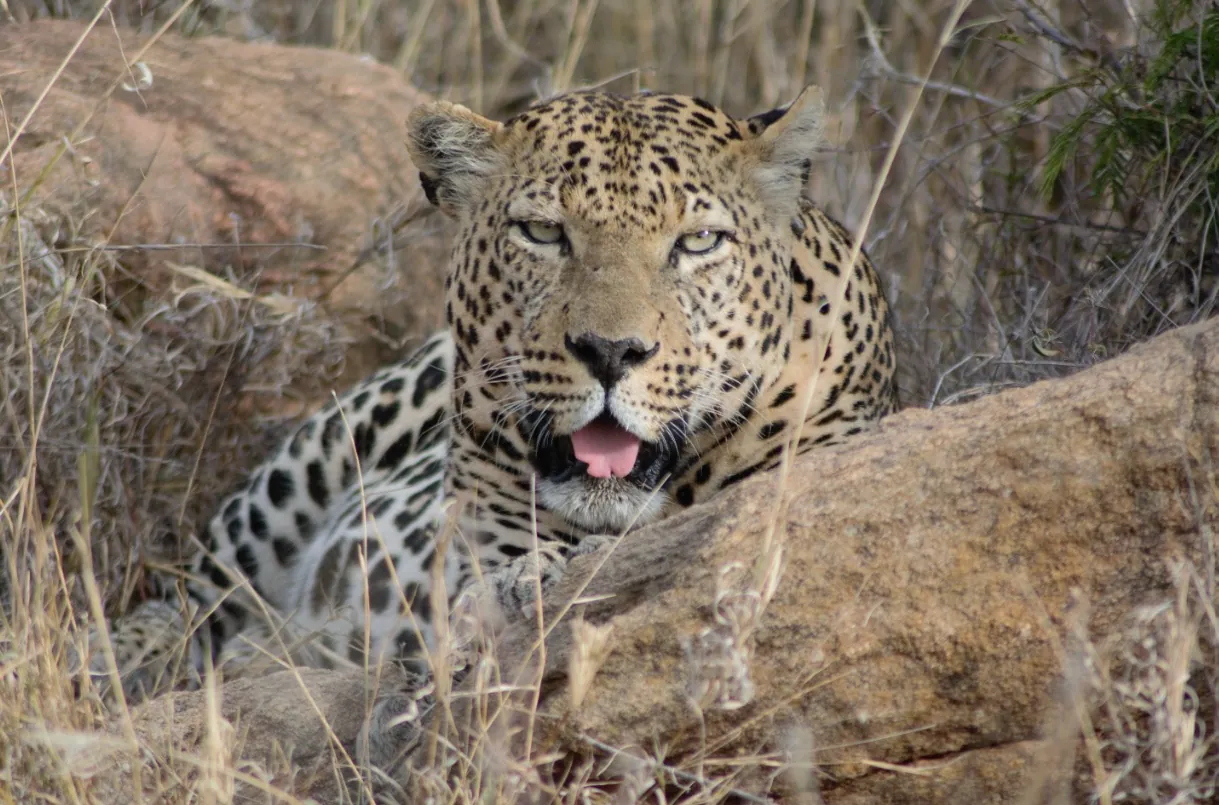
The conservancies have a migration of their own. The Loita wildebeest, a smaller herd that never goes to the Serengeti, live in the conservancies north and east of the reserve all year, which is why the plains are full even in March. In August and September, the Serengeti herds also spill north into Mara North and Olare Motorogi. The main river crossing points, though, are inside the reserve and the Triangle, so on river days conservancy guests drive in. Outside the migration season, the conservancies are excellent on their own, with resident lions, leopards, cheetahs and elephants and far fewer vehicles.
Where the money goes
This is why we care about conservancies. The lease fees go directly to the families who own the land, as regular income that does not depend on how many cattle they keep. Conservancy fees also pay for rangers, and many conservancies fund school bursaries, health projects and water. The deal is simple: wildlife is worth more to the families alive and roaming than fenced out, and the land stays open. We are glad to tell you which conservancies we use and how the fees reach families there; ask us when you plan, and see our sustainable travel page for how we choose camps.
The honest downsides
- Price: conservancy camps are small and few, so they cost more than reserve lodges, especially from July to October
- Size: some conservancies are much smaller than the reserve, so a long stay can feel familiar
- Distance: the northern conservancies can be a 1 to 2 hour drive from the river crossings
- Labels: a few camps use the word conservancy without being members of one. Check the camp's conservancy against the Maasai Mara Wildlife Conservancies Association's list
Our picks by traveler
- First safari in migration season: Mara North or Olare Motorogi, close enough to the river for crossing days, with one or two full days in the reserve
- Honeymooners and couples: Olare Motorogi or Naboisho, small camps and private dinners in the bush
- Families with older children: a conservancy that offers walking and night drives; walking safaris usually have minimum ages set by each camp
- Photographers: Olare Motorogi or Naboisho, where off-road approaches and vehicle limits make the difference
- Repeat visitors and anyone who hates crowds: Ol Kinyei, Enonkishu or Olderkesi
- Budget-minded travelers: the reserve, or a split stay with fewer conservancy nights
How to combine them
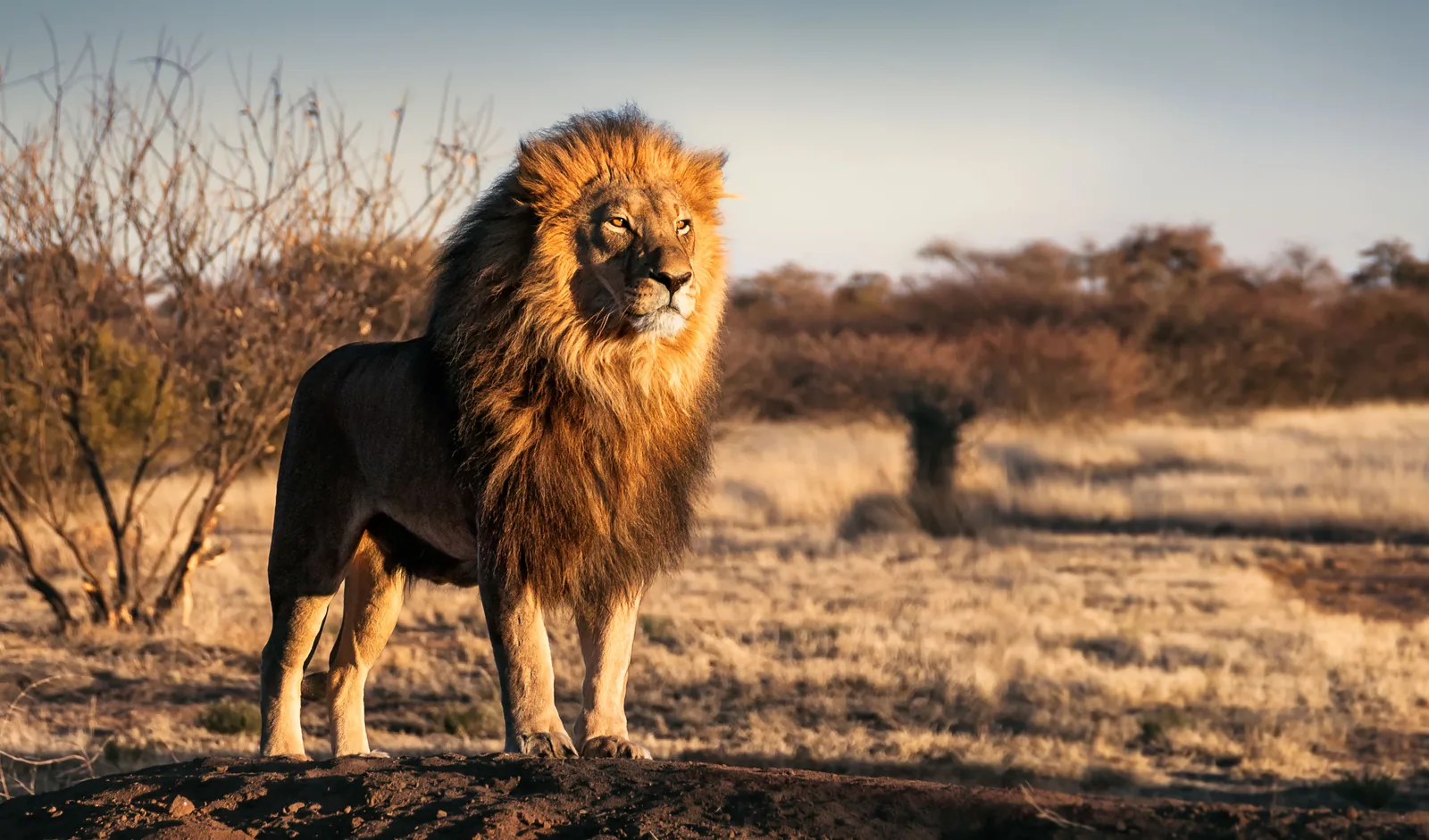
Our favorite plan in migration season is three or four nights in a conservancy, with one or two full days in the reserve for the river. Outside migration season, a conservancy alone can be ideal. If you stay in or near the reserve, ask about a guided walk or a visit to a Maasai village on community land outside the boundary. Fly from Nairobi to a conservancy airstrip, or drive in through the Rift Valley; our getting there page covers both.