Maasai Mara. Updated November 2026. 6 min read.
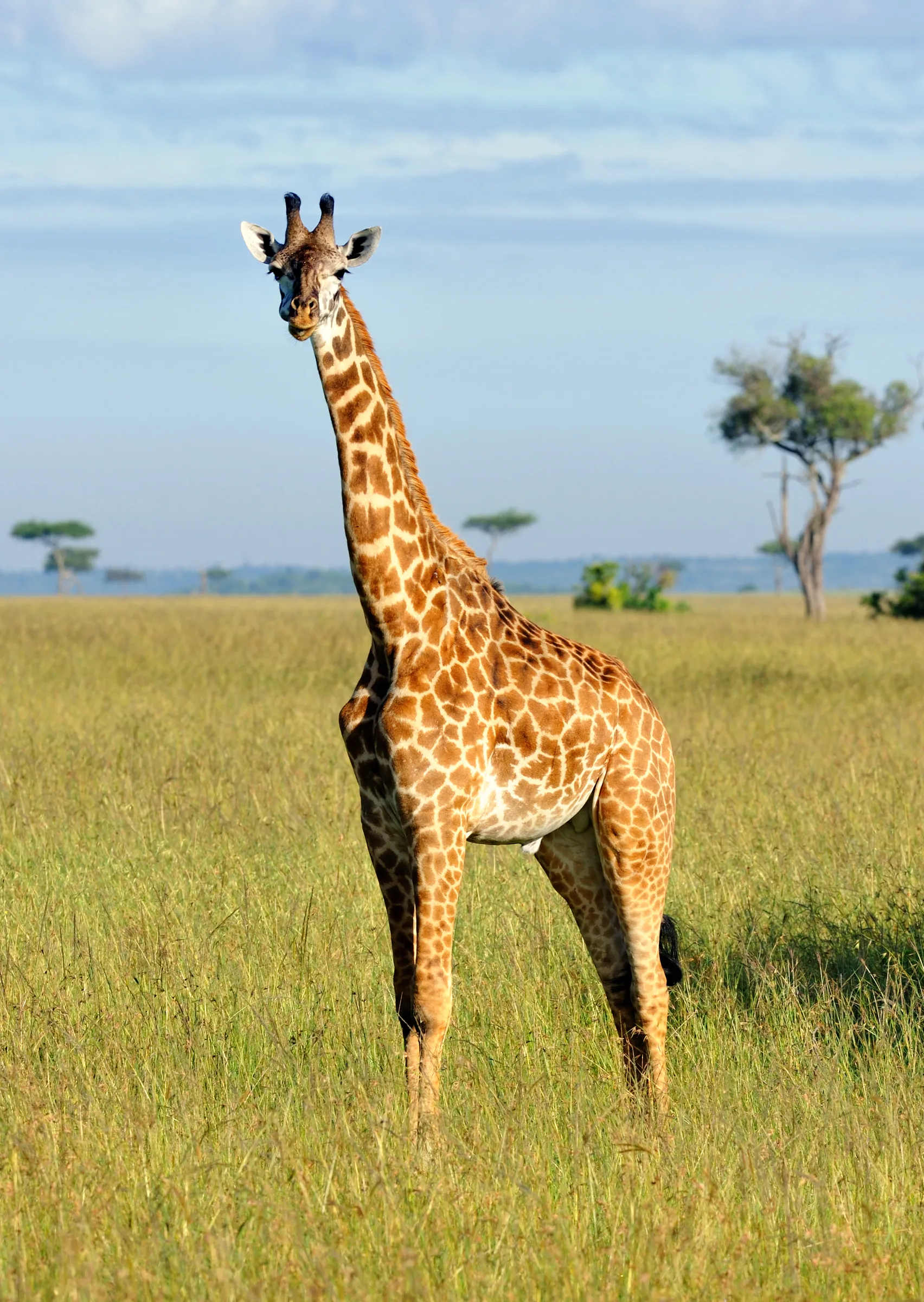
The drive to the Mara is the first game drive. You drop off the edge of the Rift Valley at Mai Mahiu, pass Mount Longonot and Suswa, buy Maasai honey in Narok, and spot your first giraffe an hour before the gate.
From Nairobi to the Maasai Mara is 225 to 275 km by road, depending on which gate you use, and takes about 5.5 to 6.5 hours including a lunch or coffee stop in Narok. The route is the A104 to Limuru, the B3 down the escarpment and across the Rift Valley to Narok, then the C12 south to Sekenani Gate or the C13 west toward the Mara Triangle. Leave by 7am to beat the traffic and arrive with time for an afternoon drive; leave no later than 9am, because the gates close at 6pm and you do not want to drive the last stretch in the dark. Here is the drive, kilometre by kilometre, with the stops we actually make.
The route, leg by leg
| Leg | Road | Distance | Running total | Time | Notes |
|---|---|---|---|---|---|
| Nairobi to Limuru junction | A104 | 30 km | 30 km | 45 to 60 min | Leave by 7am to beat traffic; from Karen, use the Southern Bypass |
| Limuru to Mai Mahiu | B3 escarpment road | 25 km | 55 km | About 40 min | The Rift Valley viewpoint, then the Italian prisoners' chapel of 1942 at the foot |
| Mai Mahiu to Narok | B3 | 90 km | 145 km | About 1 hr 30 | Longonot and Suswa in view; then wheat fields and Maasai plains |
| Narok | Stop | About 30 min | Fuel, washrooms, lunch; the last ATM and pharmacy | ||
| Narok to Sekenani Gate | C12, tarmac then gravel | 90 km | 235 km | 1 hr 45 to 2 hr | Tarmac to around Ewaso Ngiro, then rougher; 4x4 after rain |
| Narok to Oloololo Gate (Triangle) | C13 | 120 km | 265 km | About 2 hr 30 | Rougher; 4x4 recommended |
Kilometre 0 to 55: out of Nairobi and down the escarpment
The first 30 km are the slowest. The A104 north-west out of the city is busy with lorries and commuters from early morning, which is why we leave by 7am. If you are staying in Karen or near Wilson Airport, the Southern Bypass gets you onto the road without crossing the city. At the Limuru junction, around kilometre 30, the route turns onto the B3, the old escarpment road.
A few kilometres on, the land falls away. The viewpoints on the edge of the Rift Valley look out across the valley floor to Mount Longonot, and on a clear morning you can see a long way into the valley. There are curio stalls at the main viewpoint; it is a good leg-stretch, and the first photograph of the trip. The road then winds down the wall of the valley. At the bottom, before Mai Mahiu, look for the tiny chapel built in 1942 by Italian prisoners of war, who also built this stretch of road. It takes five minutes and most people are glad they stopped.
Kilometre 55 to 145: across the Rift Valley to Narok
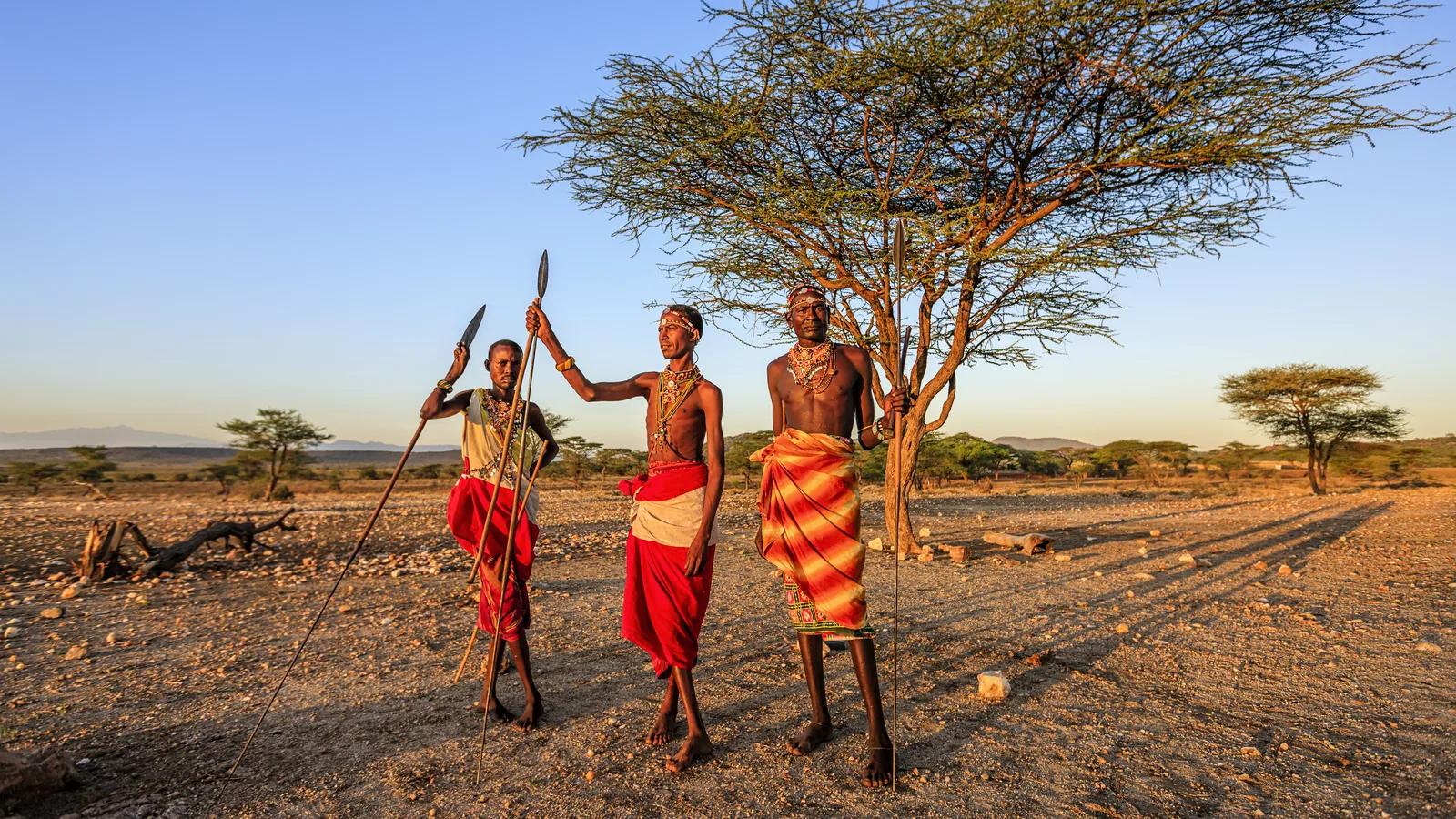
Mai Mahiu, around kilometre 55, is a busy truck stop. From here the B3 runs west across the valley floor. Mount Longonot and Mount Suswa, two volcanoes on the Rift Valley floor, are in view for much of the next hour. The land climbs slowly out of the valley into wheat country and then the open plains of Maasai land, with herders and cattle beside the road. Watch for speed bumps through every village; they are often unmarked.
Narok, at about kilometre 145, is the county headquarters and the last town of any size. We stop here for about 30 minutes: fuel, clean washrooms, coffee or lunch, and the last ATM and pharmacy before the Mara. Narok is also where to buy Maasai honey, sold in jars and bottles along the main road. Expect police checks on the approach to Narok; they are routine, and a properly licensed safari vehicle passes quickly.
Kilometre 145 to the gate: the last stretch
After Narok the route splits. The C12 to Sekenani Gate, about 90 km, is the easier road and the one most safaris use: tarmac to around Ewaso Ngiro, then sections of gravel and rough road that are corrugated and dusty in the dry season and slippery after rain. Allow 1 hour 45 minutes to 2 hours. The same road serves the Talek and Oloolaimutia gates. The C13 heads west toward Musiara and Oloololo, the gate for the Mara Triangle: about 120 km and 2 hours 30 minutes from Narok, rougher, and a road where we always want a 4x4.
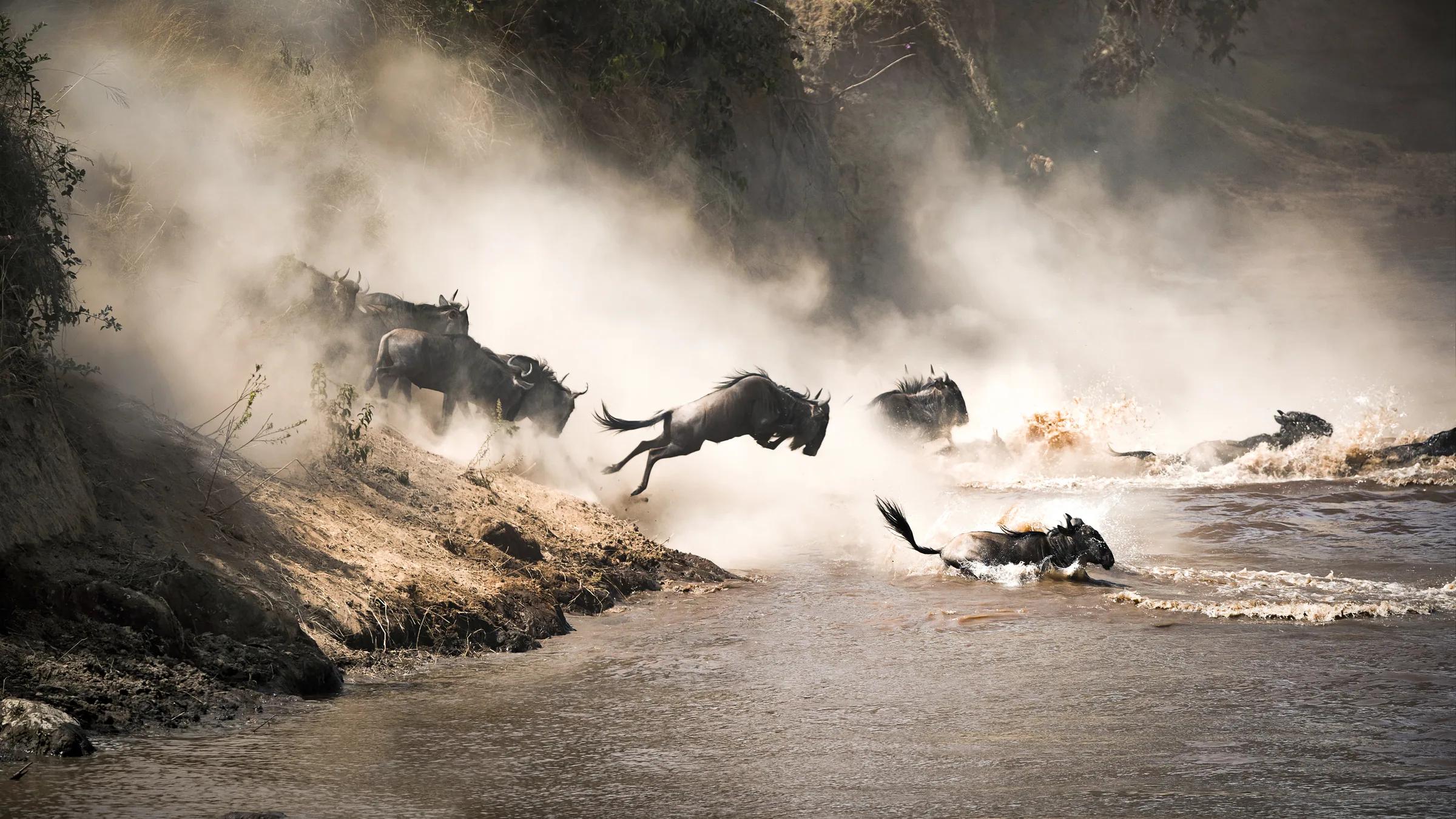
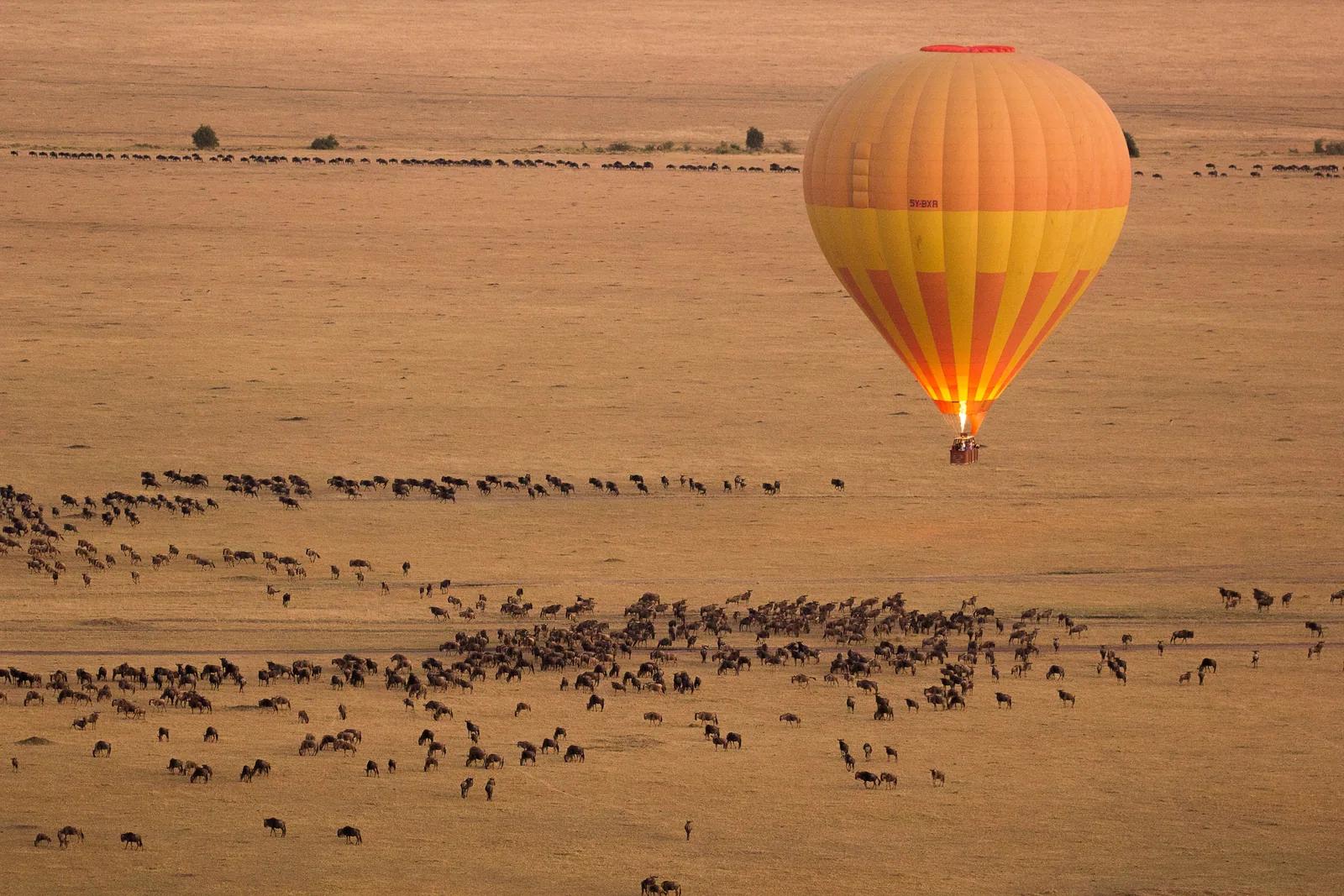
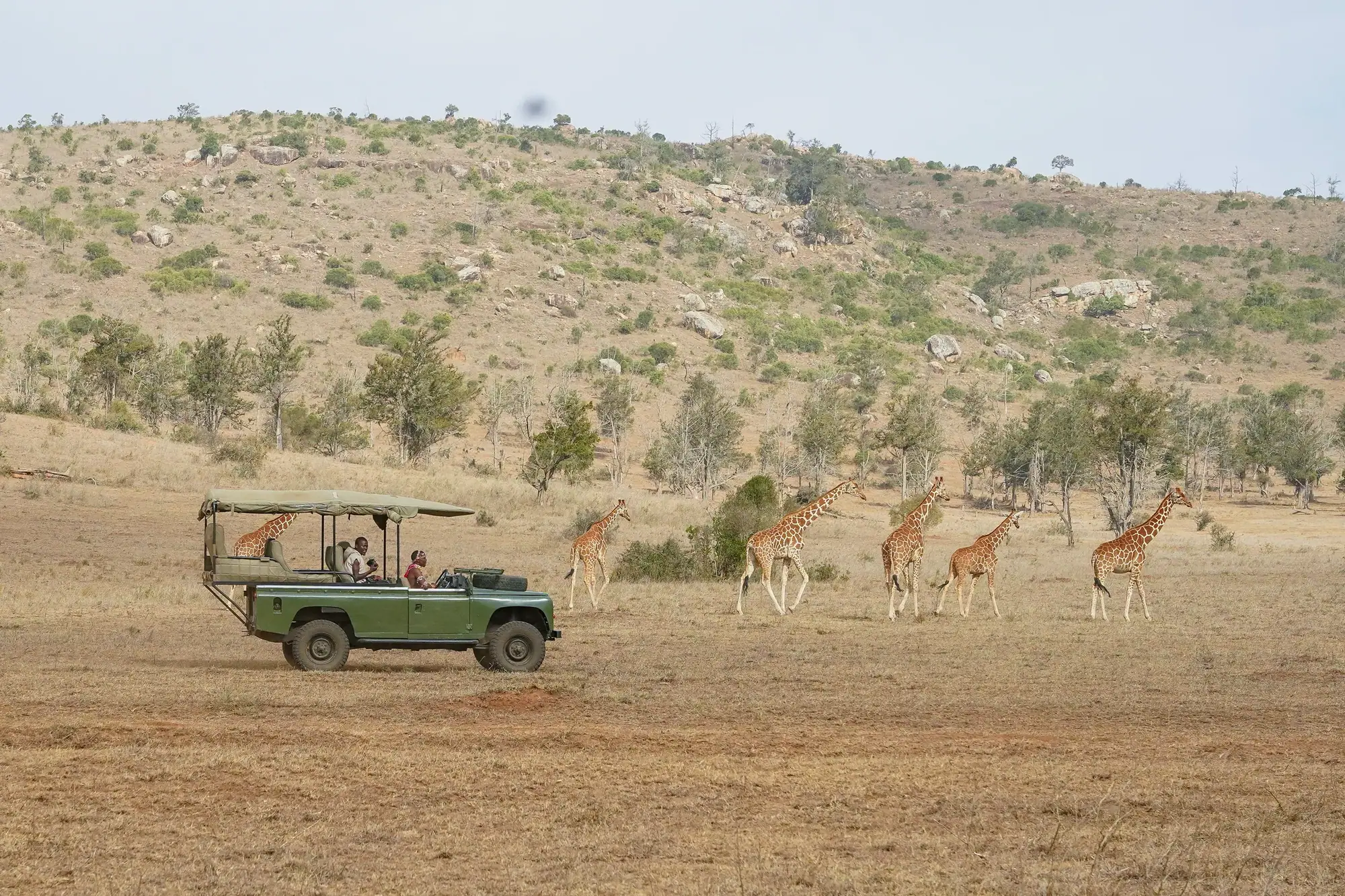
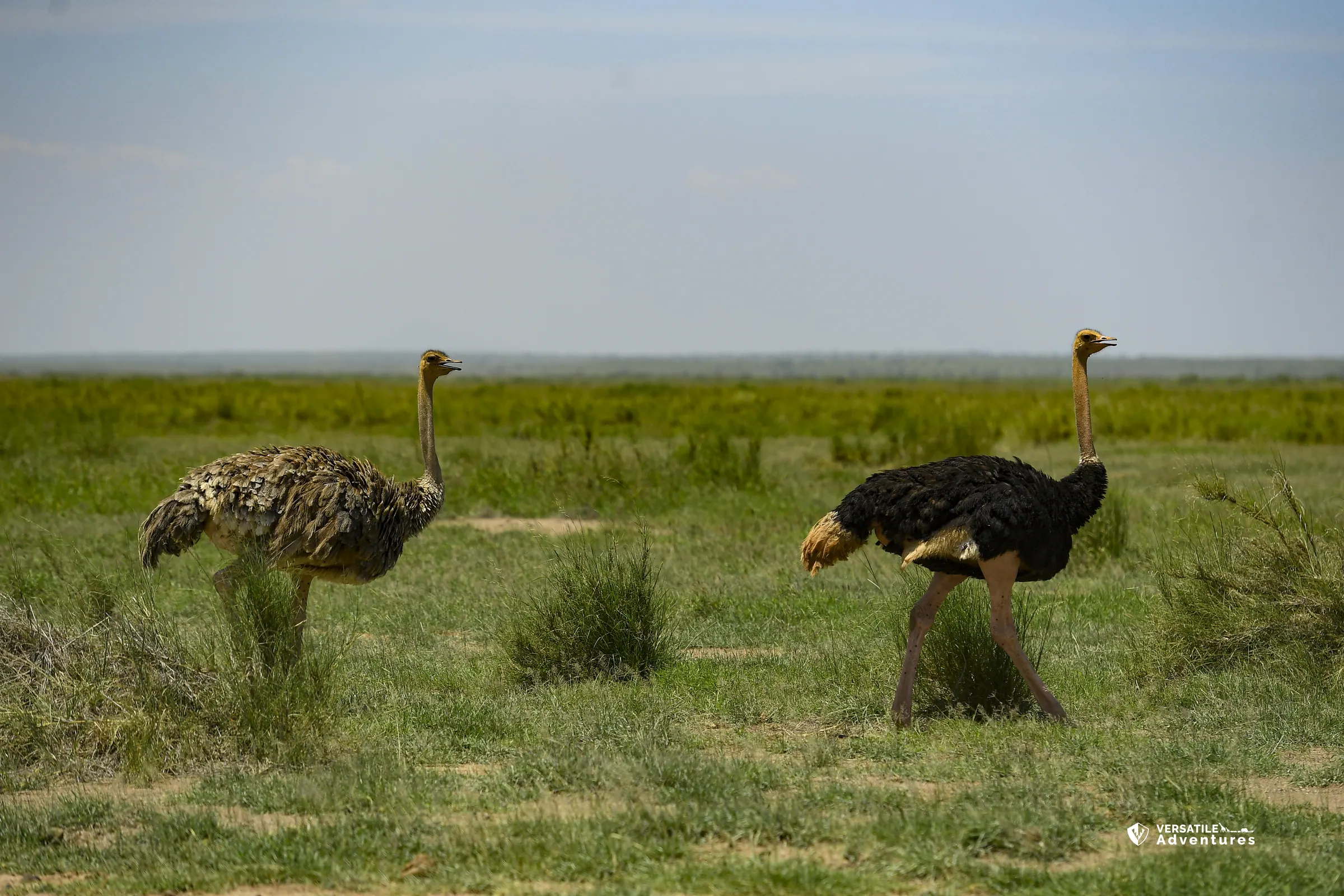
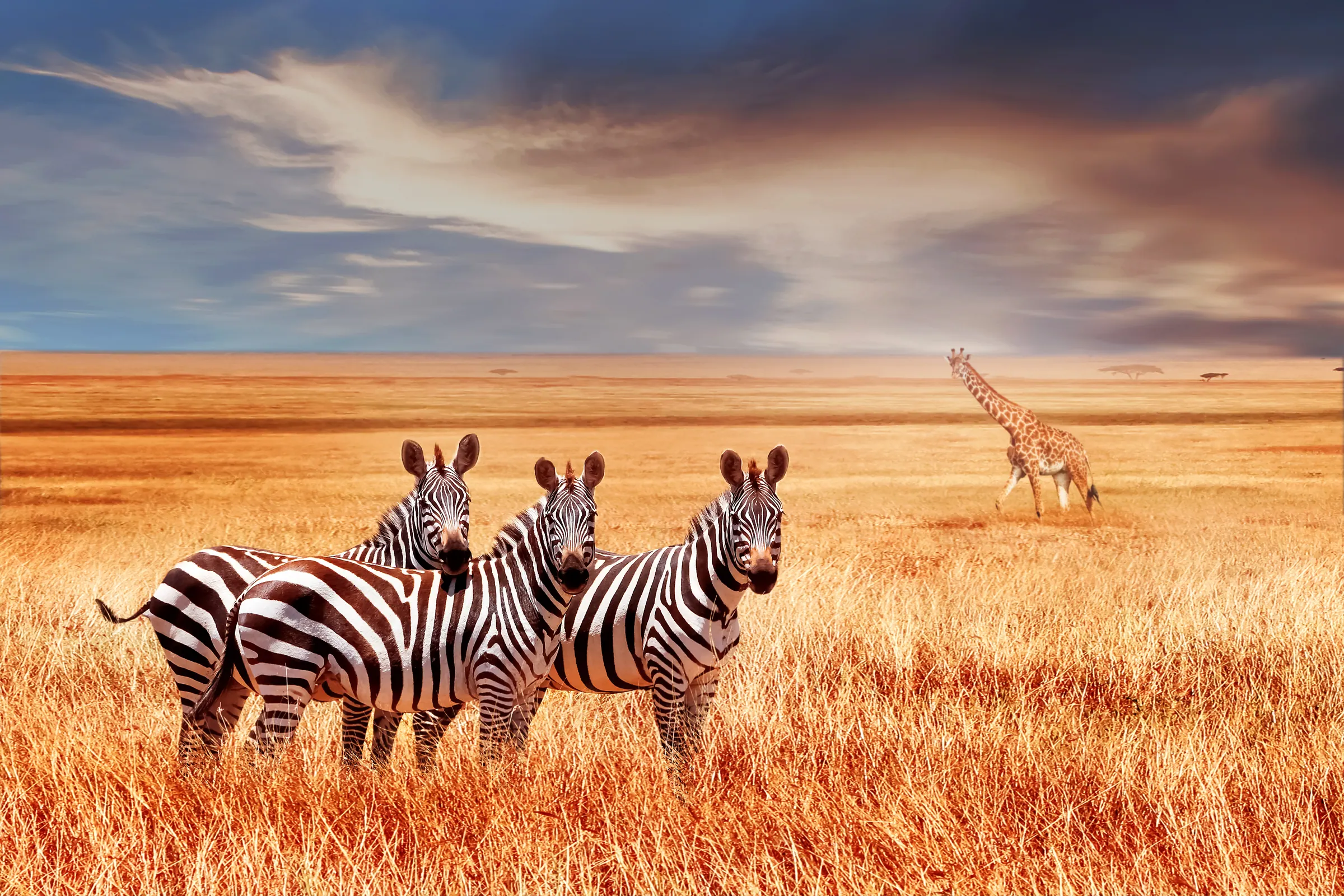
This is where the drive turns into a game drive. Before the gates, the road crosses conservancy and community land with no fences, and it is common to see giraffe, zebra, gazelle, ostrich and wildebeest an hour before you reach the reserve. Keep the camera out of the bag.
Road conditions by season
- Dry season, June to October and January to March: the gravel is corrugated and dusty; slow going but reliable. Keep windows closed in convoys and bring a scarf
- Long rains, April and May: the gravel sections turn to mud and some stretches can become hard work even for a 4x4. Allow extra time and leave early
- Short rains, November: afternoon storms can soften the road quickly; travel in the morning
- All year: speed bumps through every village, livestock on the road, and police checks near Narok. Night driving is not advised at any time of year
Self-drive checklist
Self-driving to the Mara is possible, and the Sekenani route is the easy one. Our driving in Kenya page covers licences, insurance and the rules of the road. For the Mara specifically:
- A 4x4 with good ground clearance, not a saloon car
- Two spare tyres, a jack that works and the tools to use it
- A full tank at Narok; fuel beyond it is scarce and expensive
- Payment for the per-person reserve fee and the vehicle fee: Narok County's gates take cash and cards, while the Mara Triangle's gates are cashless; see our park fees page
- Offline maps downloaded before you leave, since signal fades beyond Narok
- Arrive at the gate before about 5pm, so you reach your camp in daylight
- Inside the reserve, stay on the tracks and keep to the speed limits; off-road driving is fined
Shared shuttles and public transport
Budget operators run daily shared vans from Nairobi to Mara camps, at the time of writing for roughly $30 to $50 a seat; ask the operator what is included and where they drop you. Matatus, Kenya's shared minibuses, run from Nairobi to Narok, and with a change on to Sekenani, which is cheap but slow and leaves you at the gate without a vehicle for game drives.
Our driver-guide option
The real advantage of going by road is that the vehicle and guide who drive you in stay with you for every game drive and drive you out again. You set the pace, stop when you want, and spend a whole morning at a river crossing if you choose. Our private versus shared safari guide does the math, and our fly-in versus road guide weighs the day you spend on the road against the cost of flying. Our 5-day and 7-day itineraries show the road version and the fly-in option side by side.
The return
The drive back from the Mara to Nairobi takes 5 to 6 hours. If you have an evening international flight from JKIA, leave the Mara by 9am, which still allows a short dawn drive on the way out of the reserve, and lunch in Narok. Remember that a reserve ticket runs from 6am to 6pm, so plan your exit with your guide. If the return drive feels like too much, fly back to Wilson: drive in, fly out is our favorite combination.