Coming soon
Tea, coffee, flowers and food heritage, from the farm to the table.
- Food & drink travelers
- Agricultural delegations
- Cooperatives & buyers
Coming soon
Tea, coffee, flowers and food heritage, from the farm to the table.
Food lovers, agricultural groups, cooperatives and buyers.
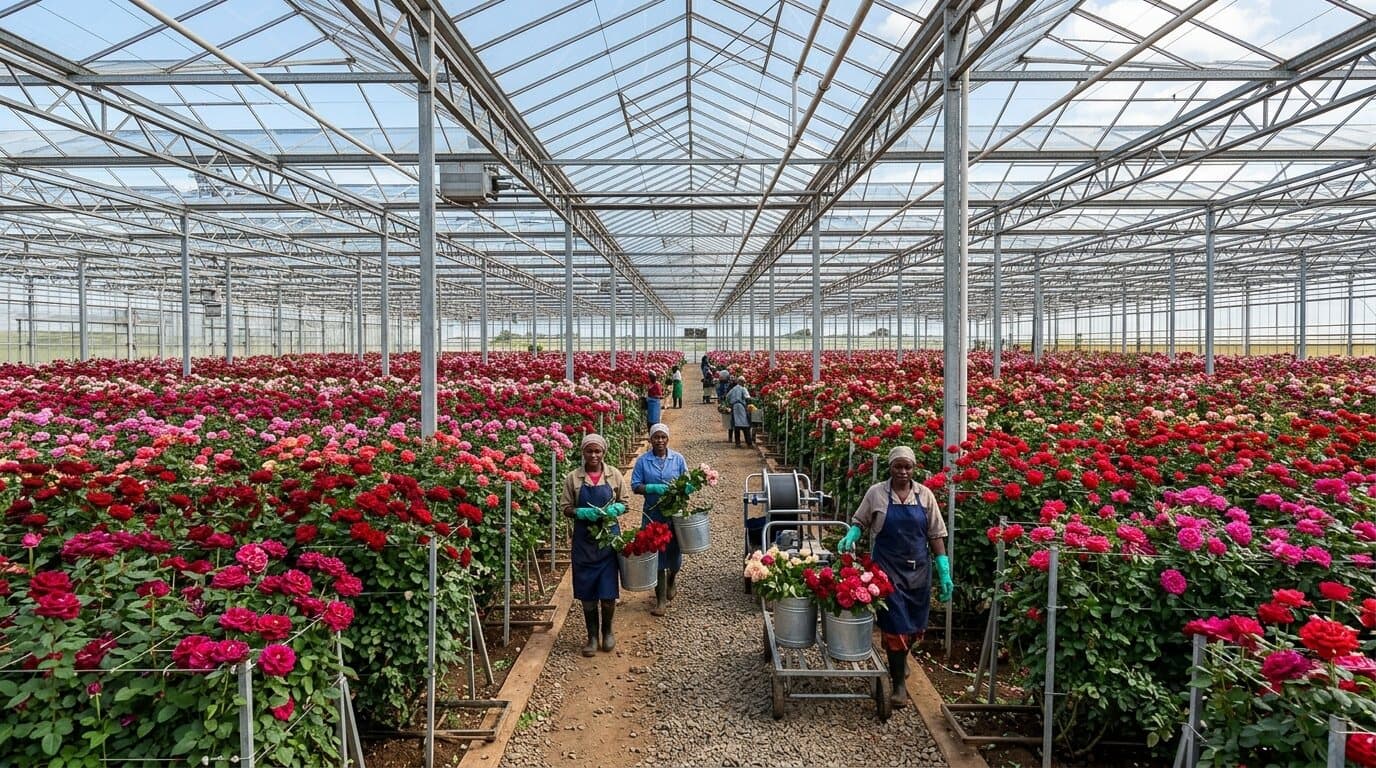
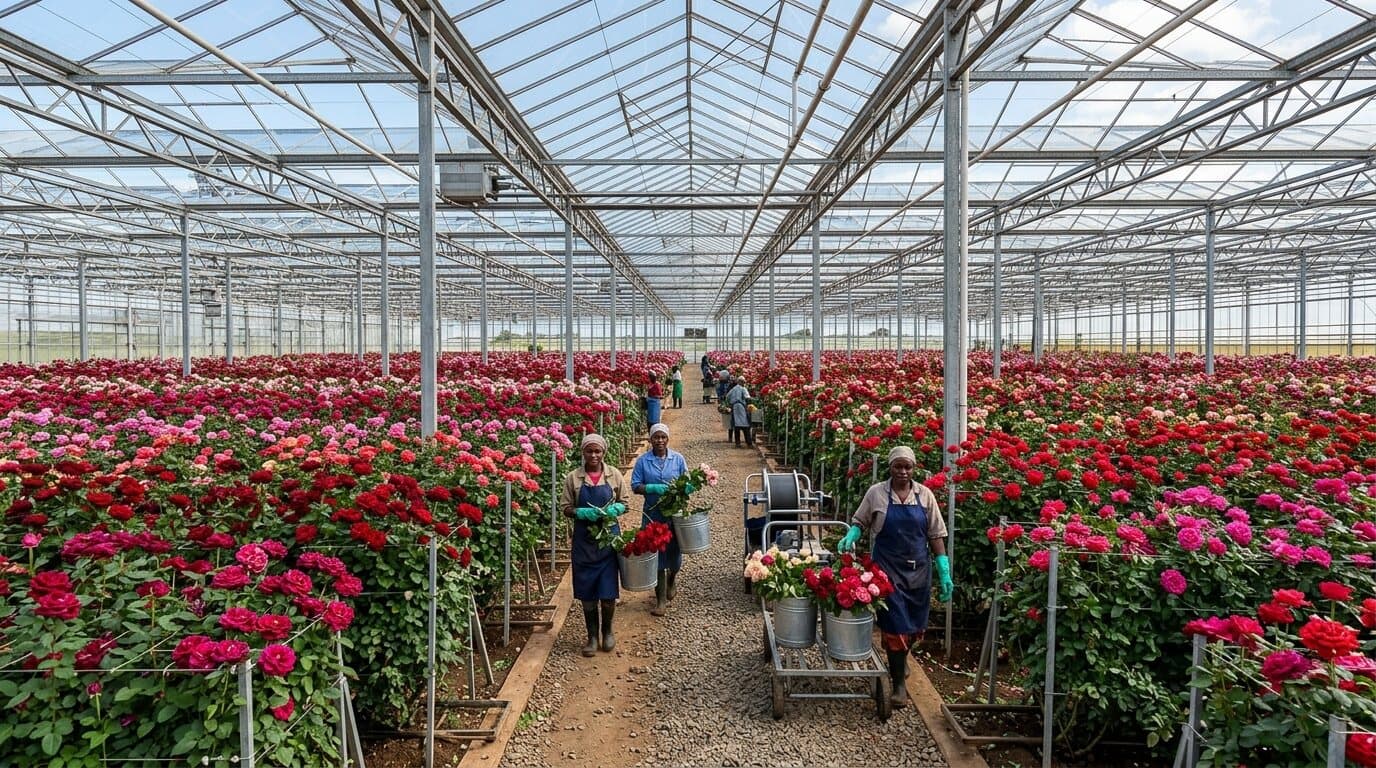
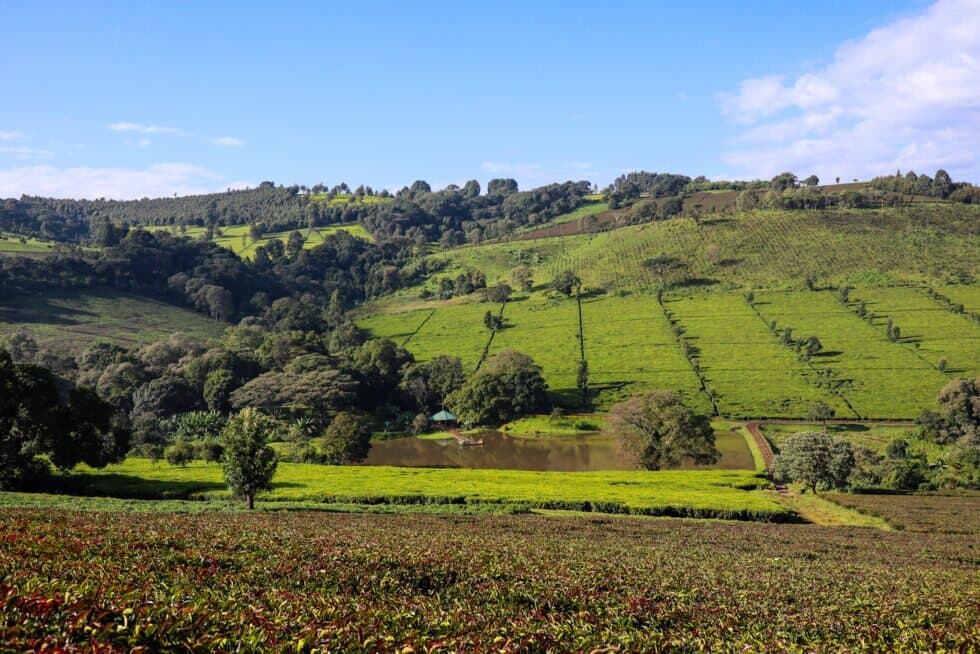
Tea & Coffee Country (6 days): Kericho tea estates, Nyeri coffee farms, a cupping session with growers. Naivasha Flower Farms (3 days): Behind the scenes of the world's flower supply. Every itinerary is a starting point, adjusted to your dates, group and budget.
Year-round. Harvest visits by arrangement.
Farming is Kenya's largest economic sector and the work of most rural families, which makes a farm visit one of the most honest ways to understand the country. Kenya is the world's leading exporter of black tea, and it supplies more roses to the European Union than any other country. Its coffee is famous because of SL28 and SL34, varieties selected at Scott Agricultural Laboratories in the 1930s, and the Nairobi Coffee Exchange still sells much of the crop at weekly auctions during the season. The farms are close to the parks, so a farm day slips easily into a safari.
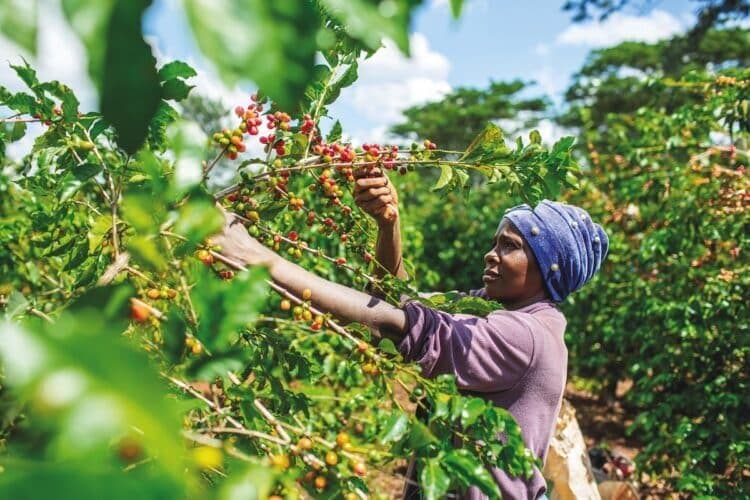
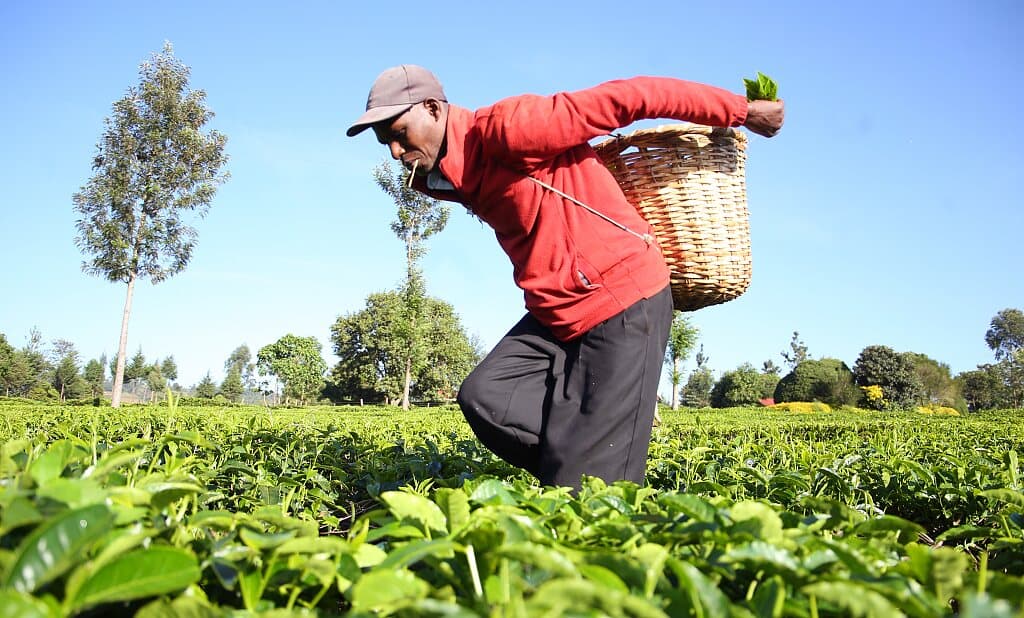
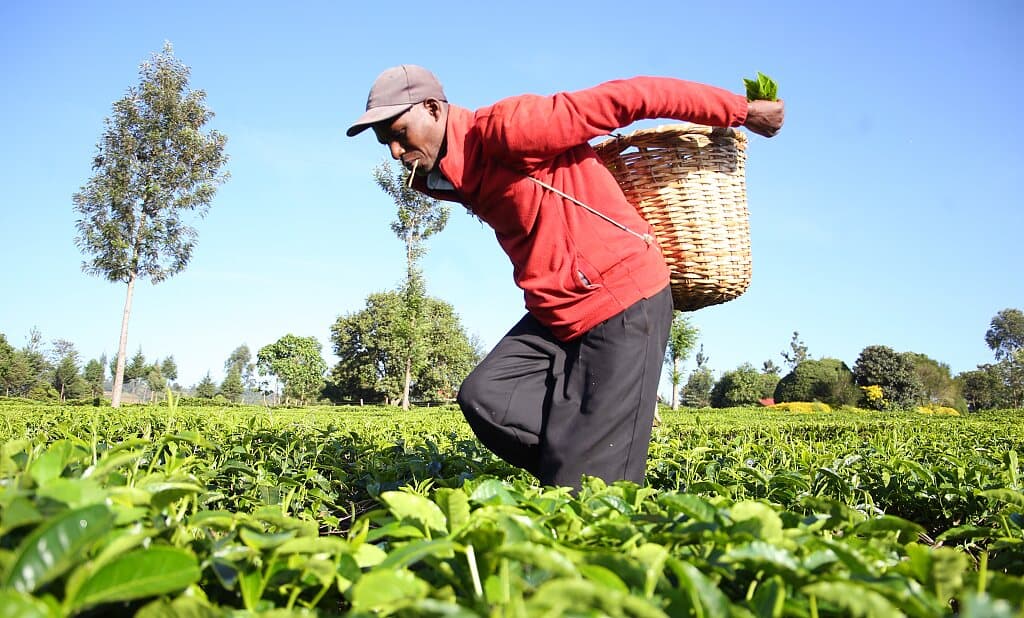
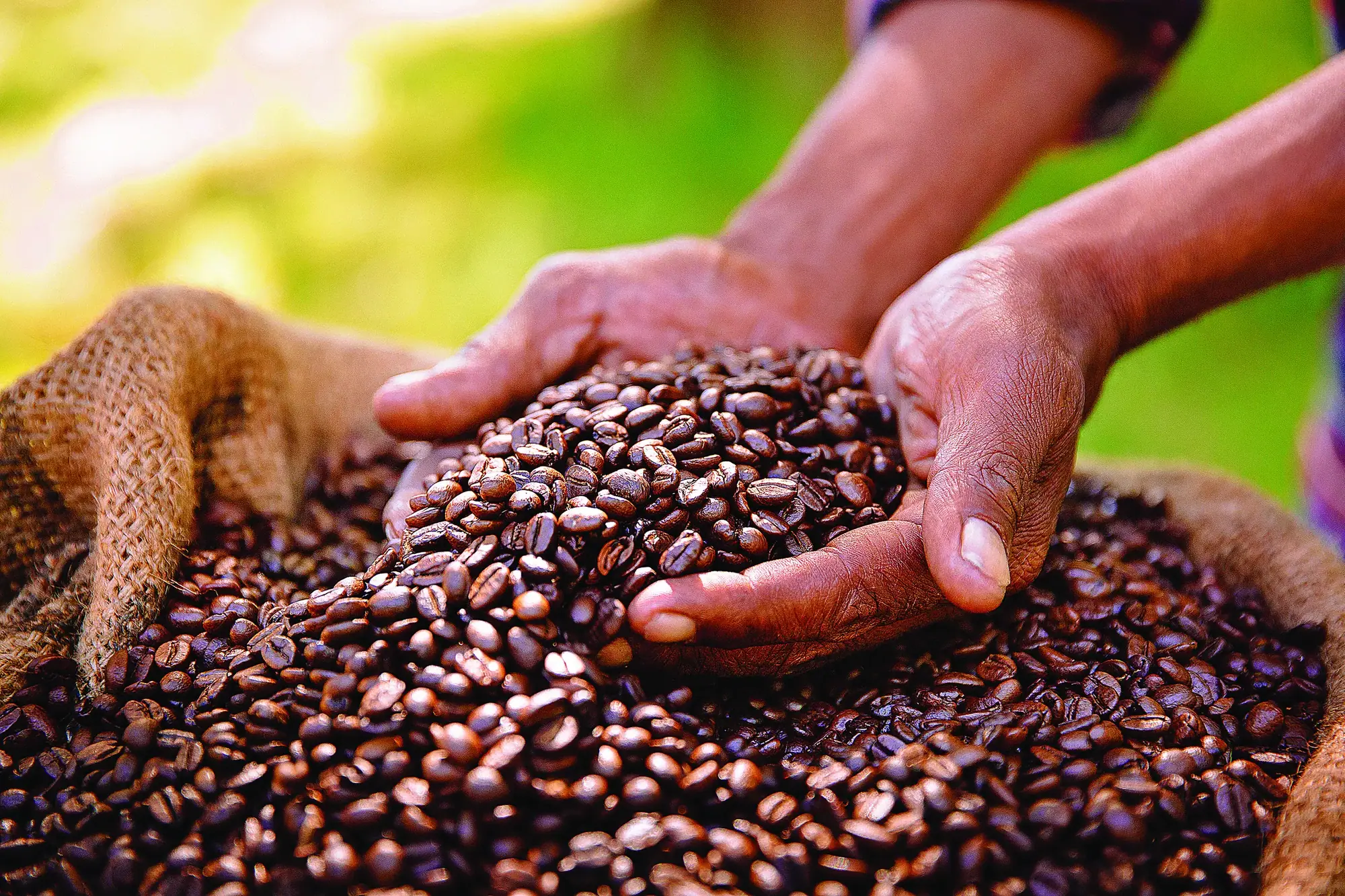
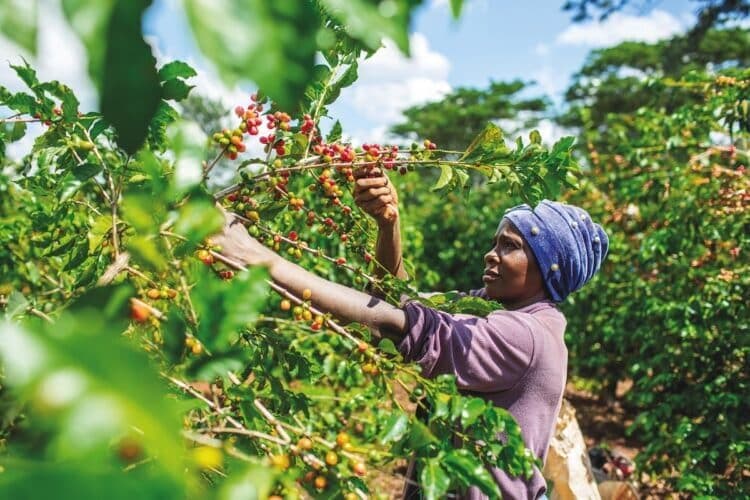
A half-day visit suits most travelers. At a tea estate you walk the rows, learn to pick two leaves and a bud, then follow the leaf through withering and the crush, tear and curl process most Kenyan tea goes through. At a coffee farm you follow ripe cherry through pulping, fermenting, washing and drying on raised beds, then taste at a cupping table. Professional groups can go further over several days, meeting cooperatives, research stations, agritech startups, county markets and exporters.
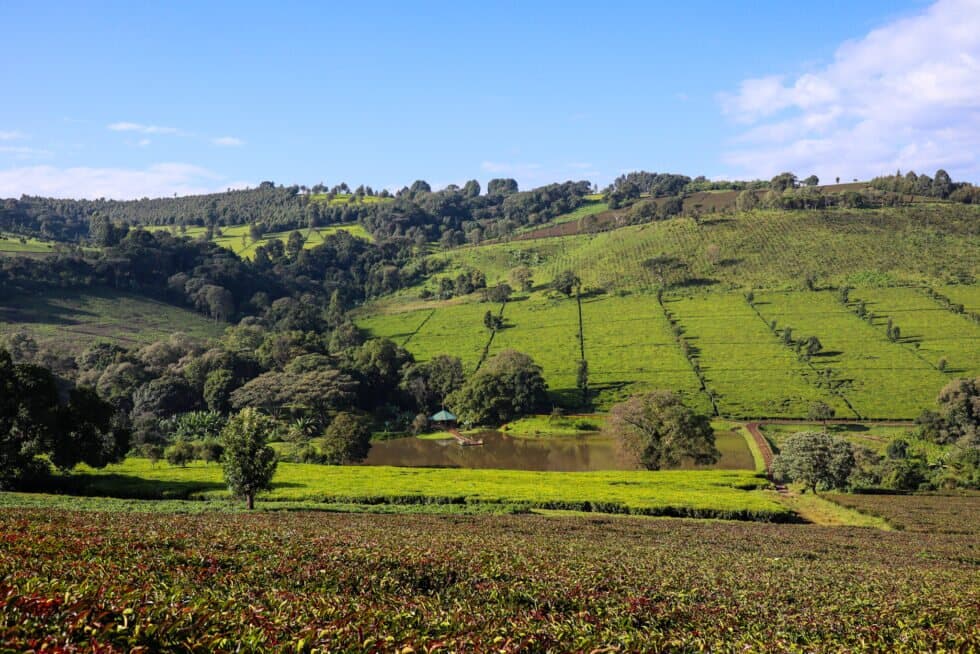
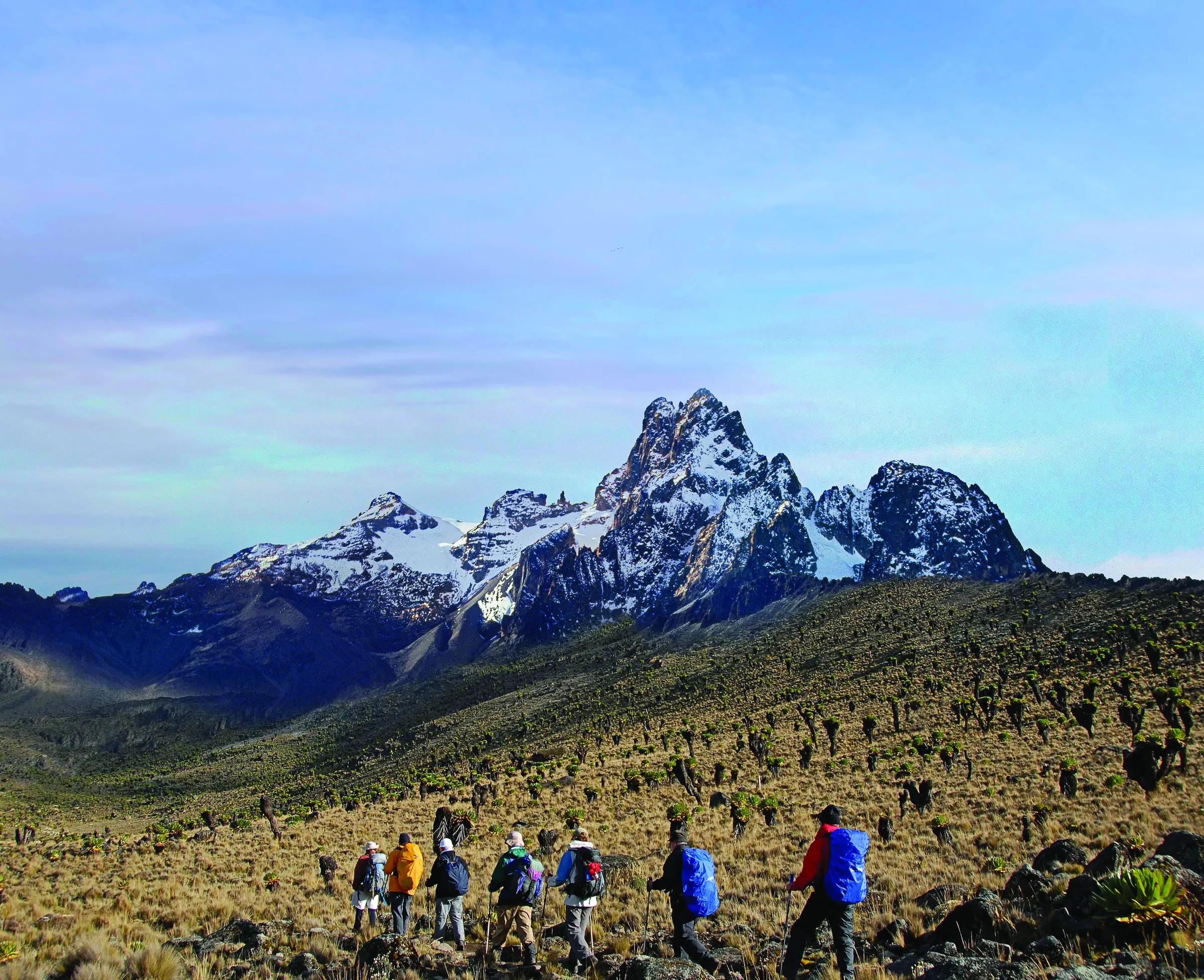
Kericho and Nandi are tea country, green from ridge to ridge. Limuru and Kiambu, close to Nairobi, have tea and coffee estates within an easy day trip. Nyeri, Murang'a and Kirinyaga on the slopes of Mount Kenya are the heart of smallholder coffee. Naivasha is the center of flowers and horticulture. The highlands of Nyandarua, Nakuru and Uasin Gishu are dairy and grain country. On the coast, Kilifi grows cashews, coconuts and mangoes. Most farm routes pass a park, so a game drive is never far away.
Tea is picked year-round close to the equator, so estate visits work in any month. The main coffee harvest usually runs from about October to December, with a smaller crop around May to July. Flower farms are busiest in the weeks before Valentine's Day and Mother's Day, when visits may be harder to arrange. The Agricultural Society of Kenya runs shows in county towns through the year, and the Nairobi International Trade Fair usually takes place in late September or early October. The long rains, usually April and May, can make farm roads muddy.
Coffee and tea lovers who want to meet the people behind the cup. Roasters, importers and buyers looking at sourcing. Farmers, extension agents and agricultural cooperatives comparing notes. University agriculture and food-systems programs, and youth farming clubs such as 4-H and FFA chapters. Families who want children to see where food comes from. Diaspora families showing friends the family shamba. Pack closed shoes for muddy rows, a rain jacket and a warm layer, since the highlands are cool.
Kenya Experience is Kenyan-led, with two U.S. companies behind it and Kenyan guides who know the farming counties. Ask for a farm day or a full study tour through Plan a trip, and a specialist replies within two business days. Pay in full or monthly with no deposit.
Yes. Nyeri and Kiambu farms run tours from cherry to cup with a cupping session, and the money reaches smallholder cooperatives.
Kericho in the west and Limuru near Nairobi, both with estate and factory visits.
AA is Kenya's largest bean-size grade. It describes bean size only, so the farm, cooperative and processing matter as much as the grade for flavor.
Any month works for tea. For coffee, the main harvest usually runs from about October to December, when you can see picking and processing in full swing.
Cut flowers, avocados, French beans, macadamia nuts, maize, dairy and sugarcane, among many other crops. Horticulture is one of the country's biggest export earners.
Some farms around Naivasha host visits by arrangement, mainly for groups. Expect hygiene rules in the greenhouses and no visits in the busiest export weeks.
Panga
Panga means plan. Tell us who is going and what you love. A Kenya specialist replies within two business days.