Agro-Tourism
From cherry to cup on the slopes of Mount Kenya, with the growers whose beans top the world's auctions.
Agro-Tourism
From cherry to cup on the slopes of Mount Kenya, with the growers whose beans top the world's auctions.
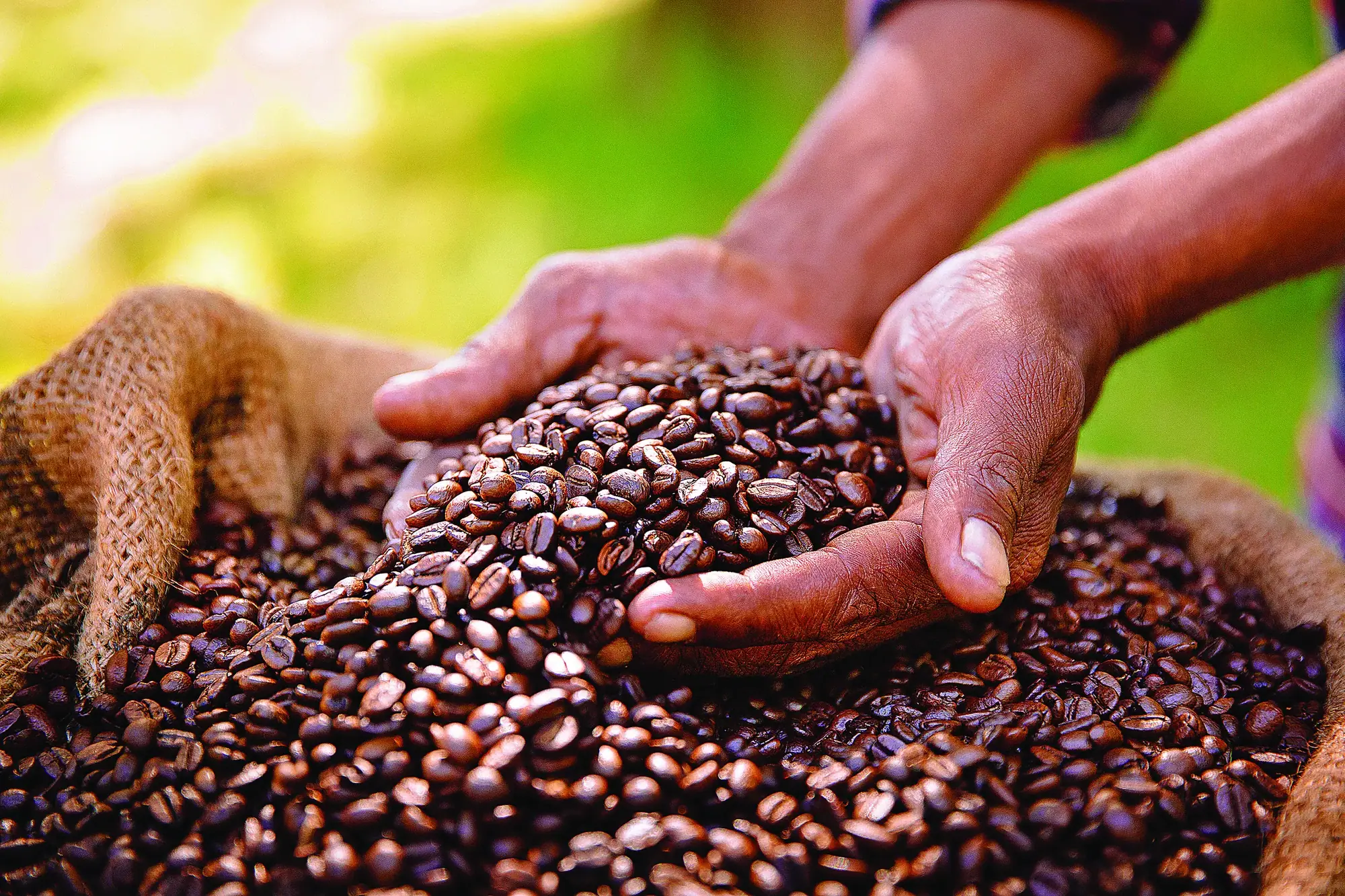
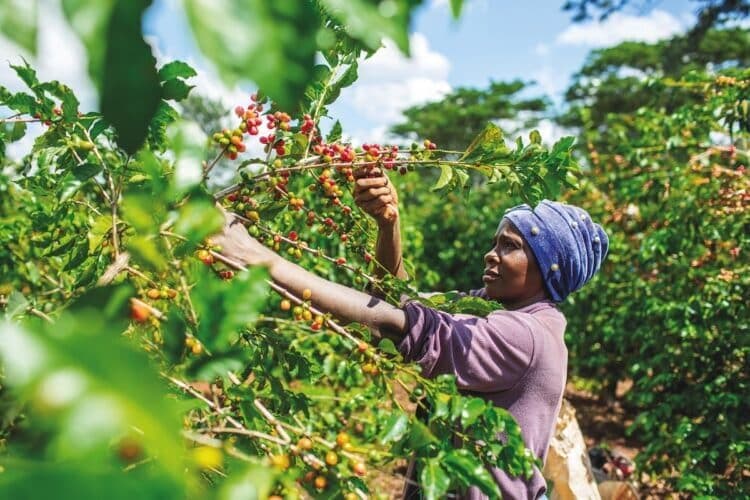
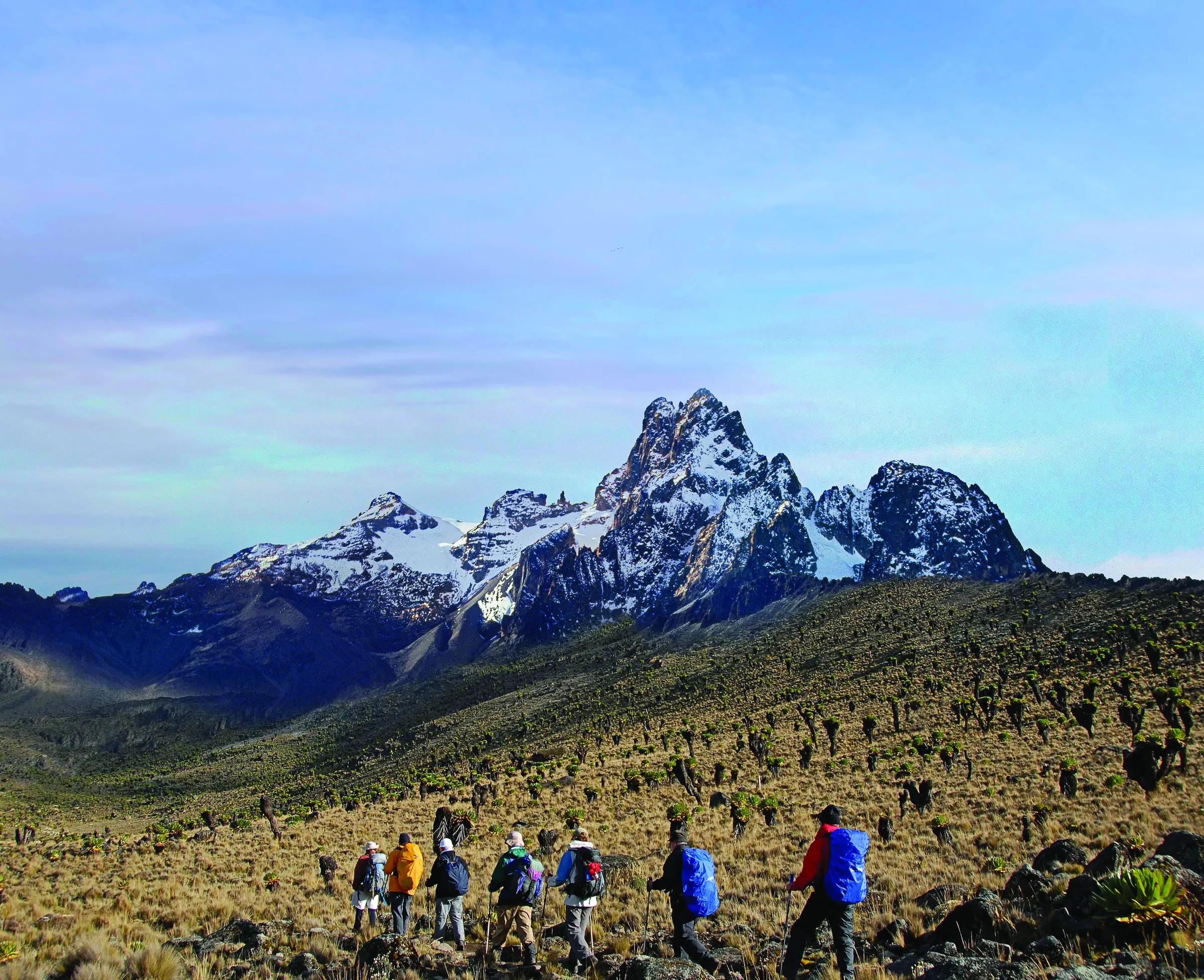

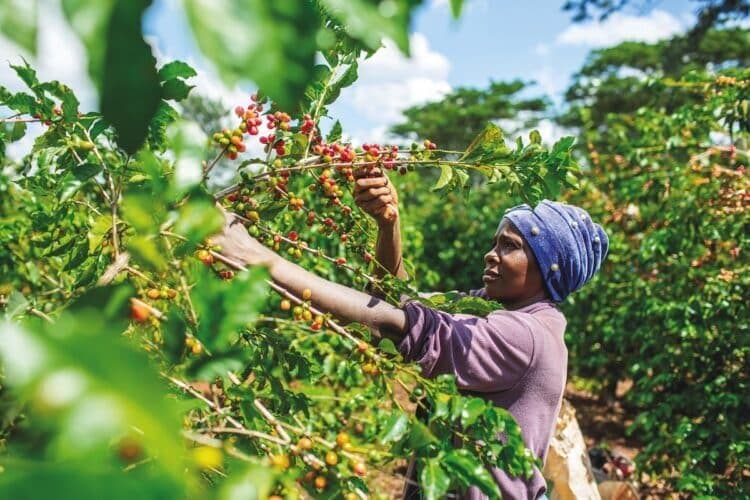
Kenyan coffee has a reputation among roasters for bright acidity and fruit flavors such as blackcurrant and citrus. That character comes from high altitude, rich volcanic soils on the slopes of Mount Kenya and the Aberdares, careful washed processing, and varieties such as SL28 and SL34 that were developed in Kenya. Most of it is grown by smallholder farmers who deliver ripe cherry to factories run by their cooperatives. A visit shows the whole journey of a cup in green hill country that feels nothing like the savanna.
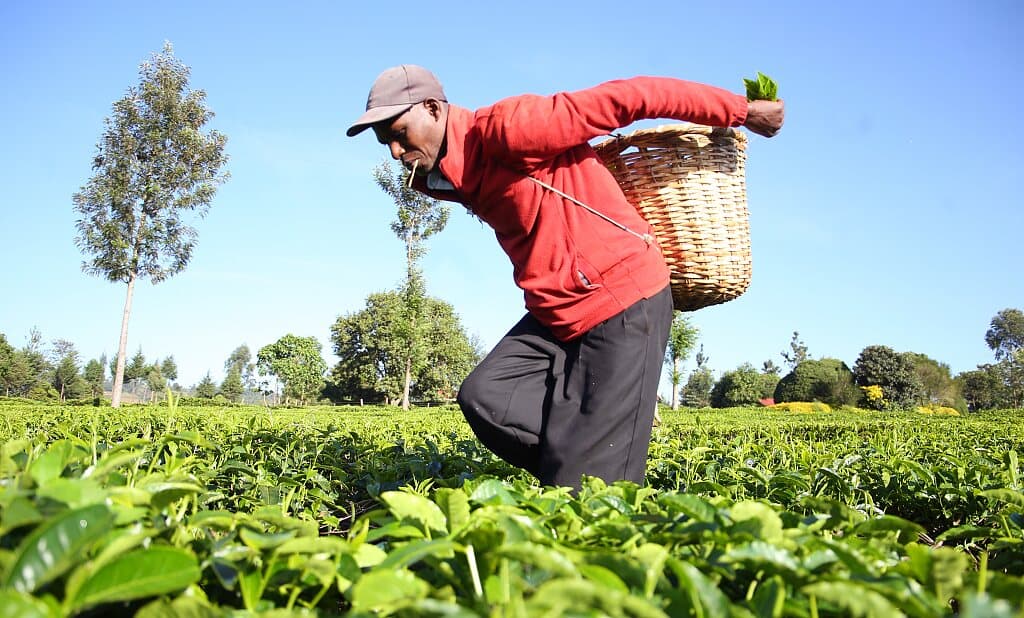
You start among the coffee bushes with a farmer, learning how they are pruned and why only ripe red cherry is picked. At the factory, cherry is sorted by hand before pulping, and the beans soak in fermentation tanks before washing. Many Kenyan factories ferment and soak more than once, which helps give the clean, bright cup. The beans then dry for days on raised tables in the sun. Later they are hulled and graded by size, which is where names like AA, AB and PB come from.
Nyeri, between Mount Kenya and the Aberdares, and Kiambu, just north of Nairobi, are where we arrange most visits. Kiambu farms are an easy half day from the city, while Nyeri fits on the way to Mount Kenya, Ol Pejeta or Samburu. Visits run year-round. In Central Kenya the main harvest usually falls around October to December, with a smaller early crop in the middle of the year, and factories are busiest then. Between harvests you see more of the farm work.
Coffee lovers and home baristas get the most from it, but the story draws in almost anyone. Agricultural and business students can ask about cooperatives, quality premiums and how coffee is sold, including the auction at the Nairobi Coffee Exchange. Families enjoy the farm walk, though younger children may skip the cupping. Groups of roasters or café owners can ask for a deeper program over several days, meeting more than one cooperative. The walking is gentle but can be steep.
Wear closed shoes you do not mind getting muddy, because red highland soil turns slippery in rain, and bring a light rain jacket. The highlands are cooler than many visitors expect, especially in the morning, but the sun is strong, so pack sunscreen and a hat. Ask before photographing workers. If you want coffee to take home, buy roasted beans from the cooperative or a Kenyan roaster and pack them in checked luggage. Trade buyers should tell us early so we can line up the right meetings.
Kenya Experience is Kenyan-led, with two U.S. companies behind it, and our Kenyan guides arrange visits with farmers and cooperatives. Pair a coffee day with Mount Kenya or a Laikipia safari, and pay in full or monthly with no deposit. A specialist replies within two business days.
Kenyan AA is prized for its brightness. A farm visit follows the cherry through pulping, fermenting and drying to a cupping session, and puts money in the hands of smallholder cooperatives.
High altitude, volcanic soils, careful washed processing and varieties such as SL28 and SL34 give Kenyan coffee its bright acidity and fruit flavors. Smallholder cooperatives sort cherry by hand, which helps quality.
AA is a size grade for the largest beans, and AB is the next size down. PB stands for peaberry, a single round bean that forms when only one seed develops in the cherry.
In Central Kenya the main crop is usually picked around October to December, with a smaller early crop in the middle of the year. Timing varies by area and rainfall.
You can usually buy roasted coffee from cooperatives and local roasters during a visit. Green coffee for export goes through licensed channels, so commercial buyers should ask us to set up meetings.
Panga
Panga means plan. Tell us who is going and what you love. A Kenya specialist replies within two business days.