Parks and reserves. Updated November 2026. 3 min read.
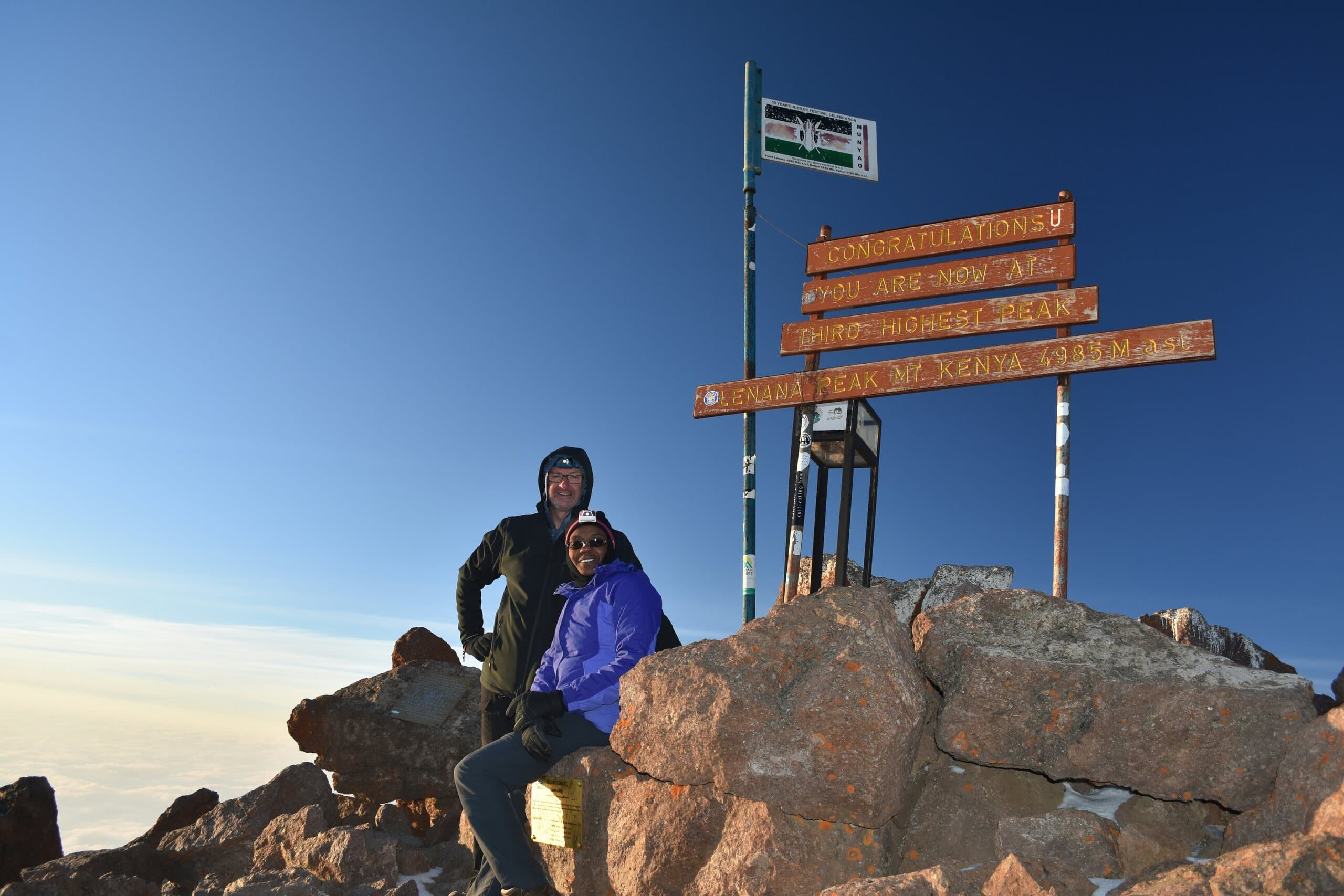
Mount Kenya National Park protects Africa's second-highest mountain, a UNESCO World Heritage site whose highest peak, Batian, reaches 5,199 meters. Most visitors trek to Point Lenana at 4,985 meters, a non-technical summit that fit hikers can reach in four to six days with a registered guide. The driest windows, usually January to February and late June to early October, are the best times to climb.
What it is, and who runs it
Mount Kenya is an old, eroded volcano that sits almost exactly on the equator, northeast of Nairobi. Kenya Wildlife Service manages the national park, which covers the high ground, and the Kenya Forest Service manages the forest reserve on the lower slopes. UNESCO listed the park and forest in 1997 and extended the site in 2013 to include Lewa Wildlife Conservancy and Ngare Ndare Forest. The mountain spans Meru, Tharaka-Nithi, Embu, Kirinyaga and Nyeri counties.
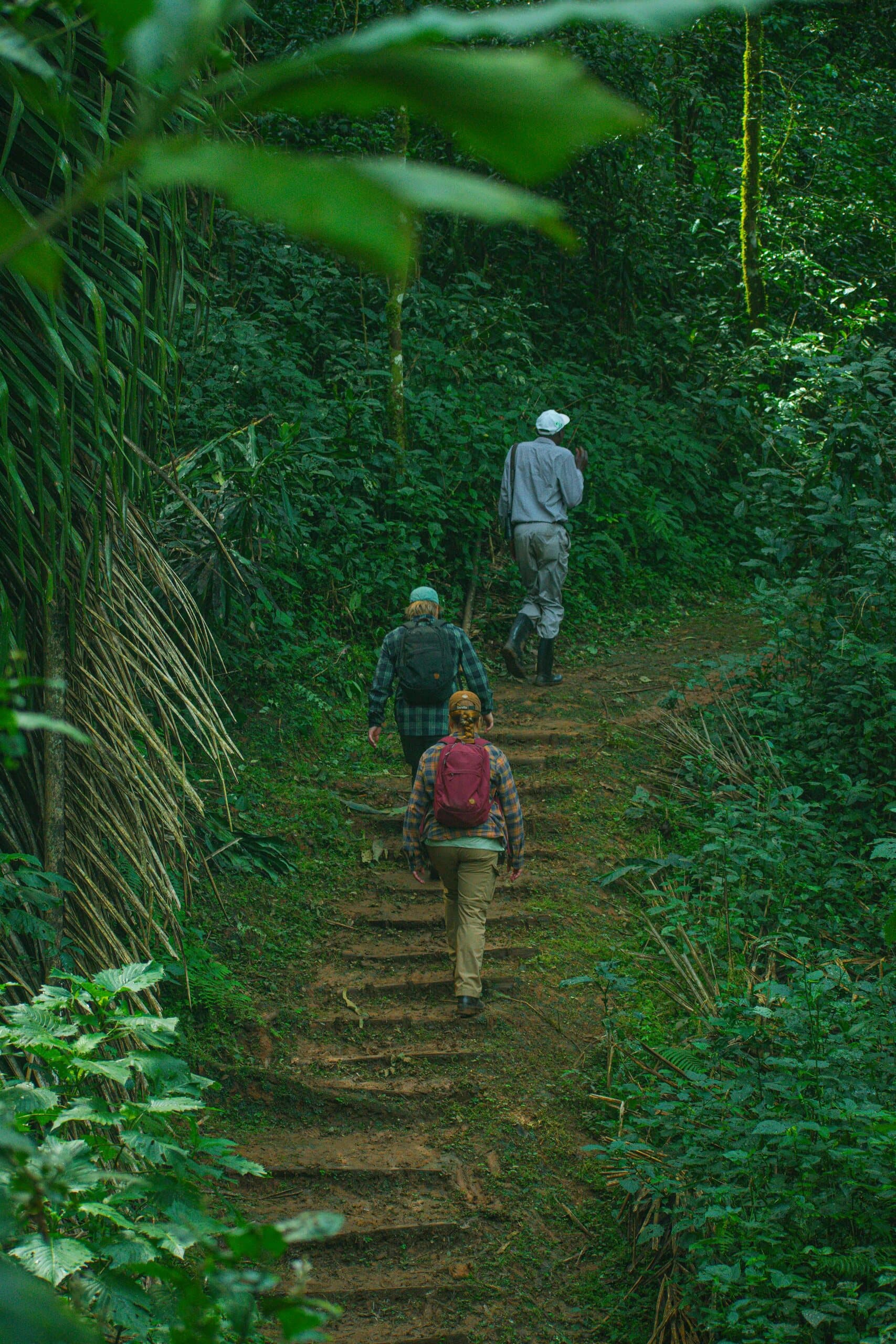
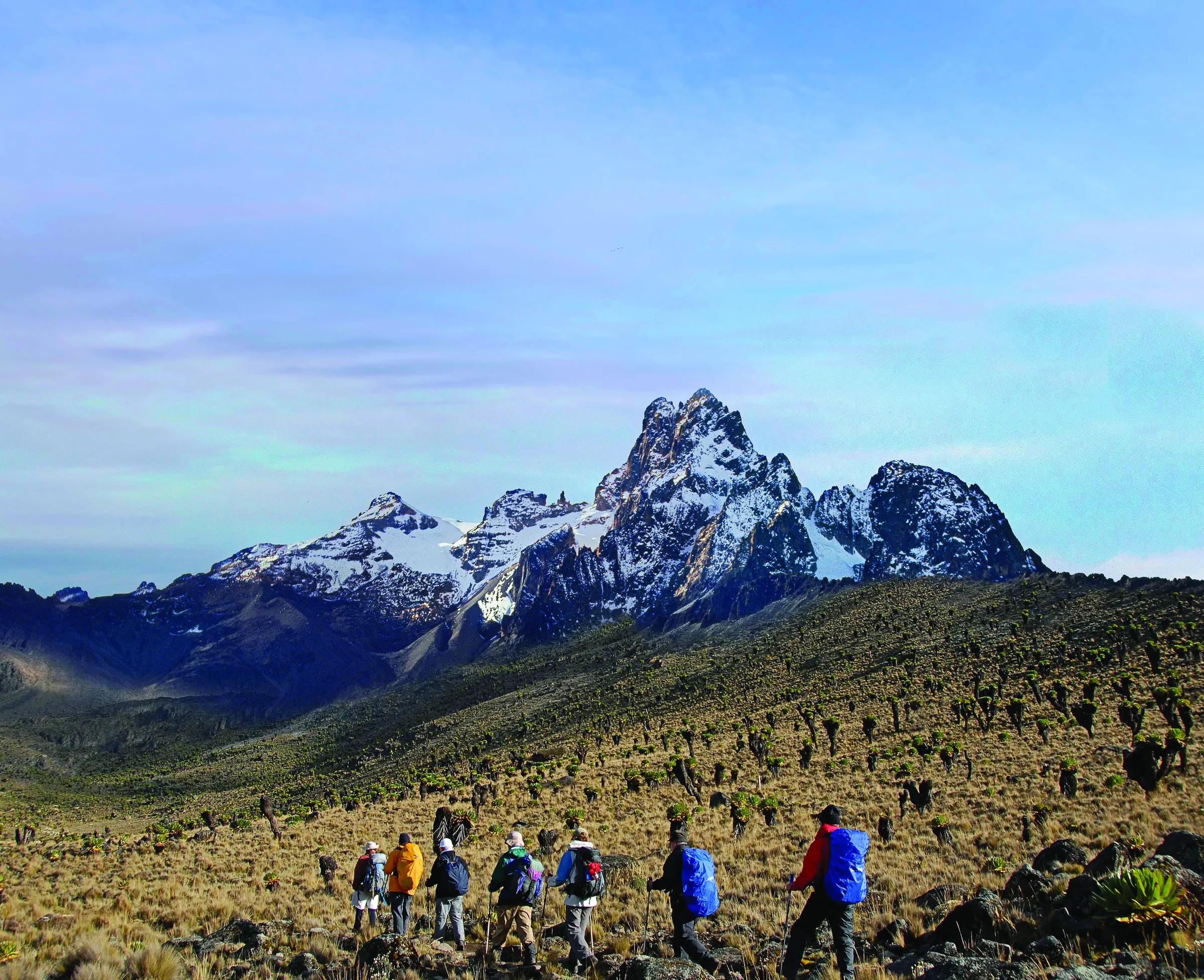
On the way up you pass through farmland, forest and bamboo, where elephants and buffalo live, into open moorland of giant lobelias and groundsels, with rock hyraxes around the high camps. For the Kikuyu, Embu and Meru peoples the mountain is sacred, known as Kirinyaga, and many homes were traditionally built facing it.
The summits and the routes
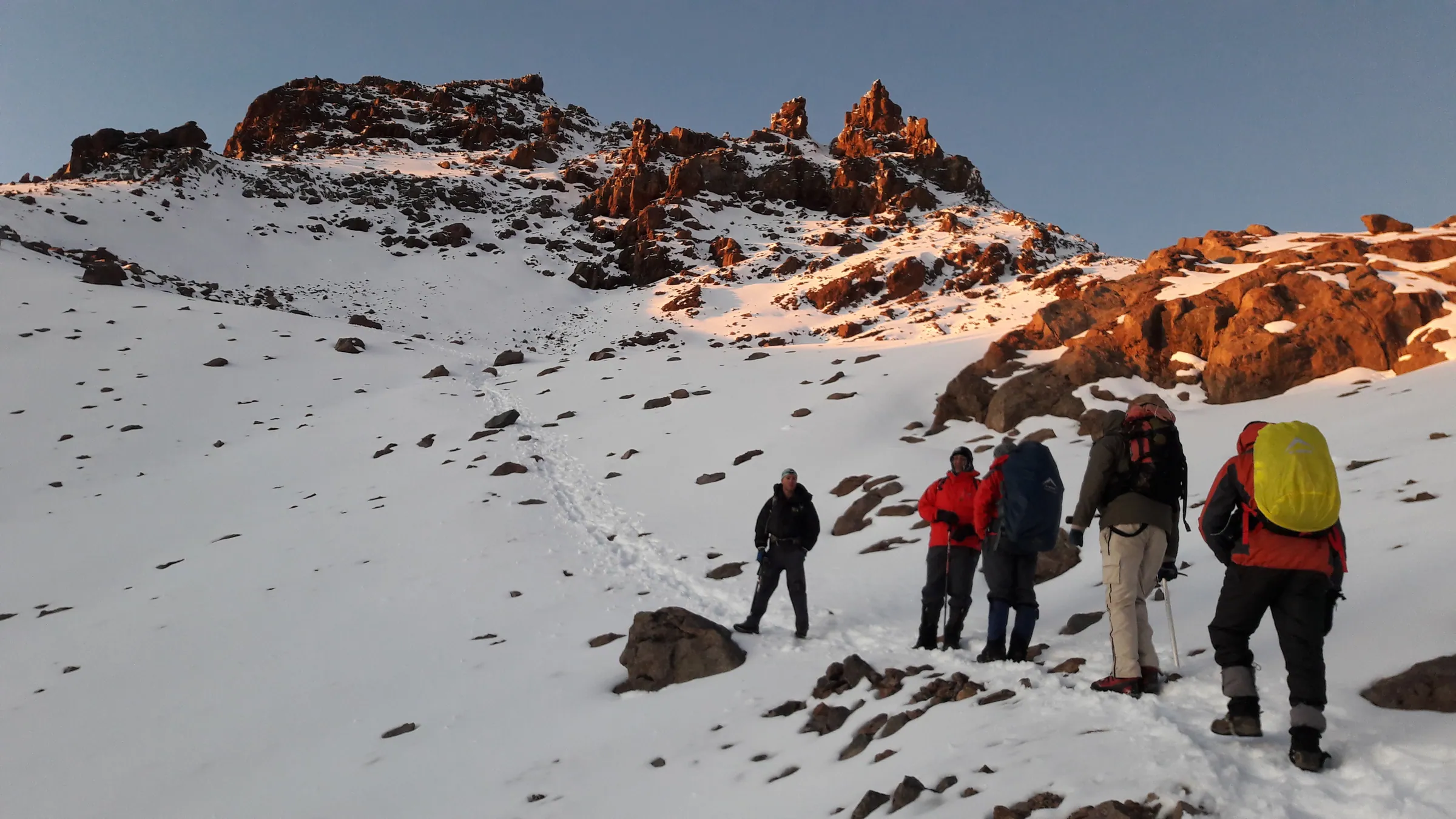
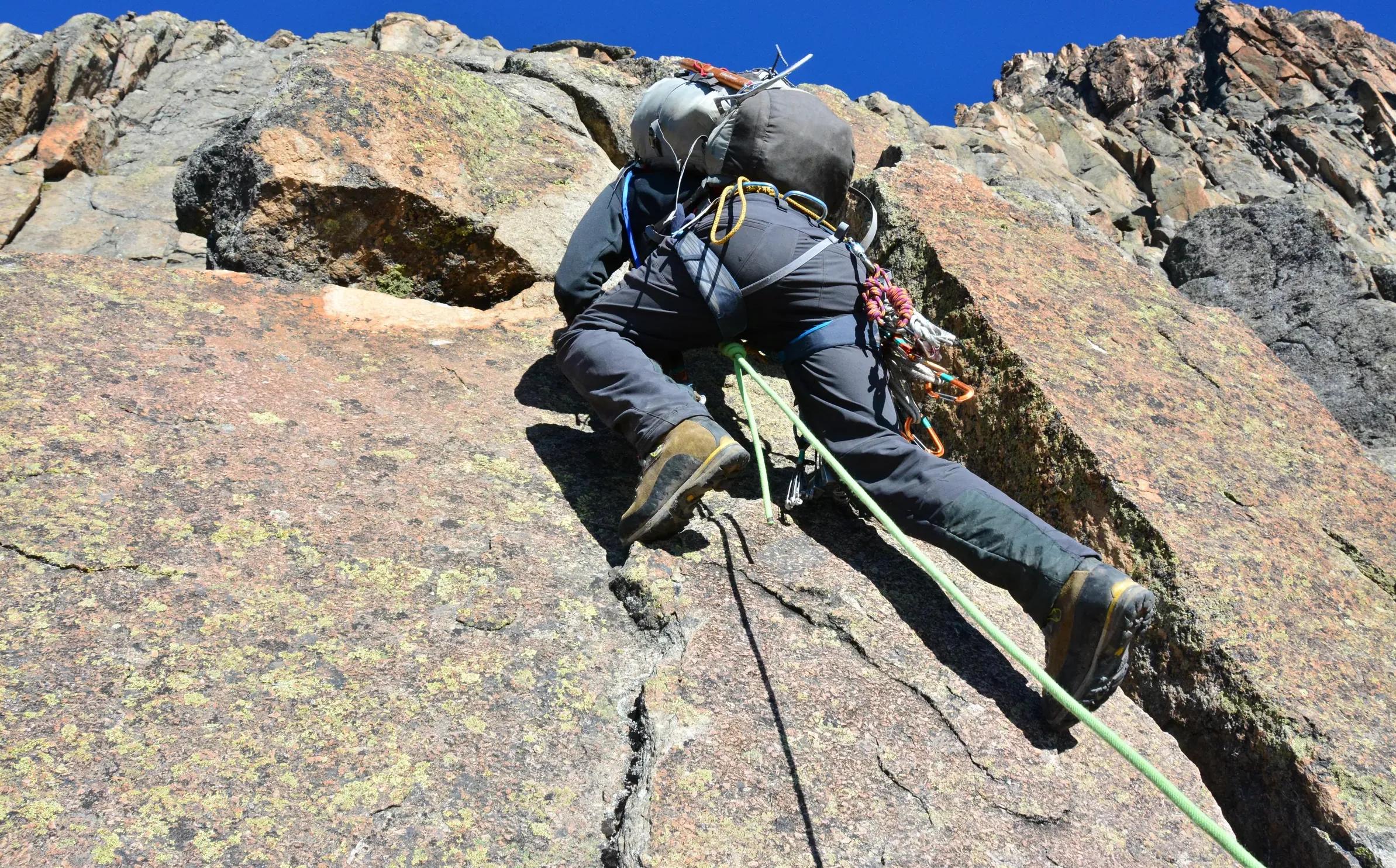
The three main peaks are Batian (5,199 m), Nelion (5,188 m) and Point Lenana (4,985 m). Batian and Nelion are technical rock and ice climbs for experienced mountaineers. Lenana is the trekker's summit, usually reached at dawn after an early start from the high camp.
- Sirimon: from the drier northwest near Nanyuki, a gradual climb that helps acclimatization
- Naro Moru: the most direct route, from the west, steep and boggy in places and often used for the descent
- Chogoria: from the east, the longest and often called the most scenic, past gorges and tarns such as Lake Michaelson
- Popular combinations: up Sirimon and down Chogoria in about six days, or up Sirimon and down Naro Moru in about five
When to climb
The mountain is usually driest from January to February and from late June to early October. The long rains, roughly March to May, and the short rains, roughly late October to December, bring mud in the forest and cloud and snow higher up. Nights above 4,000 meters drop below freezing in every season, and the equatorial sun is strong by day.
Altitude, fitness and safety
Lenana needs no ropes, but it is a serious high-altitude trek. Mount Kenya's routes gain height quickly, and altitude sickness is common among people who rush. Choose an itinerary with an extra night to acclimatize, walk slowly, drink plenty of water and tell your guide early if you feel unwell. Going down is the cure.
- Hike with a registered guide and porters: it is safer, and it supports mountain communities
- Talk to your doctor before you go, especially about altitude
- Get travel insurance that covers high-altitude trekking and rescue
- Pack warm layers, waterproofs, a good sleeping bag and sun protection
Getting there and combining it
Nanyuki and Naro Moru, the bases for the northern and western routes, are about three hours by road from Nairobi. Chogoria, on the eastern side, is about four hours or more. Light aircraft fly from Wilson Airport to Nanyuki in under an hour. Getting to Kenya is simple: you apply for the eTA online, and Kenya Airways flies nonstop from New York to Nairobi.
Not a climber? You can still visit. The lower forests have day hikes and nature walks, and lodges on the lower slopes look out at the peaks on clear mornings. After a climb, Ol Pejeta, Lewa, the Aberdares and Samburu are close, so a trek and a safari fit easily into one trip. Park fees are set by Kenya Wildlife Service and change; check current rates, carry all trash off the mountain and tip your crew fairly.
Few countries let you stand near the equator above 4,900 meters and be on safari two days later. Plan it with Kenya Experience: we are Kenyan-led, with two U.S. companies behind us, and you climb with Kenyan guides, then go straight on safari. Pay in full or monthly with no deposit, and a specialist replies within two business days.