Parks and reserves. Updated November 2026. 3 min read.
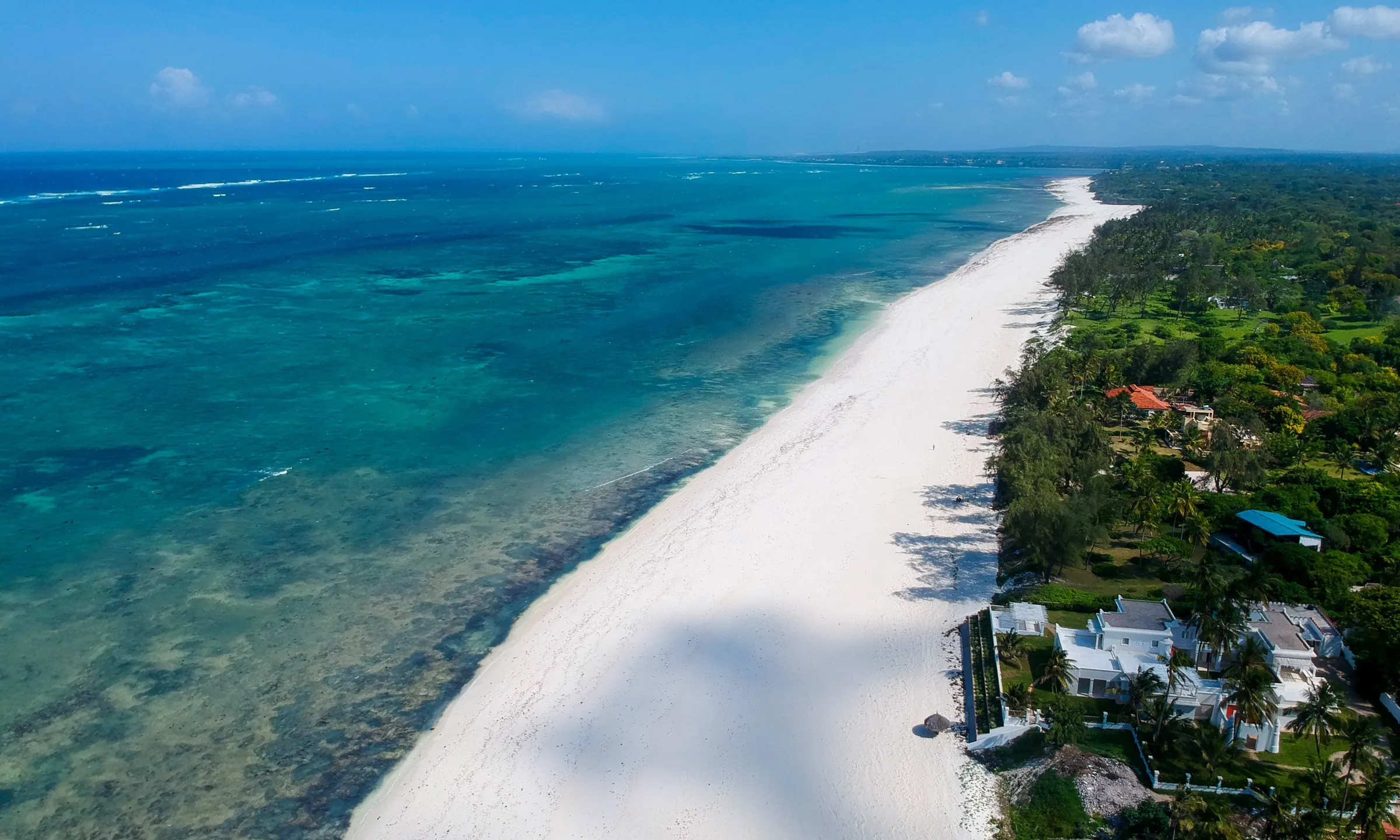
Watamu Marine National Park, on Kenya's north coast in Kilifi County, protects coral gardens, sea grass beds and turtle nesting beaches just offshore from Watamu village. You can snorkel or ride a glass-bottom boat over the reef in calm, clear water, usually best from October to March. It is about an hour's flight from Nairobi to Malindi, then a short drive.
What it is, and who runs it
Kenya Wildlife Service manages the park. It was gazetted in 1968, together with neighboring Malindi, among the first marine protected areas in Kenya, and in 1979 the two became the Malindi-Watamu Biosphere Reserve under UNESCO's Man and the Biosphere program. The fully protected park, about 10 square kilometers, lies inside a wider marine reserve where local fishermen may fish with traditional methods.
Marine life and when to see it
- Coral gardens with parrotfish, butterflyfish, angelfish and moray eels, best seen around low tide
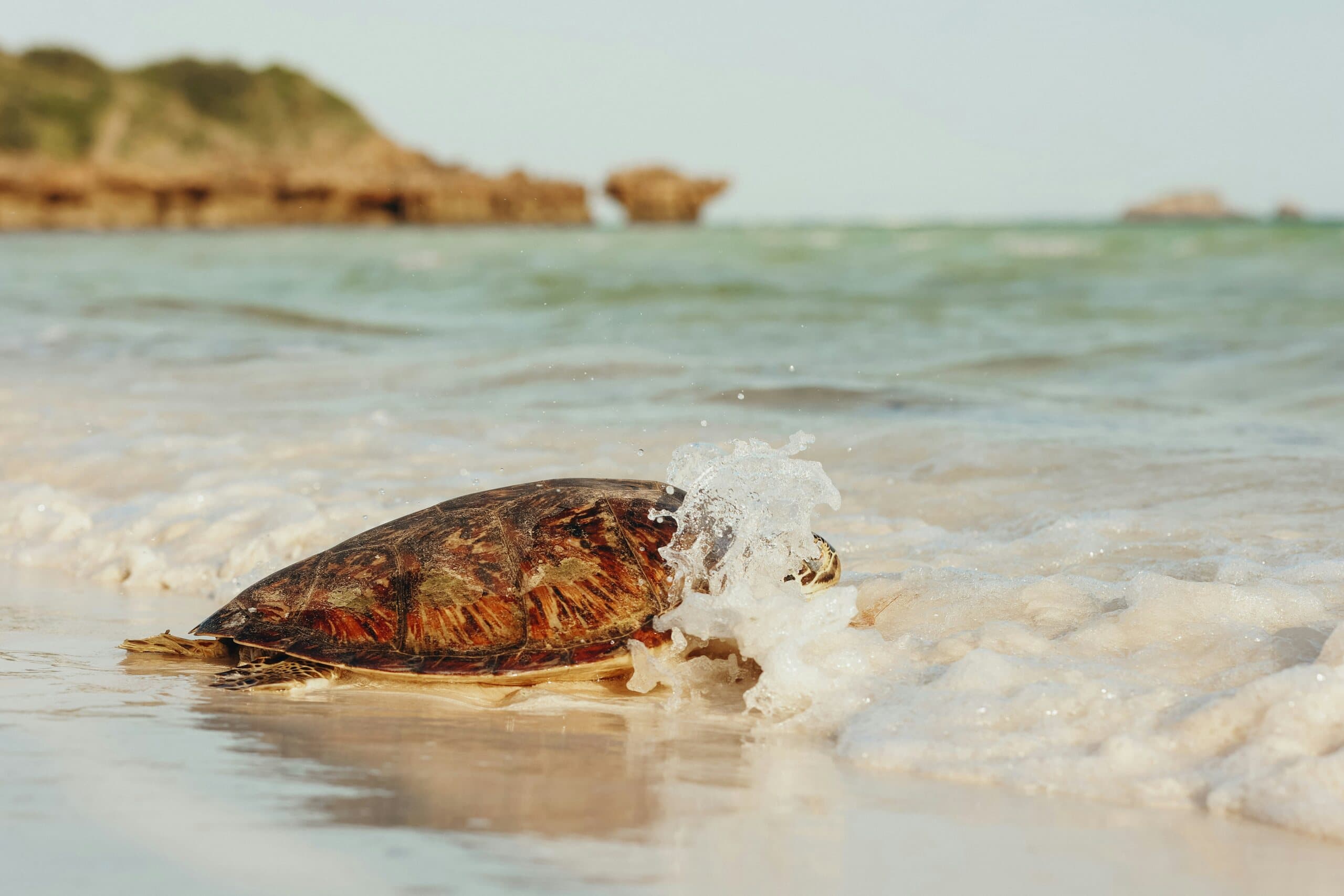
- Green and hawksbill turtles, which feed in the park and nest on Watamu's beaches
- Dolphins, seen on many boat trips
- Humpback whales, usually passing offshore from about July to September
- Whale sharks, reported in some years, most often between about December and March
- Rays, octopus and bigger reef fish on the deeper reefs of the reserve
The northeast monsoon, the kaskazi, usually brings calm seas and the clearest water from about October to March. From about May to September the southeast kusi winds can make the sea rough and murky, though the sheltered lagoon is still swimmable on calm days. The long rains usually fall from April to June. Tides rule everything here: the coral gardens are best around low tide, so boat times follow the tide table, not the clock.
Turtles in Watamu
Watamu is one of the most important turtle beaches in Kenya. Local Ocean Conservation, a Watamu-based charity, protects nests on the beach, runs a turtle rehabilitation center and works with fishermen who release turtles caught in their nets instead of killing them. You can learn about the work at its center, and in nesting season you may be able to see hatchlings head for the sea.
Things to do around Watamu
- Snorkeling and glass-bottom boat trips with licensed operators
- Scuba diving on reefs and drop-offs in the wider reserve
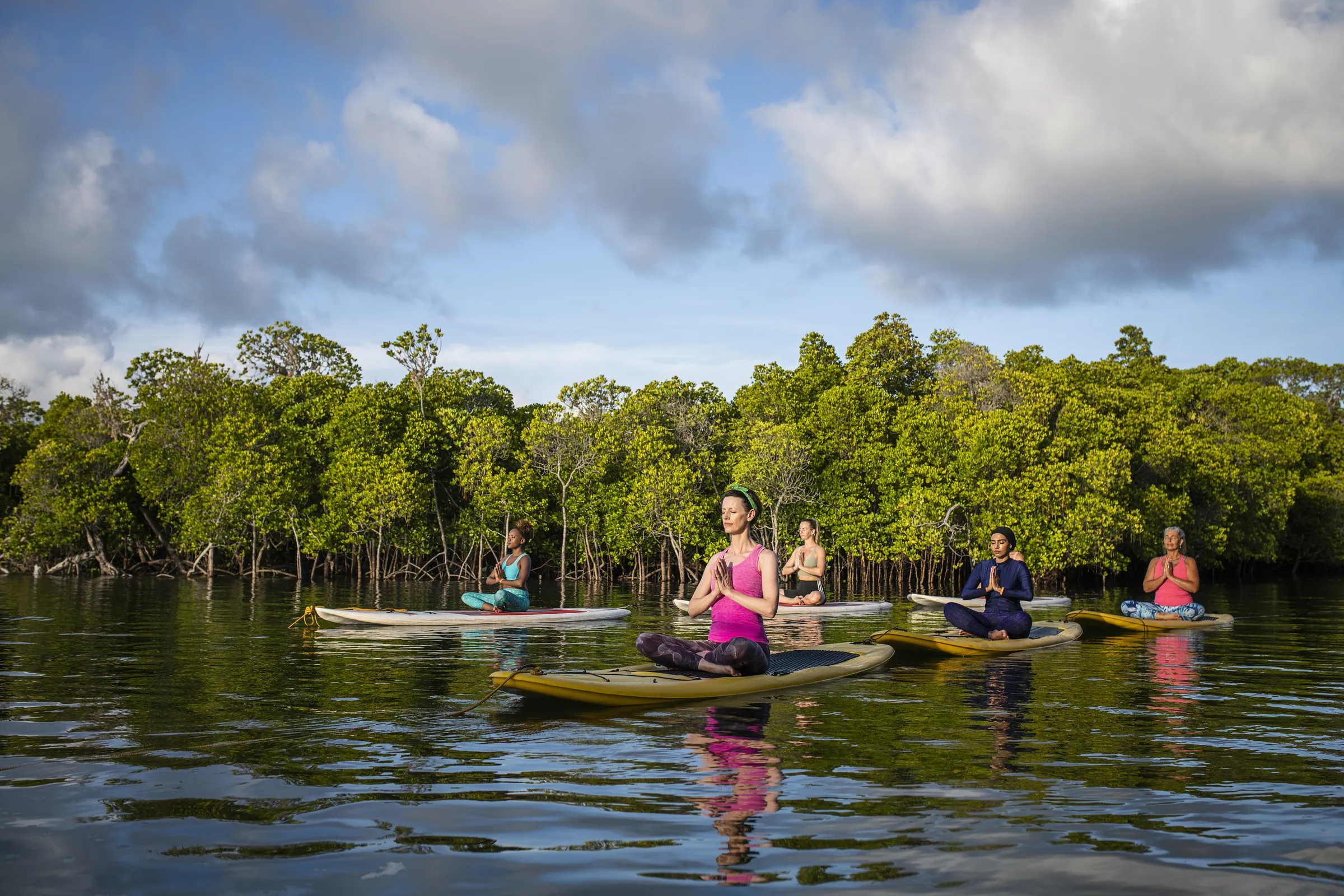
- Mida Creek: mangrove channels, a community boardwalk and wading birds such as crab plovers
- Arabuko-Sokoke Forest: the largest remaining coastal forest in East Africa, with rare birds and the golden-rumped sengi
- Gede Ruins: a Swahili town abandoned centuries ago, now a national monument in the forest
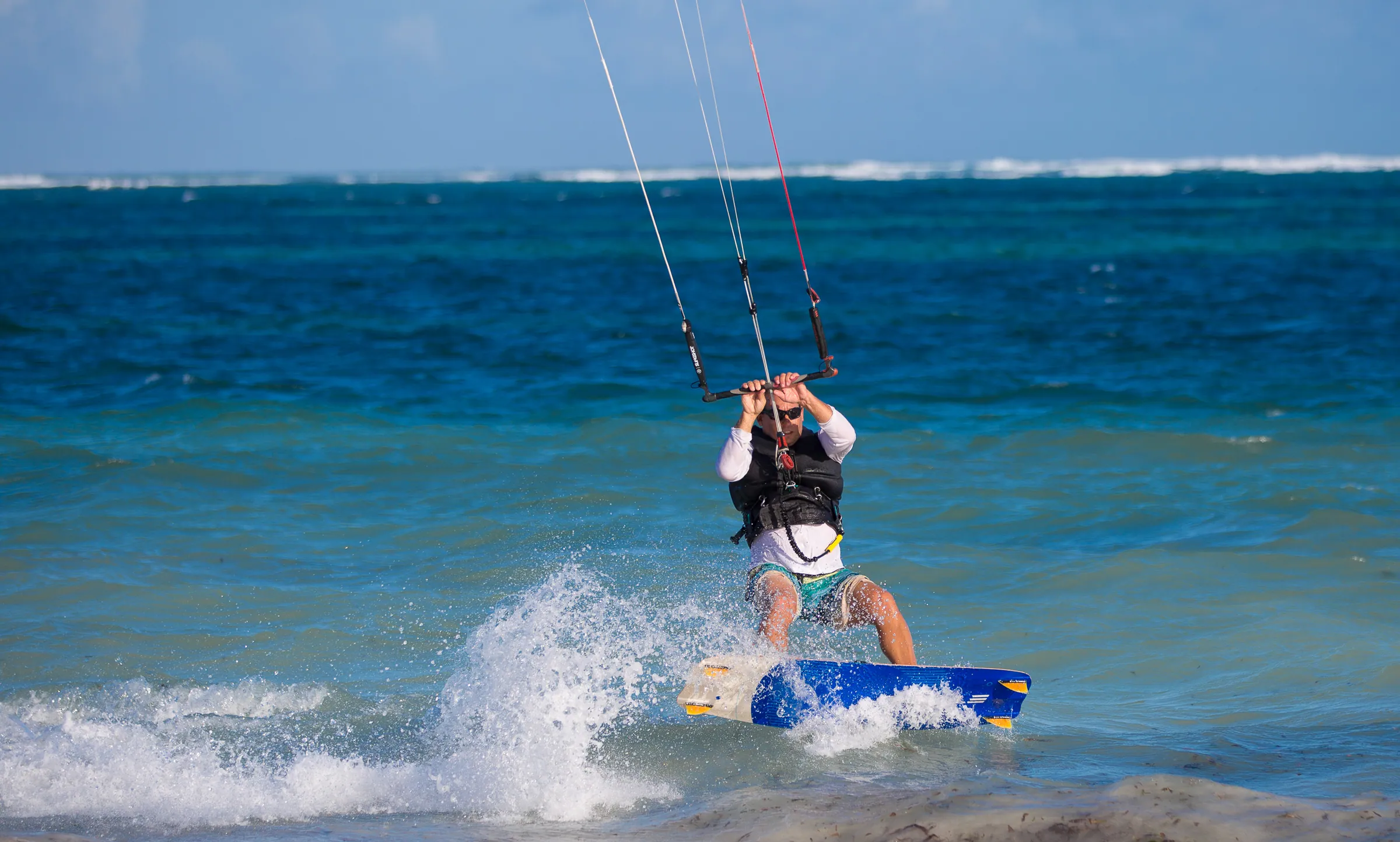
- Kitesurfing in the windy months and long beach walks at low tide
Getting there and how long to stay
- By air: Nairobi to Malindi in about an hour, then about 30 minutes by road
- From Mombasa: about two to two and a half hours by road
- By train: the Madaraka Express from Nairobi to Mombasa, then a road transfer north
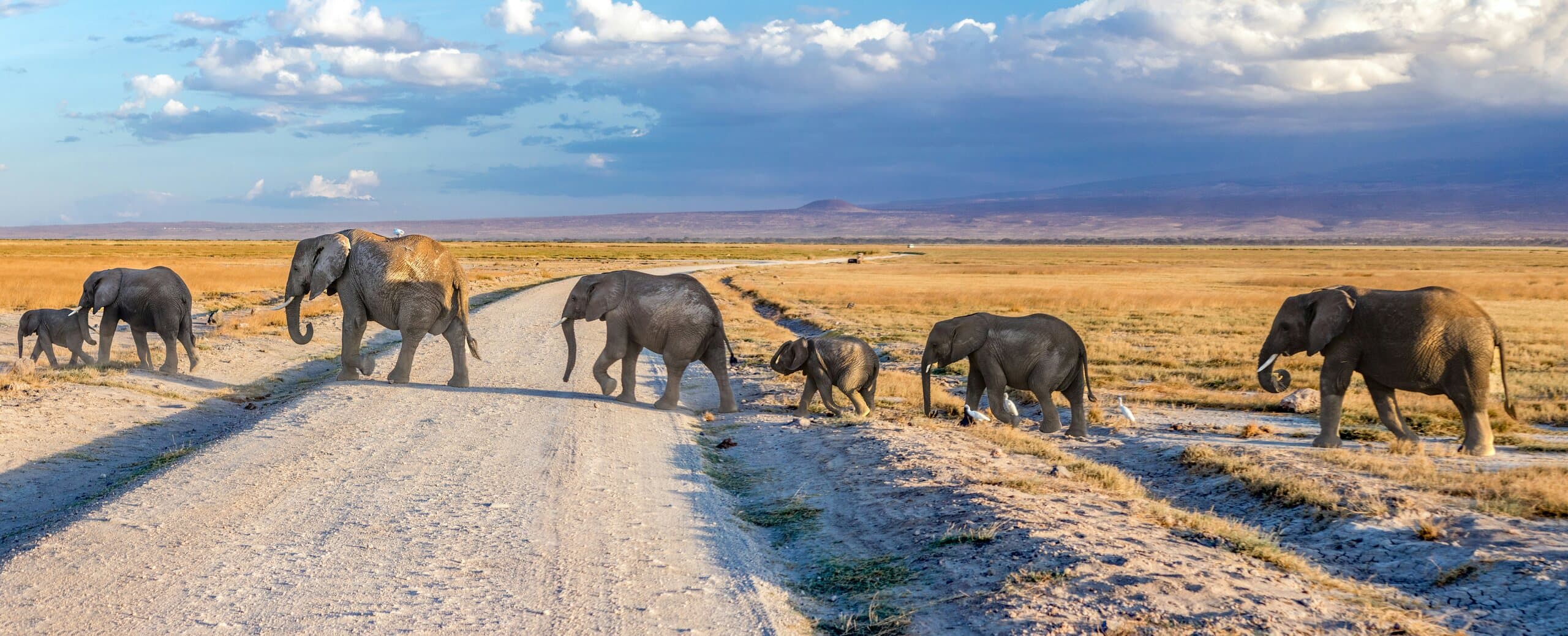
Three to five nights is a good stay, and many travelers end a safari here. Watamu pairs well with Tsavo East on the way from Nairobi, with Malindi and Lamu farther north, or with Diani on the south coast for a second beach. Few places in the world let you watch elephants in Tsavo one morning and float over a coral garden with turtles the next. Getting to Kenya is simple: you apply for the eTA online, and Kenya Airways flies nonstop from New York to Nairobi.
Traveling responsibly
Park fees are set by Kenya Wildlife Service and change from time to time; check current rates and use operators who pay them. Never stand on, touch or collect coral or shells. Wear reef-safe sunscreen and a rash vest, keep your distance from turtles in the water and on the beach, and never buy turtle shell or shell jewelry.
Plan your safari and beach trip with Kenya Experience. We are Kenyan-led, with two U.S. companies behind us, and you travel with Kenyan guides from the bush to the beach. Pay in full or monthly with no deposit, and a specialist replies within two business days.