Parks and reserves. Updated November 2026. 3 min read.
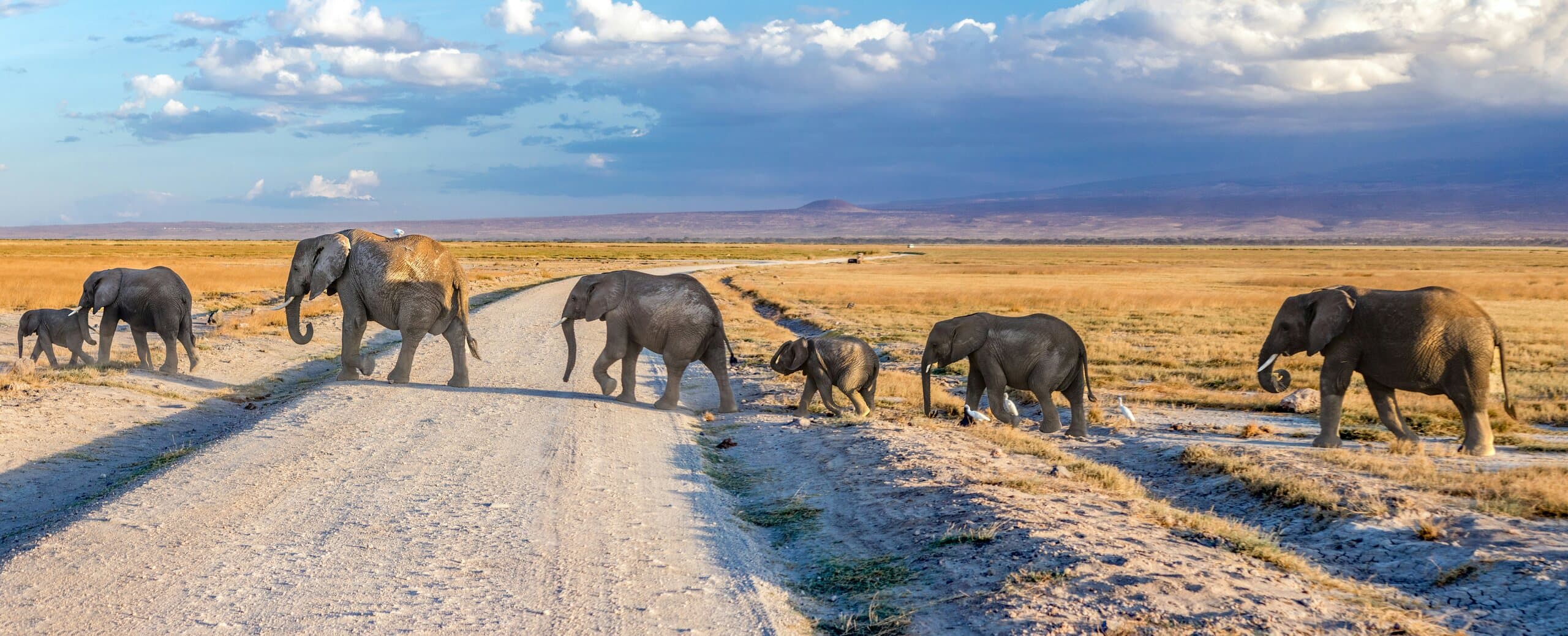
Shimba Hills National Reserve is a green upland of coastal forest and grassland about 30 kilometers southwest of Mombasa and an hour from Diani. It is the only place in Kenya to see the sable antelope, and it adds elephants, forest walks and Sheldrick Falls. It makes an easy day trip from the beach.
What it is, and who runs it
Shimba Hills is a national reserve in Kwale County, gazetted in 1968 and managed by Kenya Wildlife Service, which gives its area as about 192 square kilometers. The hills rise above the coastal plain, so the air is cooler than on the beach, and on clear days the views run to the Indian Ocean. Coastal forest covers much of the reserve, one of the richest of its kind in East Africa, with rare plants including cycads and orchids.
Shimba Hills shows a side of the coast many beach visitors never see. Within an hour of the sand you are in cool forest with elephants, an antelope found nowhere else in Kenya and views back to the sea.
Wildlife and when to see it
- Sable antelope: Kenya's last breeding herd, the males glossy black with long, curved horns
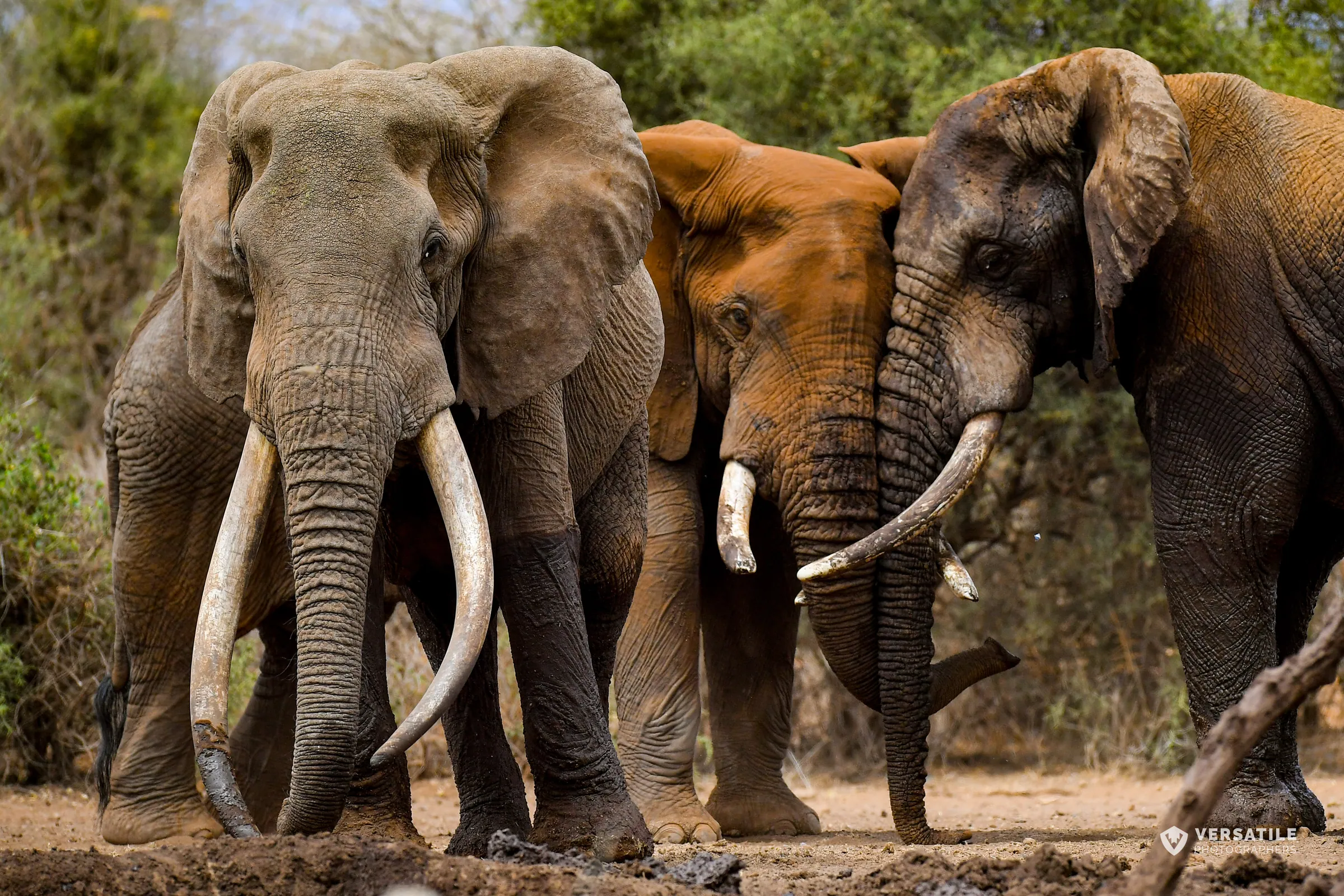
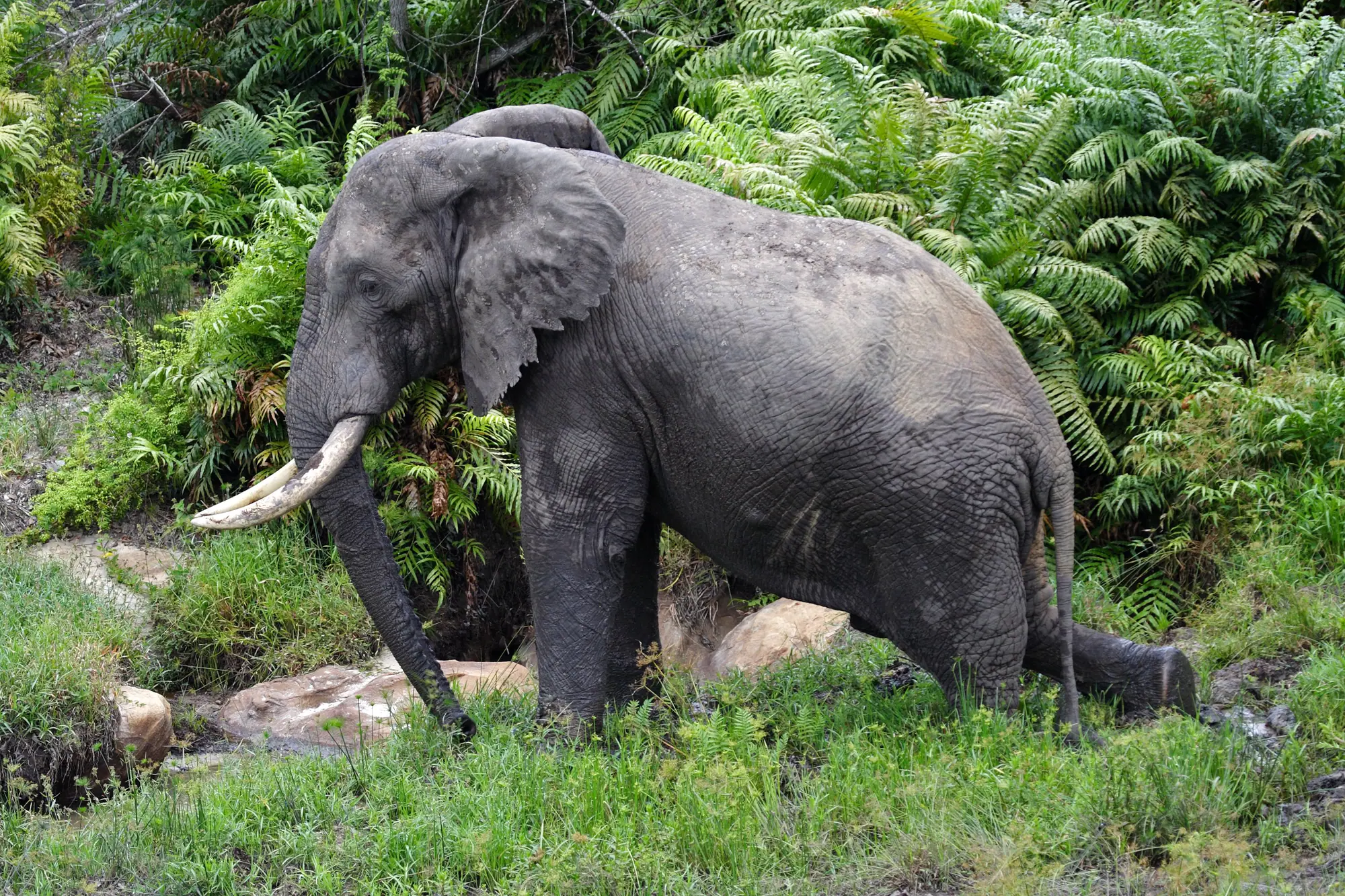
- Elephants, which move between the reserve and the neighboring Mwaluganje sanctuary
- Buffalo, bushbuck and small forest antelopes
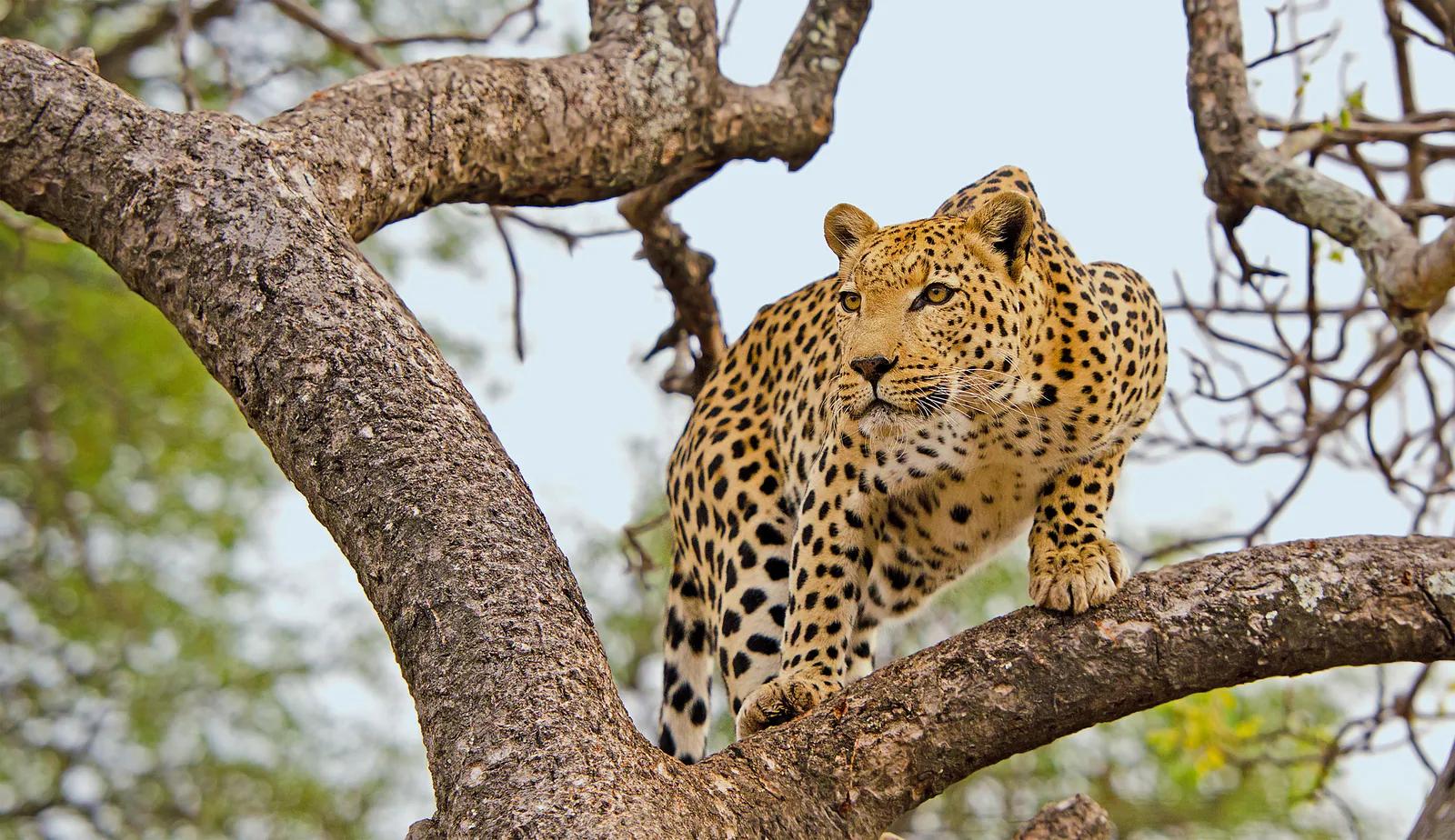
- Leopards and spotted hyenas, present but rarely seen
- Forest birds and butterflies, including coastal species rarely found elsewhere in Kenya
The drier months, usually January to March and July to October, are best for game drives, and the grass is shorter in the open glades where the sable graze. The long rains, roughly April to June, make tracks slippery but bring the forest alive with birds. Mornings are best: by midday most animals have moved into the shade.
Sheldrick Falls and walking
A highlight of any visit is the guided walk with a KWS ranger to Sheldrick Falls, a forest waterfall named after the conservationist David Sheldrick. The trail drops through the forest to a pool at the foot of the falls, where many visitors cool off. The forest is loud with birds and bright with butterflies on the way down. Allow a couple of hours, wear good shoes and carry water, because the climb back up is steep and humid.
Mwaluganje Elephant Sanctuary
Next to the reserve, the Mwaluganje Elephant Sanctuary is a community-run corridor where local landowners pooled their land so elephants can move between Shimba Hills and the forests beyond. A visit adds income for the families who share their farms with elephants. The sanctuary has its own fees and guides, and it can be combined with the reserve in a single day. Elephant numbers in the sanctuary vary through the year as the animals move with the seasons.
Getting there and combining it
- From Diani: about an hour by road
- From Mombasa: usually about an hour and a half by road, depending on traffic and the route across the water
- By air: fly from Nairobi to Ukunda or Mombasa, then drive
- Inside the reserve: a 4x4 is best, especially after rain
Most visitors come on a day trip from the south coast, with a picnic or lunch at a lodge in the reserve. Stay a night if you want dawn on the hills. Shimba pairs naturally with a dolphin day at Kisite-Mpunguti and with Tsavo East or Tsavo West on a bush-and-beach trip. Getting to Kenya is simple: you apply for the eTA online, and Kenya Airways flies nonstop from New York to Nairobi.
Reserve fees are set by Kenya Wildlife Service and change from time to time, so check the current rates before you go. Stay in the vehicle except at marked sites or with a ranger, keep well back from elephants, and take all your trash with you.
Plan your coast days with Kenya Experience. We are Kenyan-led and work with Kenyan guides, with two U.S. companies behind us. Pay in full or monthly with no deposit, and a specialist replies within two business days.