Parks and reserves. Updated November 2026. 4 min read.
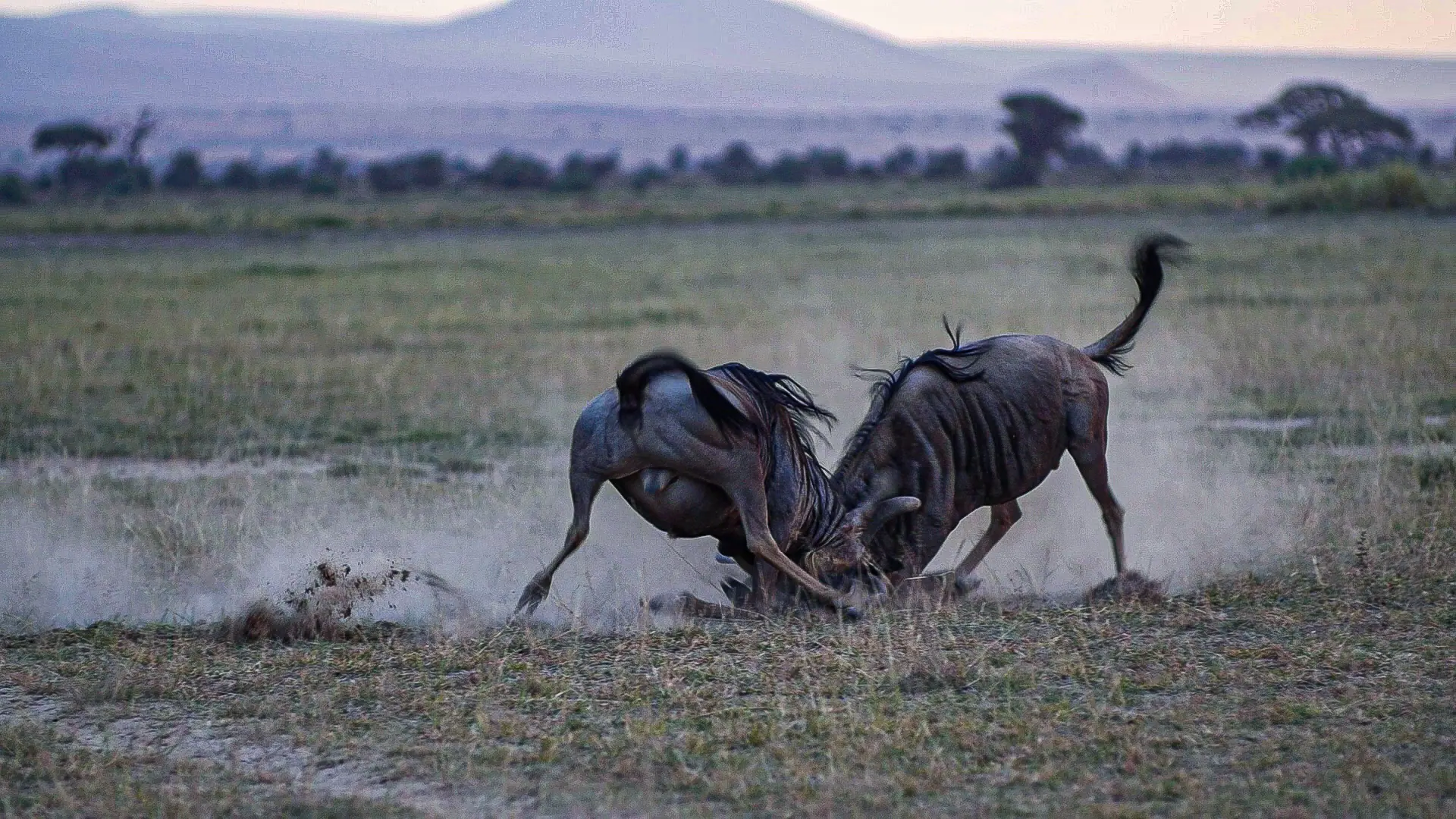
Most of the Mara's famous wildebeest walk up from Tanzania every July. Not all of them. A smaller herd, the Loita wildebeest, never goes to the Serengeti at all, and it spends much of the year on the conservancies north of the reserve. Mara North is the largest of those conservancies, and in August and September, when the Serengeti herds spill north as well, its plains can be as full as anywhere in the Mara.
Mara North Conservancy covers 28,487 hectares (about 110 square miles), owned by 767 Maasai families and set up in 2009. It lies north of the reserve's Musiara area and the Mara Triangle, close to the Mara River on its western side, with about a dozen tourism partners. You get the conservancy rules (vehicle limits, night drives, walks) and one of the easiest drives to the reserve's northern crossing points. It is our usual pick for a first safari in migration season when the budget allows a conservancy. For the general picture of how conservancies work and what they cost, read our Mara conservancies explainer first.
Who owns it
Mara North has more landowners than any other Mara conservancy: 767 families, each holding a parcel of what used to be shared group ranch land. Their partner camps pay a lease to every family and a conservancy fee for every guest night. The families agree to keep the land open for wildlife, to manage grazing so cattle and wildlife can share the grass, and to limit new settlement. With so many owners, the conservancy's management works constantly at keeping the deal fair, and its income reaches a very large number of households. That is one reason we like sending travelers here.
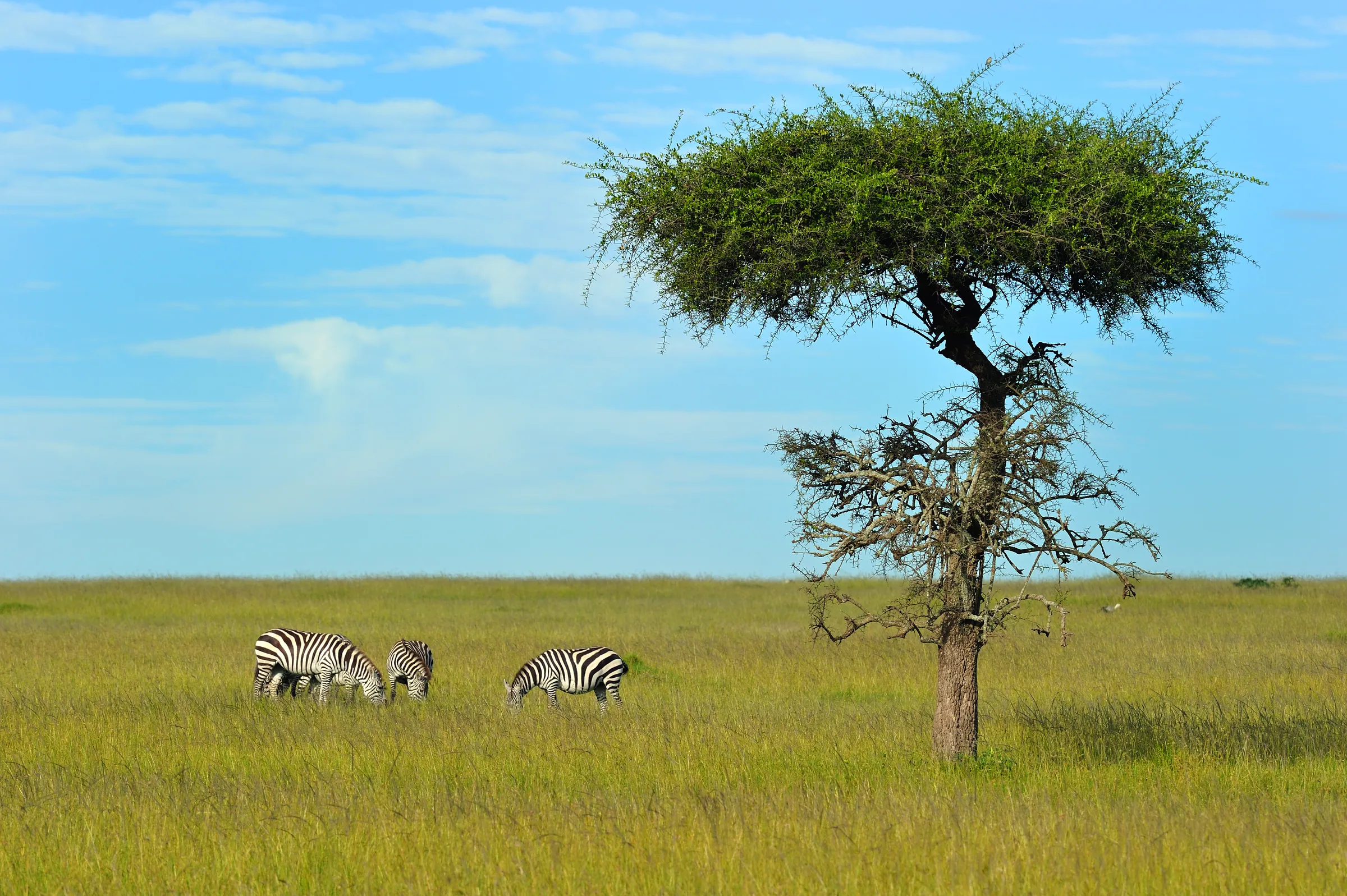
The land and what lives on it
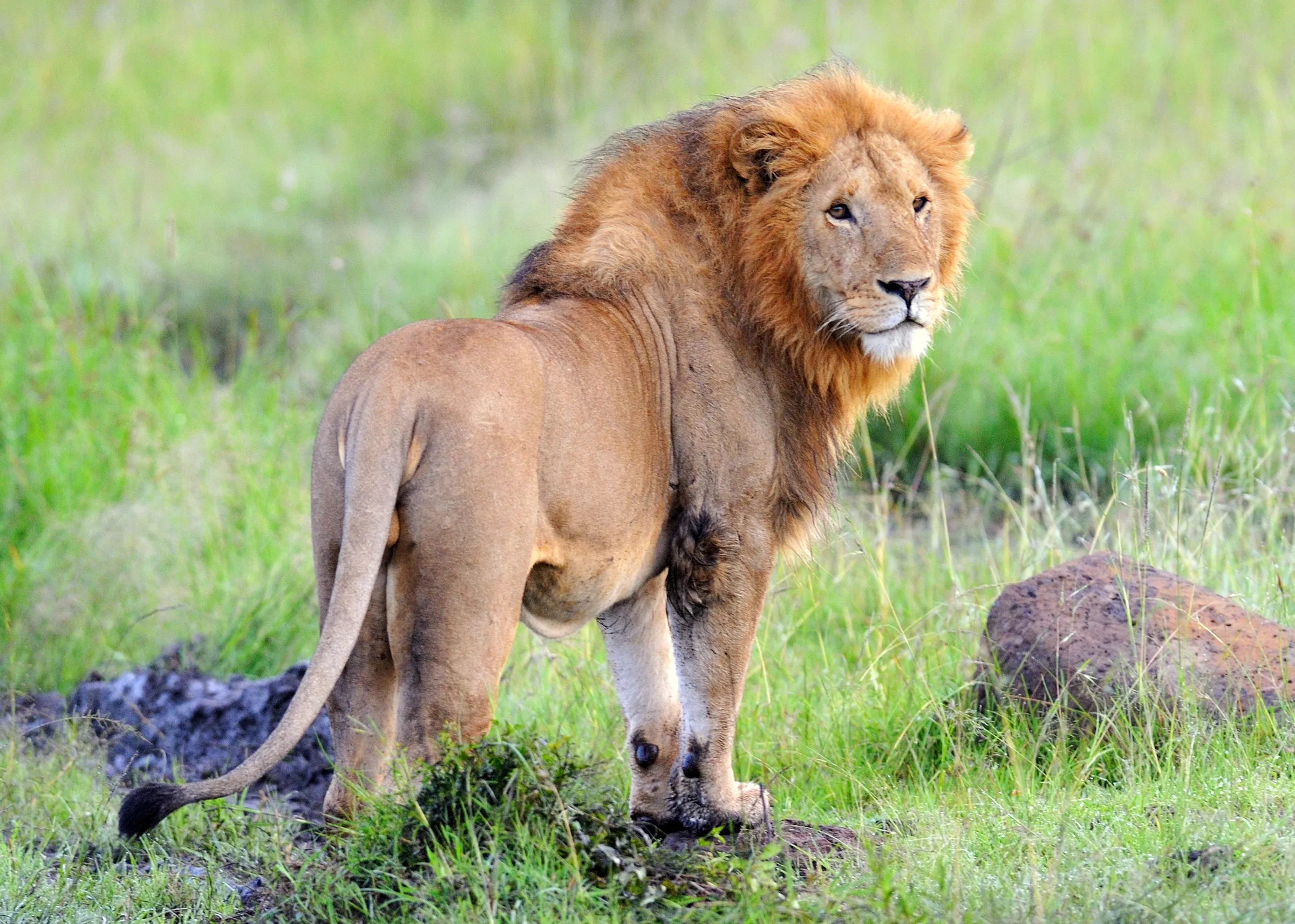
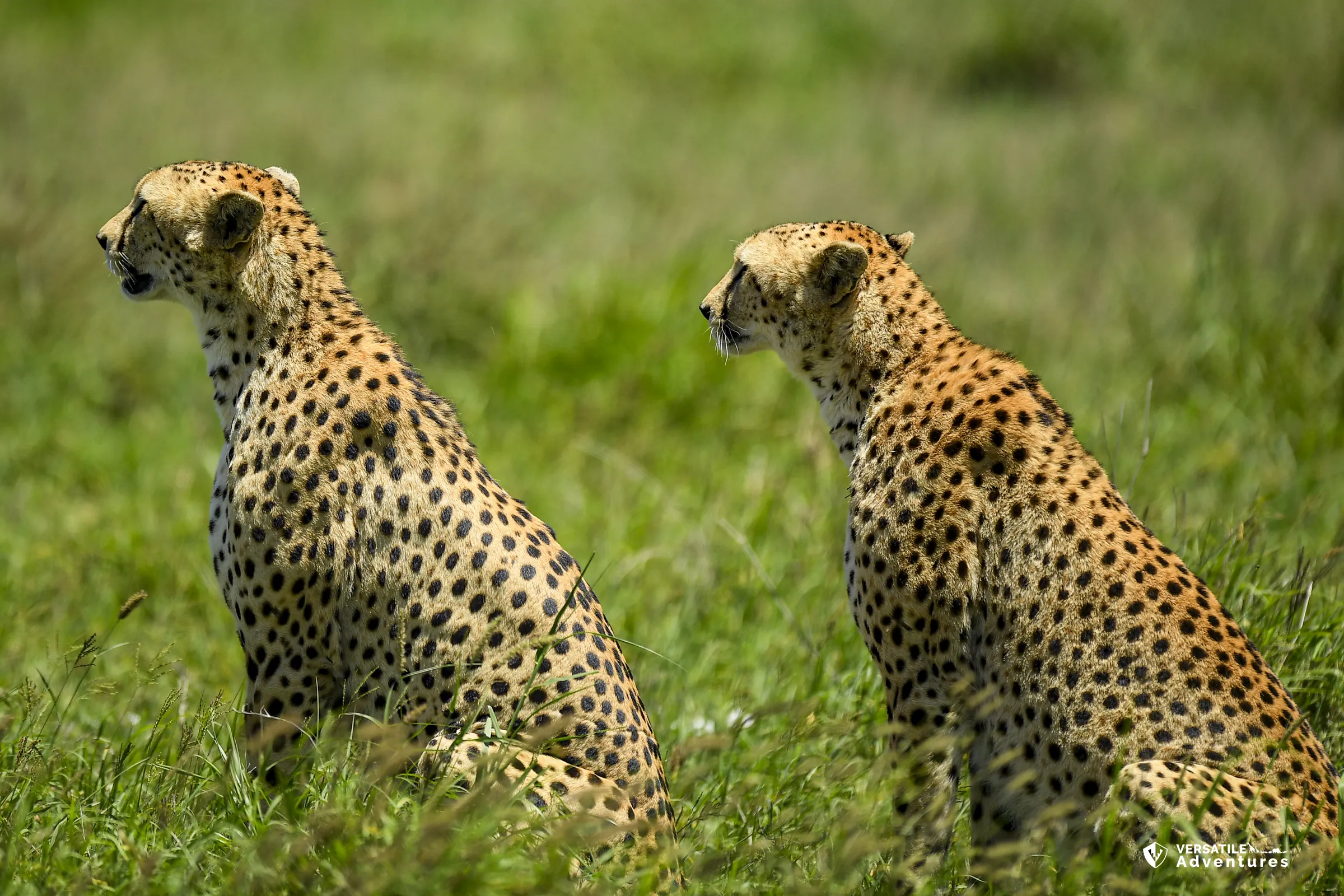
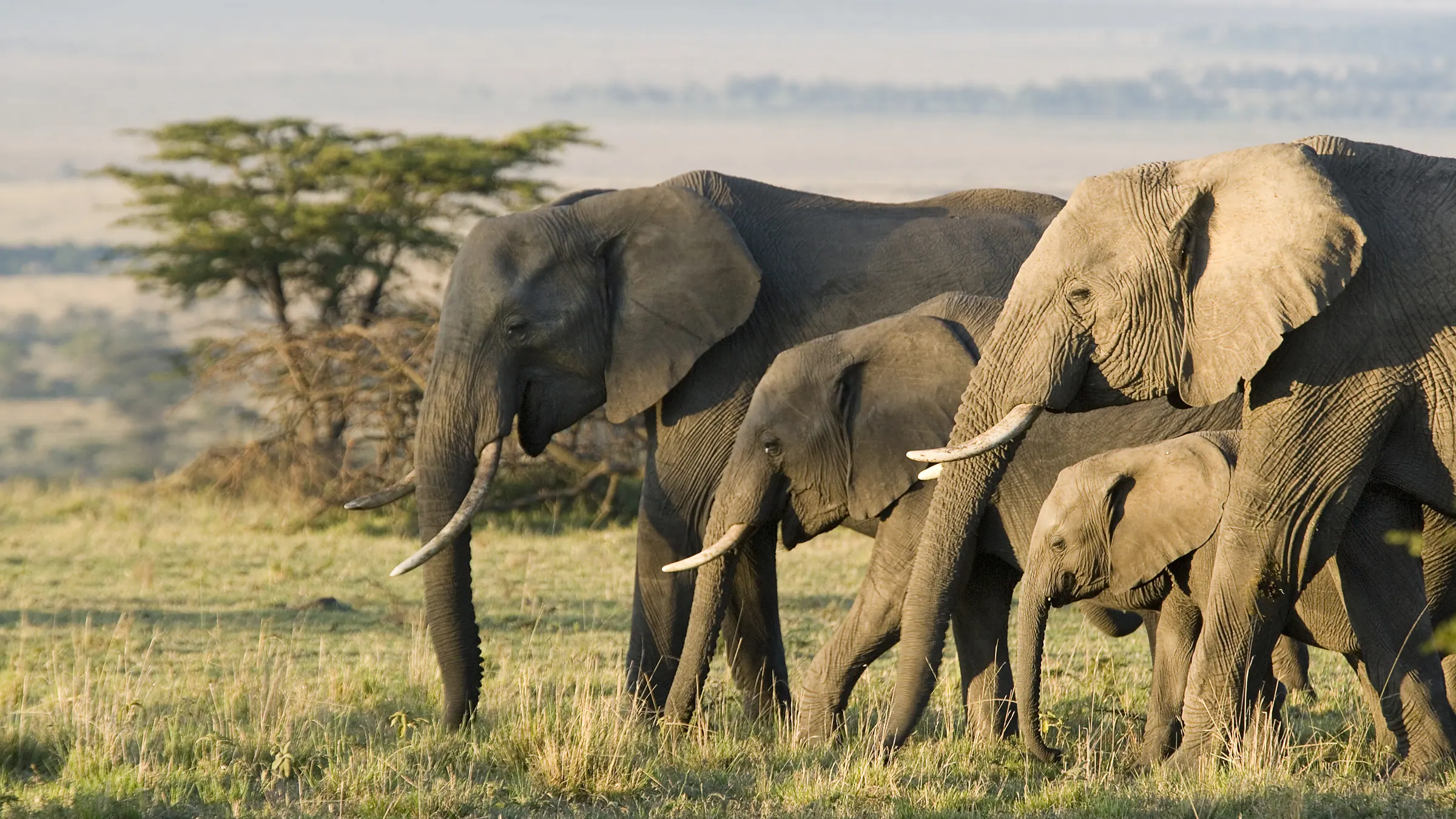
Mara North is bigger and more varied than the other conservancies: rolling grassland, acacia woodland, rocky hills, and thick bush along the streams that drain toward the Mara River. Leopard Gorge, a rocky ravine well known to Mara guides and to fans of television leopard stories, is the place most visitors ask about. Lions, cheetahs, elephants, buffalo, giraffe, topi and hyenas live here all year, and the Musiara marsh, famous for its lion prides, lies just across the boundary in the reserve.
Two migrations
- The Loita herds: a smaller wildebeest and zebra population that moves between the Loita plains to the east and the conservancies, independent of the Serengeti migration
- The Serengeti spill: in August and September, part of the great migration pushes north out of the reserve into Mara North and Olare Motorogi
- The river crossings: most crossing points are inside the reserve and the Triangle, so on crossing days you drive in. From Mara North's southern camps the northern crossing points can be under an hour away; from the far north, allow up to two hours
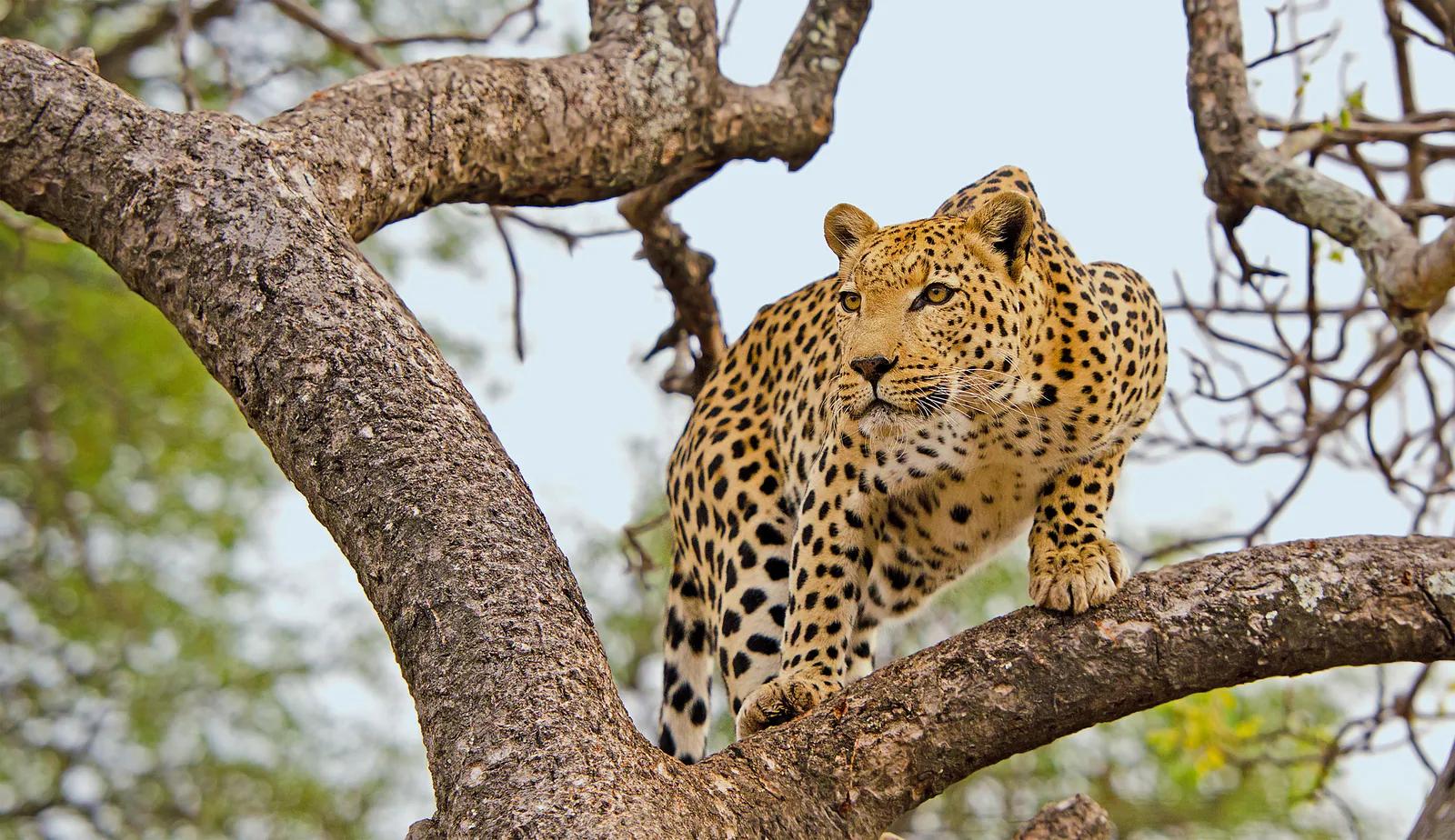
What you can do here
- Game drives with no more than about five vehicles at a sighting
- Night drives with a red-filtered light
- Guided walks with Maasai guides and rangers
- Horse riding safaris among zebra and giraffe for experienced riders, run by Offbeat Safaris from its Mara camp
- Balloon flights, which launch near the reserve's northern edge; ask us which launch site suits your camp
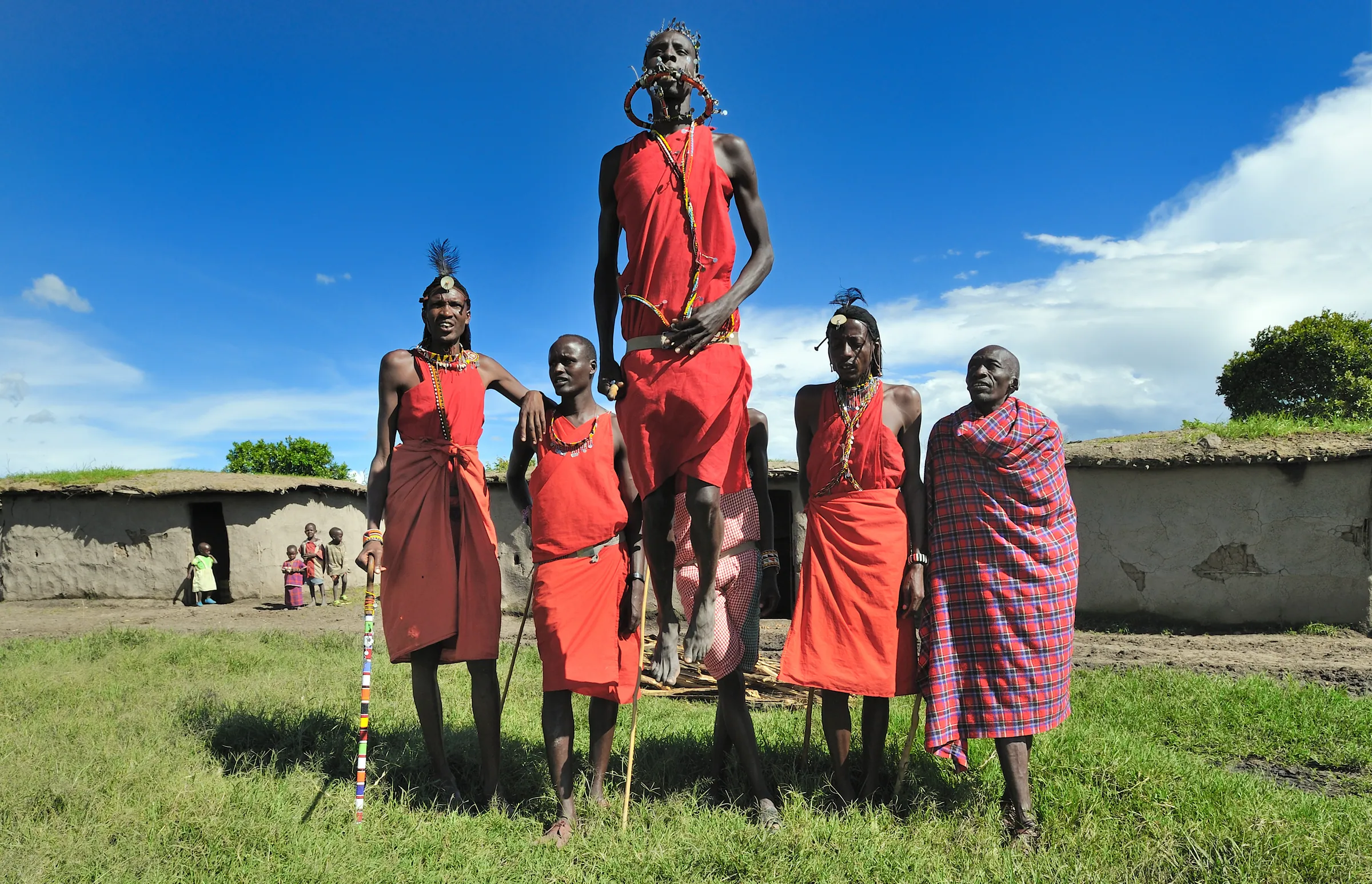
- Hosted visits to Maasai homes on the conservancy, arranged through the community
The camps
| Camp | Style | Good for |
|---|---|---|
| Kicheche Mara | Small tented camp | Photographers and walks |
| Elephant Pepper | Classic small tented camp | Couples |
| Saruni Mara | Tented camp | Walks with Maasai guides |
| Offbeat Mara | Tented camp | Riders and walkers |
| Karen Blixen Camp | Tented camp on the Mara River | River views and hippos |
Our where to stay guide compares these camps with those in the reserve, the Triangle and the other conservancies. With about a dozen partners on 110 square miles, Mara North has more camps than Olare Motorogi or Ol Kinyei, but far fewer per square mile than the busy parts of the reserve.
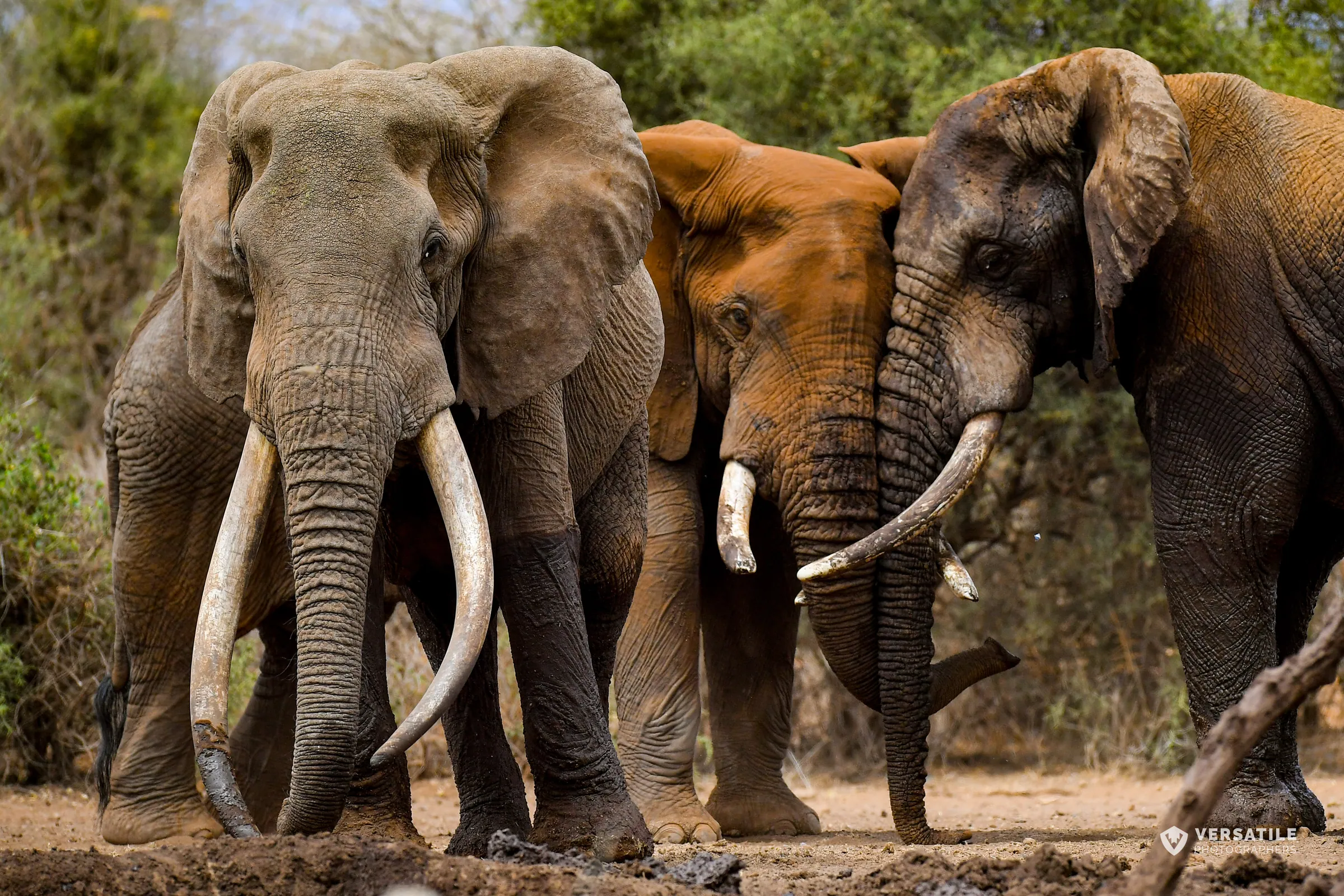
When to go
July to October brings the spillover herds and the river crossings next door, and it is when camps fill first, so book six to twelve months ahead. January to March is quieter, often excellent for cats, and the Loita herds can be around. April and May are the long rains; some camps close, and those that stay open drop their rates.
Getting there and fees
Scheduled light aircraft fly from Wilson Airport to the Mara North and Musiara airstrips in roughly 40 to 75 minutes, with a 15 kg soft-bag limit. By road the drive from Nairobi takes 5 to 6 hours through Narok. Conservancy fees, about $80 to $120 per adult per night across the Mara, are usually in the camp rate. On reserve days you also pay the reserve fee, at the time of writing $100 per adult from January to June and $200 from July to December. Mara Triangle and Narok County fees change, so check our park fees page.
How it compares
Pick Mara North for river access, size and riding. Pick Olare Motorogi or Naboisho for the smallest camps and the densest cats, and Ol Kinyei for the most private stay. In migration season our favorite plan is three nights in Mara North with one full day at the river. We are Kenyan-led, with two U.S. companies behind us, and you can pay in full or monthly with no deposit.