Parks and reserves. Updated November 2026. 4 min read.
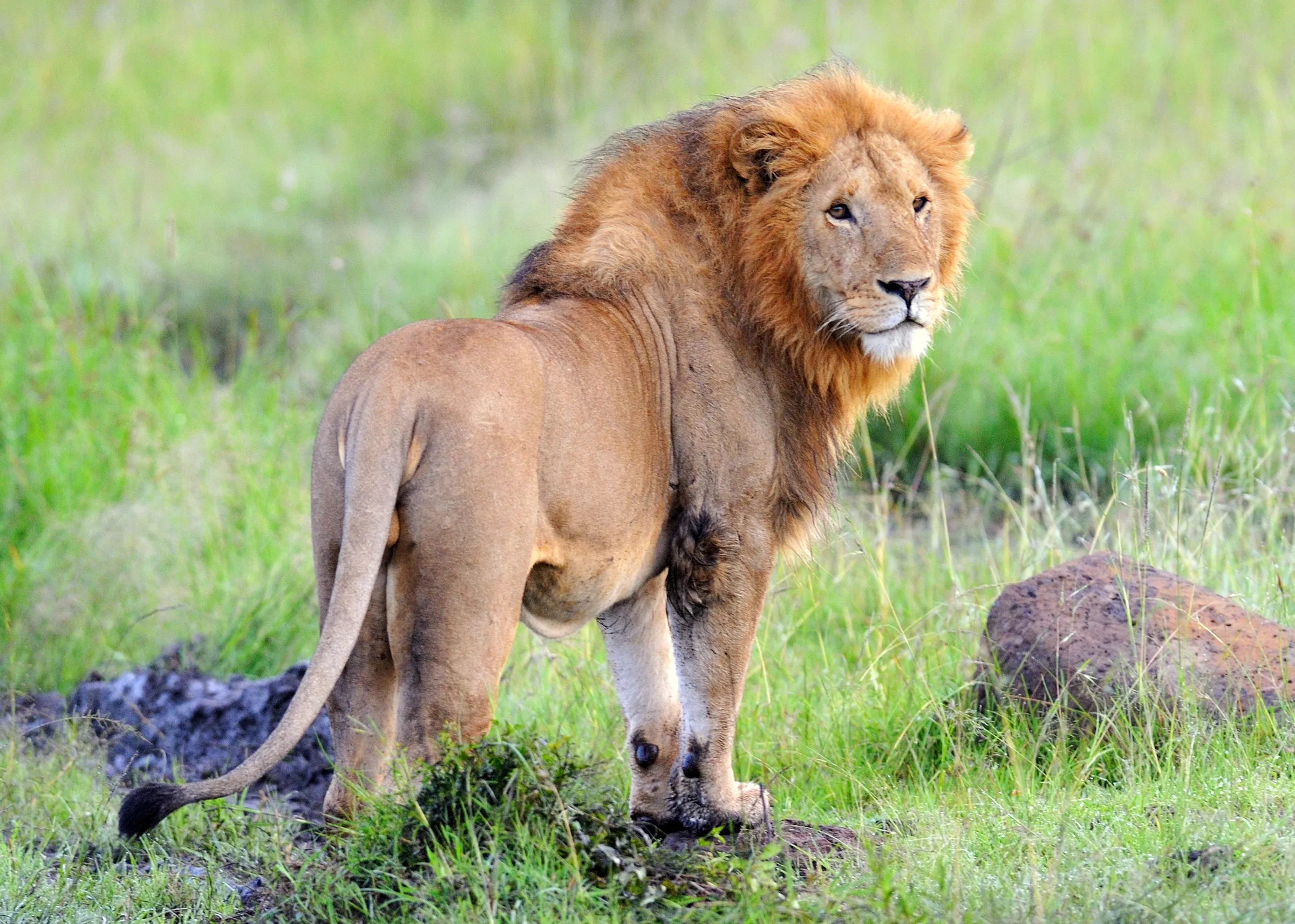
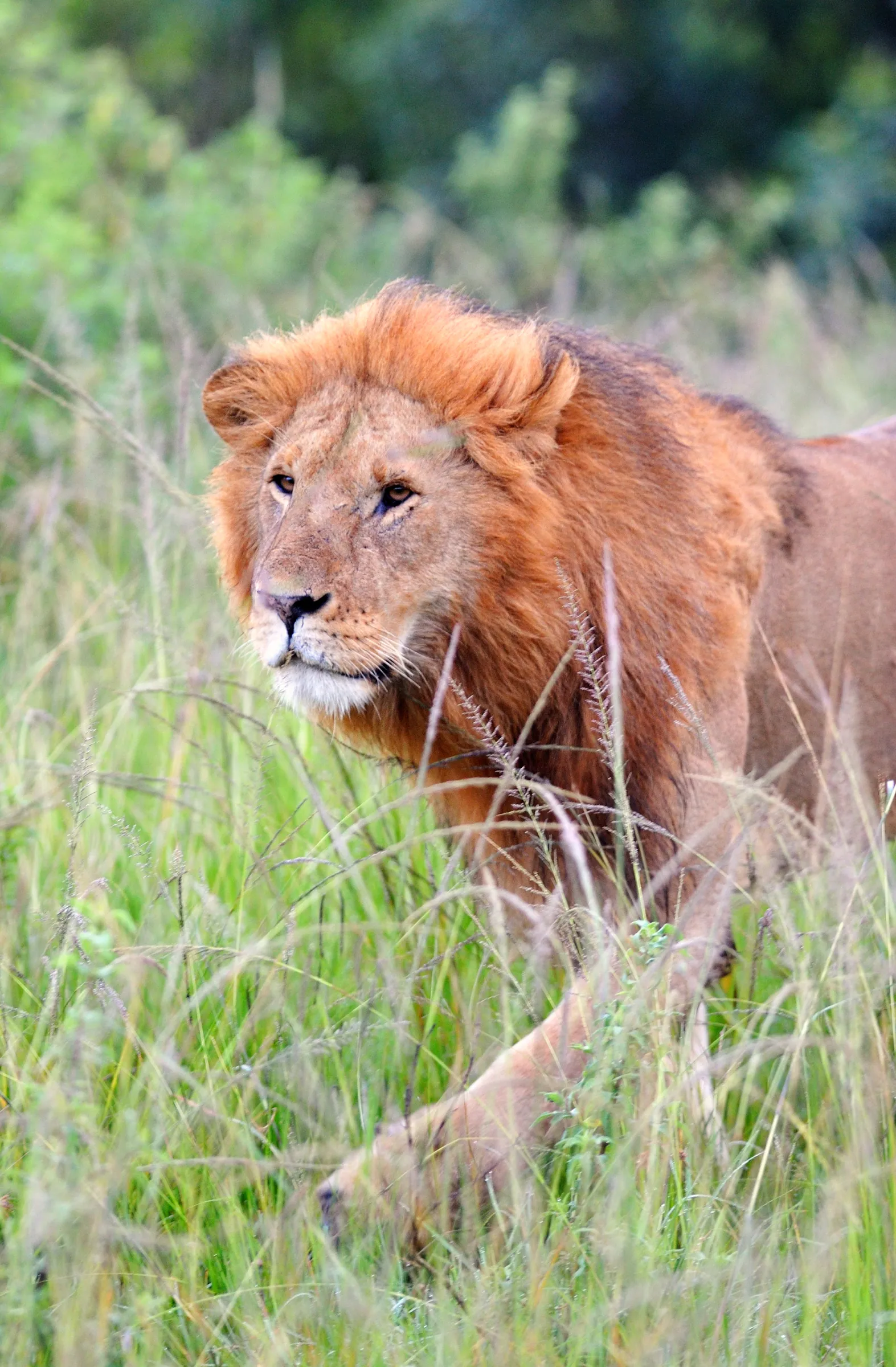
In Naboisho, the best lion sighting of your trip might happen on foot. Your Maasai guide stops, checks the wind, points at a line of grass that looks like every other line of grass, and then a lioness lifts her head. Mara Naboisho is the conservancy where walking is not an add-on but a way of seeing the place, and where you can spend a night away from camp under a mosquito net.
Naboisho covers 22,500 hectares (about 87 square miles) north-east of the national reserve, owned by 694 Maasai families and leased to a small group of camps. It is known for some of the densest lion populations in Africa, for walking safaris and fly camping, and as the home of the Koiyaki Guiding School, which trains young Maasai as safari guides. If you want lions and you want to walk, start here. For how conservancies work in general, see our Mara conservancies explainer.
The name and the owners
Naboisho is usually translated from Maa as coming together, which describes how it was formed: hundreds of families pooling their individual land parcels into one wildlife area instead of fencing them off one by one. The 694 landowners receive lease payments from the partner camps, and a conservancy fee for every guest night pays for rangers and management. Cattle still graze here, in planned zones and seasons. The conservancy is a member of the Maasai Mara Wildlife Conservancies Association.
Why the lions do so well
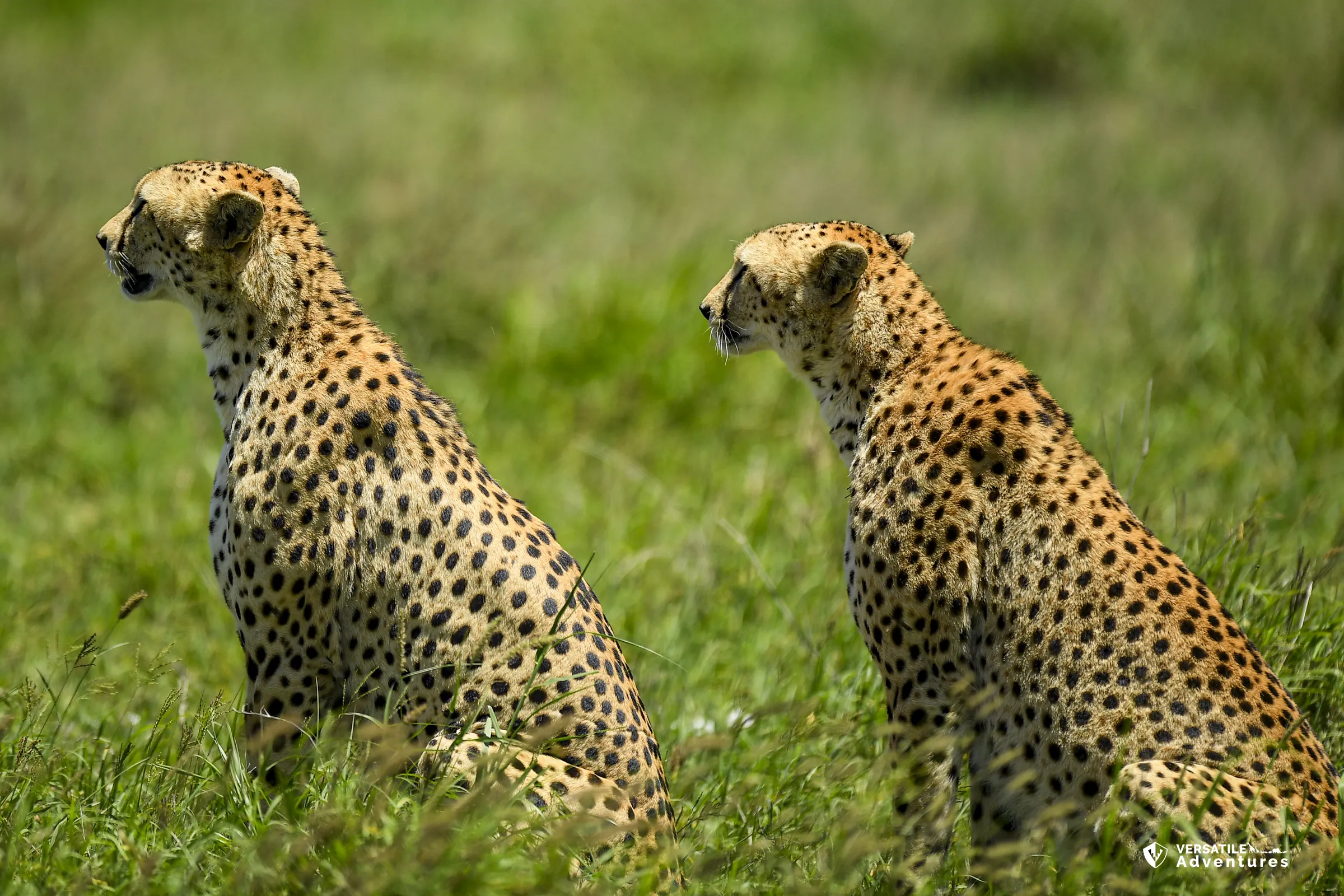
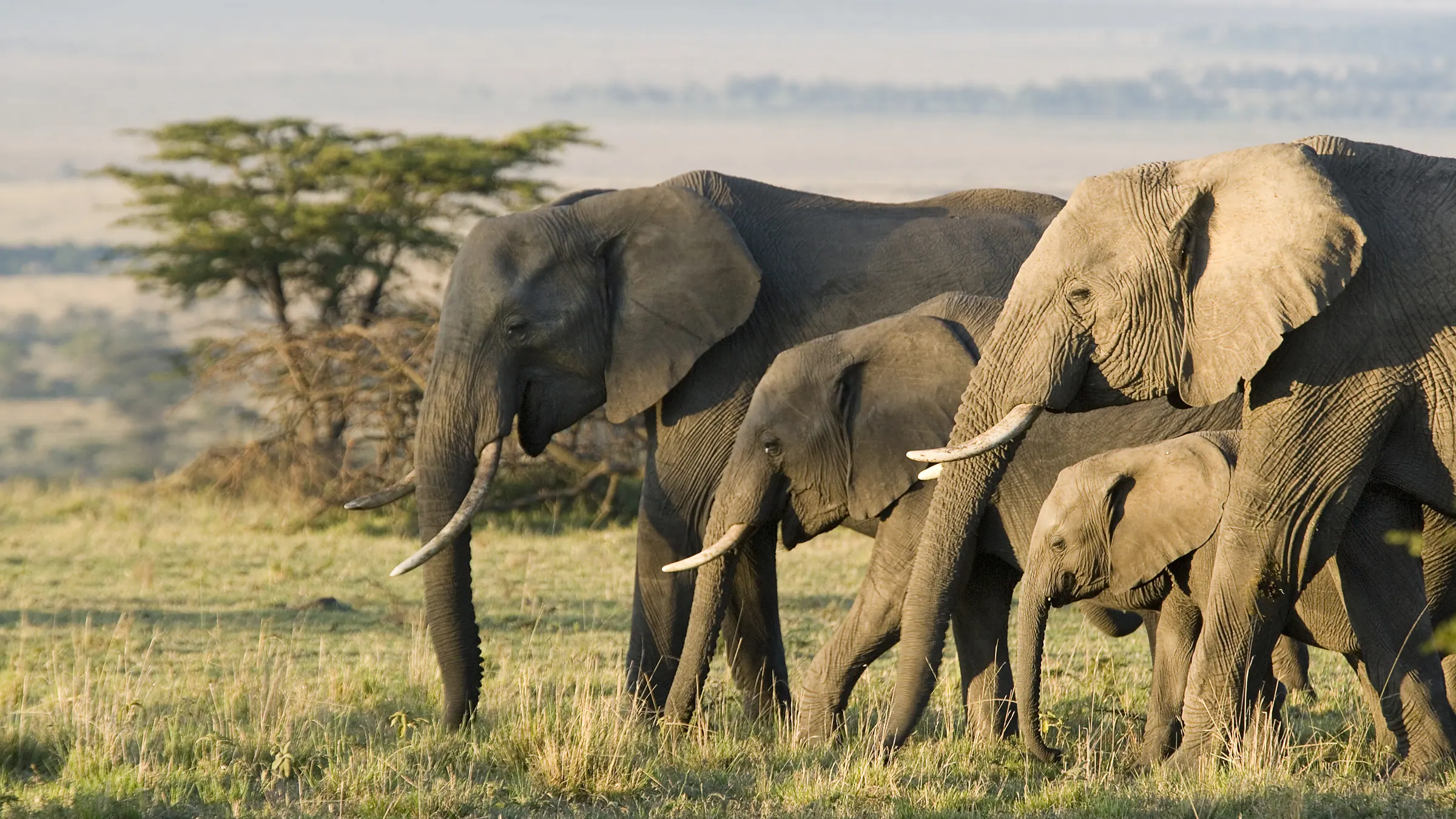
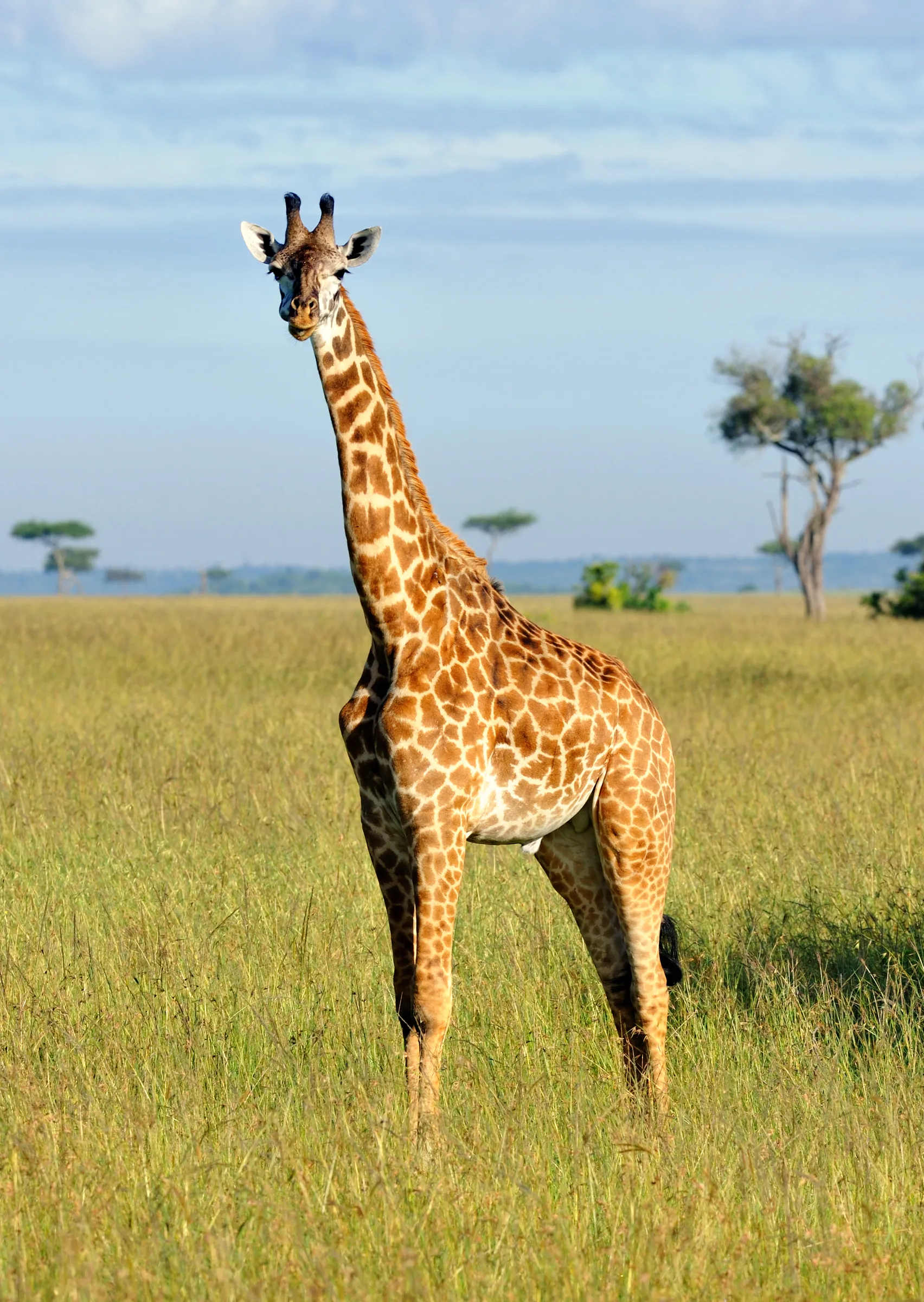
Naboisho's open plains, low hills and stream lines hold plenty of resident prey, and the conservancy has a reputation, backed by research, for one of the highest lion densities in Africa. Large prides here are often studied and named by guides, and in a good week you can follow the same pride from a kill to a den. Cheetahs, leopards, hyenas, elephants, giraffe and big herds of plains game share the land. The Loita wildebeest pass through the eastern conservancies too, so the plains are seldom empty.
Walking and fly camping
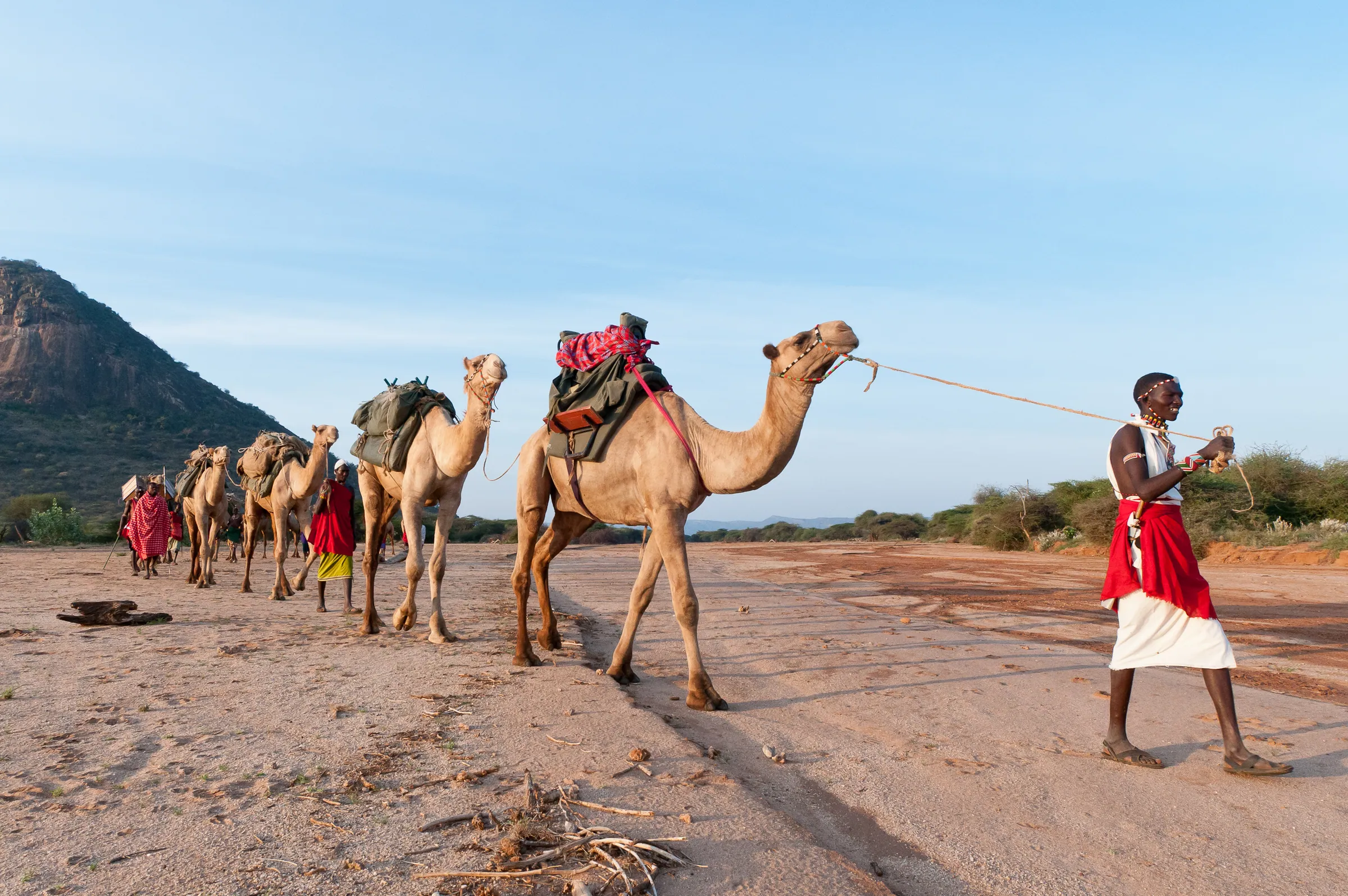
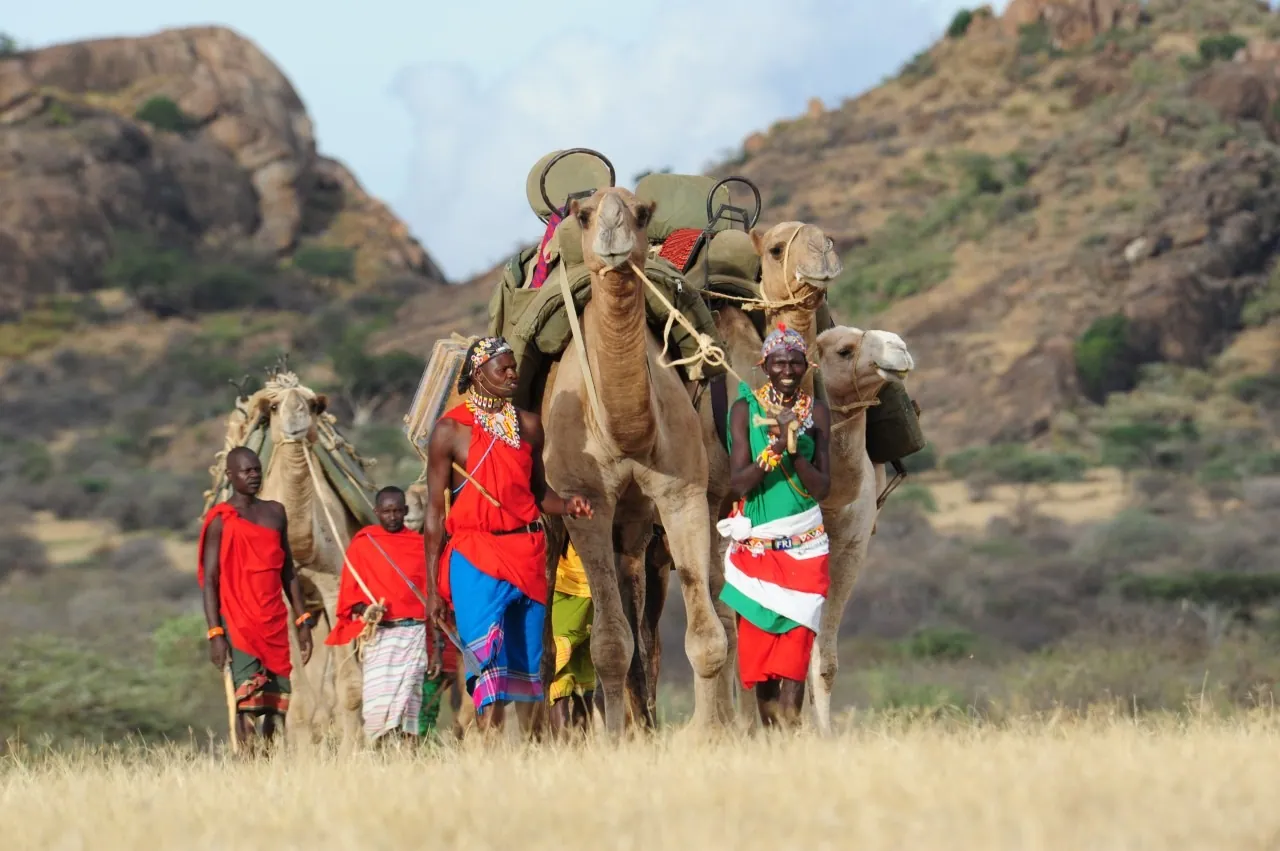
Walking safaris in the national reserve are not allowed. In Naboisho they are central. Walks are led by Maasai guides with a ranger, usually in the cool of the early morning, and last from an hour to most of a morning. You learn to read tracks and dung, to use the wind, and to see the small things a vehicle drives past: dung beetles, termite mounds, medicinal plants and the birds that warn of a predator.
- Fly camping: you walk or drive out to a simple camp of small tents or mosquito-net beds set up away from the main camp, eat dinner by the fire and sleep with the sounds of the night
- It usually runs in the dry months and for one night, with your guides and staff close by
- Each camp sets minimum ages for walks and fly camps, often around 12 or older for walking; ask before you book
- Wear neutral colors and closed shoes, and follow your guide's rules on foot exactly
The Koiyaki Guiding School
The Koiyaki Guiding School, based in Naboisho, trains young people from the Maasai community as professional safari guides, with field work in the conservancy itself. Its graduates work across the Mara and beyond. It is one of the clearest examples of a conservancy creating skilled jobs for landowners' families, not just lease payments, and it is a good reason to ask your camp about the guide you are given.
The camps
| Camp | Style | Good for |
|---|---|---|
| Basecamp Eagle View | Tented camp on a ridge | Views and couples |
| Encounter Mara | Tented camp | Walks and night drives |
| Kicheche Valley | Small tented camp | Photographers |
| Asilia's Naboisho Camp | Tented camp | Lions and longer stays |
Our where to stay guide places these camps against the rest of the Mara by price and style.
When to go
The dry months, roughly June to October and December to March, are best for walking and fly camping, when the grass is shorter and the tracks are firm. Lions are resident, so the cats are good all year. The long rains usually fall in April and May; walks may be limited and some camps close.
Getting there, fees and the river
Fly from Wilson Airport to a nearby Mara airstrip in 40 to 75 minutes (your camp names the strip), or drive 5 to 6 hours from Nairobi through Narok. Naboisho is further from the main crossing points than Mara North, so a river day in the reserve can mean up to two hours each way. The conservancy fee, about $80 to $120 per adult per night across the Mara, is usually in the camp rate, and you pay the reserve fee, at the time of writing $100 to $200 per adult per day by season, only on days you go in.
Naboisho or Olare Motorogi?
They are neighbors and share wildlife. Naboisho is larger, with more emphasis on walking and fly camping, and its mid-range camps make it a little easier on the budget. Olare Motorogi is closer to the reserve and leans toward top-end camps. Both are excellent for cats. We are Kenyan-led, with two U.S. companies behind us; pay in full or monthly with no deposit.