Homeland
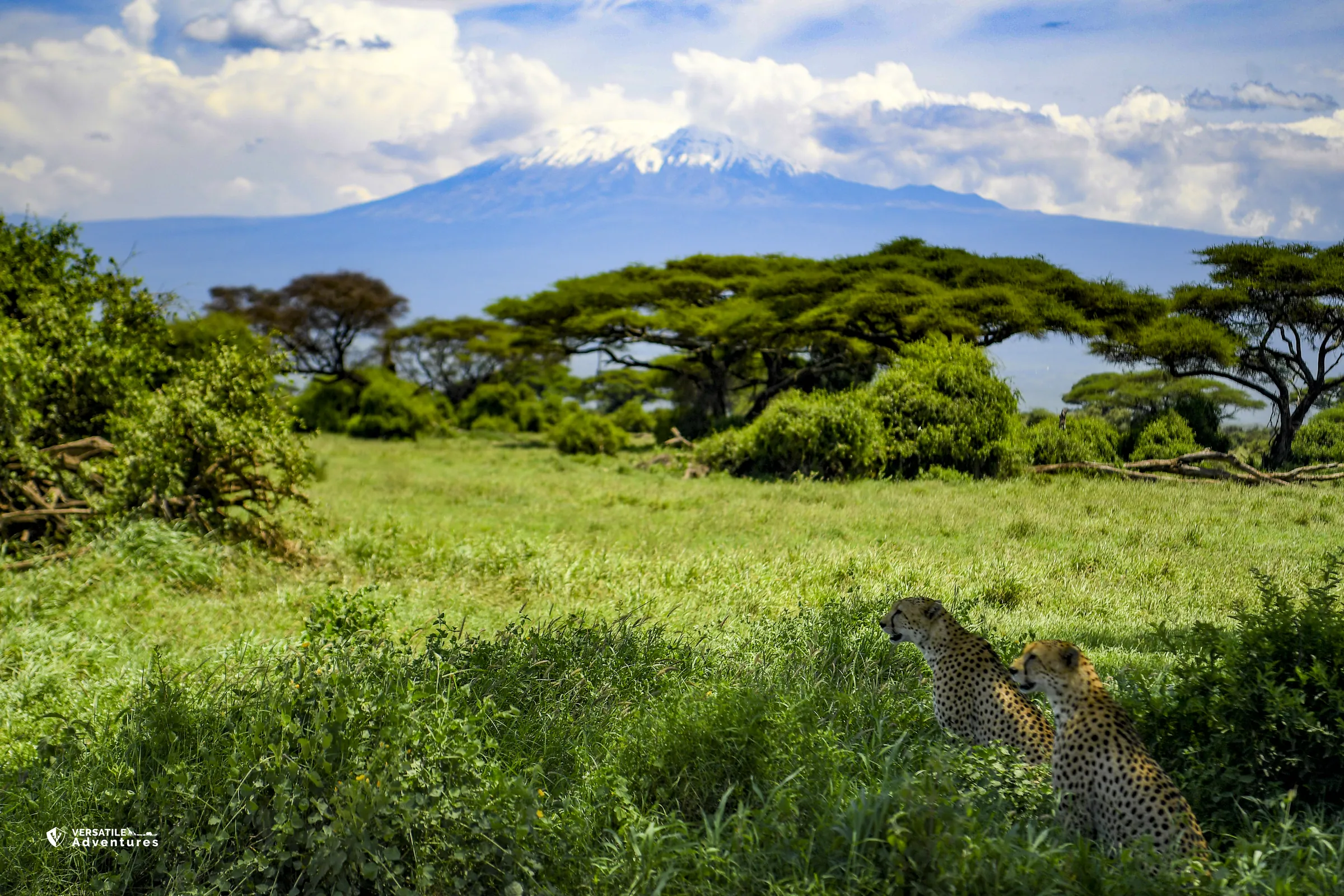
The Maasai live in Kajiado and Narok counties, and their land continues into northern Tanzania. The 2019 census counted 1,189,522 Maasai in Kenya.
Language
The Maasai speak Maa (ɔl Maa), an Eastern Nilotic language they share with the Samburu and Ilchamus.
Origins
Oral history places Maasai origins in the lower Nile valley north of Lake Turkana, with a southward migration from about the fifteenth century.
Society
The Maasai are divided into territorial sections (iloshon), each with its own leaders and ceremonies. In Kenya these include the Purko, Keekonyokie, Kaputiei, Matapato, Loodokilani, Loita, Siria, Uasin Gishu, Moitanik, Damat and Dalalekutuk.
Rites of passage
The age-set is the central institution. Traditionally boys are circumcised (emuratta) into a named set and serve as warriors (ilmurran, often called morans) living in a separate camp. They graduate to junior elderhood at the eunoto ceremony, when their mothers shave their long ochred hair, and later ceremonies mark senior elderhood. In 2018 UNESCO inscribed three of these rites, Enkipaata, Eunoto and Olng'esherr, as heritage in need of urgent safeguarding.
Belief
There is one God, Enkai, with two aspects: Enkai Narok, the Black God of rain and blessing, and Enkai Nanyokie, the Red God of anger. Tradition holds that Enkai entrusted cattle to the Maasai. The oloiboni (laibon) is diviner, healer and ritual adviser, and his influence rests on reputation, not office.
Homestead and dress
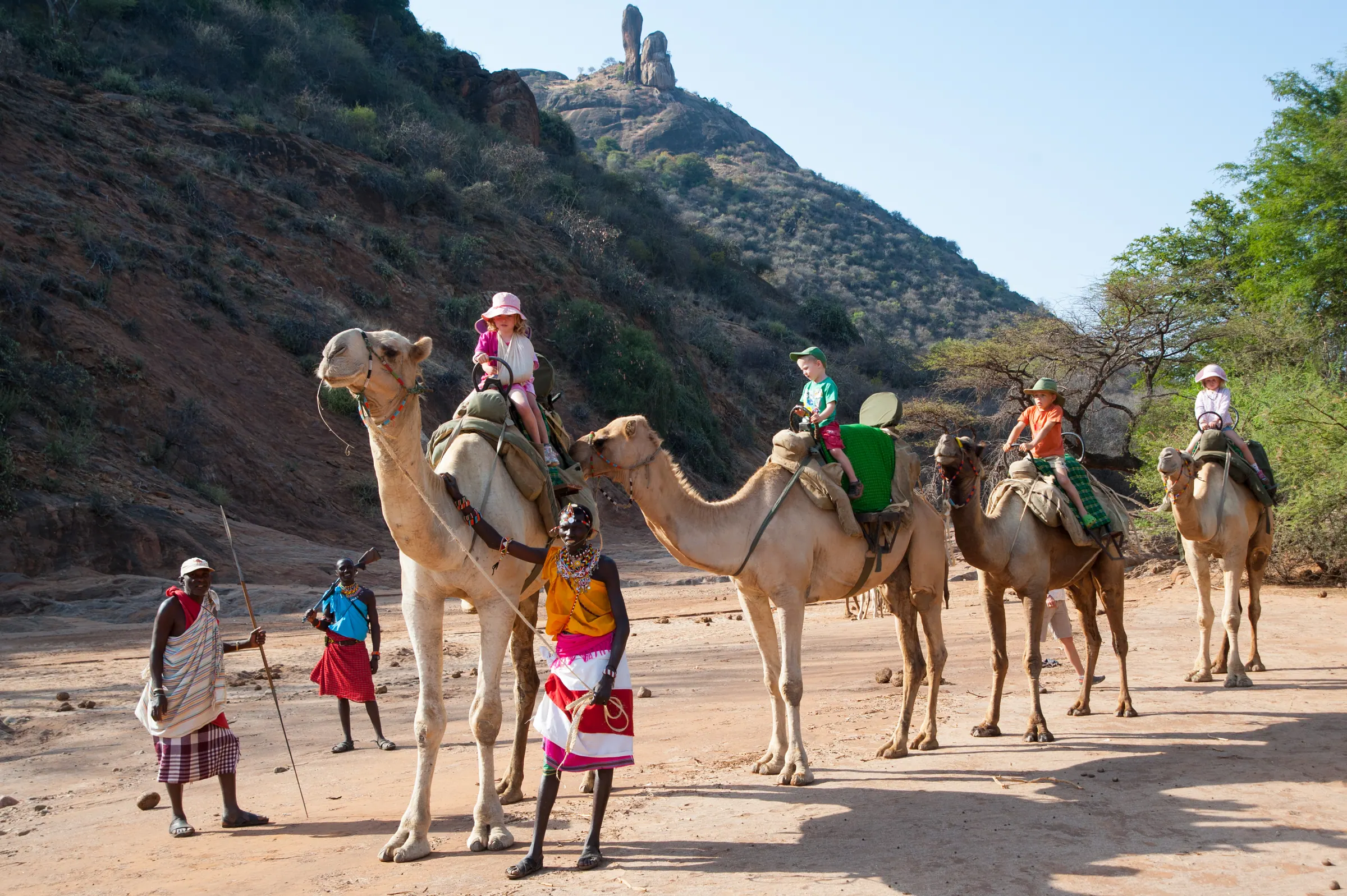
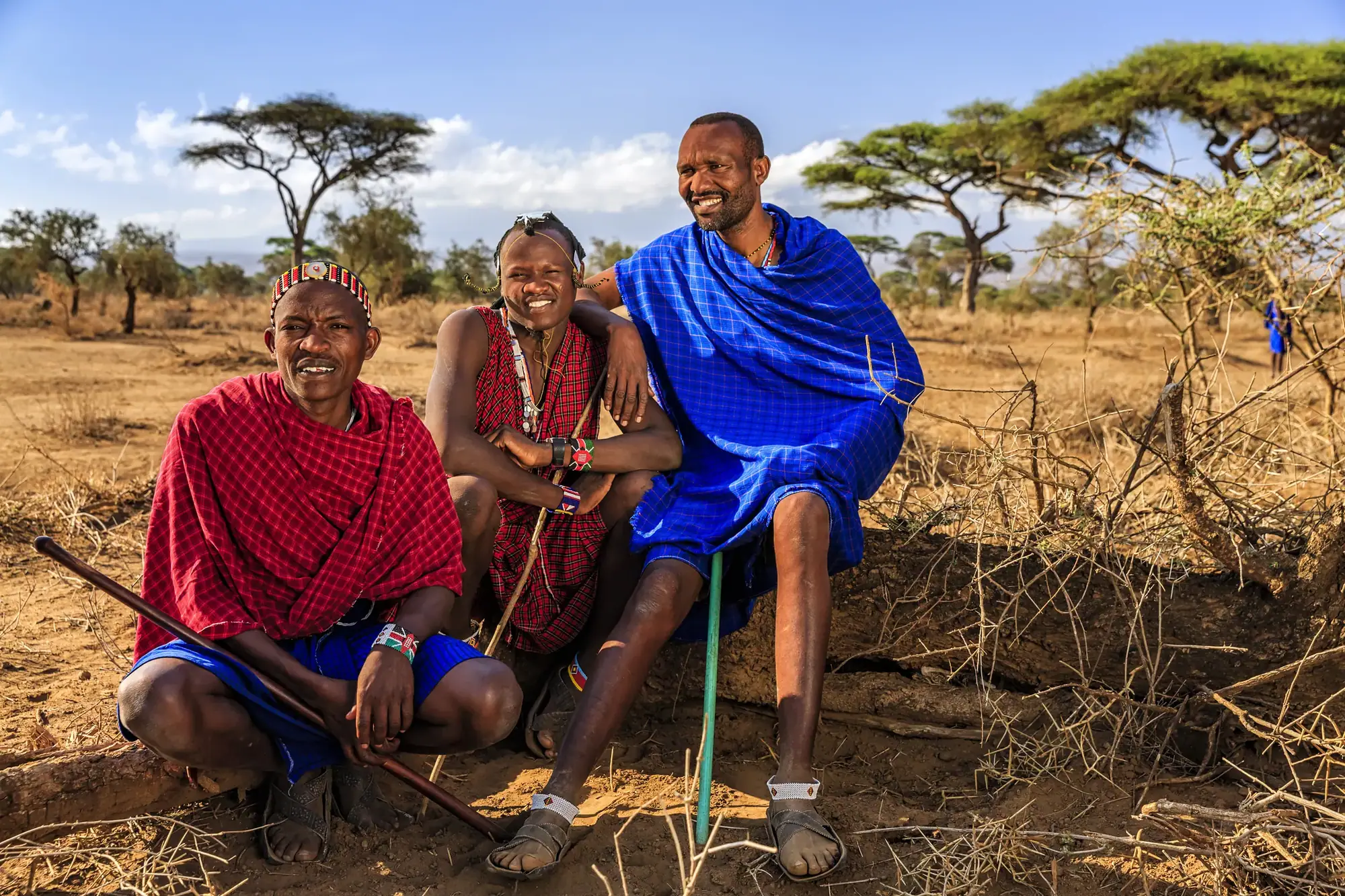
A settlement (enkang) is a thorn-fenced circle of low houses built by women from sticks, mud and dung, with livestock penned in the center. Red cloth (shuka), layered beadwork whose colors signal age and status, and stretched earlobes are characteristic.
Livelihood and food
The Maasai are primarily livestock herders. The traditional foods are milk, meat and, on ritual occasions, blood drawn from living cattle; maize meal is now the daily staple.
History
At their height in the nineteenth century the Maasai held the Rift Valley from Laikipia to central Tanzania. Epidemics in the 1880s and 1890s and the Anglo-Maasai agreements of 1904 and 1911 cost them most of their northern grazing, and more land later went to parks such as Amboseli and the Maasai Mara.
Today
Communal group ranches have largely been subdivided into private plots, and wildlife conservancies around the Mara pay lease fees to Maasai landowners. Female circumcision, formerly part of marriage preparation, is illegal in Kenya and contested. Many Maasai today are Christian, and many speak Swahili and English as well as Maa.
Experience it with respect
The most respectful way to meet Maasai hosts is on a visit they arrange and are paid for, on their own terms, with photographs only by consent. Staying in a Mara conservancy also matters: the lease fees go to Maasai landowners.
Further reading
- The Maasai of Matapato, Paul Spencer, 1988
- Being Maasai, Spear and Waller (eds), 1993
Sources
From The Peoples of Kenya: An Ethnographic Reference (Kenya Experience, November 2026), a synthesis of published sources. Practices described as traditional are historical baselines; today most Kenyans are Christian or Muslim, live in or near towns and speak Swahili and English. Spot something to correct? Write to kibetck@kenyaexperience.org.